Getting lost outdoors can escalate quickly from an inconvenience to a real emergency, especially when weather, terrain, and fading daylight start working against you. In these moments, the difference between being found in hours or spending the night outside often comes down to your ability to signal effectively. Rescuers look for intentional and unusual signs, and knowing the right techniques helps you stand out in any environment. These nine methods offer reliable ways to get attention and guide search teams to your location.
1. Bright Clothing or Fabric to Increase Visibility
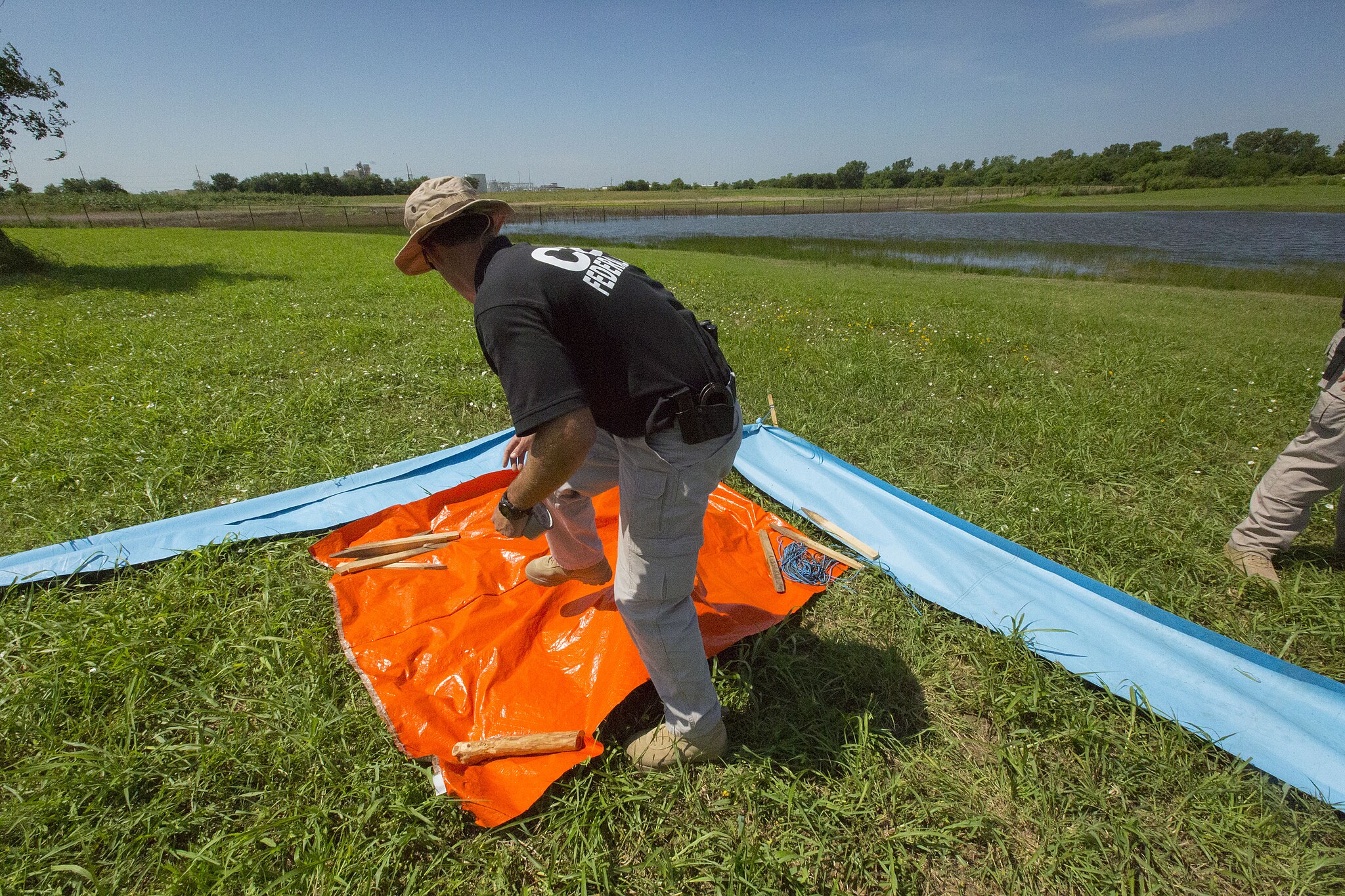
Using brightly colored clothing is one of the easiest ways to be spotted when you’re lost. Colors like neon orange, bright red, or yellow stand out sharply against natural backdrops such as forests, rock fields, or snowy areas. Waving a jacket or tying a bandana to a branch creates motion that draws the eye. Laying fabric in an open clearing also creates a visible marker from the air, helping aircraft identify your position more quickly.
2. Mirror Flashes or Reflective Surfaces for Long Range
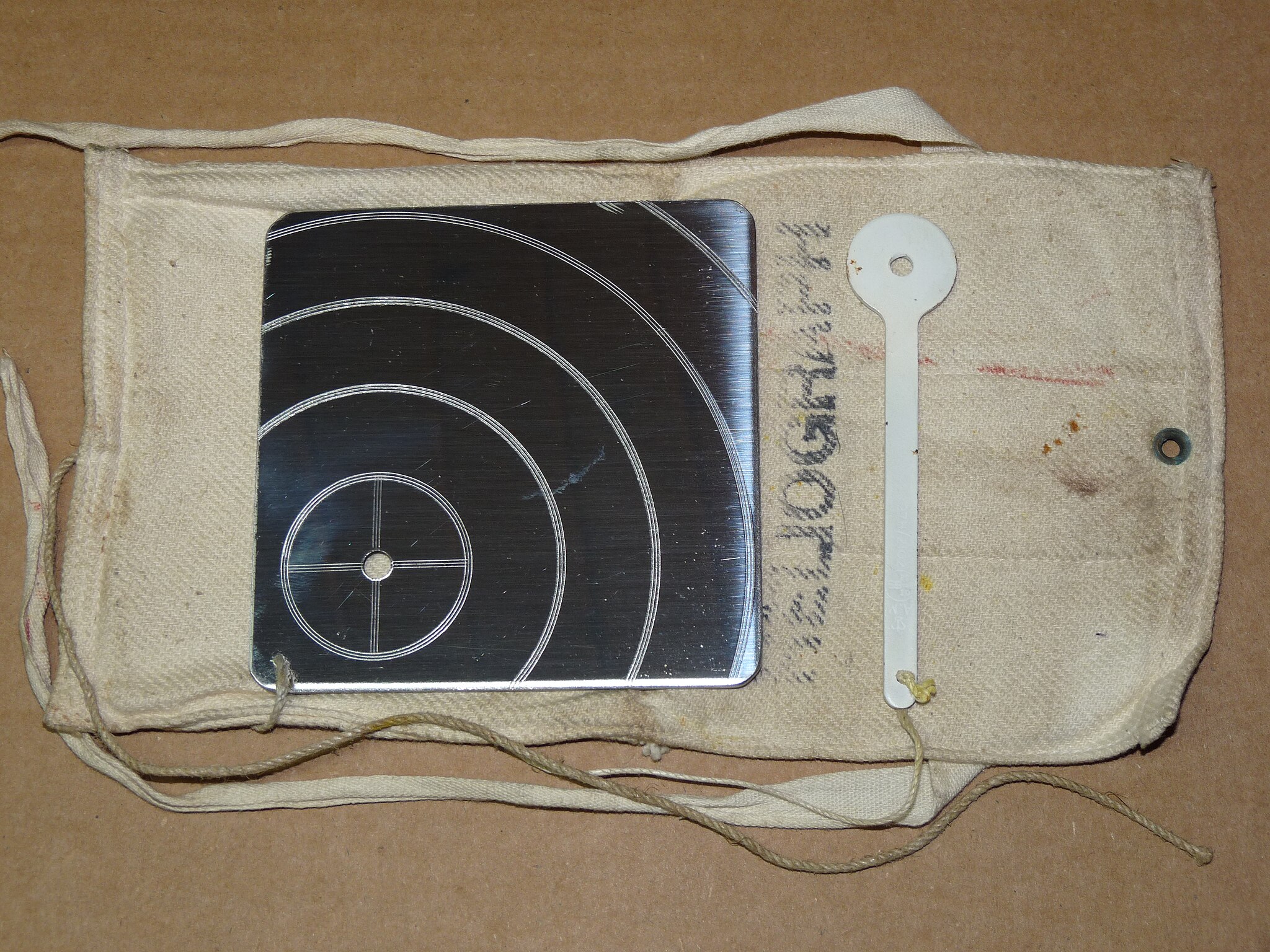
Mirrors are incredibly effective because reflected sunlight can travel for miles. Using a dedicated signal mirror or even a reflective object like a phone screen, you can direct flashes toward passing aircraft or distant search teams. Forming a V-shape with your fingers helps you aim the reflection more accurately. Repeating short flashes creates a pattern that looks deliberate and is far easier for rescuers to recognize in rugged or open landscapes.
3. Creating a Smoky Signal Fire During Daylight
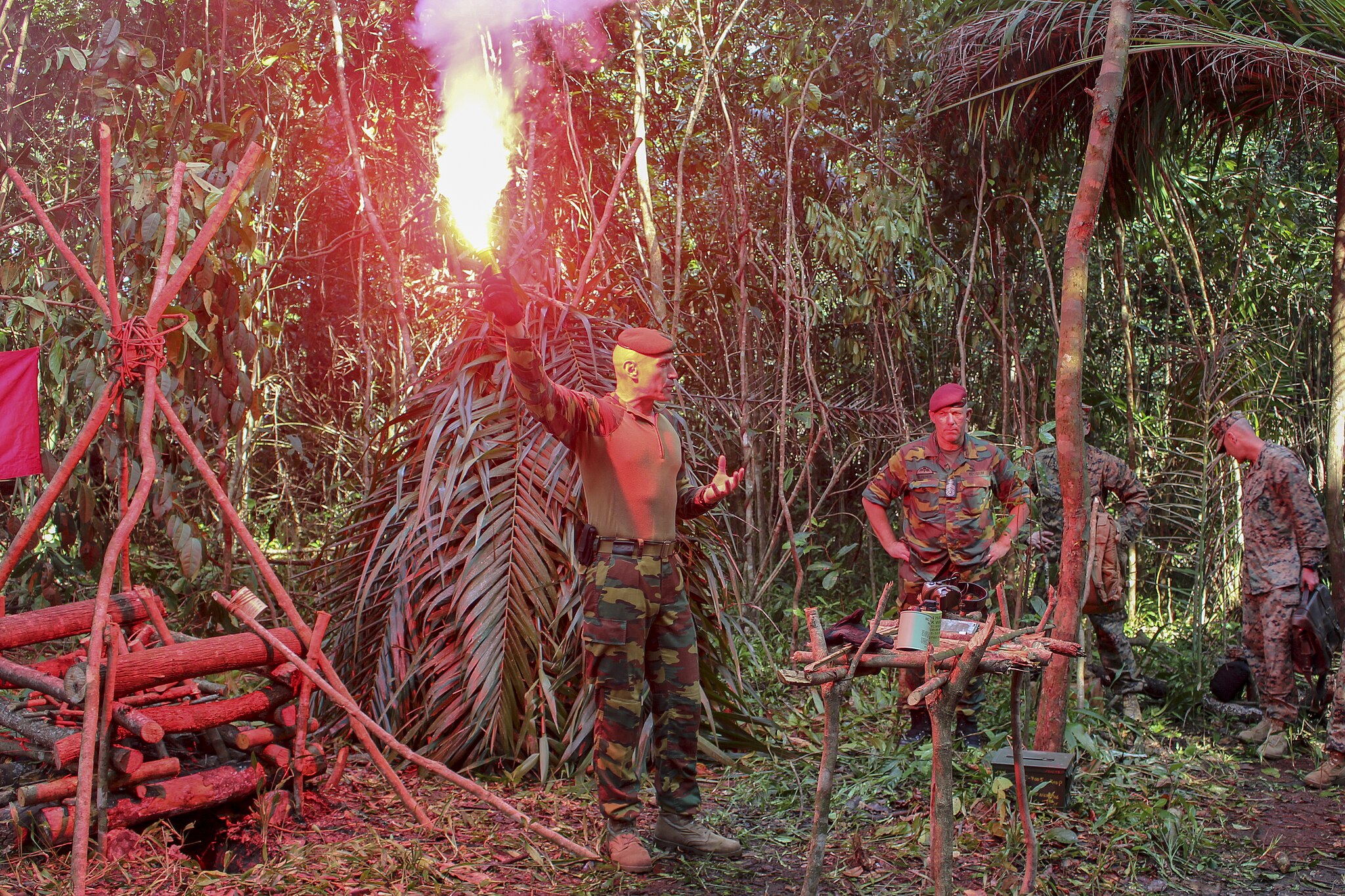
A smoky signal fire is one of the most effective daytime rescue methods because thick, visible smoke can rise high above treetops and be spotted miles away. To create one, start a small base fire using dry twigs, then add green leaves, damp vegetation, or fresh pine branches to produce dense white smoke. Build it in an open clearing so the signal isn’t blocked, and keep materials ready to reignite more smoke if aircraft or search crews appear nearby.
4. Whistle Bursts to Cut Through Terrain Noise

Whistles travel farther than your voice and require much less energy, which matters when you’re stressed or conserving strength. Three sharp blasts repeated at regular intervals form the recognized emergency pattern. Because high-pitched sound carries well across valleys, ridges, and wooded areas, a whistle is invaluable when visibility is poor. It also remains effective when wind or terrain would otherwise muffle normal shouting.
5. Large Ground Symbols or SOS Built from Natural Materials

Creating large symbols like “SOS” or arrows with logs, branches, or rocks provides a strong visual cue for aircraft and drones. The key is to contrast materials that differ sharply from the surrounding terrain. Clear shapes laid in an open space are easier to spot from the sky. Making the symbols several feet wide helps ensure they’re visible even in mixed terrain, and adding movement like fluttering fabric boosts their impact.
6. Flashlight or Headlamp Signaling After Dark
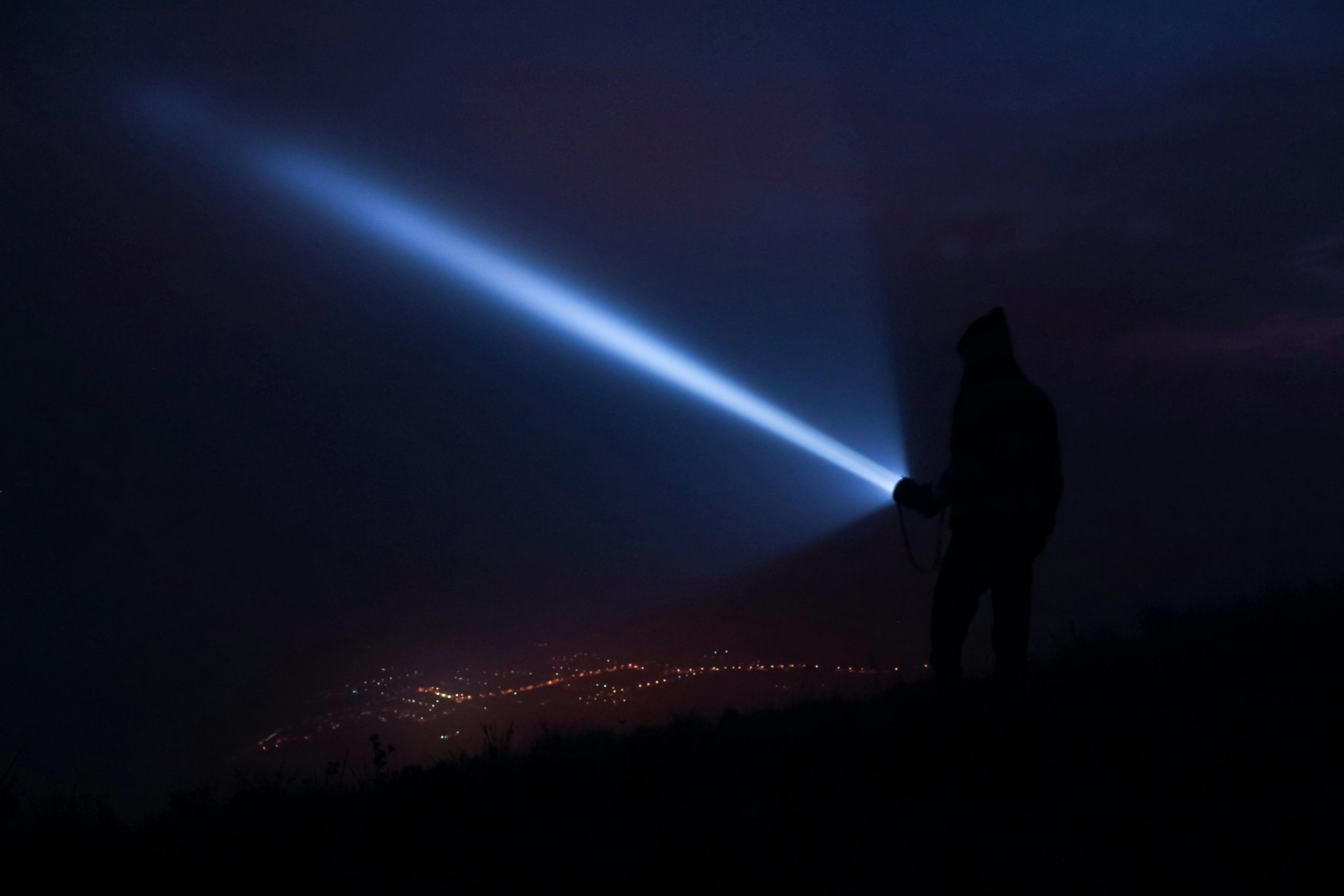
A flashlight becomes a powerful signaling tool when natural light fades. Using a steady beam or short repeated flashes helps rescuers distinguish your location from normal campsite lighting or ambient reflections. Three flashes remain the universal emergency pattern. A headlamp offers hands-free signaling and allows you to aim the light toward ridgelines or open areas. Even a low-powered light can be seen far away in total darkness.
7. Building Cairns or Rock Piles for Directional Signals

Stacked rock piles or cairns can serve as long-lasting, large-scale ground signals. By piling stones in a deliberate pattern along ridgelines, trails, or ridges, you create markers that are visible from a distance and from the air. When arranged in lines or arrows, cairns clearly communicate direction or presence. Because they are made from natural materials, rescuers recognize them as intentional signs rather than random landscape features.
8. Personal Locator Beacons or Satellite Messengers
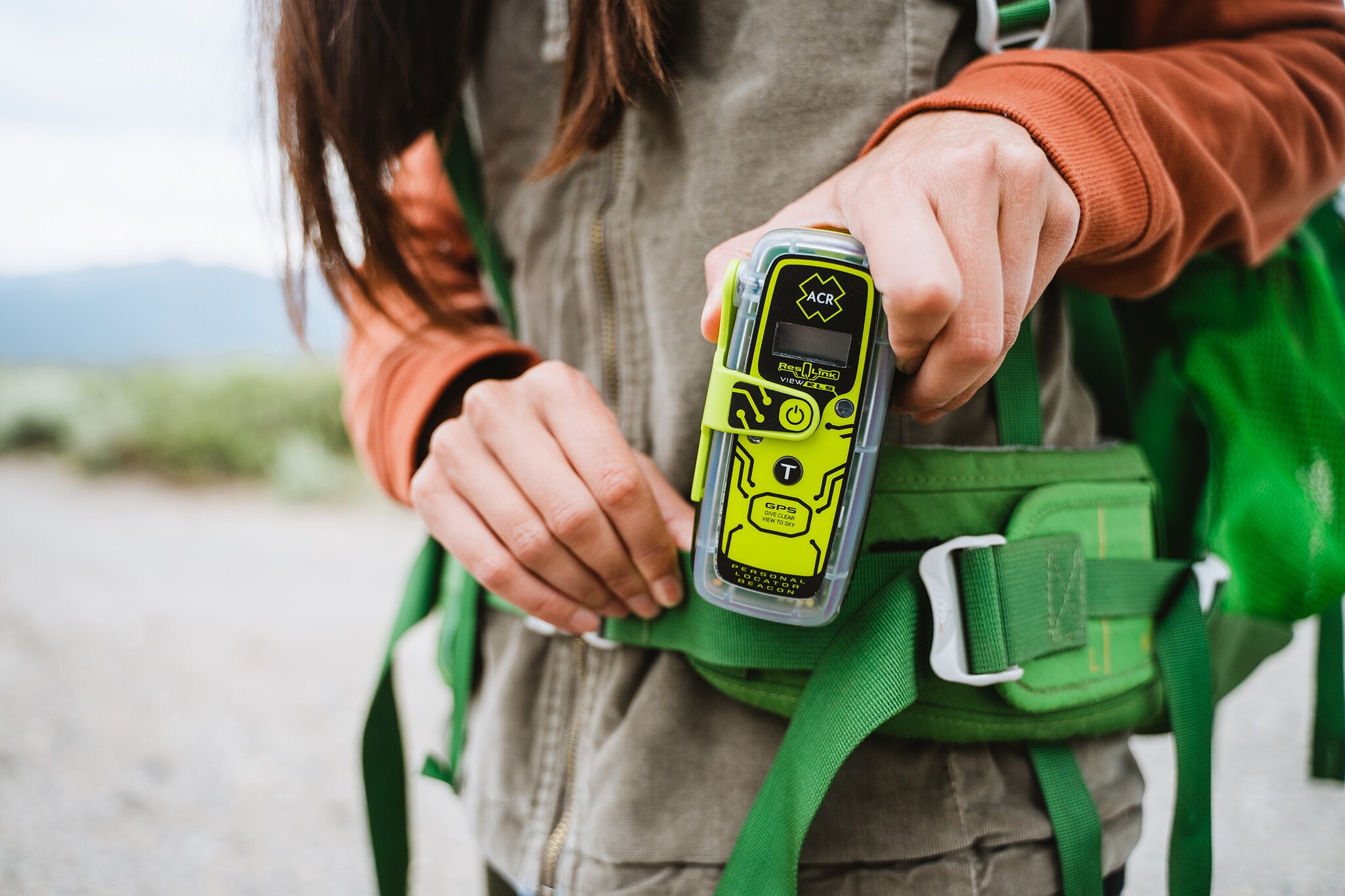
PLBs and satellite messengers provide the most reliable method of transmitting your location during emergencies. When activated, they send coordinates directly to rescue authorities, bypassing the need for cell coverage. Some devices allow two-way messaging, giving you a way to share details about your condition. Because they’re small, durable, and weather-resistant, they’re an essential tool for remote trips or long-distance hikes where help isn’t close.
9. Movement Patterns Like Flagging Trails or Marking Paths
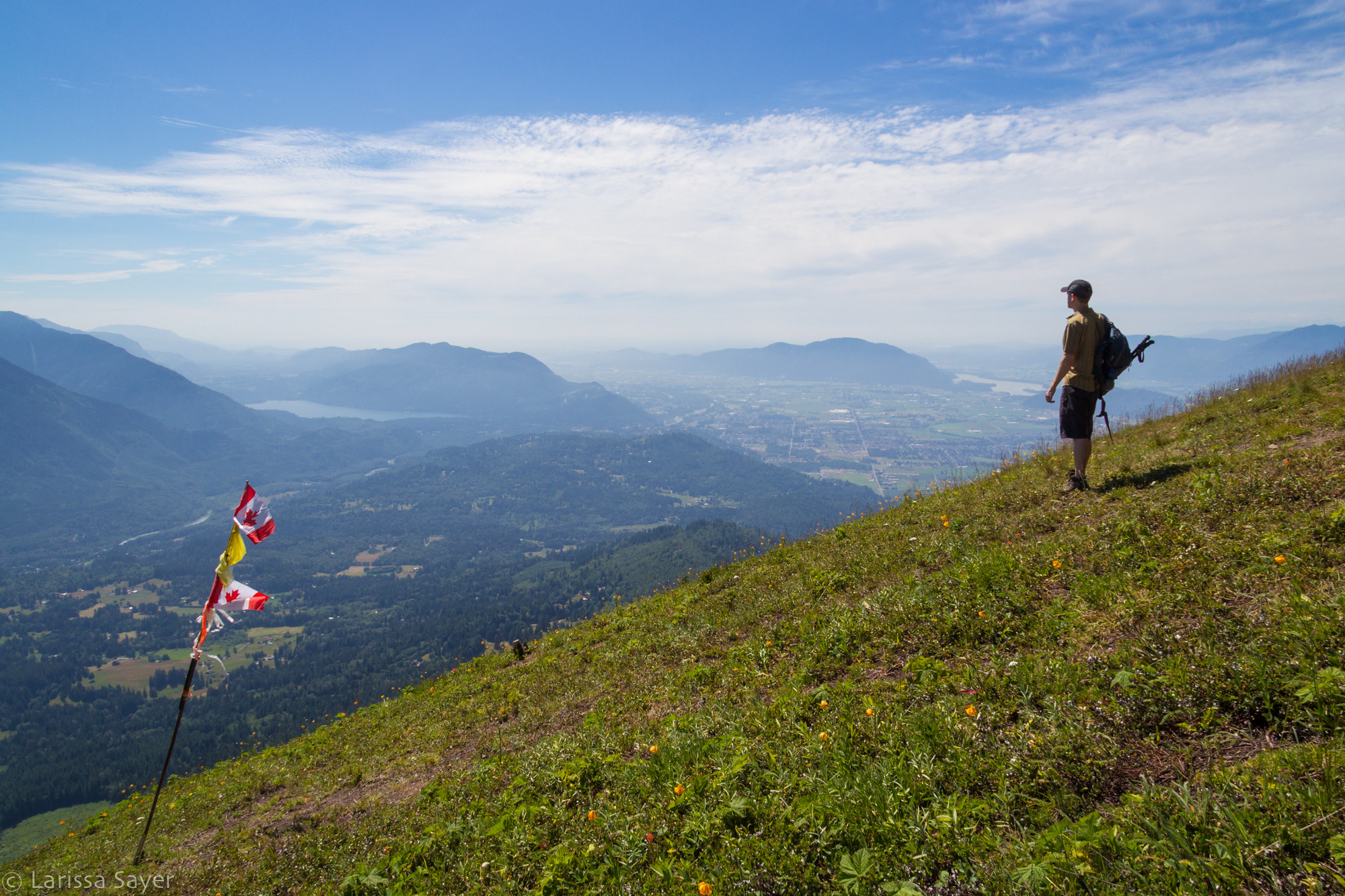
Leaving deliberate markers, such as stacked stones, broken branches, or bright tape, helps rescuers follow your movement if you must keep traveling. These signals show direction and confirm that your path is intentional, preventing search teams from wasting time in the wrong area. Spacing markers consistently increases their visibility. This method is especially helpful in dense forests, where sightlines are short and overhead visibility is limited.