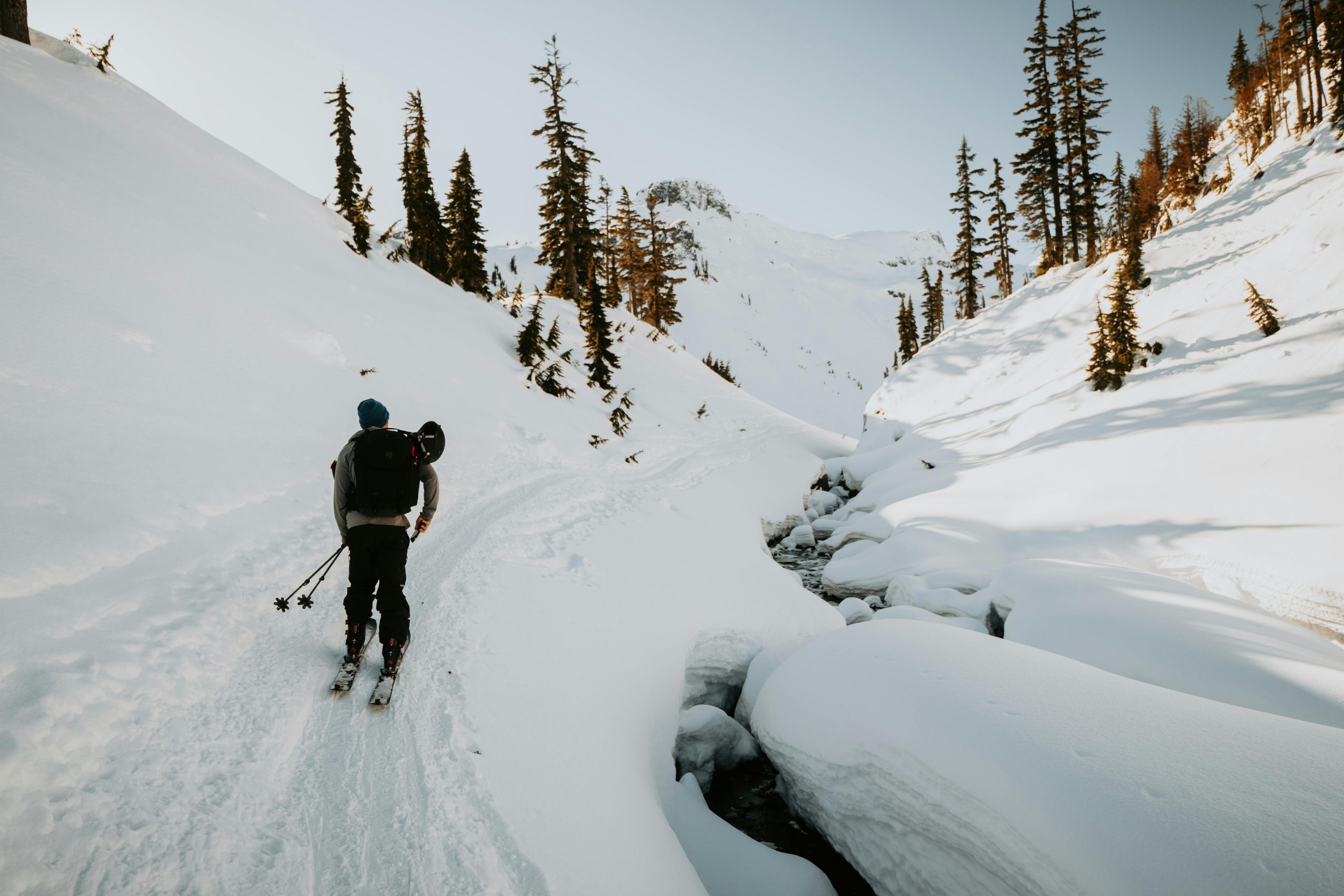
Indigenous communities have survived brutal winters for thousands of years without modern gear, electricity, or synthetic fabrics. Their knowledge was built through trial, error, and deep observation of nature. Unlike modern survival advice that often depends on equipment, these techniques focus on body heat management, shelter efficiency, and resource awareness. Many of these practices are still used today because they work reliably in real conditions. Learning these methods can improve safety, conserve energy, and prevent life-threatening mistakes in cold environments. These survival hacks are practical, adaptable, and grounded in lived experience, making them valuable tools for anyone facing extreme winter conditions.
1. Snow Shelters That Trap Body Heat
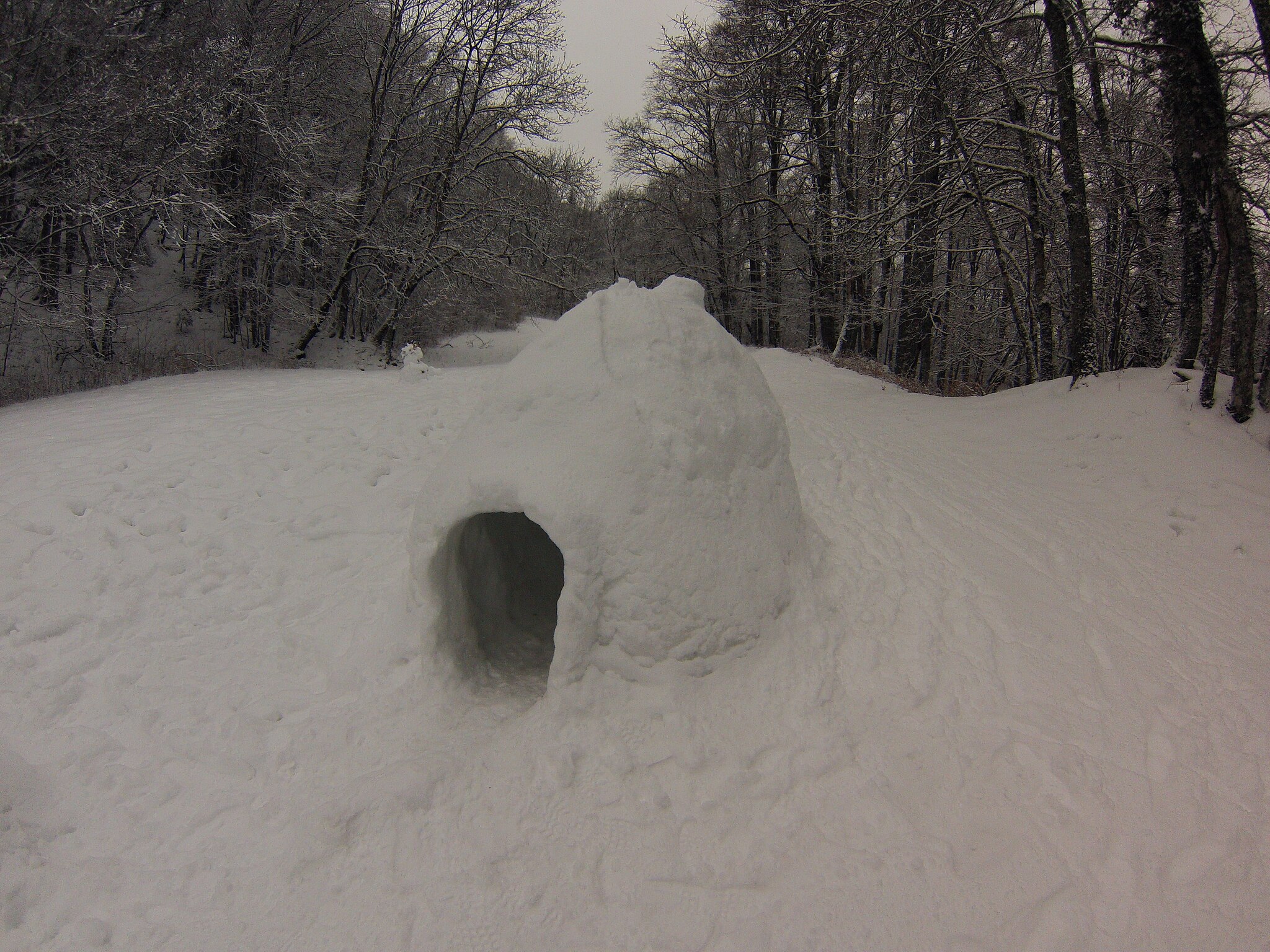
Many Arctic tribes built shelters directly from snow because snow acts as a powerful insulator. Packed snow traps air, which slows heat loss and creates a surprisingly warm interior. By shaping domed or low-profile shelters, they reduced wind exposure and prevented heat from escaping upward. Small entrances forced cold air to stay low while warm air collected near sleeping areas. Modern survivalists often underestimate snow shelters, but these structures can maintain temperatures far above outside conditions. When built correctly, they protect against wind, conserve body heat, and require no external materials beyond snow itself.
2. Layering with Breathable Natural Materials
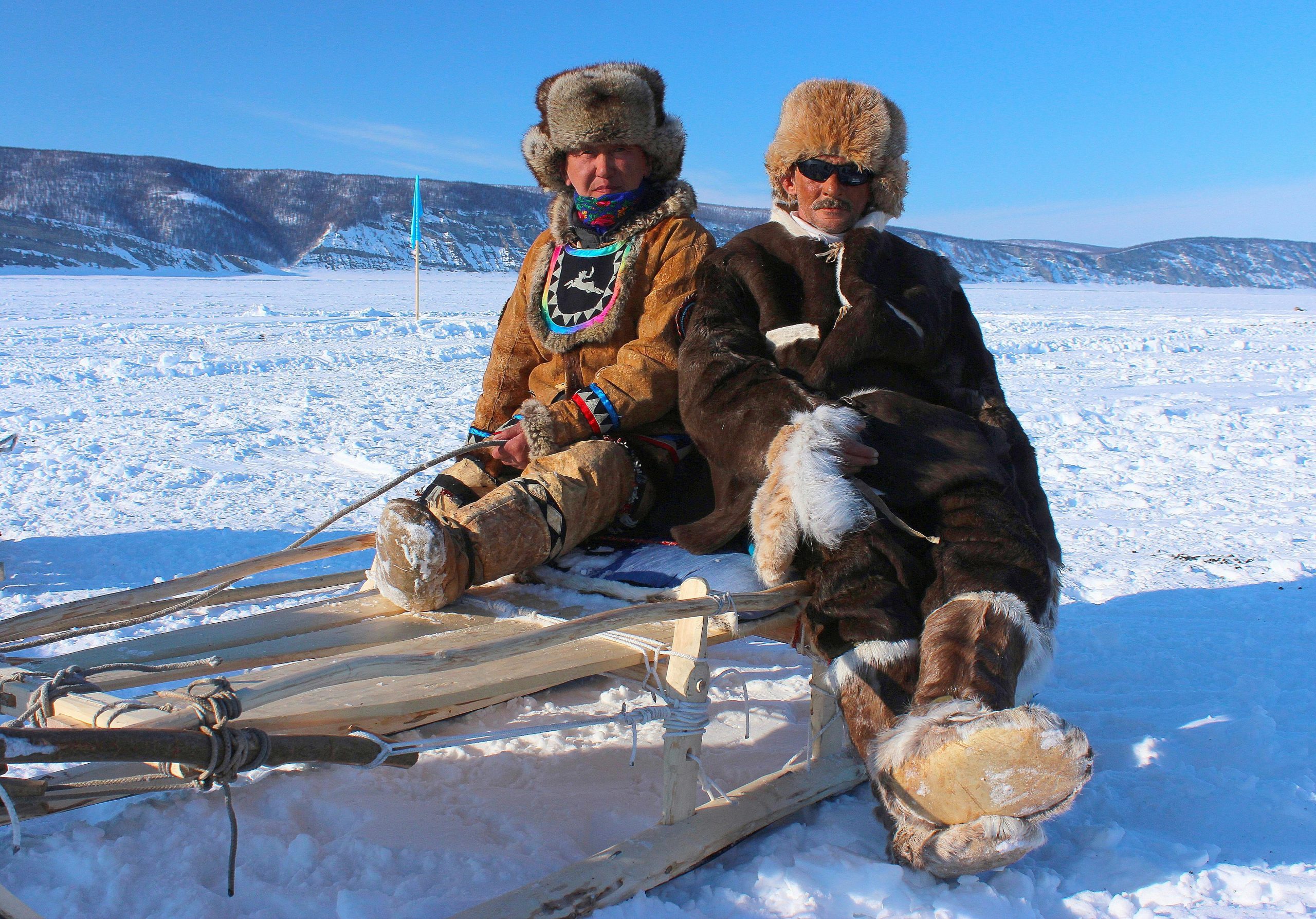
Indigenous cold-weather clothing relied on layered animal skins and natural fibers rather than thick single garments. Inner layers focused on moisture control, while outer layers blocked wind. Materials like caribou fur trapped heat while allowing sweat to escape, preventing dangerous chilling. Loose-fitting layers improved circulation and reduced frostbite risk. Modern tight clothing can restrict blood flow, increasing cold injury. The key lesson is not thickness alone but balance between insulation and breathability. Managing sweat is just as important as blocking cold, a principle many modern hikers still struggle to master.
3. Sleeping Above Ground Insulation
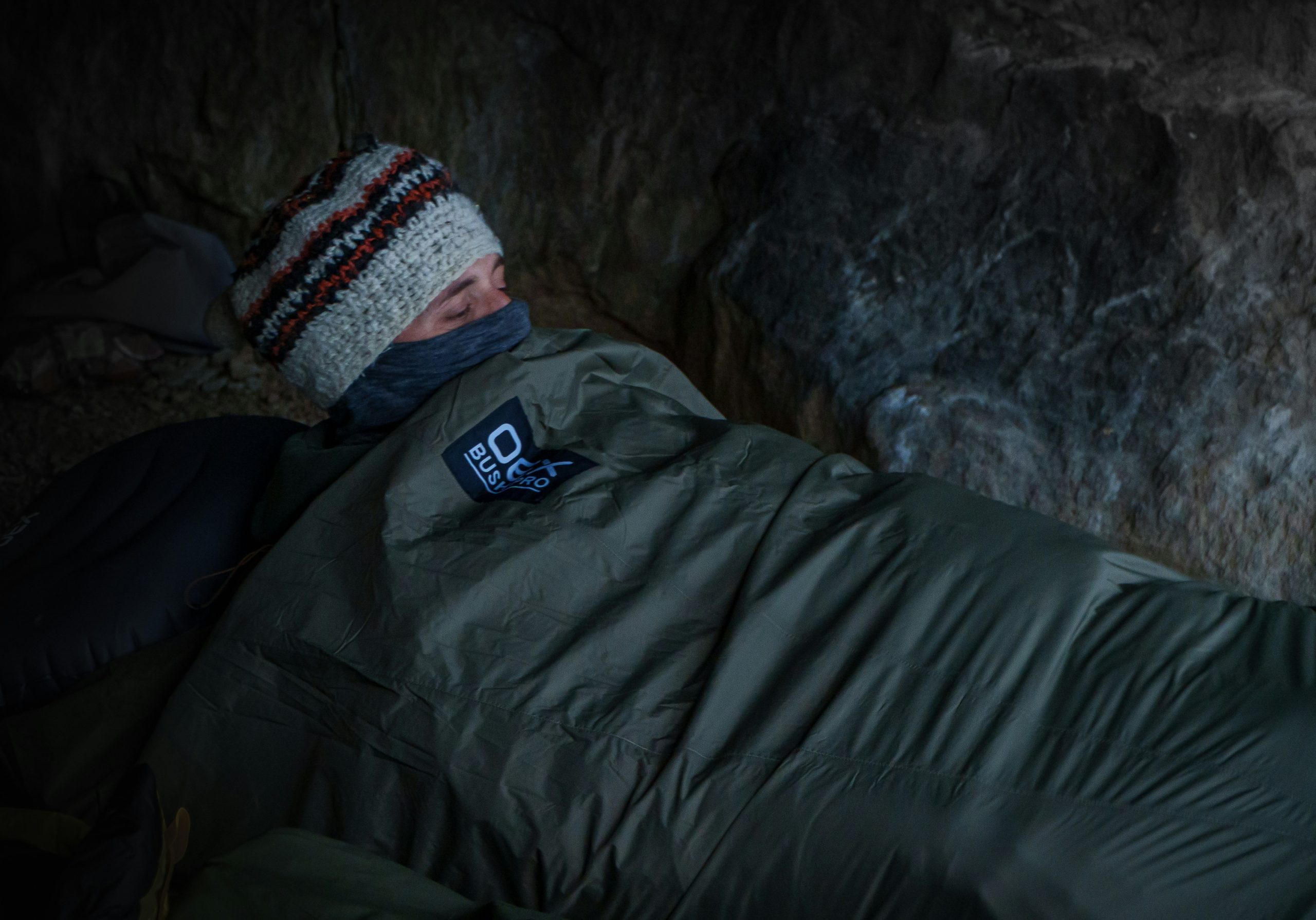
Cold ground drains heat faster than cold air. Indigenous tribes elevated sleeping areas using branches, hides, or packed snow platforms to prevent conductive heat loss. Thick bedding created air pockets that retained warmth throughout the night. Sleeping directly on frozen ground can lead to rapid hypothermia even with warm clothing. Elevation combined with insulation was essential for survival during long winter nights. This technique is still used today in winter camping because it significantly improves sleep quality and body heat retention, even without modern sleeping pads or foam insulation.
4. Eating High-Fat Foods for Warmth

Cold climate diets traditionally emphasized fats because fat provides long-lasting energy and produces more heat during digestion. Seal oil, marrow, and fatty fish were staples that fueled the body through extreme cold. Carbohydrates burn quickly and leave the body cold sooner. Indigenous survival knowledge recognized that food is fuel for warmth, not just hunger. Eating fat-rich meals before rest helped maintain core temperature overnight. Modern low-fat diets can be dangerous in cold survival situations. Proper nutrition can mean the difference between endurance and exhaustion in freezing conditions.
5. Using Wind Direction to Build Camps
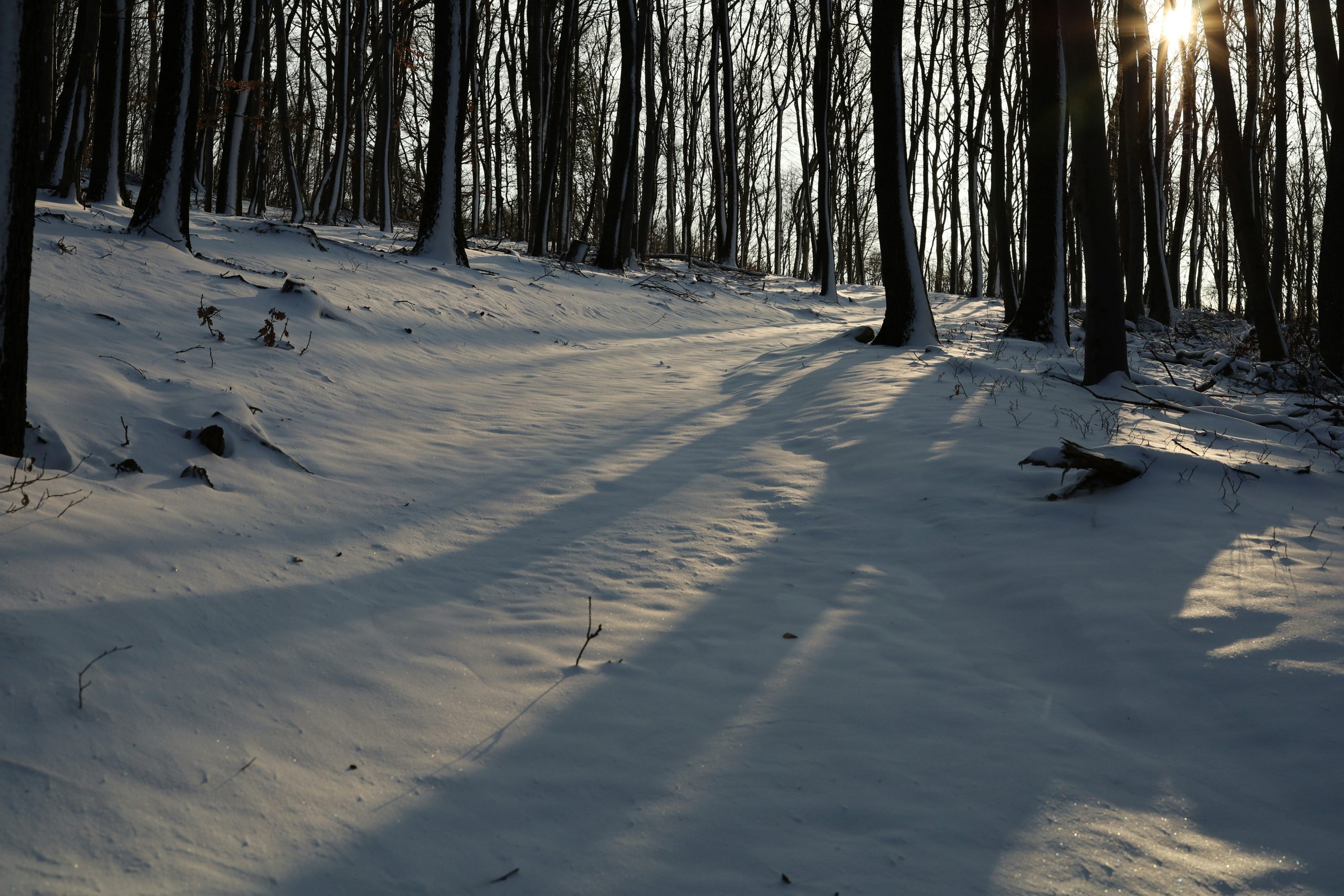
Indigenous tribes paid close attention to prevailing winds when selecting camp locations. Shelters were placed behind natural windbreaks like ridges, trees, or snowdrifts. Avoiding wind exposure reduced heat loss and frostbite risk. Even a small reduction in wind speed significantly increases perceived warmth. Camps were rarely built on open terrain unless necessary. This awareness minimized fuel consumption and physical strain. Modern campers often overlook wind as a primary threat, but experienced winter travelers know wind management is just as critical as insulation and shelter construction.
6. Drying Clothing with Body Heat
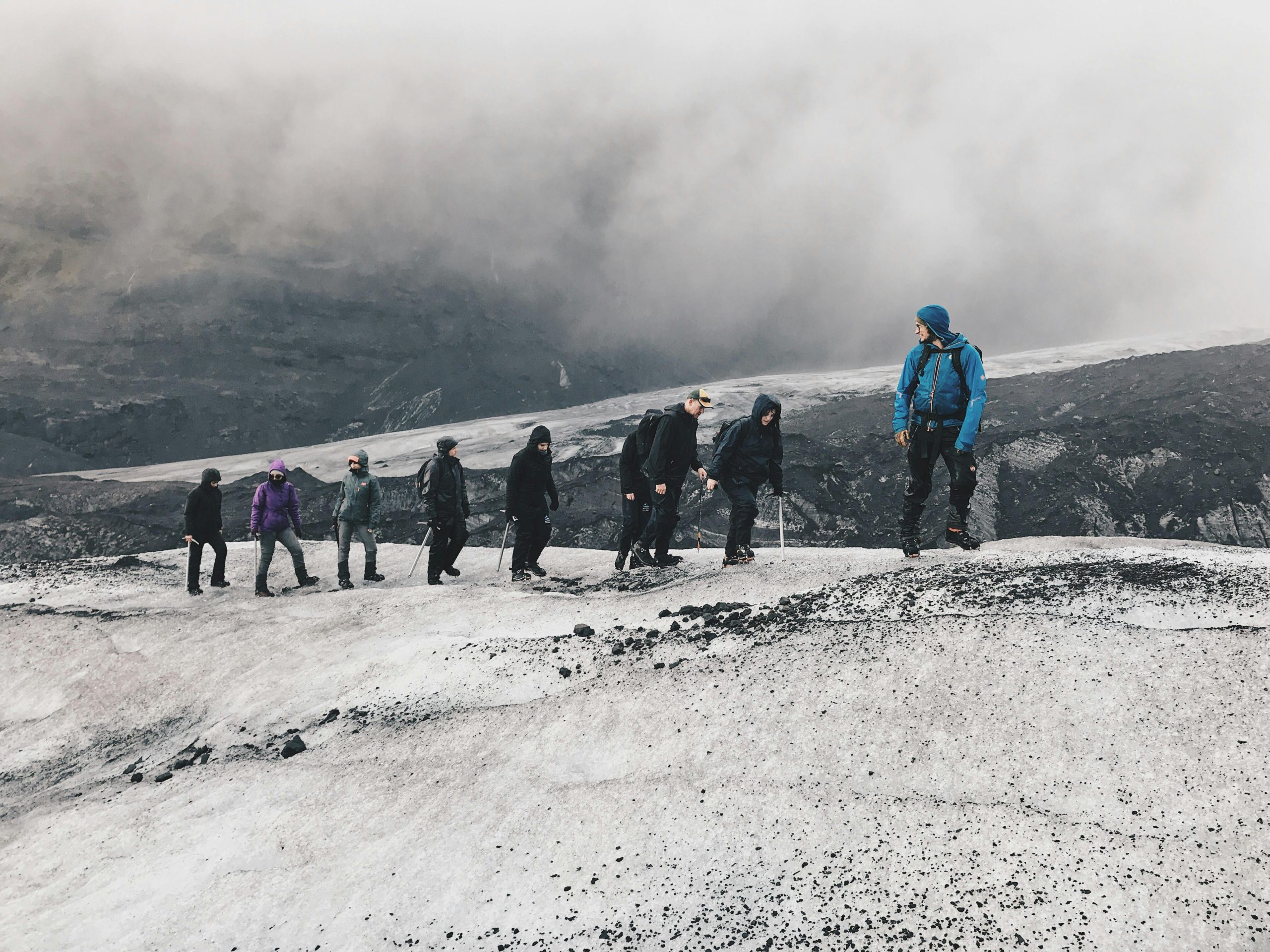
Instead of removing damp clothing, many tribes dried garments using body heat while resting. Wet layers were worn close to the skin under dry outer layers, allowing moisture to evaporate gradually. This prevented exposure during clothing changes and conserved energy. Hanging wet clothes in freezing air often caused them to stiffen into ice. Controlled drying using body warmth reduced frostbite risk and maintained mobility. While uncomfortable at first, this method proved effective when fires were unavailable. Understanding moisture control remains a key survival skill in extreme cold environments.
7. Conserving Energy Through Slow Movement
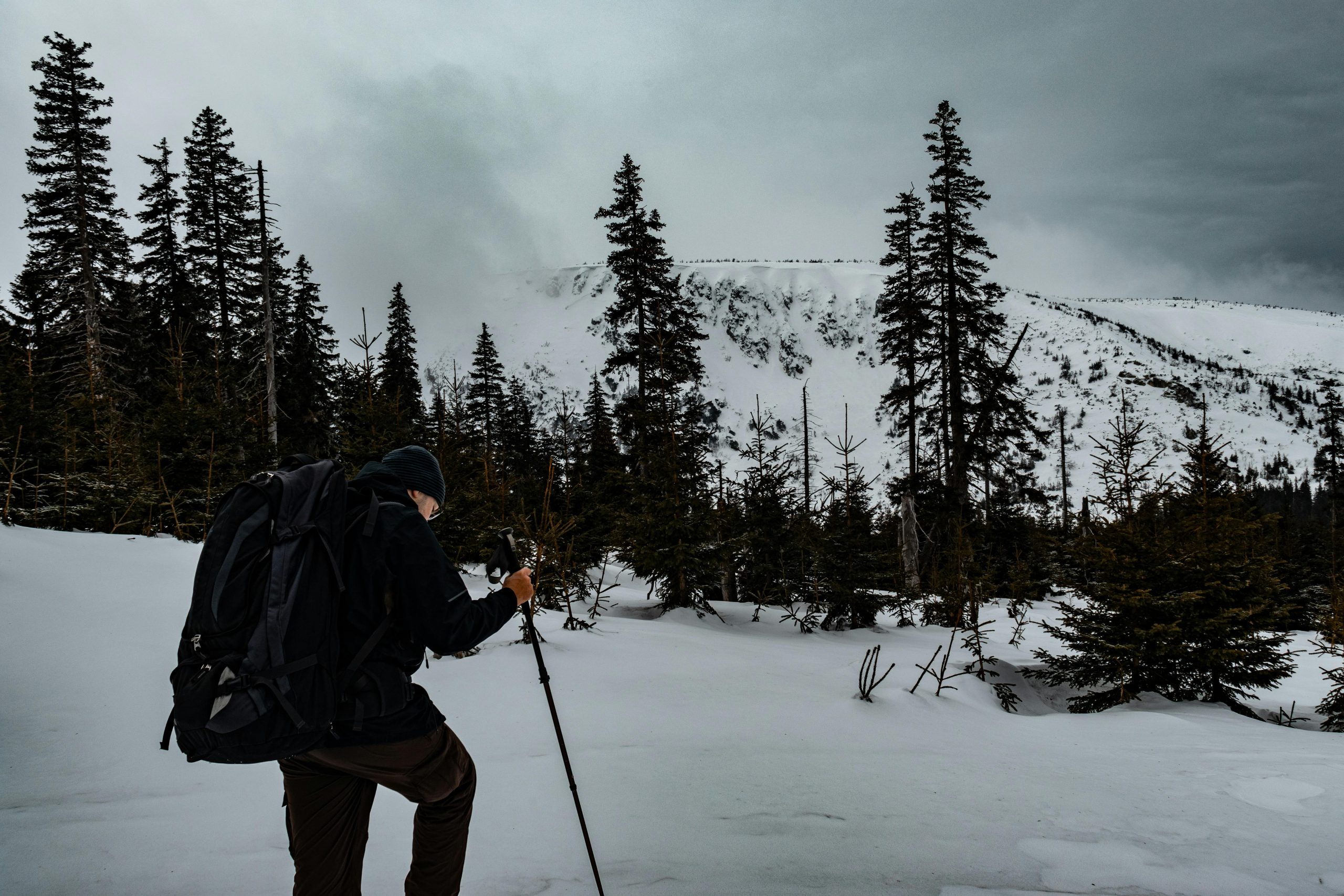
Indigenous cold-weather travel emphasized slow, deliberate movement to reduce sweat and fatigue. Rapid movement caused overheating, leading to sweat that later froze. Controlled pacing conserved calories and maintained stable body temperature. Rest breaks were short and frequent to avoid cooling down too much. Energy conservation was viewed as survival, not laziness. In modern survival scenarios, people often move too fast out of fear, increasing risk. Learning when to slow down preserves strength, reduces heat loss, and extends survival time in extreme cold.
8. Fire Placement for Maximum Heat Reflection
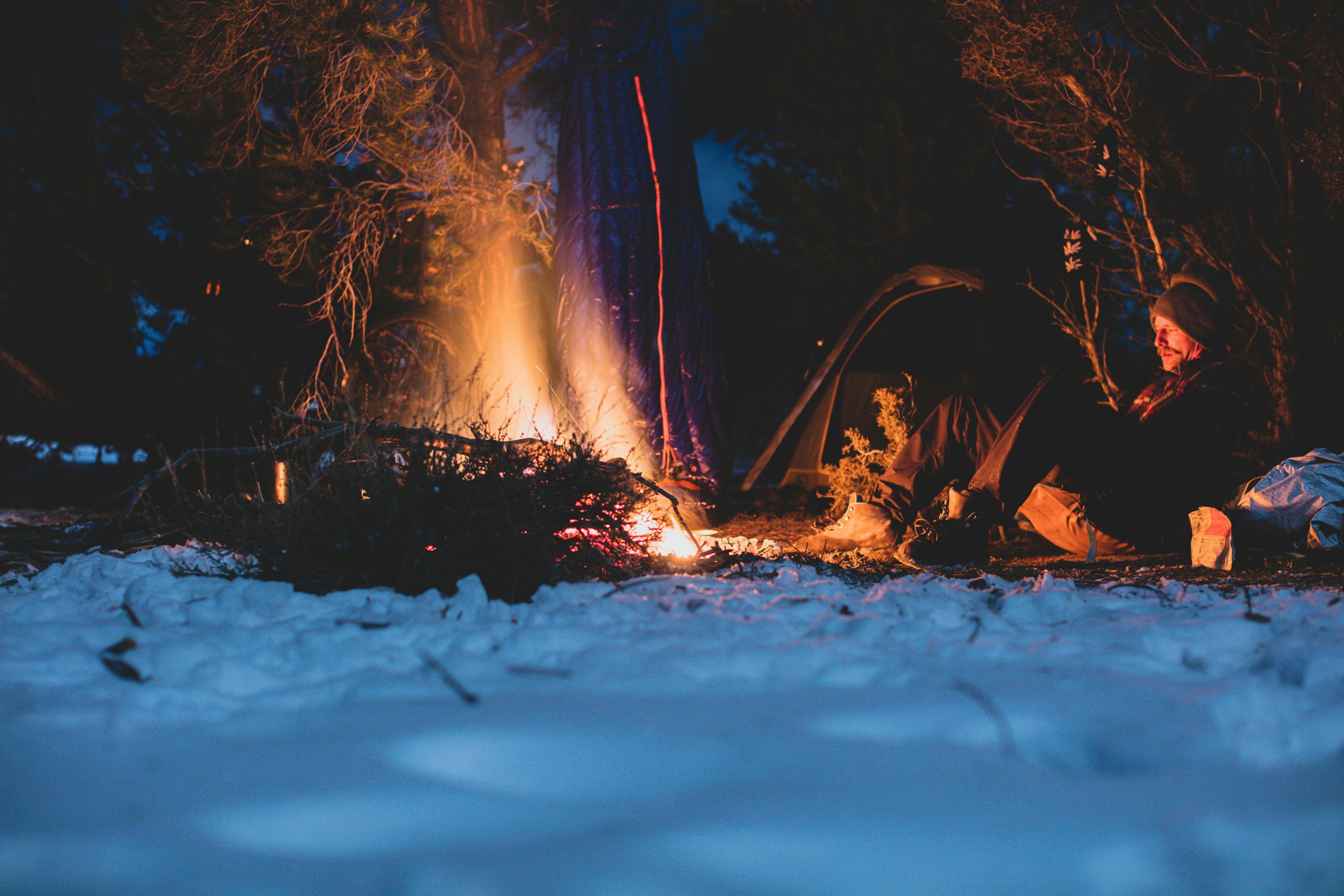
Rather than large fires, indigenous tribes often built small, efficient fires positioned near reflective surfaces like snow walls or rock faces. This directed heat back toward shelters and sleeping areas. Fires were shielded from the wind to maintain steady warmth. Large fires wasted fuel and increased exposure risk. Efficient fire placement allowed warmth with minimal resources. Snow walls were sometimes shaped to act as heat mirrors. This strategic use of fire reduced fuel consumption while maximizing warmth, a crucial advantage in resource-scarce winter environments.
9. Reading Weather Signs to Avoid Exposure
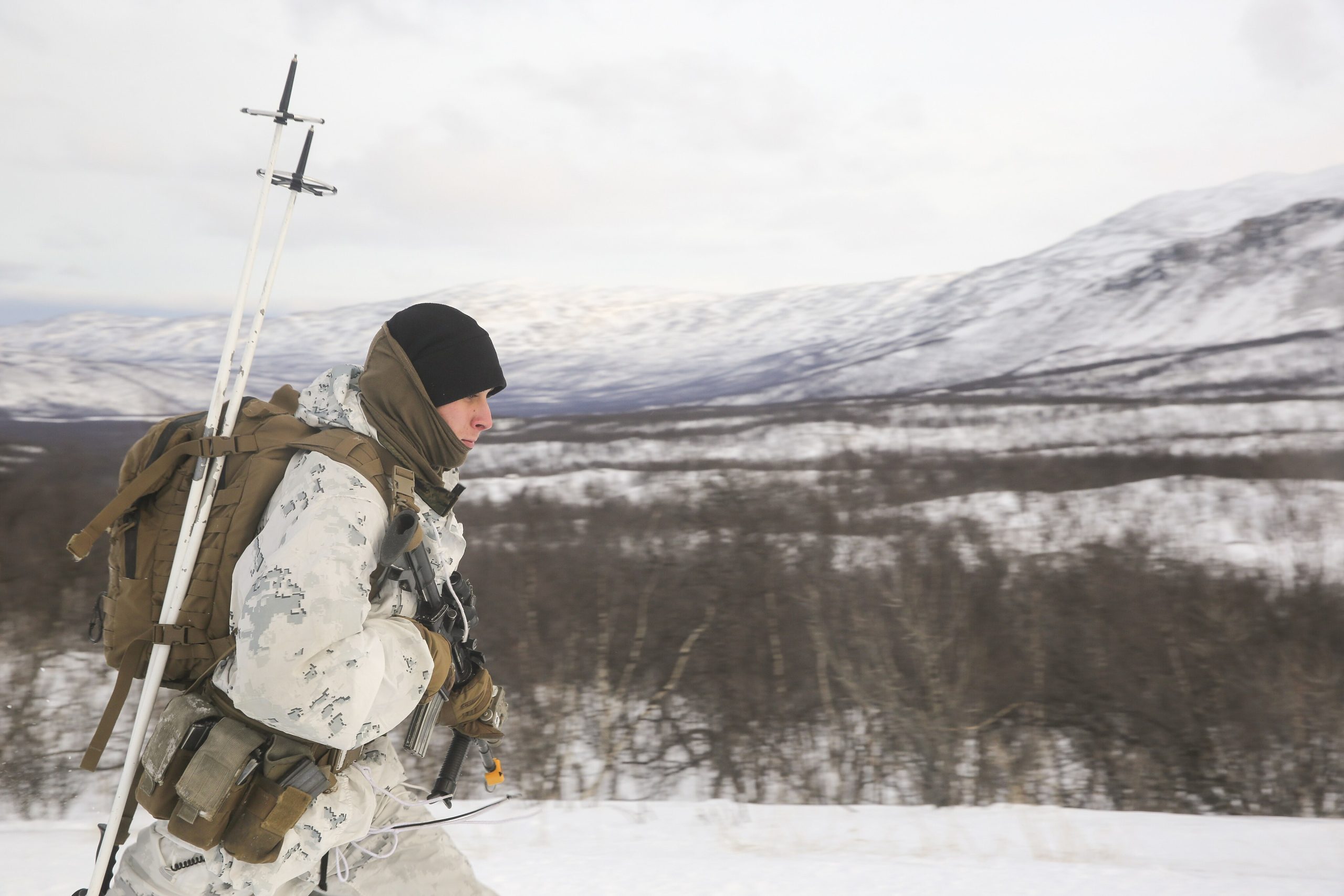
Indigenous survival depended on reading subtle environmental signals that predicted weather changes. Wind shifts, cloud movement, animal behavior, and sound were closely observed. Recognizing incoming storms allowed camps to be reinforced or relocated before conditions worsened. Avoiding exposure was safer than enduring it. Modern forecasting tools are not always available in the wild. Learning to interpret natural warning signs provides critical decision-making time. Anticipation, not reaction, was the foundation of surviving extreme cold across generations.