Hypothermia doesn’t happen only in snowstorms or icy lakes; it can strike whenever the body loses heat faster than it can produce it. Even cool, damp, or windy conditions can lower your core temperature below the safe limit of 95°F (35°C). The scariest part is how quietly it begins. Early symptoms often feel harmless, so people ignore them until it’s too late. Knowing what to watch for could literally save your life in freezing or wet environments.
1. Uncontrollable Shivering

Shivering is your body’s first attempt to stay warm by generating heat through muscle movement. At first, it’s light and rhythmic, but as your body temperature continues to drop, it becomes fierce and hard to control. If the shivering grows violent or continues even after finding shelter, it means your body is struggling to maintain core warmth. When shivering suddenly stops, that’s an alarming sign that the body has begun to shut down its defense system.
2. Slurred or Mumbled Speech
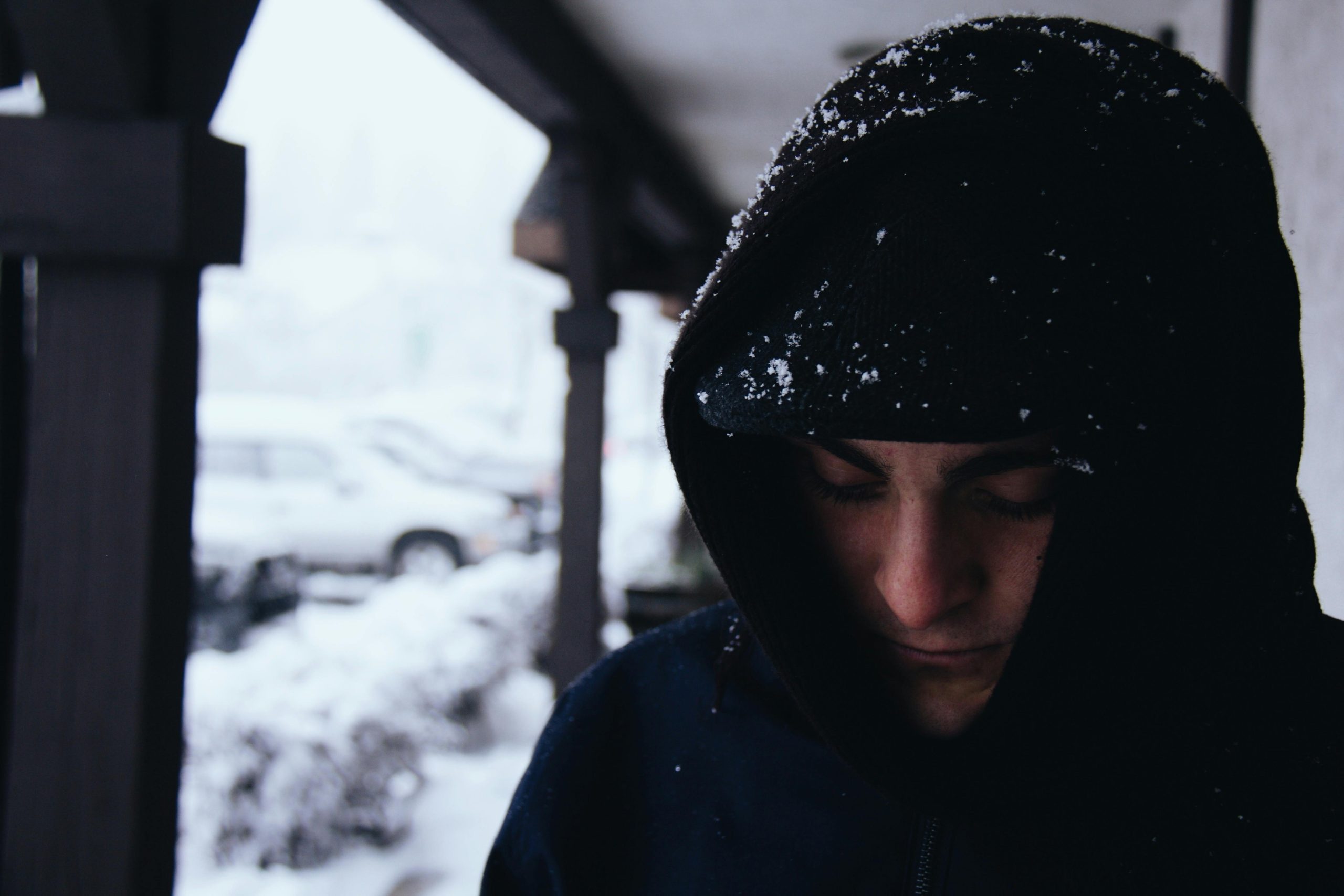
Cold affects the brain and muscles, making it difficult to talk clearly. You might notice words coming out slowly, jumbled, or slurred, even though you feel mentally alert. This is an early neurological warning that your brain temperature is dropping. Speech problems may be accompanied by slow reactions or a dazed expression. If someone outdoors begins to mumble or struggles to form sentences, don’t assume they’re tired; get them warm immediately.
3. Clumsiness and Loss of Coordination
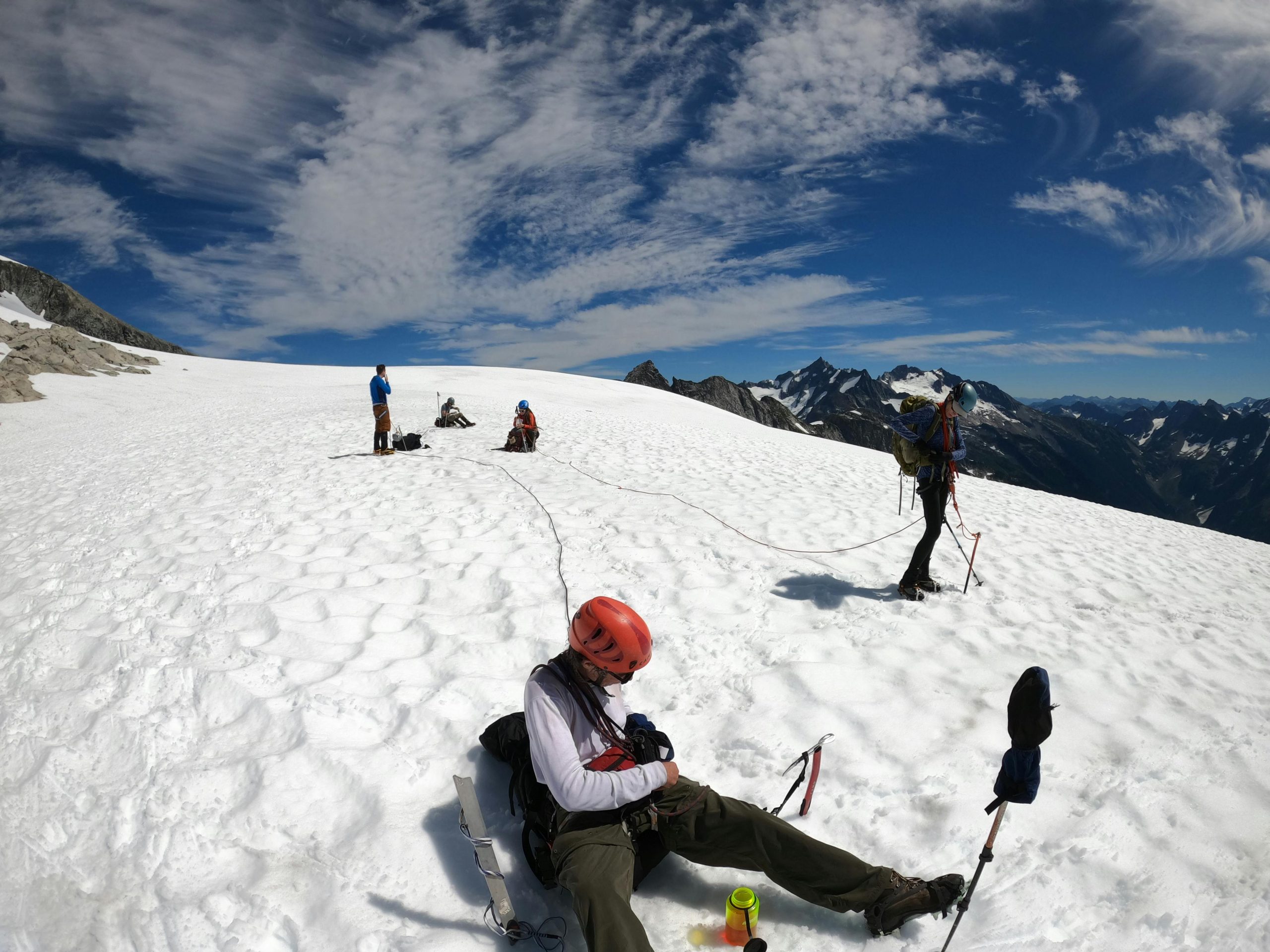
Hypothermia interferes with muscle control and nerve signals, causing the body to move sluggishly. You might fumble with zippers, stumble on level ground, or find it impossible to perform simple tasks. This physical awkwardness isn’t just fatigue; it means your body temperature is falling, and blood flow to muscles is restricted. Once coordination declines, decision-making and mobility worsen fast, putting you at higher risk of accidents or collapse.
4. Confusion and Poor Judgment

As the brain cools, it begins to malfunction. Victims might forget where they are, wander in circles, or refuse help. They often act cheerfully or irrationally, laughing when it’s not appropriate. This confusion stems from reduced oxygen and slower brain activity. It’s especially dangerous because it stops people from realizing how serious their condition is. When someone’s behavior turns oddly calm or detached in freezing weather, suspect hypothermia right away.
5. Extreme Fatigue or Drowsiness
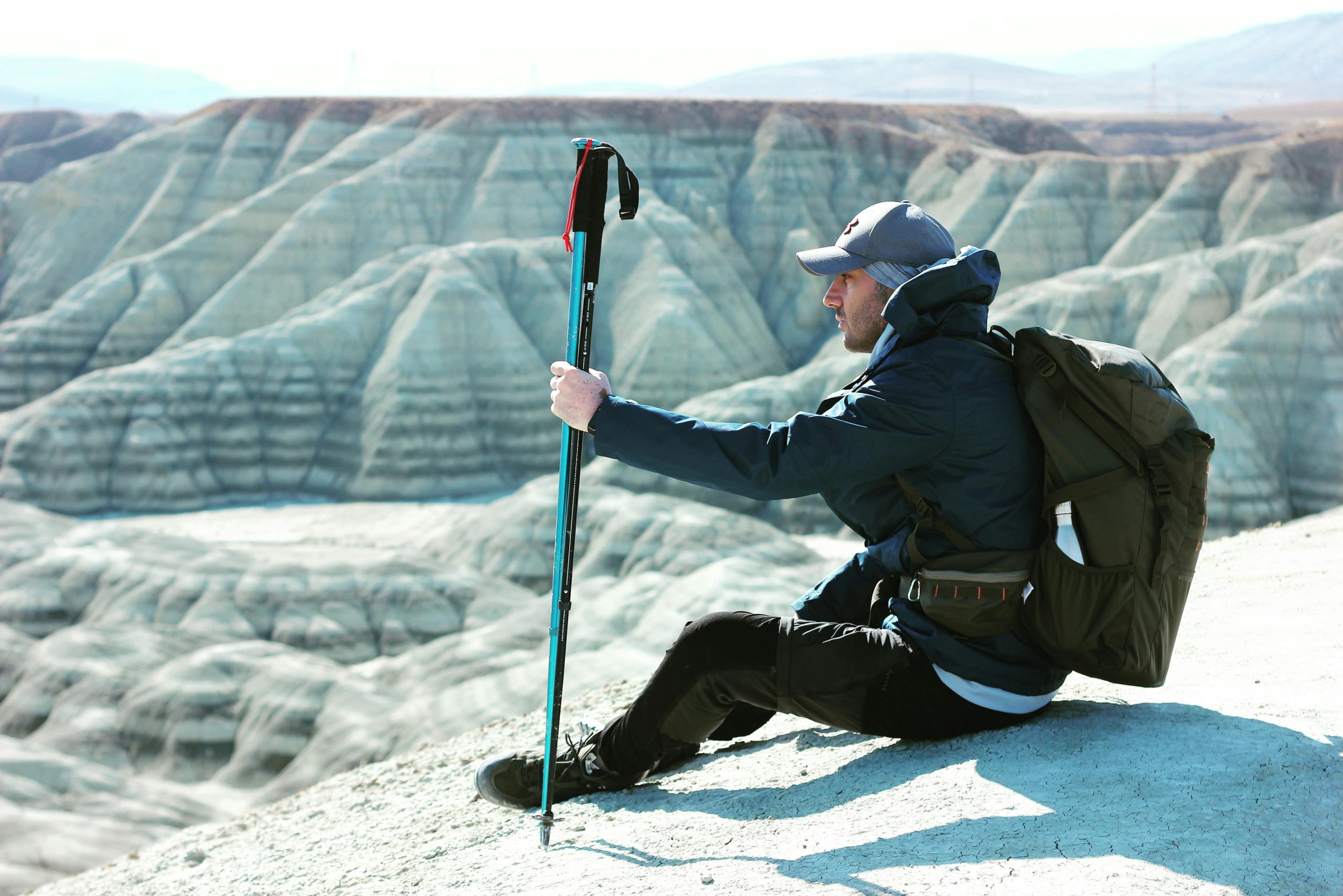
Feeling sleepy in the cold might seem normal, but during hypothermia, it’s a critical warning sign. As your body cools, metabolism slows to conserve energy, making you feel weak and drowsy. Many victims sit down “just to rest” and never wake up. If you notice sudden exhaustion, heavy eyelids, or loss of motivation to move, take immediate action. Warmth, dry clothing, and calories can prevent the condition from becoming fatal.
6. Pale, Cold, or Blue-Tinged Skin

When the body goes into survival mode, it redirects warm blood away from the skin toward vital organs. As a result, fingers, toes, ears, and lips may appear pale, gray, or even bluish. Skin can feel icy or waxy to the touch. This discoloration is a visible signal that circulation is compromised. The moment you see these changes, it’s vital to restore warmth through layers, shelter, or body heat before tissue damage sets in.
7. Slow or Shallow Breathing
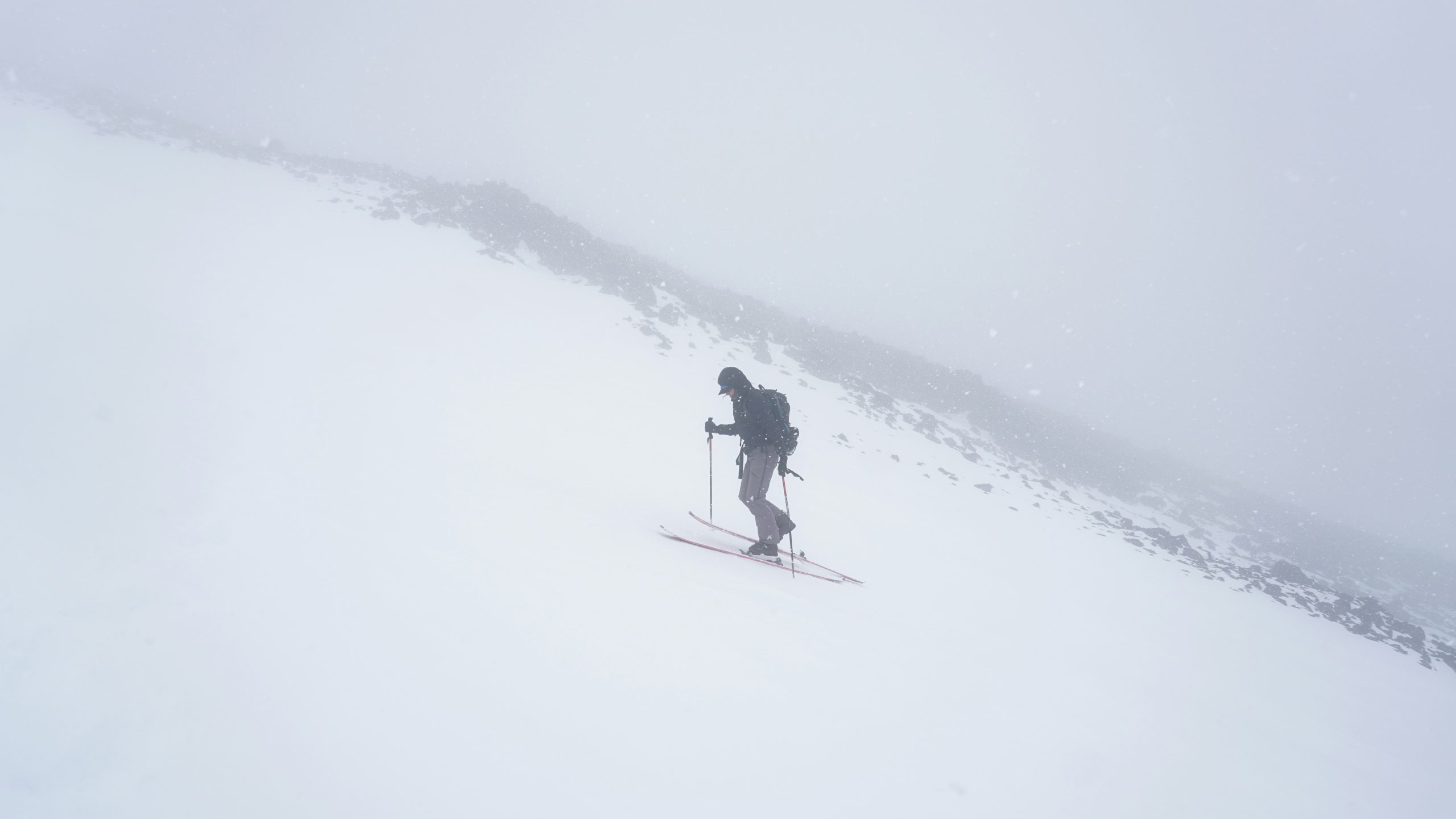
Hypothermia slows down every vital process, including respiration. Breaths become shallow, irregular, or faint as the body conserves oxygen. You might not notice it at first, but if breathing becomes slow enough that it’s hard to detect, the person is in danger. This sign often appears alongside confusion or drowsiness. Immediate rewarming and medical attention are crucial before oxygen deprivation leads to cardiac arrest or loss of consciousness.
8. Weak Pulse and Slow Heart Rate

As body temperature continues to fall, the heart becomes less efficient at pumping blood. The pulse weakens and slows, sometimes feeling irregular or barely noticeable. This occurs because the cold thickens the blood and decreases muscle function. When combined with shallow breathing or unresponsiveness, it indicates severe hypothermia. Immediate medical help is essential; without it, the heart may stop entirely due to electrical instability caused by the cold.
9. Paradoxical Undressing

In the final stage of hypothermia, confusion mixes with nerve failure, creating a deadly illusion of heat. Victims suddenly feel warm and start removing clothing despite freezing conditions. This behavior, known as paradoxical undressing, happens because blood vessels unexpectedly dilate, flooding the skin with warm blood. It’s often a last desperate reaction before collapse. If you ever see someone stripping down in extreme cold, treat it as a medical emergency.