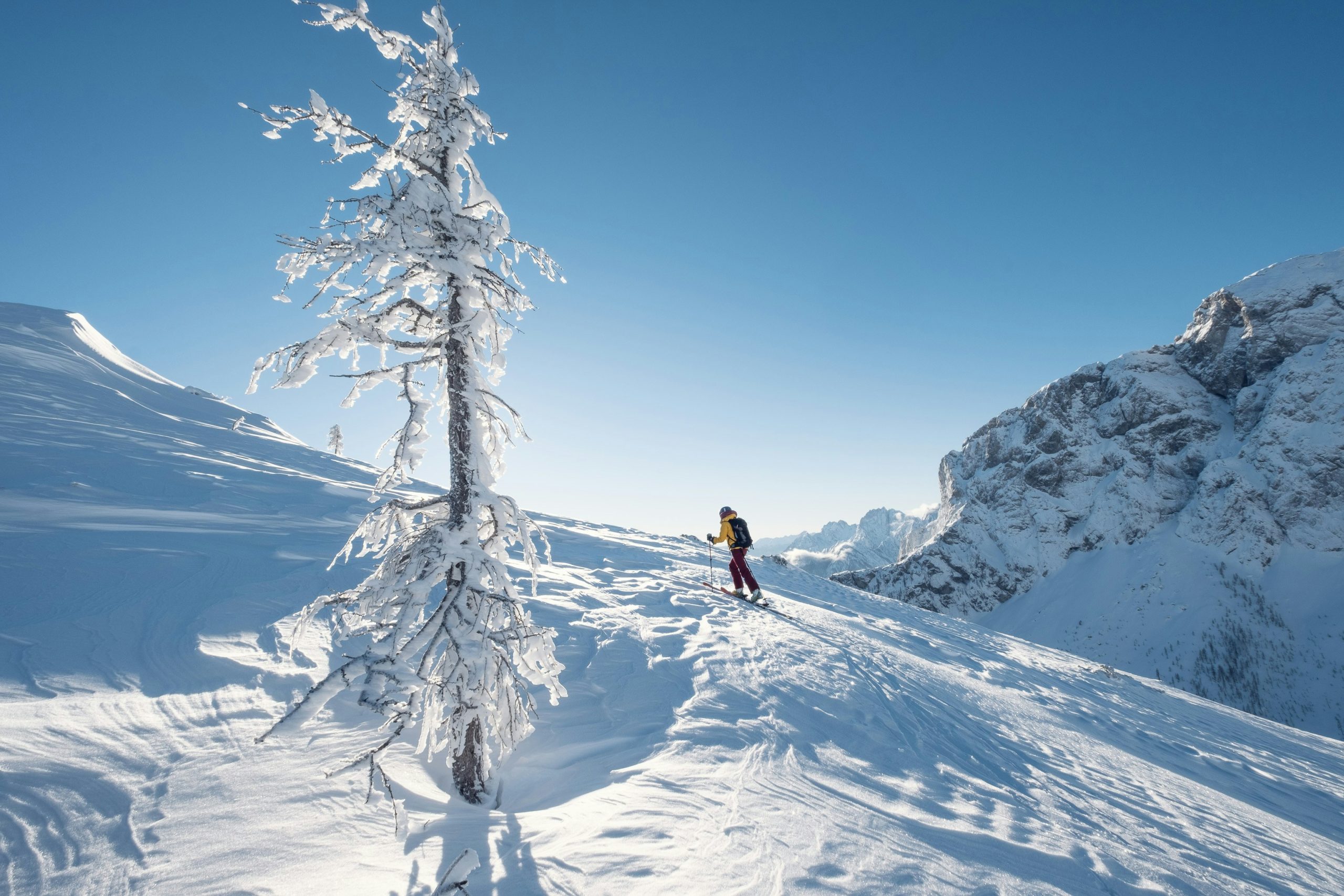
Navigating Montana’s snow-hardpacked ridge trails demands a careful mix of balance, awareness, and seasonal know-how. These narrow, wind-scoured passages often stay firm long after lower elevations soften, creating conditions that reward steady pacing and precise footwork. Ridge walkers who understand how snow settles, shifts, and refreezes can avoid common missteps while moving with confidence along exposed stretches. Mastering these techniques helps hikers stay safe while fully experiencing the rugged beauty of Montana’s winter landscapes.
1. Maintain a Low Centre of Gravity
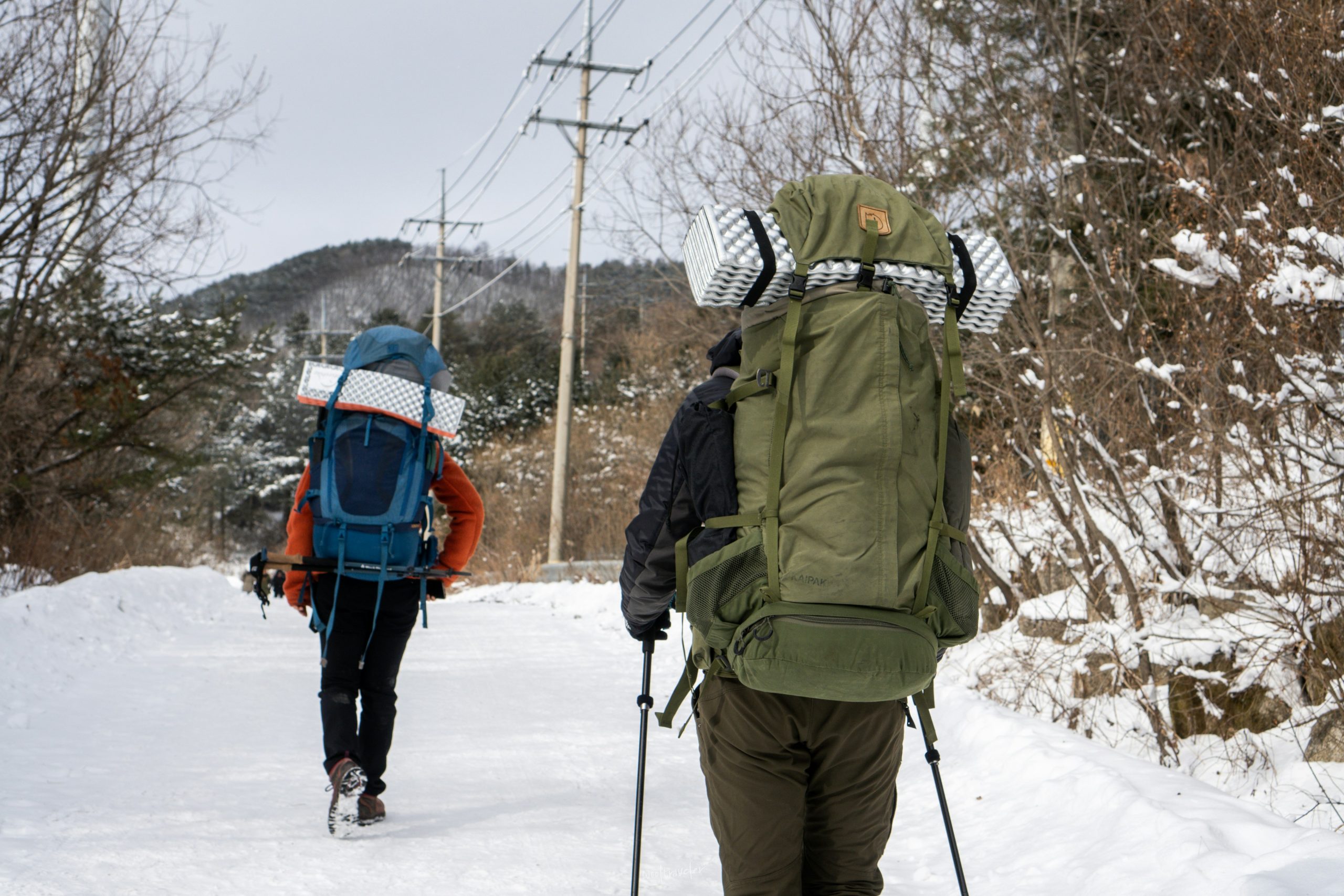
Keeping your body weight low on hard-packed ridges reduces wobble and makes each step more controlled, especially where snow has been polished by constant wind. A slight forward lean helps your boots bite into the surface while protecting you from sudden gusts rolling over the ridge. Avoid tall, wide stances that waste energy and compromise balance. Instead, focus on compact, deliberate movement that keeps your hips steady. This approach improves stability, especially on narrow cornice edges where snow may feel deceptively firm beneath your feet.
2. Use Microspikes for Controlled Traction
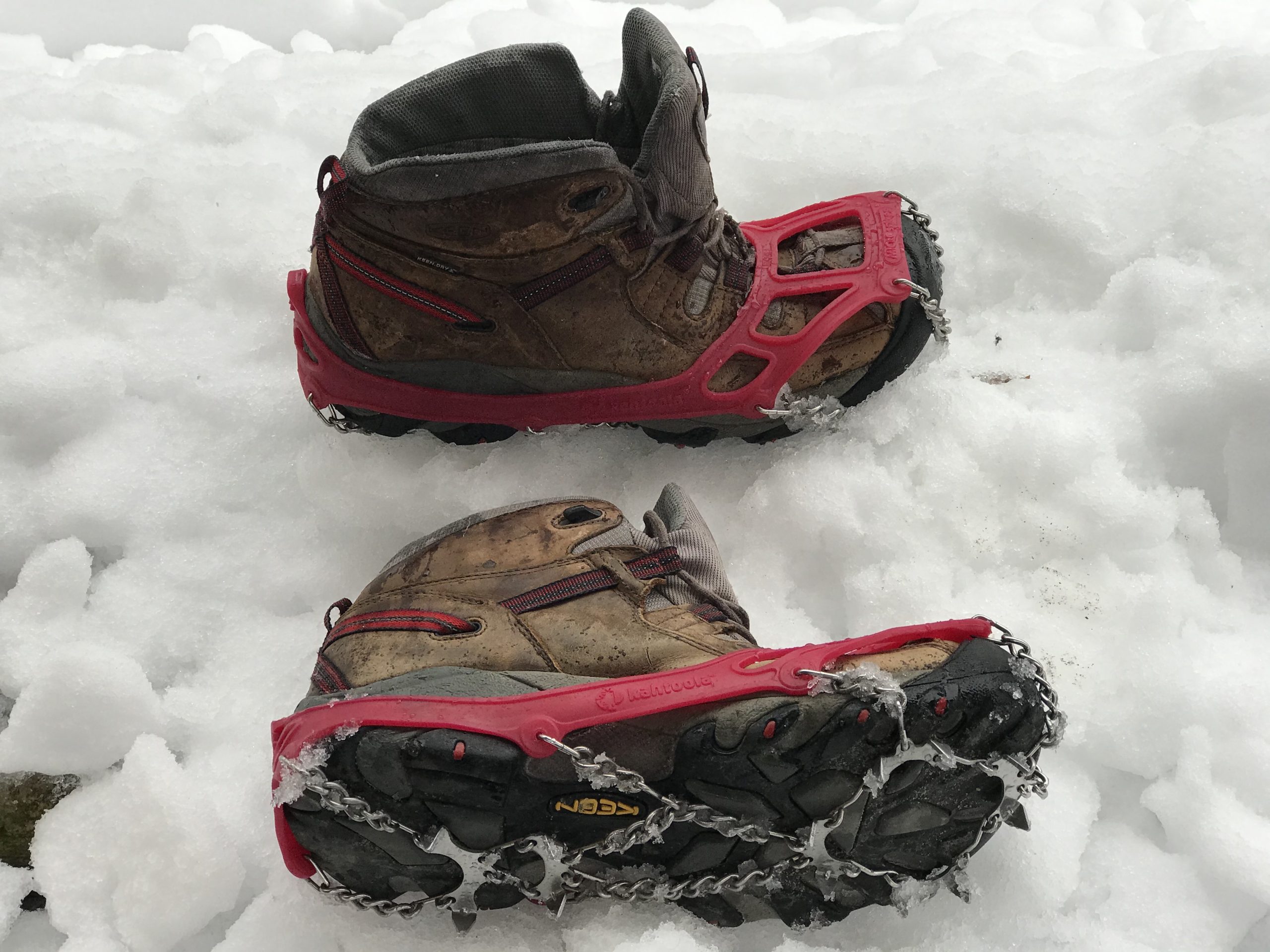
Microspikes add vital traction on Montana’s frozen ridge tops, where early morning refreezing creates slick, unpredictable surfaces. Their small, aggressive points grip well without the overkill of full crampons, allowing smooth movement across mixed snow and shallow ice layers. They also help prevent sideways slippage when the trail angles sharply along the ridge’s crown. Before committing to a long section, test your footing with a few short steps to feel how well the spikes engage. Consistent traction not only preserves energy but also builds confidence on exposed terrain.
3. Follow the Natural Wind-Scoured Path
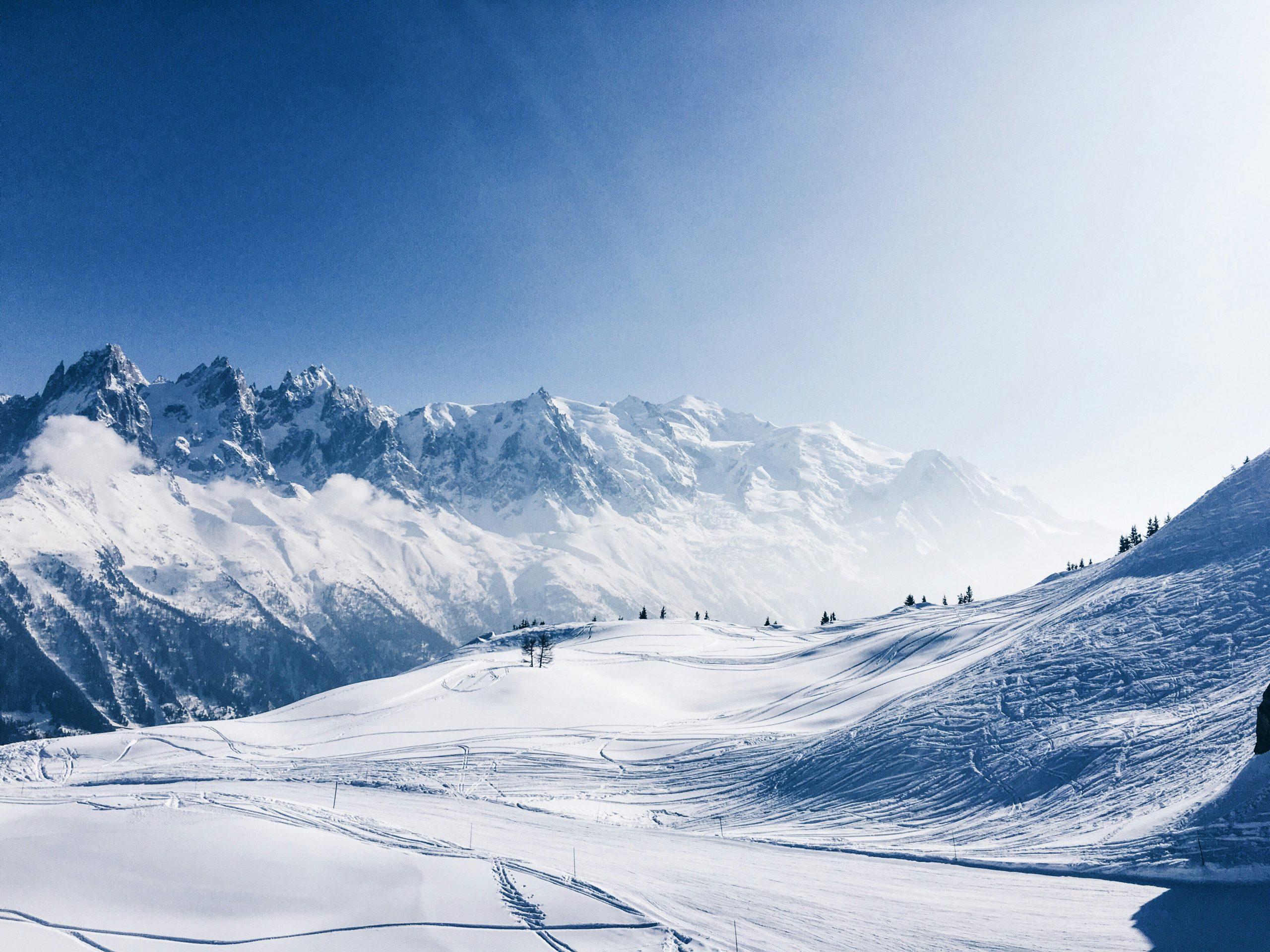
Wind often shapes Montana ridge trails by sweeping snow from the most traveled lines, creating narrow, firm pathways bordered by deeper drifts. Walking these scoured strips helps conserve strength and reduces the risk of postholing into softer snow nearby. Pay attention to subtle texture changes. Lightly rippled surfaces generally indicate compacted snow, while smooth, glittering patches may be icy and require slower movement. Staying within the wind-defined track keeps your direction predictable and minimises surprises when the ridge steepens or curves around rocky outcrops ahead.
4. Angle Your Steps Slightly Into the Slope
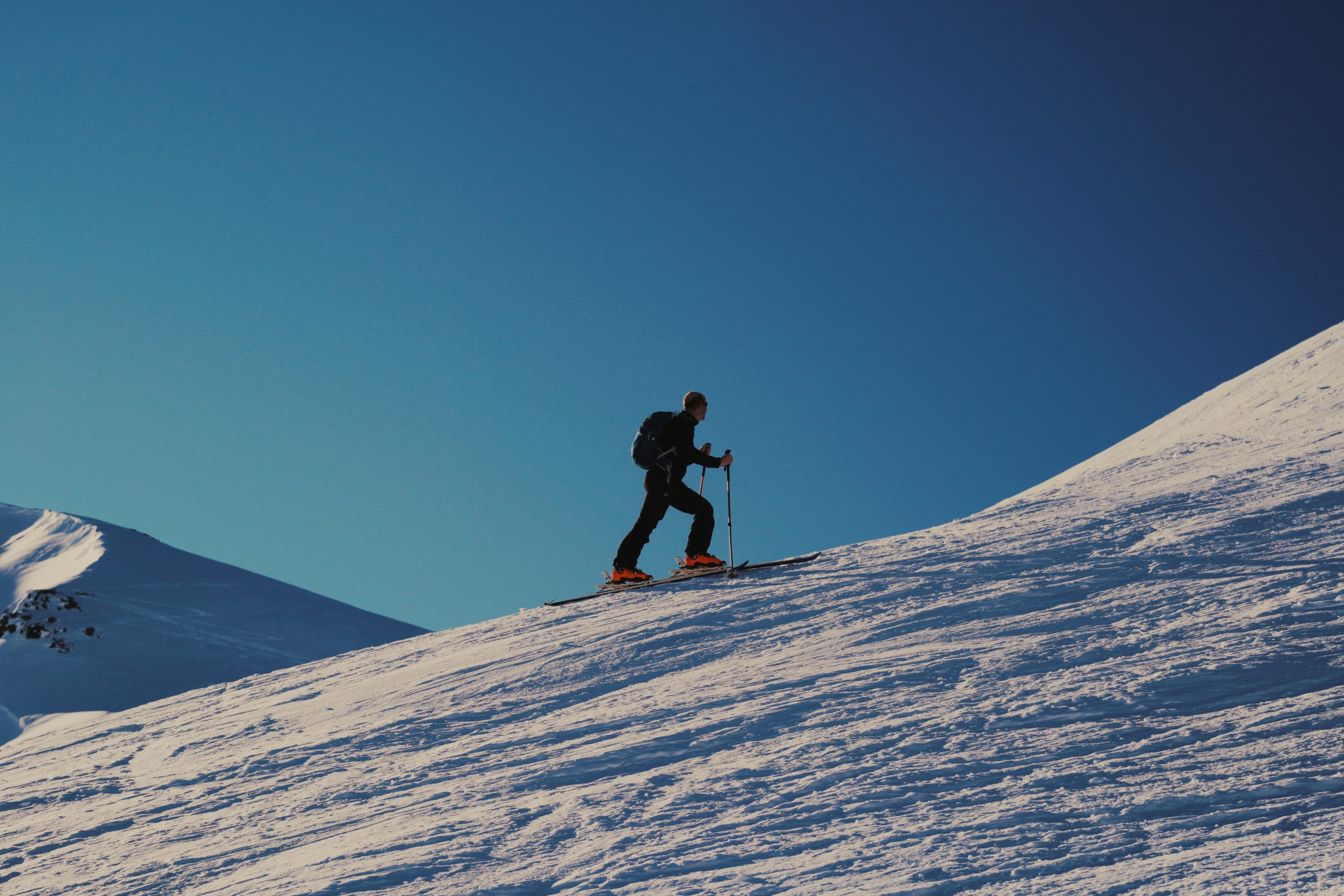
When the trail traverses along the ridge instead of riding its exact crest, angling your steps inward provides added stability. Planting each foot at a slight uphill angle helps counter the slope’s pull and prevents your downhill boot from drifting. This method is especially useful on hard-packed snow that’s too firm to kick steps into but still slick enough to cause sideways movement. Short, consistent strides maintain your rhythm and distribute weight evenly. Over time, this angled approach becomes second nature, particularly on Montana’s long, tilted ridge sections.
5. Keep Poles Short for Better Balance
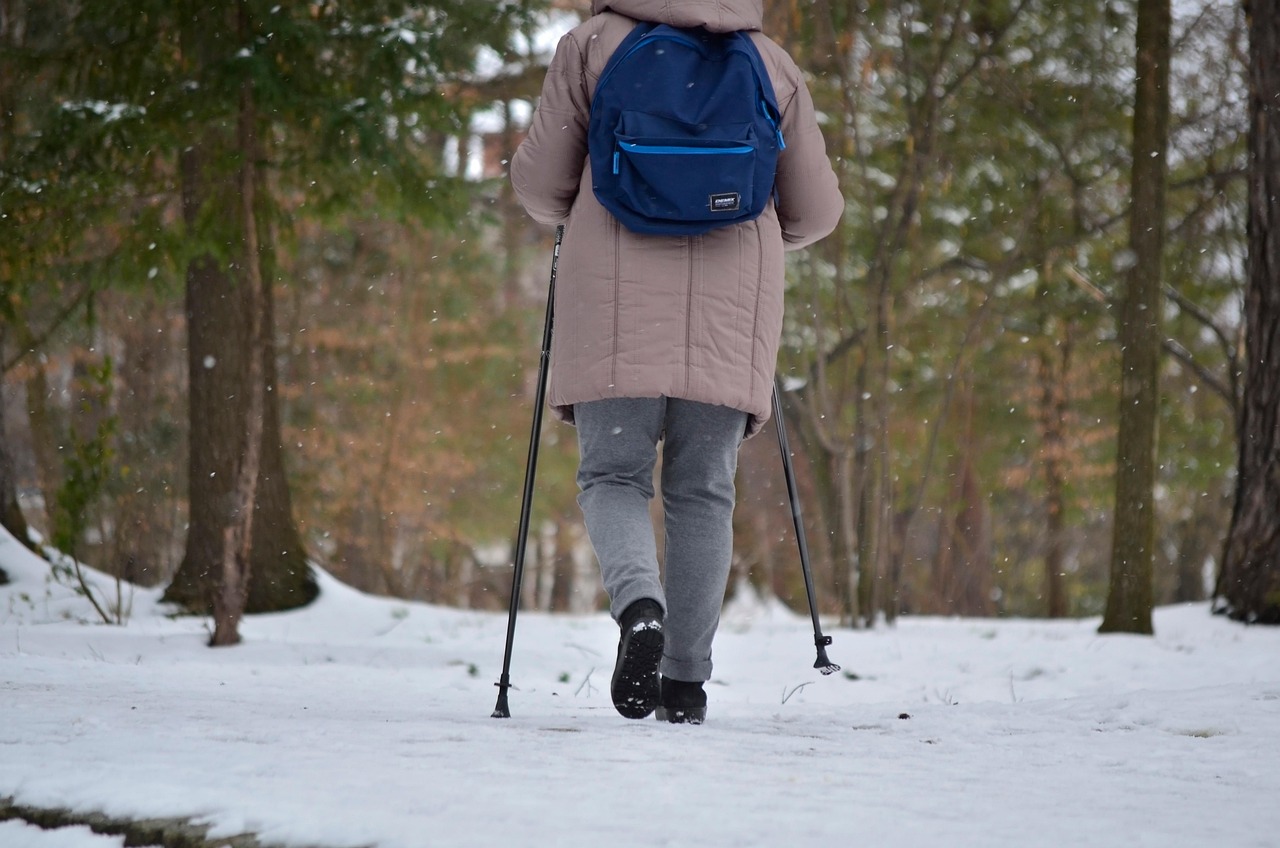
Trekking poles are essential, but their length matters when walking ridges covered in hardened snow. Shortening them slightly keeps your arms lower, helping maintain stability when gusts push from either side. This compact posture reduces strain on your shoulders and allows quicker corrective motions if the snow shifts beneath your feet. Plant your poles softly yet precisely to avoid punching through the thin crust near cornices. Proper pole length also keeps your cadence smooth, allowing you to adapt to sudden elevation dips without breaking your walking rhythm.
6. Scan Ahead for Cornice Break Indicators
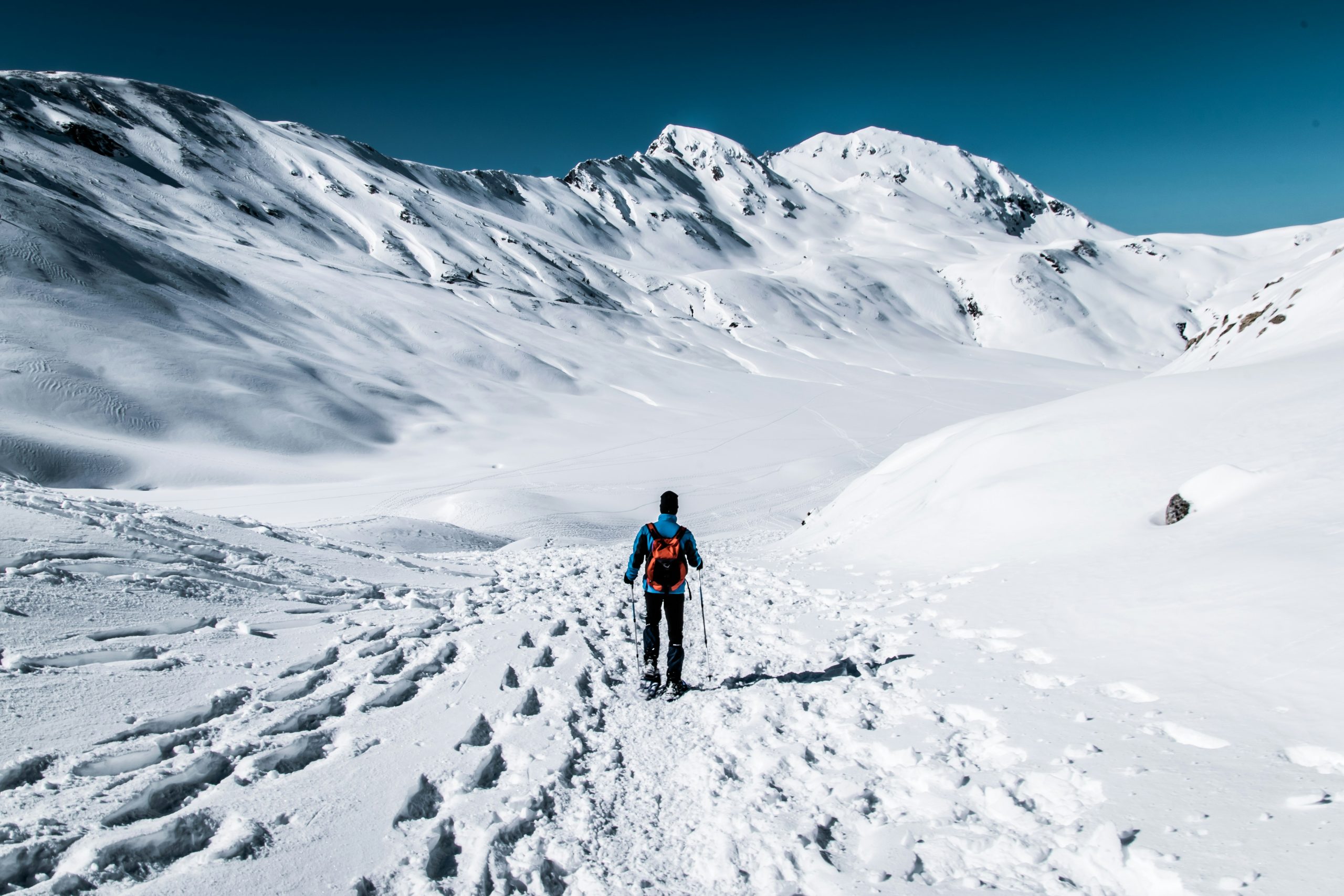
Cornices form where wind deposits snow along ridge edges, creating overhangs that look solid but can collapse without warning. Learning to spot faint fractures, subtle depressions, or unusually rounded edges can help you avoid stepping onto unstable sections. Stay well back from areas where the snow extends outward with no visible support beneath. Hard-packed ridges in Montana often hide these hazards under a smooth layer, so scanning several steps ahead is crucial. Reading these visual clues helps you navigate more safely across exposed, wind-shaped terrain.
7. Regulate Pace to Match Snow Conditions
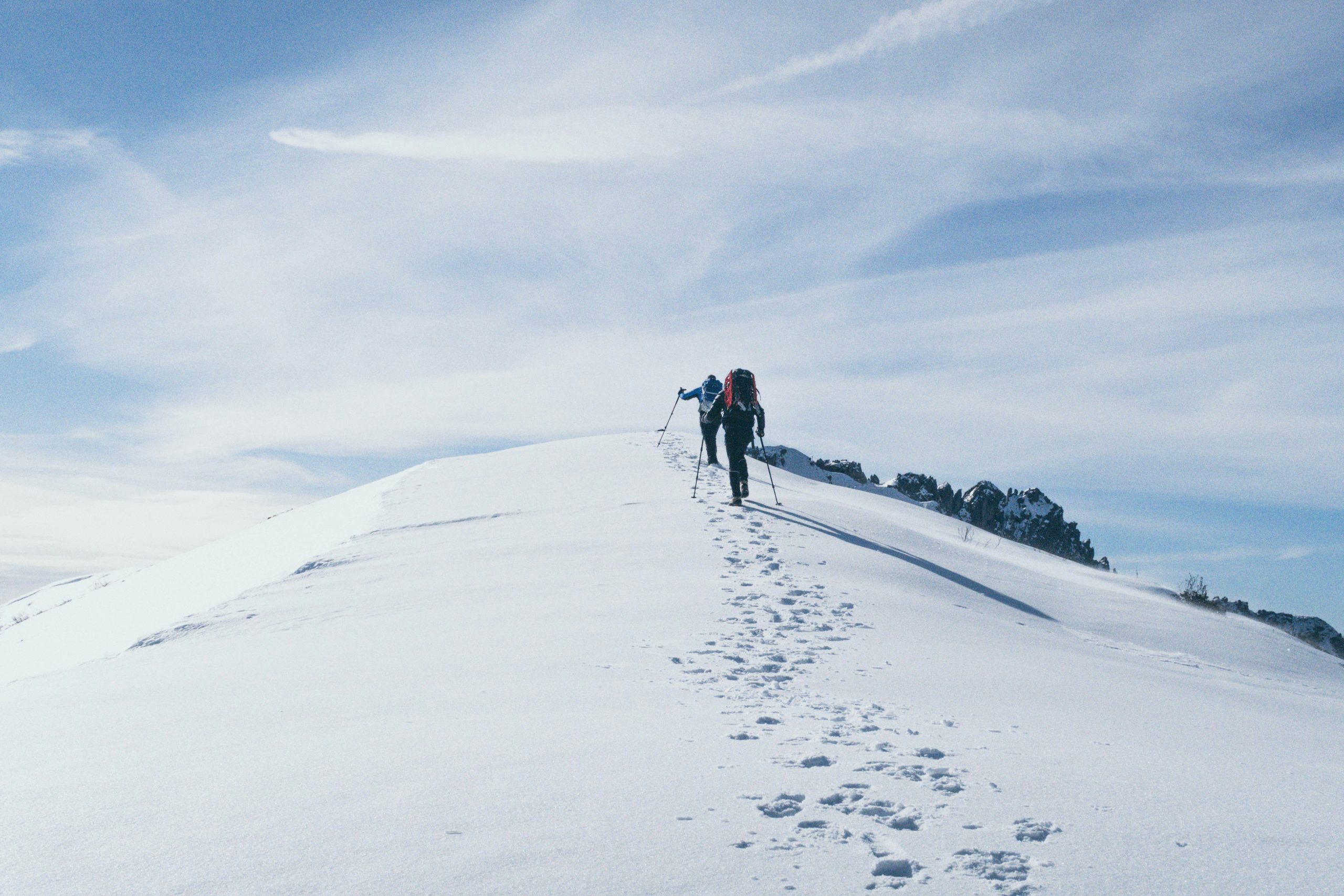
Ridge snow changes texture quickly as the sun, wind, and temperature shift throughout the day. Starting with a steady, moderate pace helps you read the trail without overcommitting to any section. If the snow softens, slowing down prevents unexpected slips; if it hardens again, shorter, crisper steps give you better control. Maintaining a rhythm that matches the surface conditions reduces fatigue on long traverses. Adjusting speed thoughtfully also preserves your focus, especially when navigating tight ridge bends where footing consistency is essential for safe passage.
8. Keep Your Weight Over Your Leading Foot
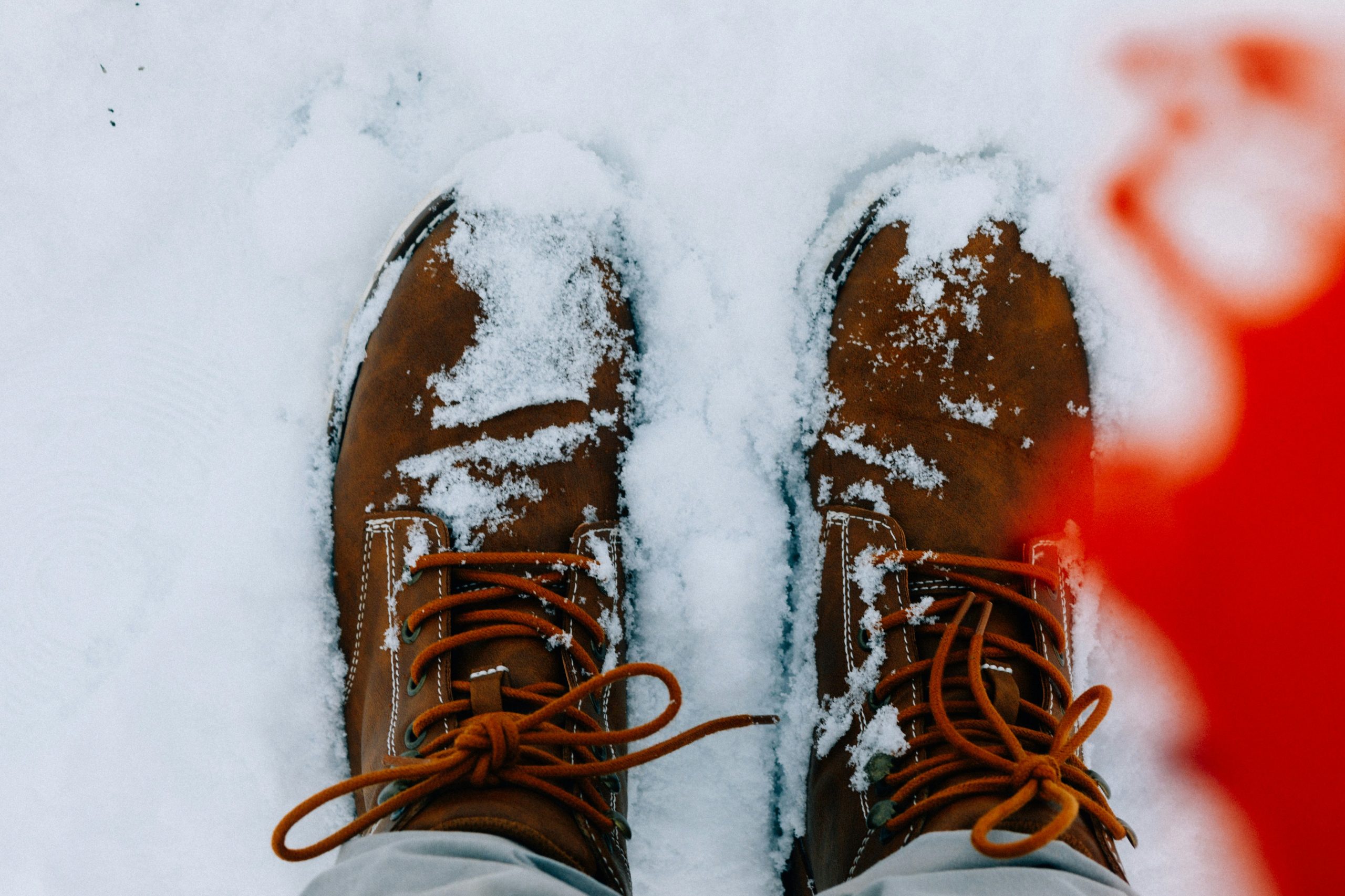
On snow-hardpacked trails, shifting weight directly above each step ensures quicker recovery if the surface proves slick or unexpectedly uneven. Leaning too far forward or backward increases the risk of slipping on icy patches or polished wind slabs. Concentrate on landing each foot firmly and allowing your hips to settle over it before pushing forward. This method improves control on downhill ridge approaches where momentum can work against you. Over time, balanced weight placement becomes intuitive, helping you move confidently along narrow, exposed sections.
9. Pause at Safe Spots to Reassess Conditions
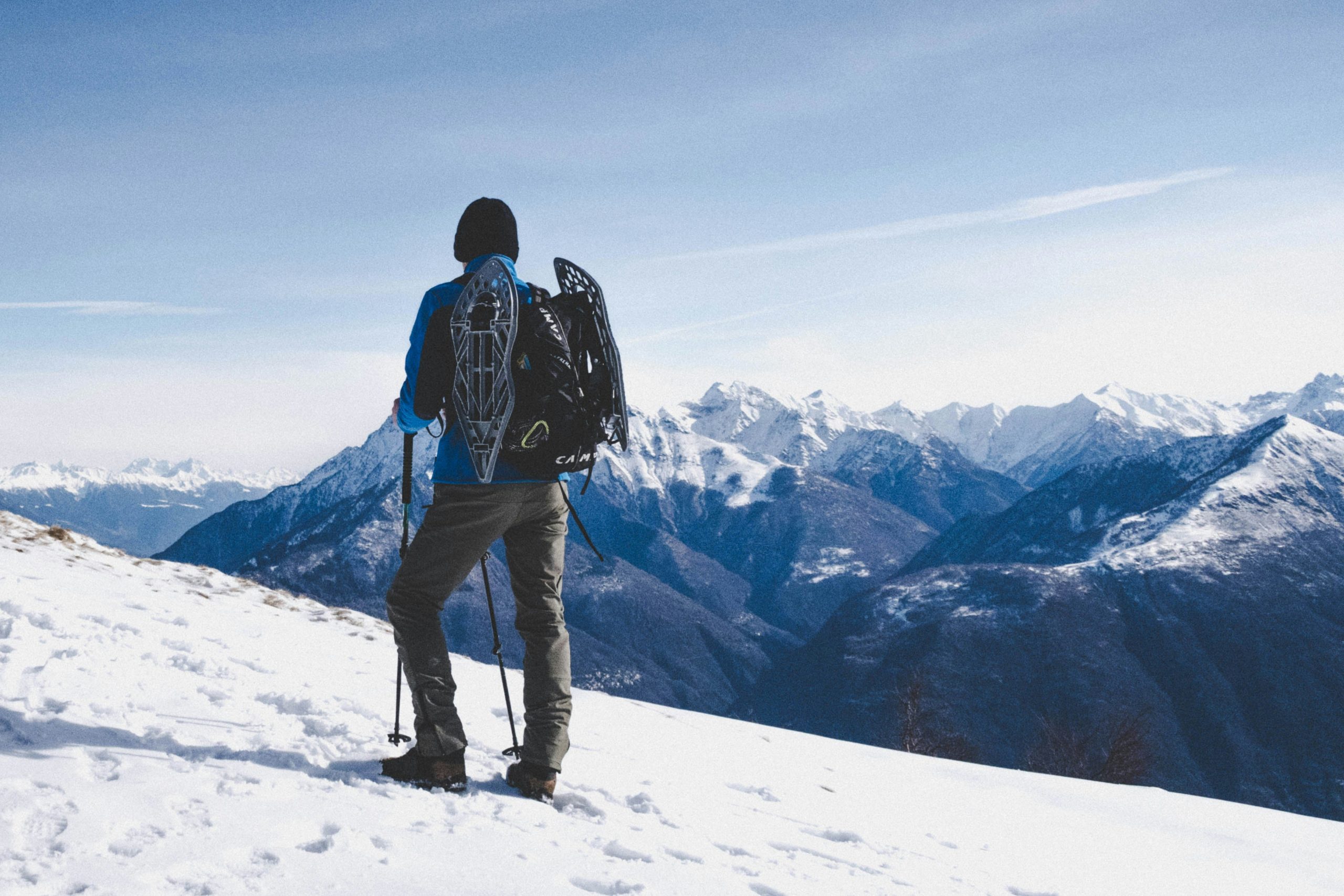
Montana ridges often reveal sudden weather changes, making periodic reassessment essential. Choosing stable, wide spots to pause allows you to check wind direction, snow firmness, and visibility without risking a slip on narrower stretches. These short breaks help you conserve energy while evaluating whether your traction gear still feels adequate. They also give you a moment to chart your next segment across the ridge. By taking calculated pauses, you maintain situational awareness, ensuring each decision aligns with changing snow and weather dynamics on the trail.