Exploring these reasons why you should never camp alone highlights the many hidden dangers that solitary travelers often overlook during their planning phases. While the idea of total isolation in the great outdoors sounds peaceful, the reality involves a lack of immediate support when things go wrong suddenly. Natural environments are unpredictable and can present life-threatening challenges ranging from sudden medical emergencies to aggressive wildlife encounters far from any help. Having a reliable companion ensures that a second set of eyes and hands is always available to manage a crisis. This guide explores the most critical safety concerns.
Limited Medical Assistance

A sudden injury like a sprained ankle or a deep cut becomes a major crisis when there is nobody around to help. A solo traveler must manage their own first aid while simultaneously trying to find a way back to civilization or a reliable signal. Intense pain or shock can impair judgment and make even the simplest tasks feel nearly impossible during a stressful and lonely situation. Having a partner means someone can provide immediate care or hike out to get professional help while the injured person stays safe. Medical emergencies require a team effort for a successful outcome in the wild.
Increased Wildlife Risks

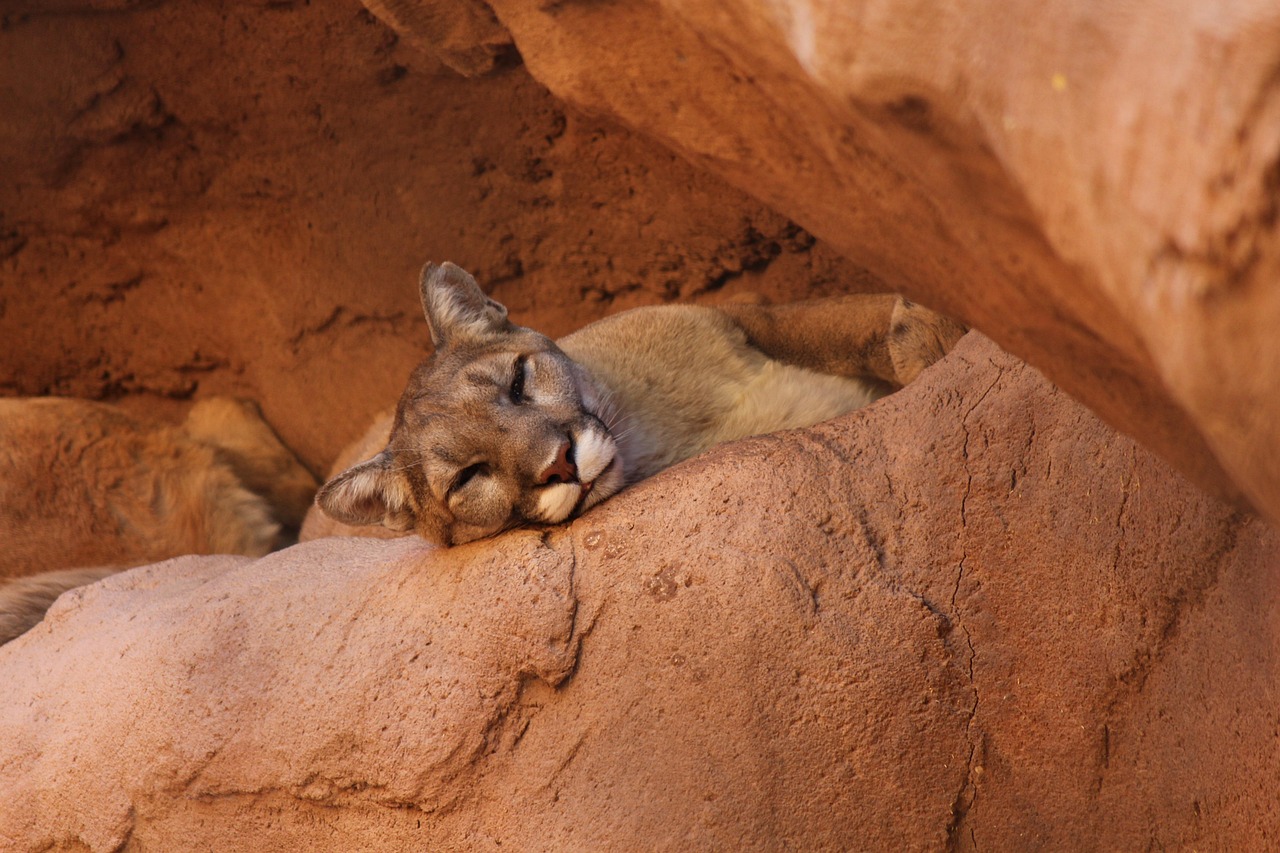
Wild animals like bears or mountain lions are much more likely to approach a single person than a larger group. Most predators are naturally cautious and will avoid the noise and presence of multiple humans moving through their hunting territory during the day. A solo camper might accidentally surprise a resting animal or a mother with young, which can trigger an aggressive and very dangerous defensive reaction. Without a companion to help look for signs or provide extra noise, a person becomes much more vulnerable to these encounters. Group presence is a very effective and natural deterrent for most local wildlife.
Navigational Errors
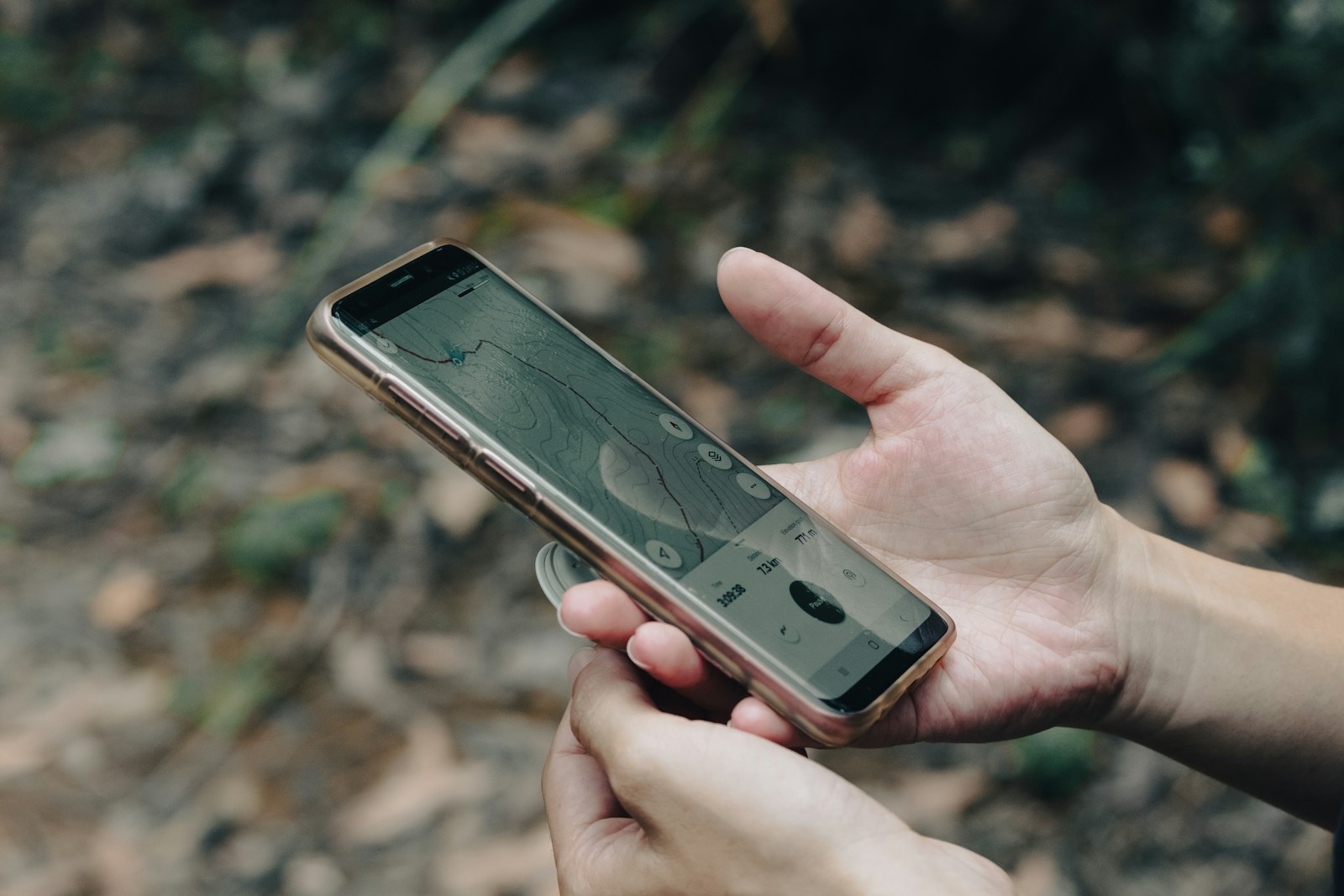
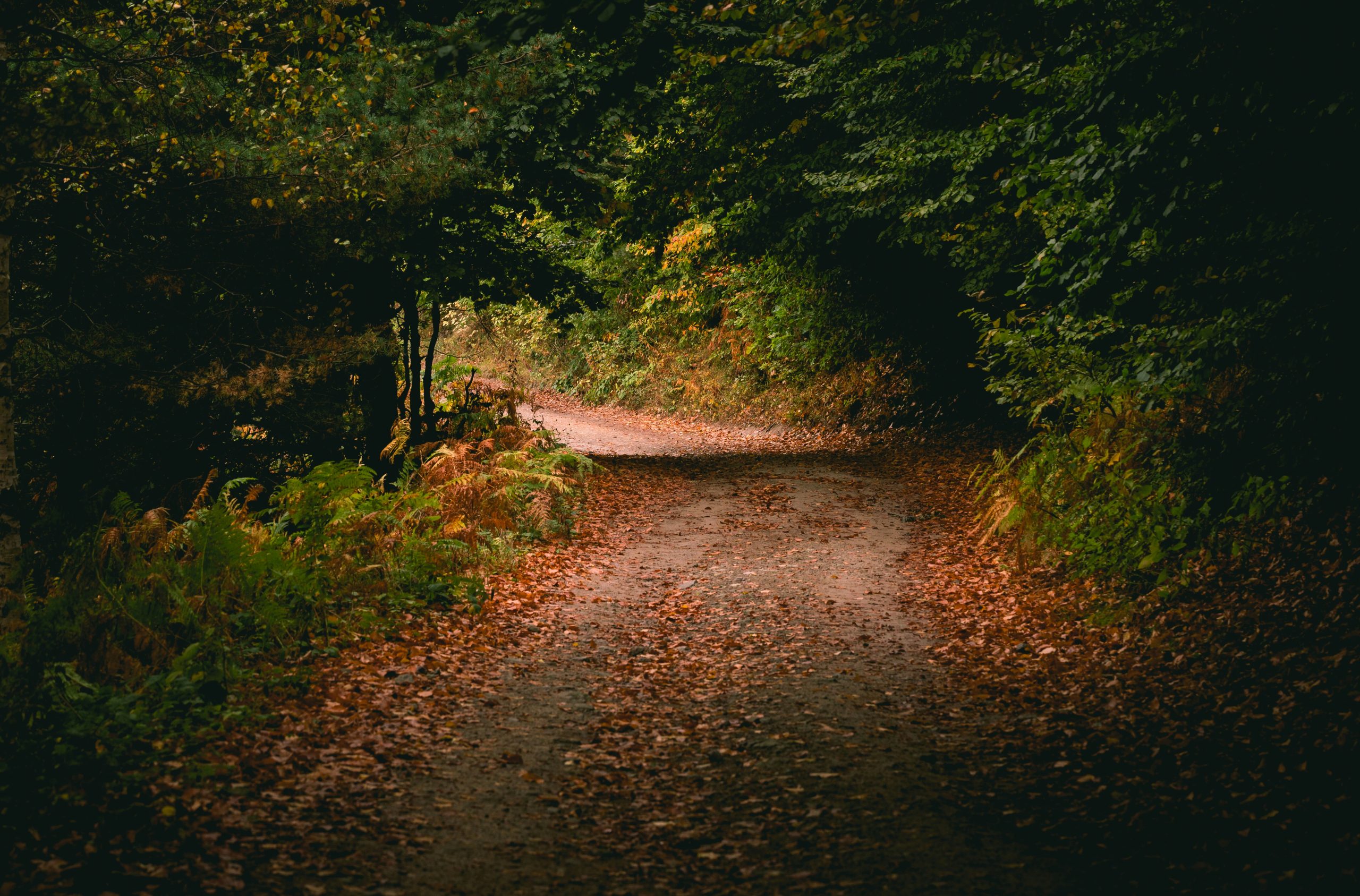
Getting lost in a dense forest or a rugged mountain range is much easier when a person relies solely on their own sense of direction. Fatigue and dehydration can lead to mental confusion that causes a traveler to miss important trail markers or landmarks. A partner provides a vital second opinion and helps verify the route using a map or a compass before a wrong turn happens. Many search and rescue incidents occur because a lone hiker becomes disoriented and tries to take a shortcut through unfamiliar brush. Two heads are always better than one when navigating complex and wild terrain.
Emotional Isolation Stress
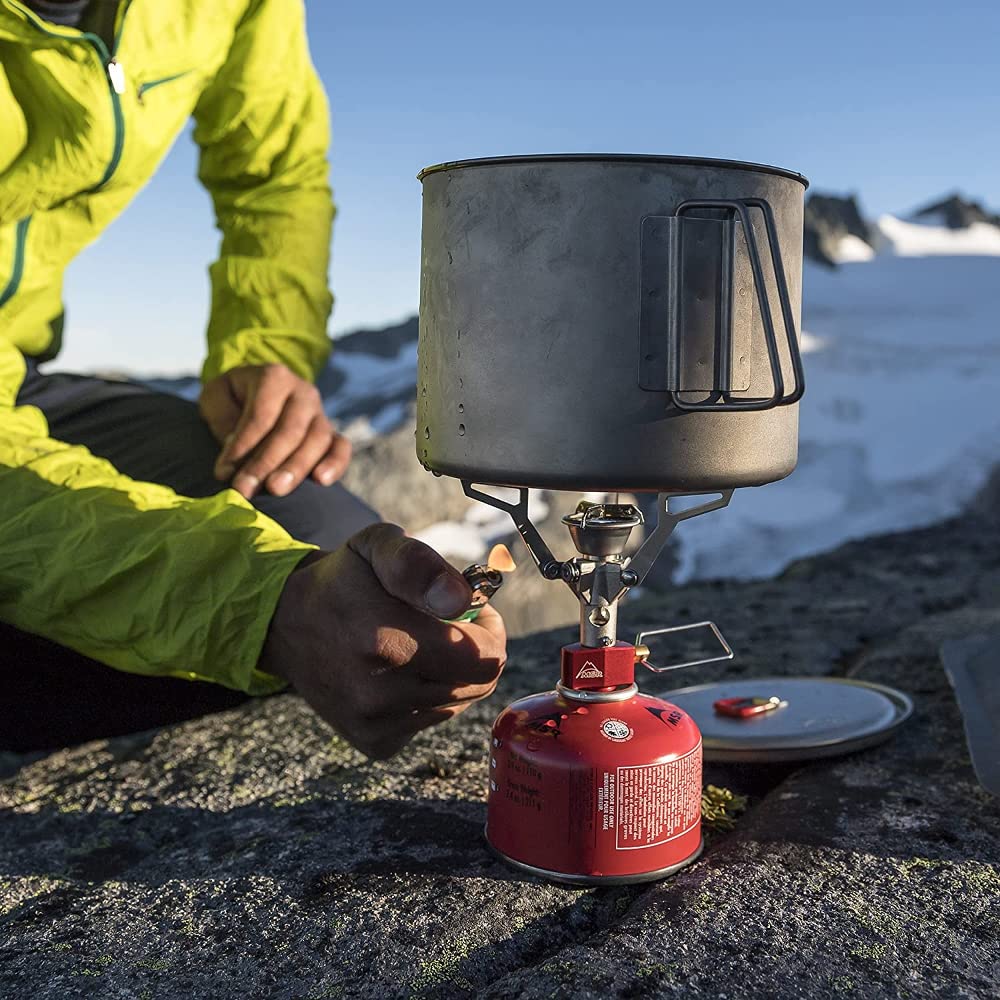
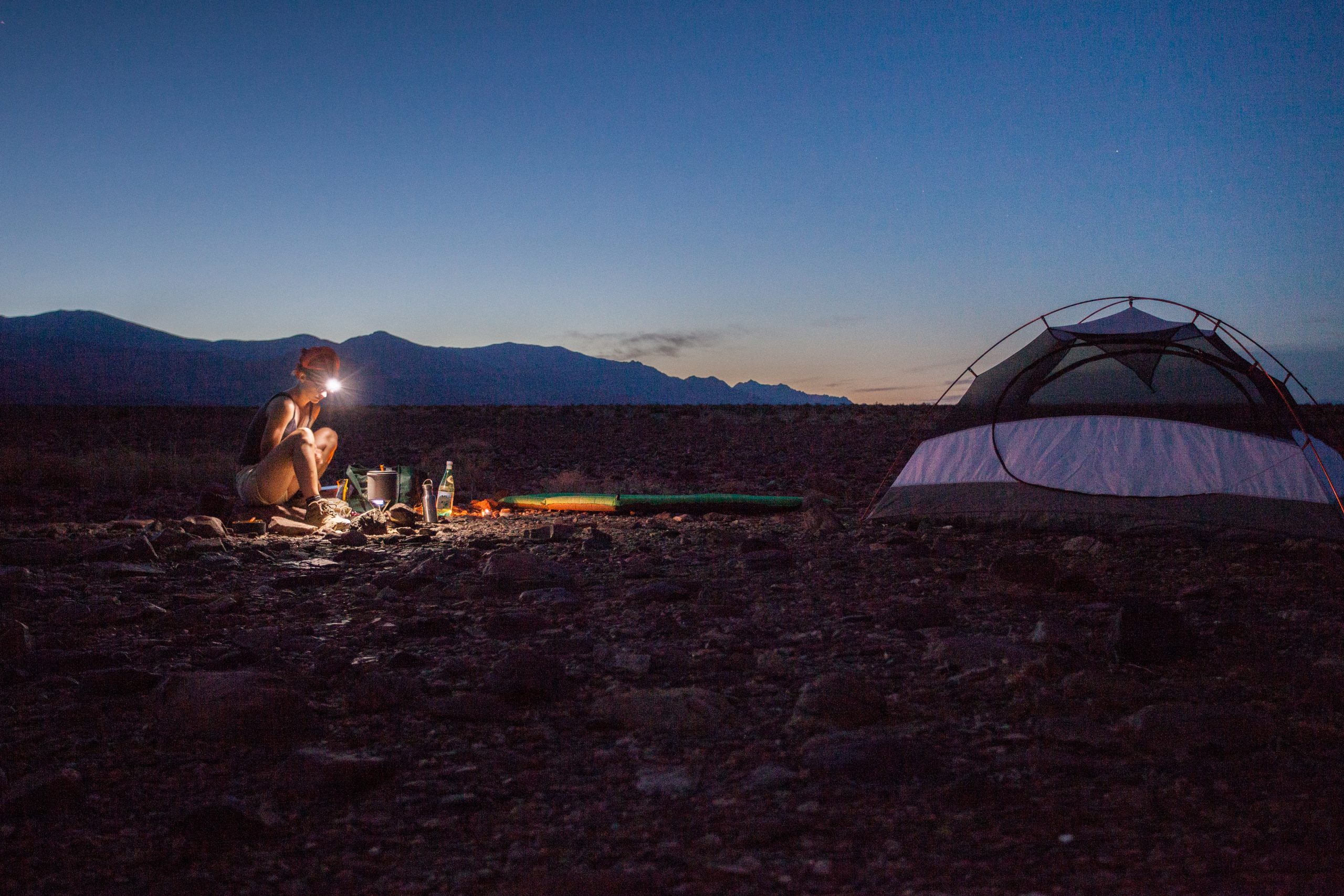
The psychological toll of total isolation in the wilderness can be surprisingly intense for those who are not mentally prepared for the silence. Without any human interaction, the mind can often focus on irrational fears or become overwhelmed by the vastness of the natural environment at night. This stress can lead to poor decision-making and a lack of focus that compromises overall safety during the entire trip. Sharing the experience with a friend provides emotional support and allows for a much more balanced perspective on any challenges that arise. Constant companionship helps maintain a positive and very calm mindset.
Physical Workload Fatigue
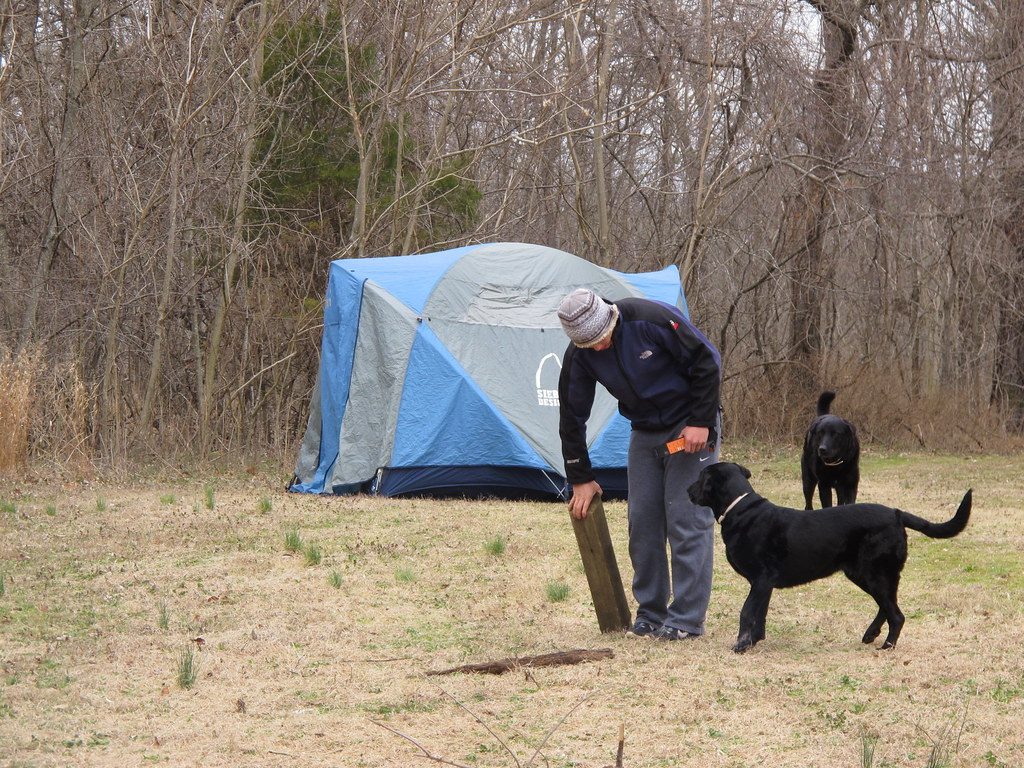
Managing a campsite involves a significant amount of physical labor, ranging from gathering firewood to setting up a heavy shelter. A solo traveler must perform every single task alone, which leads to faster exhaustion and an increased risk of accidental slips or falls. Extreme fatigue makes a person less alert to their surroundings and more prone to making small mistakes that can have very big consequences. Sharing the workload with a companion allows for more frequent breaks and ensures that neither person becomes too tired to function safely. Efficiency in the woods depends on a fair and balanced team effort.
Emergency Signaling Challenges

Signaling for help is much more difficult when a person is incapacitated or unable to move their gear effectively. A lone traveler might be unable to reach their whistle or satellite messenger if they suffer a fall or become trapped by a natural obstacle. A companion can actively manage signaling devices and ensure that rescuers have a clear path to the location during a crisis. Having two people increases the chances of being seen by aircraft or heard by other hikers in the immediate area. In a life-or-death situation, the ability to call for help is absolutely paramount.
Deteriorating Weather Conditions
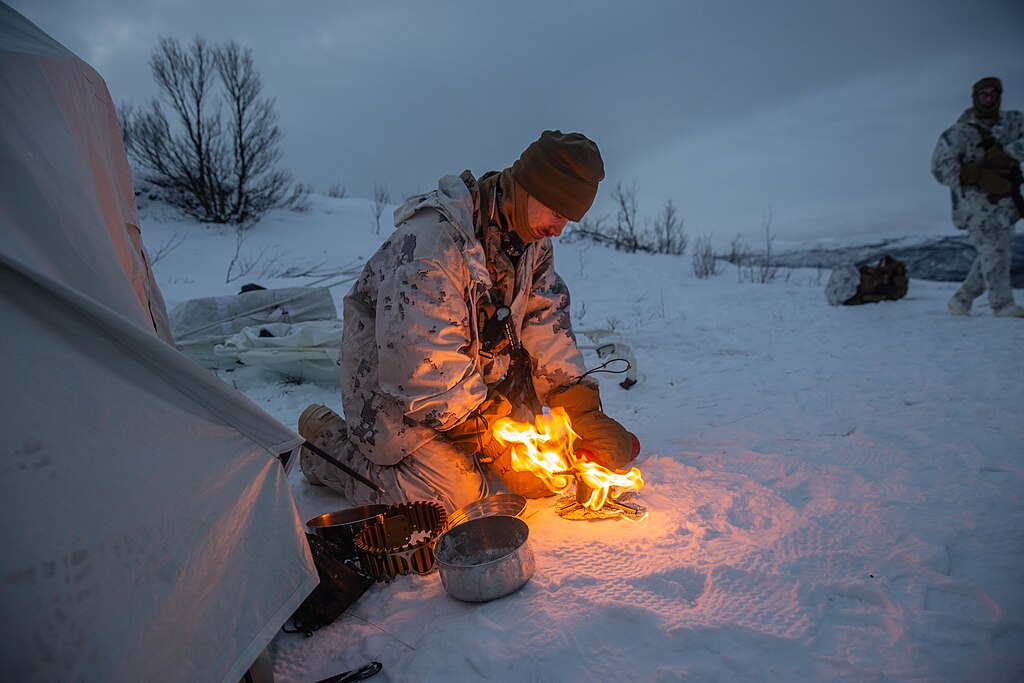
Sudden changes in weather, like heavy rain or freezing temperatures, can quickly turn a fun trip into a fight for survival. A solo camper must manage their shelter and stay dry while also trying to keep their core body temperature from dropping too low. If the equipment fails or if a leak develops, having a second person to assist with repairs is a massive advantage. Two people can share body heat or work together to build a fire much faster than a single person struggling in the wind. Cooperation is the most effective tool for surviving the unpredictable elements in nature.
Crime And Personal Security
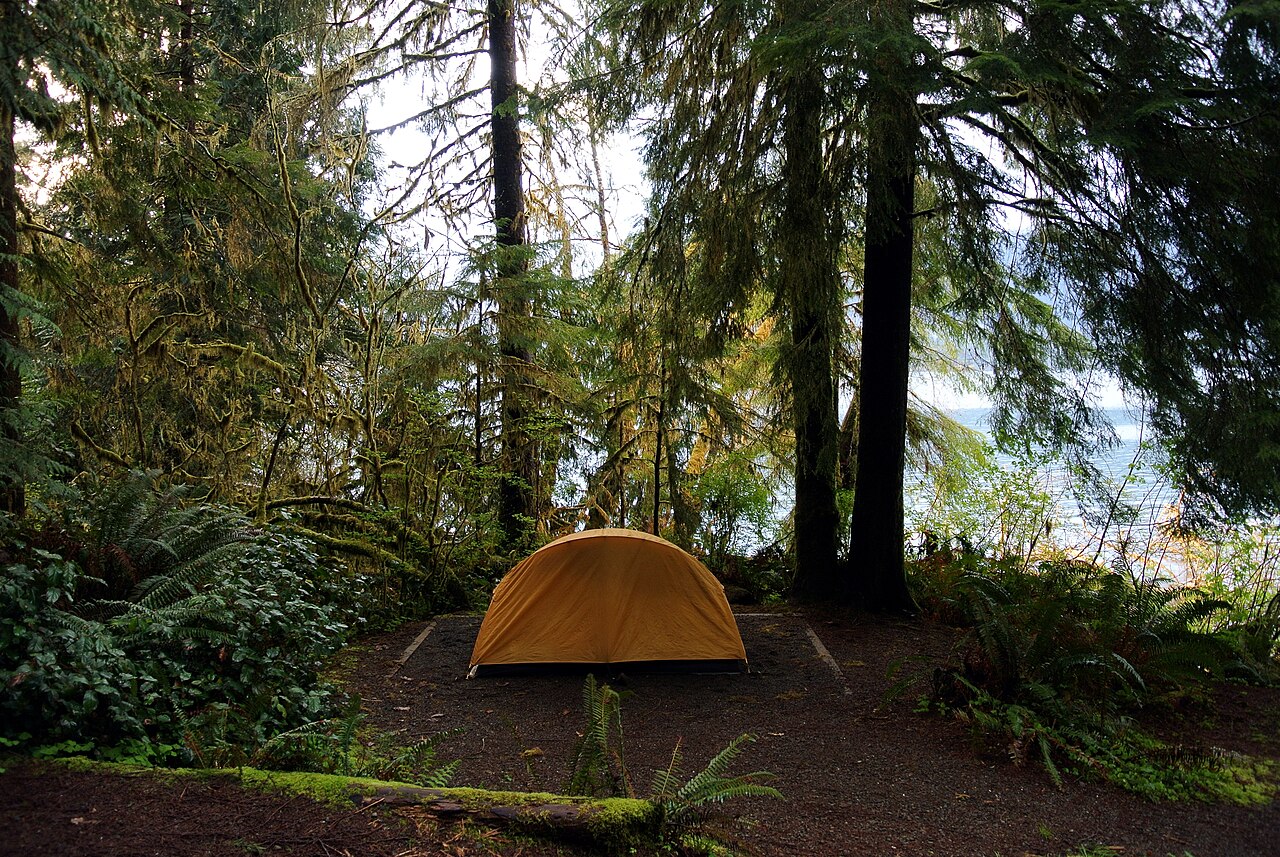
While the wilderness is generally safe, a lone individual is a more attractive target for the few people who might have bad intentions. A solo camper has nobody to watch their back or guard their gear while they are sleeping or away from the site. The presence of a second person provides a significant psychological and physical deterrent against any potential human threats in remote and isolated areas. Staying in a group increases overall security and allows for a much more relaxed experience while exploring the trails. Personal safety should always be a top priority for every single outdoor enthusiast.
Complex Gear Failure
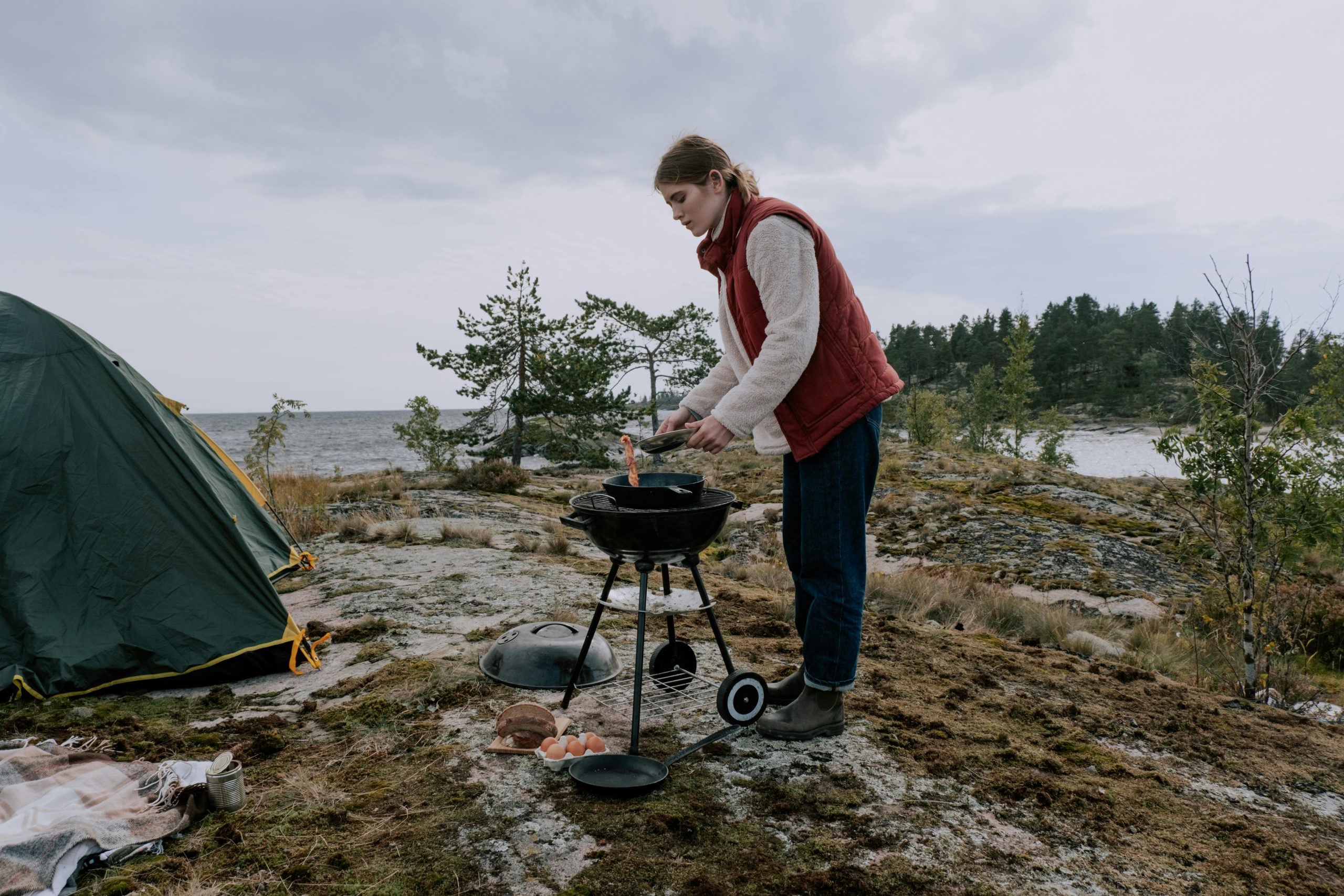
If a critical piece of equipment, like a water filter or a stove, breaks, a solo hiker may find themselves in a very difficult position. A companion often carries their own set of gear, which provides a natural and vital backup for the most essential survival tools. Being able to share resources ensures that a single mechanical failure does not end the trip or put a person in a dangerous situation. This redundancy is a key part of responsible backcountry travel and provides an extra layer of protection against the unexpected. Reliable gear and a trusted partner are a winning combination.