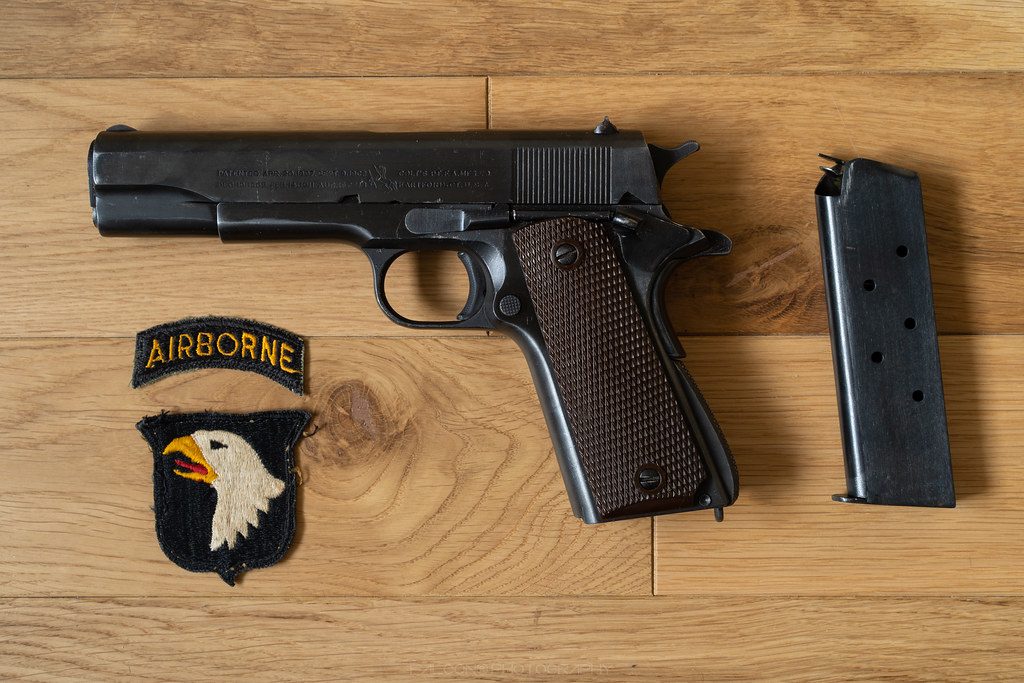
Understanding the quiet make or break differences between a 1911 and today’s polymer carries remains essential for every modern handgun owner. While the legendary steel frame design has served for over a century new lightweight materials have fundamentally changed how people approach daily protection needs. Choosing between a classic single action system and a modern striker fired platform involves more than just comparing magazine capacities or overall weights. It requires a deep dive into the mechanical nuances and ergonomic realities that impact performance during high stress encounters. This guide explores the subtle factors that influence a successful and reliable purchase.
Trigger Action Mechanics
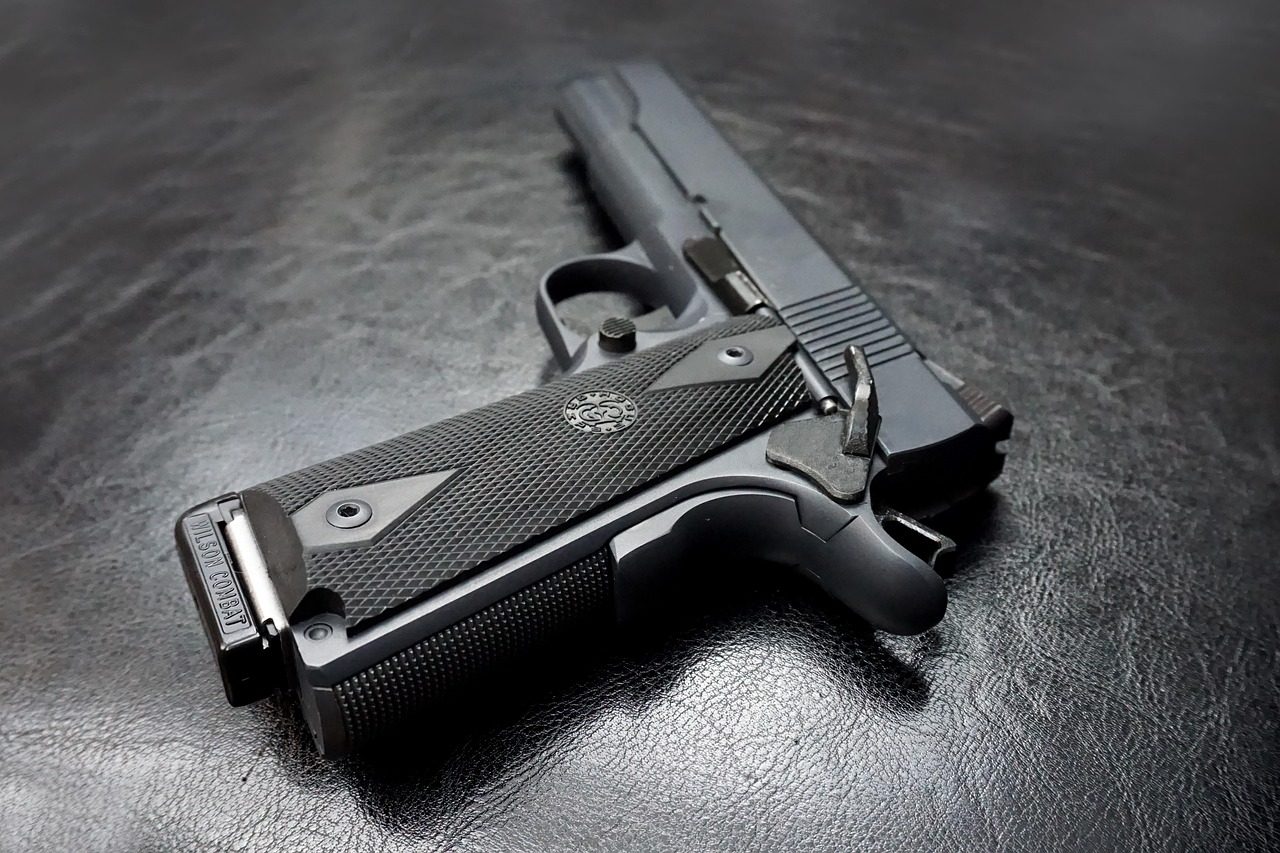
The most significant difference lies in the crisp single action trigger pull that defines the legendary shooting experience of a steel frame pistol. Traditional models utilize a direct mechanical connection that results in a very short and predictable break for the shooter. Conversely modern polymer handguns often feature a striker fired system with a longer and somewhat mushy feel that requires consistent practice to master. While the newer designs offer great simplicity and safety many enthusiasts find that the classic trigger allows for much more precise shot placement. This mechanical distinction often determines how comfortable a person feels during rapid fire sequences.
Overall Weight Distribution
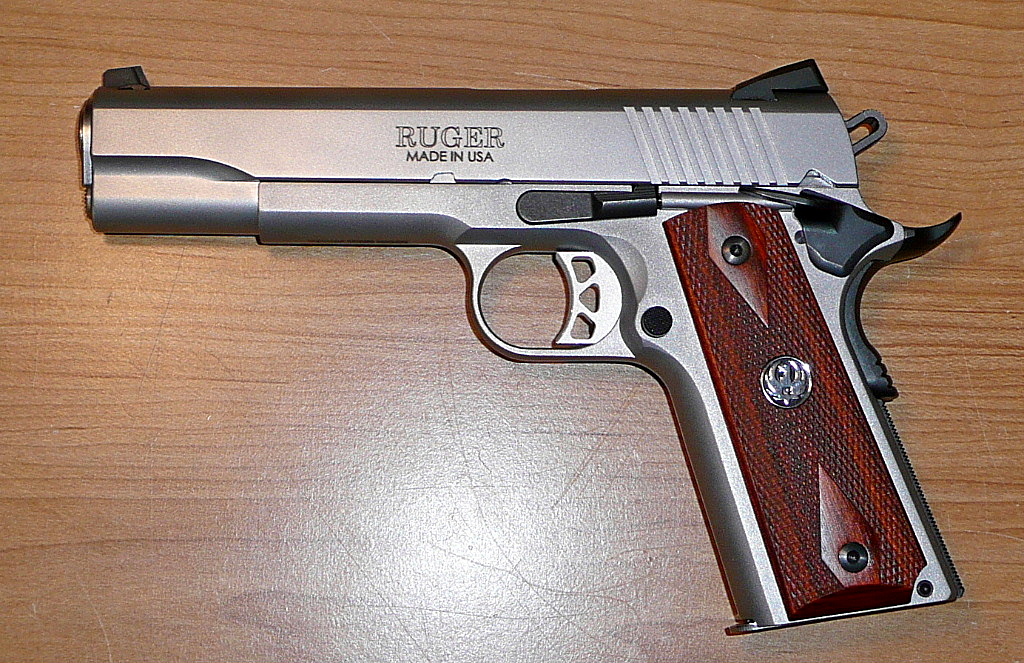
Weight distribution plays a critical role in how a firearm handles recoil and how comfortably it sits against the body throughout the day. A classic steel weapon offers a heavy and balanced feel that naturally dampens the snap of powerful defensive rounds during a practice session. Modern plastic frames are significantly lighter which makes them much easier to carry for long periods without causing physical fatigue or discomfort. However this reduced mass often results in more felt recoil and muzzle flip for the person firing the weapon. Finding the right balance between carry comfort and shooting control is a very personal decision.
External Safety Controls
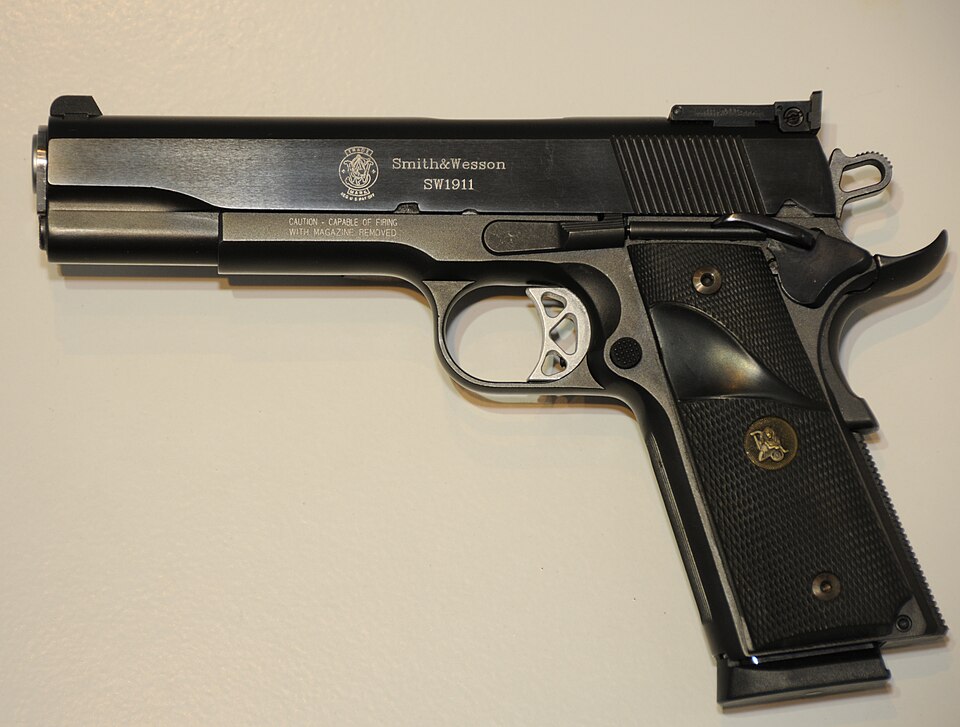
Most traditional models feature a manual thumb safety and a grip safety that require specific training to disengage during a draw. These physical layers of protection provide peace of mind for those who worry about an accidental discharge while carrying a chambered round. Many modern polymer pistols eliminate these external levers entirely in favor of internal safeties and a trigger blade system for faster deployment. This simplified approach allows for a quicker response time but requires strict finger discipline to ensure safety at all times. The choice depends on whether a person prefers mechanical redundancy or maximum operational simplicity today.
Total Magazine Capacity
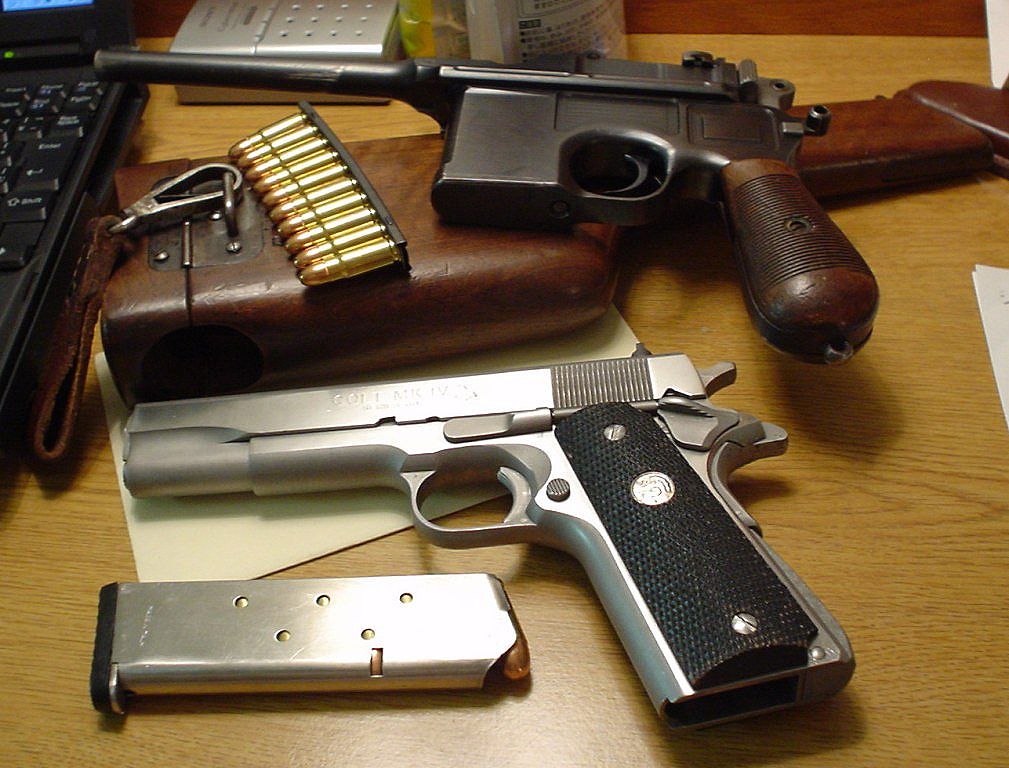
Modern engineering allows polymer handguns to hold significantly more ammunition within a frame that is much thinner than older metal designs. A standard compact plastic pistol often carries fifteen rounds or more while a classic large caliber model might be limited to just seven or eight. This disparity in firepower can be a major factor for those who prioritize having extra rounds available without carrying a spare magazine. While the single stack design of older weapons remains much easier to conceal the added peace of mind from higher capacity is hard to ignore. Modern shooters must weigh these important factors.
Grip Texture Customization
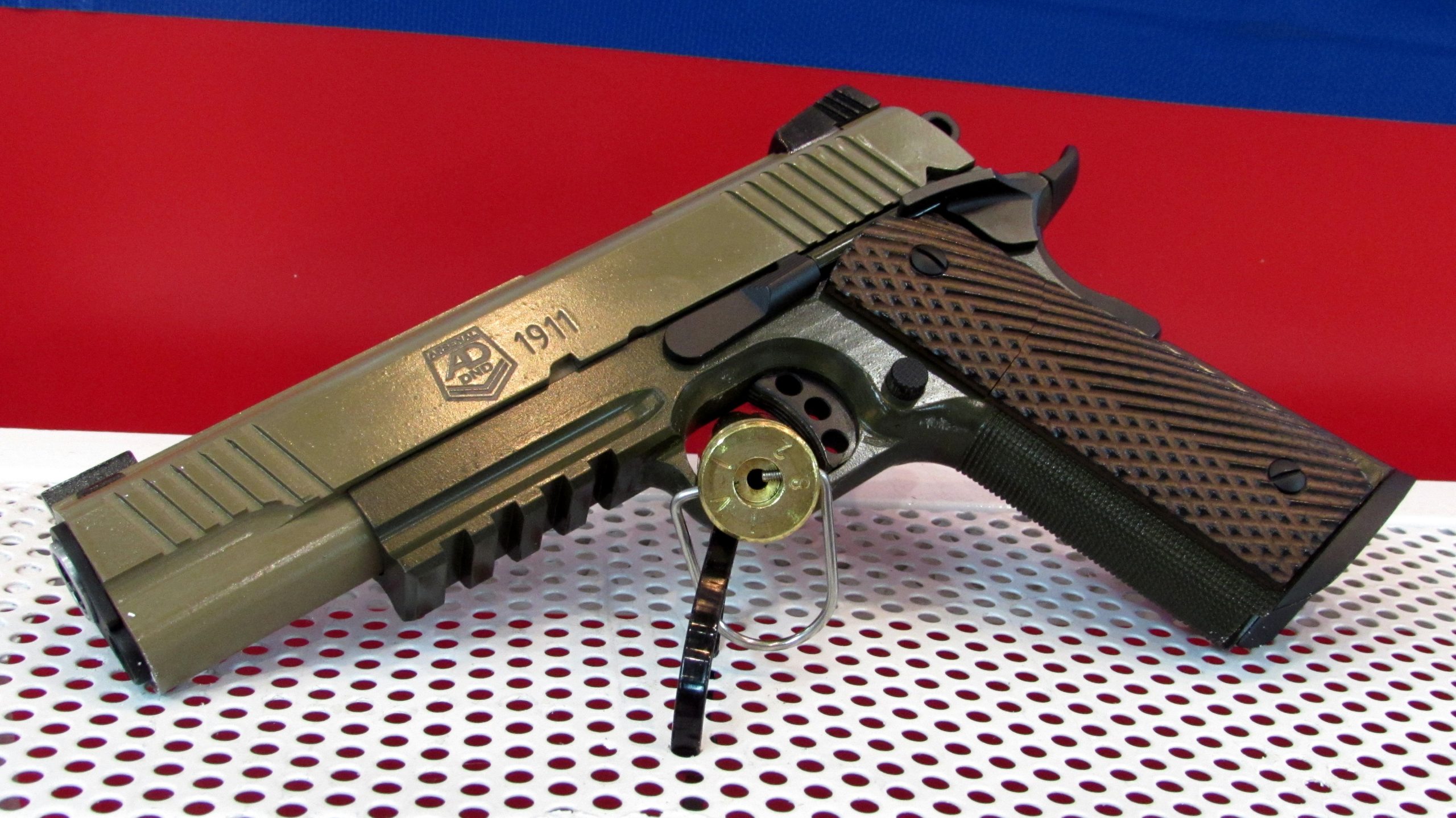
Modern polymer frames often come with aggressive factory textures or interchangeable backstraps that allow for a highly customized and secure fit in the hand. Some owners even choose to perform stippling to create a permanent and very grippy surface that matches their specific needs exactly. Classic metal frames rely on replaceable wood or synthetic panels that provide a more traditional look and feel for the owner. While these panels are easy to swap they do not allow for the same level of anatomical adjustment as a modular plastic grip system. Comfort in the hand leads to much better accuracy.
Maintenance Requirements
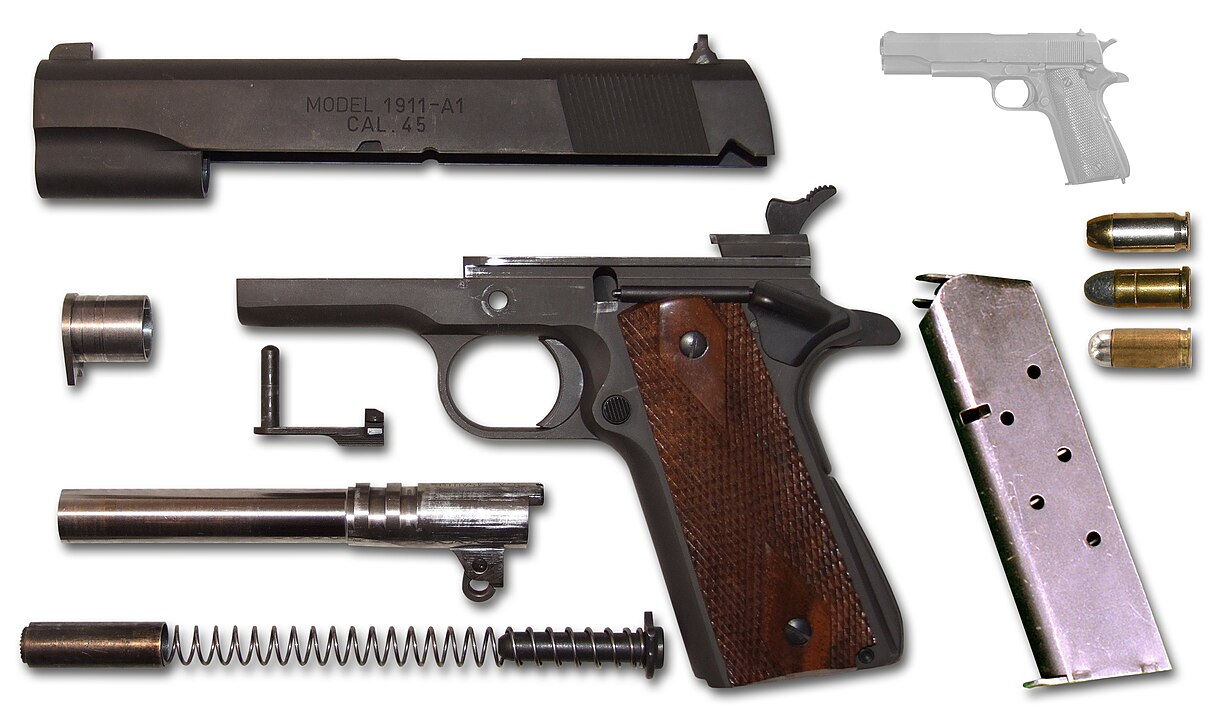
Traditional steel handguns require a more meticulous and frequent cleaning routine to prevent corrosion and ensure the tight internal parts function smoothly. The carbon steel and fine finishes can develop rust if they are exposed to moisture or sweat for long periods without proper care. Modern polymer weapons feature advanced coatings and materials that are incredibly resistant to the elements and harsh environmental conditions. These durable tools often run reliably even when they are dirty or neglected for several hundred rounds of practice. For a daily carry weapon the low maintenance nature of plastic offers a very clear and practical.
Frame Flexibility And Recoil

Polymer frames possess a natural degree of flexibility that helps absorb a portion of the kinetic energy generated during the firing cycle. This subtle flexing can make the shooting experience feel less harsh compared to a rigid metal frame that transfers all energy directly to the hand. While steel offers a very solid and stable platform the slight shock absorption of plastic can be beneficial for those who practice frequently. This quiet difference impacts how quickly a person can get back on target after the first shot. Understanding how the material reacts under pressure is the key to consistent shooting.
Slide Manipulation Effort
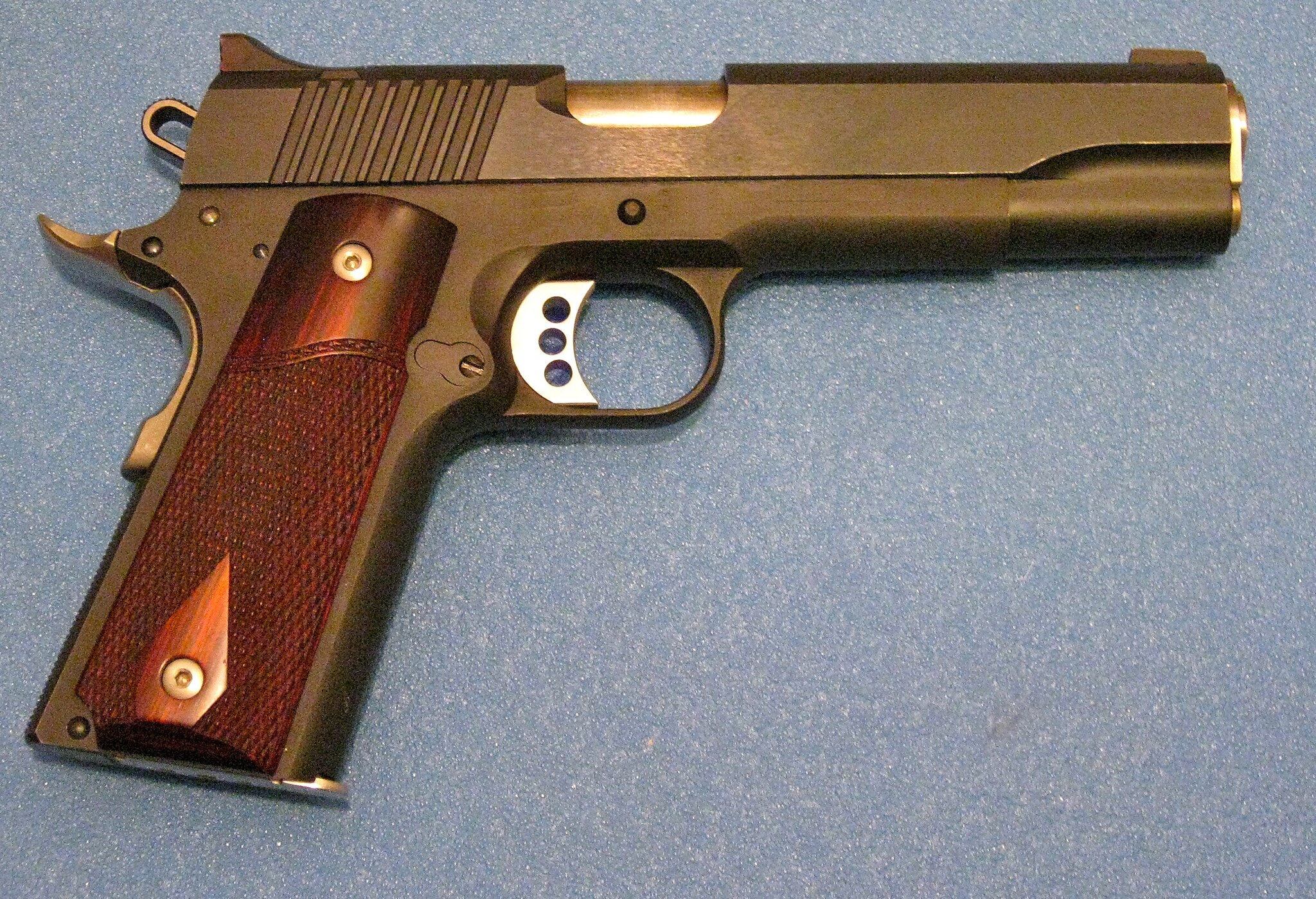
Manipulating the slide of a classic hammer fired pistol is often much easier than racking the slide of a modern striker fired weapon. The presence of an external hammer allows the shooter to cock the action manually which significantly reduces the tension of the recoil spring during the pull. Many smaller polymer handguns require a very firm and aggressive grip to overcome the heavy springs needed for their compact actions. This difference is especially important for individuals with limited hand strength or those who prefer a very smooth manual of arms. Ease of operation is a vital safety factor.
Long Term Durability
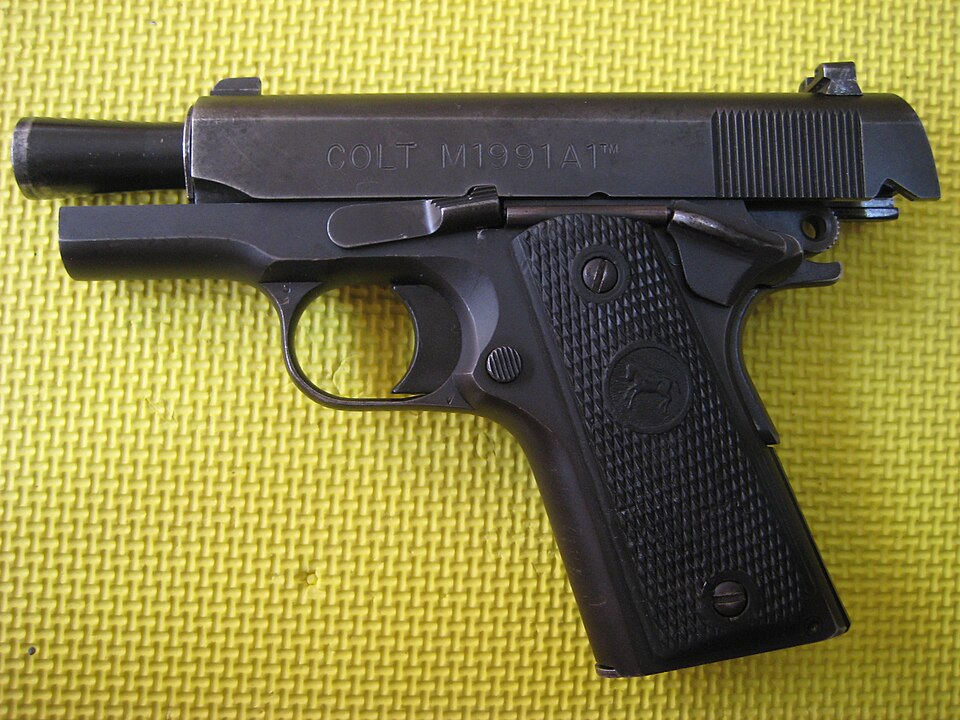
Steel frames have a proven track record of lasting through many decades of heavy use and multiple generations of owners within a family. These weapons can be rebuilt and tuned by a skilled gunsmith to maintain their high level of performance for almost forever. While modern polymer is incredibly tough and durable it can eventually become brittle or show wear after many years of exposure to sunlight and chemicals. However for the average owner both materials will easily outlast the amount of ammunition they will likely fire in a lifetime. Choosing between a legacy heirloom and a modern tool is a personal.