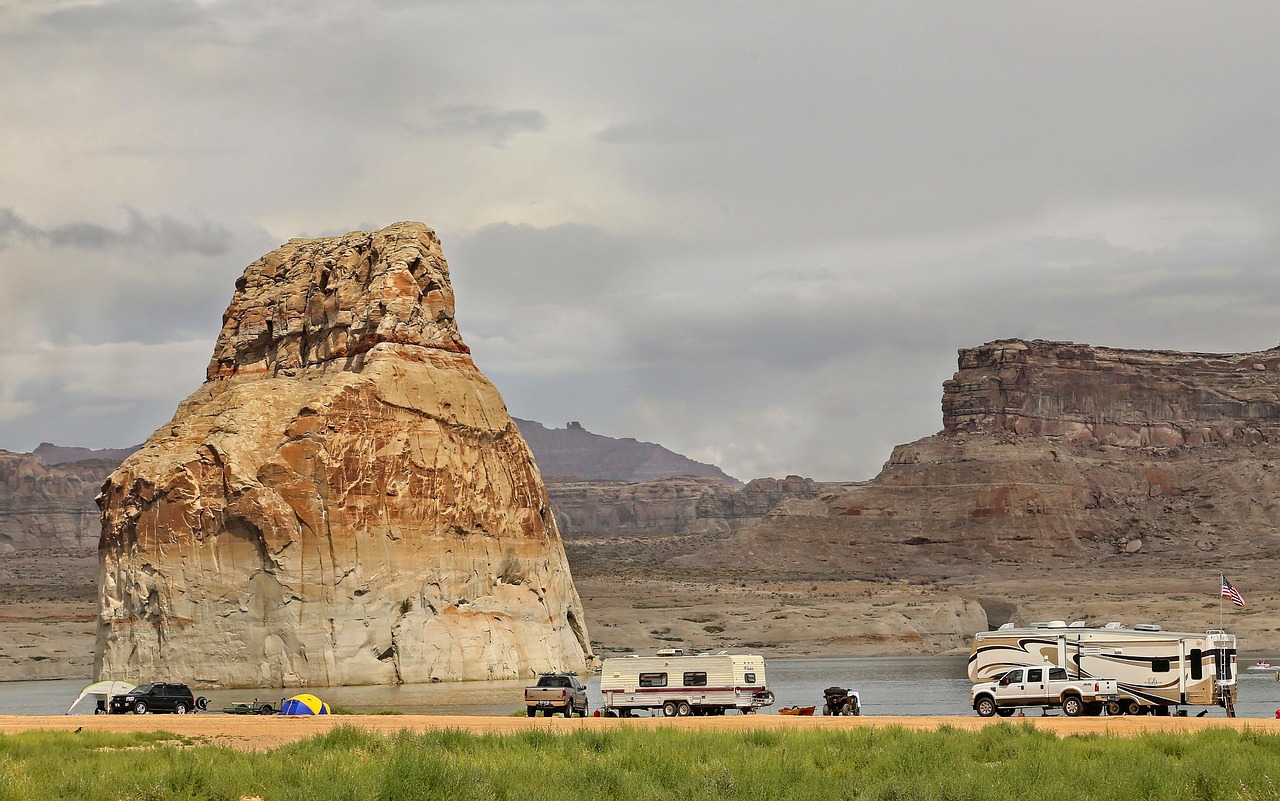
Flash floods can strike with almost no warning, turning dry paths, calm rivers, and narrow canyons into fast-moving hazards within minutes. Understanding how to react in these situations can make a major difference when exploring unpredictable terrains. From deep desert canyons to steep mountain valleys, many regions in the United States experience rapid water surges triggered by storms miles away. The following nine places stand out as areas where flash flood awareness and preparation are essential.
1. Utah’s Slot Canyons
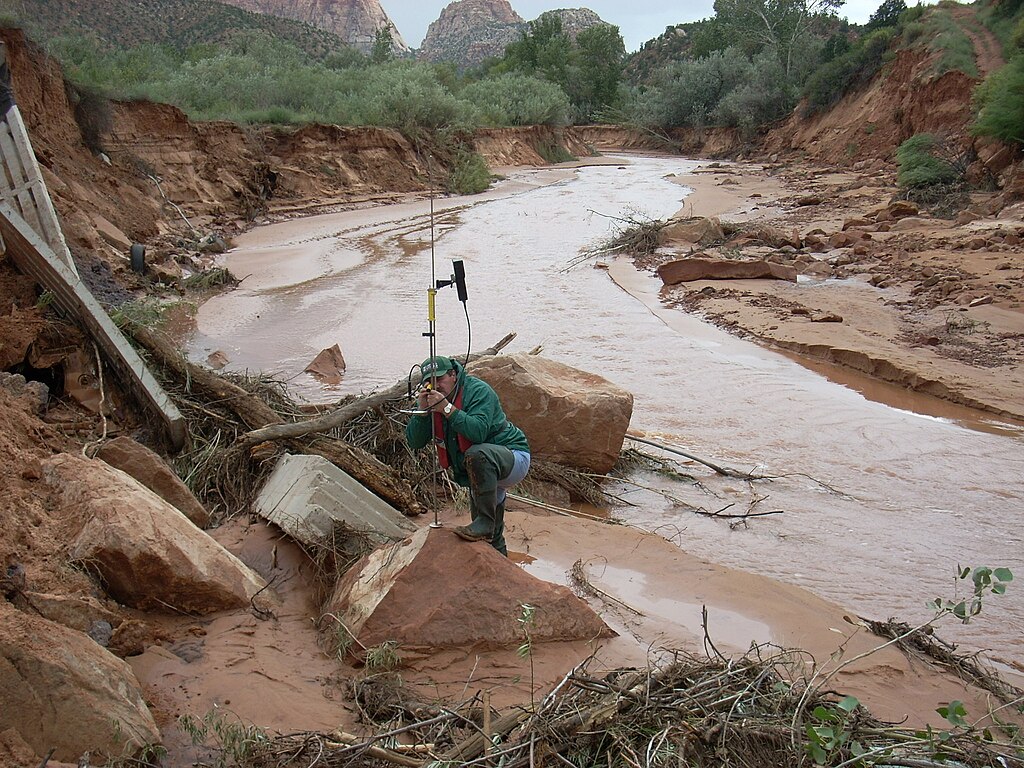
Utah’s narrow slot canyons are beautiful but dangerous when storms roll in. Even distant rain can funnel water into tight spaces, creating powerful surges that fill the canyon from wall to wall. Visitors learn to watch cloud buildup, check weather alerts carefully, and avoid narrow routes during storm seasons. These canyons teach the importance of quick decision-making and constant awareness, as conditions can change dramatically in minutes.
2. Arizona’s Desert Washes
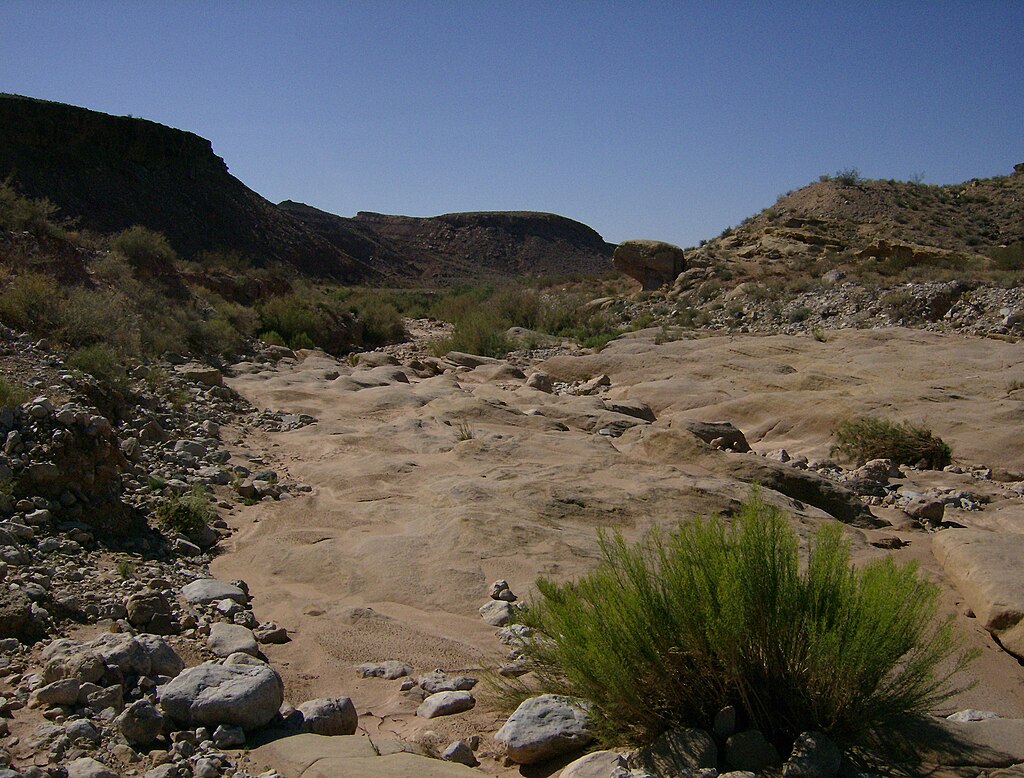
Arizona’s dry washes often look harmless until sudden storms turn them into fast-flowing channels. These areas gather water quickly from surrounding cliffs, sending forceful currents through the low ground. Campers and hikers must learn how to identify drainage paths and avoid crossing dips during storm forecasts. The state’s wide desert visibility helps people read weather patterns early, building strong instincts for recognizing incoming danger before water arrives.
3. Colorado’s Mountain Valleys
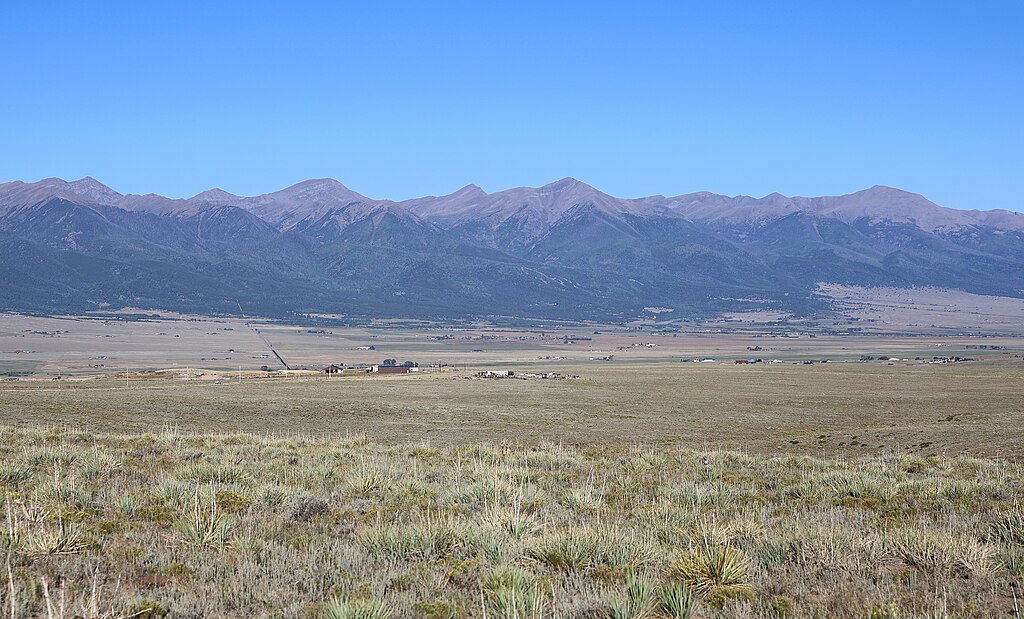
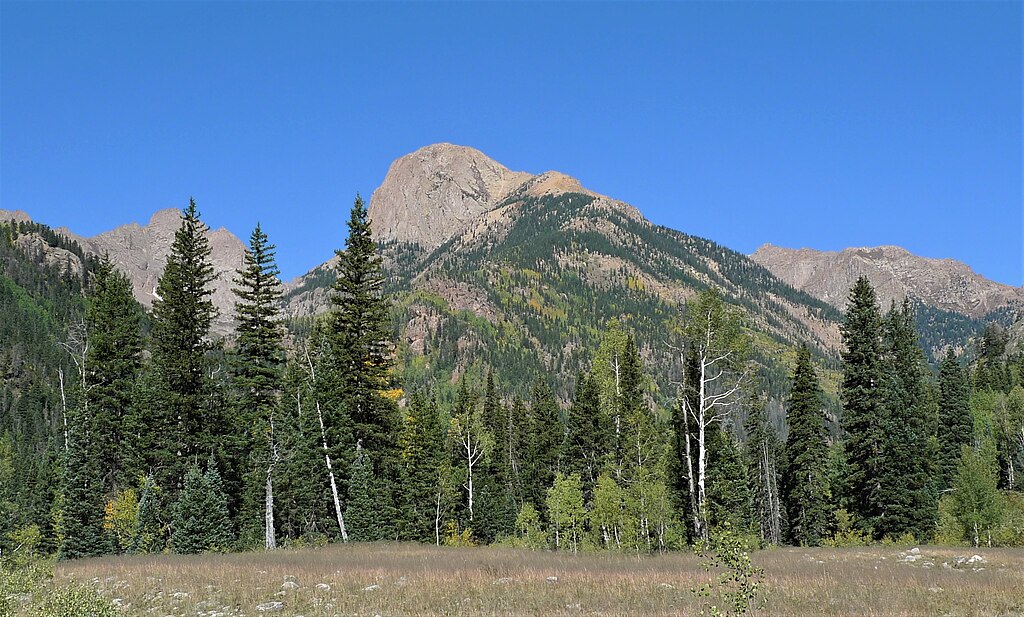
Colorado’s steep valleys and narrow passes make flash floods develop rapidly during intense thunderstorms. High elevations mean storms can appear suddenly, releasing heavy rain that rushes downslope into creeks and rivers. Travelers here learn to expect unpredictable weather and monitor skies closely. The lesson from Colorado is simple: in mountainous areas, water moves faster than you think, and higher ground should always be your first escape option.
4. New Mexico’s Arroyos
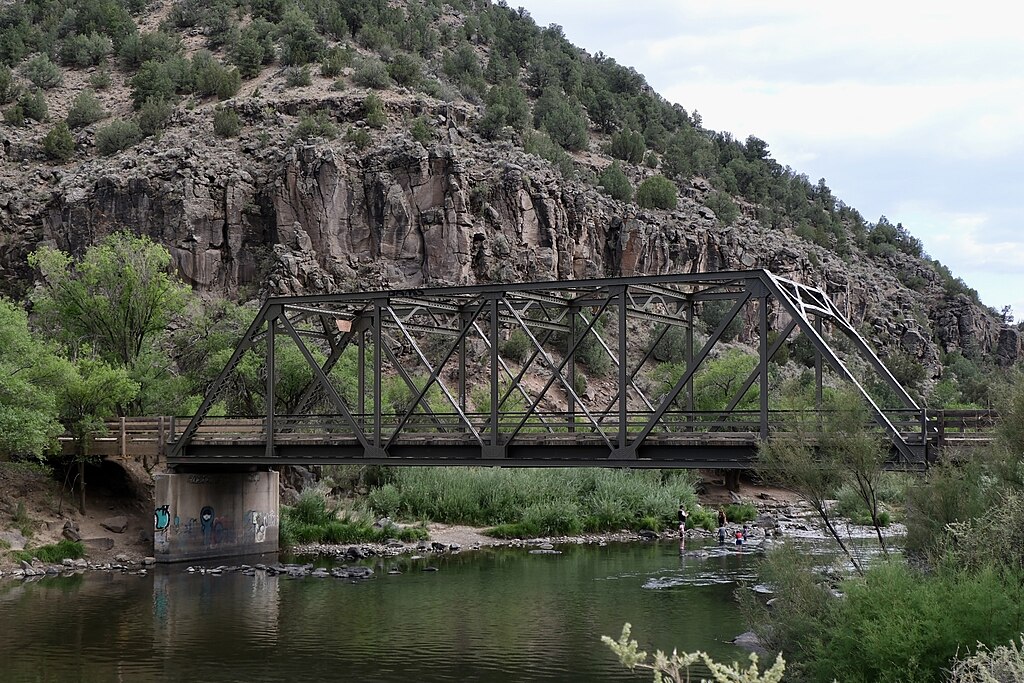
New Mexico’s arroyos, which stay bone-dry for much of the year, can transform into forceful waterways after only a short burst of rain. The hard desert soil absorbs little water, sending sudden flows through these channels at surprising speed. Locals know to avoid walking or driving through arroyos during storm forecasts. Training in this terrain teaches respect for water’s power and the importance of not underestimating seemingly empty dry channels.
5. Texas Hill Country
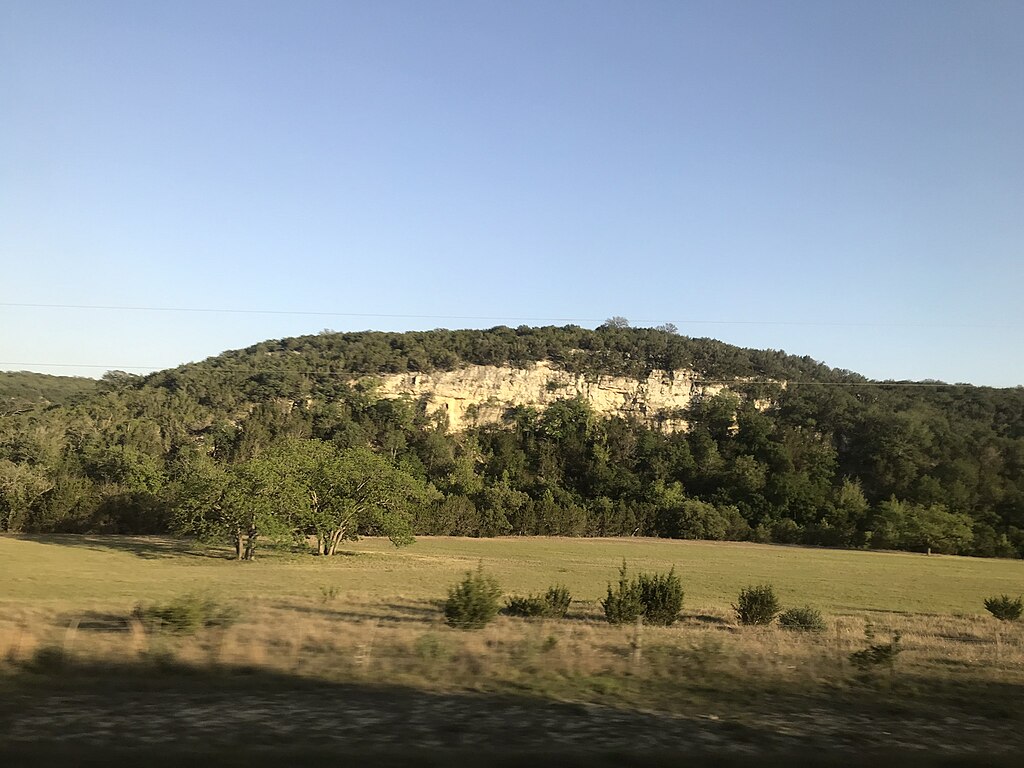
Texas Hill Country has a long history of intense flash floods caused by sudden storms piling water into steep limestone canyons and rivers. The region’s narrow waterways rise fast, often overwhelming low-water crossings. Campers and swimmers learn to move quickly to higher ground when storms appear. This area highlights the importance of recognizing how local topography amplifies water flow, pushing people to stay alert even when skies seem clear at first glance.
6. Nevada’s Desert Basins
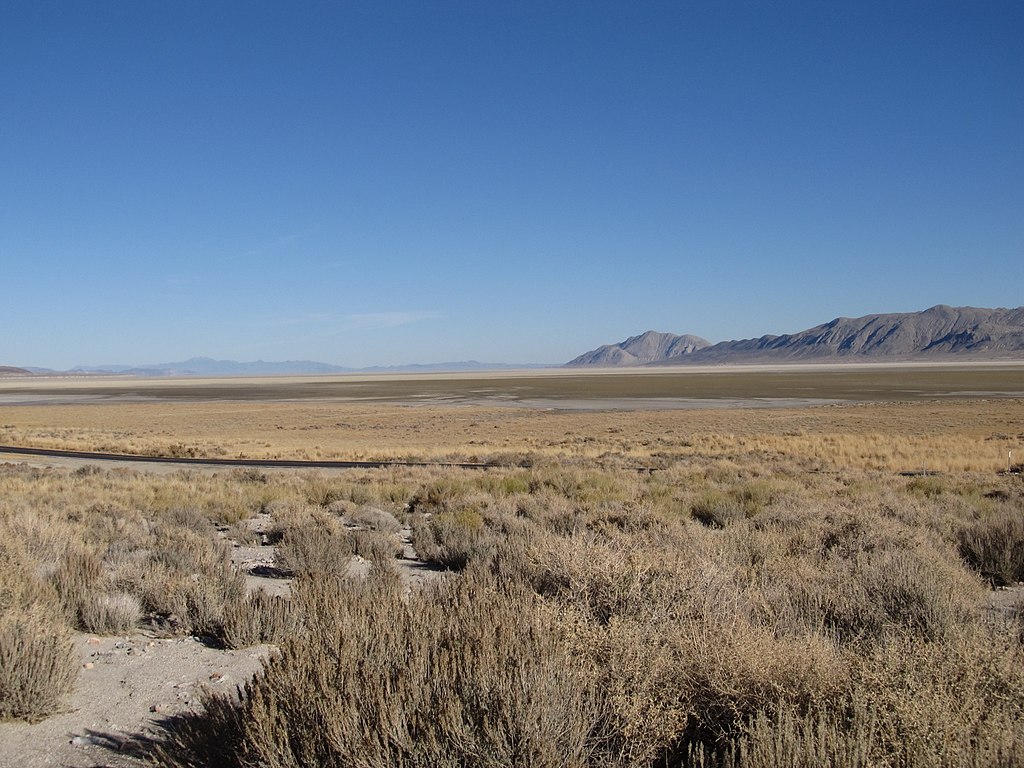
Nevada’s open basins and rugged desert landscapes set the stage for powerful flash floods after fast-moving thunderstorms. Dry ground forces rainwater to run off instantly, creating broad sheets of water that move across flatlands. In canyon areas, the surge becomes even more forceful. Navigating Nevada’s terrain teaches the importance of staying out of low depressions, planning escape routes, and avoiding any narrow wash during storm warnings.
7. California’s Eastern Sierra
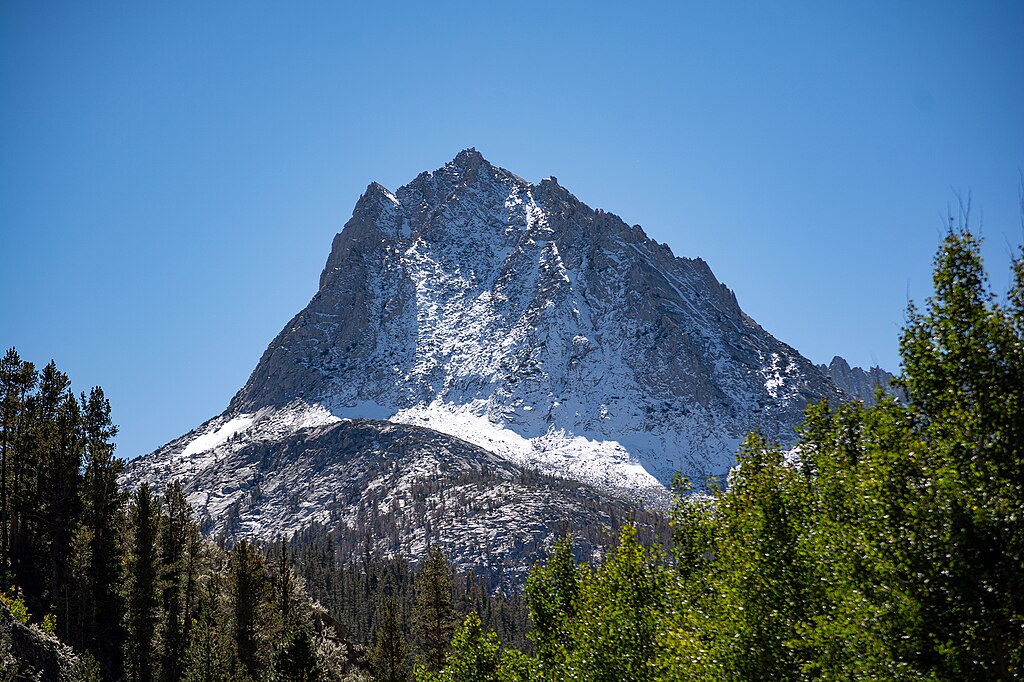
The Eastern Sierra region experiences sudden downpours that send water rushing from steep peaks into low-lying valleys. Loose rock and sandy soil make the flow unpredictable and sometimes debris-heavy. Hikers learn to read storm patterns and understand how quickly mountain runoff can travel. This area emphasizes the need to react early, avoid crossing unstable slopes, and stay clear of dry creeks that can fill suddenly with powerful surges.
8. Appalachia’s Narrow Hollows
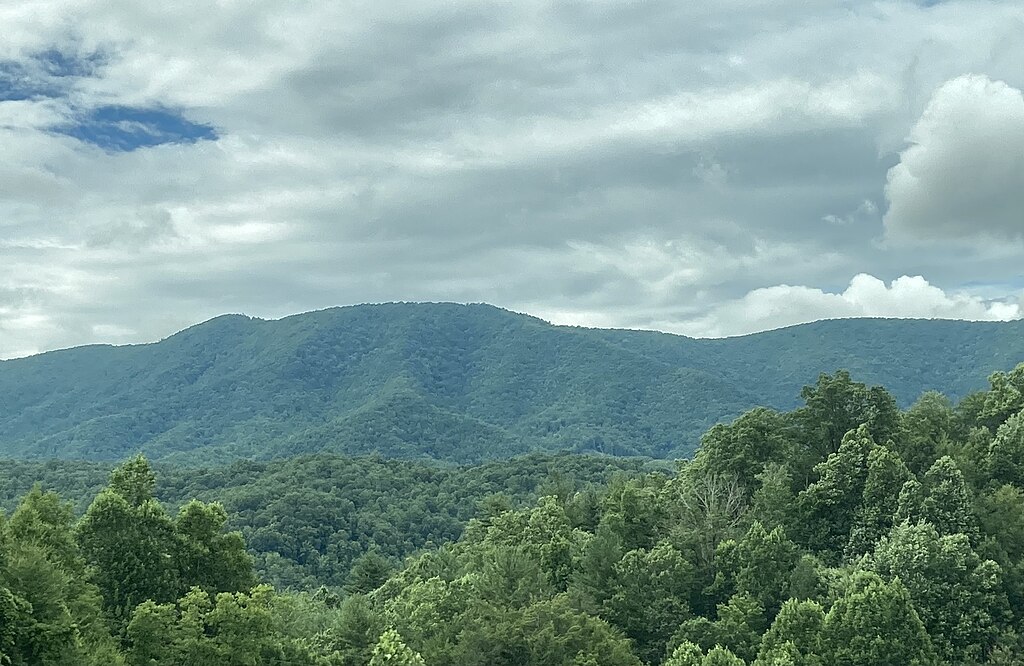
In Appalachia, heavy rainstorms often overwhelm narrow hollows and creek beds, turning quiet wooded valleys into fast-moving channels. The terrain funnels water tightly, increasing its speed and force. Local hikers and residents know to move away from low areas and watch for rising water after long rainfall periods. This region teaches the value of listening for changes in water sound and recognizing that flash floods can develop quietly in forested terrain.
9. Hawaii’s Mountain Streams
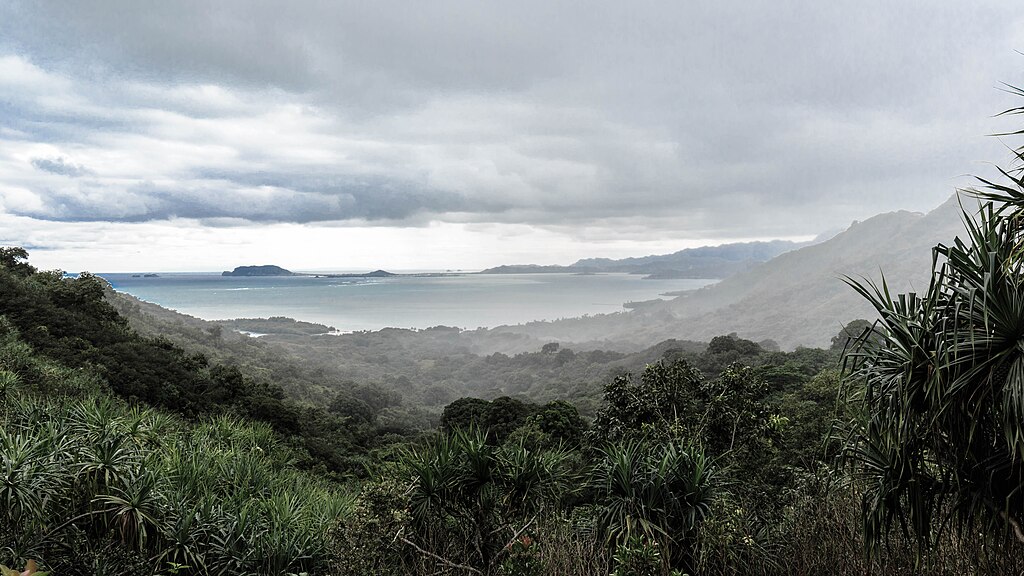
Hawaii’s lush mountains hide steep stream beds that rise quickly during tropical rains. Water can surge down narrow waterfalls and fill valleys unexpectedly, even when rain falls only at higher elevations. Travelers learn to respect warning signs, avoid river crossings during storms, and pay close attention to weather patterns that shift fast. Hawaii’s terrain highlights the importance of never assuming clear skies at lower levels mean safe conditions upstream.