Outdoor gifts often promise adventure, fresh air, and memorable weekends, yet many end up untouched. Busy schedules, impractical designs, or unrealistic expectations can quietly push certain items to the back of closets and garages. These gifts are not necessarily bad, but they rarely fit everyday routines or real interests. Over time, they gather dust instead of stories. Looking at which outdoor gifts commonly remain unused helps explain how good intentions miss the mark and why thoughtful alignment matters more than novelty when choosing gear meant for life beyond walls in changing modern lifestyles today everywhere.
Oversized Camping Tents
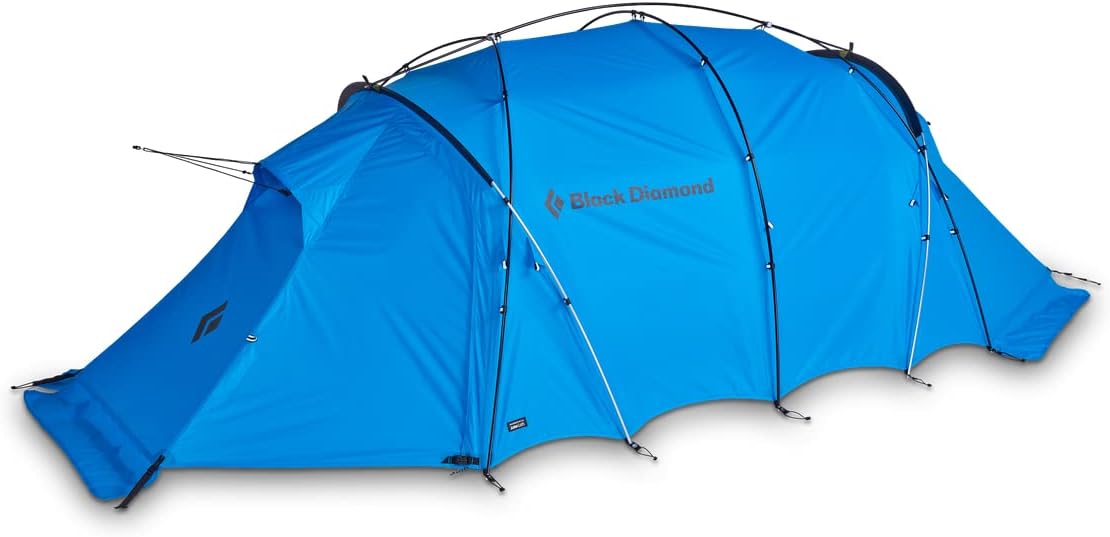
Oversized camping tents often look impressive but rarely leave storage. Their heavy weight, complex setup, and large footprints discourage quick trips. Many require multiple people, extended time, and specific campsites, making spontaneous outings unlikely. Owners frequently default to smaller shelters or rentals instead. The tents stay boxed, waiting for an ideal trip that never materializes. While designed for comfort, they conflict with modern travel habits focused on flexibility and efficiency. As seasons pass, these tents become symbols of ambition rather than tools regularly supporting outdoor experiences during busy lives filled with competing priorities and commitments.
Inflatable Kayaks
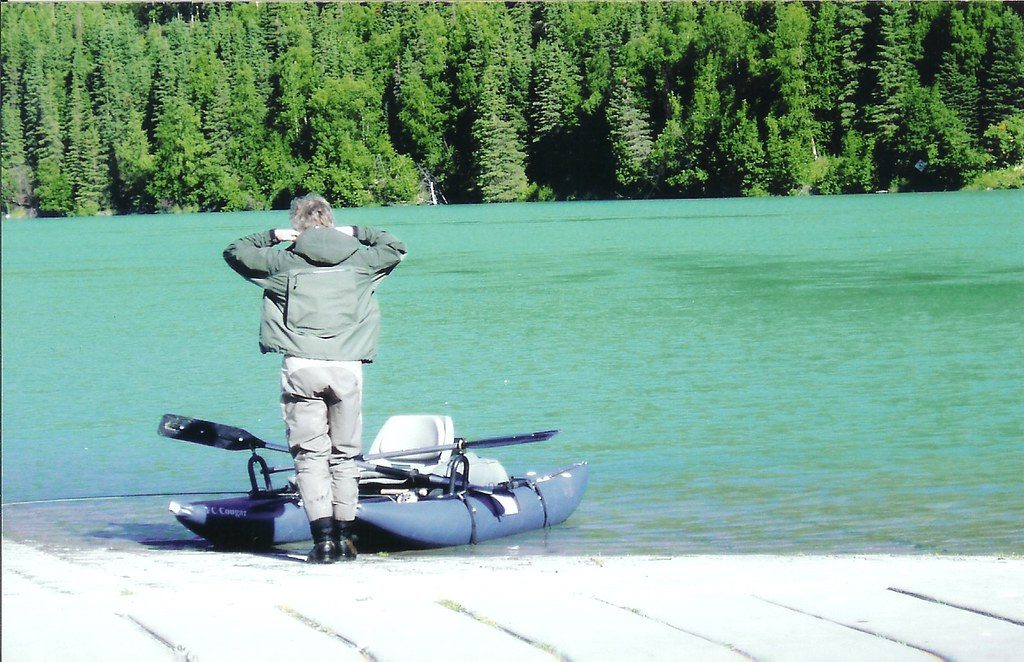
Inflatable kayaks are marketed as convenient and portable, yet many remain unused. The setup process often feels longer than expected, involving pumps, valves, and drying time. Concerns about durability or water conditions also reduce confidence. Instead of quick paddles, owners choose rentals or traditional boats when opportunities arise. Storage convenience alone rarely motivates use. Over time, the kayak stays folded and forgotten, overshadowed by simpler leisure options. Its presence reflects optimistic planning rather than frequent recreation, highlighting how convenience on paper does not always translate into real world habits for casual outdoor lifestyles today widely.
Advanced GPS Watches
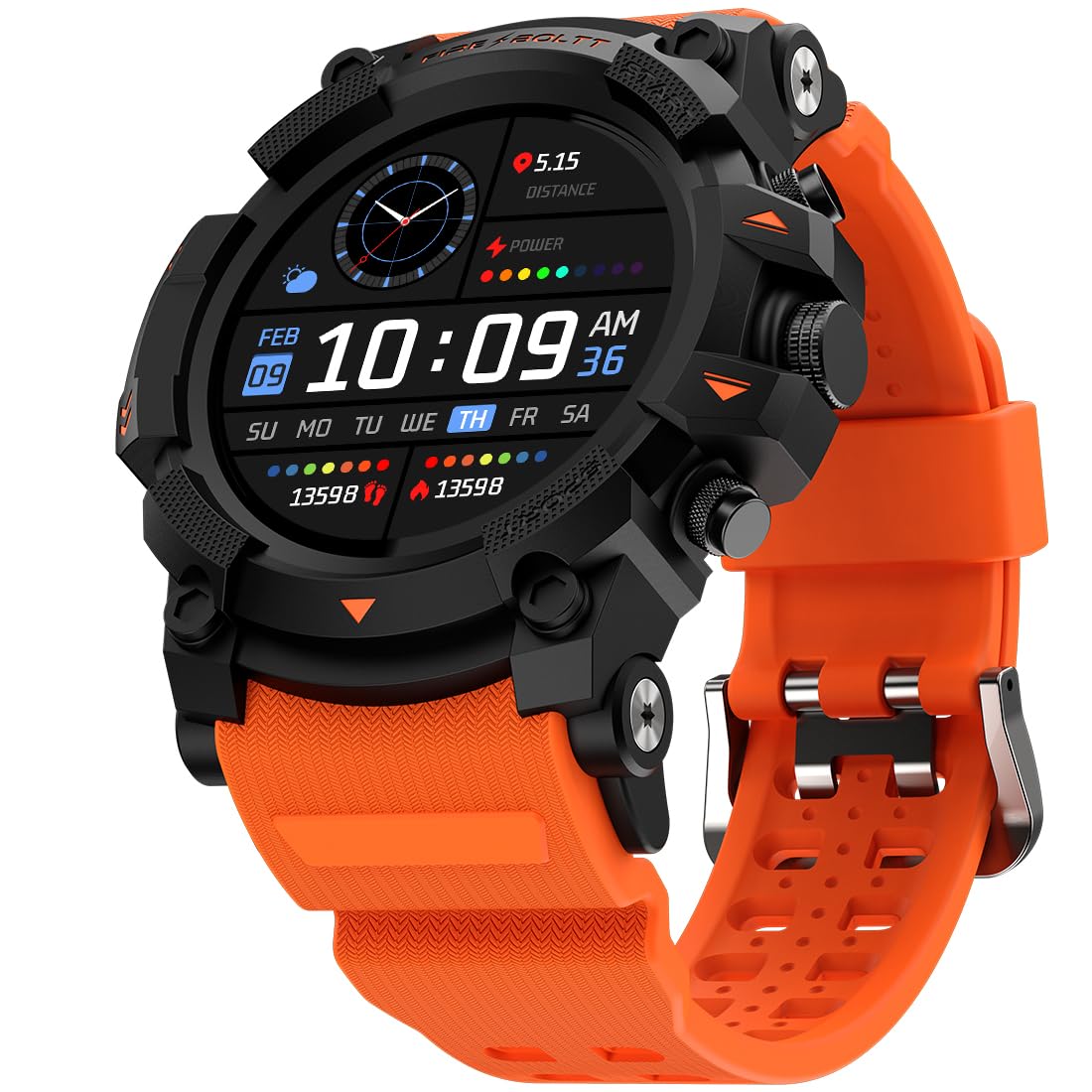
Advanced GPS watches appeal to outdoor enthusiasts but often sit idle. Their complex interfaces, frequent charging needs, and detailed metrics overwhelm casual users. Many rely on smartphones instead, finding them sufficient for navigation or tracking. Without regular training routines, the watches feel unnecessary. They remain stored after initial curiosity fades. Although built for rugged performance, they demand commitment and consistency. For owners lacking structured outdoor goals, the devices quietly collect dust, serving as reminders that specialized technology requires matching dedication to justify daily use outdoors within increasingly casual fitness cultures today, everywhere globally now common.
Hammocks With Stands
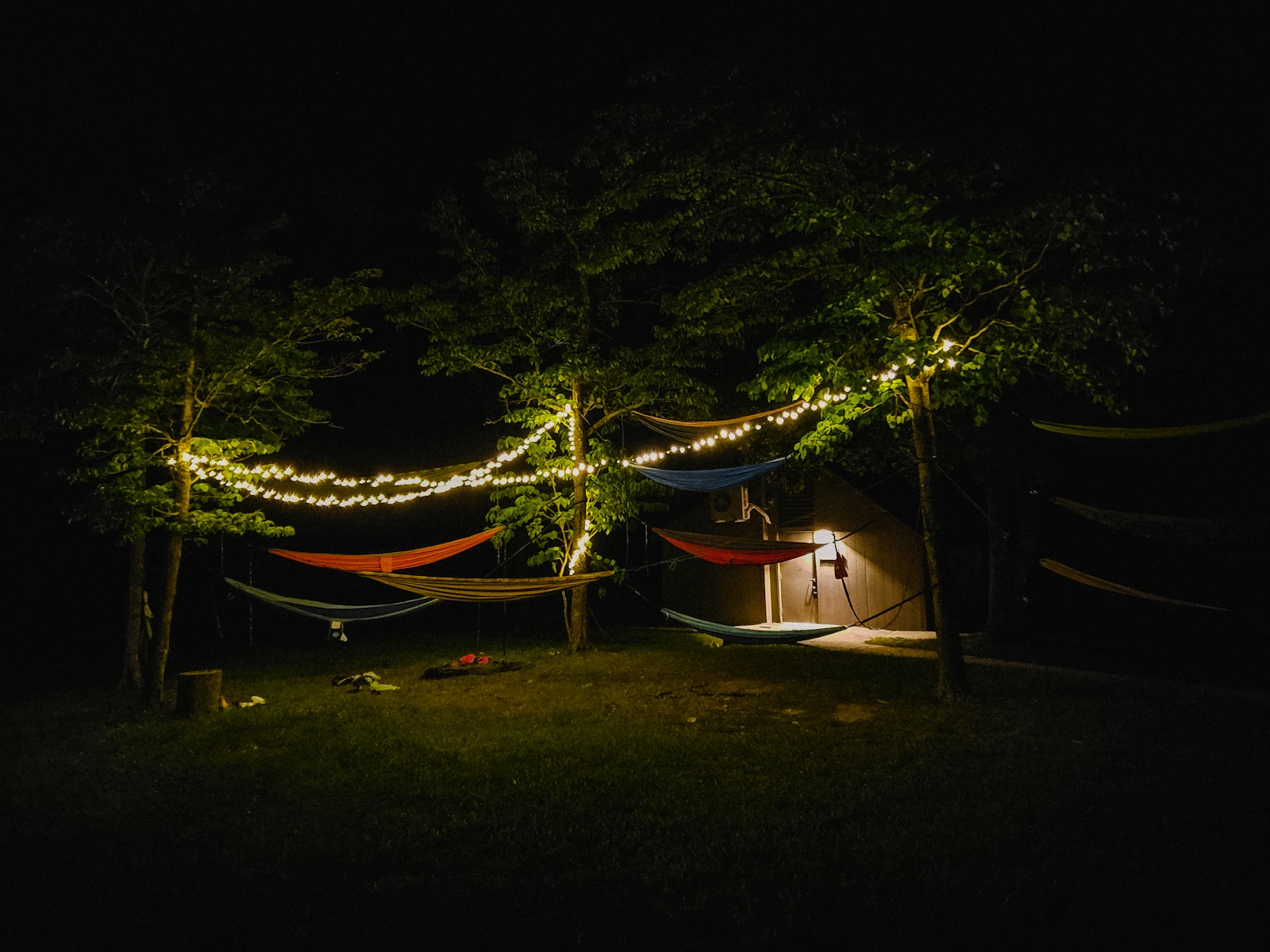
Hammocks with stands promise relaxation anywhere but frequently remain unused. Their frames add weight and bulk, reducing portability. Setting them up requires space many backyards or campsites lack. Without trees or suitable locations, the novelty fades quickly. Owners often imagine peaceful afternoons that never align with schedules. As a result, the hammock stays folded in garages. While comfortable in theory, the setup contradicts spontaneous downtime. These items illustrate how relaxation tools still need convenient environments to transition from gift to regular outdoor habit within modern busy lifestyles shaped by constant commitments and limited leisure windows.
High-End Binoculars
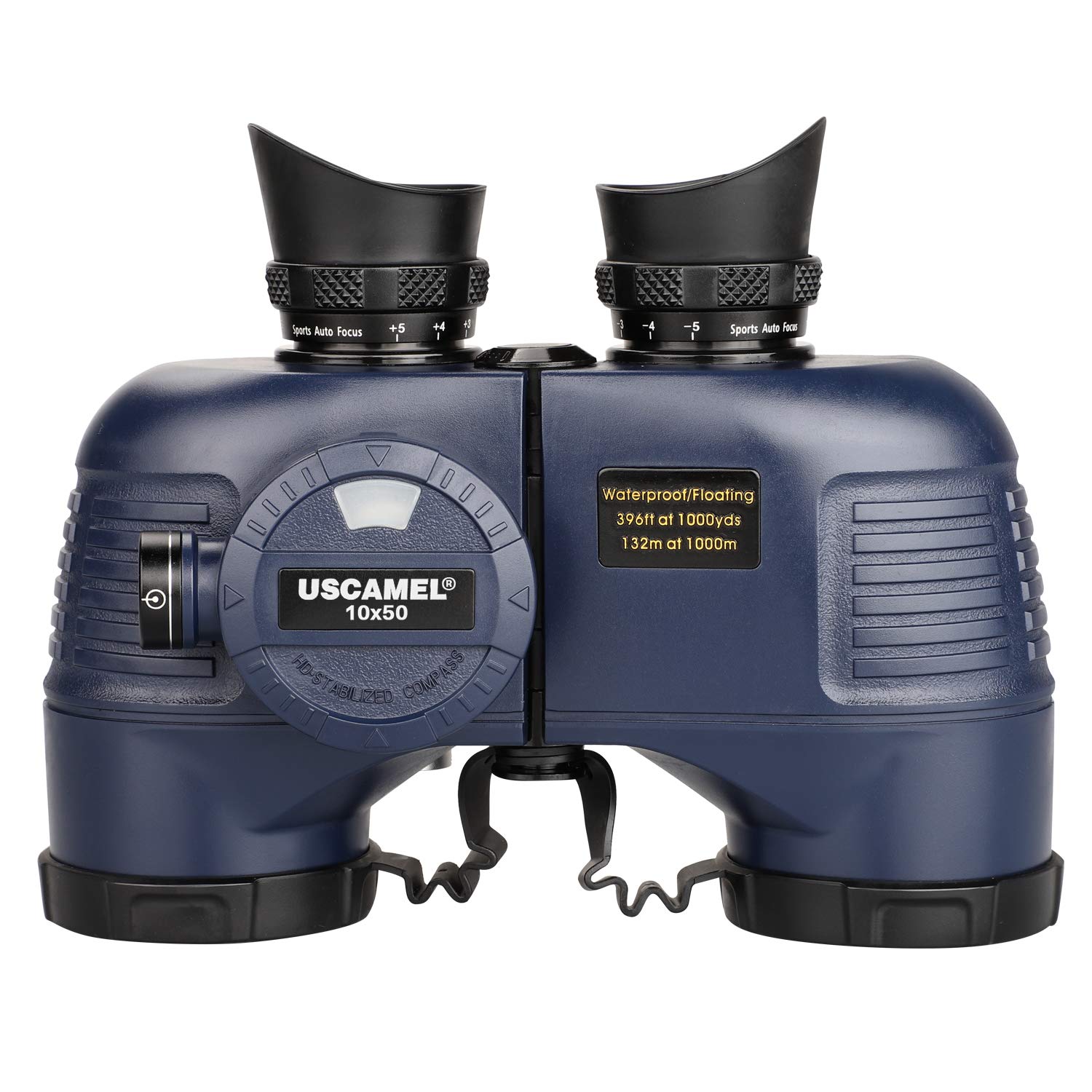
High-end binoculars often sound thoughtful but rarely see regular use. Casual outdoor moments seldom require advanced optics. Many owners forget to carry them or feel uncertain about proper handling. Birding or stargazing interests may never fully develop. Without a specific hobby, the binoculars remain stored safely away. They symbolize aspirational interests rather than established routines. Although precision built, they depend on patience and practice. When daily life prioritizes speed and convenience, such specialized tools quietly remain on shelves instead of accompanying spontaneous walks or trips during busy modern schedules today, worldwide, often unnoticed entirely unused.
Complex Camp Cookware Sets
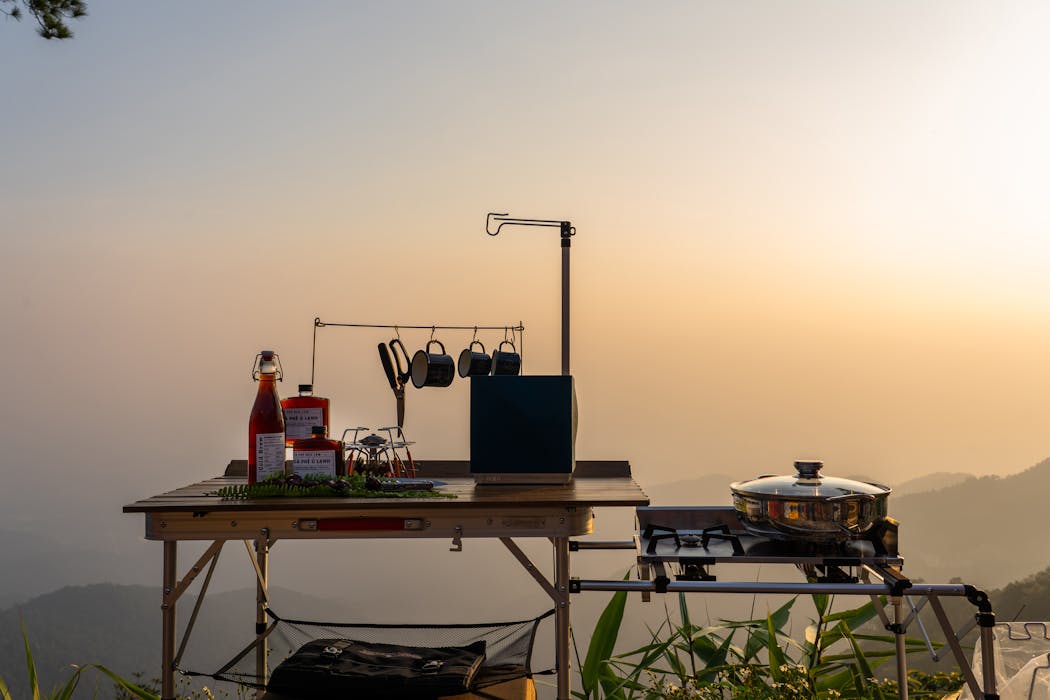
Complex camp cookware sets often arrive with excitement but remain untouched. Multiple pieces, unfamiliar layouts, and cleaning requirements discourage use. Simple meals or prepackaged food feel easier outdoors. Many campers choose minimal tools instead. The full set stays packed, reserved for trips that never happen. While designed for gourmet experiences, they clash with practical camping styles. Owners gradually forget what each item does. These kits reflect how ambition can outweigh reality when outdoor cooking becomes more complicated than enjoyable during limited free time available weekends, holidays, or short seasonal escapes planned by busy families today.
Rock Climbing Starter Kits
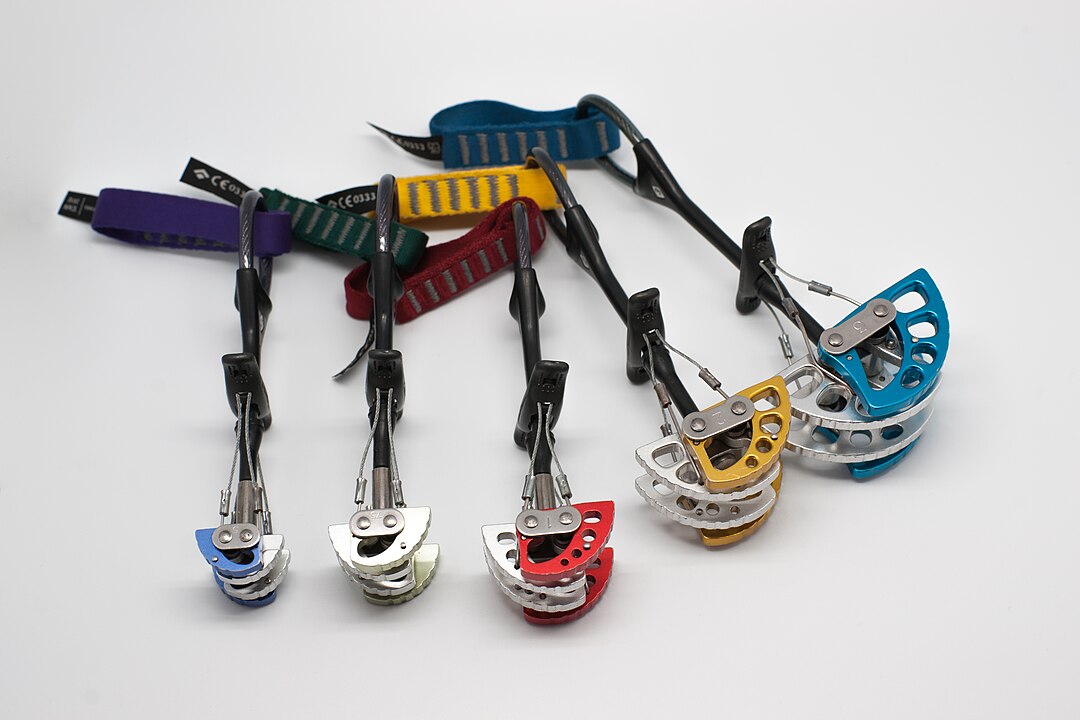
Rock climbing starter kits often inspire confidence but see little follow through. Learning curves, safety requirements, and access limitations create barriers. Many recipients lack nearby climbing areas or partners. Initial enthusiasm fades once training feels demanding. The gear remains unused, stored carefully but untouched. Climbing requires consistent practice and instruction. Without commitment, the kit becomes symbolic. It represents adventurous intentions rather than actual participation. These sets show how physically demanding hobbies rarely translate into casual use without strong motivation, community support, and accessible environments for beginners, especially adults balancing work, family, health, and time constraints.
Large Backyard Fire Pits
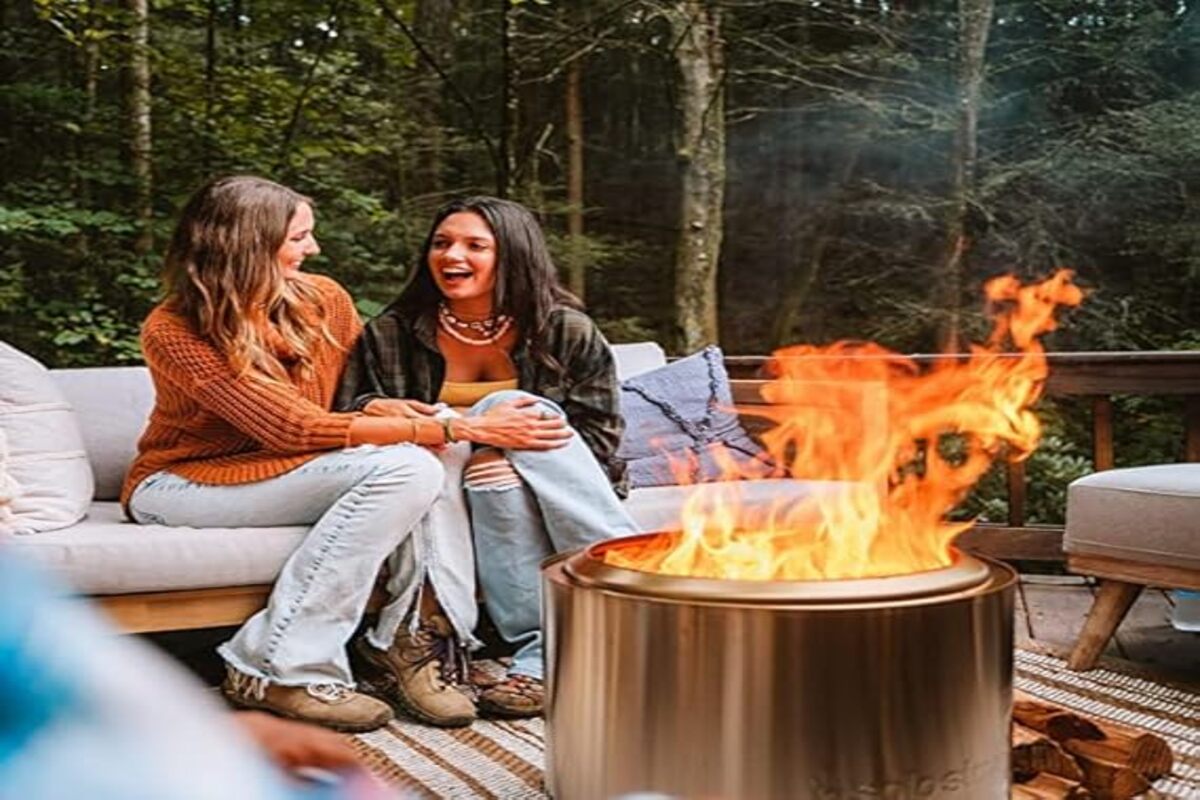
Large backyard fire pits appear inviting but often go unused. Installation effort, safety concerns, and local regulations discourage frequent fires. Weather limitations further reduce opportunities. Many homeowners light them once, then abandon the routine. Maintenance and cleanup add friction. Over time, the pit becomes decorative rather than functional. While gatherings sound appealing, coordinating schedules proves difficult. These structures highlight how outdoor social features depend heavily on consistent planning. Without it, they quietly occupy space without delivering the experiences originally imagined within modern suburban lifestyles shaped by busy calendars, noise rules, and changing neighborhood norms today.
All-Terrain Wagons
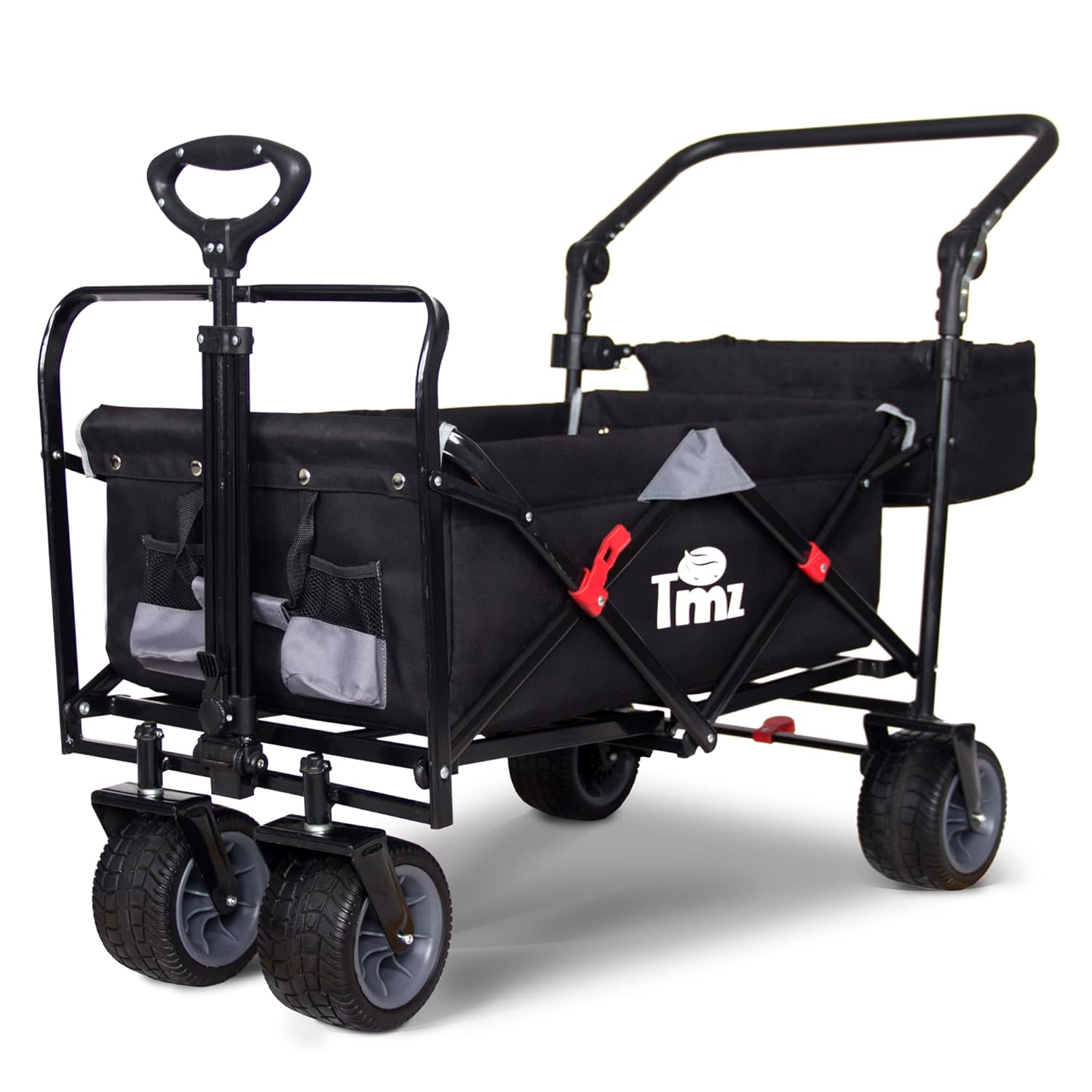
All-terrain wagons promise convenience for outdoor hauling but often sit unused. Their size makes storage awkward, and many outings do not require them. Families default to simpler bags or strollers. The wagons feel excessive for short trips. Without frequent beach days or festivals, they stay parked. Despite durable construction, they demand specific scenarios. Over time, practicality outweighs potential. These wagons demonstrate how multipurpose gear still needs regular context. Without consistent use cases, even sturdy designs quietly remain on shelves inside garages, closets, sheds, or storage rooms, waiting for adventures that rarely align with real schedules.