
Smartphones have quietly reshaped how people behave outdoors. Navigation, communication, entertainment, and emergency tools now live in one device, creating confidence that did not exist before. While phones add convenience, they also subtly change decision-making. People take chances they would have avoided in the past, rely less on preparation, and adjust their behavior around battery life instead of conditions. These decisions often feel logical in the moment. Over time, they influence safety, awareness, and how people interact with their environment.
1. Hiking Without Learning Basic Navigation Skills
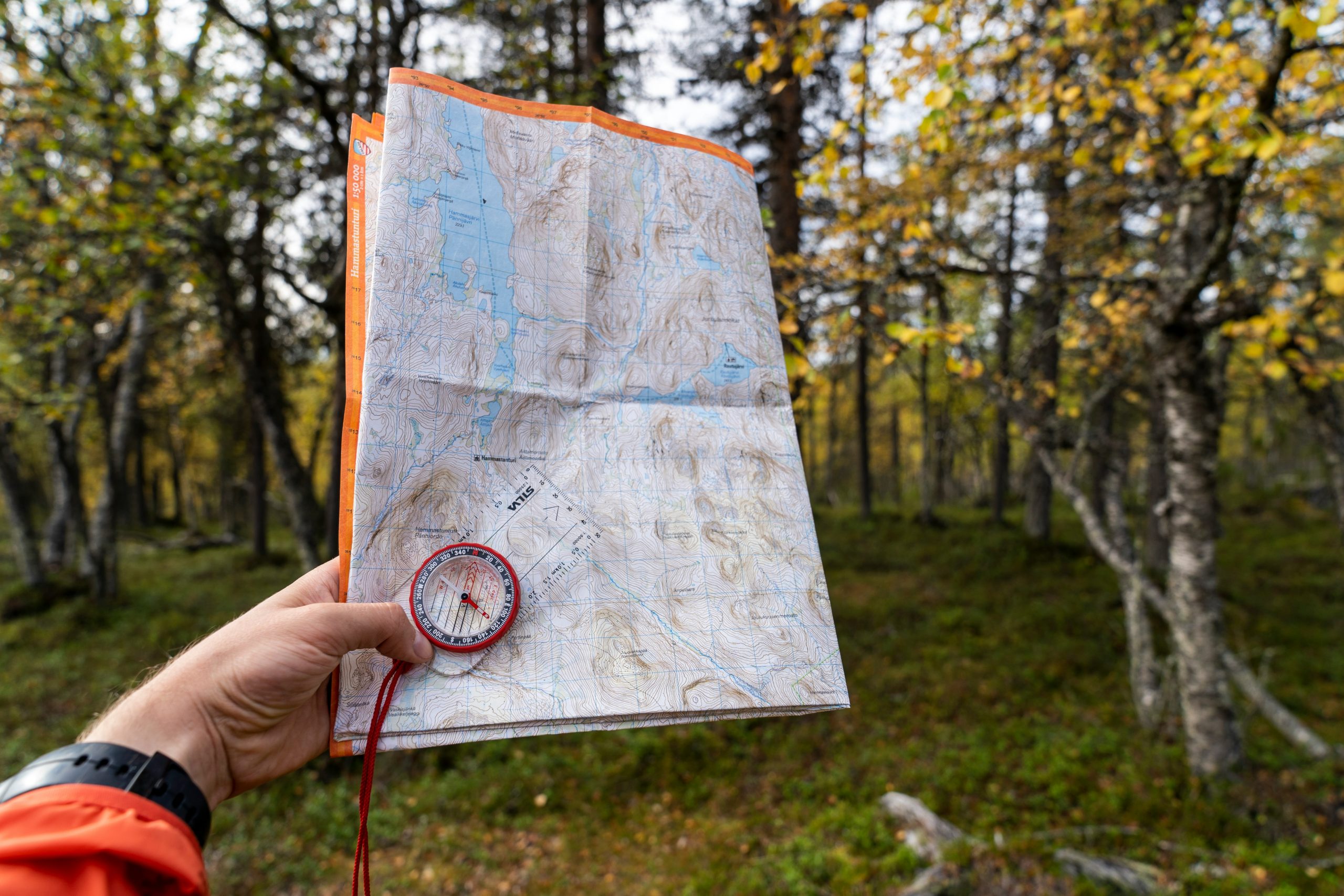
Phones give instant access to maps and location tracking, which leads many people to skip learning basic navigation skills. Hikers often assume a signal or downloaded map will always be available. When batteries drain or apps fail, confusion sets in quickly. Without understanding trail signs, terrain features, or map-reading basics, even familiar areas become stressful. This reliance removes redundancy, making small problems feel urgent. Confidence replaces caution, and preparation is reduced. Navigation knowledge once learned is permanent, but phone access feels temporary. The decision to rely only on a device quietly removes an important layer of outdoor safety.
2. Carrying Less Safety Gear Than Needed

Phones create the sense that help is always reachable. Because of this, people often leave behind extra layers, first aid supplies, or emergency items. The logic feels reasonable. If something goes wrong, a call or message seems like a solution. In reality, coverage is inconsistent, and response time is never immediate. Weather, injury, or delays can turn minor discomfort into serious problems. Packing lighter because a phone exists reduces margins for error. This decision rarely feels risky at the trailhead, but it becomes obvious when conditions change, and the phone cannot solve physical needs.
3. Delaying Turn Around Decisions

Knowing their location at all times encourages hikers to push farther than planned. Phones reduce the fear of getting lost, so people ignore turnaround times more easily. The trail feels manageable until fatigue builds or daylight fades. Because location tracking still works, hikers delay the decision to turn back. Distance feels smaller when mapped digitally. This often leads to rushed returns, tired descents, and poor footing. Phones provide information, but they do not restore energy or daylight. The decision to continue feels justified until physical limits make the return more dangerous than expected.
4. Paying Less Attention to Surroundings

Phones draw attention inward. People stop to check messages, take photos, or follow apps instead of reading terrain and conditions. Awareness narrows, and subtle changes in weather, footing, or trail flow are missed. Wildlife encounters, loose rocks, and trail hazards become more surprising. Outdoors once demanded constant observation. Now, attention is divided. This decision happens unconsciously and feels harmless. Over time, it reduces connection with the environment and increases small mistakes. Looking at a screen feels productive, but it often replaces situational awareness that keeps outdoor movement smooth and safe.
5. Choosing Routes Based on App Popularity

Trail apps highlight popular routes, photos, and user ratings. Many people choose hikes based on what looks good on a screen rather than on their personal ability or current conditions. Crowded, overused trails attract more visitors, while quieter routes are ignored. Popularity becomes a shortcut for quality. This leads to mismatched expectations, overcrowding, and stress when reality does not match images. The decision feels informed but lacks context. Apps rarely show difficulty, honestly, or reflect seasonal changes. Trusting popularity over judgment shifts responsibility from personal assessment to digital approval.
6. Extending Trips Because Battery Still Looks Fine

Battery percentage becomes a decision-making tool. As long as the phone shows enough power, people feel comfortable continuing. This leads to longer outings than planned. Cold temperatures, poor signal, or background apps can drain batteries quickly. When power drops suddenly, options disappear. Lighting, navigation, and communication vanish together. Judging safety by battery level ignores physical fatigue and environmental factors. The phone feels like a resource that can be spent, but once it is gone, the consequences arrive all at once. This decision often feels logical until it fails abruptly.
7. Treating Photos as Proof of Safety
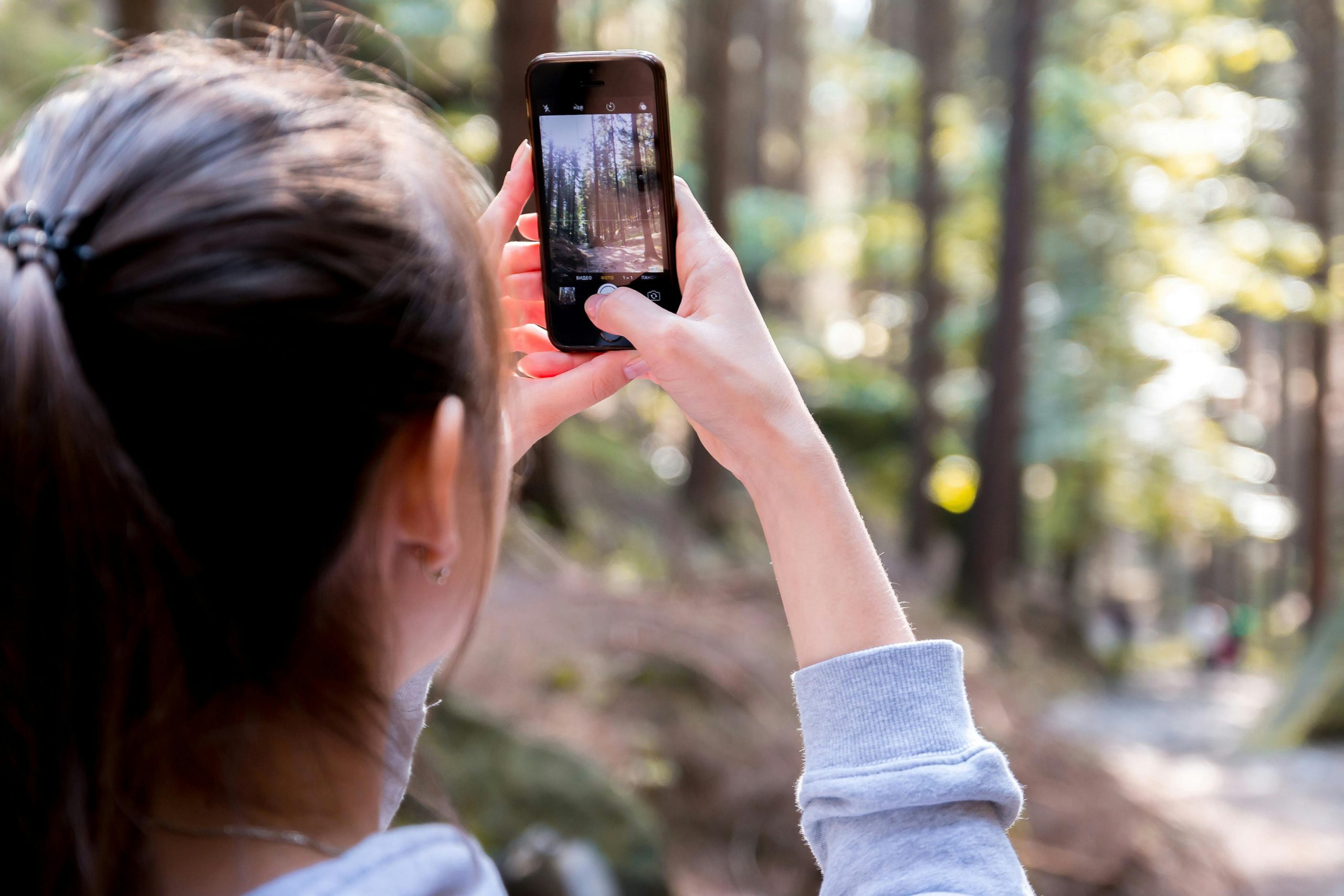
If a photo was taken successfully, the situation feels safe in hindsight. People assume that because nothing went wrong at the moment, the decision was good. Phones encourage stopping in risky positions for better images. Edges, unstable ground, or poor weather are tolerated briefly for documentation. The focus shifts from movement to capture. Safety becomes secondary to the moment. This behavior increases slips, distractions, and poor footing. The phone turns experience into evidence, encouraging risk that feels justified because it was recorded without immediate consequence.
8. Reducing Group Communication
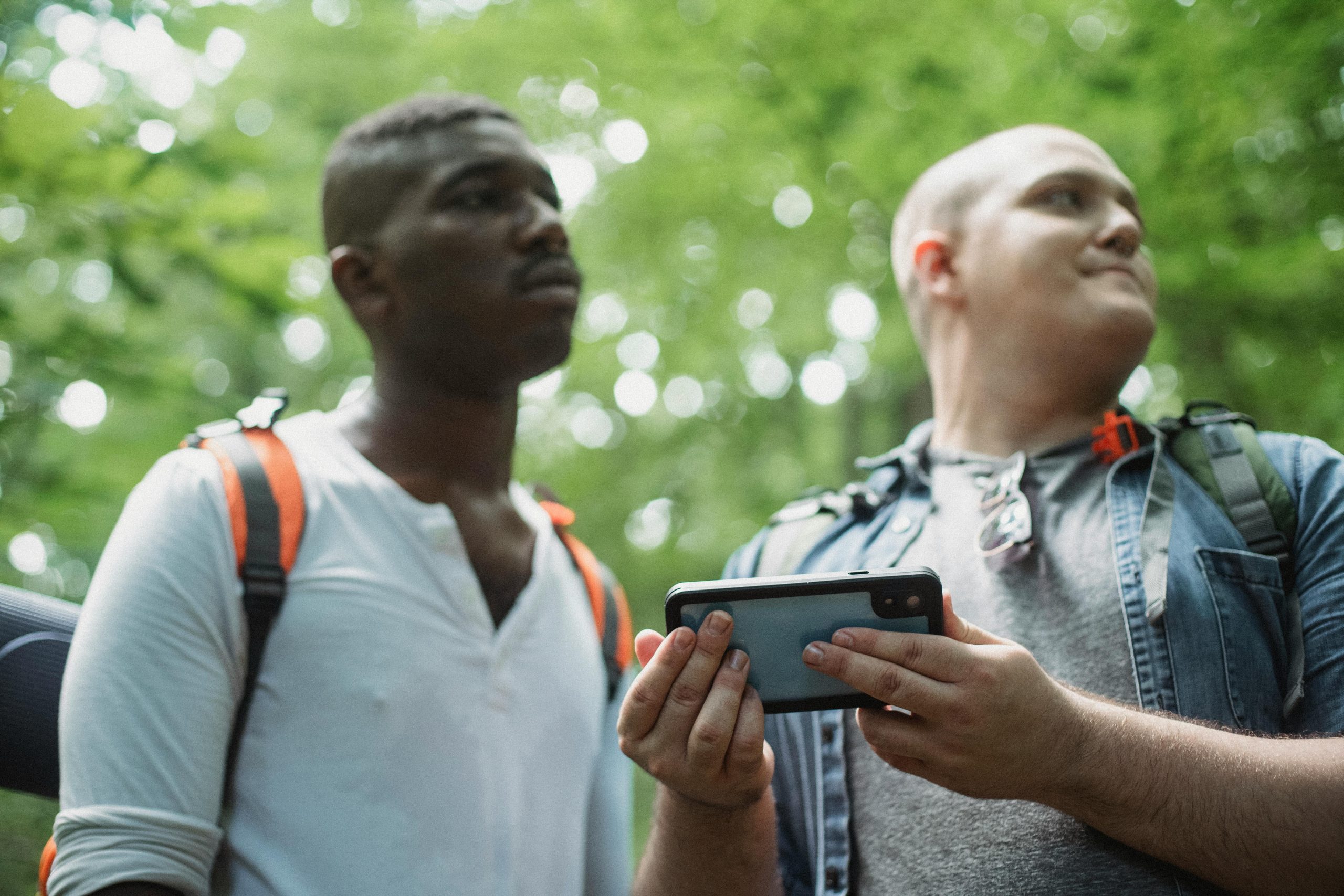
Phones allow silent communication through messages and apps. In groups, people rely less on verbal check-ins. Assumptions replace confirmation. Someone falling behind may go unnoticed because location sharing exists. This reduces natural pauses and awareness of group conditions. Outdoors, once required constant communication to manage pace and safety. Phones make silence feel acceptable. When technology fails, the habit remains. The decision to rely on digital awareness weakens group cohesion and response speed when something actually requires immediate attention.
9. Starting Trips With Less Mental Preparation

Phones reduce uncertainty, which reduces mental preparation. People feel informed before leaving, so they think less about potential problems. Confidence replaces planning. When unexpected situations arise, stress feels stronger because the mind was not prepared. Outdoors still demands adaptability, patience, and calm thinking. Phones provide answers but not resilience. This decision changes the mindset more than behavior. When plans change, frustration rises faster. Mental readiness once came from imagining challenges. Now it is replaced by scrolling. The result is less flexibility when reality differs from the screen.