Legendary Guns That Aren’t as Perfect as History Claims reveals the mechanical truths behind the myths. Nostalgia frequently polishes the rough edges of military history until every weapon seems like a masterpiece. Soldiers often struggled with jamming actions and heavy frames that movies rarely depict accurately today. Even the most iconic designs possessed significant drawbacks that frustrated the troops who carried them into battle. Recognizing these engineering failures provides a more realistic understanding of combat evolution over the last century. This list examines the specific faults found in firearms that pop culture continues to worship blindly.
M16 Rifle
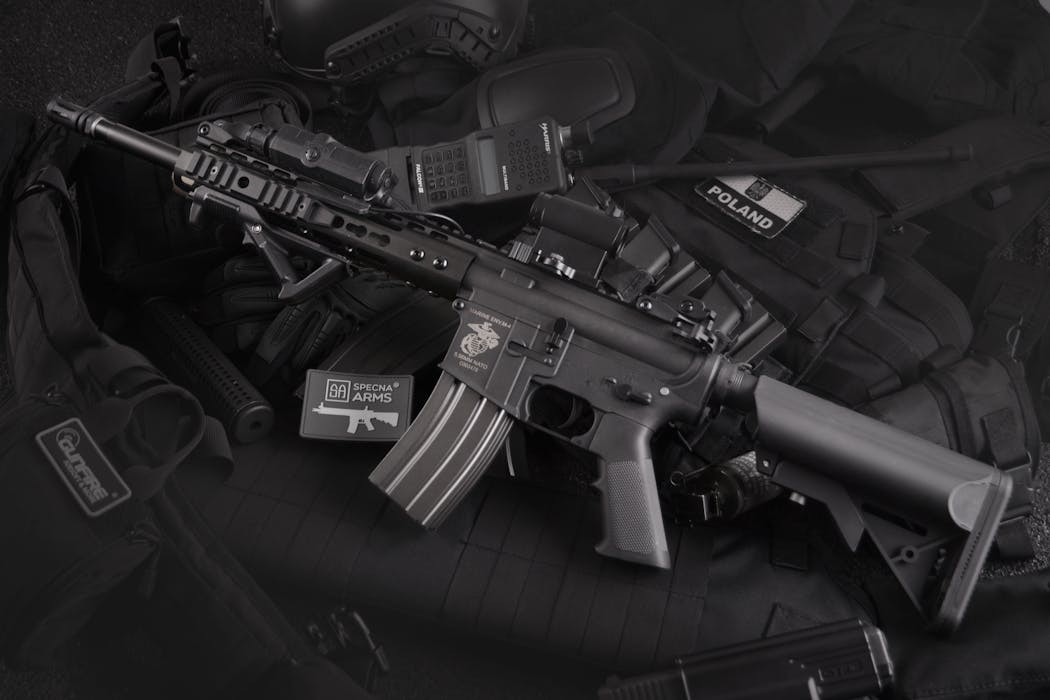
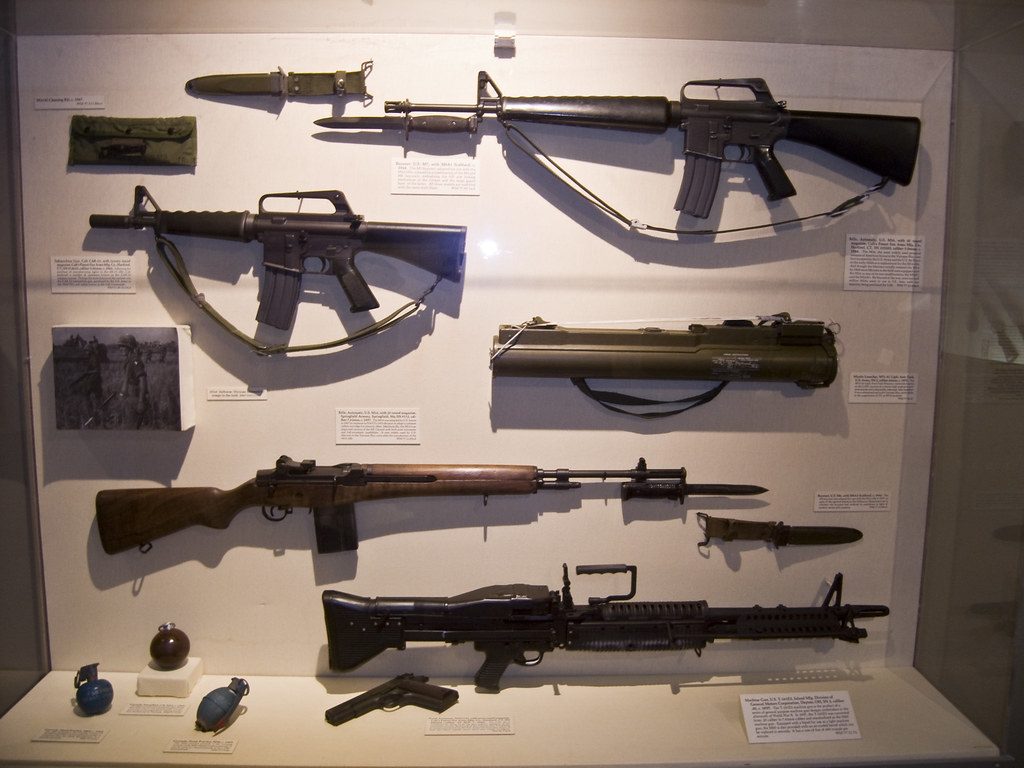
The early introduction of the M16 rifle in Vietnam was disastrous due to ammunition changes. Military officials claimed the weapon was self-cleaning and failed to issue proper cleaning kits to soldiers. This negligence caused frequent jamming during firefights, which cost many young infantrymen their lives unnecessarily. The direct impingement gas system fouled the internal action quickly when used with dirty gunpowder. While later revisions fixed these issues, the initial rollout destroyed trust in the platform for years. It serves as a grim lesson in testing weapons thoroughly before deploying them to a harsh jungle environment.
Luger P08
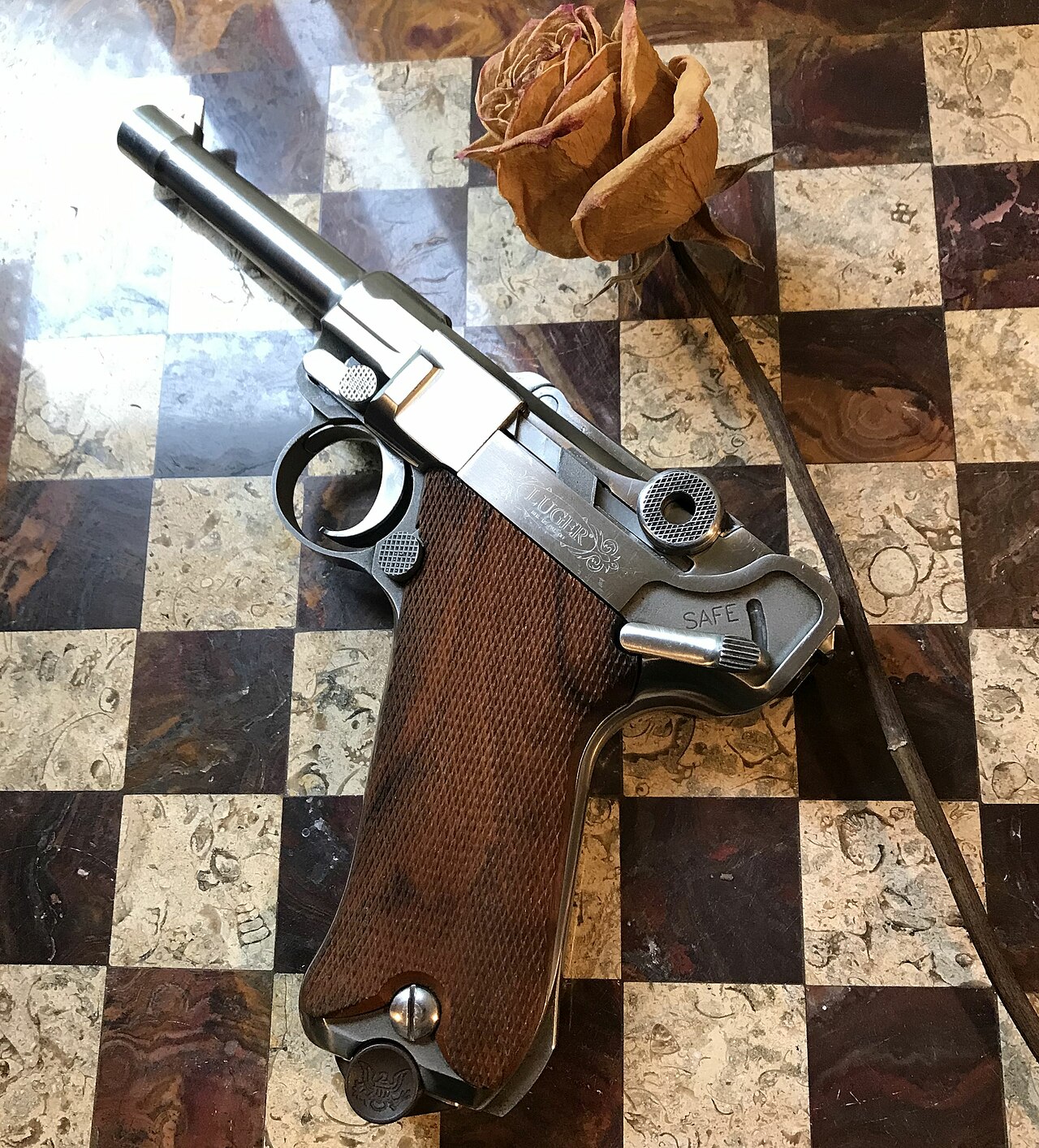
The Luger P08 is celebrated for its elegant design and natural pointing characteristics in the hand. However, the unique toggle-lock action was incredibly susceptible to dirt and mud found in trenches. This tight tolerance meant that the pistol often failed to cycle when conditions were less than perfect. Manufacturing the weapon was also expensive and time-consuming compared to simpler stamped steel designs. German soldiers often preferred the uglier but more reliable Walther P38 for actual combat duties. The Luger remains a beautiful piece of engineering that was simply too delicate for the brutality of war.
Thompson Submachine Gun
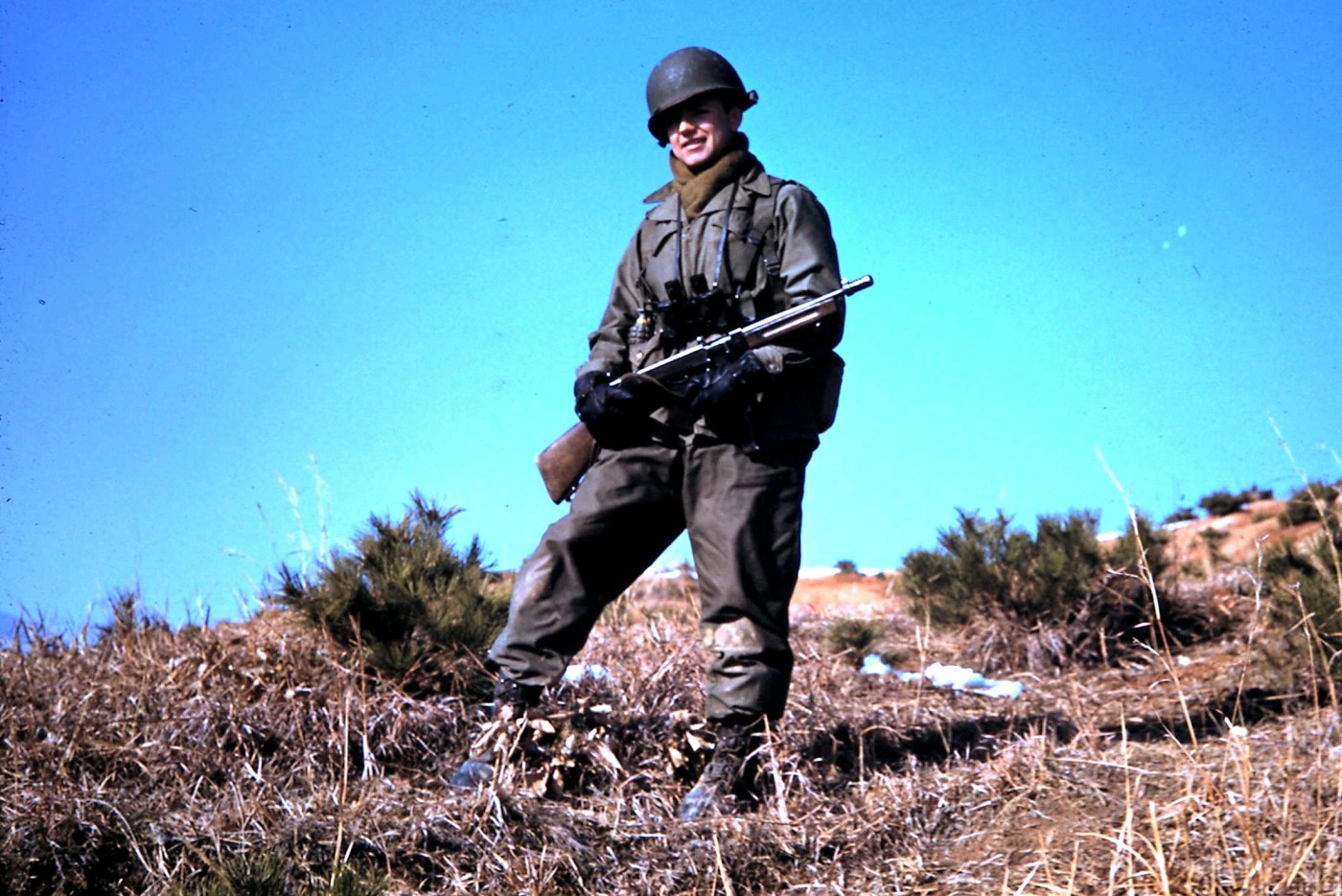
Gangster movies made the Thompson submachine gun famous, but they rarely show the physical toll involved. The weapon is incredibly heavy for its size and weighs nearly as much as a full rifle. Carrying this steel brick on long patrols was exhausting for soldiers fighting in Europe and the Pacific. The ergonomics are also poor, with a stock that drops too low for comfortable sighting. Its blowback operation relies on a massive bolt that creates significant recoil during automatic fire. It was a durable tool that was ultimately replaced by lighter and cheaper alternatives.
M14 Rifle
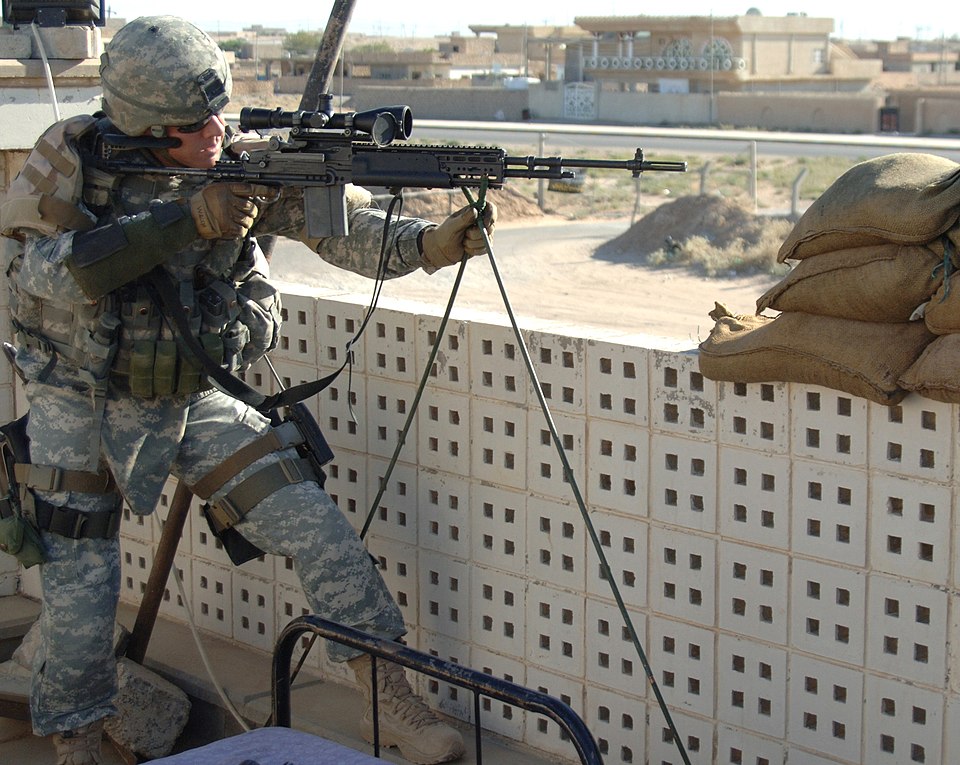
The M14 rifle attempted to replace multiple infantry weapons but failed to master any specific role. Its full-power cartridge made the weapon virtually uncontrollable when fired in fully automatic mode. Soldiers found the recoil pushed the muzzle upward so violently that accurate fire was impossible. The wood stock also swelled in humid jungle environments, which negatively affected the zero of the sights. It was quickly replaced by the M16 because it was too long and heavy for modern warfare. History remembers it fondly, but its service life as a standard-issue rifle was remarkably short.
Sten Gun
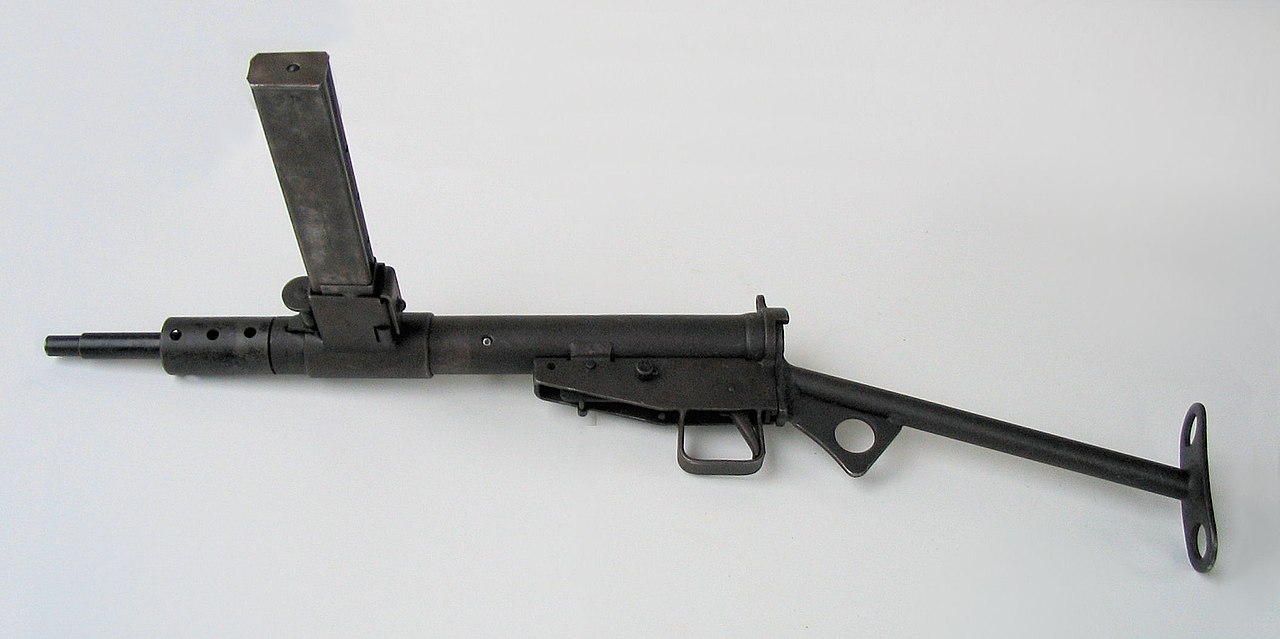
British forces needed a cheap weapon quickly, and the Sten gun was the desperate solution. While it was simple to manufacture, the safety mechanisms were notoriously unreliable and dangerous to users. Dropping the weapon often caused it to discharge accidentally and injure friendly troops nearby. The side-mounted magazine was prone to causing feed issues if held incorrectly during a firefight. Soldiers often viewed it as a disposable piece of junk rather than a prized possession. It served its purpose during a crisis, but it lacked the refinement and safety features of quality firearms.
M60 Machine Gun
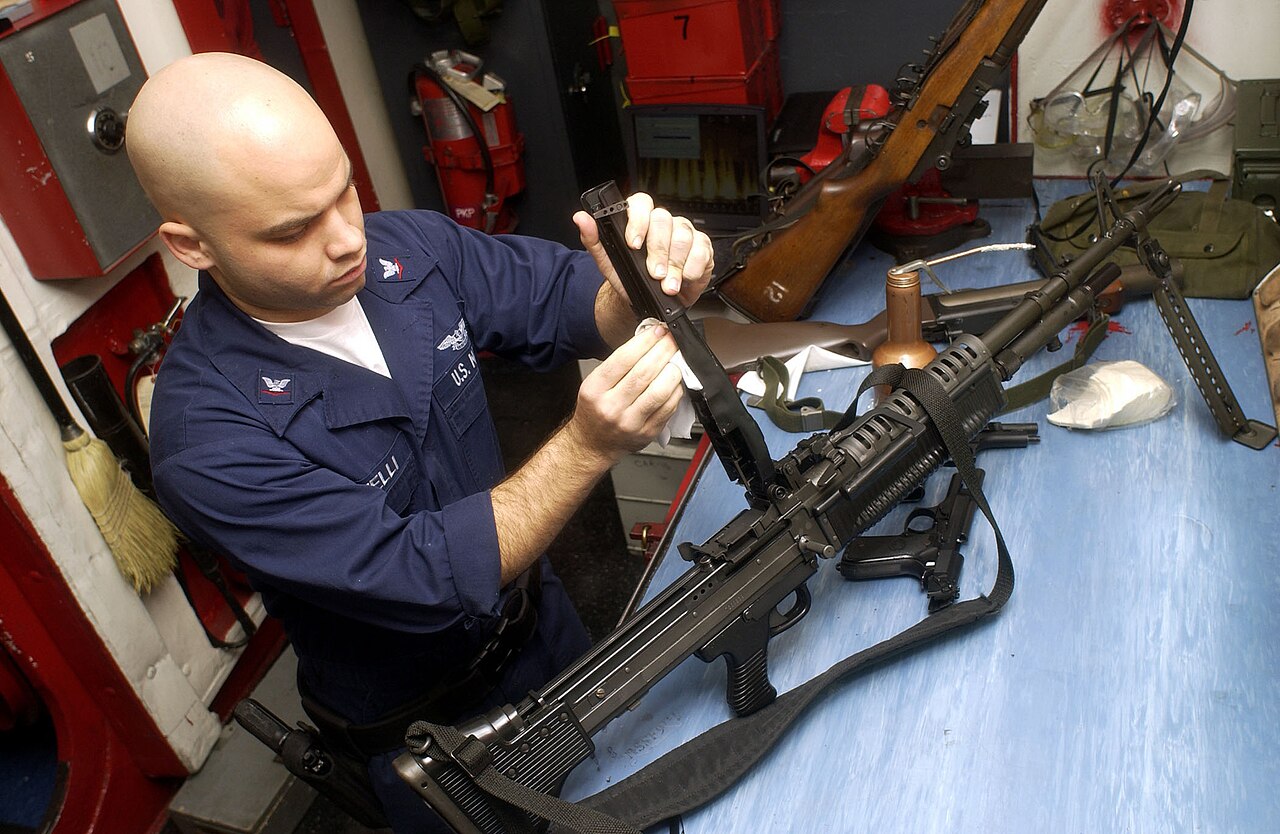
The M60 machine gun earned the nickname The Pig due to its bulky size and weight. Changing the barrel required the gunner to wear an asbestos glove to handle the hot steel. Key internal parts like the gas piston were often installed backward by tired troops, which caused malfunctions. The weapon was also prone to runaway fire, where it would not stop shooting until empty. Jungle conditions caused the feed tray to rust and jam frequently during ambushes. It was a powerful support weapon that demanded constant maintenance and attention to keep it running smoothly.
MP40 Submachine Gun
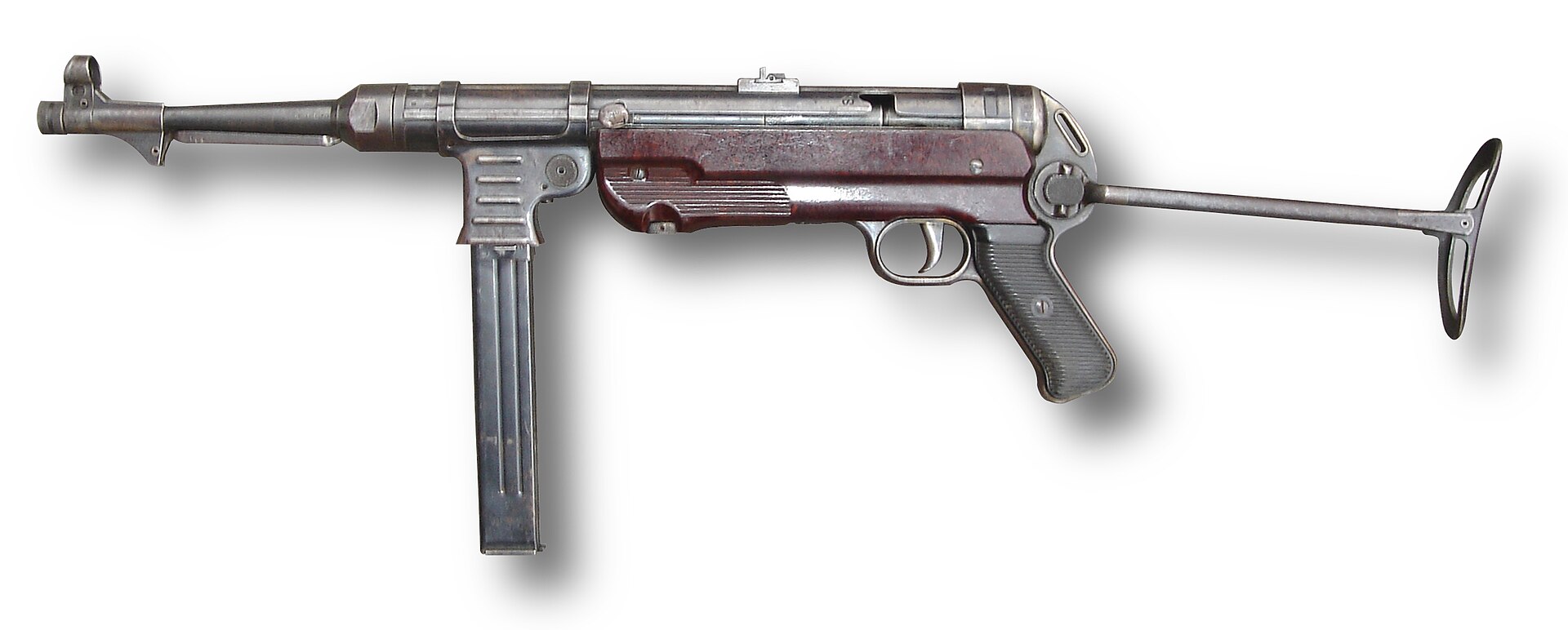
The German MP40 is an icon of the blitzkrieg, but it had a major flaw. The magazine served as a long lever that could cause misfeeds if the soldier gripped it. Troops had to hold the weapon by the magwell or forend to ensure reliable feeding. The folding stock was also wobbly and provided a poor cheek weld for aiming accurately. Its open bolt design allowed dirt to enter the action easily when crawling through debris. It was a revolutionary manufacturing step, but far from the perfect submachine gun portrayed in cinema.
M1918 BAR
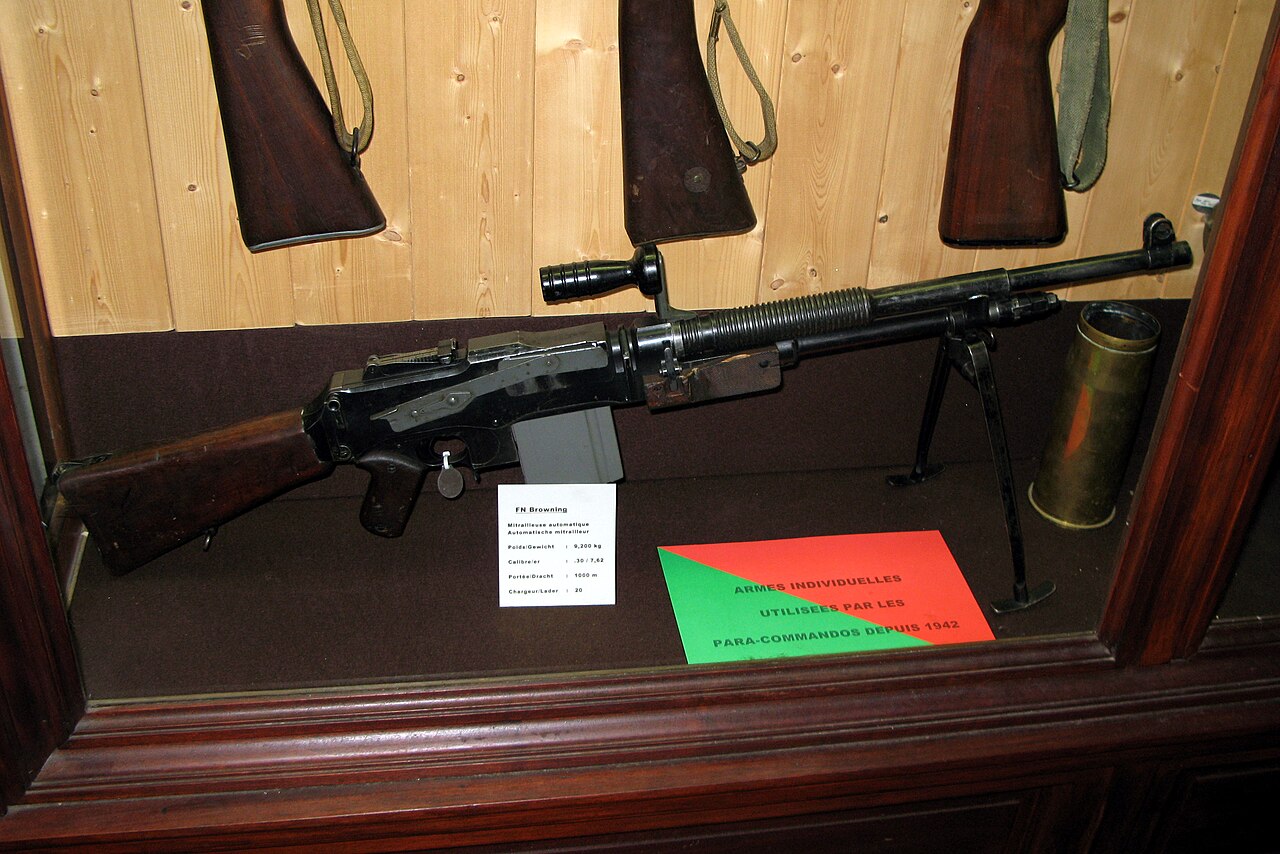
The Browning Automatic Rifle was designed to provide walking fire but suffered from an identity crisis. It was too heavy to be a standard rifle yet lacked the capacity for sustained support. The twenty-round magazine limited its effectiveness during intense suppression roles required in squad tactics. Changing the magazine was slow and difficult under fire compared to belt-fed machine guns. The barrel was not quick-change, which meant the gunner had to fire slowly to prevent overheating. It was a beloved heavy hitter that ultimately struggled to keep up with modern squad automatic weapons.
Colt Single Action Army
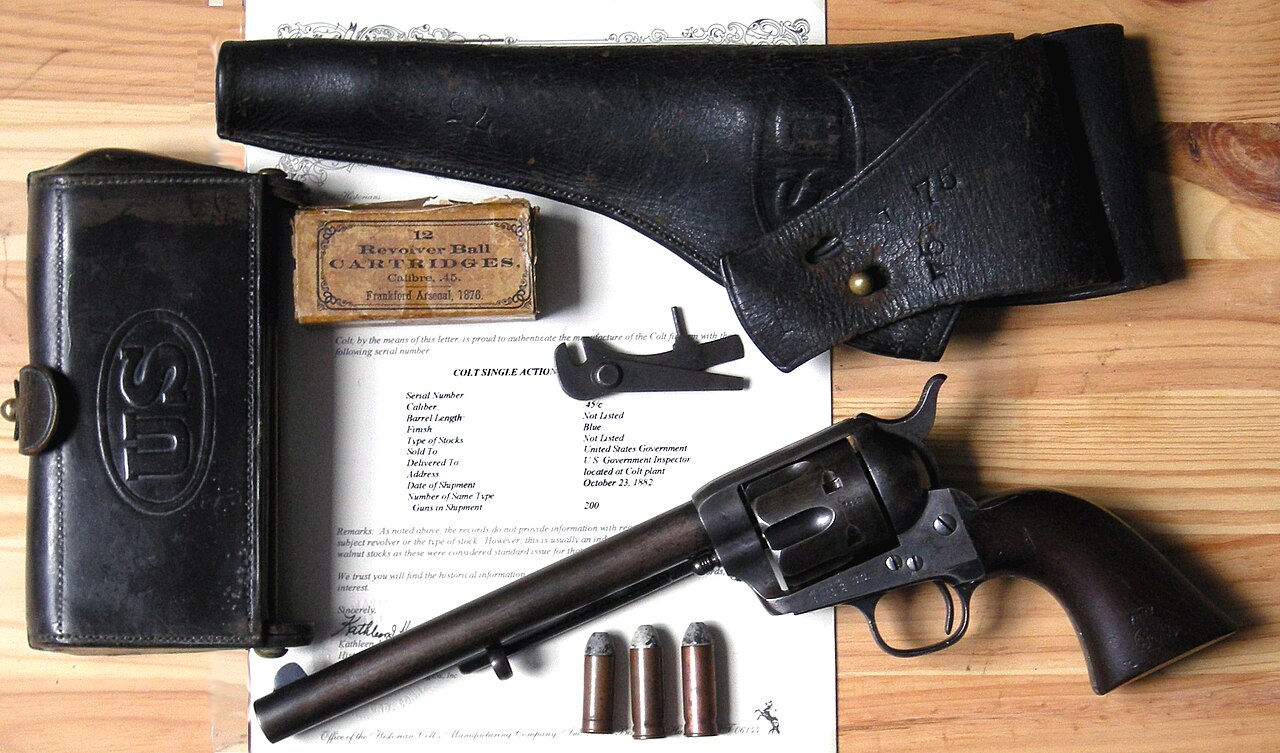
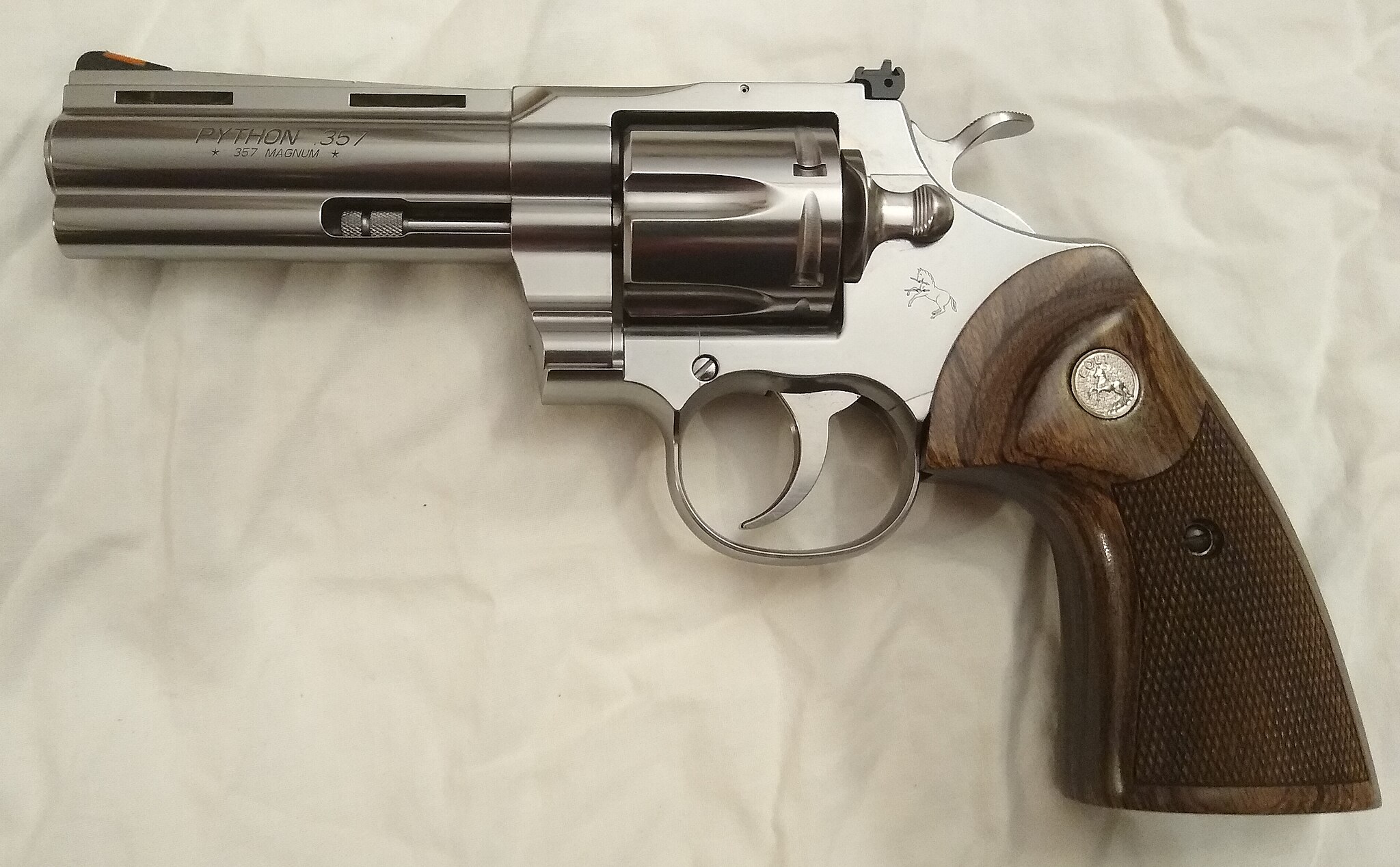
The Colt Single Action Army is the symbol of the American West, but loading it is tedious. The user must eject each spent casing individually through a loading gate on the side. This process takes a significant amount of time that could be fatal in a gunfight. The sights are rudimentary and difficult to see clearly in low-light conditions. Carrying six rounds was unsafe, so most cowboys only loaded five to rest the hammer on empty. It is a romantic legend that was technologically obsolete the moment swing-out cylinder revolvers appeared on the market.