
Hunting laws across the United States have evolved through decades of cultural change, scientific discovery, and legal battles that shaped the way wildlife is managed today. Many of the rules that hunters follow come from periods of social tension, environmental decline, or treaty negotiations that influenced how game was harvested. Understanding the stories behind these laws helps people appreciate the balance between tradition and conservation that guides modern wildlife policy. These examples reveal how history has left a lasting mark on today’s hunting regulations.
1. The Migratory Bird Treaty Act
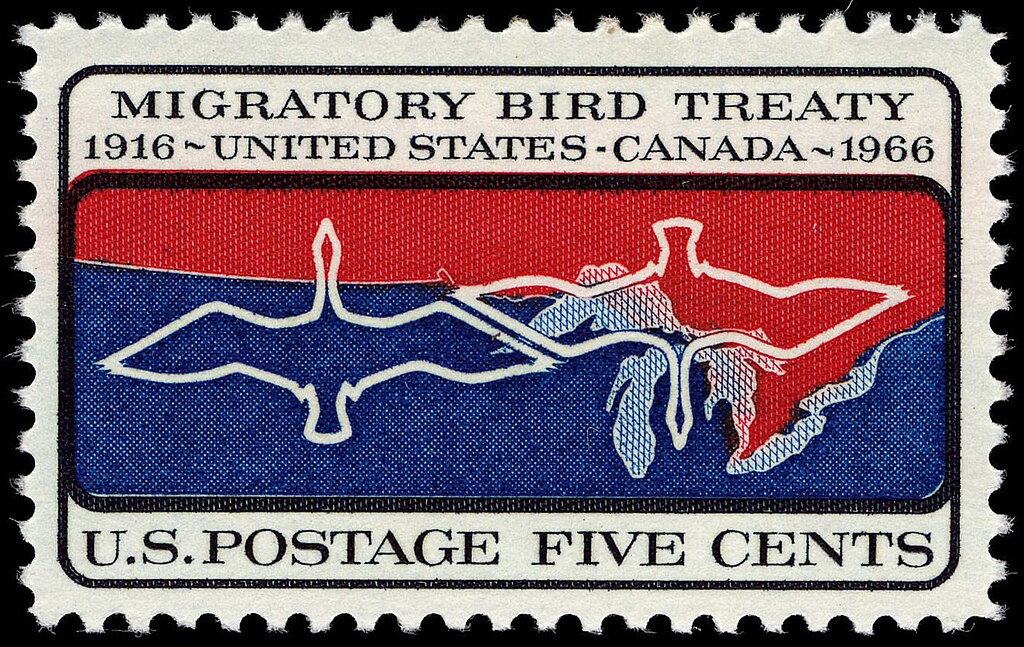
This law was created after millions of birds were killed for their feathers, which were sold for hat decorations in the early twentieth century. Public outrage grew when species like herons and egrets disappeared from wetlands. Conservationists pushed for international agreements to protect birds that crossed borders. The result was a treaty between the United States and Canada that banned unregulated hunting. The act helped rebuild bird populations and became a major turning point in wildlife protection policy.
2. The Pittman Robertson Wildlife Restoration Act

During the Great Depression, wild game populations collapsed because of unregulated hunting and habitat loss. Hunters and conservation groups suggested a special tax on firearms and ammunition to restore wildlife rather than restrict access completely. This idea led to a national program that funded habitat recovery and scientific management. The act proved so successful that it remains one of the most important funding sources for conservation projects today. It also reinforced the idea that hunters could lead major conservation efforts.
3. Sunday Hunting Restrictions

These laws began during colonial times, when many communities required people to rest on Sundays. Hunting was banned to keep the day focused on faith and family. Over the years, the rules took on new meanings related to landowner privacy, worker rest, and public safety. Some states kept the restrictions while others slowly removed them. Modern debates continue as hunters and landowners discuss how cultural traditions should shape access. Each state’s approach shows how old rules can take on new significance.
4. Falconry Licensing Regulations

Falconry has ancient roots and was once limited to nobility in Europe. When the sport reached America, populations of hawks and falcons declined because of habitat loss and harmful pesticides. Agencies created strict apprenticeships and training requirements to protect remaining birds. These regulations honour the cultural tradition of falconry while adding scientific care standards. Today’s licensing system reflects centuries of heritage combined with modern wildlife biology. It remains one of the most carefully supervised forms of hunting.
5. Treaty Hunting Rights for Native American Tribes

Many tribes signed treaties in the nineteenth century that guaranteed the right to hunt on ancestral lands. As states expanded, conflicts arose over access and seasons. Courts later ruled that treaty rights remained valid even outside reservation boundaries. These decisions acknowledged long-standing cultural practices and tribal sovereignty. The laws continue to influence wildlife management as states and tribes work together to protect shared resources. The history behind these rights is deeply tied to identity and survival.
6. Predator Protection and Big Cat Hunting Bans

For decades, predators such as mountain lions were hunted aggressively because they were viewed as threats to livestock. As ecological research improved, scientists discovered that removing apex predators damaged ecosystems. Public attitudes shifted as people learned how predators help balance prey populations. States eventually introduced hunting bans or strict limits to protect these species. The laws show how scientific understanding can reshape old ideas about wildlife. They highlight the growing emphasis on ecological health over simple removal.
7. Lead Ammunition Restrictions for Waterfowl

For many years, hunters used lead shot, which scattered across wetlands and poisoned ducks, geese, and scavenging birds. Scientists documented widespread lead poisoning, but change took time because ammunition laws were tied to political debates and economic concerns. Eventually, the national ban on lead shot for waterfowl passed after strong evidence of harm. The rule is recognised as one of the most important wildlife health measures. Its history reflects a long struggle between science and policy.
8. Big Game Tag and Lottery Systems

In the early twentieth century, many big game species nearly disappeared because of uncontrolled hunting. States created tag limits to prevent overharvesting and later introduced lotteries to distribute access fairly. These systems were developed using wildlife population studies to ensure sustainability. Over time, they became a core part of game management and taught hunters to value regulated access. The history behind these systems shows how careful planning can restore once depleted animal populations.
9. Hunting Over Bait Regulations

Debates over baiting go back to early disputes between market hunters and sportsmen. Some believed baiting created unfair advantages, while others saw it as a tool for controlling dense populations. States adopted different approaches depending on local cultures and wildlife concerns. The rules continue to vary across the country and remain a frequent topic of discussion among hunters. These laws illustrate how ethics, safety, and tradition can influence hunting practices in deeply personal ways.