Camping near a geological fault line might sound intimidating, but many popular campsites around the world sit in regions shaped by ancient tectonic forces while still remaining completely safe for visitors. Thanks to modern monitoring systems, strict building codes, and ongoing geological assessments, these areas provide dramatic views without exposing travelers to unnecessary danger. Each site offers a unique mix of scenic landscapes and responsible safety planning, making them ideal for anyone who loves adventure with peace of mind.
1. Pinnacles National Park Campground, California
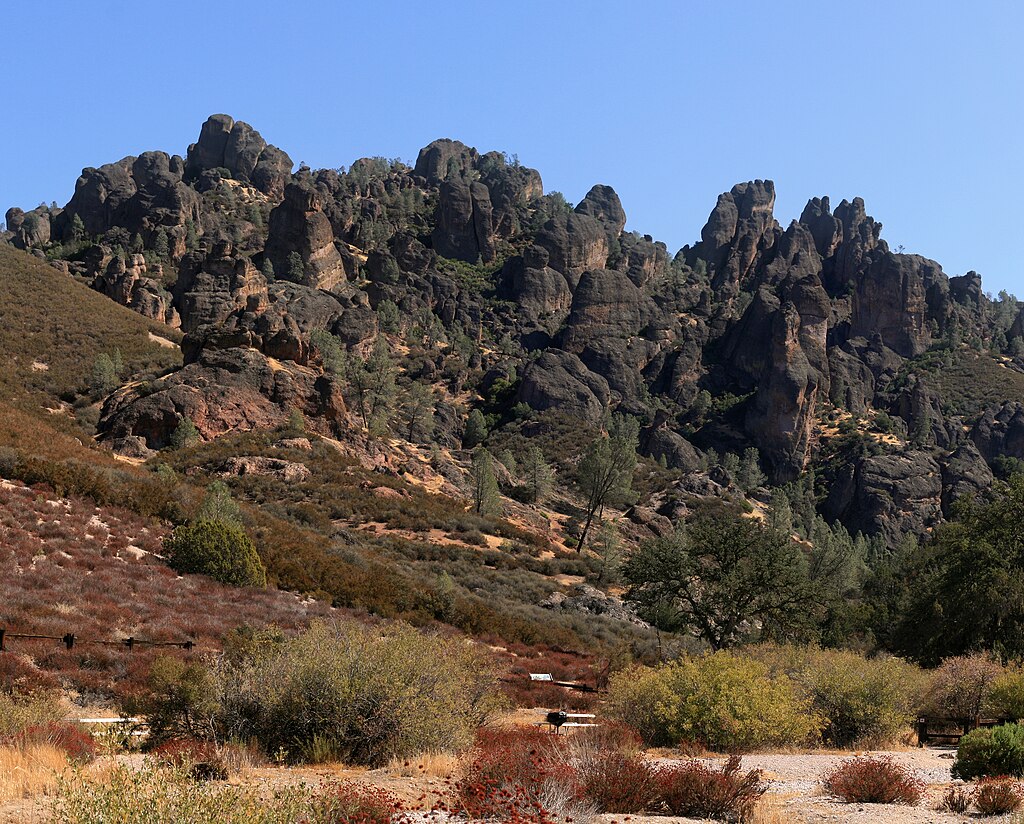
Set near the San Andreas Fault, Pinnacles offers striking cliffs, talus caves, and quiet open spaces shaped by millions of years of tectonic movement. While the region is geologically active, the campground benefits from constant USGS monitoring and well-developed emergency procedures that keep visitors protected. Facilities are built with strict standards, and trails are routinely evaluated for stability. This balance of natural beauty and careful planning makes it a safe and captivating place to explore.
2. Mount Fuji Area Campsites, Japan
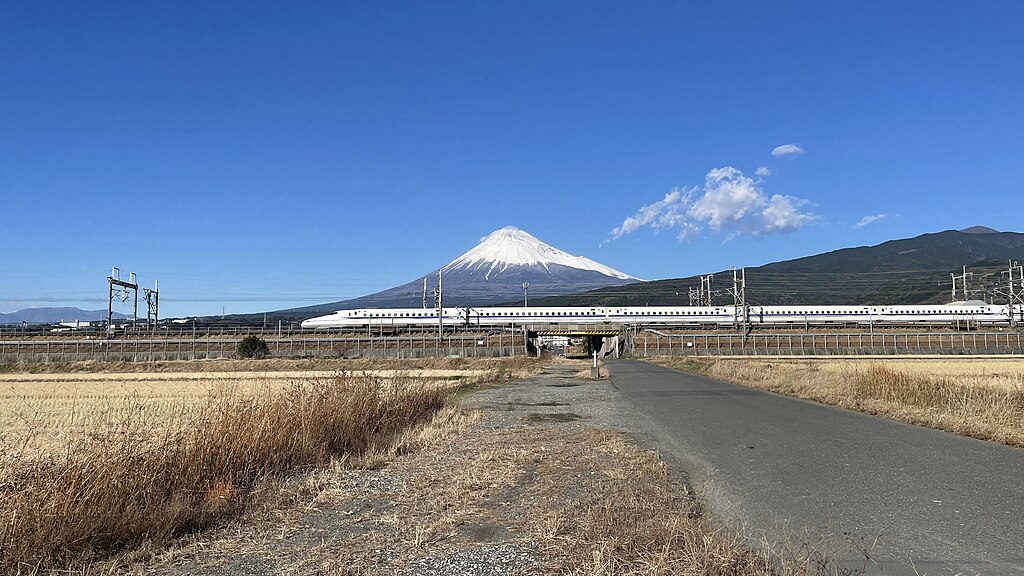
Campsites around Mount Fuji sit close to the massive Fossa Magna fault zone, where Japan’s volcanic and tectonic history is still visible in its dramatic terrain. Despite this, the area is considered safe due to Japan’s advanced seismic engineering, real-time early-warning systems, and tight regulations on construction and visitor management. Campers benefit from well-planned evacuation routes and frequent geological assessments, allowing them to enjoy peaceful nights beneath Fuji’s silhouette without unnecessary risk.
3. Reykjanes Peninsula Campgrounds, Iceland
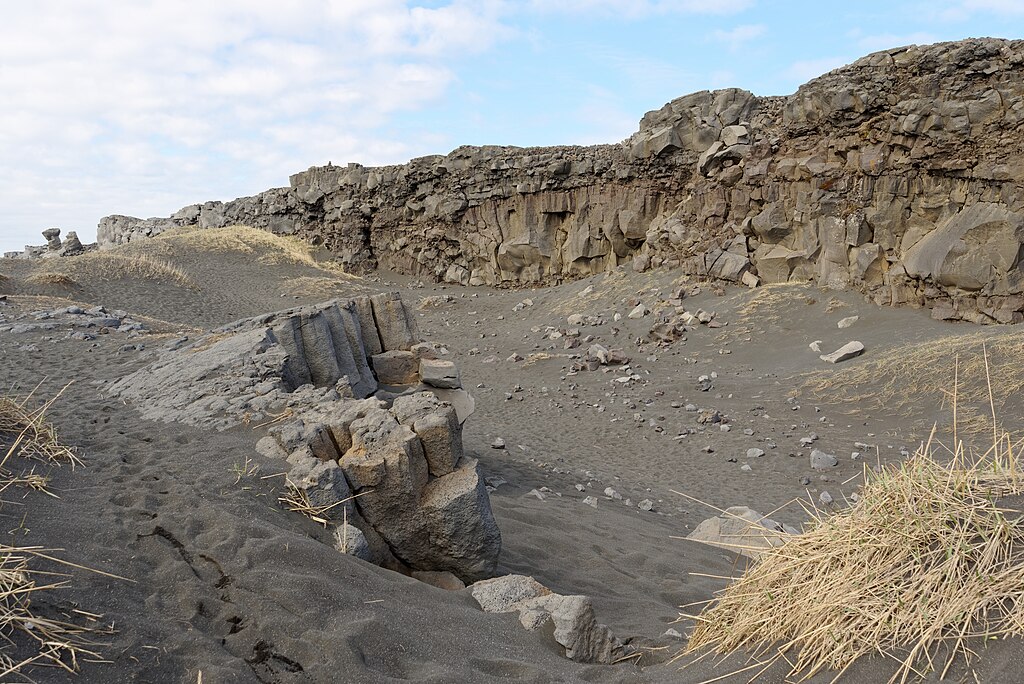
This region lies along the Mid-Atlantic Ridge, where two tectonic plates slowly drift apart, creating a rugged landscape filled with lava fields and geothermal features. Even though small tremors are common, Iceland maintains one of the world’s best monitoring networks, ensuring visitors receive timely alerts if anything unusual occurs. Campsites are placed in stable zones with careful land evaluations, offering travelers a safe way to experience active geology up close while surrounded by striking volcanic scenery.
4. Tongariro National Park Campsites, New Zealand
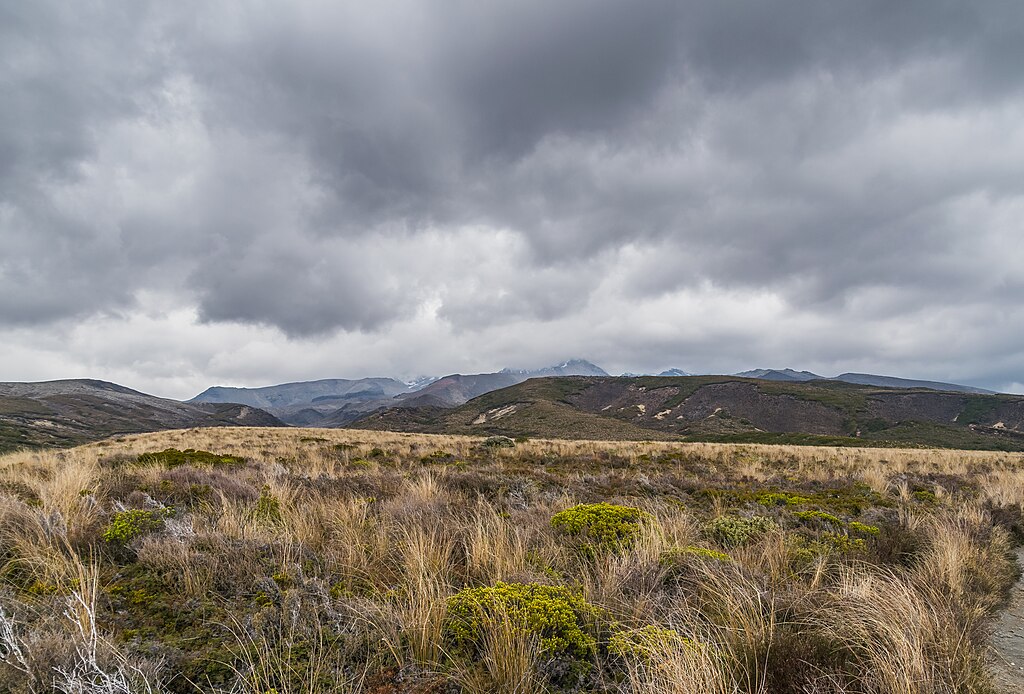
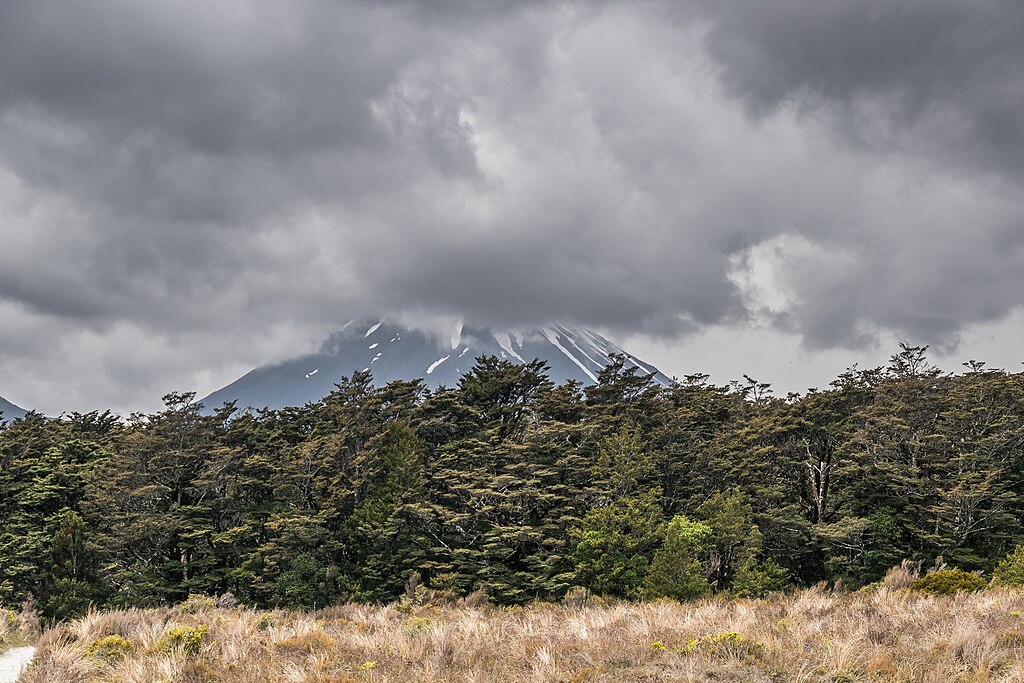
Located near the Alpine Fault region, these campsites sit in one of New Zealand’s most iconic volcanic landscapes. The Department of Conservation uses strict hazard management plans, continuous assessments, and clear safety guidelines to keep visitors protected. Facilities are strategically positioned away from unstable zones while still offering access to scenic hiking routes, steaming vents, and emerald lakes. The combination of breathtaking surroundings and rigorous oversight creates a rewarding yet secure camping environment.
5. Owens Valley Campgrounds, California
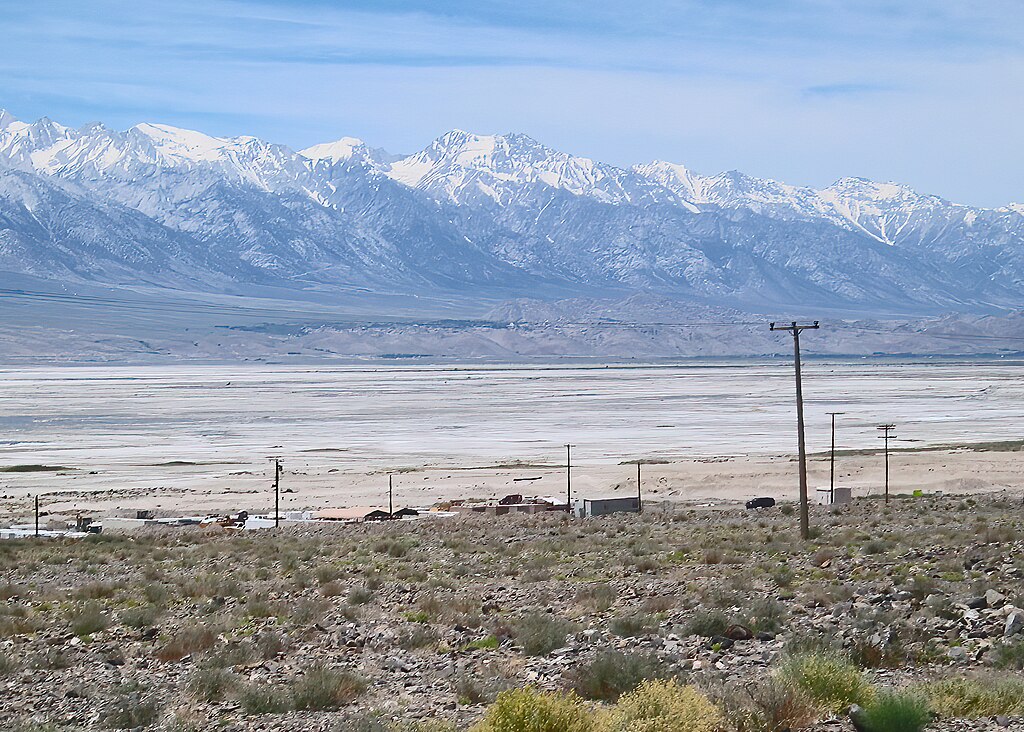
Owens Valley sits in a tectonically active corridor defined by the Owens Valley Fault Zone, known for its dramatic uplifted mountains and wide, open basins. Despite the region’s geological intensity, campsites are placed only in well-studied, low-risk areas backed by strong infrastructure and updated emergency plans. Regular monitoring helps maintain safe conditions, while the scenery attracts geology fans and adventure travelers alike. The area delivers a rugged, desert-like charm without compromising visitor safety.
6. Andean Foothill Campsites, Mendoza, Argentina
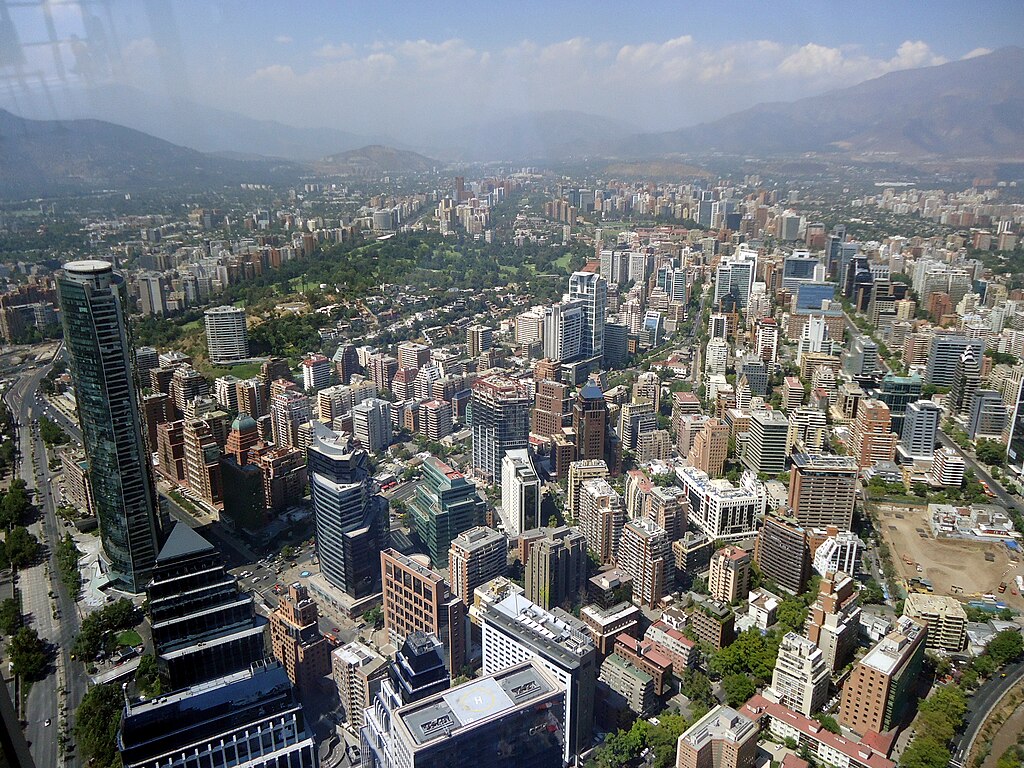
These campsites rest near the powerful boundary where the Nazca Plate subducts beneath South America, creating the towering Andes. Even with this proximity to tectonic activity, strategically chosen campground locations sit on stable foothill zones supported by strict seismic regulations and frequent geological reviews. The area provides cool mountain air, rocky backdrops, and wide stargazing views, all while maintaining dependable protection for travelers. It’s an ideal blend of dramatic geography and well-planned safety.
7. Lake Taupō Campsites, New Zealand
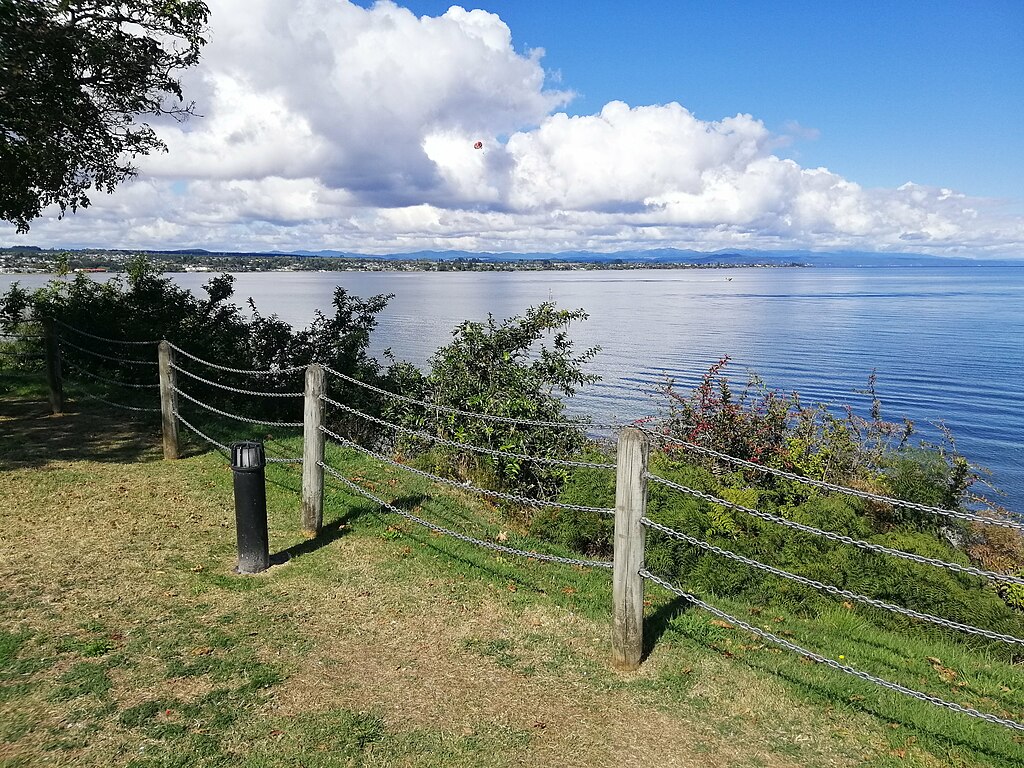
Situated within the Taupō Volcanic Zone, these campsites offer access to geothermal valleys, steaming cliffs, and crystal-clear lakes shaped by ancient eruptions. Though the region is periodically active, New Zealand’s robust monitoring network and real-time data systems ensure safe conditions for visitors. Campgrounds are positioned only in stable, low-risk zones after careful geological evaluation. The result is a peaceful, scenic retreat where travelers can enjoy thermal landscapes with confidence and comfort.
8. Denali National Park Campgrounds, Alaska
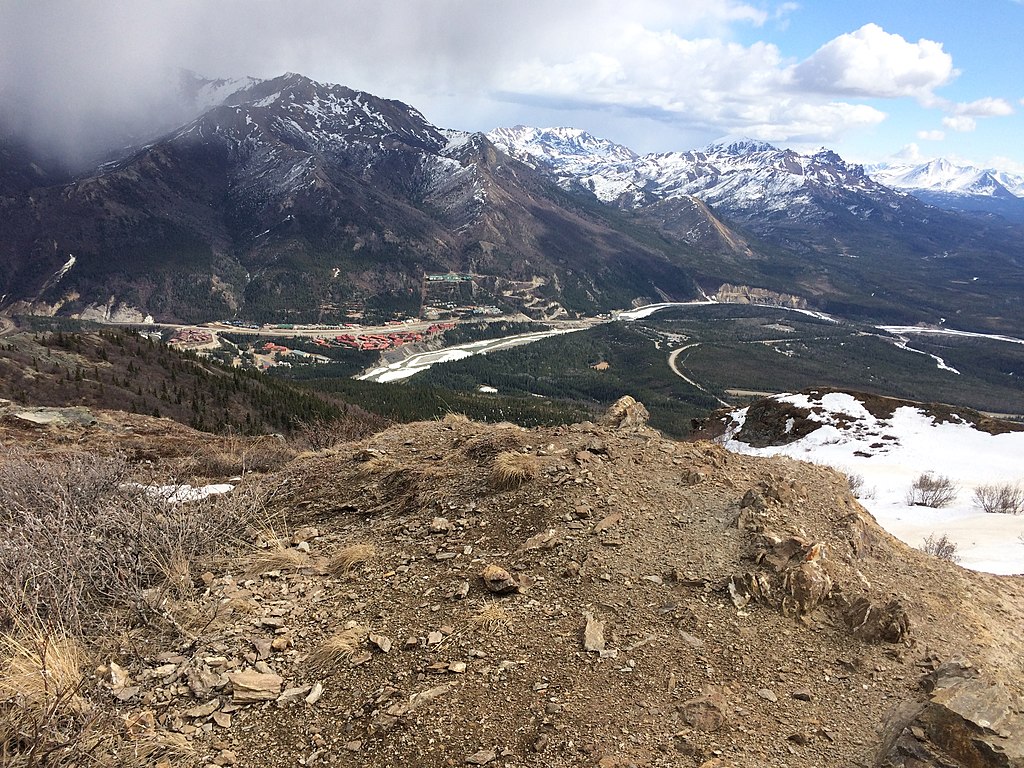
These campsites lie near the Denali Fault, one of the most significant strike-slip faults in North America. Despite its importance in geological history, camping areas are located only on stable terrain confirmed through extensive surveying and continuous monitoring by Alaskan authorities. Visitors experience stunning mountain views, vast wilderness, and abundant wildlife while relying on strong safety systems and clear emergency routes. It’s a rare chance to enjoy pristine nature along a major fault without real danger.
9. Coastal Campsites Near Naples Bay, Italy
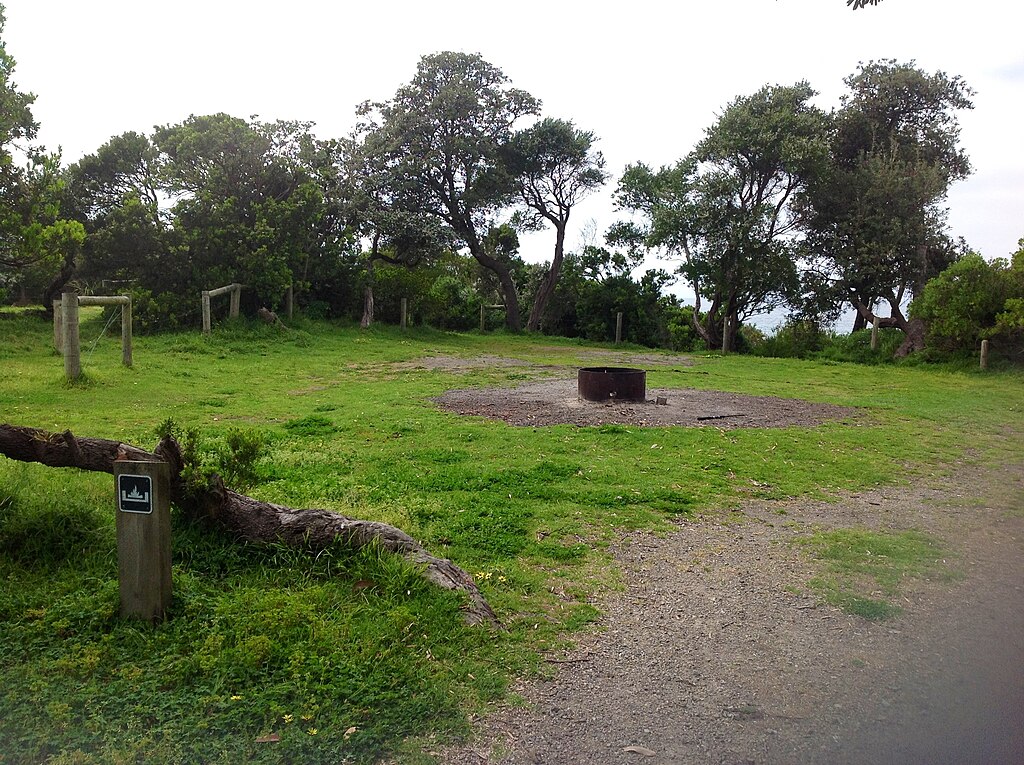
Coastal areas around Naples sit near the Campi Flegrei caldera and several interconnected fault systems, forming one of Europe’s most fascinating volcanic landscapes. Campsites approved for public use undergo strict safety screening, regular inspections, and constant seismic observation from Italy’s civil protection network. These measures allow travelers to enjoy warm beaches, mineral-rich soils, and volcanic coastal views in a secure setting. With well-established precautions in place, the region offers beauty without unnecessary worry.