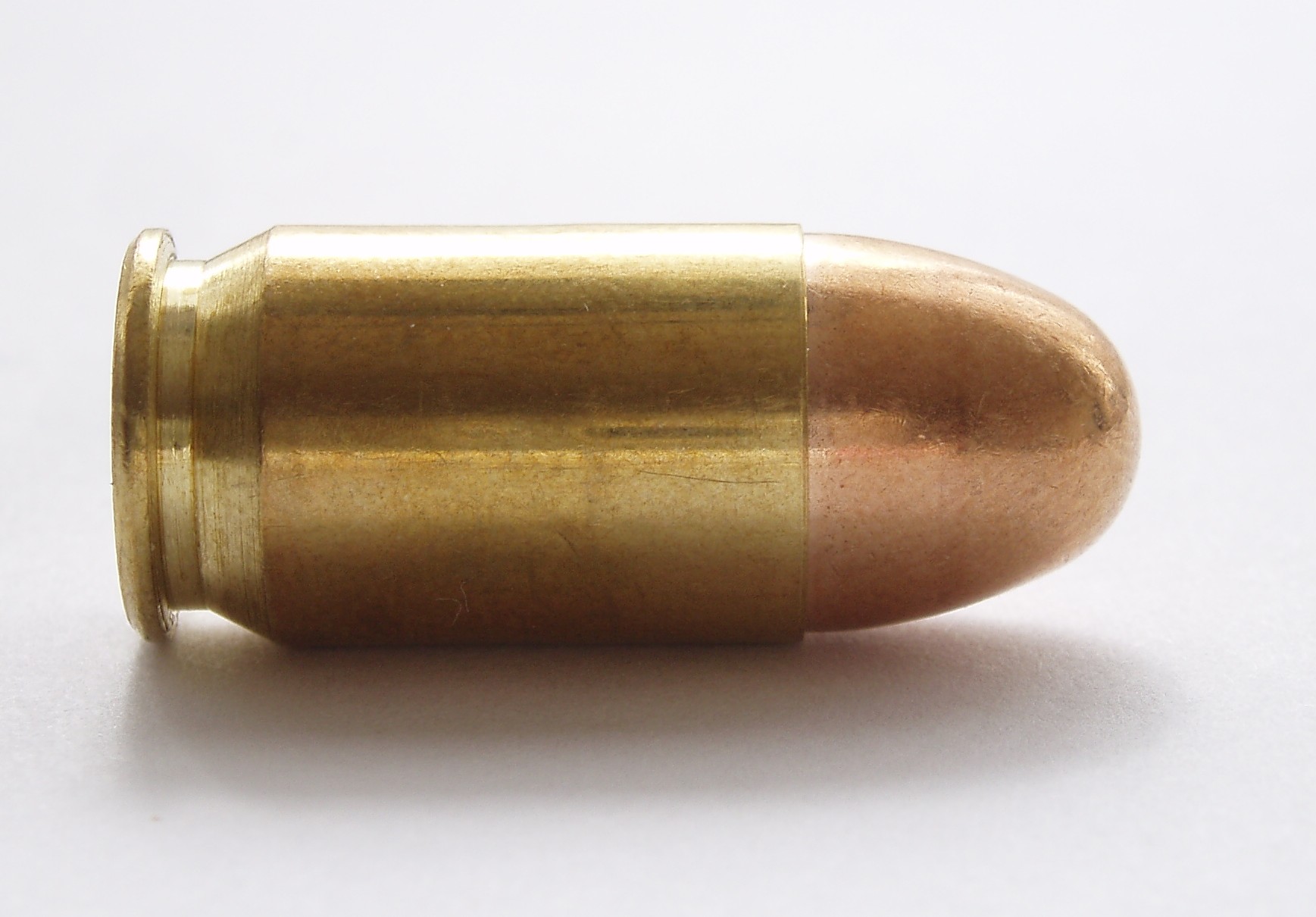
Firearms history is filled with calibers that appeared promising, faded away, and later returned through marketing hype or nostalgia. While some comebacks were justified, others revived cartridges that never truly solved the problems they claimed to fix. These calibers often suffered from poor ballistics, excessive recoil, limited availability, or awkward performance that modern designs already handled better. Despite brief resurgences, they failed to offer real advantages to shooters. Understanding why these calibers struggled helps separate innovation from repetition. This article examines nine calibers that returned from obscurity but never deserved a second chance, explaining what went wrong and why their revival failed to make lasting sense.
1. .41 Action Express
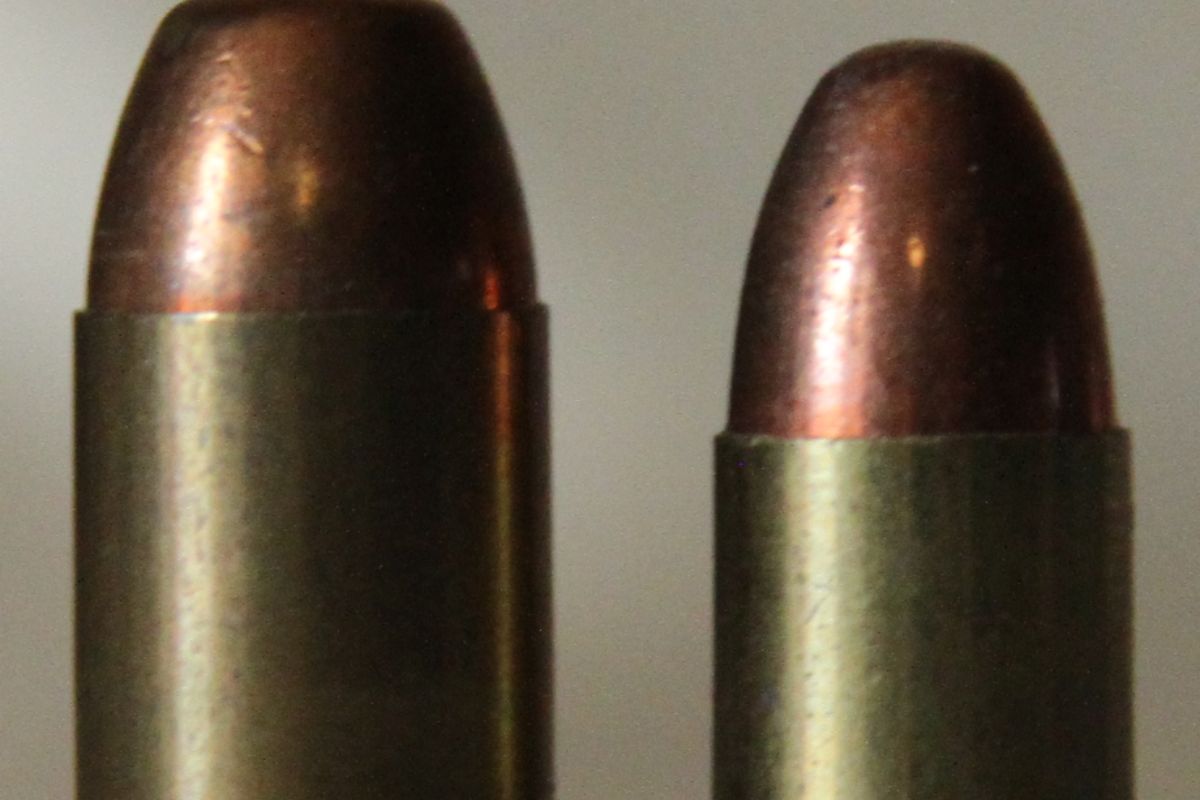
The .41 Action Express was introduced to bridge the gap between 9mm and larger calibers. It promised increased stopping power without sacrificing magazine capacity. In practice, it offered little improvement over existing options. Ballistics failed to outperform established rounds in meaningful ways. Ammunition availability was limited, and manufacturers showed little interest in long-term support. Shooters found the recoil sharper than expected, while real-world effectiveness remained inconsistent. As law enforcement standardized around other calibers, the .41 AE lost relevance. Its comeback relied on nostalgia rather than performance. Today, it remains a reminder that clever concepts do not guarantee practical success.
2. .224 BOZ
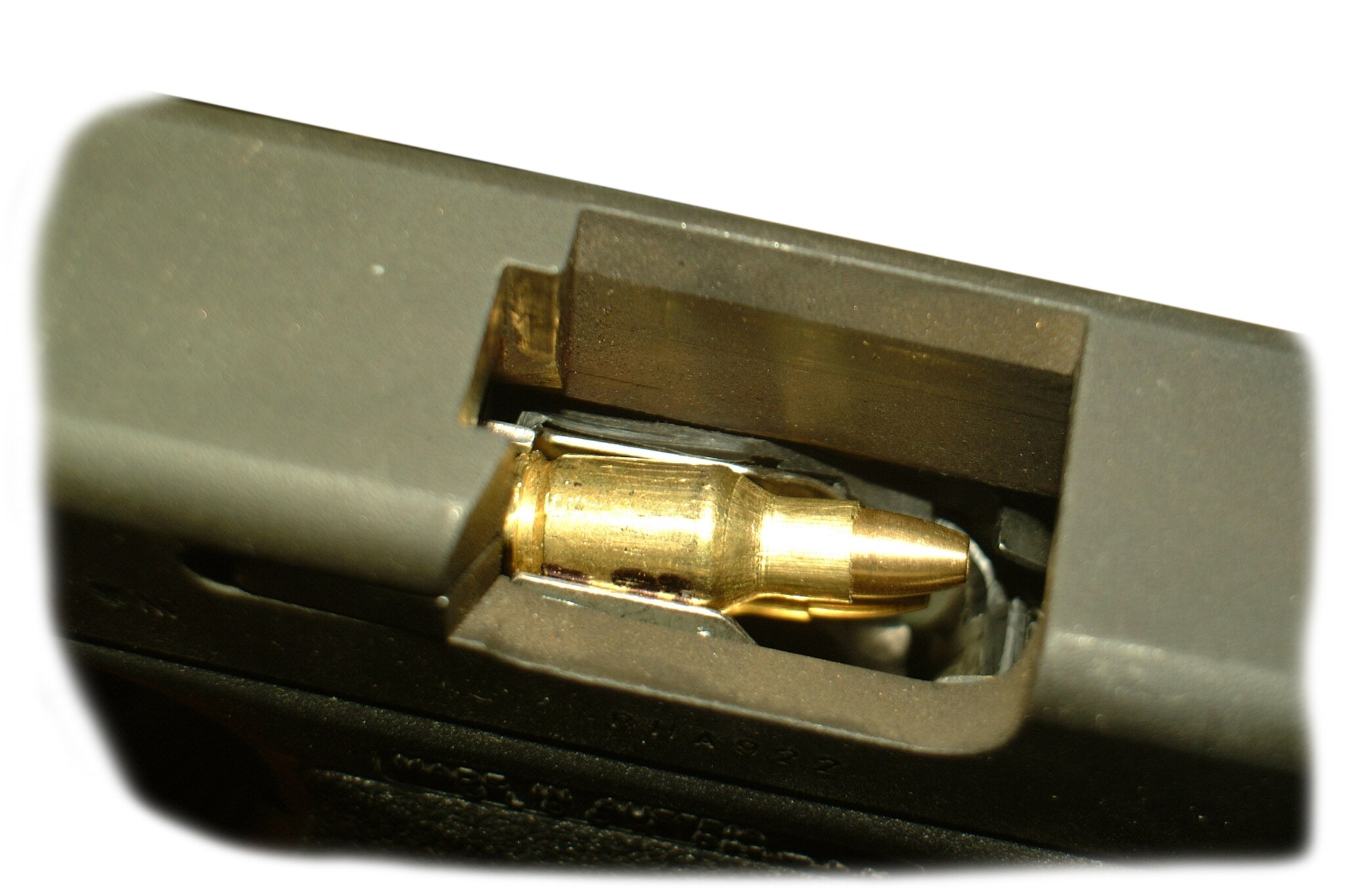
The .224 BOZ was developed to deliver extreme velocity from a handgun, firing a lightweight .22 caliber projectile at rifle-like speeds. While the idea sounded impressive, real-world performance exposed serious drawbacks. Recoil and muzzle blast were harsh, making follow-up shots difficult. Penetration often exceeded practical defensive needs while terminal effectiveness remained inconsistent. Ammunition was expensive and produced in very limited quantities, discouraging widespread use. Firearms chambered for it required reinforced designs, increasing cost and complexity. With no clear advantage over established defensive calibers, the .224 BOZ remained a niche experiment. Its brief reappearance failed to justify the compromises it demanded.
3. .45 GAP
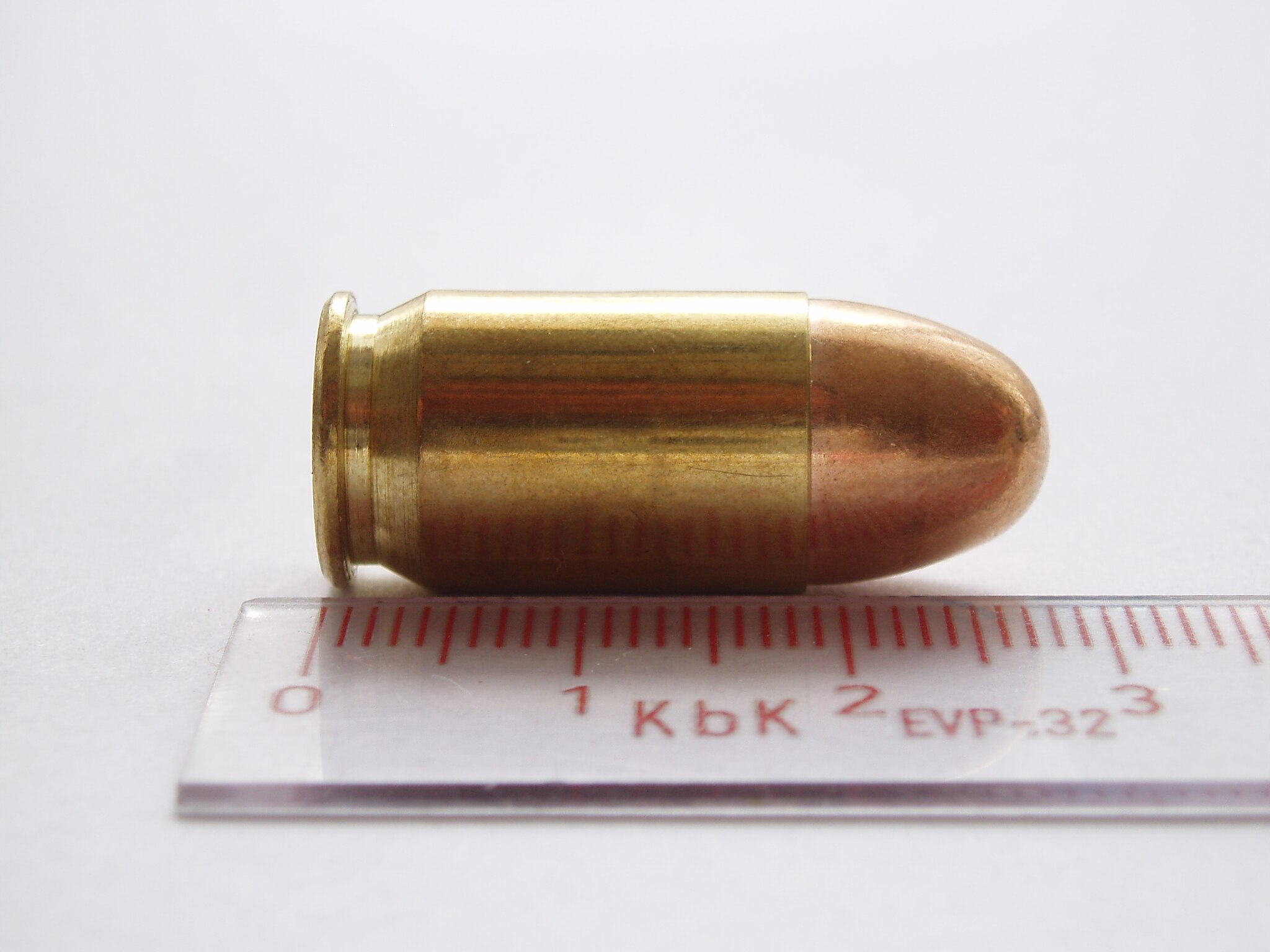
The .45 GAP was designed to deliver .45 ACP performance in a smaller grip frame. While the idea appealed briefly to law enforcement, the execution fell short. Higher operating pressure increased wear on firearms. Ammunition availability remained limited and expensive. Civilian shooters avoided it due to poor selection and compatibility issues. Once agencies moved on, support vanished. The caliber solved a problem that could be addressed through better pistol design. Its comeback attempts ignored market realities. Today, the .45 GAP stands as an example of unnecessary specialization without long-term demand.
4. .224 BOZ
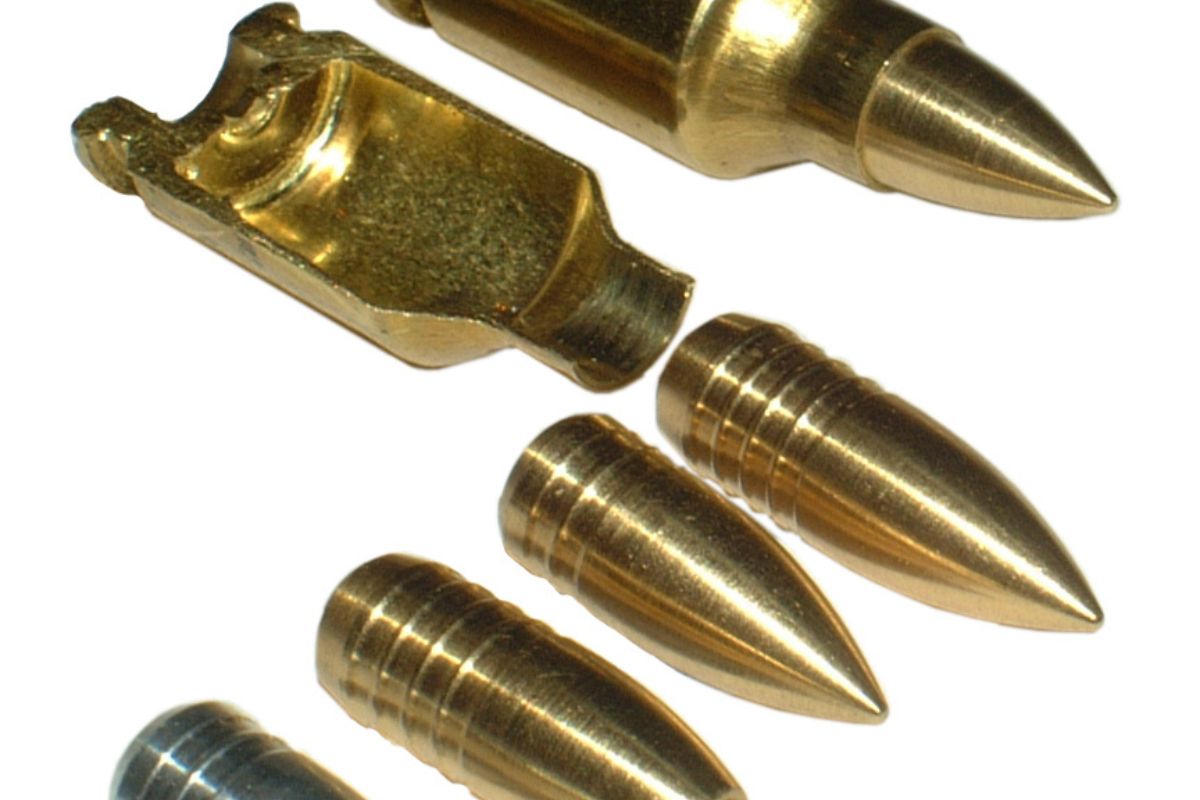
The .224 BOZ was engineered to deliver extreme velocity from a compact semi-automatic pistol, firing a lightweight rifle-style bullet at impressive speeds. While the numbers looked exciting, real-world performance told a different story. Penetration was excessive for defensive use, raising safety concerns, while terminal effectiveness was inconsistent. Recoil and muzzle blast were harsh, especially in lightweight pistols. Ammunition was proprietary, expensive, and nearly impossible to find outside niche circles. Firearm options were extremely limited, making long-term ownership impractical. Despite its futuristic appeal, the caliber solved no real problem and offered no advantage over proven defensive rounds, making its revival unnecessary.
5. 5.7×28mm
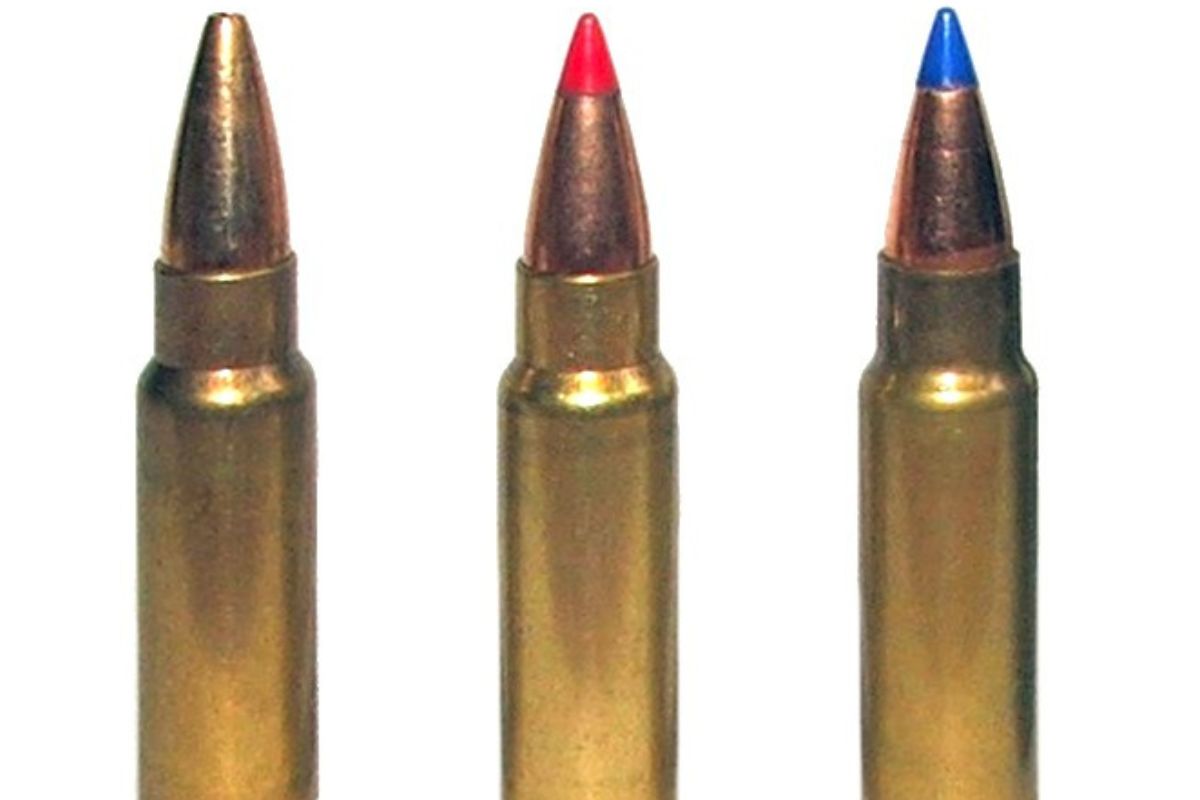
The 5.7×28mm gained renewed attention due to its high velocity and low recoil. However, civilian versions lack the performance that made it effective in military roles. Penetration concerns and inconsistent terminal results limit its usefulness. Ammunition costs remain high compared to traditional handgun calibers. Firearm options are limited and expensive. While visually impressive, the caliber offers few practical benefits for most shooters. Its comeback relies more on image than function. For everyday use, simpler calibers outperform it with less complication.
6. .327 Federal Magnum
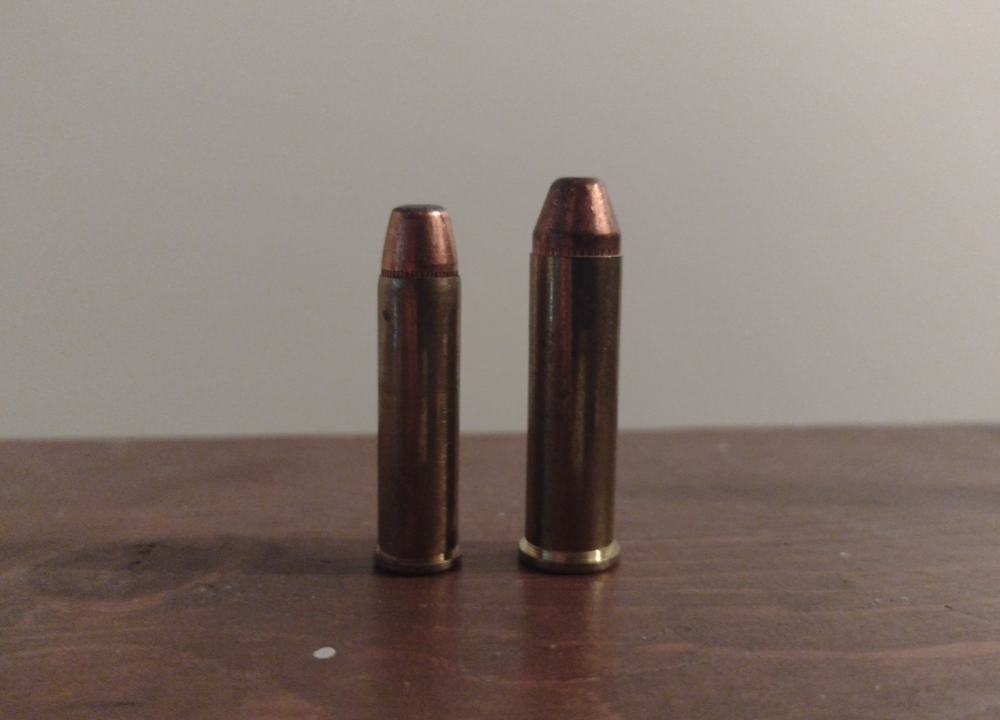
The .327 Federal Magnum aimed to modernize revolver performance by offering higher capacity and velocity. While powerful, it produced sharp recoil and a loud report. Firearm selection remained limited. Ammunition costs discouraged regular use. Shooters found the recoil disproportionate to the benefit. Revolver enthusiasts preferred established calibers with smoother shooting characteristics. The .327’s revival never addressed these drawbacks. It remains a niche option with little practical advantage. Its continued existence depends on marketing rather than shooter demand.
7. 5mm Remington Rimfire Magnum
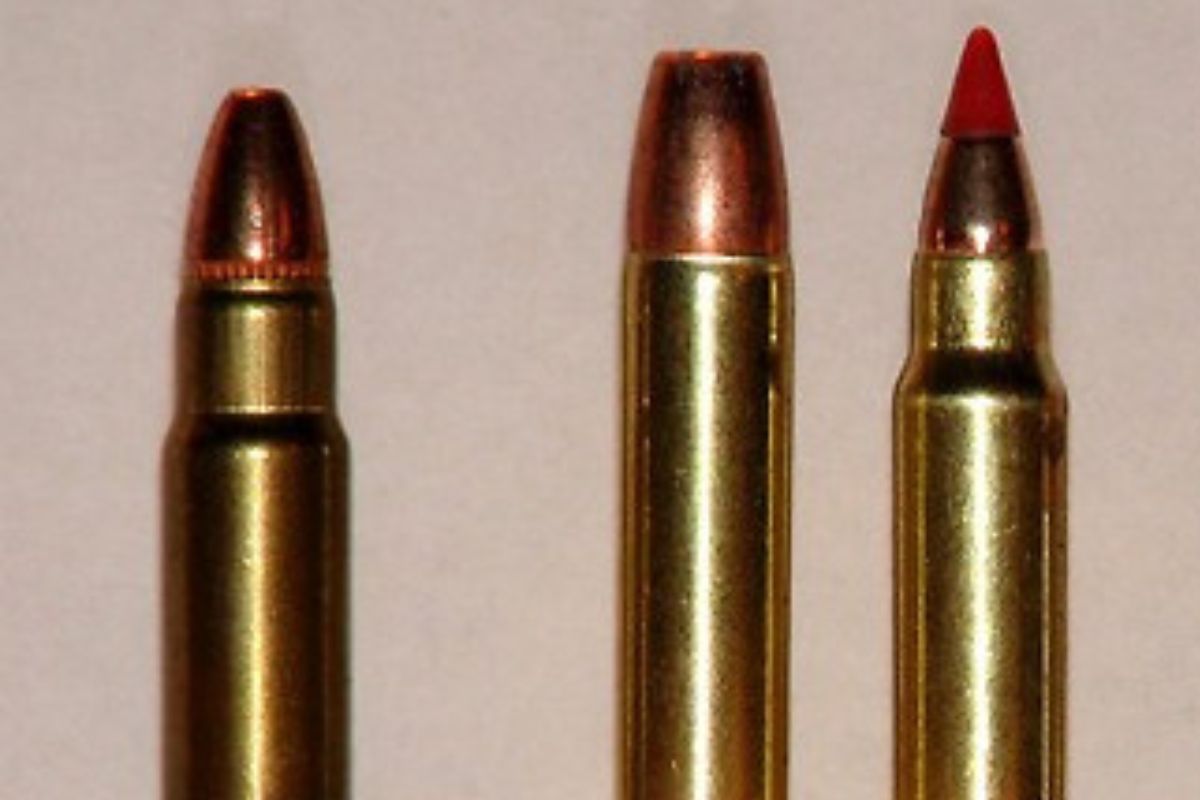
The 5mm Remington Rimfire Magnum was introduced as a high-velocity rimfire round meant to outperform the .22 Magnum in range and penetration. On paper, it delivered impressive speed and flat trajectories, making it attractive for small game hunting. In practice, the caliber suffered from poor timing and limited firearm support. Only a handful of rifles were chambered for it, and ammunition production stopped entirely for decades. Recoil and noise offered little advantage over more common rimfire options. When the caliber resurfaced years later, shooters found no compelling reason to switch. Its niche performance and limited practicality made the comeback more nostalgic than useful.
8. .38 Dardick Tround
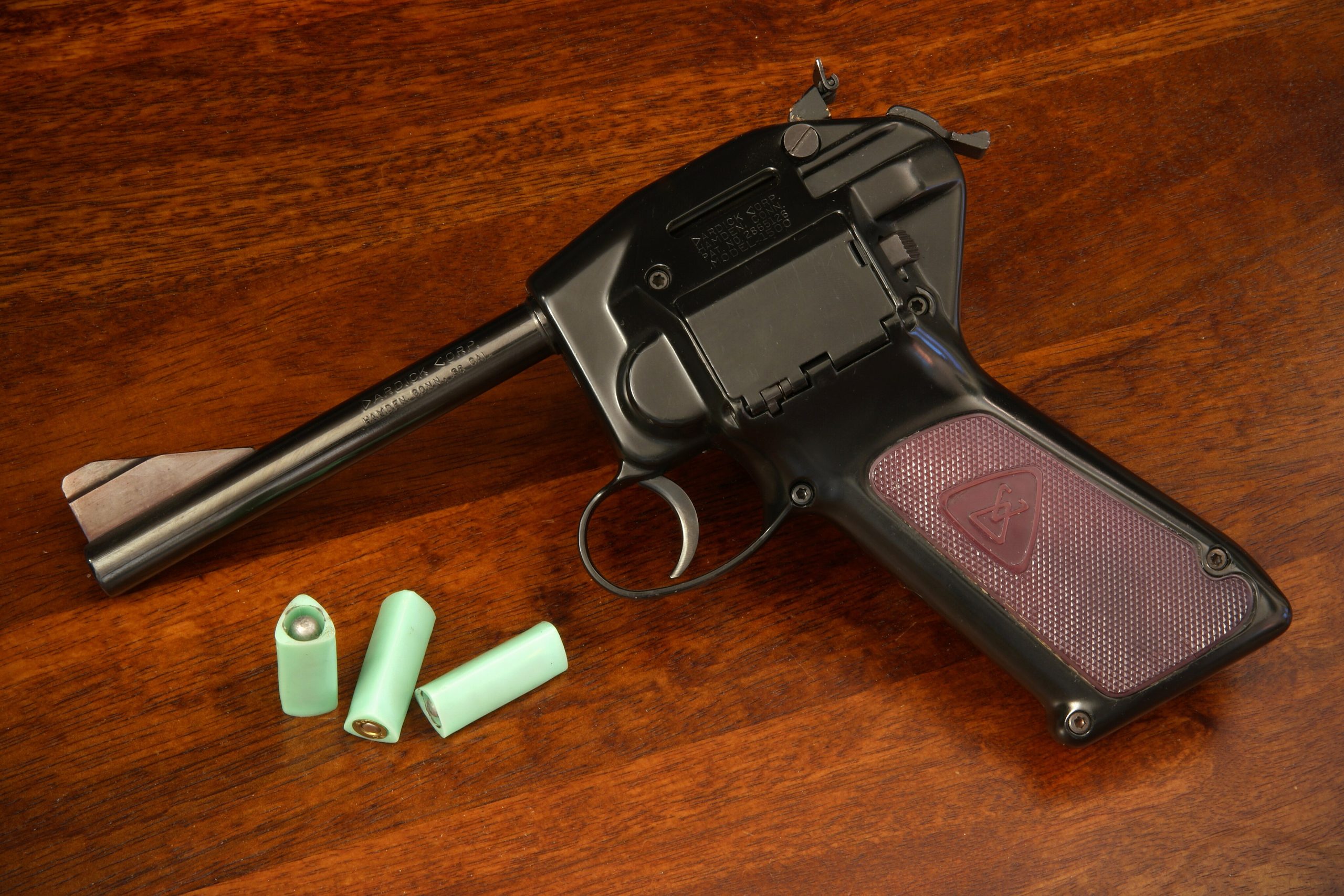
The .38 Dardick is remembered less for performance and more for its unusual appearance, making it visually striking but practically flawed. Instead of a traditional brass case, it used a triangular plastic tround that looked futuristic and eye catching in photographs. The concept promised lightweight ammunition and smooth feeding, yet reality told a different story. Plastic cases warped under heat, reducing reliability during extended firing. Accuracy was inconsistent, and power lagged behind conventional revolver cartridges. Ammunition production was limited, making the round rare and expensive. While visually fascinating and undeniably unique, the .38 Dardick offered novelty rather than function, earning its place as a caliber that never deserved revival.
9. .224 Valkyrie
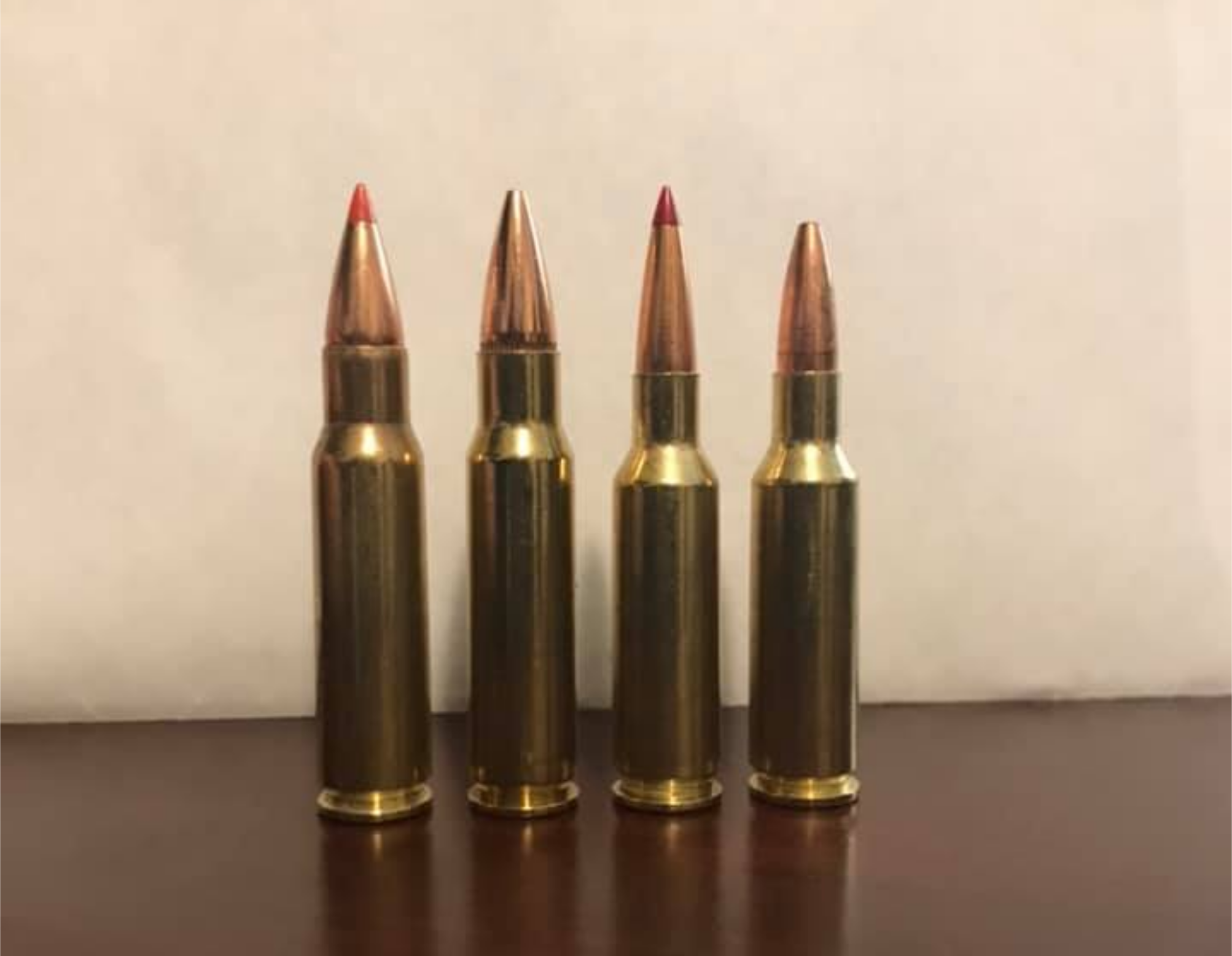
The .224 Valkyrie returned with promises of long-range dominance. Early hype drove interest, but performance fell short of expectations. Barrel length sensitivity and inconsistent accuracy hurt its reputation. Ammunition selection was limited. Competing calibers delivered better results with fewer compromises. The comeback leaned heavily on marketing claims. As reality set in, interest declined. The .224 Valkyrie serves as a reminder that advertised potential must match real-world results.