Caliber preferences often change with experience. Many shooters sell off certain chamberings after chasing trends, reacting to temporary ammo shortages, or deciding recoil feels inconvenient. Months or years later, they realize that practical versatility, availability, or performance mattered more than they first thought. The result is familiar in gun shops across the country: someone buying back the same caliber they once dismissed. The following nine calibers are frequently sold too quickly, only for owners to rediscover their usefulness in training, hunting, self-defense, or simple range enjoyment.
1. 9mm Luger
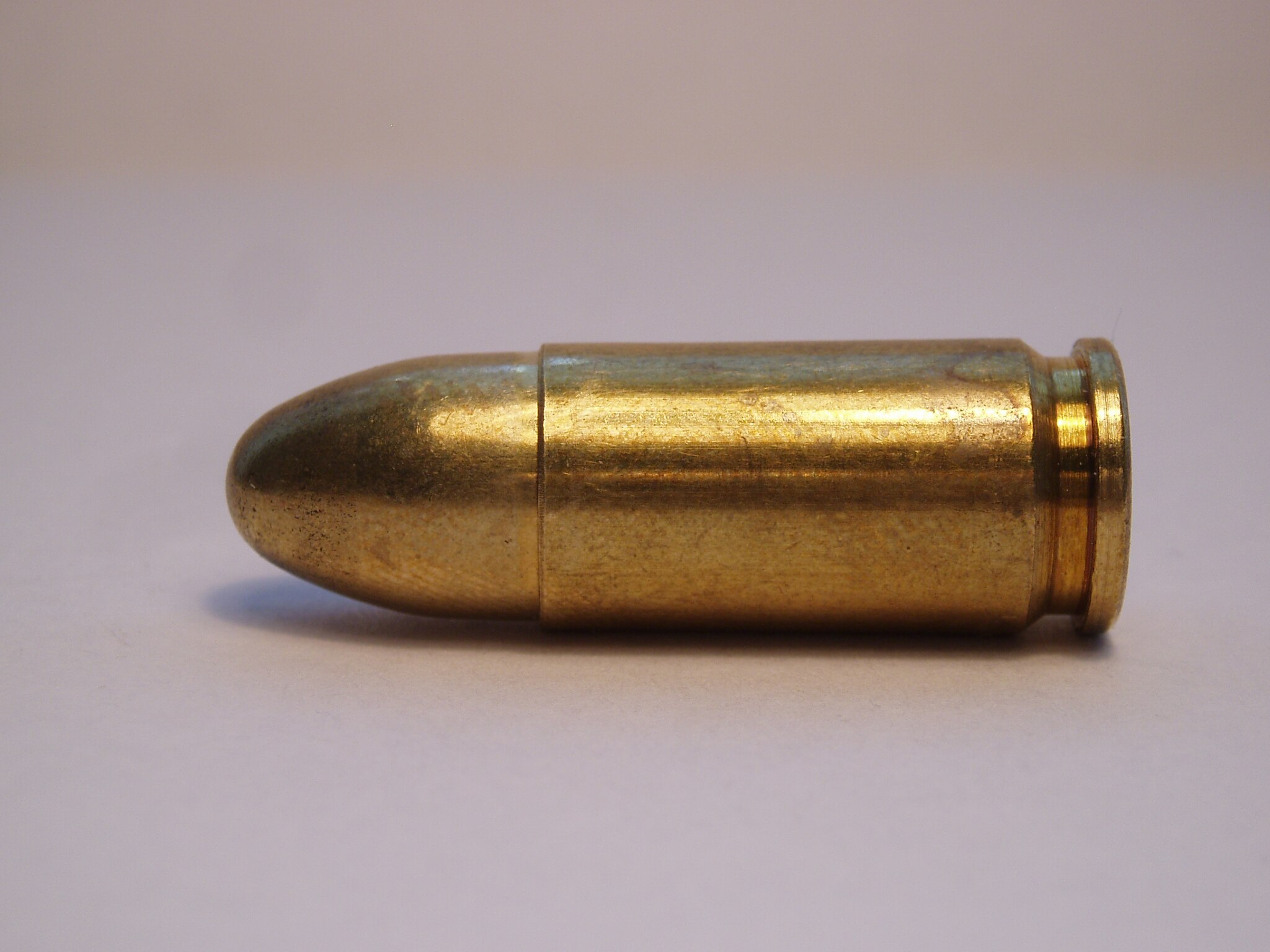
The 9mm Luger is often taken for granted because it is so common. Some shooters move away from it in search of larger bullets or niche performance advantages. Later, they remember why it dominates the market. Ammunition is widely available, recoil is manageable, and magazine capacity is typically higher than that of larger handgun calibers. Modern defensive loads have narrowed any performance gap that once existed. Many owners who switched to heavier recoiling options eventually miss the affordability and shootability of 9mm. When training costs rise or carry comfort becomes important again, they frequently return to this balanced and practical choice.
2. .45 ACP
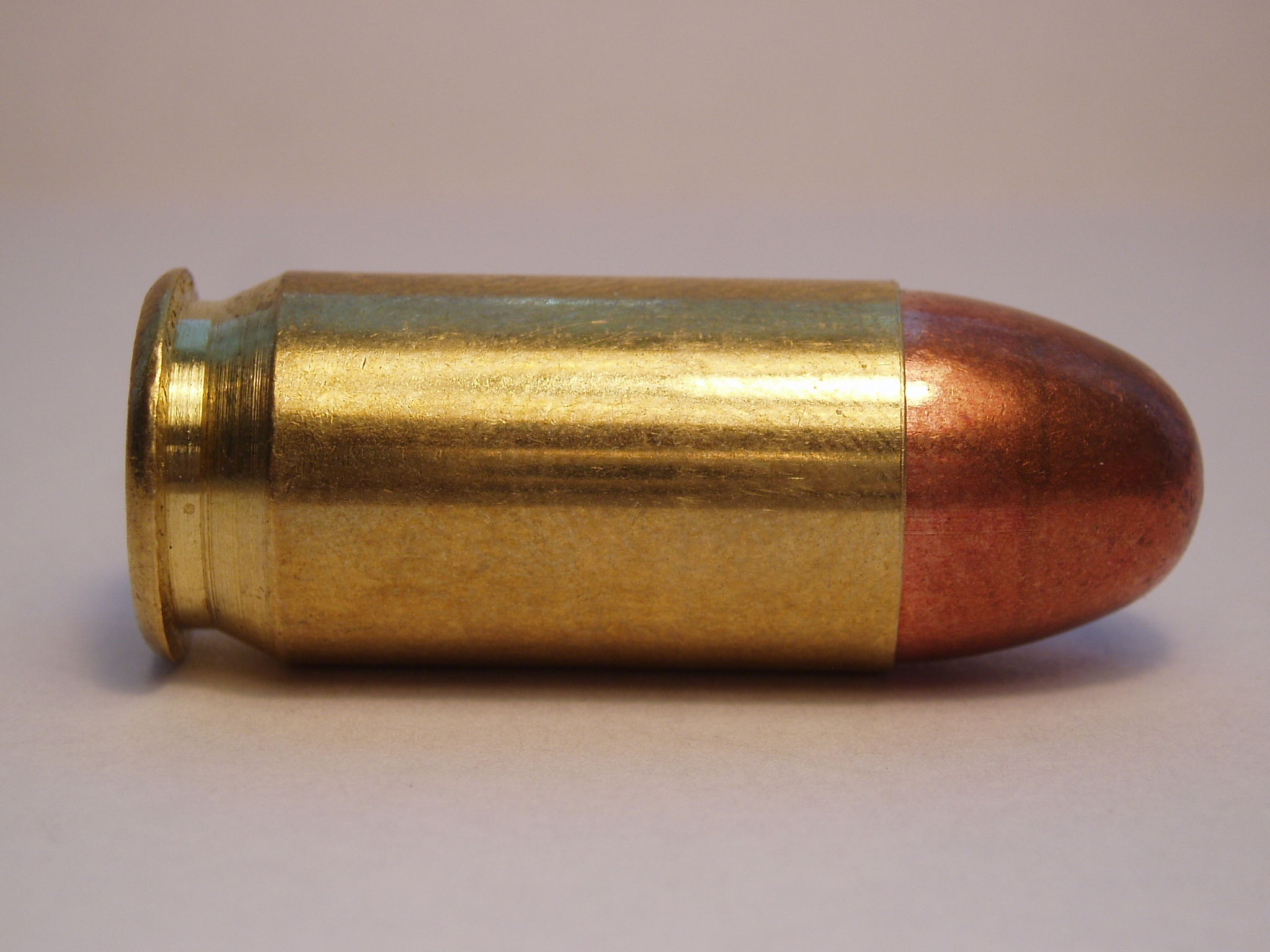
The .45 ACP sometimes gets sold when owners decide they prefer lighter recoil or higher capacity. Large framed pistols and heavier ammunition can feel inconvenient compared to modern compact options. Yet many shooters later rediscover the smooth, rolling recoil impulse that makes .45 surprisingly controllable. It also has a long proven history in defensive and competition roles. Ammunition may cost more, but availability remains strong in most regions. After trying smaller calibers for years, some shooters miss the confident feel and solid performance of a well-tuned .45 platform and end up purchasing another.
3. .40 S&W
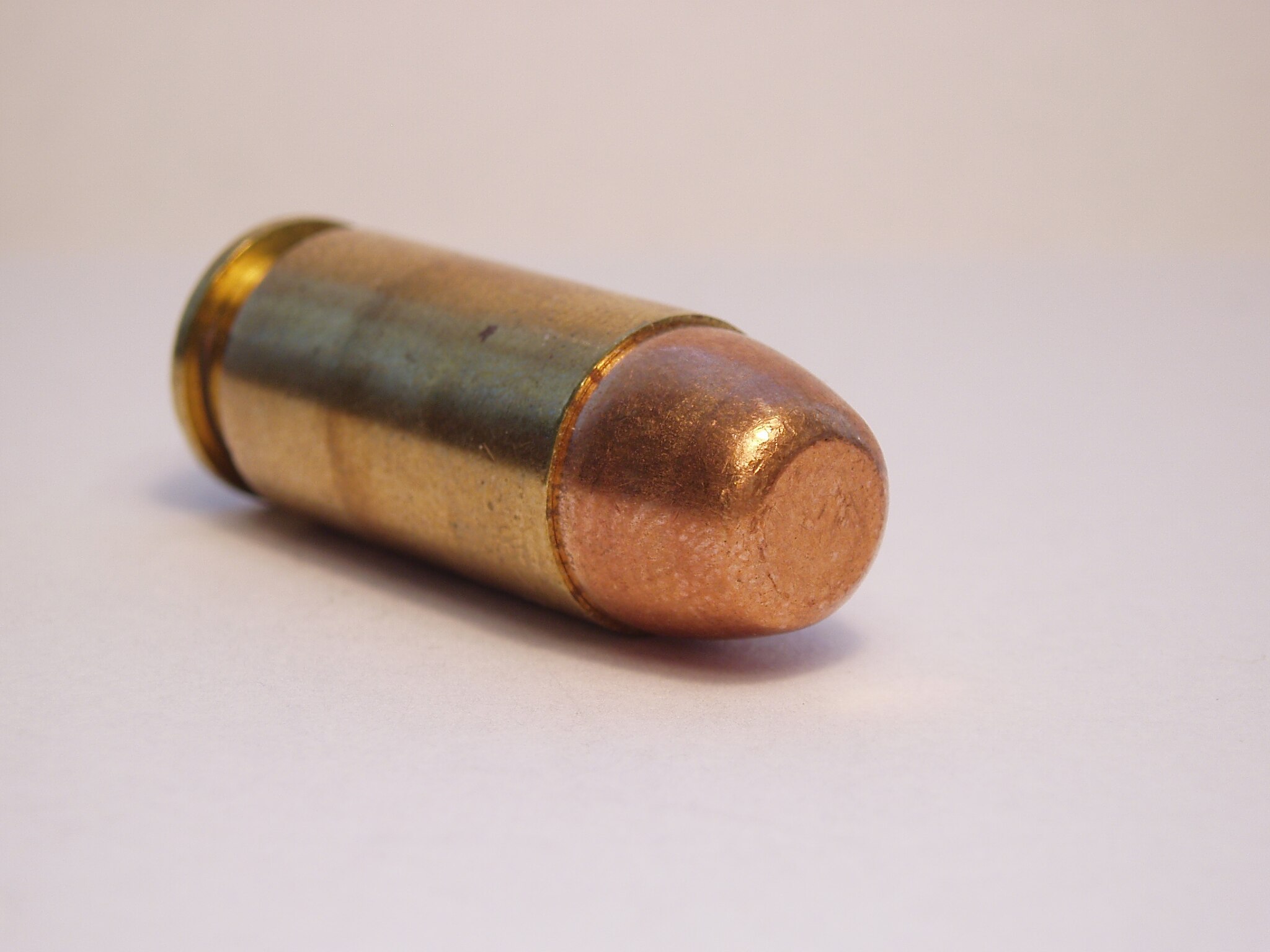
The .40 S&W saw widespread law enforcement adoption, then experienced a sharp decline in popularity as agencies returned to 9mm. Civilian owners followed the trend and sold off their .40 pistols. Later, many noticed that ammunition prices often dropped due to lower demand. The caliber offers a middle ground between 9mm capacity and .45 bullet weight. With proper training, recoil is manageable, and performance remains effective. Some shooters who regret selling their .40 realize it still fills a practical defensive role and can be an economical option when market cycles shift again.
4. .38 Special
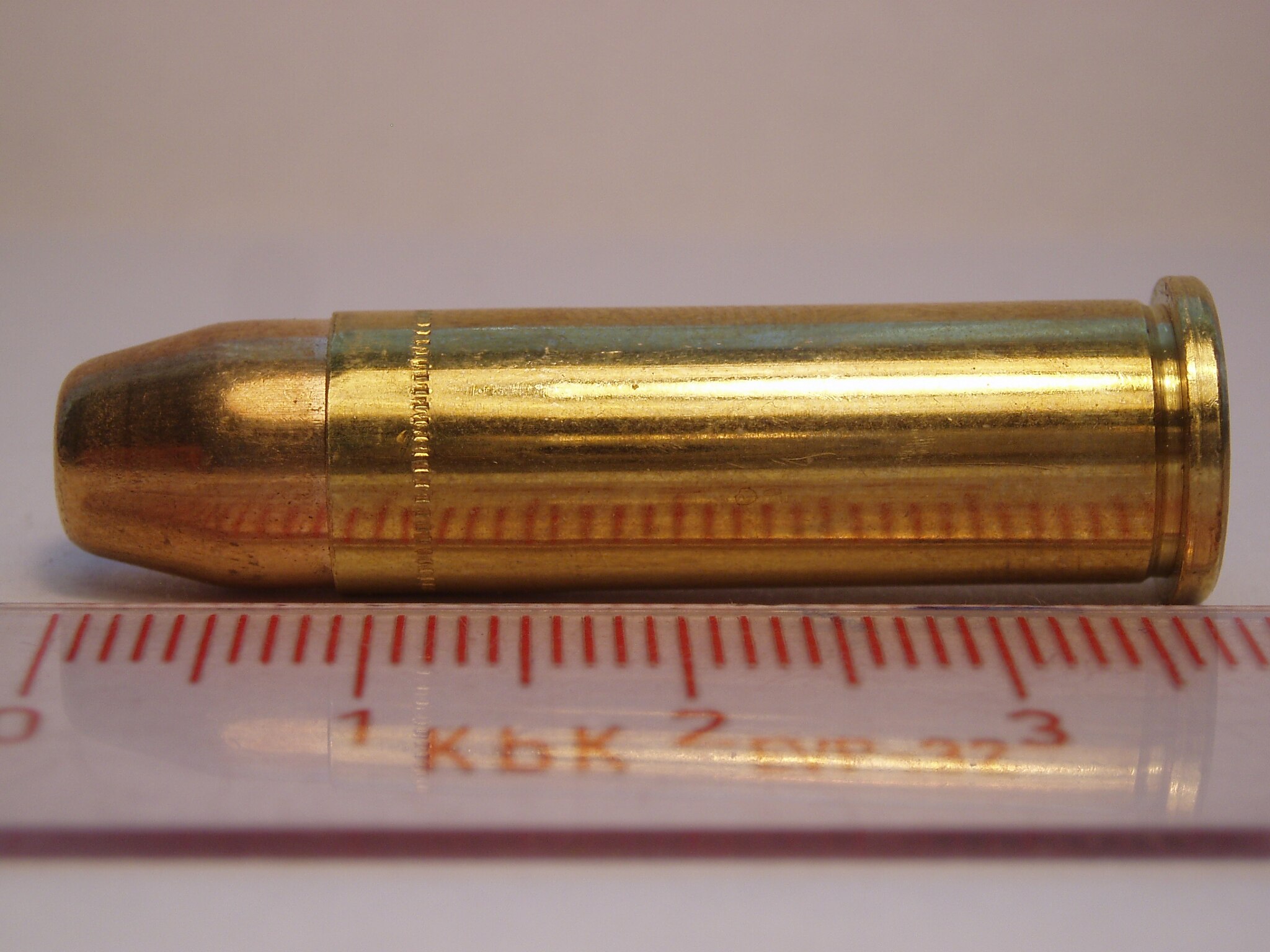
The .38 Special is sometimes dismissed as outdated in an era dominated by semi-automatic pistols. Owners may sell revolvers to simplify their collection. Over time, they often miss the simplicity and reliability that a quality revolver provides. Recoil from standard pressure loads is comfortable, making it ideal for training or new shooters. Ammunition remains widely available, and defensive loads are still effective. Many who return to the range with friends or family appreciate the straightforward manual of arms. That realization frequently leads them to purchase another .38 Special revolver.
5. 10mm Auto
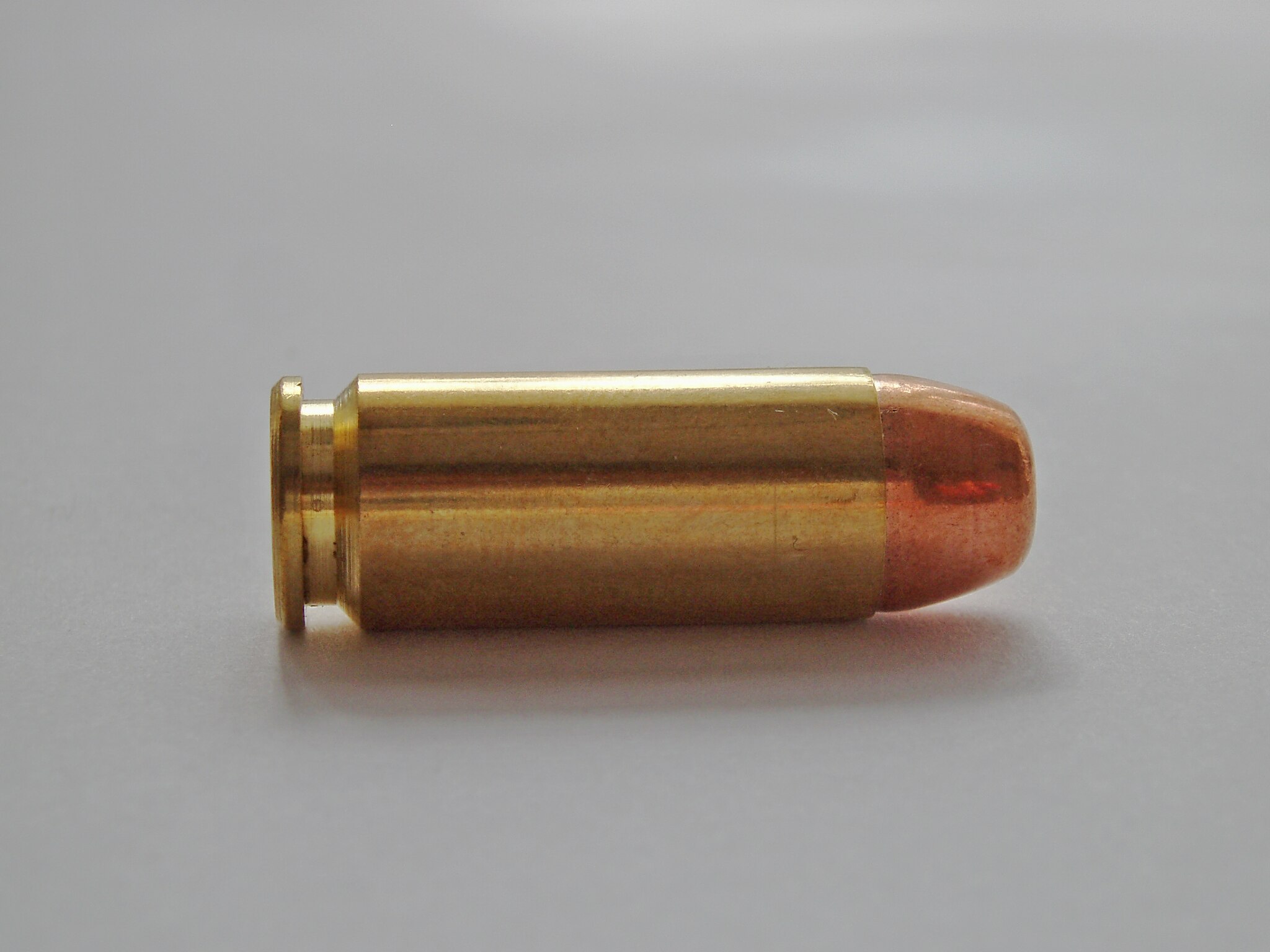
The 10mm Auto is sometimes sold because of sharp recoil or limited local availability of ammunition. Owners may feel it is excessive for everyday carry. Later, they recognize its impressive versatility. It offers a flat trajectory, strong energy, and suitability for both defense and certain hunting roles. Ammunition options range from lighter practice loads to powerful backcountry rounds. As outdoor interests grow or travel plans include wilderness areas, former owners often reconsider. The 10mm fills a niche that few other semi-automatic calibers can match, prompting many to buy back into the platform.
6. .357 Magnum
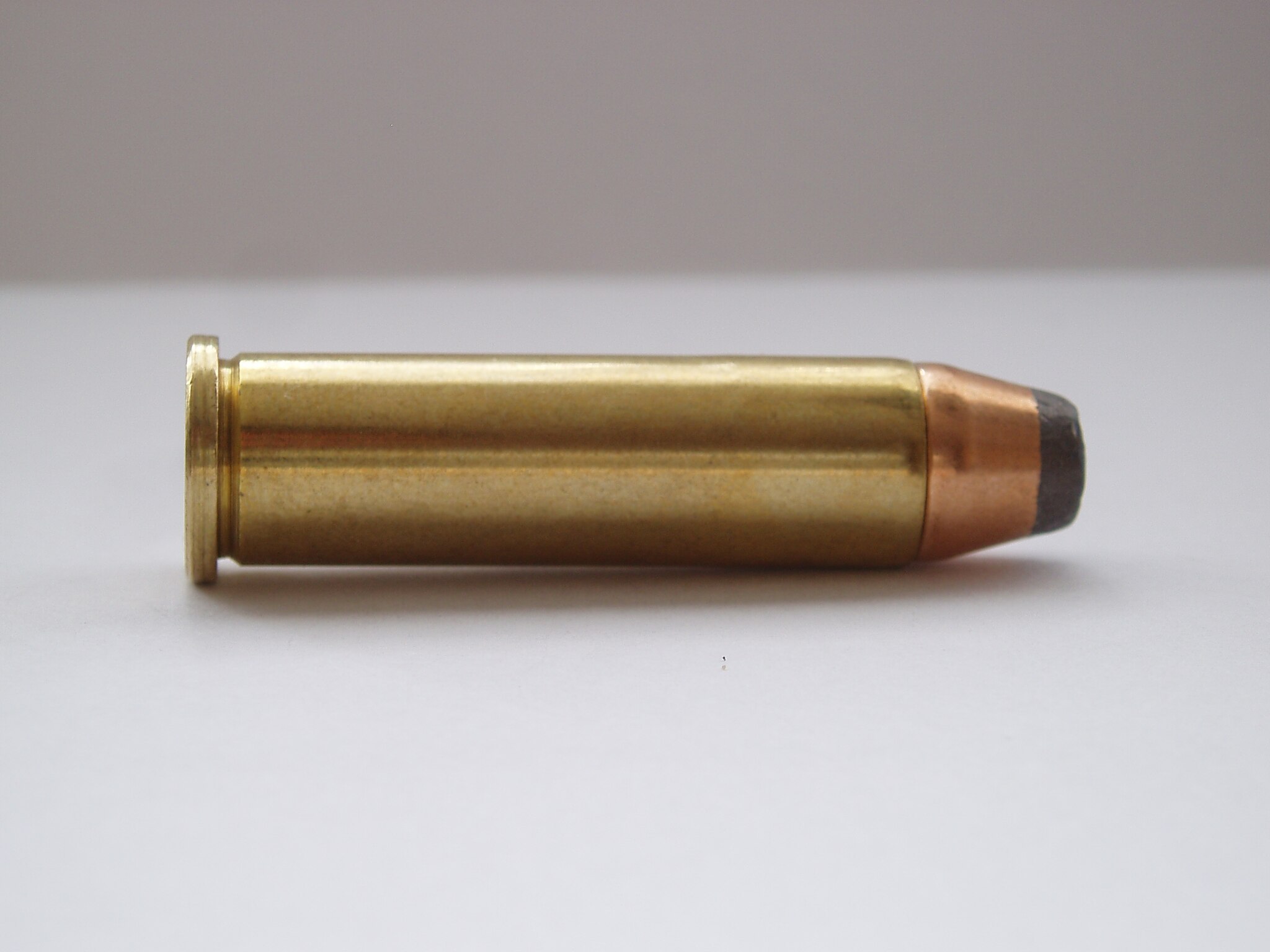
The .357 Magnum can feel intimidating, especially in lightweight revolvers. Some owners sell theirs after deciding recoil and muzzle blast are more than they prefer. Years later, they rediscover its flexibility. Revolvers chambered in .357 can also fire .38 Special, offering reduced recoil for practice. The caliber has a strong track record for defensive use and hunting medium-sized game. Its accuracy and power remain respected. Many shooters who once traded away their .357 eventually miss the adaptability and performance that made it a classic American revolver chambering.
7. .22 Long Rifle
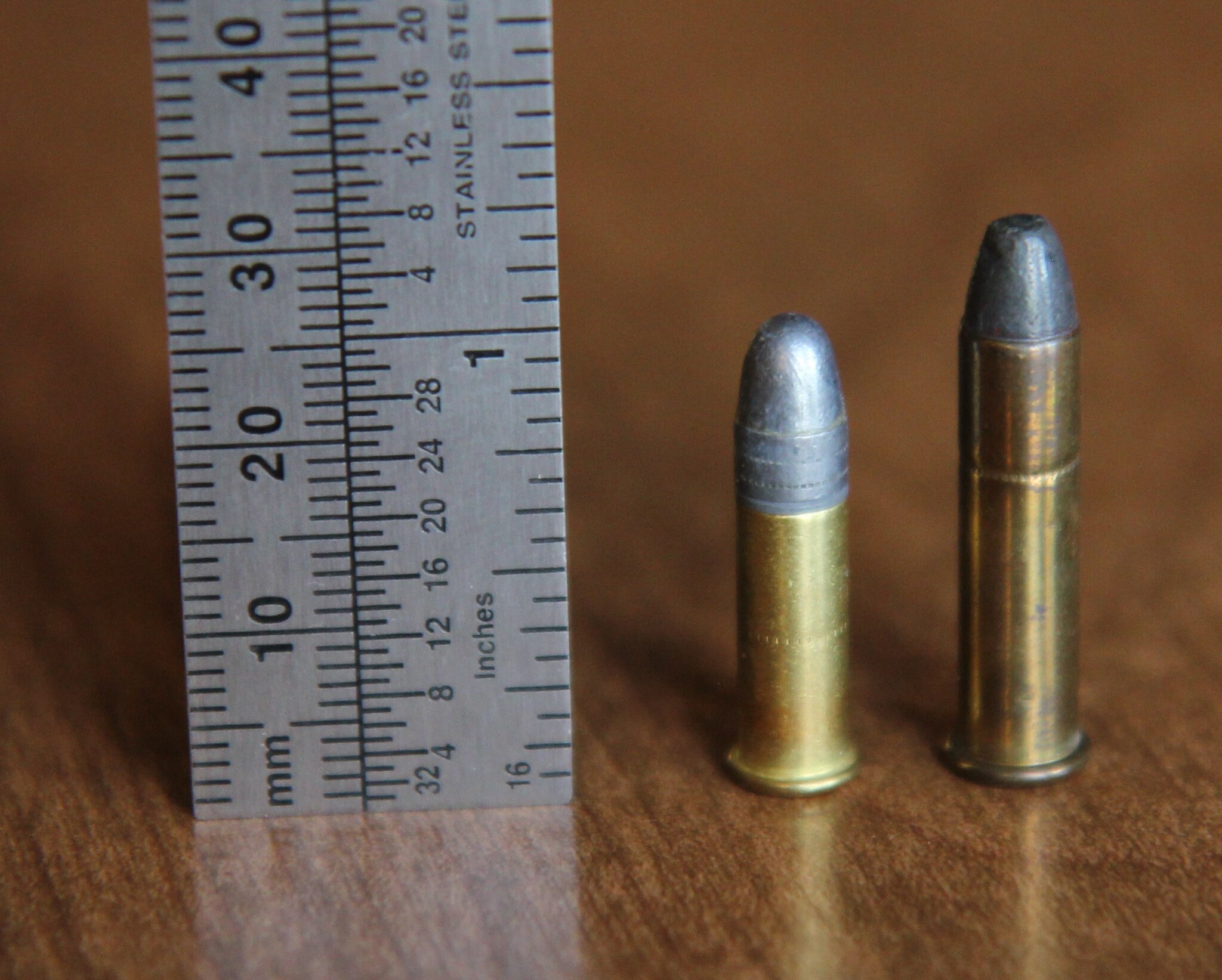
The .22 Long Rifle is often sold during times of ammunition scarcity or when owners focus on larger calibers. Eventually, practicality brings them back. It remains one of the most affordable and accessible cartridges for practice and small game hunting. Recoil is minimal, making it ideal for skill development and introducing new shooters. Firearms chambered in .22 are typically lightweight and easy to maintain. When centerfire ammunition prices climb, many regret selling their rimfire options. The simple joy and cost efficiency of shooting .22 frequently lead to a second purchase.
8. .308 Winchester
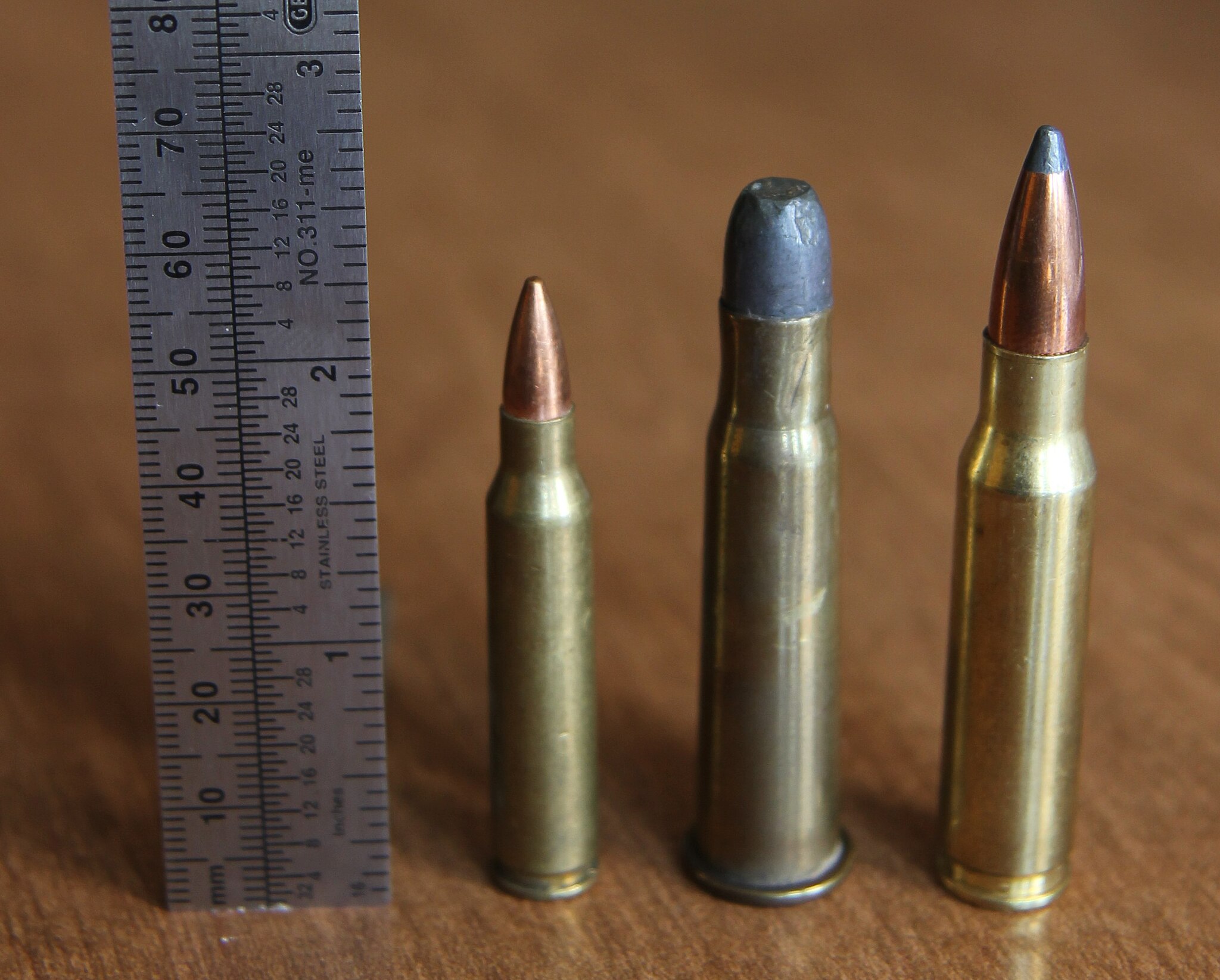
The .308 Winchester sometimes gets traded away in favor of newer long-range cartridges that promise flatter trajectories. Later, shooters realize that .308 remains widely available, versatile, and proven. It performs reliably in a variety of rifles and suits hunting as well as target shooting. Ammunition choices are extensive, and recoil is manageable for most adults. Barrel life tends to be reasonable compared to some high-velocity alternatives. After experimenting with niche calibers, many shooters appreciate the balance and accessibility of .308 and decide to bring it back into their collection.
9. 12 Gauge
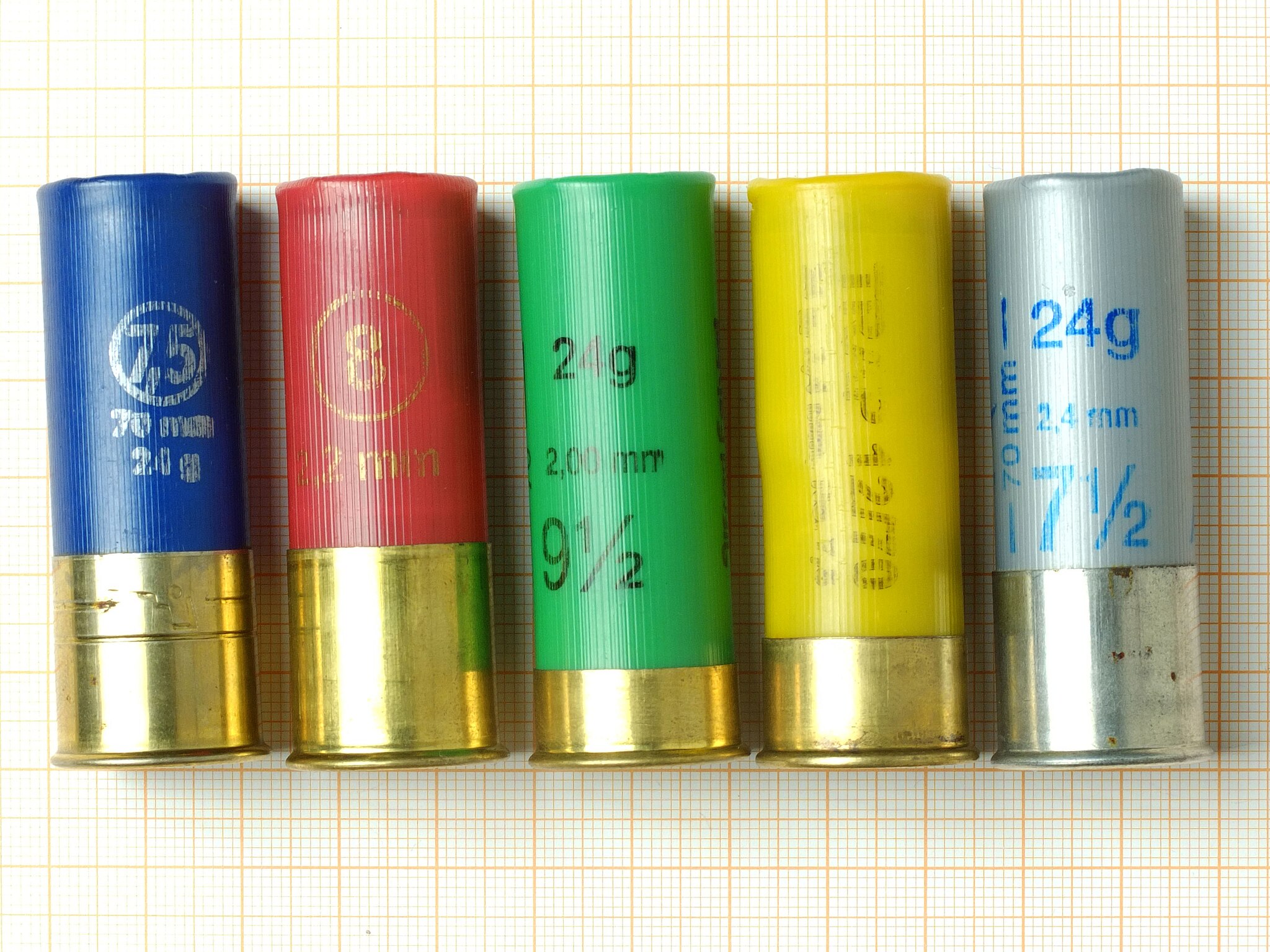
The 12-gauge shotgun can feel bulky compared to lighter gauges or compact carbines. Some owners sell theirs in search of reduced recoil or easier storage. Over time, they remember its unmatched versatility. It can be configured for hunting birds, pursuing deer, or serving in a defensive role. Ammunition selection is broad and generally accessible. With proper loads, recoil can be managed