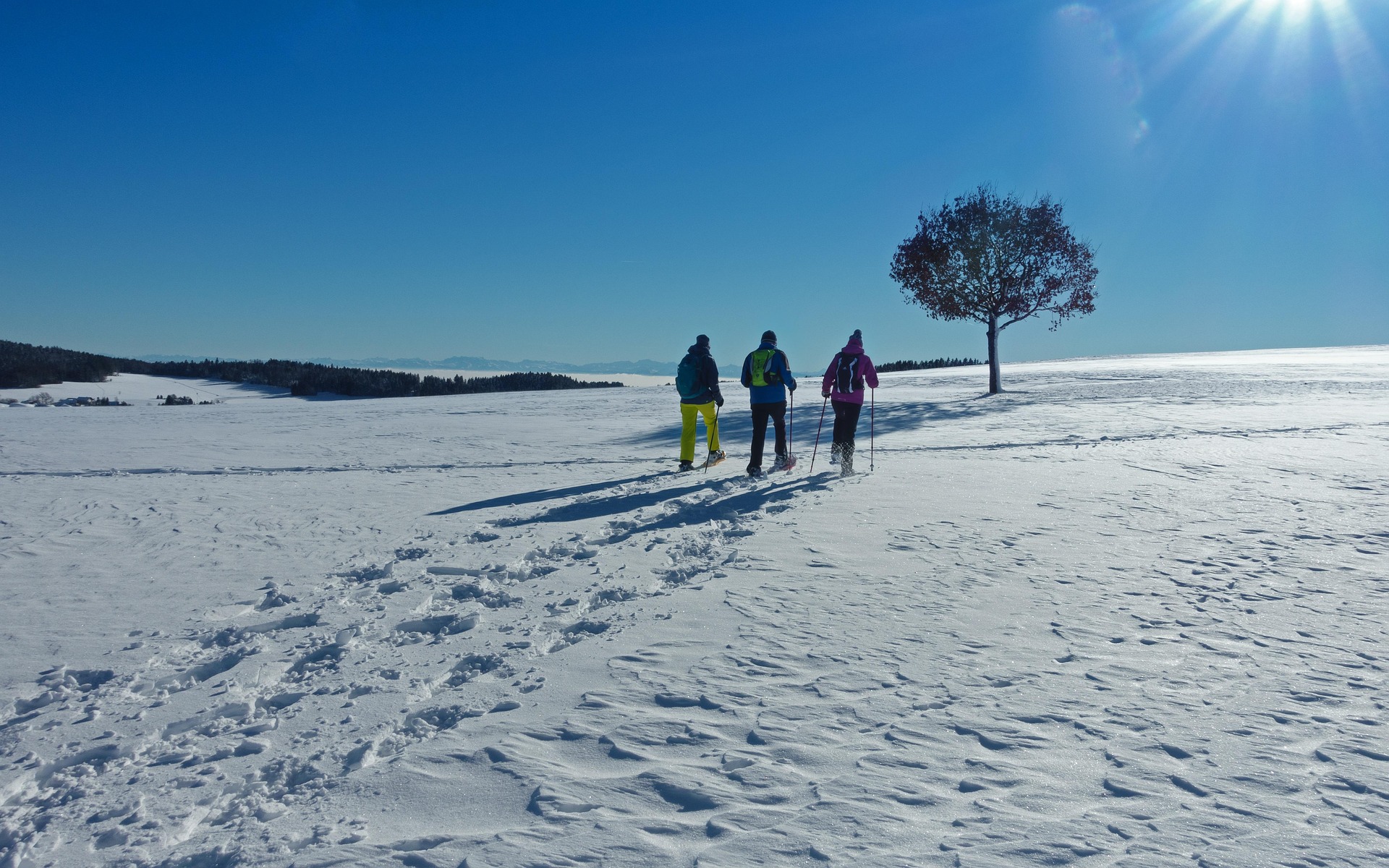
Winter often carries a reputation for making outdoor survival more difficult, yet experienced bushcrafters know that colder conditions can actually simplify several essential tasks. Frozen ground, reduced vegetation, and predictable weather patterns create advantages that are rarely present during humid summer months. Insects disappear, water sources behave more consistently, and landscapes become easier to read without dense plant growth obscuring the terrain. Cold air also preserves materials longer and slows natural decay, which can be helpful when managing resources. While winter demands proper clothing and planning, it often rewards preparation with clarity and efficiency. Tasks that feel exhausting or frustrating in summer heat may require less effort in cold weather, especially when the environment cooperates instead of working against the body. Understanding how winter conditions alter common bushcraft challenges reveals why many skills feel more manageable once temperatures drop.
Firewood Collection and Processing
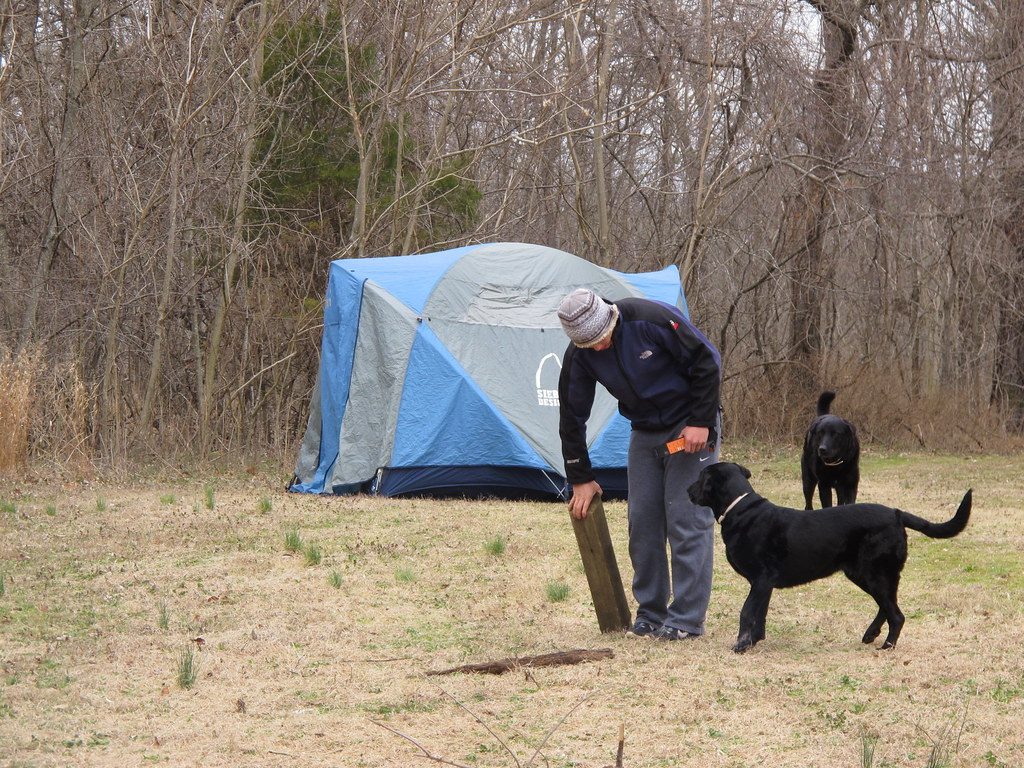
Firewood collection often becomes easier in winter because dead and downed wood is easier to identify and access without thick undergrowth blocking visibility. Fallen branches and standing dead trees stand out clearly against snow-covered ground, allowing faster assessment of usable fuel. Cold air also reduces moisture content in dead wood, making it burn more reliably compared to damp summer timber. Processing wood feels more efficient as insects, ants, and stinging creatures are inactive, eliminating a common summer annoyance. Frozen ground provides stable footing when sawing or splitting, reducing fatigue caused by muddy conditions. Snow can also act as a clean surface for stacking and sorting firewood. These combined factors make winter an ideal season for gathering high-quality fuel with less physical strain.
Tracking Wildlife
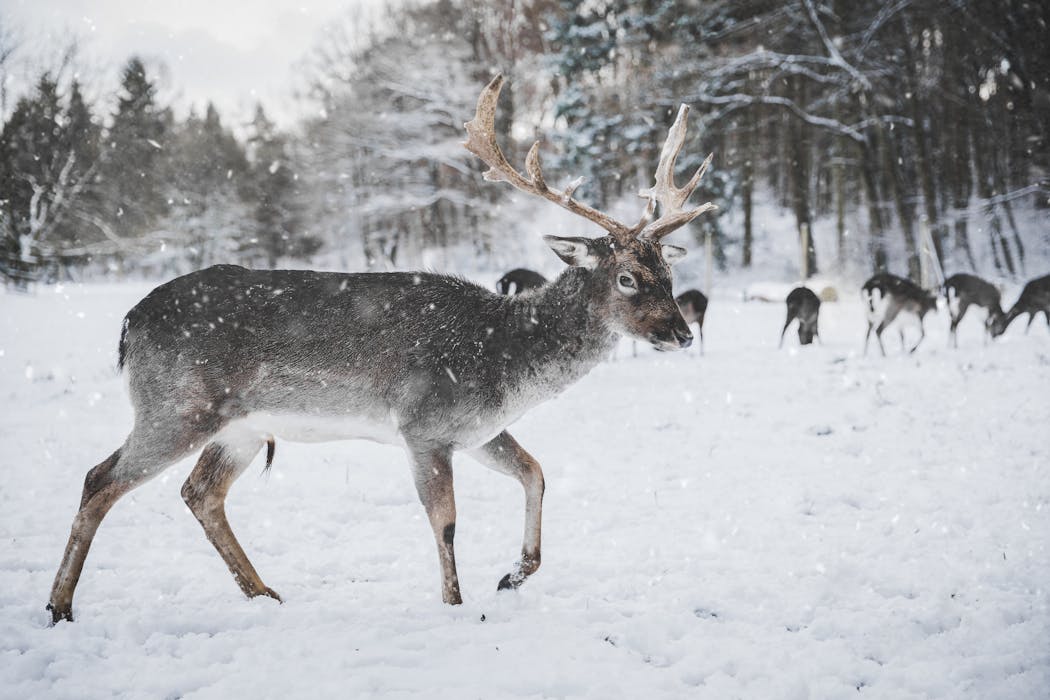
Tracking wildlife becomes significantly easier in winter because snow preserves footprints, travel patterns, and movement direction with remarkable clarity. Animal tracks that vanish quickly in summer soil remain visible for days or even weeks in cold conditions, allowing detailed observation. Bushcrafters can identify species, estimate size, and determine travel routes more accurately without leaf litter or heavy vegetation interfering. Winter landscapes also reduce background noise and visual clutter, making subtle signs such as disturbed snow or broken ice more noticeable. Cold temperatures slow melting, preserving trail continuity over long distances. This clarity helps with navigation, hunting preparation, and understanding animal behavior. Compared to summer tracking, which relies heavily on faint impressions and disturbed foliage, winter tracking provides cleaner, more reliable information.
Water Source Identification
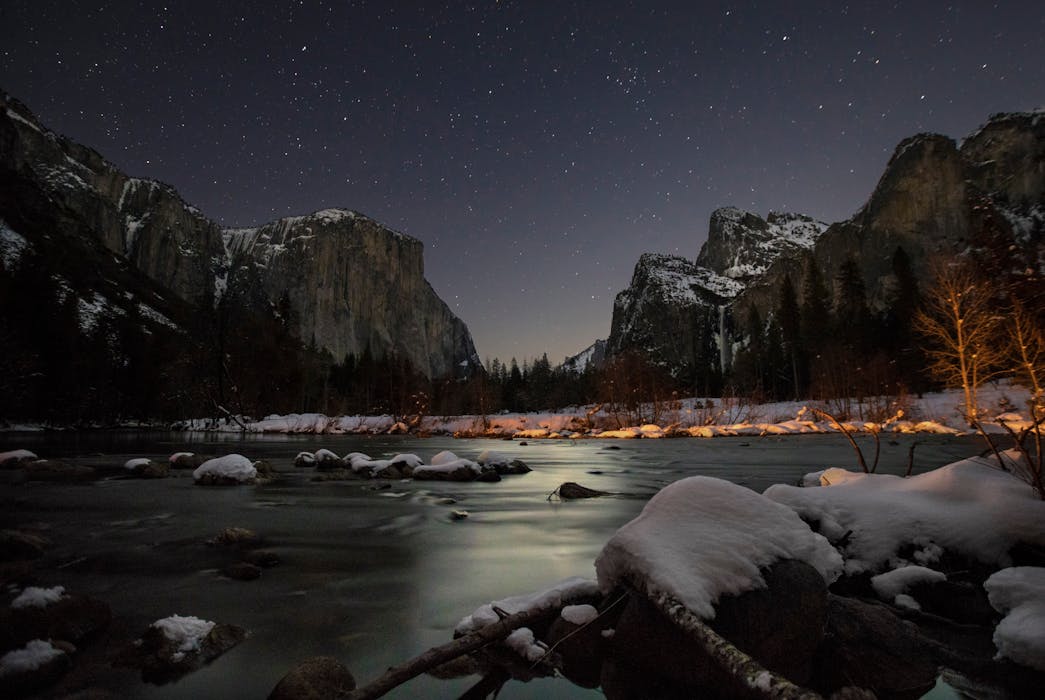
Finding water often becomes simpler in winter because streams, springs, and seeps reveal themselves through ice patterns, steam, or areas that remain unfrozen. Snow cover highlights depressions and natural drainage paths that guide bushcrafters toward reliable water sources. Flowing water beneath ice creates visible movement or sound, making it easier to locate compared to hidden summer creeks masked by vegetation. Cold temperatures also reduce biological contamination, such as algae growth, improving water clarity before treatment. Although water may require melting snow or breaking ice, the predictability of winter water sources offsets the extra effort. In contrast, summer water sources may dry up unexpectedly, forcing longer searches through dense terrain.
Shelter Site Selection
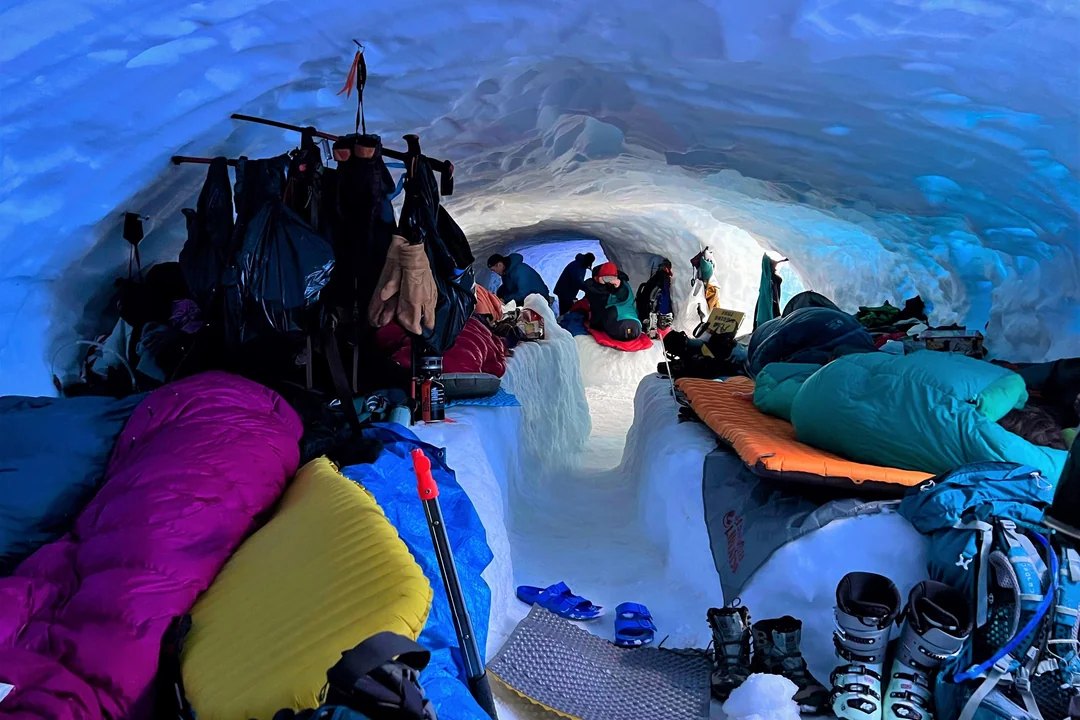
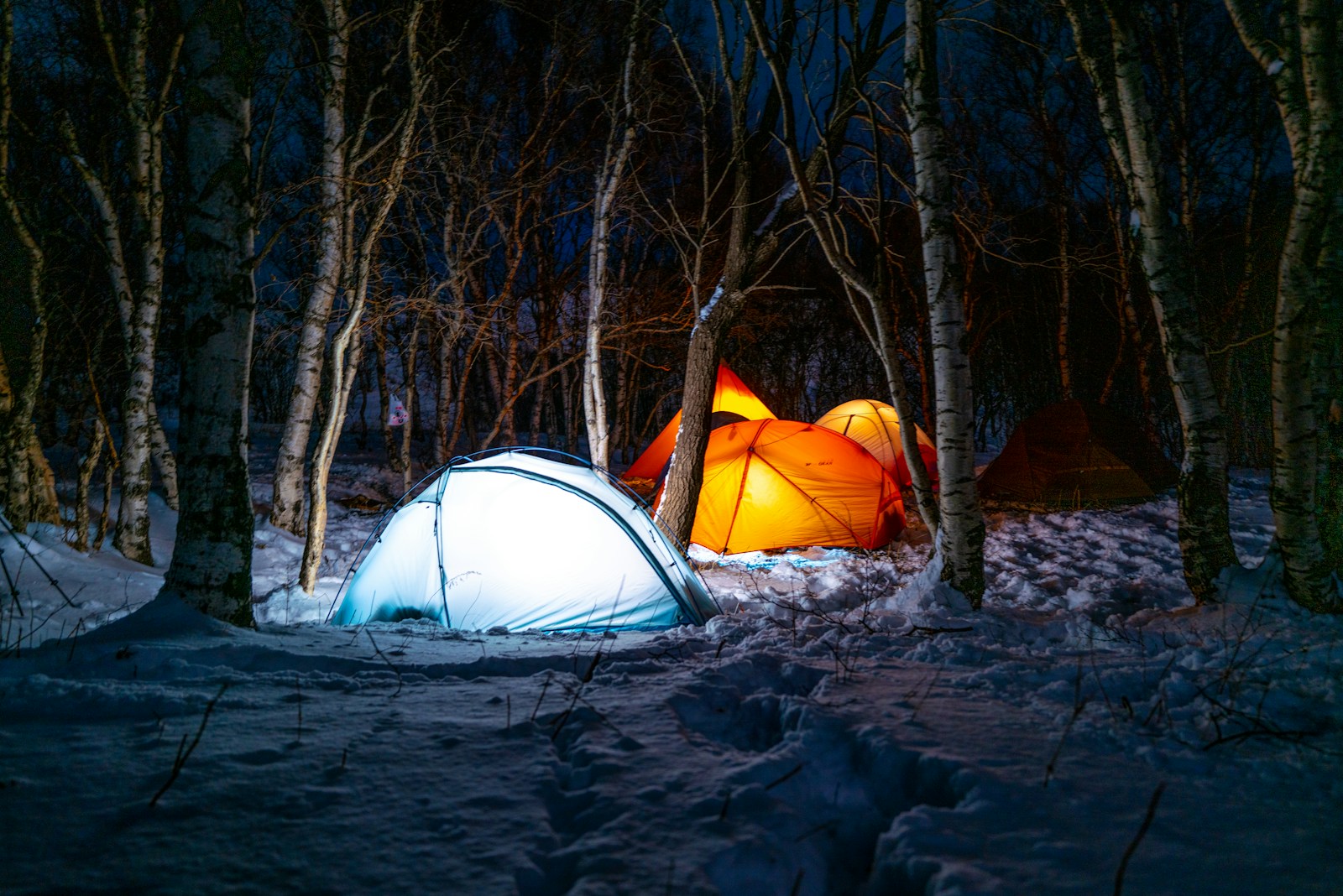
Choosing a shelter site is often easier in winter because the landscape becomes more readable without thick foliage hiding hazards. Slopes, wind exposure, and natural windbreaks are easier to assess when trees are bare, and ground contours are visible. Snow highlights low spots where cold air settles, helping bushcrafters avoid frost pockets. Frozen ground also supports heavier structures without sinking or shifting, making shelter placement more stable. Winter conditions reduce the presence of biting insects and crawling pests that complicate summer campsite selection. Wind patterns become more consistent, allowing better alignment of shelters for warmth and protection. These factors help streamline decision-making when establishing a secure and comfortable camp.
Food Preservation
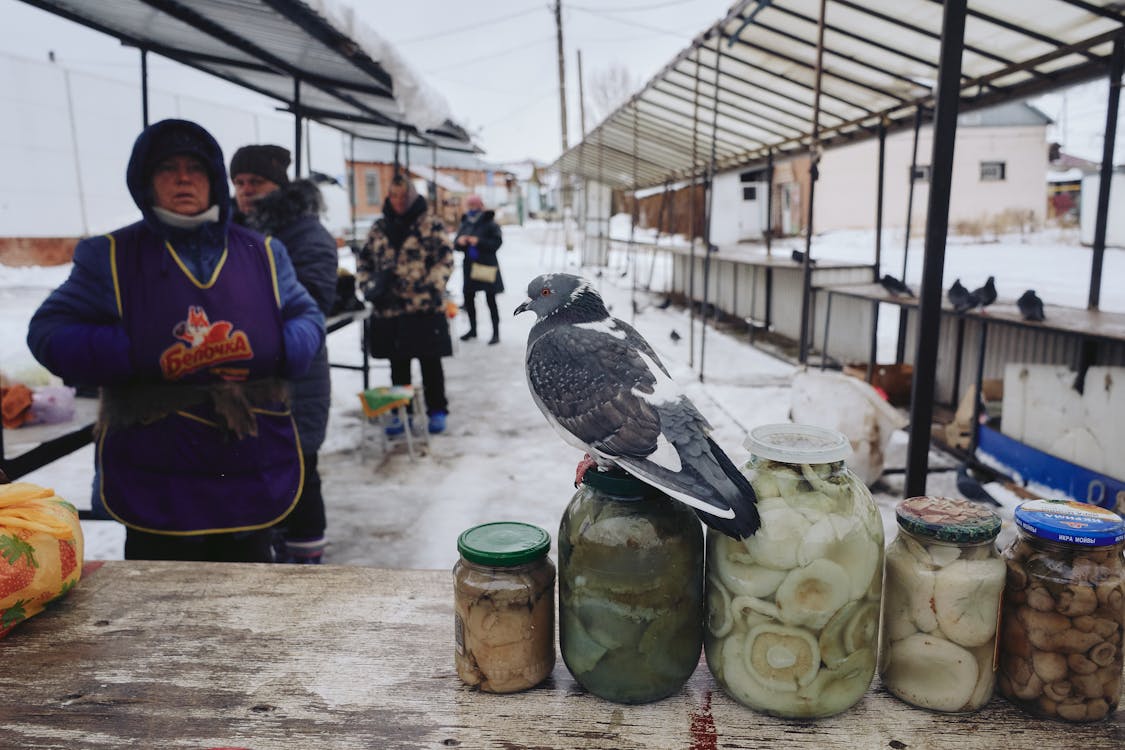
Food preservation becomes more manageable in winter due to naturally low temperatures that slow spoilage. Meat, fish, and foraged items last longer when stored properly in cold conditions, reducing urgency and waste. Snow and frozen ground act as natural refrigeration, allowing bushcrafters to cache food safely away from direct sunlight. Cold air limits bacterial growth and discourages insects that quickly contaminate food during warmer months. Traditional techniques such as freezing, cold smoking, or drying benefit from stable winter temperatures. Compared to summer preservation, which requires constant vigilance against heat and humidity, winter offers a forgiving environment that supports longer storage with less intervention.
Navigation and Terrain Reading
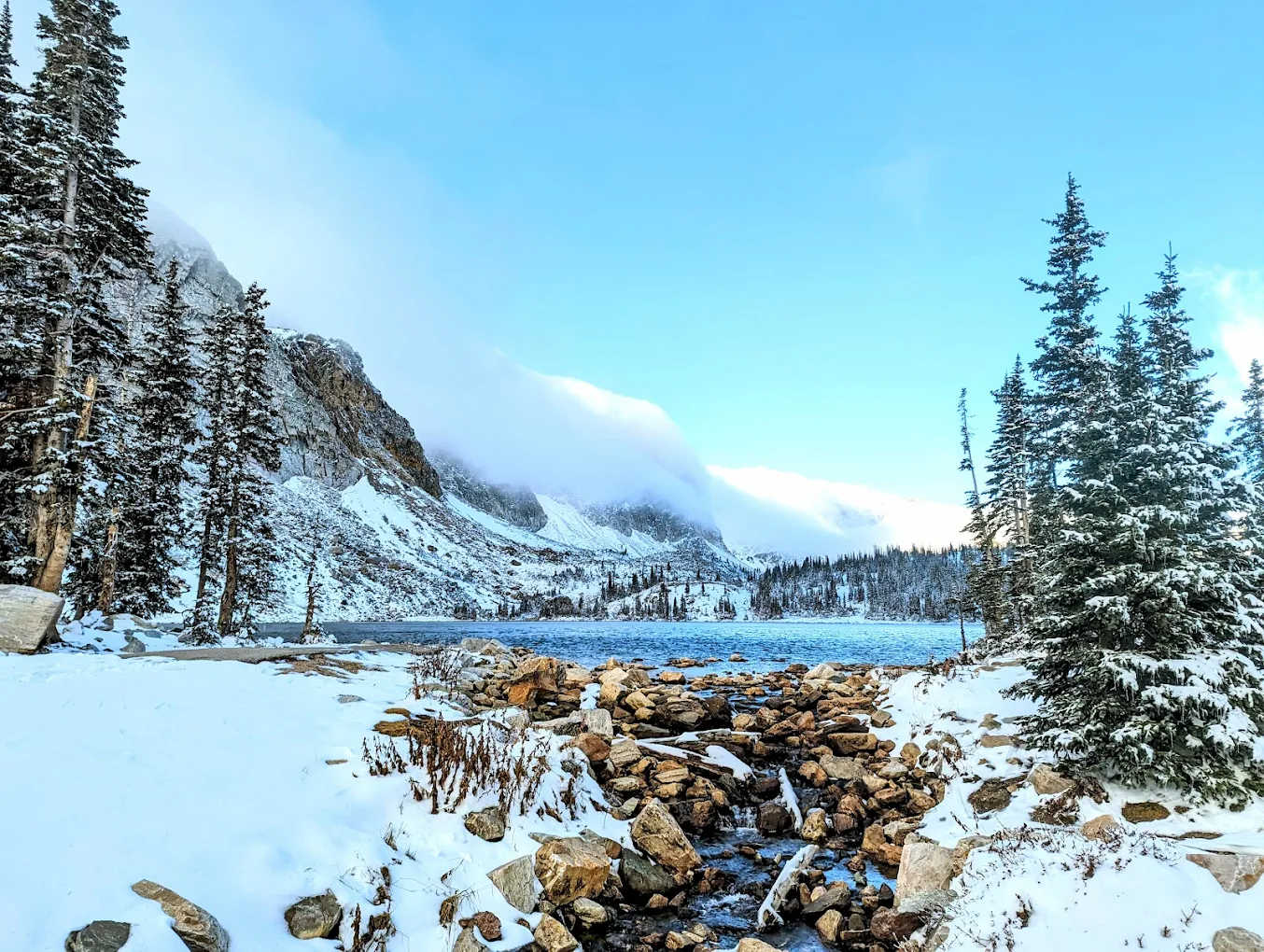
Winter simplifies navigation by stripping the landscape of visual clutter and revealing terrain features that guide movement. Hills, valleys, ridgelines, and drainages stand out clearly against snow, making map reading and terrain association more intuitive. Trails and travel corridors become easier to follow when footprints remain visible, and vegetation no longer blocks sightlines. Frozen wetlands and shallow waterways may offer safe crossings that are impassable in summer. Winter sunlight angles also create stronger shadows that emphasize elevation changes. These conditions help bushcrafters move confidently across unfamiliar areas. Summer navigation often involves detours around dense growth, while winter travel favors direct, efficient routes.
Tool Maintenance and Durability
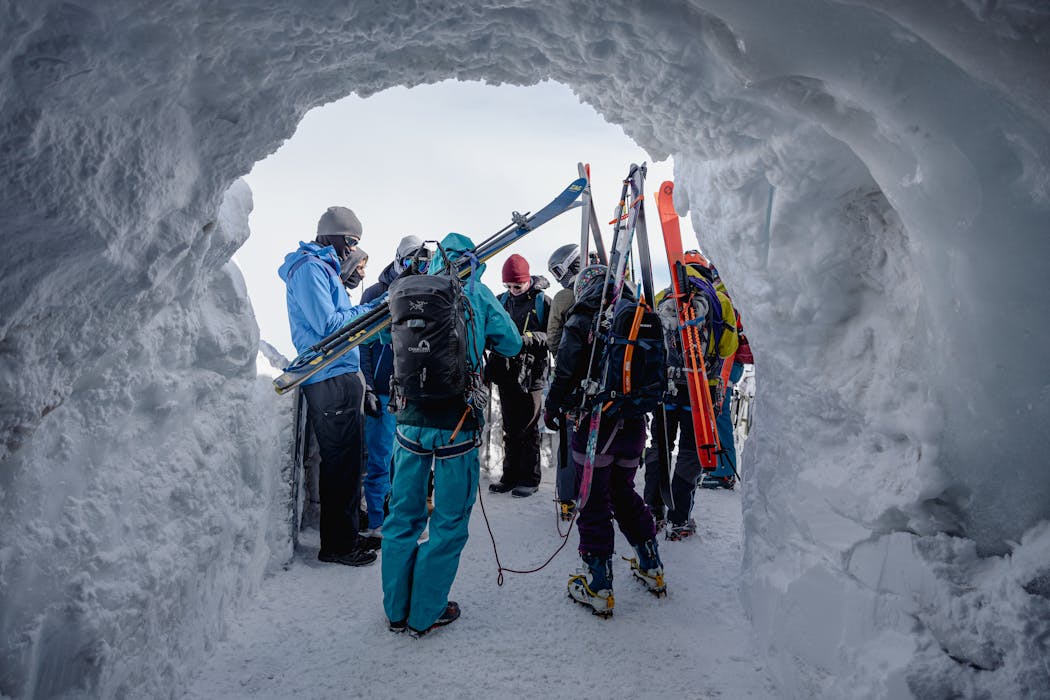
Tool maintenance becomes easier in winter because cold, dry air reduces rust and corrosion compared to humid summer environments. Metal tools stay cleaner without constant exposure to moisture, sap, and plant residue. Handles remain less slippery due to reduced sweat and humidity, improving grip and control. Snow provides a clean surface for sharpening and inspection without dirt contamination. Cold temperatures also discourage insects from nesting in gear or storage areas. Bushcrafters find that tools hold their edge longer when not subjected to abrasive sand or grit common in summer terrain. These advantages help extend tool lifespan while reducing maintenance demands during extended outings.
Camp Hygiene
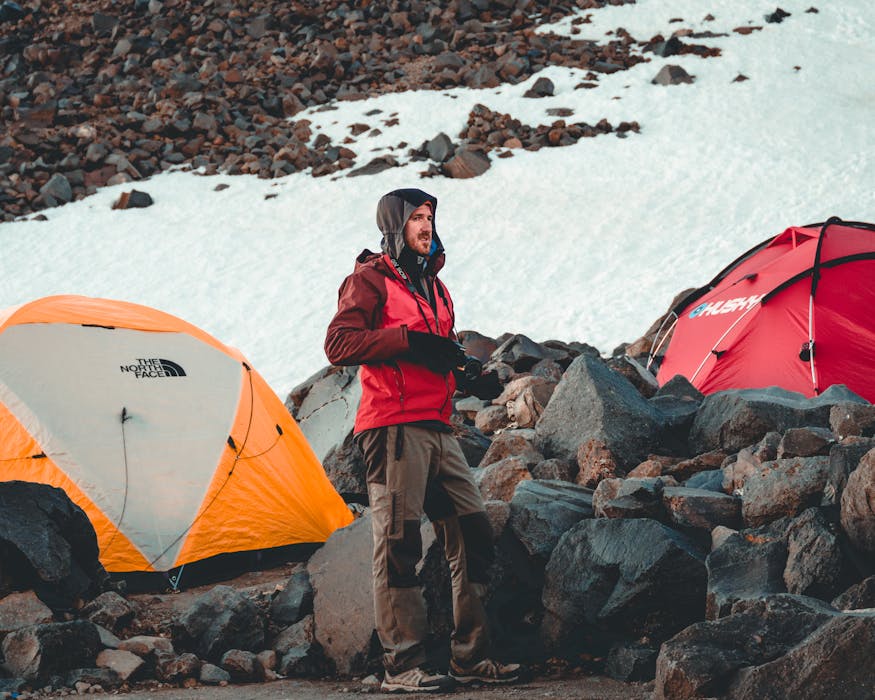
Maintaining camp hygiene often improves in winter due to reduced bacterial activity and fewer insects. Waste odors dissipate more slowly in cold air, making campsites easier to manage discreetly. Frozen ground slows decomposition, helping contain waste until proper disposal. Cold conditions discourage flies, mosquitoes, and rodents that spread contamination in summer camps. Snow can be used as a temporary cleaning medium for cookware and tools before final sanitization. Clothing dries more predictably in cold, dry air compared to humid summer environments. These factors help bushcrafters maintain cleaner camps with less effort, supporting overall health during longer winter stays.
Energy Management
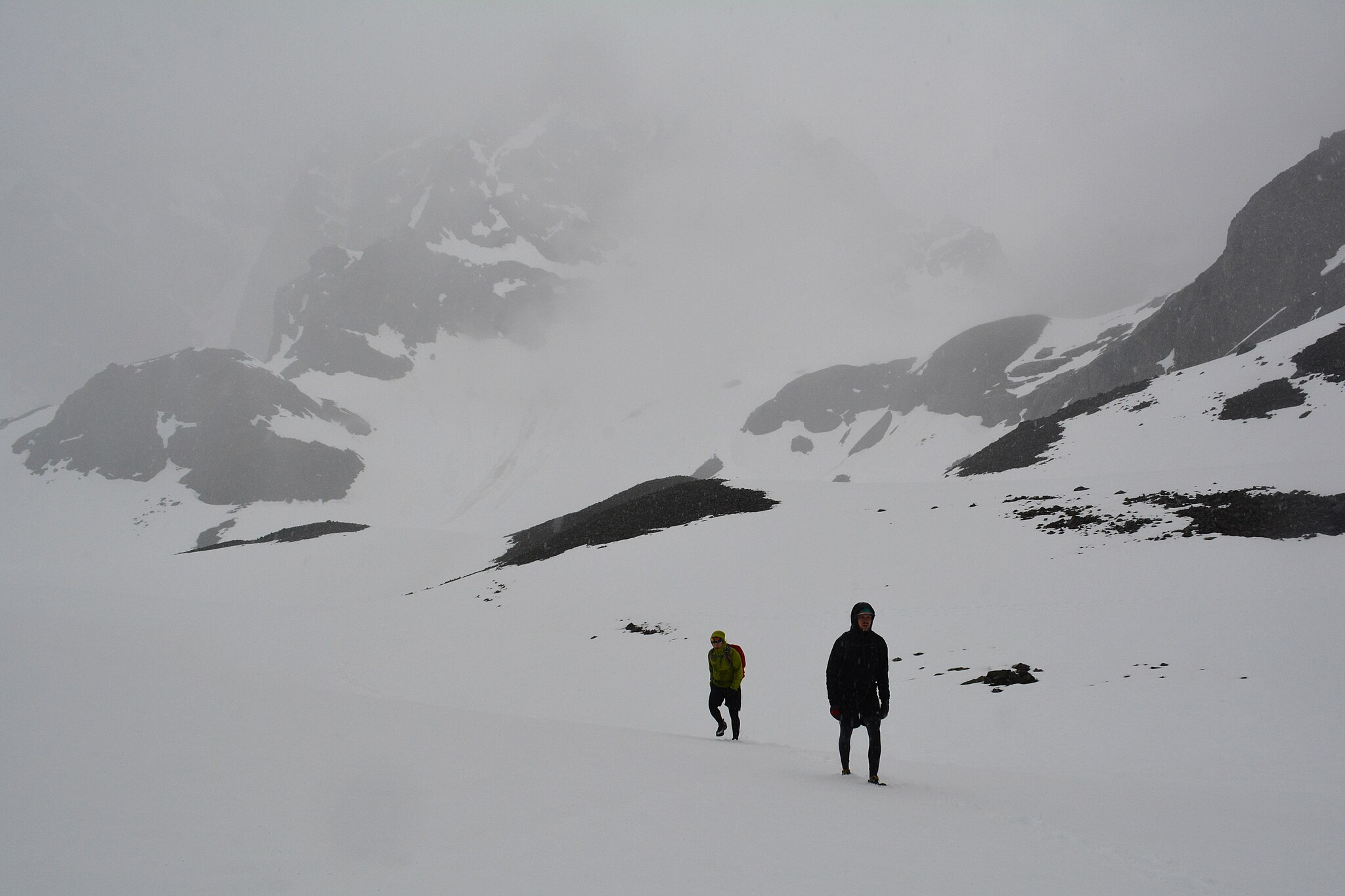
Energy management becomes more efficient in winter because cooler temperatures reduce dehydration and heat-related fatigue. The body expends energy steadily rather than battling overheating, allowing for more consistent work output. Tasks such as chopping wood or hauling gear feel more controlled without intense sun exposure. Cold air improves endurance by reducing cardiovascular strain caused by heat stress. Bushcrafters often find they can work longer before exhaustion sets in, provided proper nutrition and insulation are maintained. Snow-covered terrain can also reduce friction when hauling loads using sleds or improvised drags. Compared to summer, winter supports a more balanced pace that conserves energy across essential survival tasks.