Conservation history is filled with tragic losses but also features 8 wildlife comebacks no one expected to see again. Scientists often declare a species extinct only to discover small populations surviving against all odds in remote areas. These rediscovery stories provide a glimmer of hope for biodiversity in a rapidly changing world. Nature possesses an incredible ability to heal and recover when human interference stops or protection efforts begin. Witnessing a creature return from the void inspires researchers to keep looking for other lost animals. This list celebrates the resilience of life found across the globe today.
Coelacanth
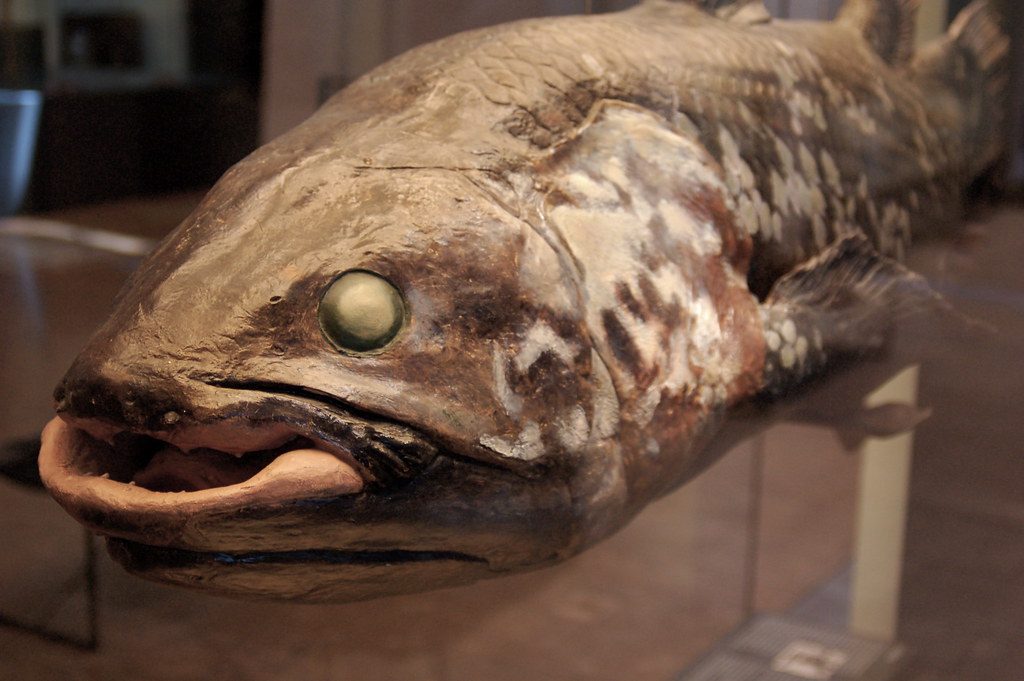
The prehistoric coelacanth shocked the scientific community when a living specimen appeared in a South African fishing net. Paleontologists believed this lobe-finned fish had vanished alongside the dinosaurs sixty-five million years ago. Its discovery in nineteen thirty-eight forced a complete rewrite of textbooks regarding aquatic evolution. The fish inhabits deep underwater caves and possesses unique limb-like fins that hint at the transition to land animals. Finding such a large and distinct creature alive proved that the ocean still hides many deep secrets. It remains the ultimate example of a Lazarus taxon in modern biology.
Black-Footed Ferret
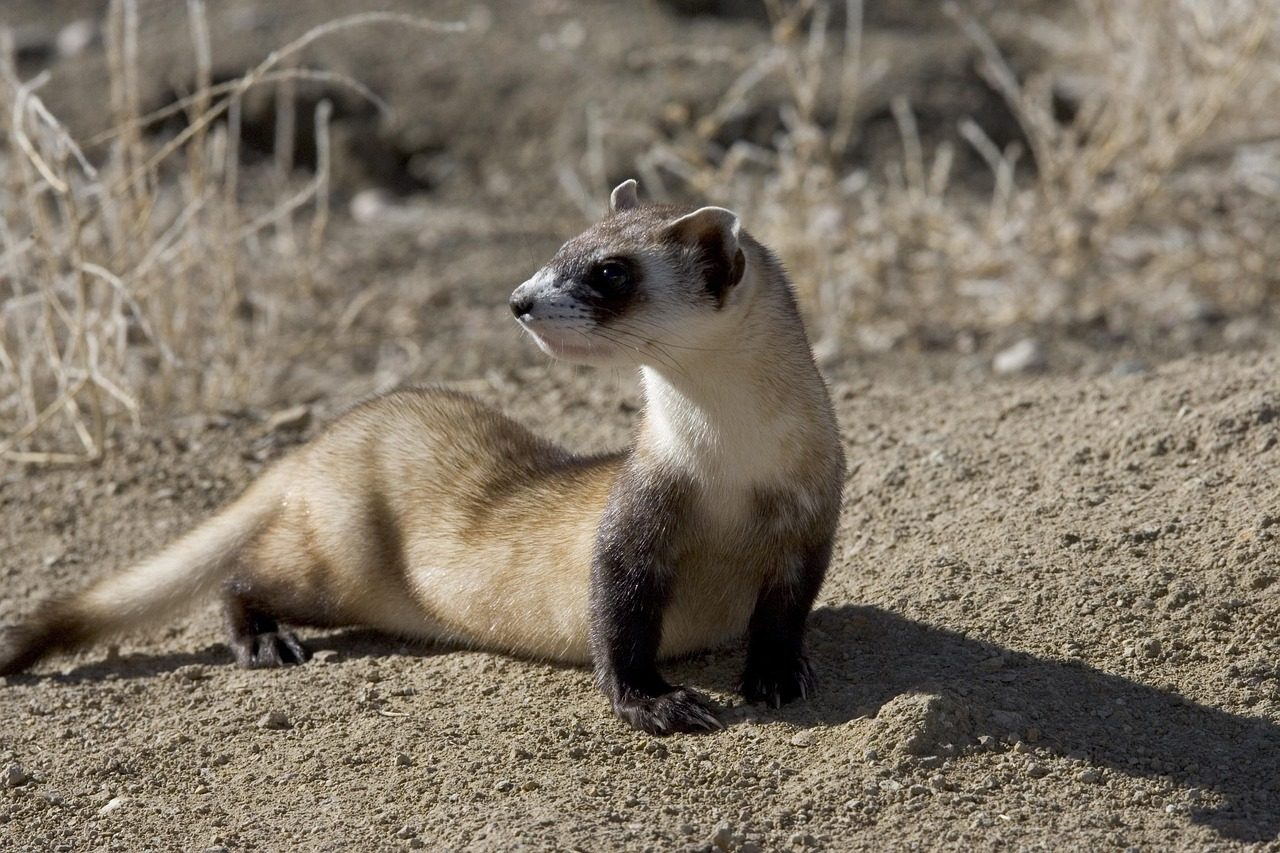
North America nearly lost the black-footed ferret forever until a ranch dog brought a dead one home. Biologists had declared the species extinct in the wild before this lucky event occurred in nineteen eighty-one. A small colony was subsequently discovered in Meeteetse, Wyoming, which sparked a massive captive breeding effort. Disease and the decline of prairie dogs continue to threaten their full recovery in the wild today. However, the return of these masked weasels to the Great Plains is a major conservation victory. They now hunt across several western states thanks to human intervention.
Lord Howe Island Stick Insect
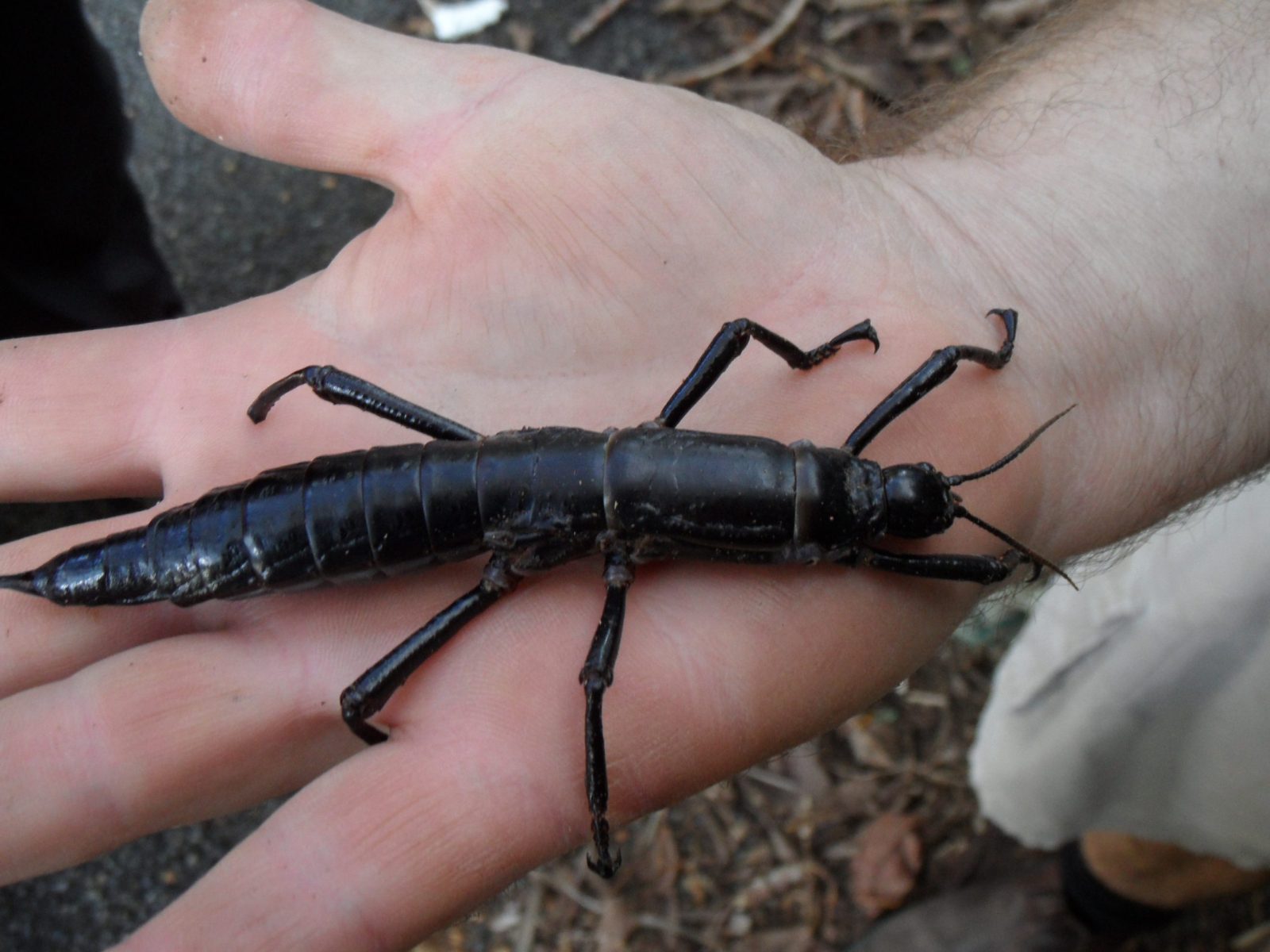
The Lord Howe Island stick insect was presumed extinct after rats invaded its island home in nineteen eighteen. Scientists believed the large flightless insect was gone until climbers found a small population on a remote sea stack. Ball’s Pyramid is a jagged rock formation that hosted the last few survivors under a single bush. Zoologists collected a breeding pair to establish a secure population at the Melbourne Zoo. This giant bug is often called a tree lobster because of its size and hard exoskeleton. Its survival on a barren rock is nothing short of a miracle.
Takahe
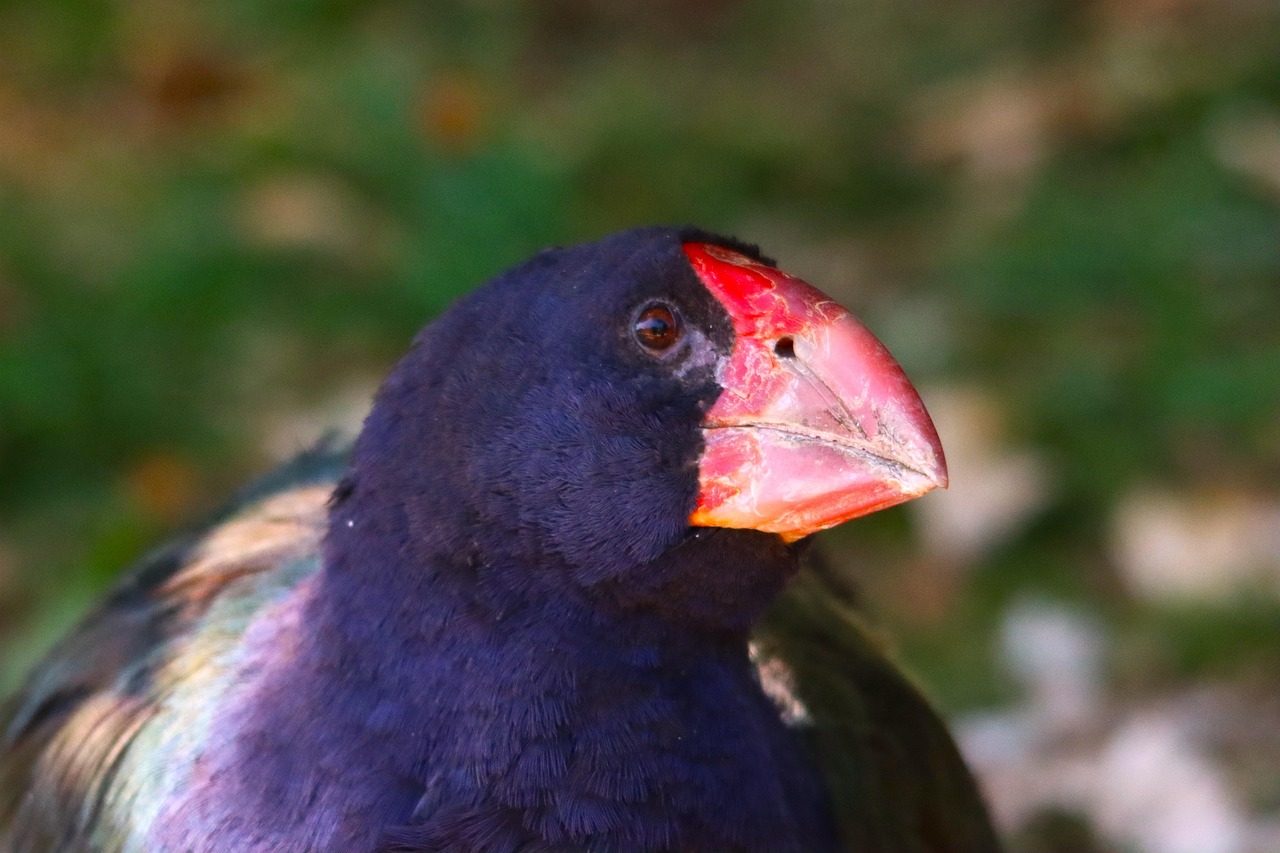
New Zealand is famous for its flightless birds, and the takahe is a standout survival story. Ornithologists considered this large blue rail extinct for fifty years before its rediscovery in nineteen forty eight. A dedicated doctor named Geoffrey Orbell tracked the bird to a remote valley in the Murchison Mountains. The species had retreated to this harsh alpine environment to escape introduced predators and human expansion. Conservationists now manage the population carefully on predator-free sanctuary islands to ensure its future. Seeing this colorful bird walk through the tussock grass is a privilege once thought impossible.
Bermuda Petrel
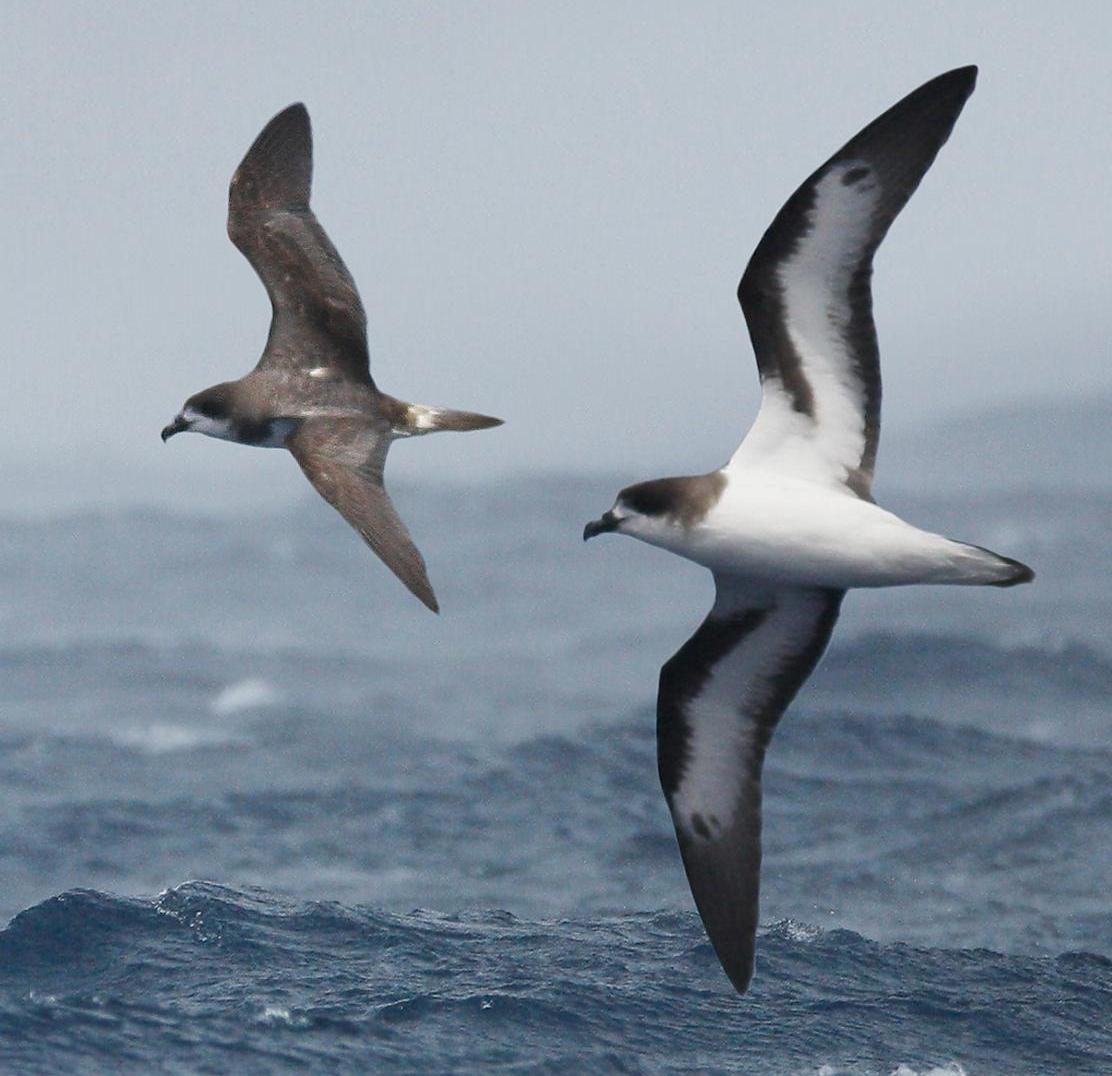
The Bermuda petrel or cahow was thought to have been wiped out by early settlers over three centuries ago. This nocturnal seabird vanished from records until a small nesting pair was found on rocky islets in nineteen fifty-one. Conservationists worked tirelessly to build concrete burrows and remove invasive predators to help the population grow. The birds spend most of their lives at sea and only return to land to breed at night. Their recovery from a handful of pairs to a stable colony is legendary. It demonstrates that long-lost species can sometimes be found again.
Giant Tortoise of Fernandina
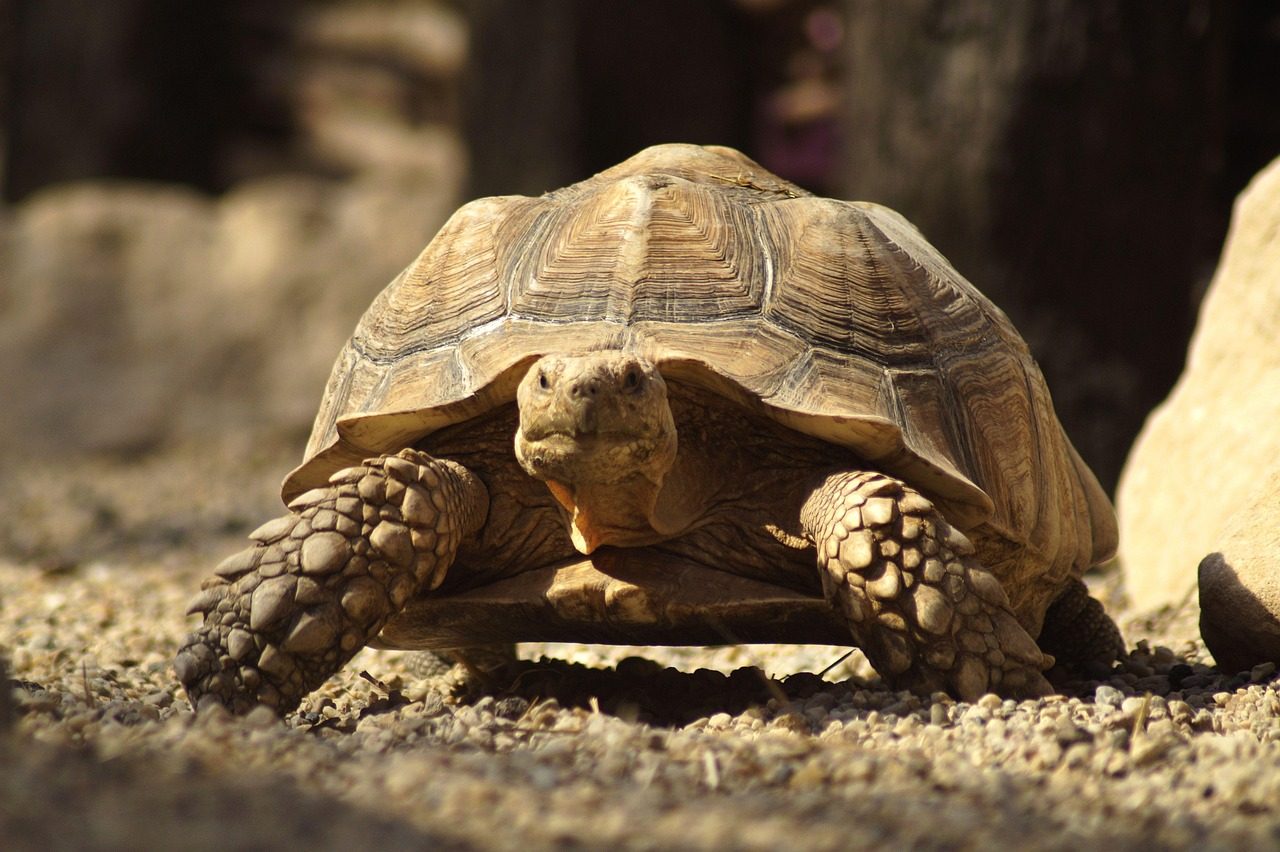
A lone female giant tortoise was discovered on Fernandina Island in the Galapagos archipelago in two thousand nineteen. Scientists had not seen a live member of this specific subspecies for more than one hundred years. Genetic testing confirmed that she is indeed a purebred Fernandina giant tortoise and not a hybrid. The island is dominated by an active volcano, which makes the terrain difficult and dangerous to explore. Finding her alive has renewed hope that other solitary males might exist nearby. Expeditions are currently planning to return to the lava fields to find her a mate.
Pygmy Tarsier
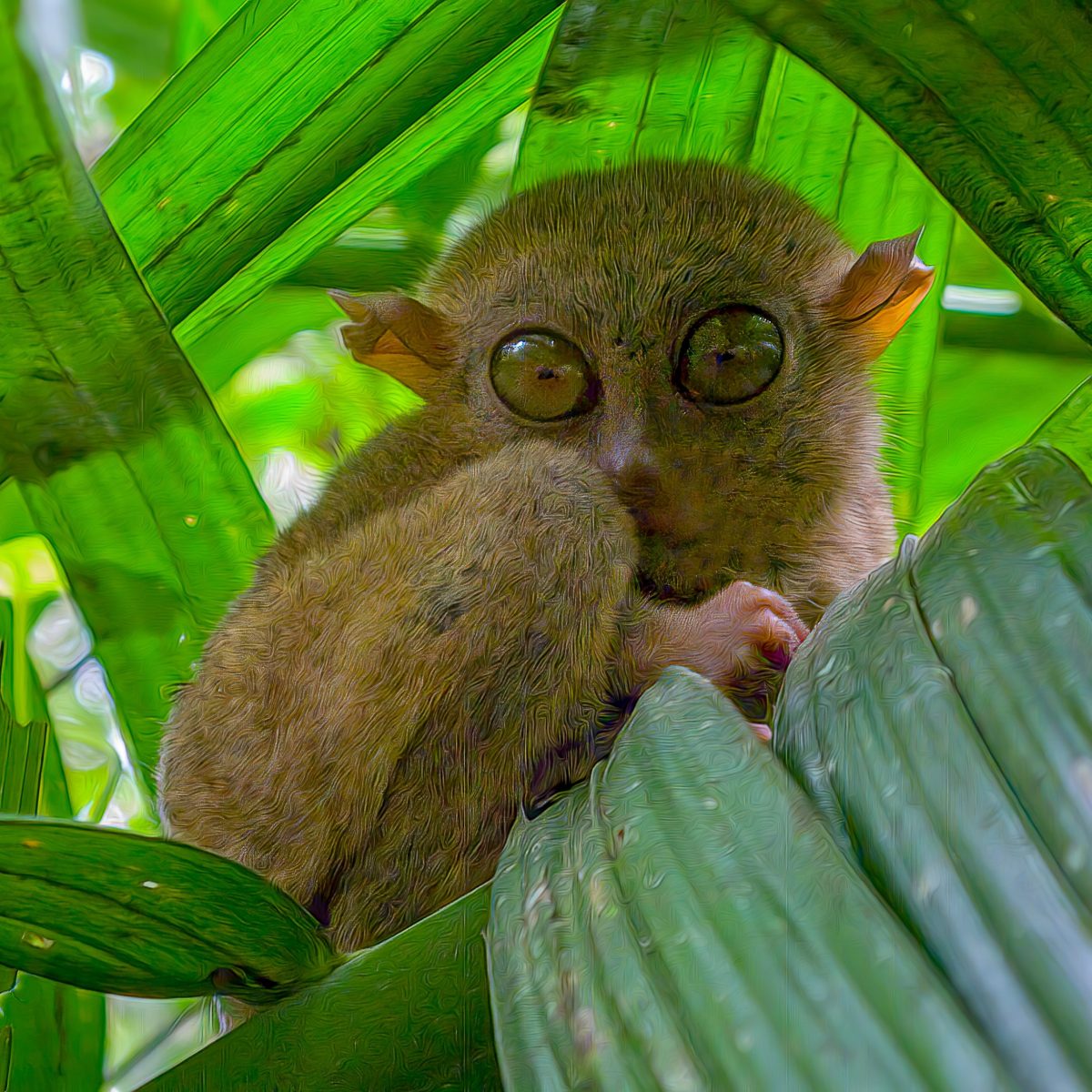
The pygmy tarsier is a tiny primate that was believed to be extinct for over eighty years. Scientists rediscovered the gremlin-like creature in the cloud forests of Sulawesi, Indonesia, in two thousand and eight. These nocturnal animals are smaller than a human fist and possess massive eyes for hunting insects. They were thought to have been wiped out by logging and habitat destruction in the region. Their high-pitched calls helped researchers locate them in the dense vegetation during night surveys. Protecting their mossy mountain home is now critical for their continued survival in the wild.
Voeltzkow’s Chameleon
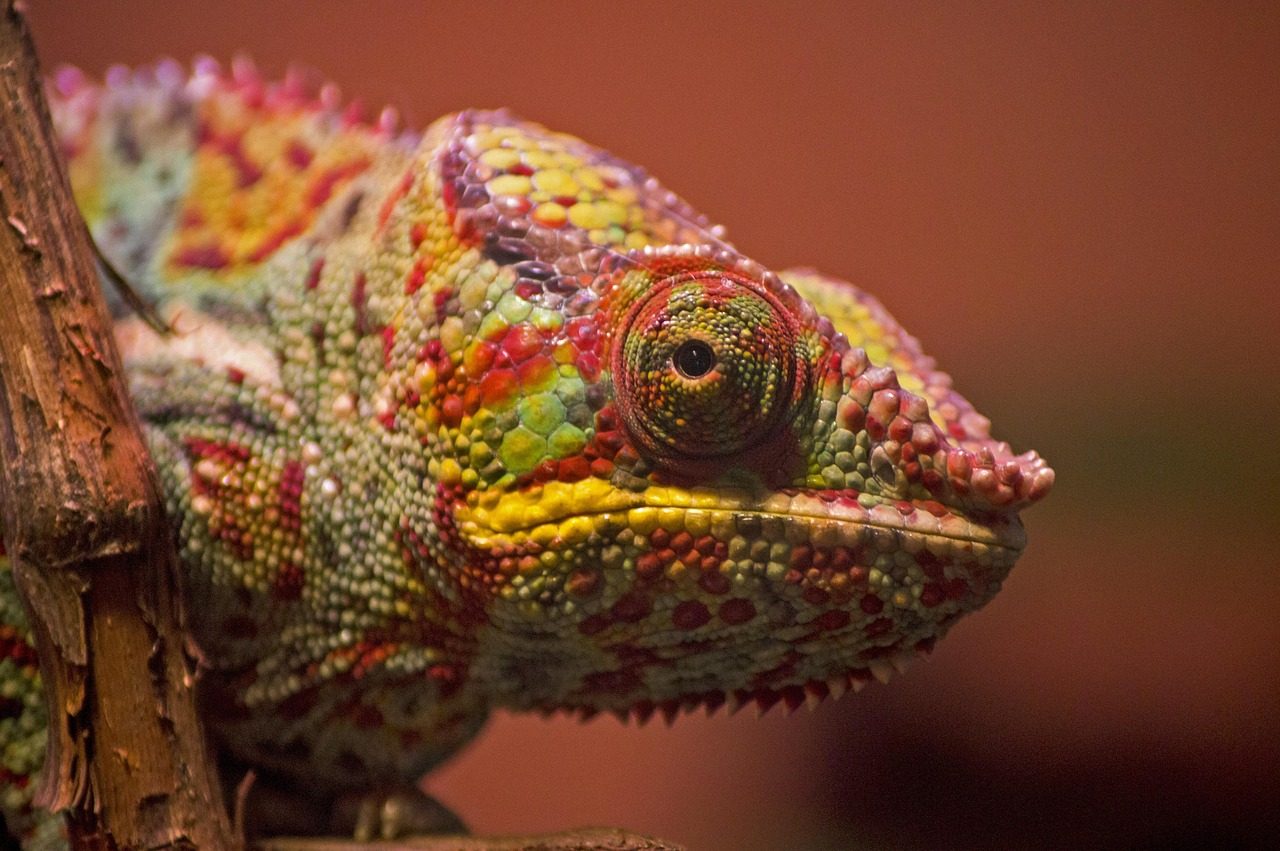
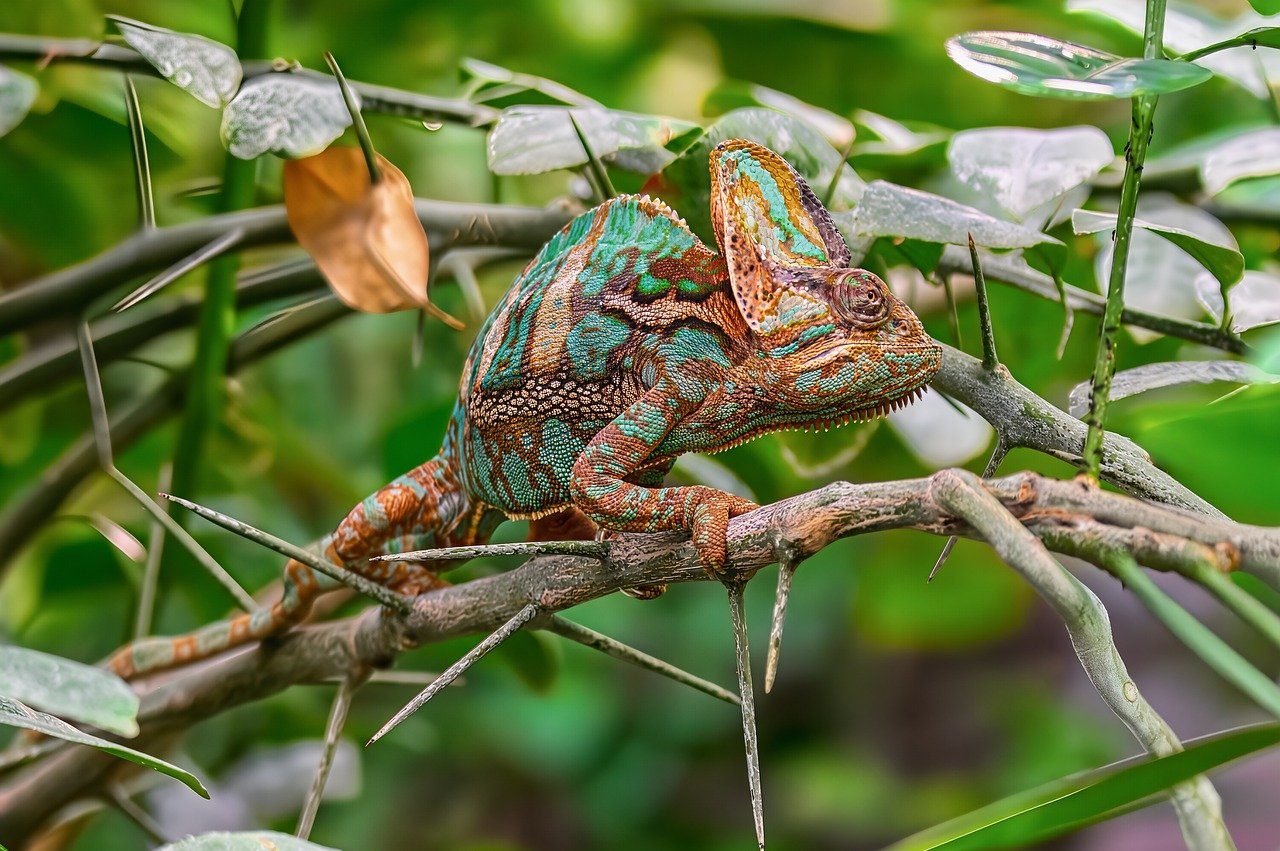
Voeltzkow’s chameleon evaded detection in Madagascar for over a century before being spotted again in two thousand twenty. This elusive reptile has a short life span and lives only during the rainy season. Geneticists confirmed the identity of the colorful lizards found in a hotel garden of all places. Females display striking purple and orange patterns when stressed or pregnant, which aids in identification. The species was previously known only from old museum specimens collected in nineteen thirteen. Its ability to hide in plain sight highlights how much remains unknown about the biodiversity of the island.