Long before digital fire maps, infrared scans, or satellite alerts, California’s oldest forest rangers depended on their senses and decades of observation to predict wildfire risk. Their knowledge came from walking the same trails year after year, learning how the forest behaves under stress, and noticing tiny signals that many people overlook. These traditional techniques remain surprisingly accurate and are still used by veteran rangers today to spot early warning signs long before flames appear.
1. Reading the Sharp Snap of Dry Grass
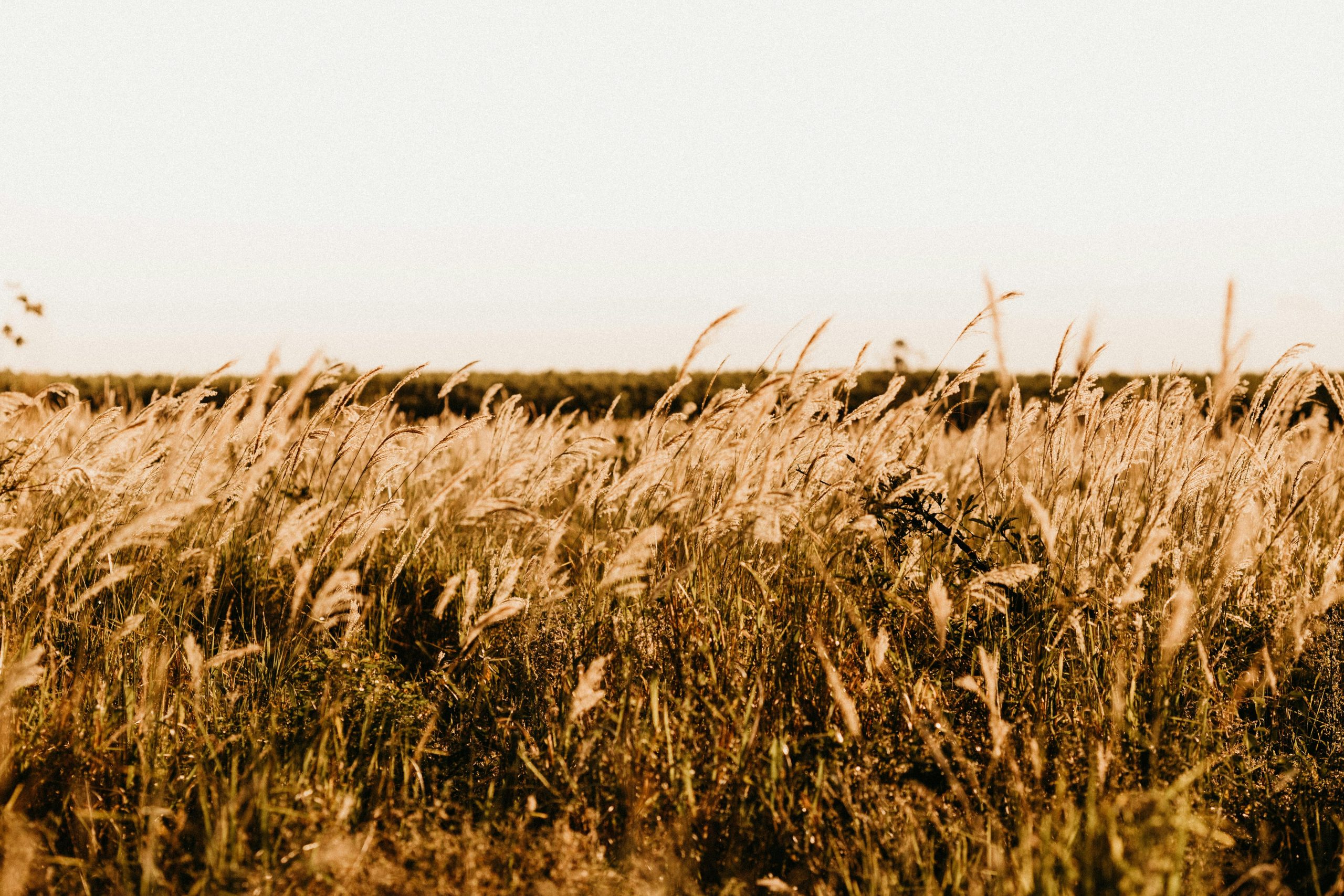
Old rangers often judge fire danger simply by how dry the grass feels and sounds underfoot. When blades snap loudly instead of folding, it signals that moisture levels are critically low and even a small spark could ignite a fast-moving fire. They also pay attention to how easily stems crumble, since brittle plant fibers mean fuels are cured and ready to burn. This simple test, repeated throughout the day, helps rangers sense how quickly conditions are shifting across the forest.
2. Watching Dust Whirls in Canyon Wind Pockets
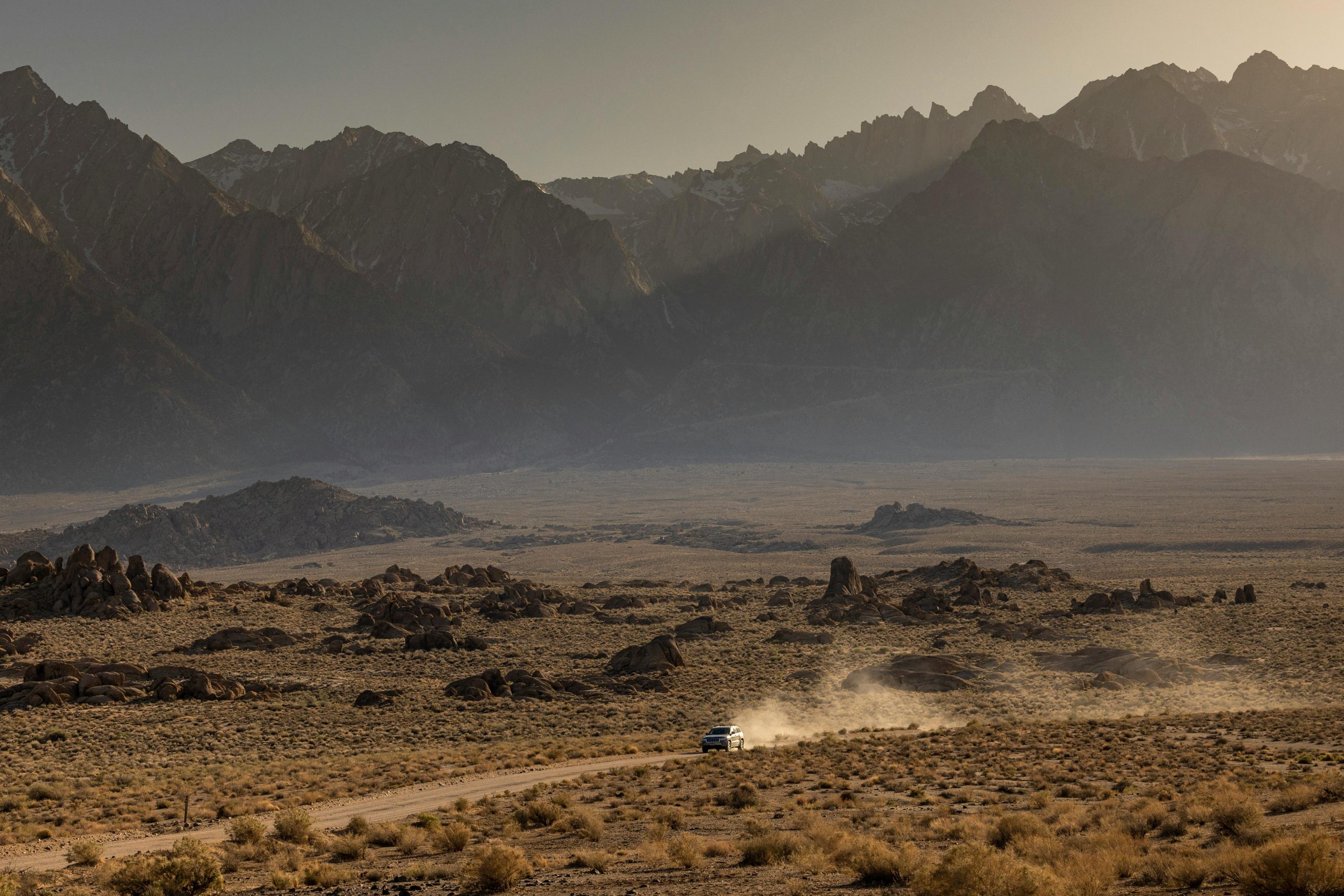
Canyons funnel air in unpredictable ways, and rangers learned that tiny spinning dust columns often appear before wildfire conditions intensify. These whirls form when warm, unstable air rises sharply, pulling loose soil upward in tight spirals. When rangers see more of these sudden swirls than usual, especially in normally calm passages, it suggests heat and pressure changes that favor fast fire spread. This observation helps them judge whether conditions are tipping toward a dangerous wind pattern.
3. Feeling Delayed Cooling at Dusk
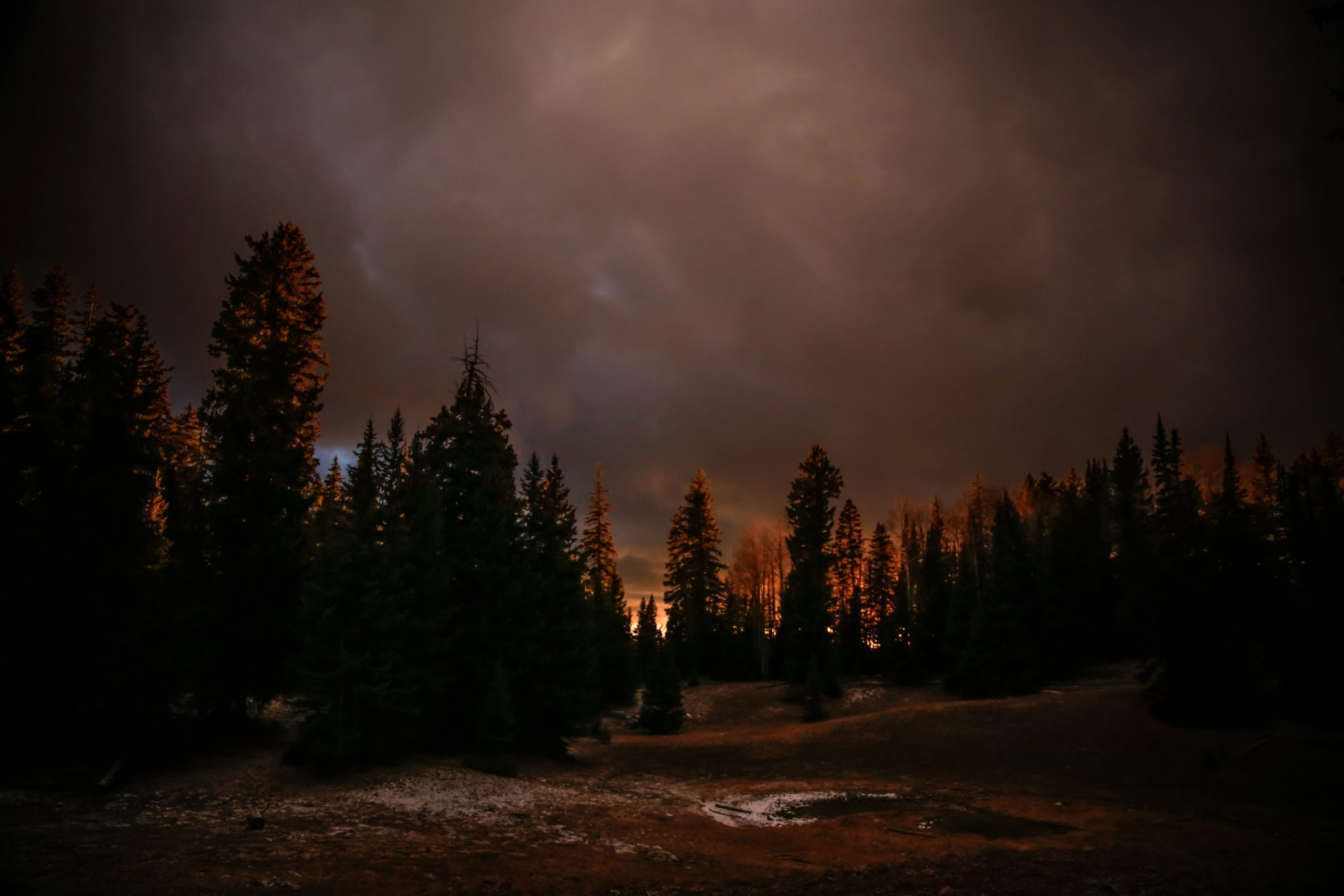
Rangers often check how quickly temperatures fall once the sun sets. On high-risk days, the forest doesn’t cool the way it normally does, leaving the air strangely warm well into the evening. This delayed cooling signals that the land is holding heat, drying out fuels far more aggressively than usual. When dusk feels “hotter than it should,” rangers know the environment is primed for ignition. Paired with low humidity, this lingering heat often means fire conditions could worsen overnight.
4. Interpreting the Behavior of Distant Smoke Columns
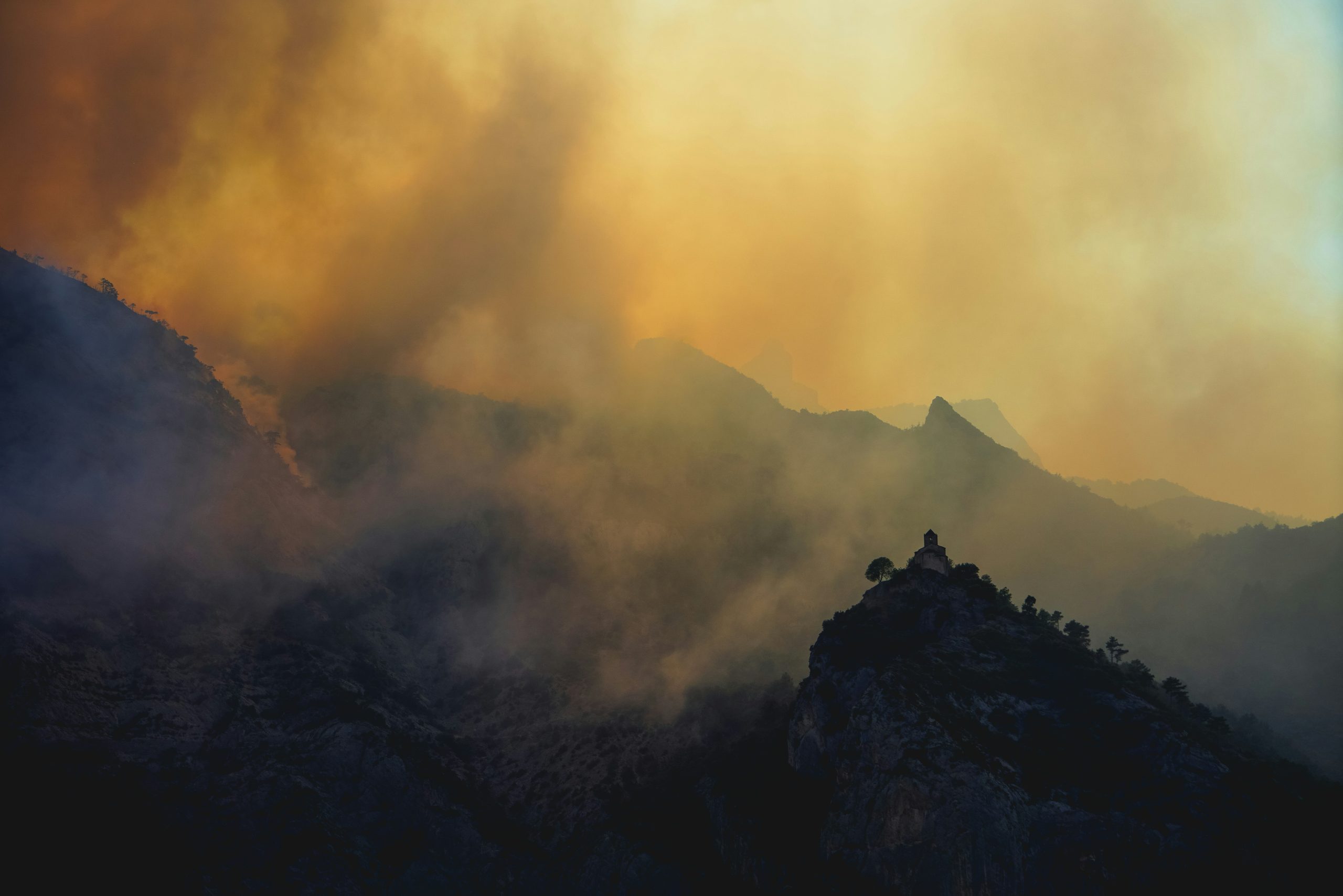
Even small columns of smoke can reveal how fire-prone the landscape is. Rangers study how thin smoke rises from campfires, prescribed burns, or distant ranch activity. When smoke bends sharply, spreads faster than expected, or climbs in tall, unnaturally straight pillars, it signals strong updrafts and dry air. These patterns show how a wildfire could behave if it starts nearby. By watching these subtle shifts, rangers gain a real-time sense of wind strength, humidity levels, and overall fuel readiness.
5. Observing Birds Abandoning High Ridges

Birds often behave differently when atmospheric pressure shifts, and rangers rely on their instincts as an early warning system. When scrub jays, ravens, or vultures suddenly leave ridge tops or fly lower than usual, it suggests unstable weather patterns tied to wildfire risk. Birds often sense changes faster than people, reacting to dry gusts or downdrafts long before fire conditions peak. Their quick retreat from exposed areas alerts rangers that heat, wind, or dryness may soon intensify across the forest.
6. Smelling Strong Resin From Stressed Pine Trees
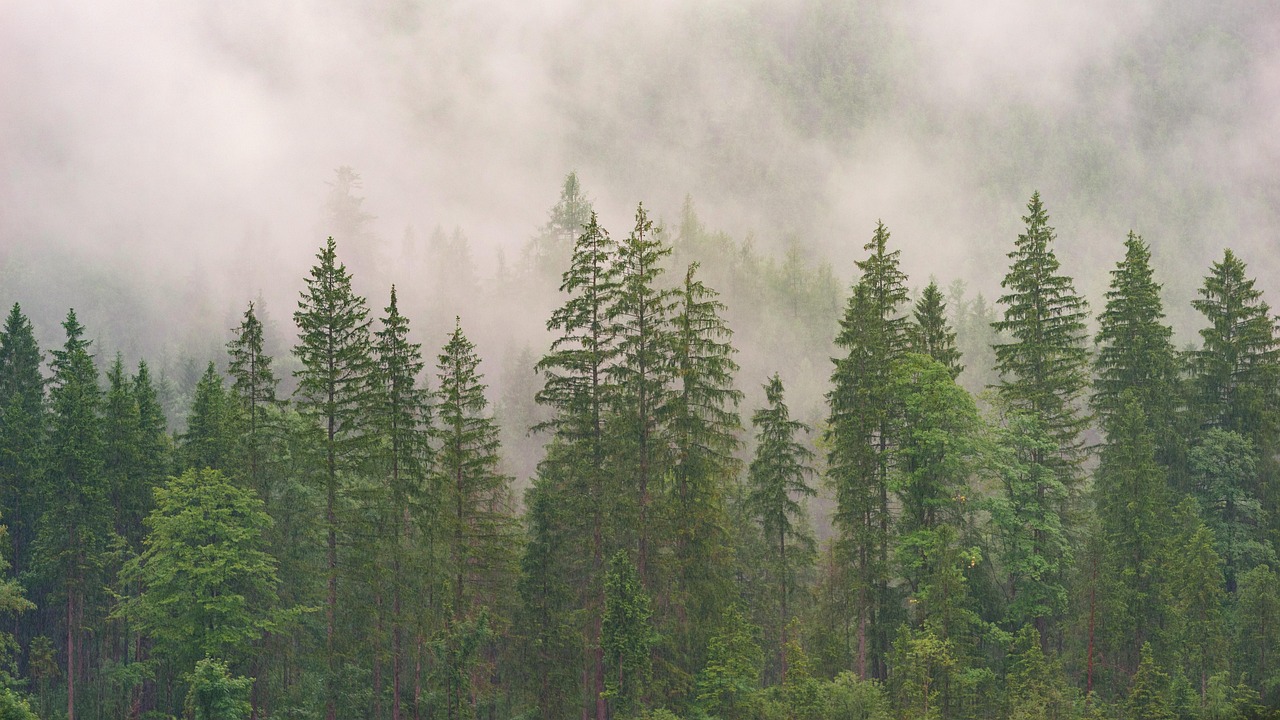
Pine and fir trees release a sharper, sweeter odor when they’re under drought stress. Rangers know this scent well, and when the forest air grows thick with resin, it means sap is rising closer to the bark surface as trees fight dehydration. This change signals extremely low moisture levels in both live and dead fuels. When resin becomes noticeably strong along trails or ridges, rangers take it as a clear indicator that conditions are edging toward a potentially dangerous ignition window.
7. Noticing Sudden Stillness in the Forest Air
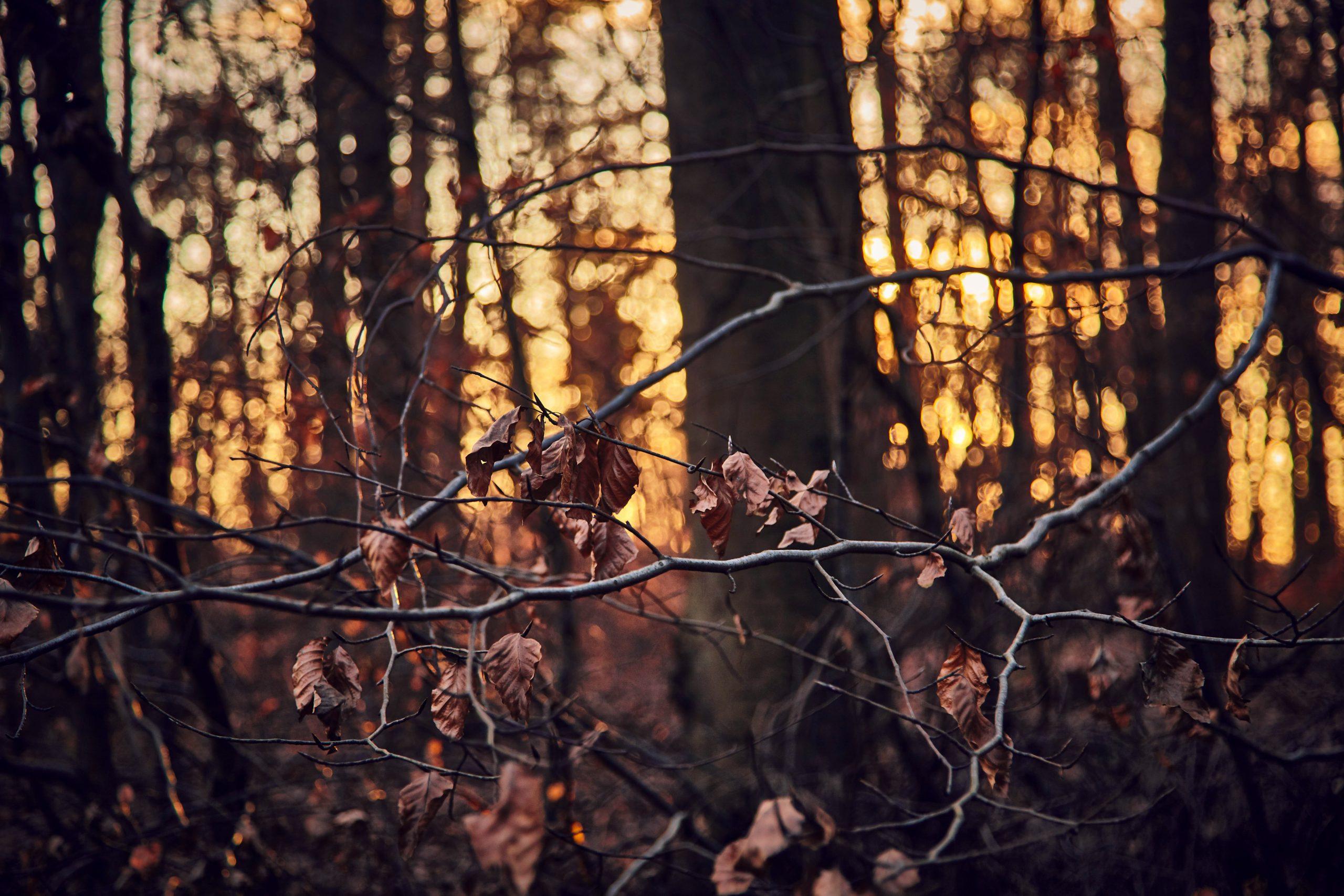
Veteran rangers often describe a strange atmospheric calm that settles over the forest before high-risk fire conditions set in. The wind drops off, insects grow quiet, and the air feels heavy, almost tense. This stillness forms when warm air rises rapidly while cooler air stops moving at ground level, creating a momentary pause in natural activity. Rangers recognize this eerie quiet as a sign that the environment is unstable, meaning even a small spark could spread faster than normal.
8. Studying Color Shifts Across Distant Hillsides
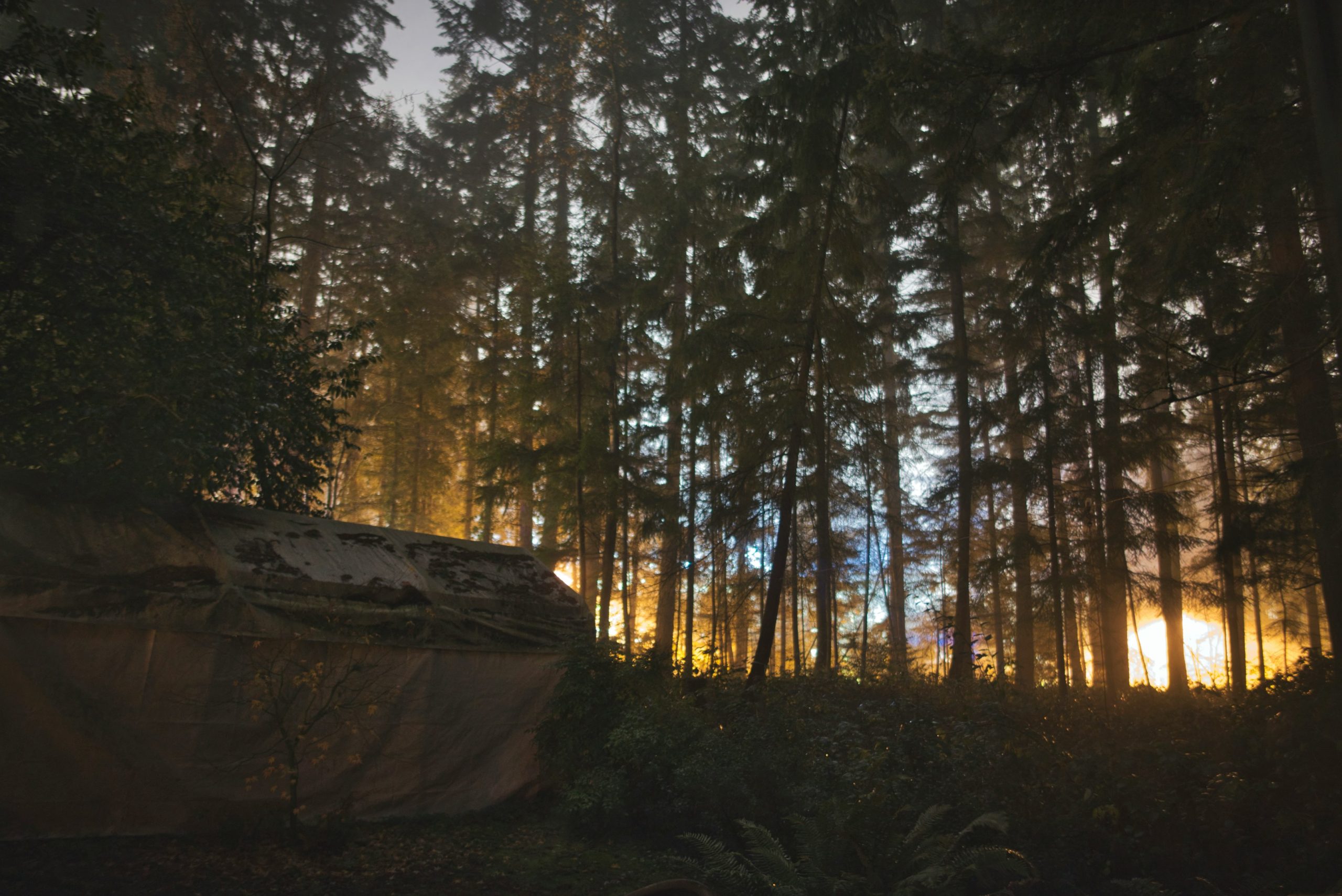
Rangers can often assess fire danger simply by scanning hillside color from miles away. When bright greens fade into washed-out yellow or chaparral turns a pale, dusty gray, it indicates fuels drying to dangerous levels. Sunbaked slopes lose their natural sheen, and vegetation looks thinner or patchy. These visual cues help rangers determine where the driest, most volatile areas are located without walking every trail. It’s a quick, reliable way to map potential ignition zones across a wide landscape.