Wild foraging appeals to many outdoor enthusiasts, yet mistakes involving look alike plants remain a leading cause of wilderness poisoning. Numerous toxic species closely resemble edible greens, berries, and roots, creating dangerous confusion even for experienced hikers. Environmental conditions, seasonal changes, and regional variation further complicate identification. Reliable plant recognition depends on careful observation rather than taste testing or assumptions. This article outlines eight practical methods used by botanists and survival educators to distinguish poisonous plants that appear edible. Each approach emphasizes visual clues, growth patterns, and contextual awareness that support safer decisions while respecting the complexity of natural ecosystems.
Examine Leaf Structure Carefully
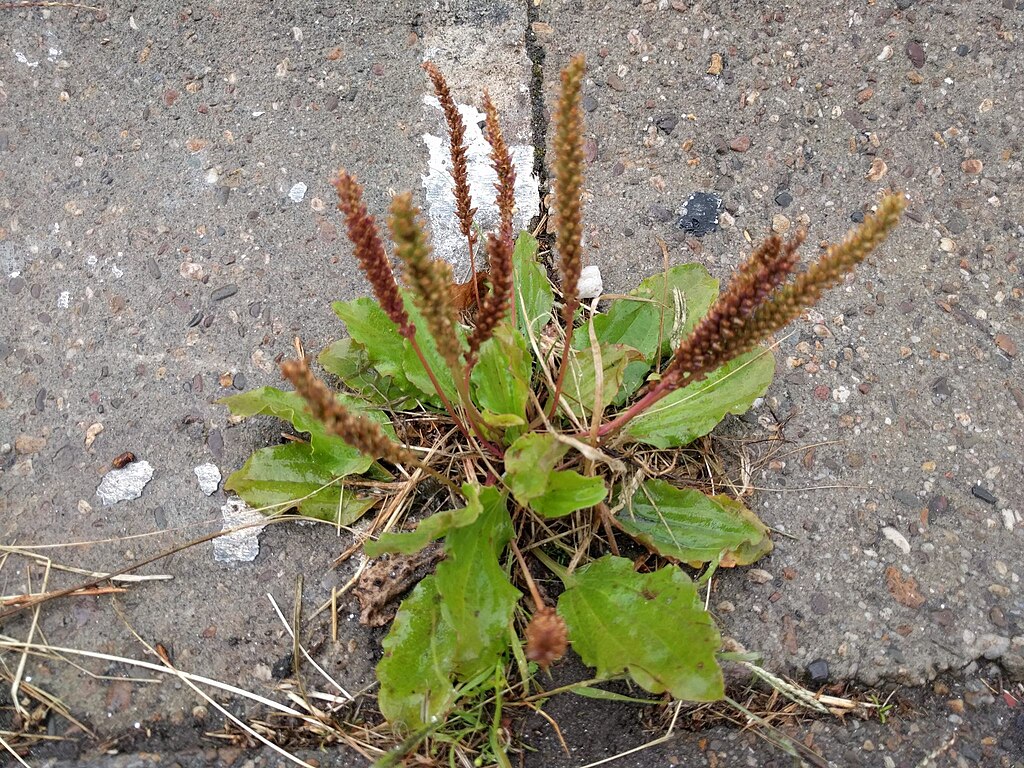
Leaf structure offers critical identification clues when plants appear edible. Poisonous species often share general shapes with safe plants but differ in margins, veins, or surface texture. Smooth versus serrated edges, symmetrical versus irregular veins, and glossy versus matte finishes matter greatly. Botanists recommend examining multiple leaves on the same plant, since variation can mislead. Touch should remain cautious, as some toxins absorb through skin. Consistent leaf characteristics across stems usually indicate true identity. Relying on leaf detail rather than overall resemblance reduces misidentification risk during foraging in unfamiliar habitats and changing seasonal conditions worldwide.
Observe the Surrounding Habitat

Growth environment provides strong warnings when evaluating edible lookalikes. Many toxic plants prefer disturbed soils, shaded wetlands, or stream edges where edible counterparts rarely dominate. Soil moisture, elevation, and sun exposure influence species distribution. Field guides stress observing surrounding vegetation rather than isolated specimens. Poisonous plants often grow in clusters or specific ecological niches. Understanding habitat preferences narrows identification errors significantly. When a plant appears out of place compared to known edible environments, caution is warranted. Contextual habitat awareness remains a cornerstone of safe wild plant identification practices across diverse regions and seasons globally outdoors.
Study Flower Characteristics
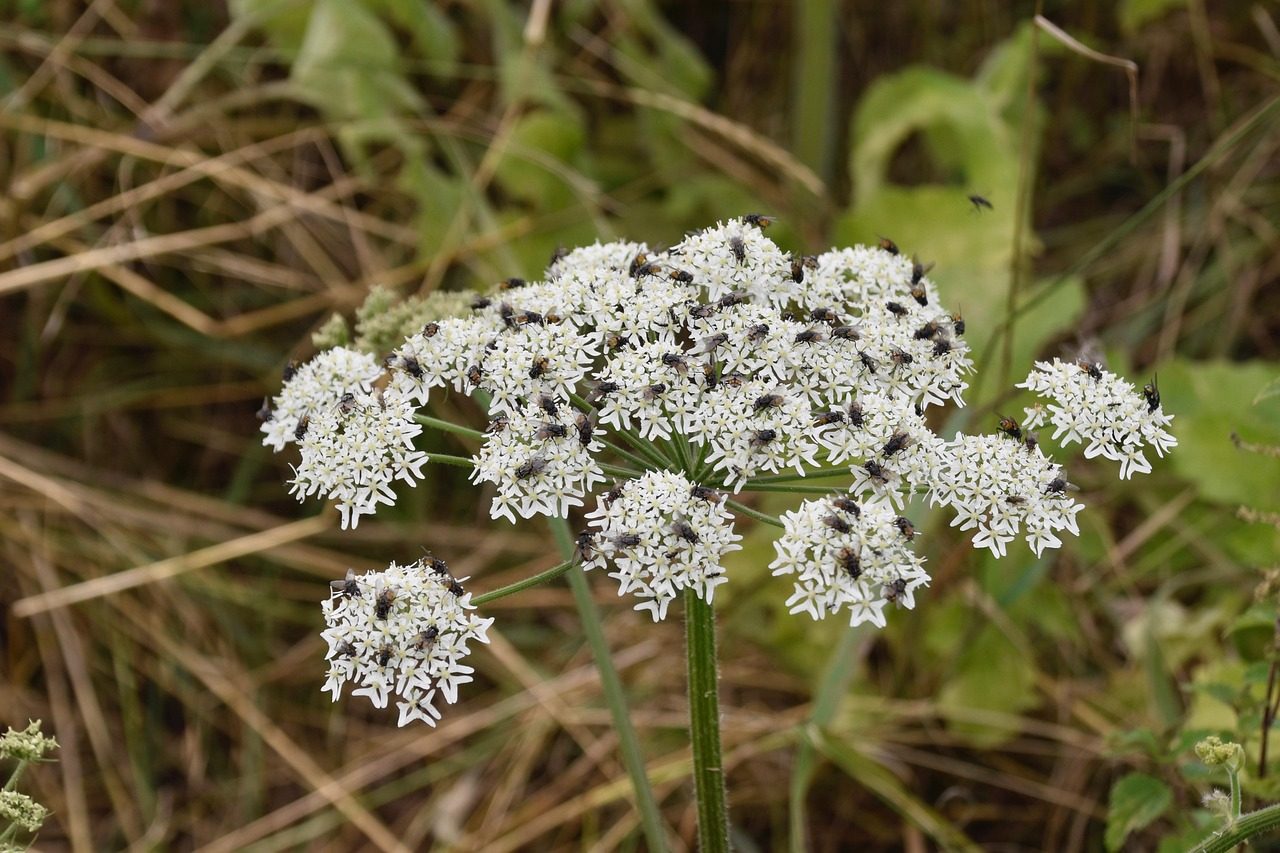
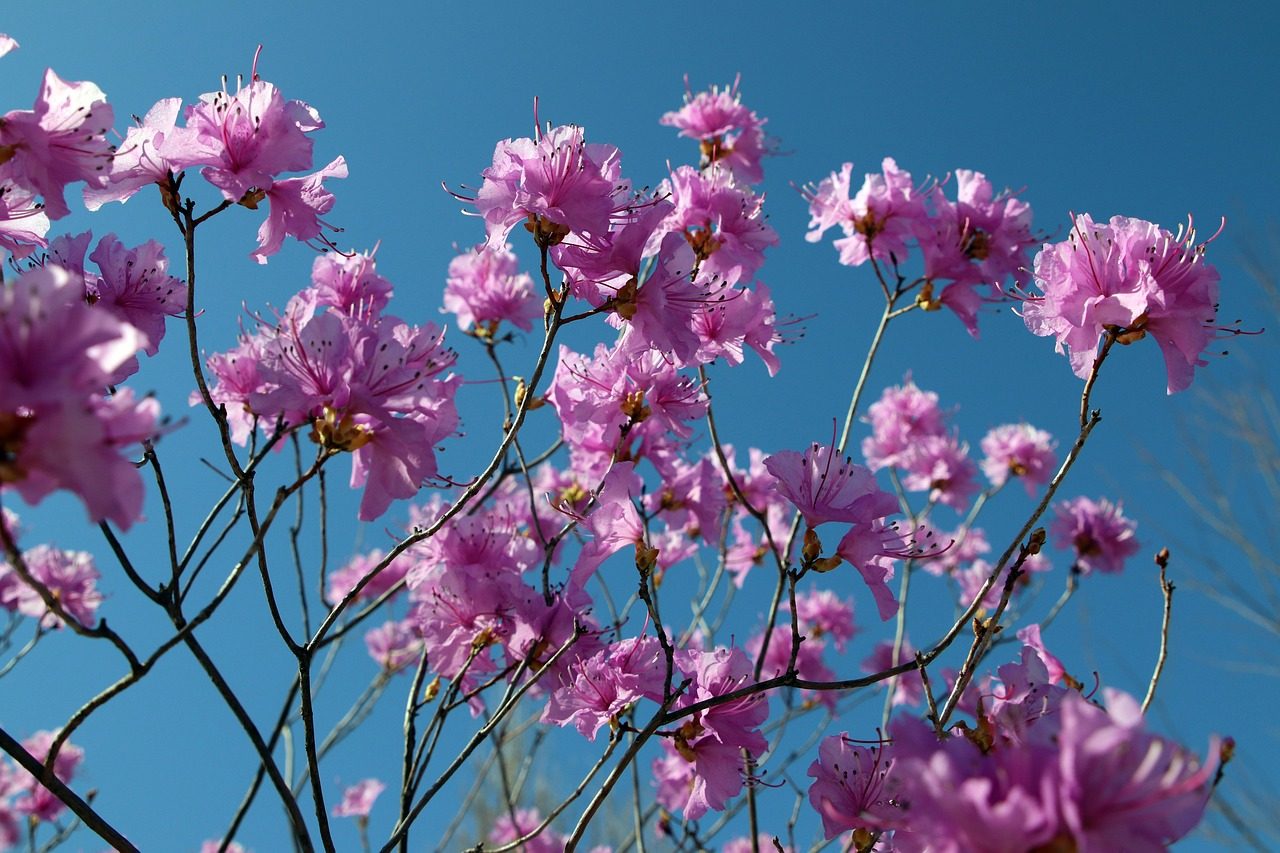
Flower characteristics often reveal toxicity hidden beneath familiar leaves. Color, symmetry, petal count, and arrangement differ subtly between edible plants and dangerous mimics. Umbrella shaped clusters, tubular blooms, or unusual color patterns frequently signal caution. Many poisonous species display flowers designed to attract specific pollinators rather than general foraging. Botanists emphasize observing flowers before fruiting occurs, since berries may appear later and confuse identification. Seasonality matters because flowering windows vary. Careful examination of floral structure adds a critical verification step when assessing plant safety in the wild during foraging activities across varied ecosystems worldwide annually.
Evaluate Fruit and Berry Details

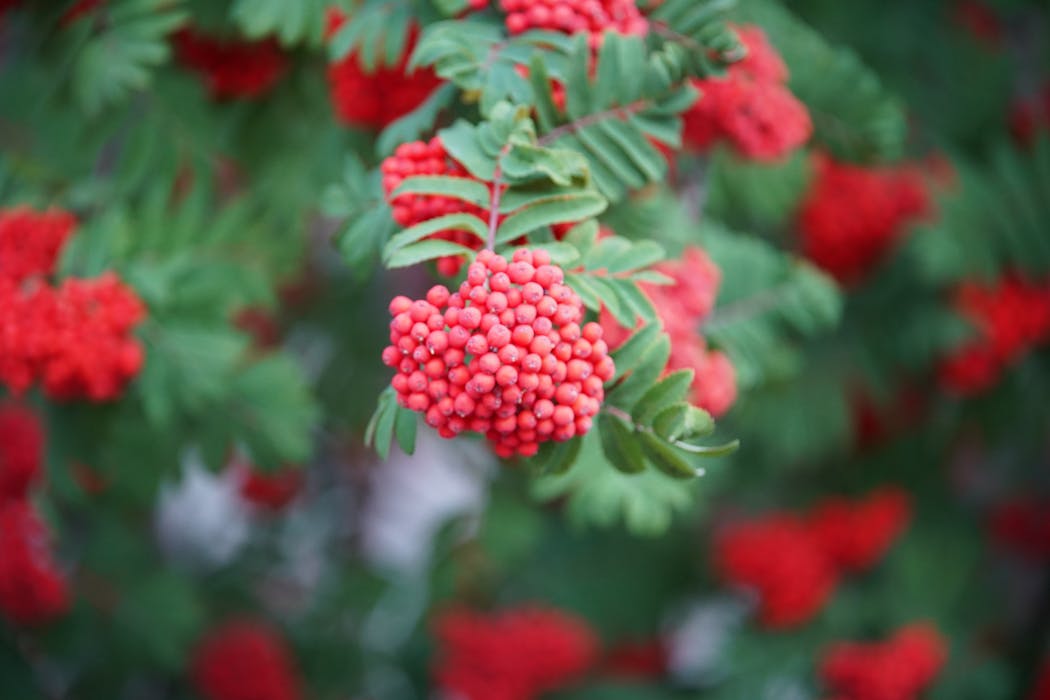
Fruit appearance frequently misleads foragers because many toxic berries resemble edible varieties. Bright colors do not reliably indicate safety, nor does animal consumption guarantee edibility for humans. Poisonous berries may cluster tightly, attach directly to stems, or contain single large seeds instead of multiple small ones. Skin sheen and juice color also provide clues. Survival educators warn against tasting tests, which are ineffective and dangerous. Studying fruit attachment, internal structure, and growth timing helps differentiate safe species. Visual similarity alone remains an unreliable guide in berry identification across forests, deserts, and grasslands worldwide annually contexts.
Check Stems and Sap
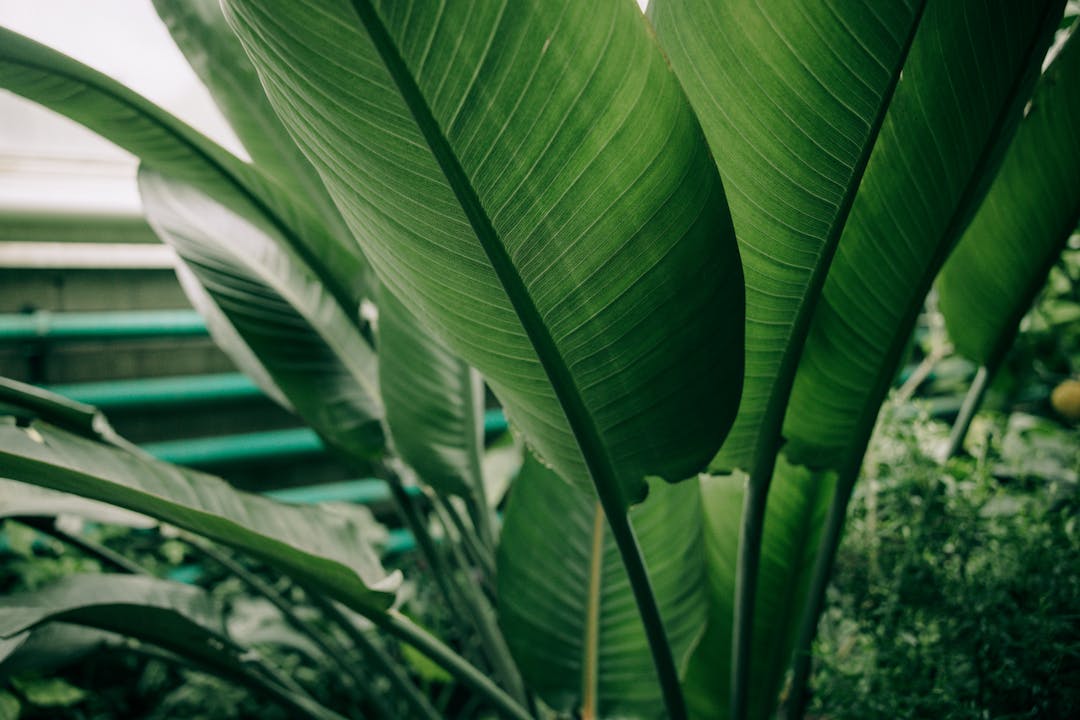
Stem and sap traits offer additional identification safeguards. Hollow stems, spotted surfaces, or unusual coloration often distinguish toxic plants from edible counterparts. Milky or colored sap commonly indicates chemical defenses, though exceptions exist. Botanists recommend breaking a small section carefully and observing sap reaction without skin contact. Odor released from crushed stems can also signal danger. These features remain consistent regardless of season, making them valuable indicators. Combining stem observations with leaf and habitat analysis strengthens accuracy. Structural details often reveal risks that superficial resemblance conceals during field identification in remote natural settings worldwide consistently.
Notice Growth Patterns
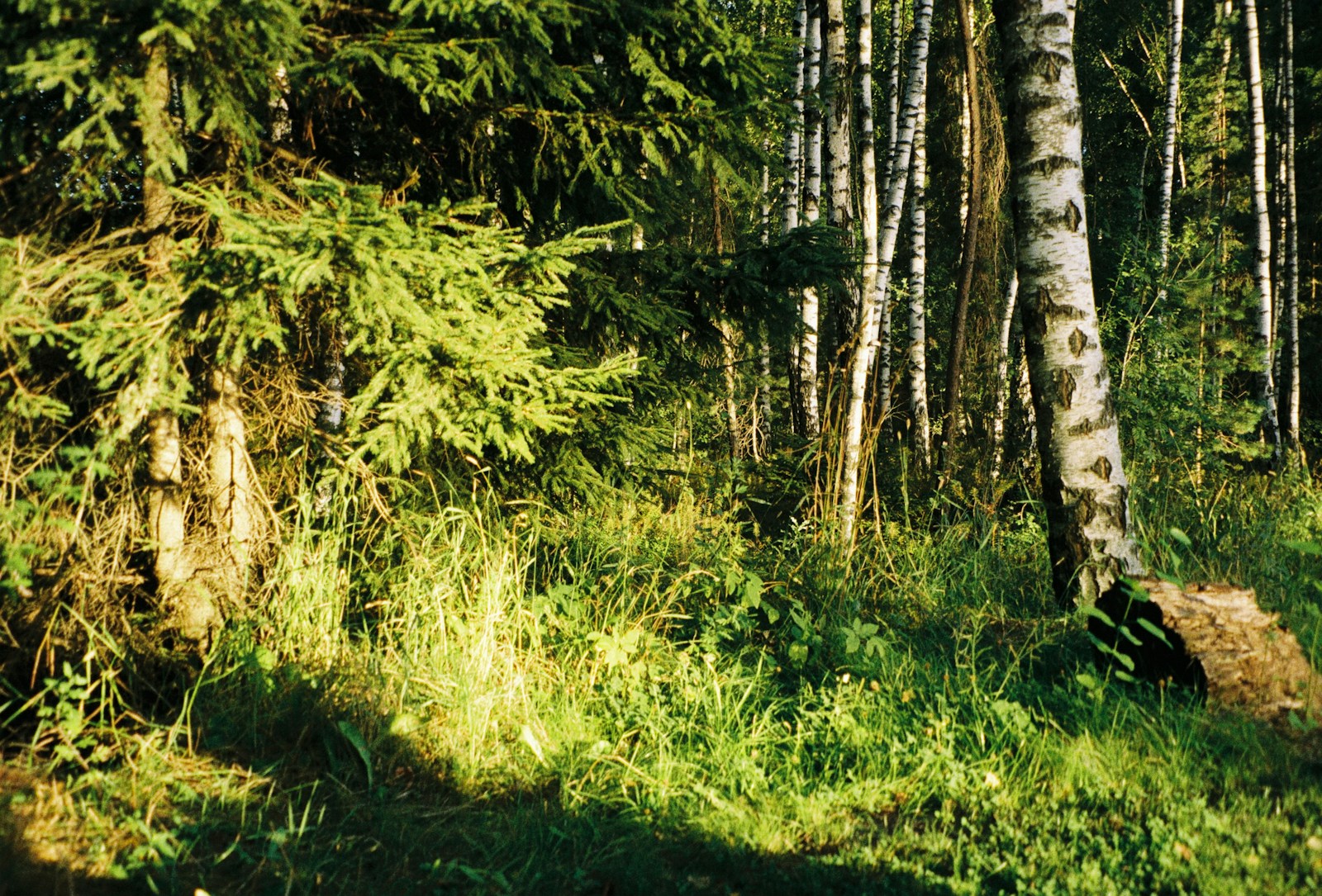
Plant arrangement and growth pattern help distinguish safe species from toxic impostors. Edible plants often grow in predictable formations, while poisonous varieties may spread irregularly or aggressively. Vines, basal rosettes, or towering stalks each signal different plant families. Spacing between plants and root structure provide further clues. Ecologists note that invasive or dominant growth sometimes correlates with toxicity. Observing how a plant occupies space offers insight beyond individual features. Growth behavior remains visible year round, making it a reliable component of plant assessment strategies used by professionals in wilderness education and research worldwide today broadly.
Pay Attention to Smell and Texture
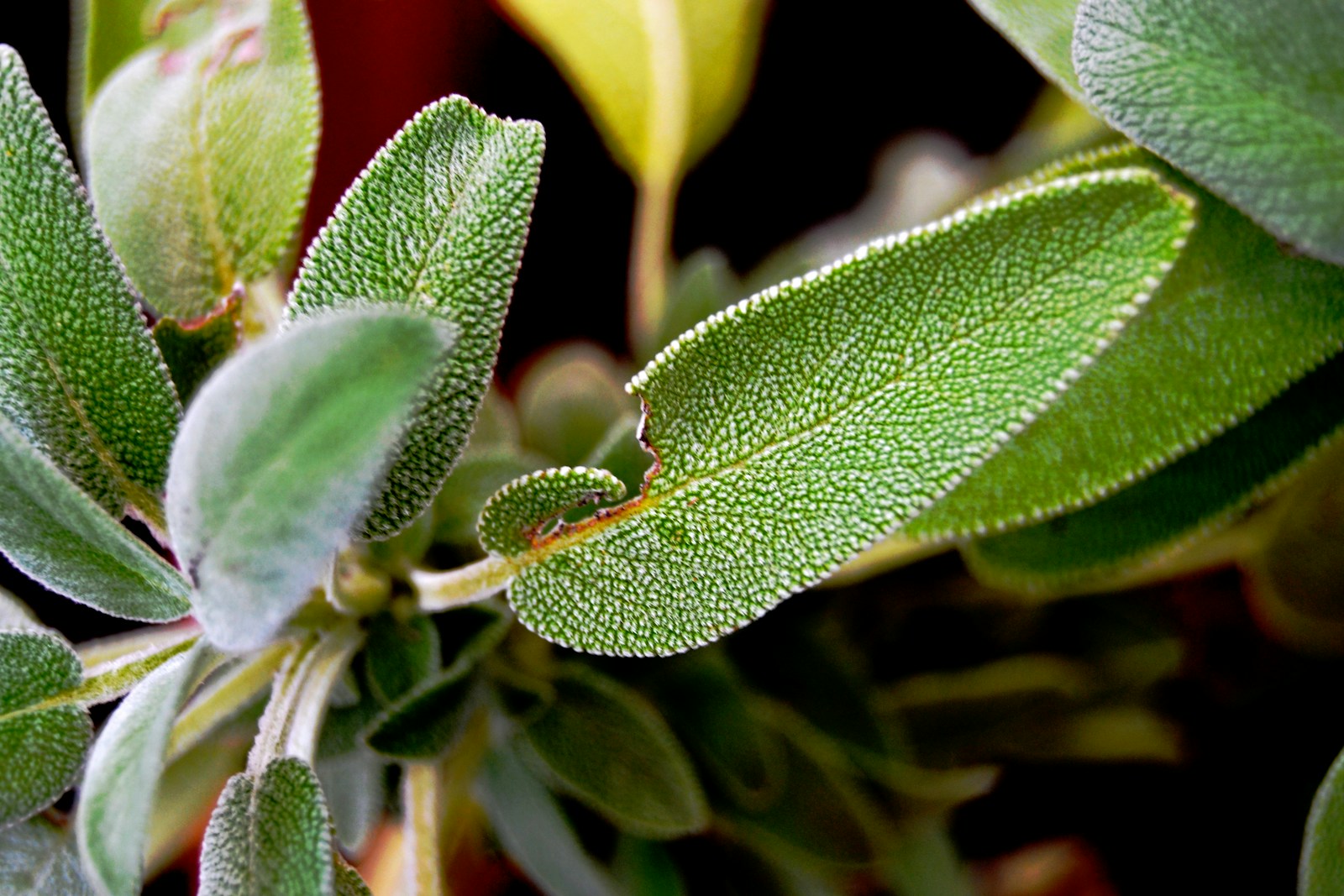
Smell and texture contribute subtle but meaningful warnings during plant evaluation. Strong odors, bitterness, or numbing sensations often indicate chemical defenses. While tasting is unsafe, gentle rubbing between fingers can reveal texture differences such as excessive waxiness or irritation. Some poisonous plants emit unpleasant scents when crushed. Ethnobotanical research documents long standing avoidance of strongly scented species. Texture also matters, with spines, hairs, or sticky residues signaling caution. Sensory cues supplement visual analysis and support safer identification when combined thoughtfully with other observation methods during foraging education in diverse environmental conditions worldwide today broadly recognized.
Verify With Multiple Identification Sources
Consulting multiple identification sources remains essential for avoiding dangerous mistakes. No single trait confirms edibility, especially with deceptive species. Field guides, regional plant databases, and expert instruction provide cross verification. Professional foragers rely on matching several characteristics before considering consumption. Regional variation means plants differ by climate and geography, even within the same species. Verification should occur before any harvesting decision. This cautious approach reflects scientific methodology rather than guesswork. Combining references, observation, and restraint offers the strongest protection against poisoning in wild plant use across forests, mountains, deserts, and grasslands worldwide today safely practiced.