Deer hunting in the United States during the 1960s reflected a very different landscape of technology, regulation, and cultural attitude than what hunters experience today. That era sat at a crossroads between traditional methods passed down through generations and the early emergence of modern wildlife management. Access to information was limited, gear was simpler, and hunting knowledge often came from family or local mentors rather than media or digital sources. Game populations were still recovering from earlier overharvest in many regions, shaping seasons and expectations. Understanding how deer hunting functioned in the 1960s helps explain why modern practices emphasize conservation, precision, and ethics so strongly. Comparing the two periods reveals how changes in equipment, laws, land access, and hunter behavior reshaped the sport into its current form.
1. Firearms and ammunition were far more basic
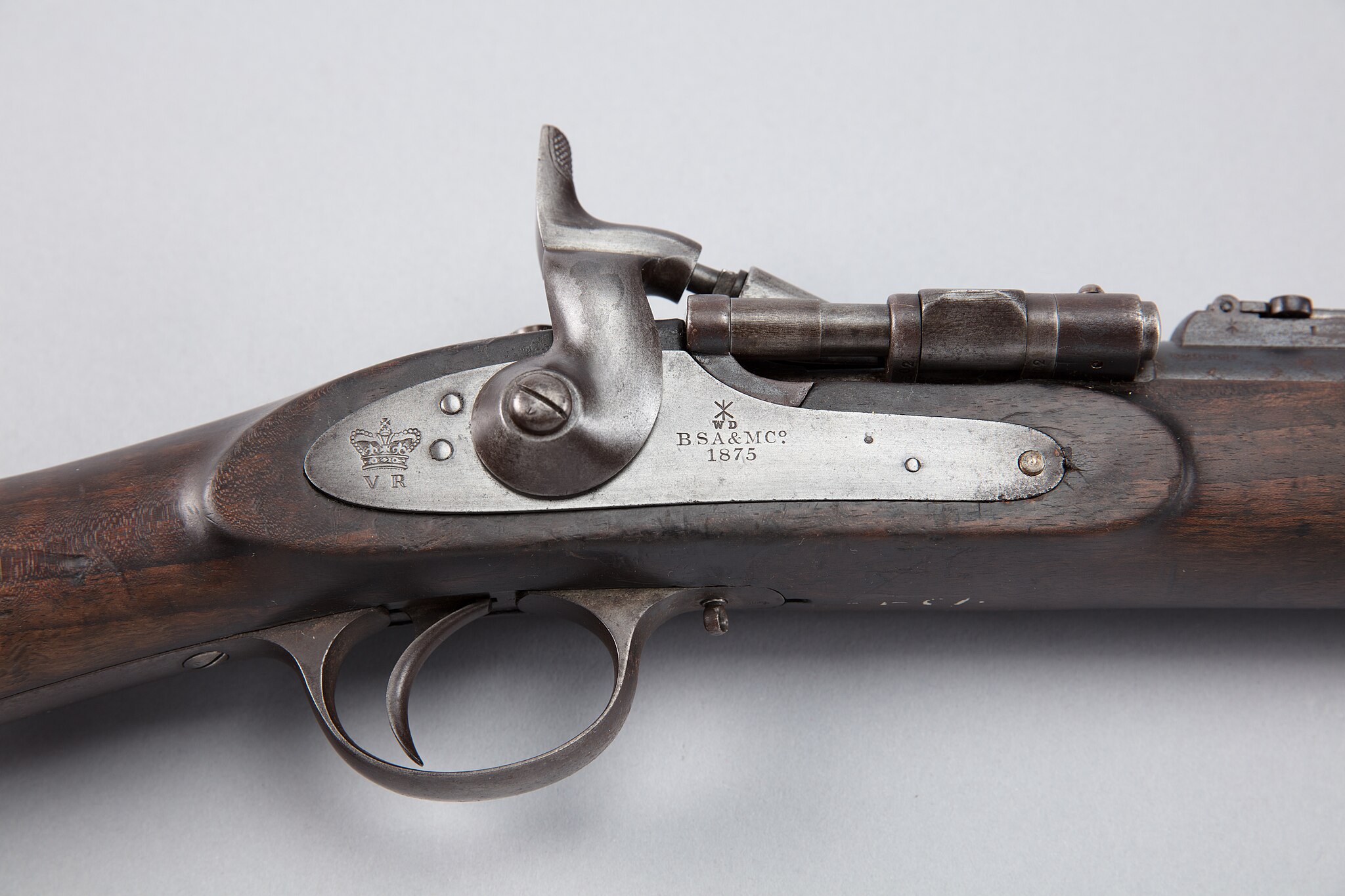
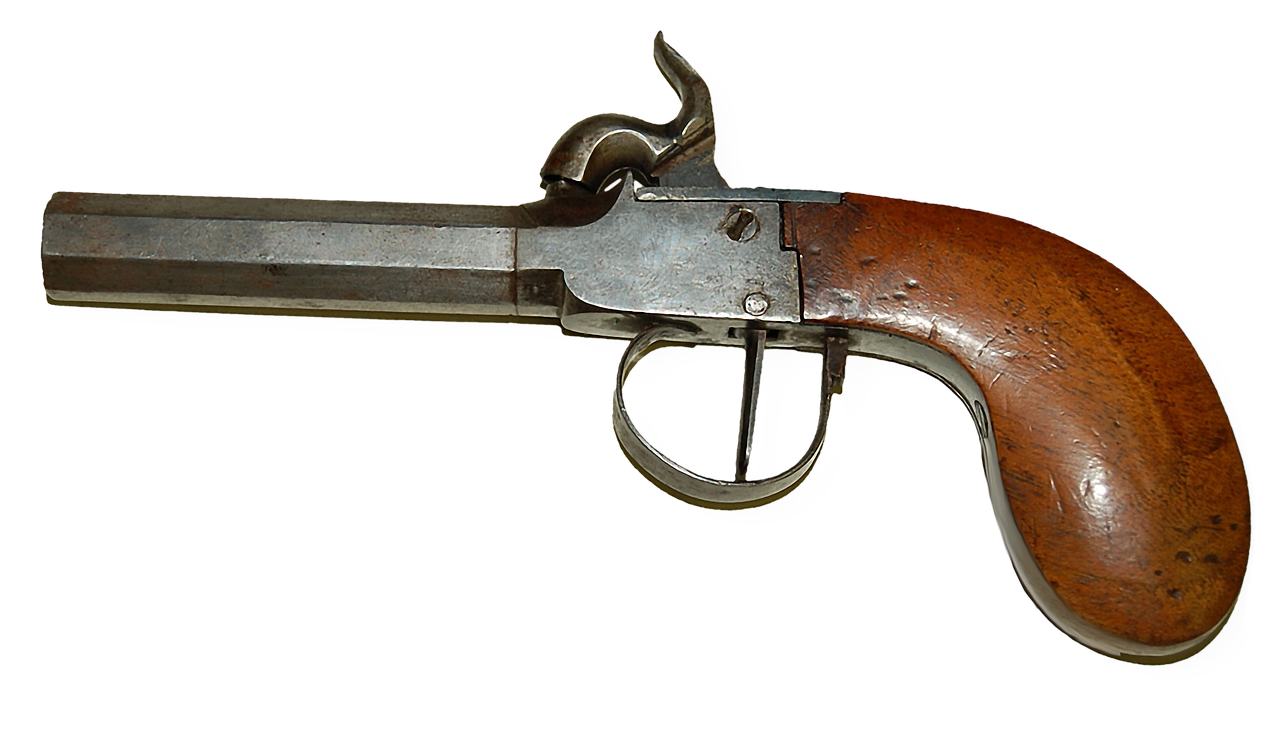
In the 1960s, most deer hunters relied on simple bolt-action rifles, lever guns, or pump-action firearms with iron sights. Scopes existed but were less common, heavier, and far less reliable than modern optics. Ammunition technology focused on traditional soft-point bullets with limited ballistic efficiency compared to today’s bonded and polymer-tipped designs. Hunters needed to stalk closer and rely heavily on marksmanship skills. Misfires and inconsistent accuracy were more common. Today’s hunters benefit from advanced rifle manufacturing, precision optics, and highly engineered ammunition that extend ethical shooting distances and improve terminal performance dramatically.
2. Wildlife management and regulations were still evolving

During the 1960s, deer management programs were far less refined than they are today. Many states were still rebuilding deer populations following decades of unregulated harvest earlier in the century. Bag limits were often conservative, and seasons were shorter. Antler restrictions, herd health monitoring, and population modeling were in their infancy. Modern deer hunting operates under science-based wildlife management, using harvest data, tagging systems, and habitat analysis to maintain sustainable populations. Today’s hunters participate in structured conservation systems that were only beginning to take shape in the 1960s.
3. Access to private land was easier
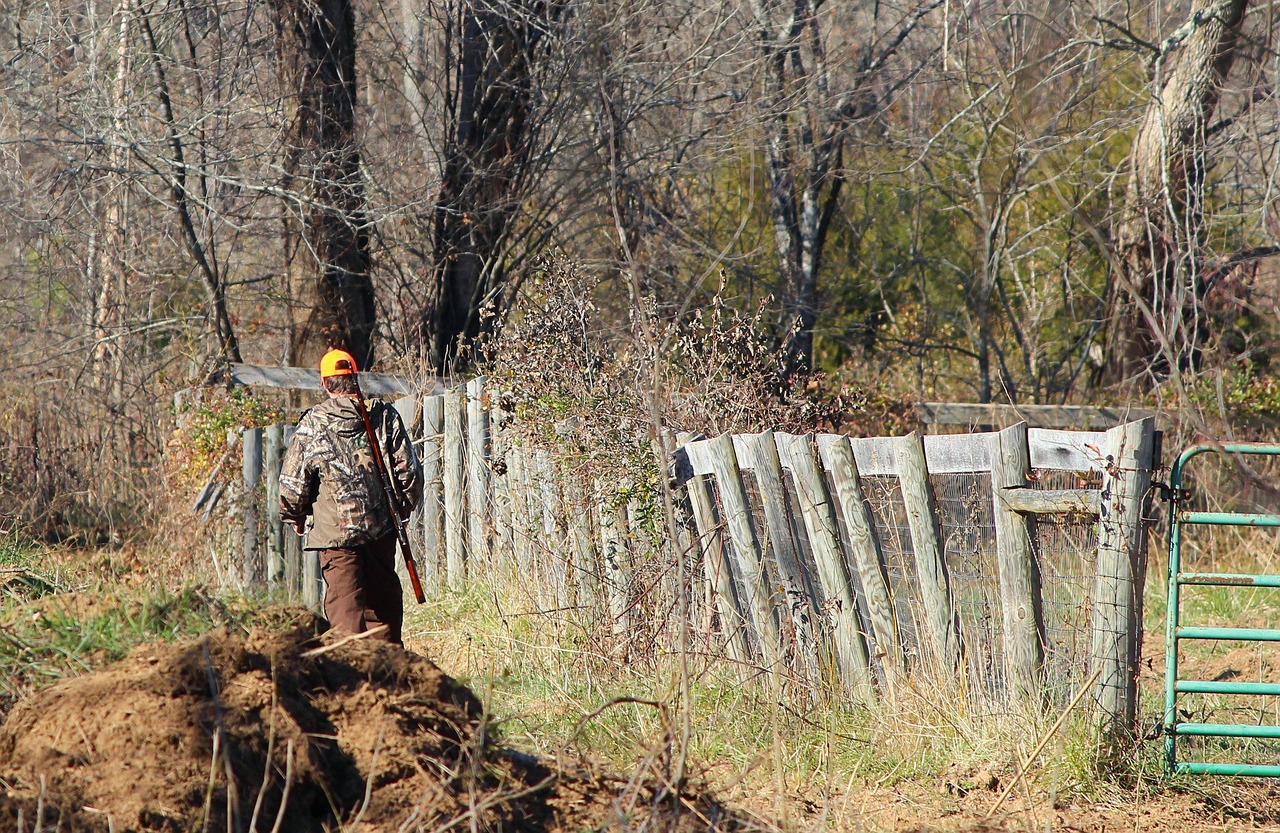
In the 1960s, rural land access for deer hunting was generally more informal. Hunters often relied on handshake agreements or long-standing relationships with landowners. Posting land against trespass was less common, and development pressure was lower. As suburban growth expanded and liability concerns increased, private land access became more restricted. Today’s hunters often rely on leases, public land, or formal permission processes. This shift changed hunting pressure distribution and altered traditional hunting routes that once existed freely across farmland and woodlots.
4. Clothing and gear focused on function, not technology
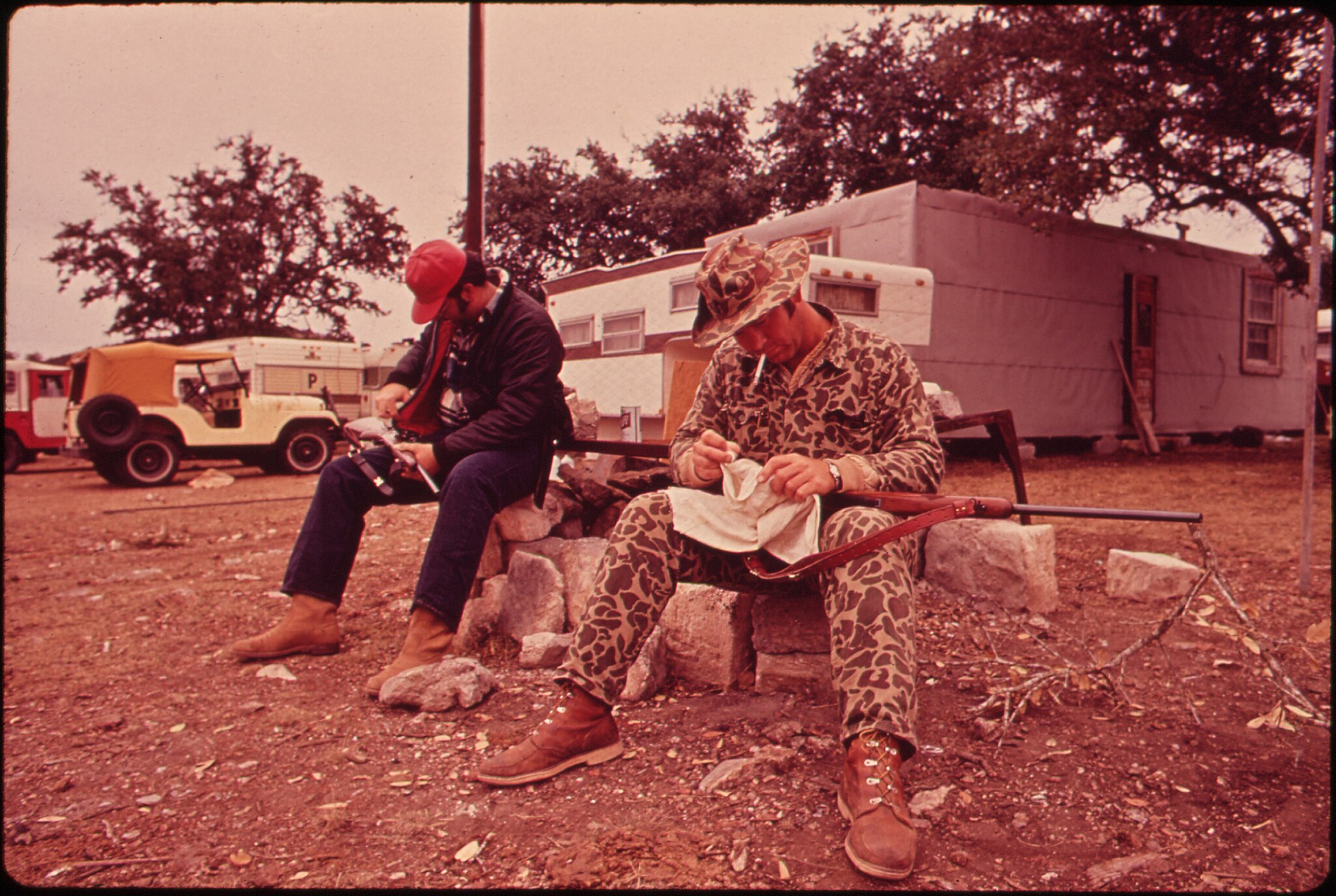
Deer hunters in the 1960s wore wool jackets, cotton pants, and heavy boots that prioritized warmth over comfort or concealment. Camouflage patterns were limited, and scent control was virtually unheard of. Wet clothing stayed wet, and cold weather required endurance rather than insulation efficiency. Modern hunting gear uses lightweight synthetics, moisture-wicking fabrics, advanced camouflage, and scent-reduction technologies. These improvements extend hunt duration and comfort, allowing hunters to remain still longer and hunt more effectively under a wider range of conditions.
5. Hunting knowledge spread through word of mouth
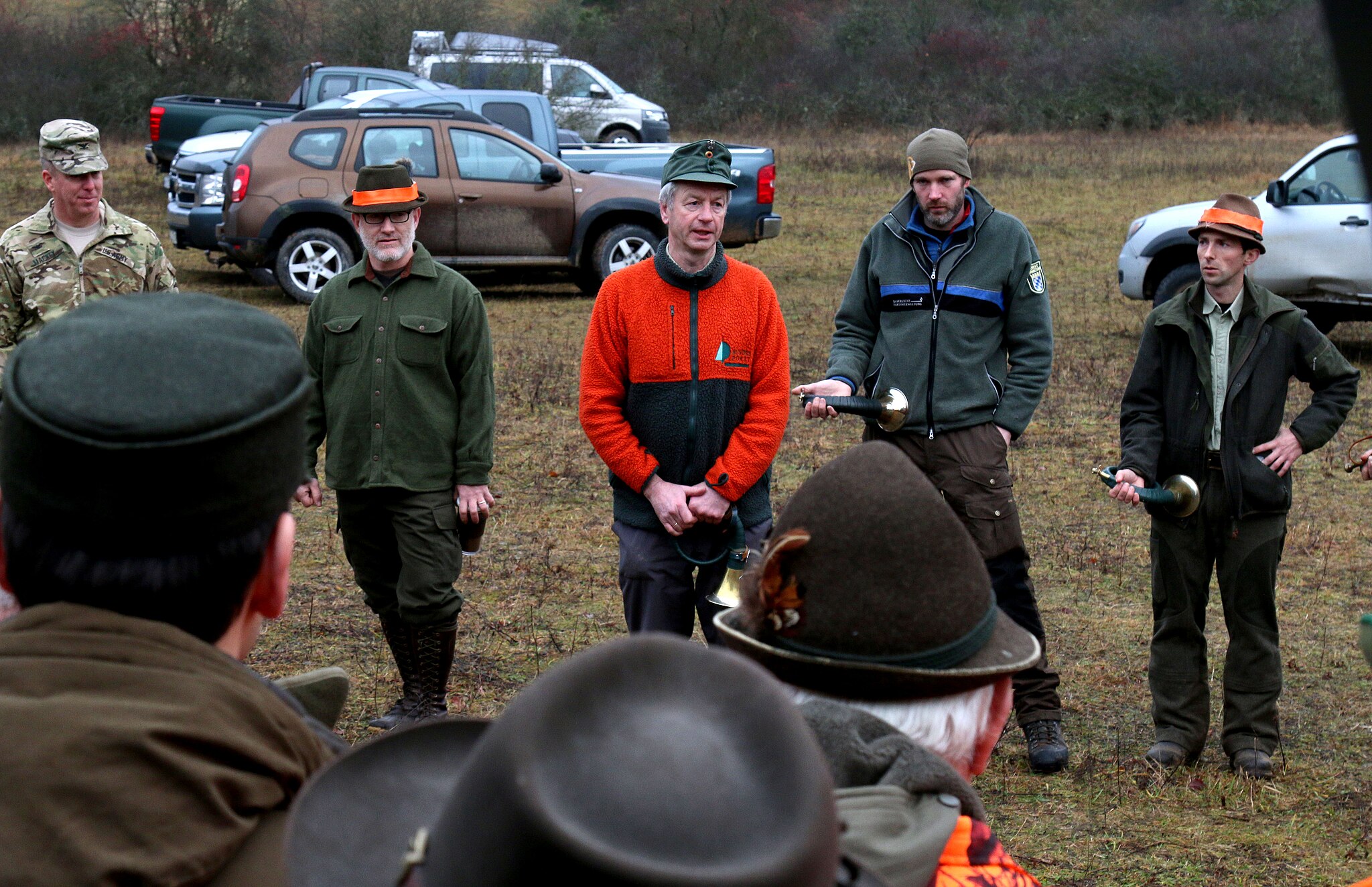
Before digital media, deer hunting knowledge in the 1960s passed through family traditions, local clubs, and printed magazines. Techniques varied widely by region, and misinformation often persisted unchecked. Today’s hunters have access to videos, forums, GPS mapping, and wildlife research instantly. While modern access accelerates learning, it also standardizes techniques that were once highly localized. The 1960s hunter relied more heavily on personal experience and seasonal observation rather than widespread shared strategies.
6. Stand hunting and mobility were limited
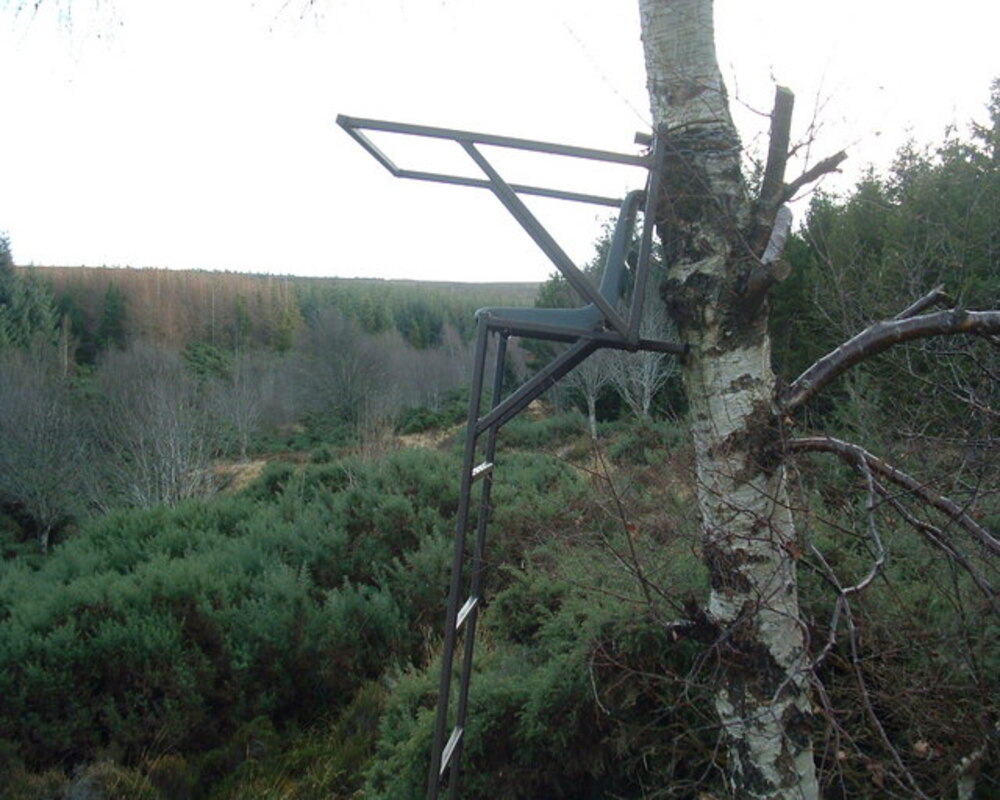
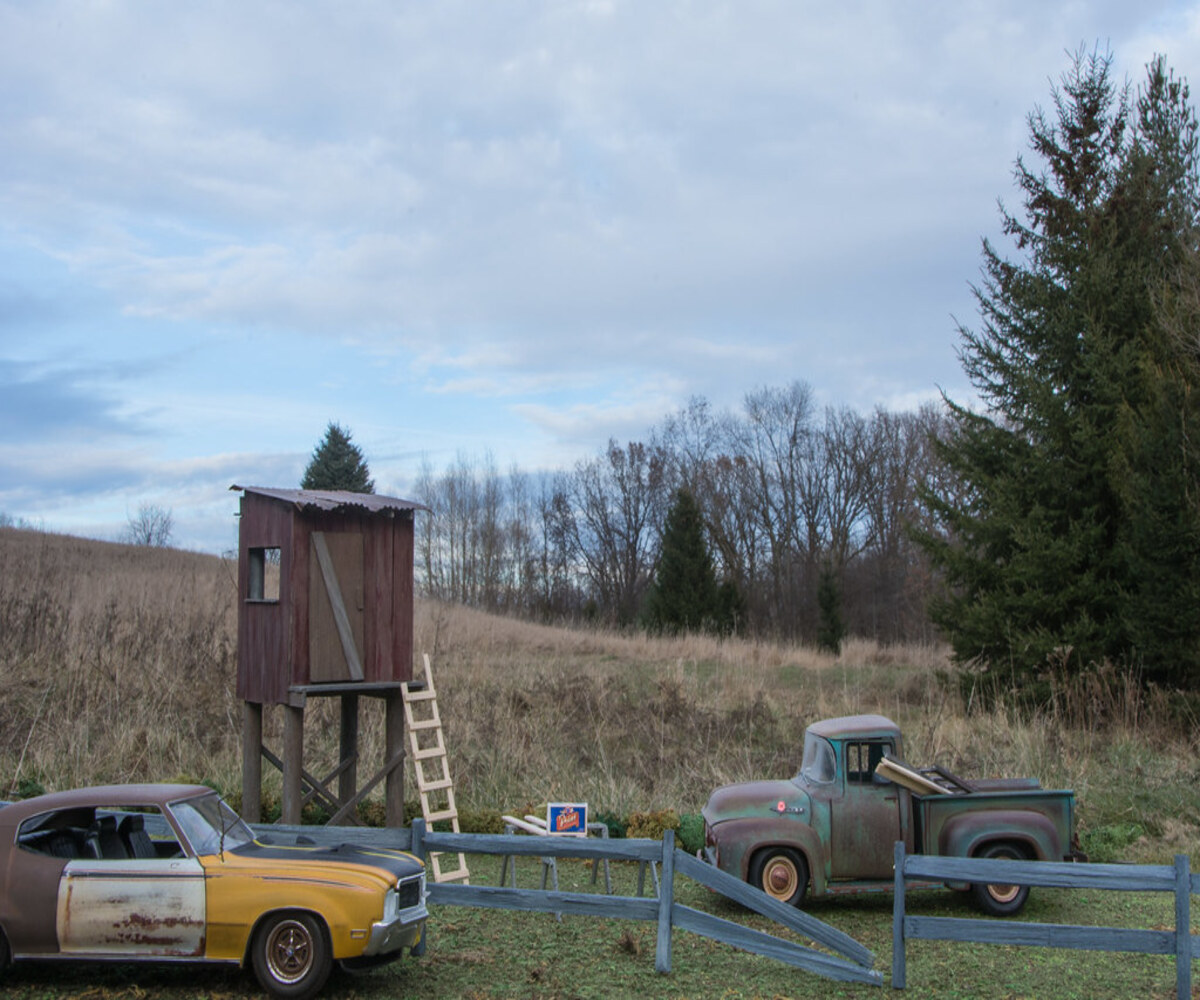
Tree stands in the 1960s were often homemade wooden platforms or basic ladder setups placed permanently in the woods. Lightweight portable stands did not exist, limiting mobility and adaptability. Hunters typically hunted the same locations year after year. Today’s mobile hunting culture allows hunters to adjust to wind, deer movement, and pressure using lightweight stands, saddles, and climbing systems. This mobility has transformed how deer are patterned and pursued.
7. Attitudes toward ethics and shot selection differed
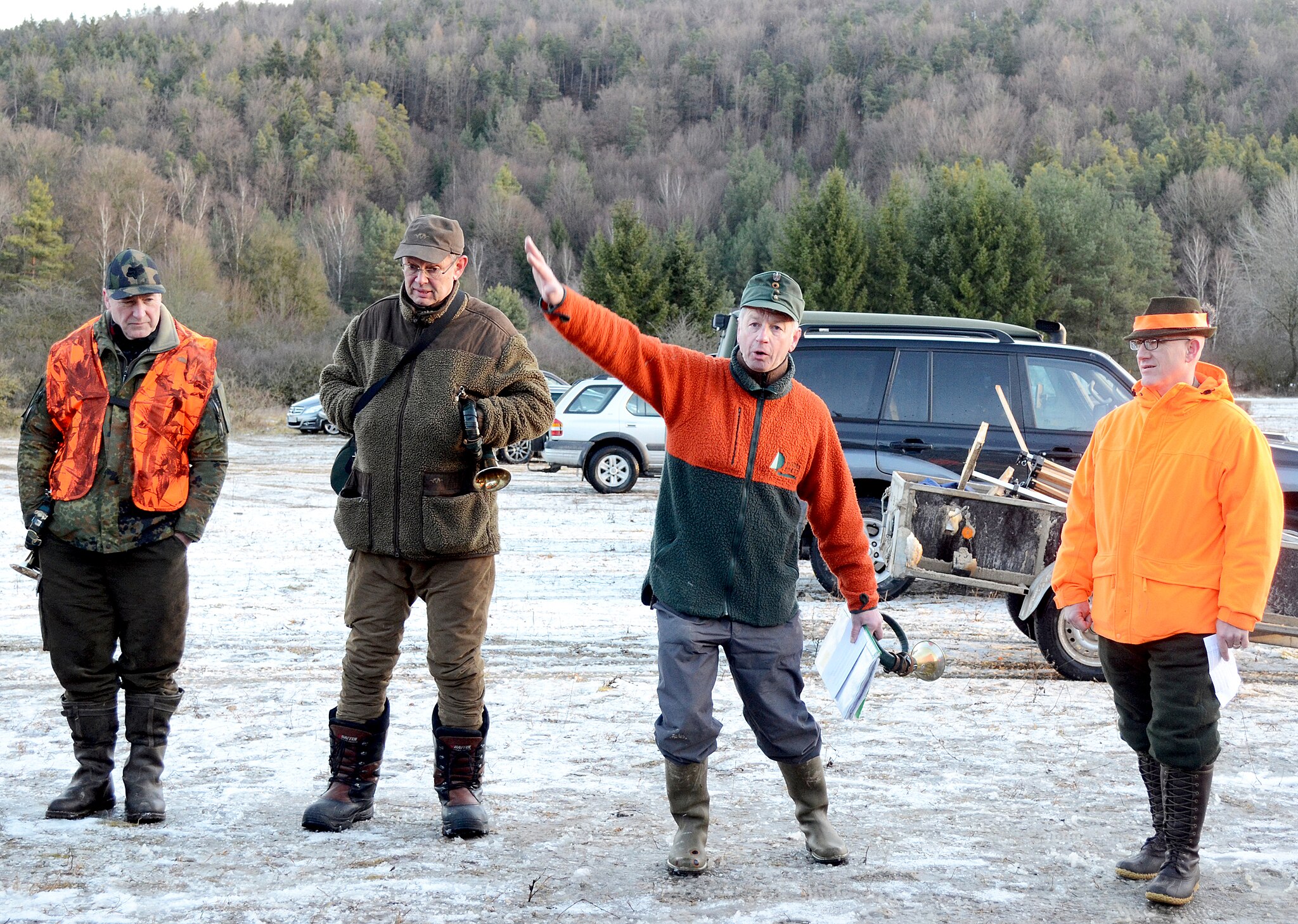
Ethical standards in the 1960s were shaped by necessity and cultural norms rather than formal education. Long tracking jobs and marginal shots were more accepted due to equipment limitations. Today’s emphasis on ethical harvesting, quick recovery, and selective shooting reflects improved equipment and hunter education programs. Modern hunters are taught to prioritize clean, humane kills and pass shots that once might have been attempted.
8. Conservation awareness was less visible

While conservation existed in the 1960s, it was less prominent in everyday hunting culture. Funding models like excise taxes on firearms already supported wildlife programs, but public messaging was limited. Today’s hunters are often vocal conservation advocates who understand their role in habitat protection and species management. Education programs, nonprofit organizations, and transparent data have made conservation a central part of modern deer hunting identity.