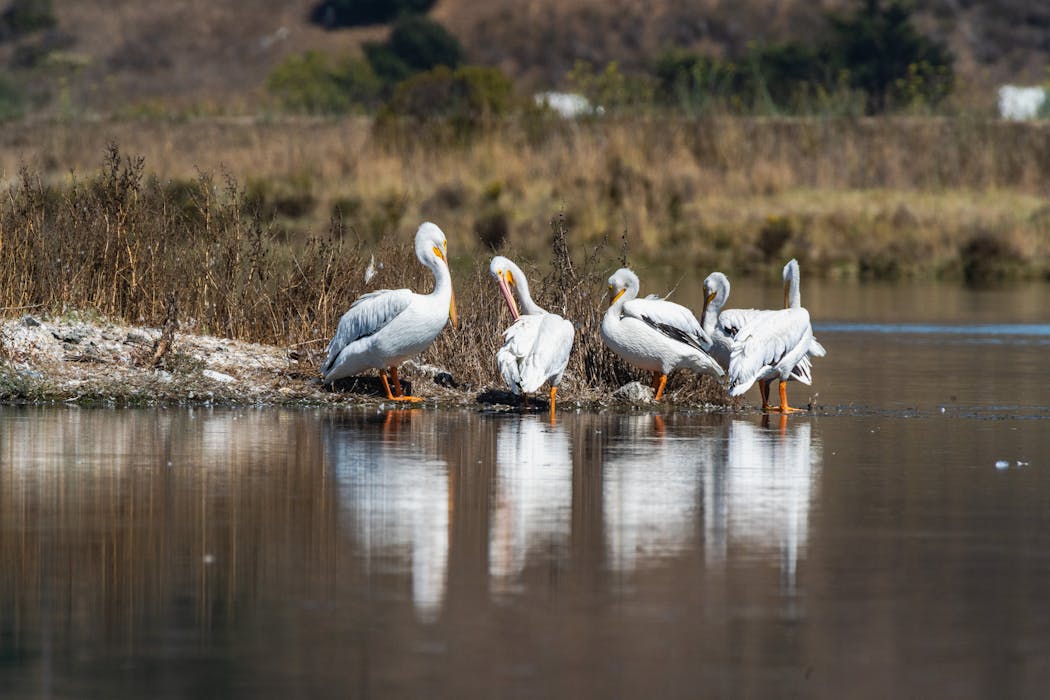
Hunting across the Louisiana bayous brings calm mornings, winding waterways, and rich wetland habitat filled with ducks and geese that move with the changing light. Success in this environment depends on reading subtle cues in water, weather, and wildlife behavior. Small adjustments in timing, concealment, and positioning often shape the outcome more than great efforts. With steady awareness and thoughtful technique, each trip becomes more efficient and better suited to the rhythms of these quiet southern marshes.
Study Changing Water Levels
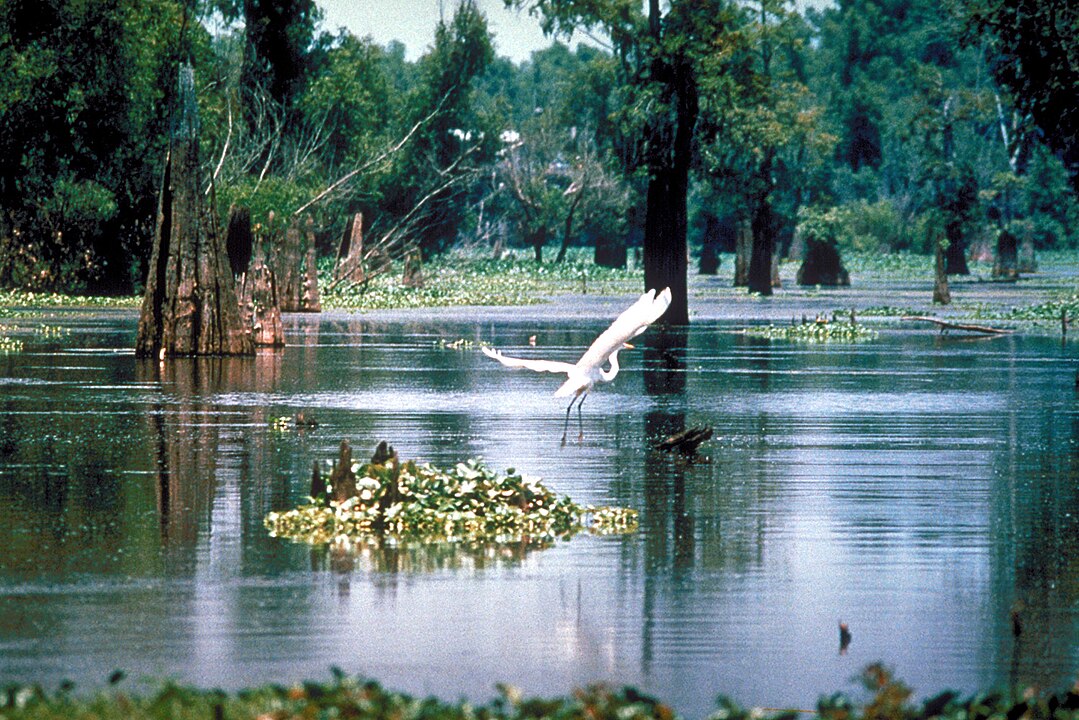
Water levels shift frequently in the bayous, creating new channels while hiding familiar routes beneath moving tides. Studying these patterns helps reveal where birds feed, rest, and travel as the day unfolds. Rising water can carry fresh vegetation into open pockets, while lower levels expose mudflats that attract hungry birds. A careful look at water movement supports safer navigation and points toward areas where waterfowl activity tends to increase.
Blend Into Natural Cover

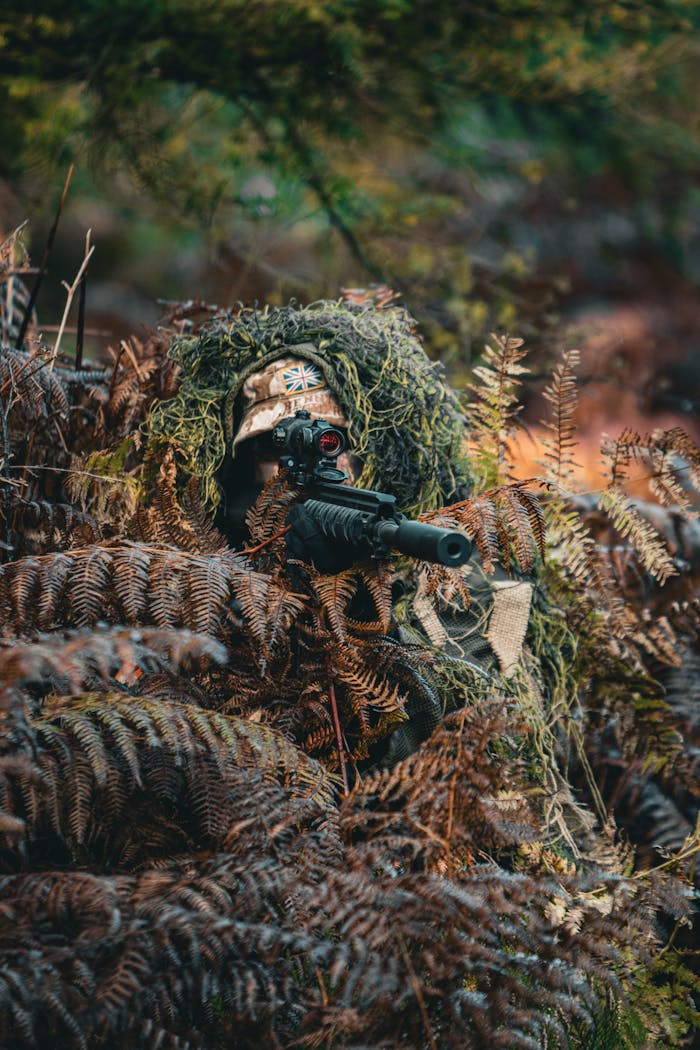
Blending into natural cover makes it easier to stay unnoticed by waterfowl flying low across the marsh. Using reeds, grasses, and surrounding vegetation helps break up the human outline, allowing blinds and boats to merge with the wetland backdrop. Adjusting placement to match the environment enhances this effect. When concealment aligns with the landscape, approaching flocks remain calmer and more willing to descend into the setup.
Follow Bird Movement Patterns

Bird movement in the bayous shifts throughout the day as weather, feeding opportunities, and tidal changes influence flight paths. Early morning activity often concentrates along narrow channels shaded by cypress or willows, while later flights drift toward open lakes or shallow edges. Observing these transitions provides valuable insight into where birds prefer to travel at different times. Tracking these patterns helps create a smoother and more productive rhythm for the hunt.
Choose Decoys That Match Local Species
Decoys that reflect the size, color, and posture of local species create a more convincing presence on the water. Selecting models common to Louisiana wetlands helps nearby birds identify the spread as familiar and safe. Arranging decoys with adequate spacing supports natural movement and prevents a cluttered appearance. A realistic layout encourages incoming flocks to approach more confidently and settle closer to the blind.
Use Calls With Subtle Variation
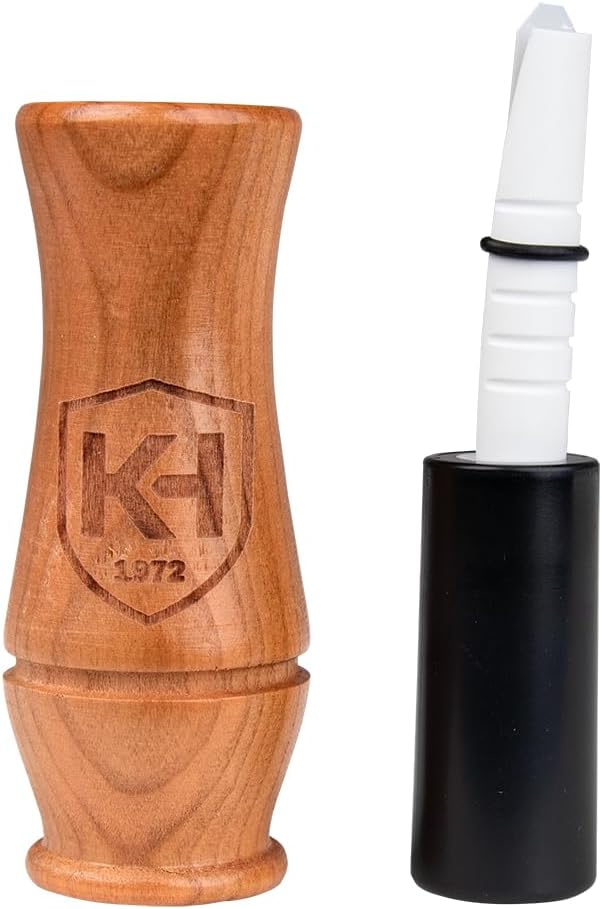
Calls work best when their tone and rhythm echo the voices of birds already living in the bayou. Soft and measured notes fit calm conditions, while slightly stronger calls help carry sound across breezy water. Varying pitch and pace adds authenticity without overwhelming passing flocks. When calls blend naturally with the marsh, waterfowl respond with steadier interest and more predictable approaches.
Stay Aware of Wind Direction
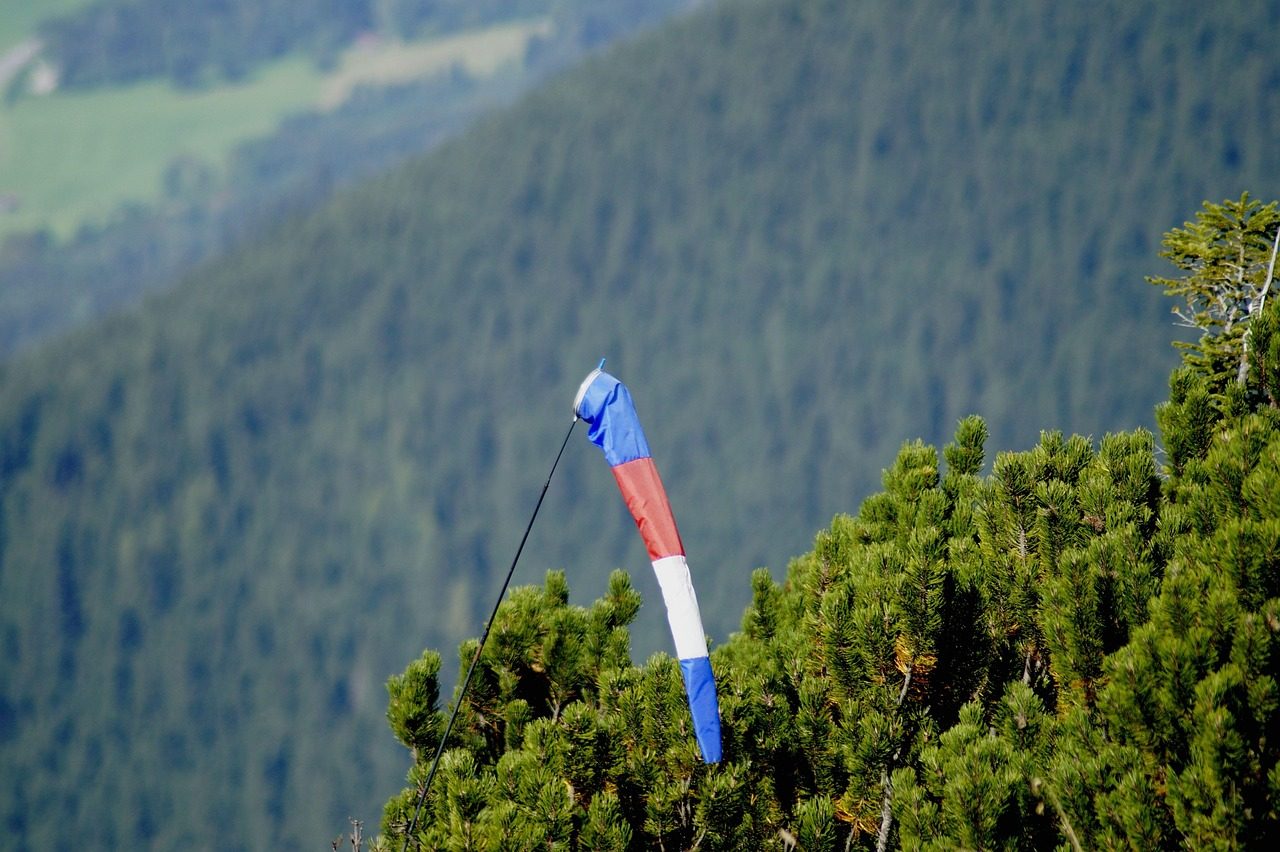
Wind direction influences how birds approach decoys and determines the best angle for concealment. Positioning blinds and spreads to work with the breeze encourages birds to land in clear, accessible paths. Even small shifts in wind may require slight adjustments to maintain effectiveness. Paying attention to these movements keeps the setup inviting and improves overall visibility across the marsh.
Keep Gear Lightweight
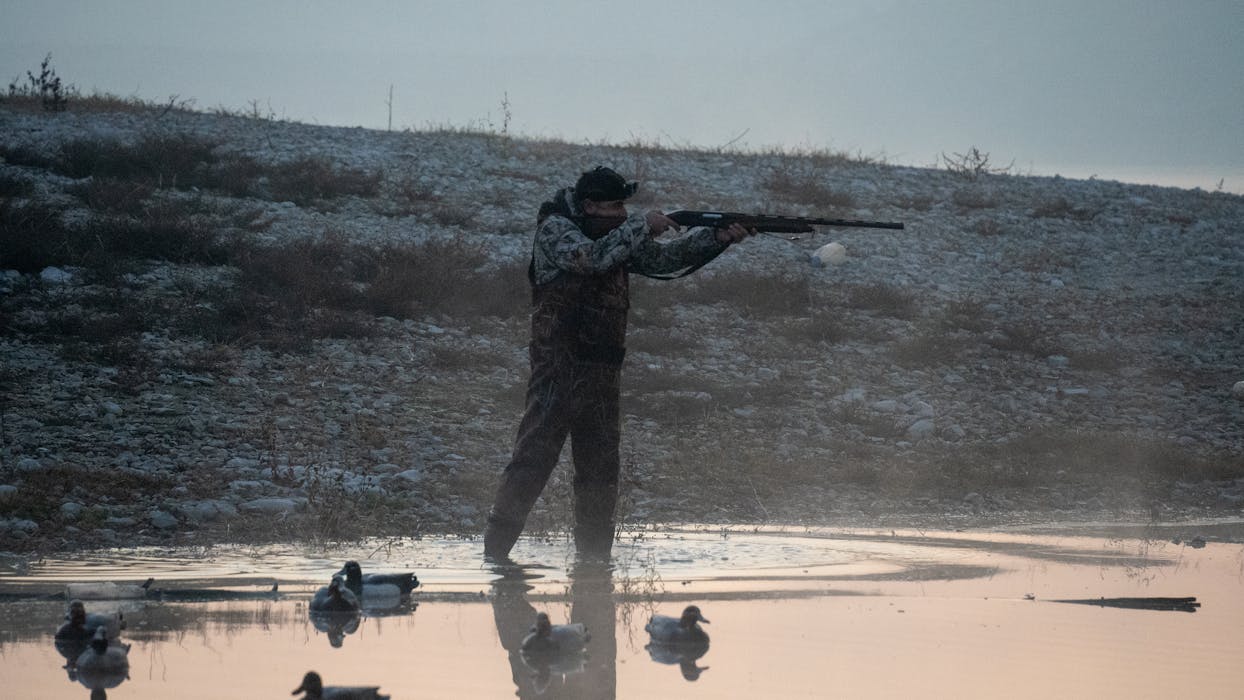
Lightweight gear makes moving through mud, reeds, and tight channels far easier during long days in the bayou. Compact equipment supports better balance in small boats and reduces fatigue while navigating shallow water. Carrying only essential items keeps travel efficient and preserves energy for the actual hunt. This streamlined approach suits the quiet and often challenging terrain of the Louisiana wetlands.
Move Quietly Through Vegetation
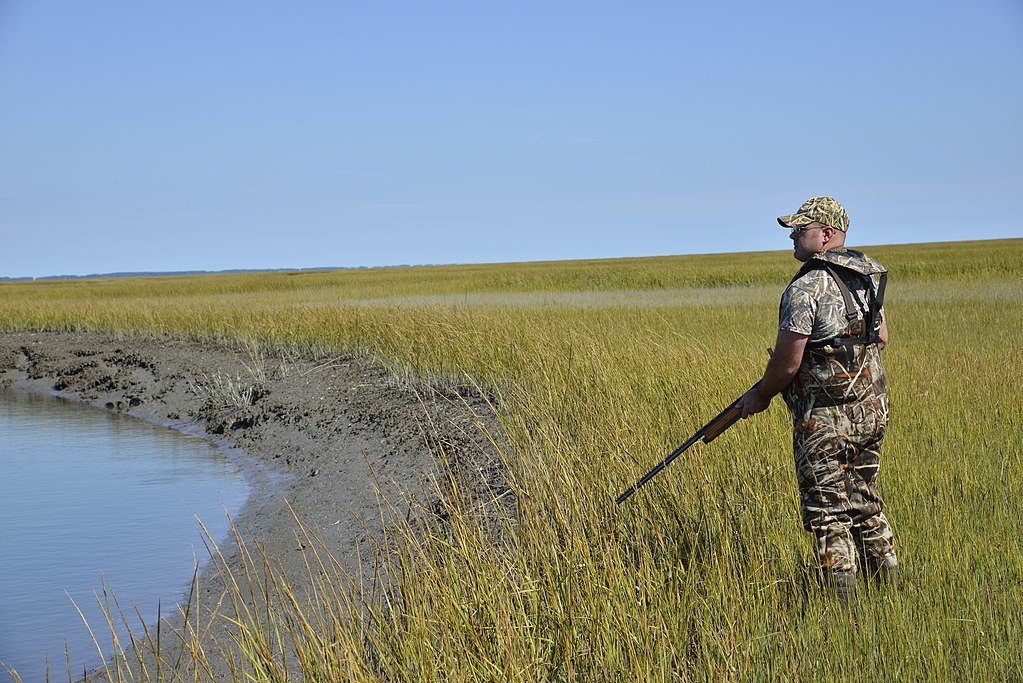
Quiet movement helps avoid startling birds resting or feeding nearby. Slow paddling, careful foot placement, and gentle adjustments reduce noise in dense vegetation. Maintaining soft movement allows the natural calm of the marsh to remain undisturbed. This mindful approach encourages steadier bird activity and helps keep opportunities consistent throughout the day.