Animals have always adapted to changing environments, and human presence has become an influential factor in that process. Across cities, coastlines, and rural landscapes, wildlife increasingly adjusts behavior to coexist alongside people. These adaptations are not always obvious, and many occur quietly through learned patterns rather than instinct alone. Researchers studying animal behavior have documented surprising examples of species using human activity to improve survival odds. These interactions reveal intelligence, and resilience across the animal kingdom. Examining these behaviors offers insight into how human habits shape ecosystems and why responsible coexistence remains essential for long term ecological balance everywhere.
Urban Birds Timing Activity Around Humans

Many urban birds adjust daily routines based on predictable human schedules. Species such as pigeons, crows, and sparrows often forage near transit stations, parks, and cafes during peak activity hours. Food scraps and reduced predator presence make these times advantageous. Studies show birds learn traffic patterns and pedestrian behavior, allowing safer access to resources. Some even time nesting near buildings that deter natural predators. This behavior demonstrates advanced learning rather than dependence. While adaptation supports survival, it also highlights how human waste management and urban planning directly influence bird populations and behaviors across growing metropolitan environments worldwide today.
Predators Following Human Trails
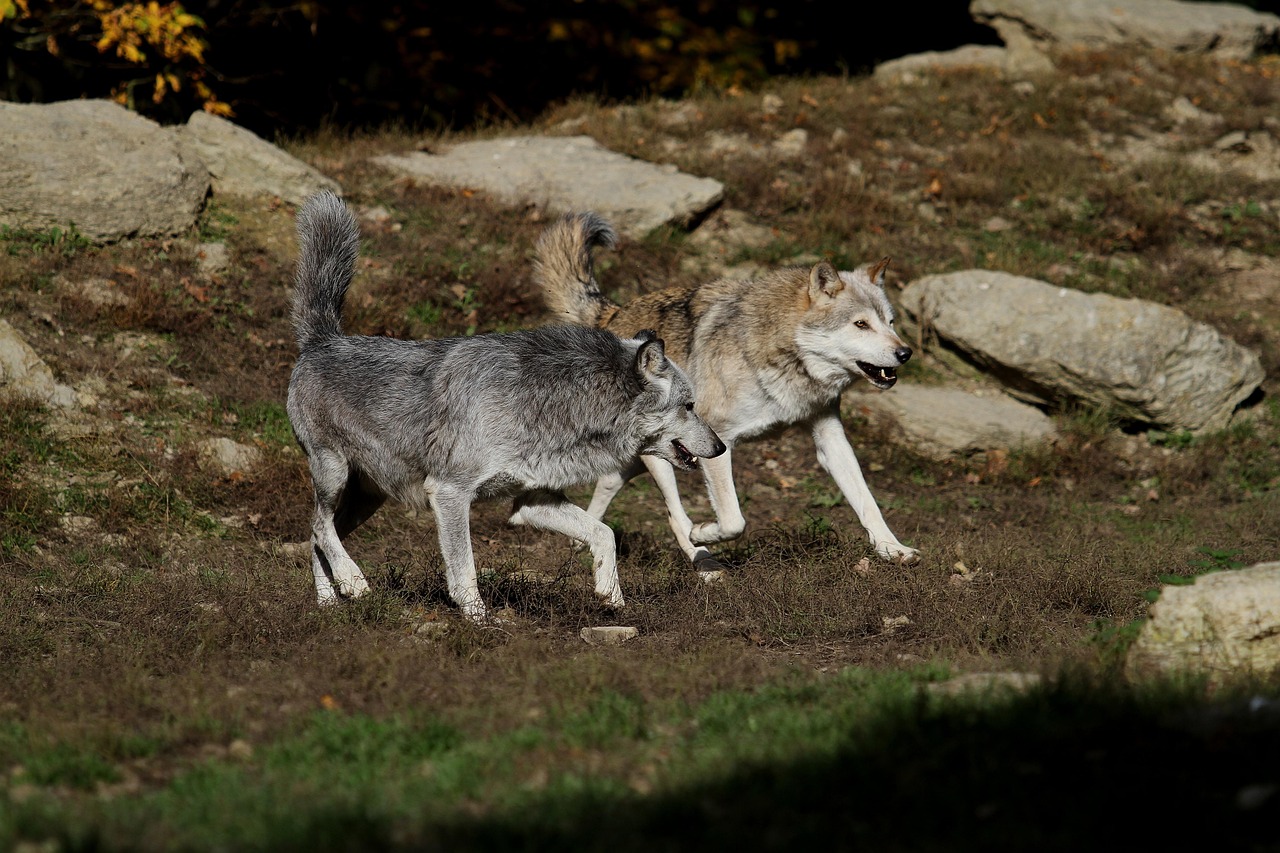
Large predators including wolves, mountain lions, and bears sometimes use human made trails to move efficiently through dense terrain. These paths reduce energy expenditure and provide clear travel corridors. Wildlife researchers have observed predators traveling at night or during low activity periods to avoid direct encounters. Trails also lead to water sources or prey rich areas. While this behavior increases efficiency, it raises safety considerations. Understanding this pattern reinforces the importance of trail awareness and group travel. Human infrastructure unintentionally reshapes predator movement patterns across wilderness regions shared by people and wildlife.
Marine Animals Using Fishing Activity
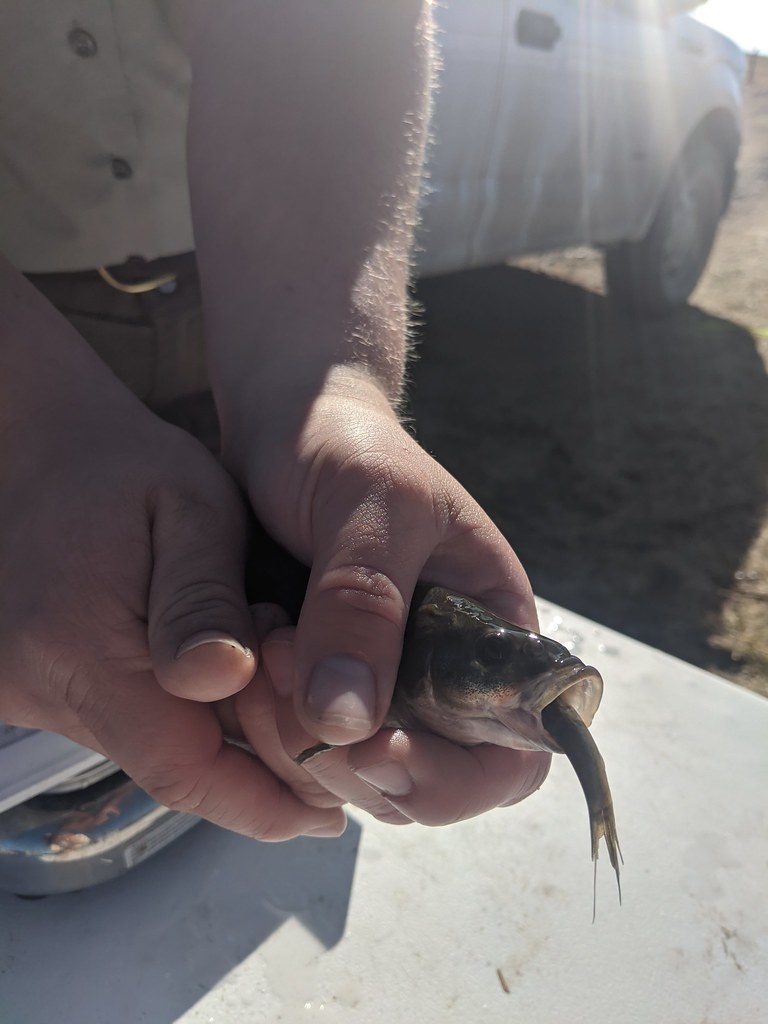
Several marine species benefit indirectly from commercial and recreational fishing activity. Dolphins, seabirds, and sharks often follow fishing boats to feed on discarded bycatch. This predictable food source alters natural foraging behavior and migration timing. Marine biologists note that some seabird populations now synchronize movements with fishing seasons. While this adaptation boosts short term survival, it can disrupt ecological balance and increase dependency. It also exposes animals to injury risks from gear. These patterns underscore the complex relationship between human industry and marine ecosystems across global coastal waters.
Scavengers Thriving Near Human Settlements
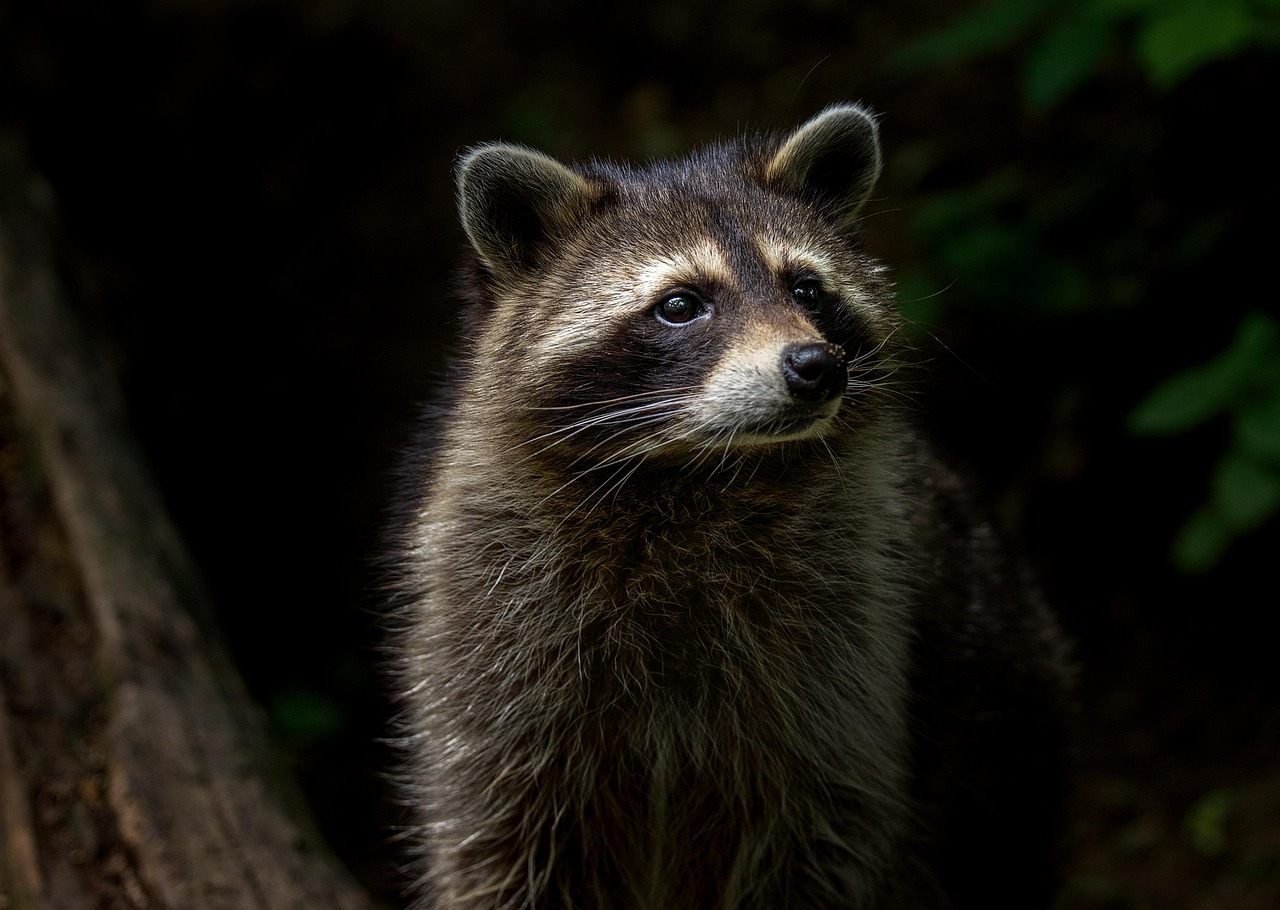
Animals such as raccoons, foxes, and vultures frequently thrive near human settlements by exploiting waste and refuse. Landfills, roadside litter, and unsecured trash provide consistent food access. Behavioral studies show scavengers adjust activity times to avoid peak human presence while maximizing feeding opportunities. This adaptability supports population growth but can increase conflict and disease transmission. Municipal waste practices directly influence these dynamics. The success of scavengers near people demonstrates how human consumption patterns reshape food webs, emphasizing the need for responsible waste management to maintain ecological balance in shared environments.
Insects Using Human Structures For Shelter
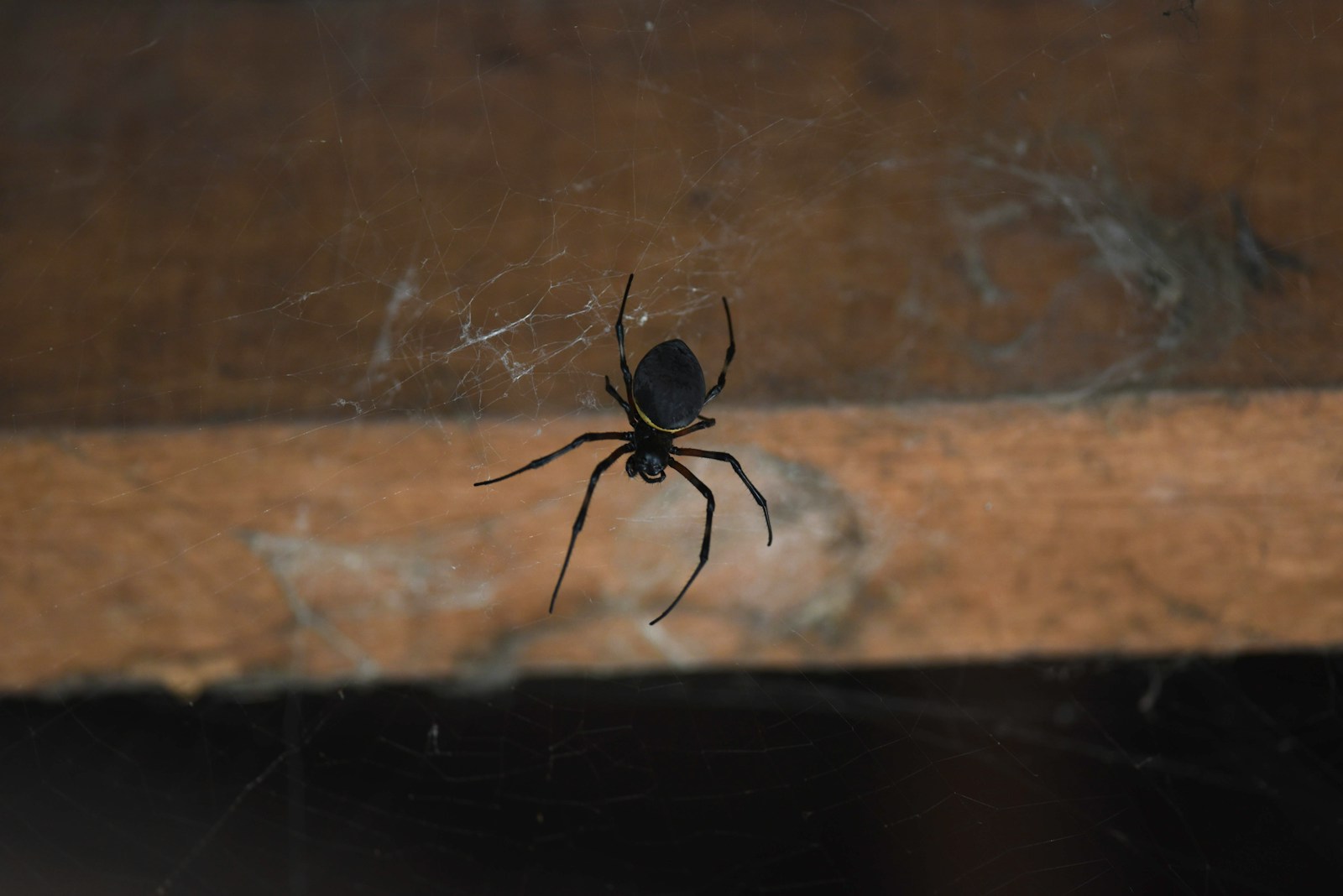
Numerous insect species rely on human structures for protection from weather and predators. Wasps nest under eaves, spiders occupy basements, and bees settle within wall cavities. These locations provide stable temperatures and reduced exposure. Entomologists note that urban architecture often mimics natural shelters like rock crevices or hollow trees. While this behavior aids survival, it sometimes leads to human conflict. Understanding why insects select these spaces helps inform humane mitigation strategies. Human building design inadvertently expands habitat availability for adaptable insect populations across developed landscapes worldwide.
Urban Mammals Learning Traffic Patterns
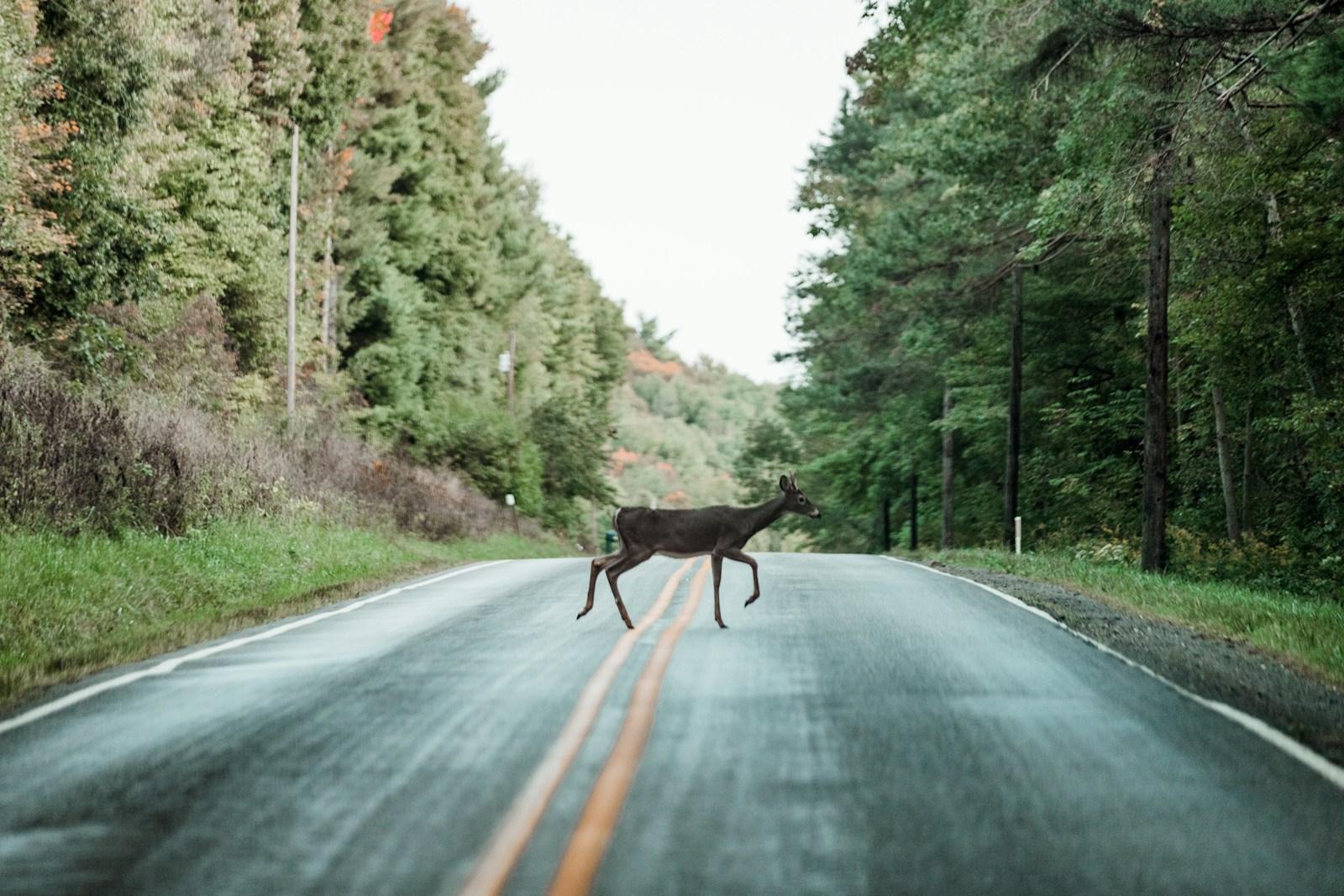
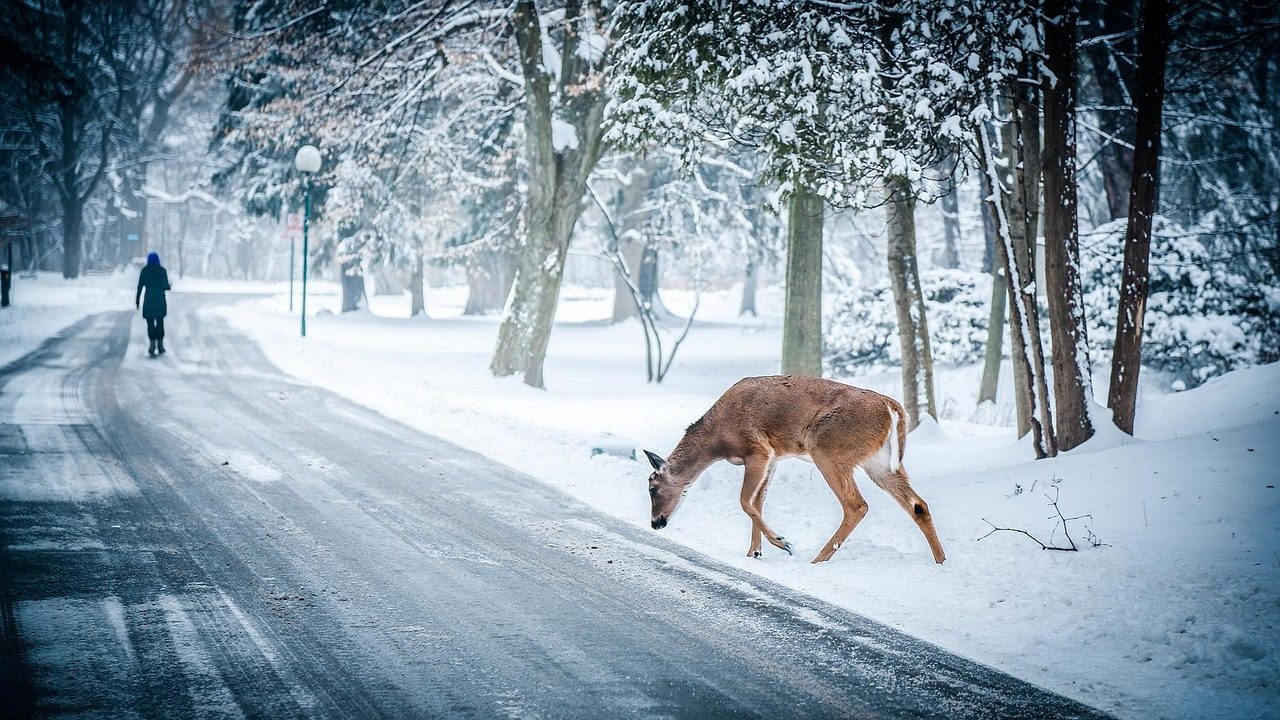
Urban mammals such as deer, coyotes, and raccoons often learn traffic rhythms to cross roads more safely. Research using GPS tracking shows animals adjust movement timing to low traffic hours. Some species even recognize crosswalks or bridges as safer passages. This learned behavior reduces mortality and supports urban survival. However, it also increases regular interaction with people. These adaptations highlight animal intelligence and flexibility while emphasizing the responsibility of urban planning to consider wildlife corridors that reduce risk and promote coexistence in expanding cities.
Birds Using Humans As Predator Shields
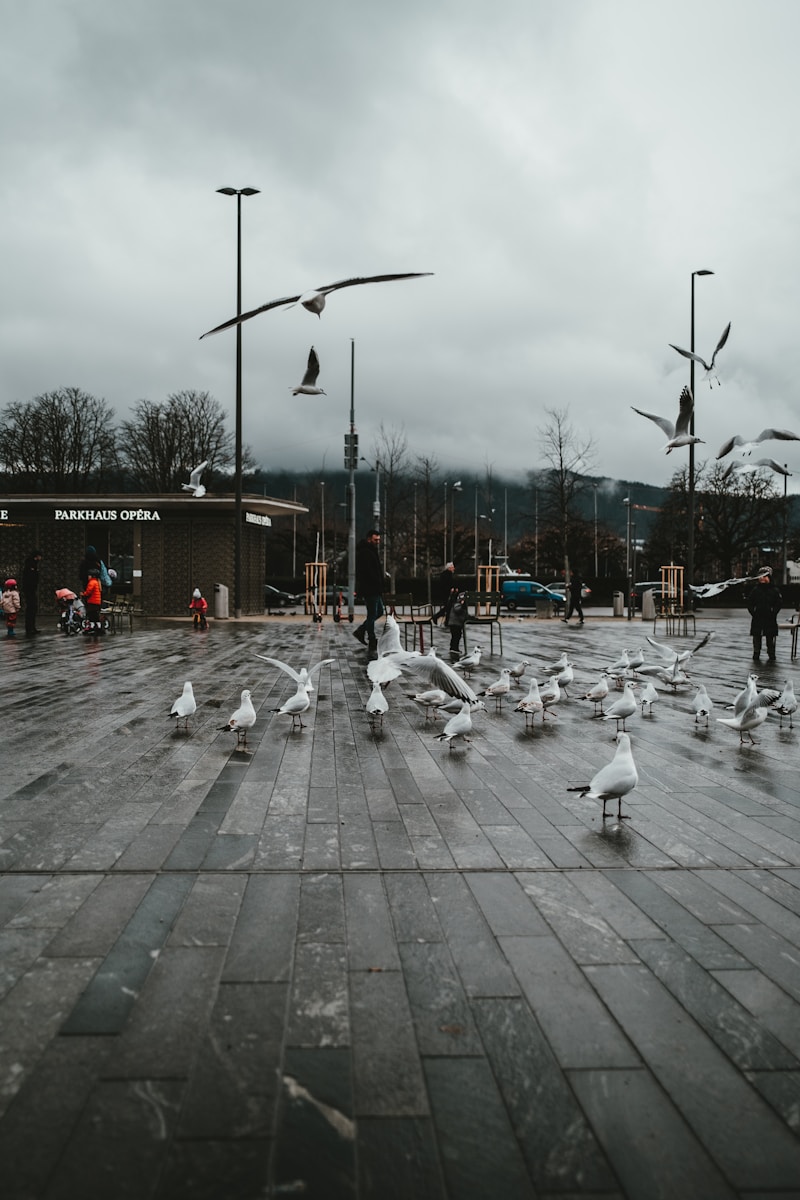
Certain bird species intentionally nest near humans to deter natural predators. Gulls, swallows, and some songbirds select building ledges or busy areas where predators hesitate to approach. Studies show nesting success increases in these locations despite noise or disturbance. Human presence effectively functions as a protective barrier. While beneficial for birds, this behavior can cause nuisance conflicts. It illustrates how animals assess relative risk and adapt strategically. These nesting choices reveal the unintended protective role humans play within altered ecosystems shaped by development and activity.
Animals Learning From Human Behavior
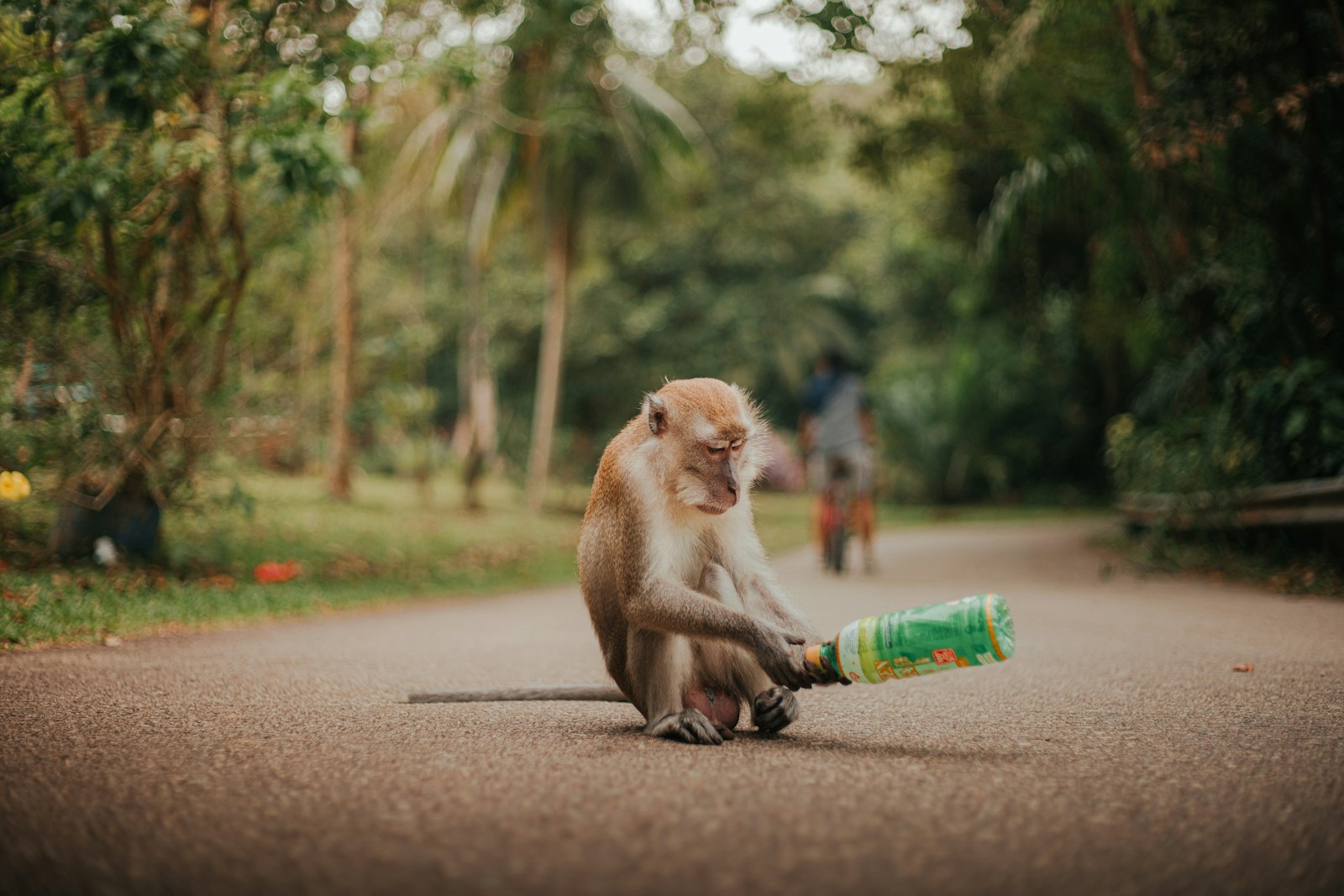
Many animals observe and learn directly from human actions to improve survival. Monkeys, crows, and urban foxes demonstrate problem solving by watching people open containers, discard food, or navigate spaces. Cognitive research confirms social learning across species, including learning from humans as environmental cues. This flexibility allows rapid adaptation to changing conditions. However, it can also increase dependency or conflict. Recognizing this learning capacity reinforces the importance of mindful behavior, since human actions can unintentionally train wildlife in ways that reshape long term survival strategies.