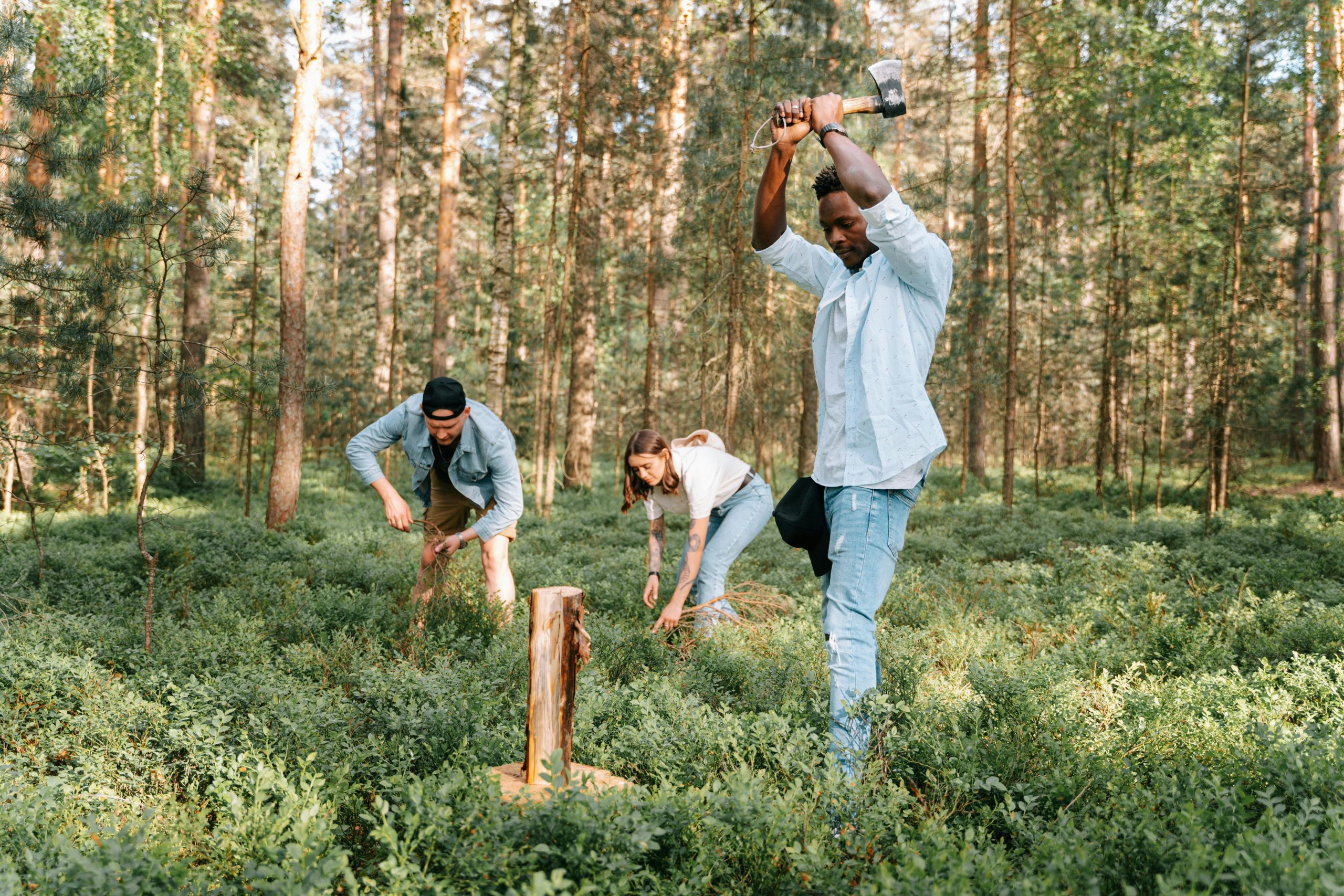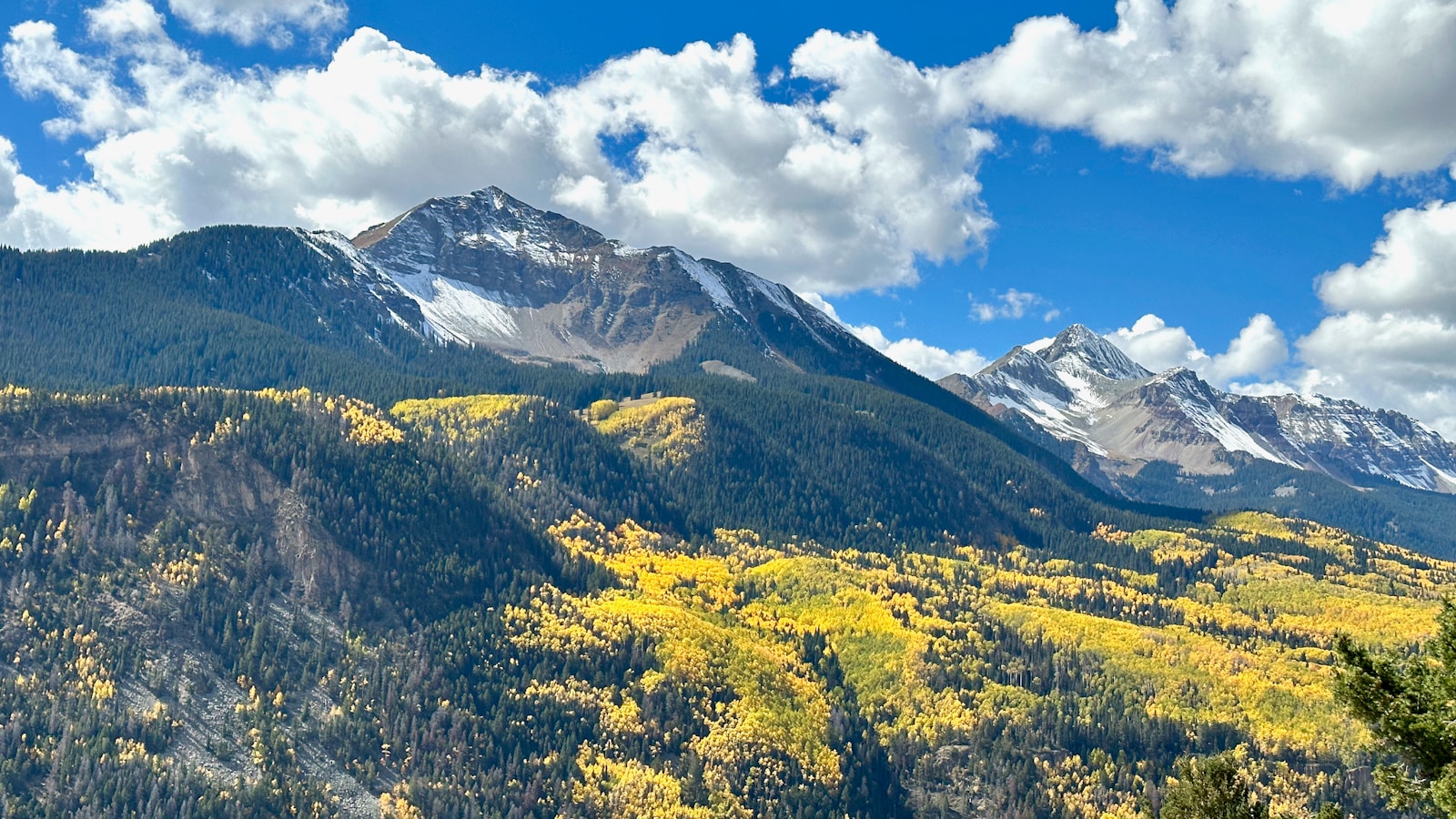
Across the United States, some of the nation’s most scenic hiking trails are at risk due to erosion from heavy foot traffic, severe weather, and shifting landscapes. These natural and human pressures threaten both ecosystems and accessibility. Conservation groups and volunteers are stepping up to repair damaged areas, restore native vegetation, and promote sustainable trail practices that protect these outdoor treasures for future generations.
Appalachian Trail, East Coast
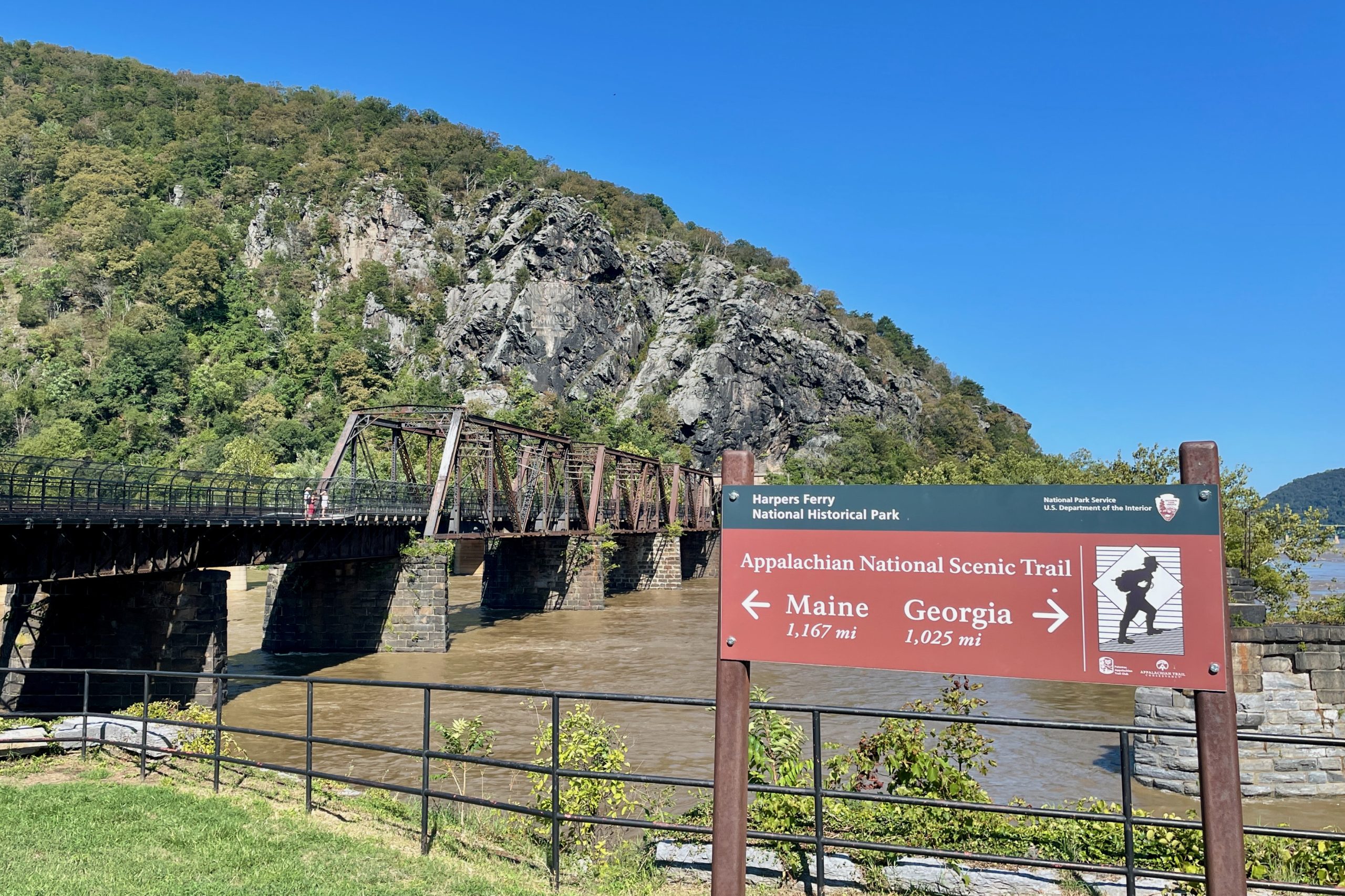
Stretching more than 2,000 miles, the Appalachian Trail faces ongoing erosion from millions of annual visitors. Rain and steep gradients wash away soil, exposing roots and damaging nearby habitats. Volunteer trail crews work to install stone steps, drainage systems, and barriers that slow runoff and stabilize the ground. Their collective efforts help preserve one of America’s most beloved hiking routes.
Bright Angel Trail, Arizona
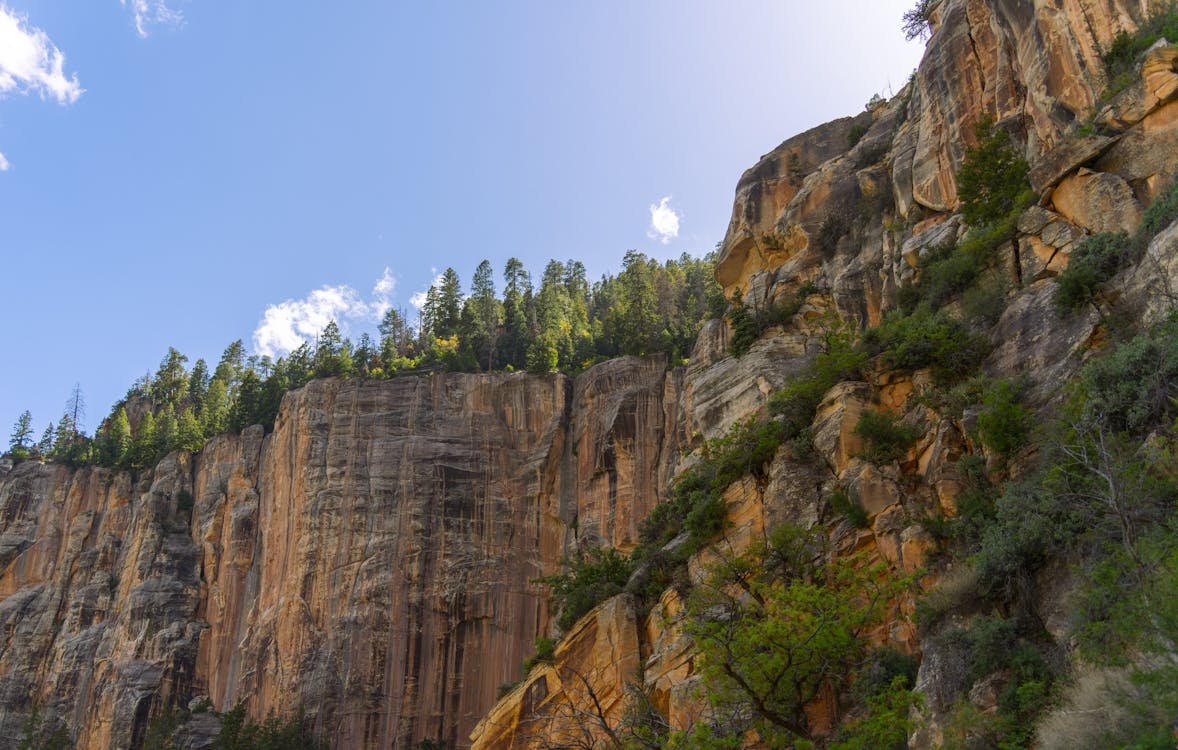
Located within the Grand Canyon, the Bright Angel Trail experiences constant wear from both visitors and the harsh desert environment. Seasonal rainstorms and mule traffic frequently erode the path’s surface. Park crews and volunteers reinforce switchbacks, manage water flow, and repair rock walls to prevent further damage. Continuous maintenance ensures that this historic trail remains safe and accessible to all visitors.
Kalalau Trail, Hawaii
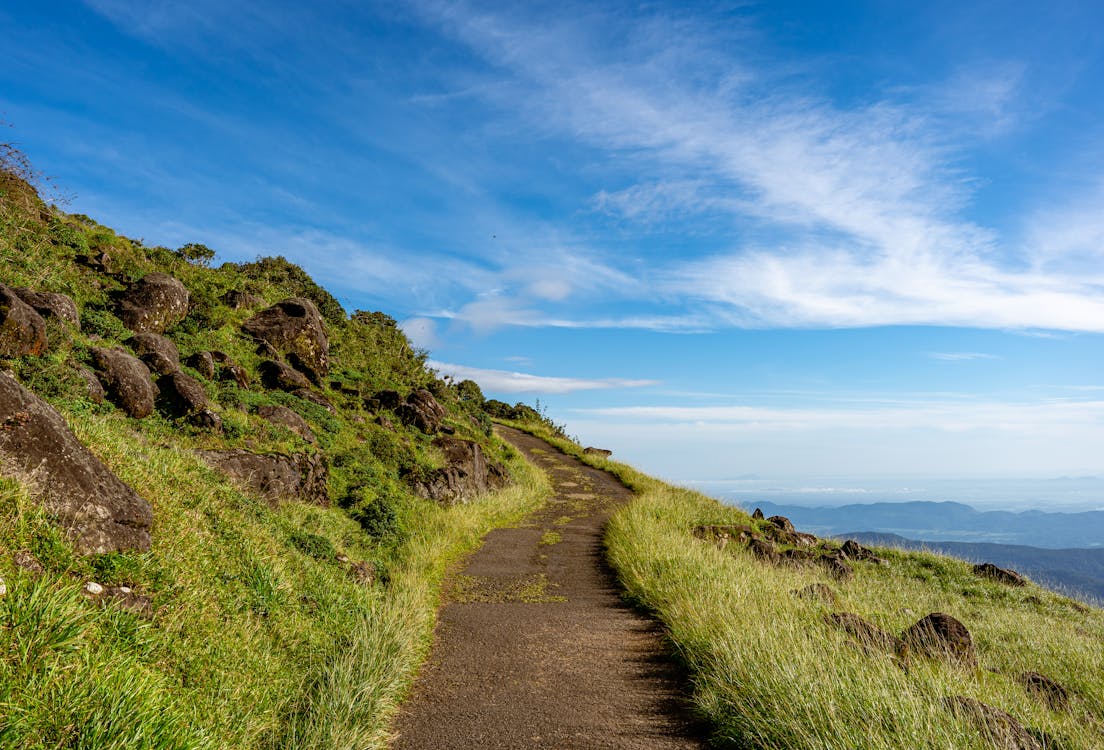
The Kalalau Trail along Kauai’s Na Pali Coast endures erosion from tropical rains and the impact of high visitation. Landslides and runoff often make the path unstable and difficult to maintain. Restoration projects focus on repairing washed-out sections and replanting vegetation to hold the soil. A limited permit system now helps control foot traffic, balancing preservation with access to this stunning coastal landscape.
Mount Whitney Trail, California
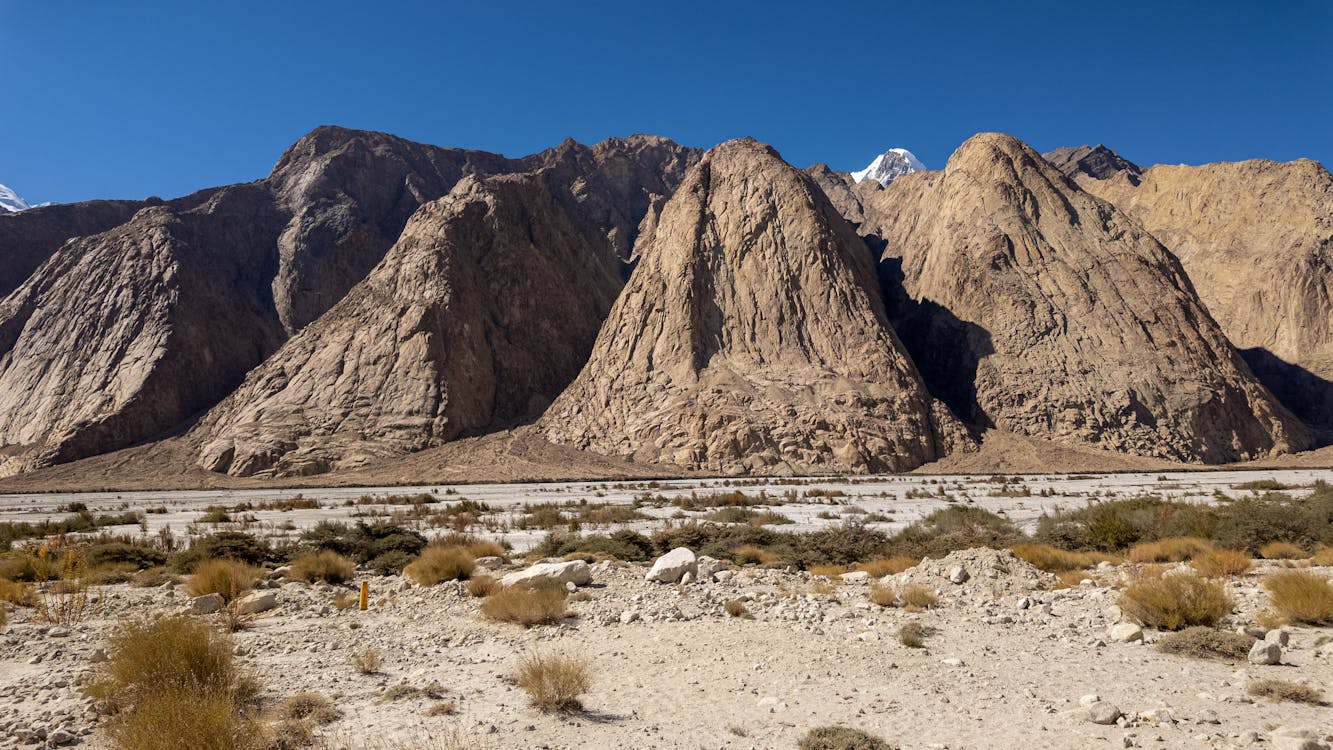
As the route to the highest peak in the continental United States, the Mount Whitney Trail attracts large numbers of hikers each year. Heavy use and natural runoff have led to soil loss and vegetation damage. Trail workers use stones and wooden supports to reinforce sections while reintroducing native plants to stabilize the terrain. Education campaigns encourage responsible use to protect this alpine environment.
Angels Landing, Utah
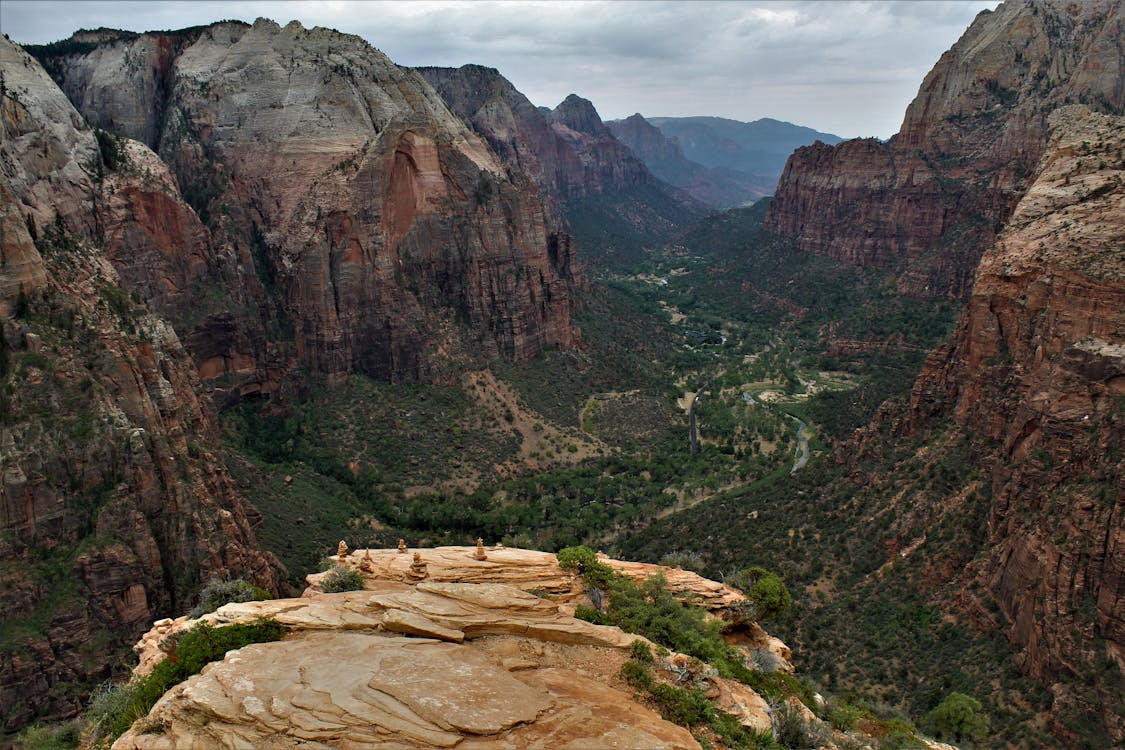
Angels Landing in Zion National Park combines steep cliffs, narrow pathways, and a steady stream of visitors, creating conditions ripe for erosion. Rain and wind wear down the sandstone surface, making maintenance a constant challenge. Park rangers and volunteers collaborate to add barriers, improve drainage, and remove loose debris. These preservation efforts help protect both safety and the landmark’s iconic beauty.
Franconia Ridge Loop, New Hampshire
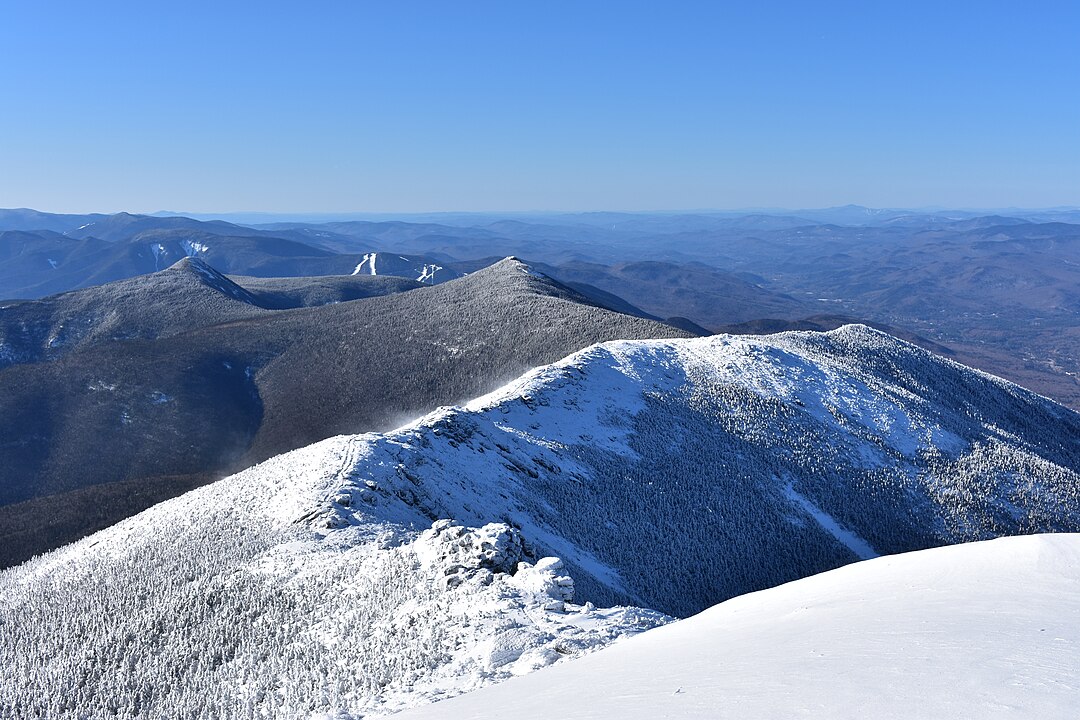
High winds, rugged terrain, and increasing visitation have intensified erosion along the Franconia Ridge Loop. The fragile alpine ecosystem struggles to recover once the soil is disturbed. Trail stewards have added rock steps, planks, and barriers to limit damage, while public education programs emphasize Leave No Trace practices. Continued attention helps sustain this celebrated ridge for future adventurers.
Lost Coast Trail, California
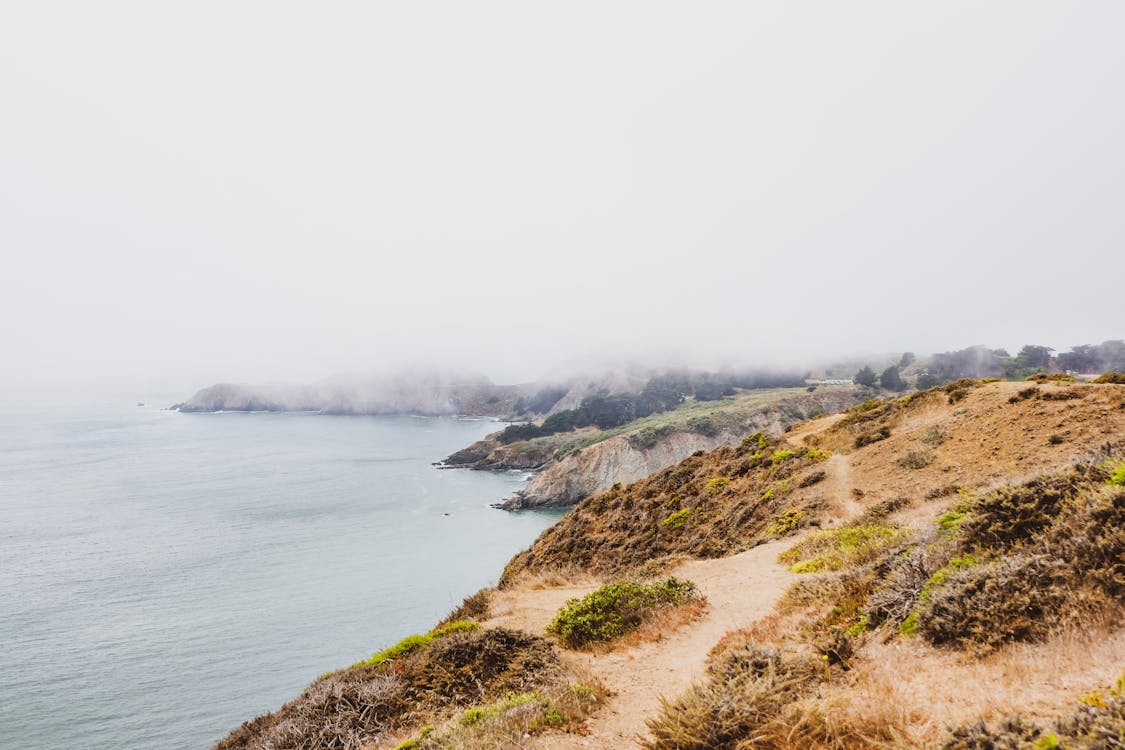
The Lost Coast Trail runs along one of California’s most remote shorelines, yet it faces steady erosion from ocean tides and winter storms. Landslides and cliffside wear often force temporary reroutes. Conservation teams monitor changes closely, stabilizing slopes and relocating trails to safer ground when necessary. These ongoing interventions help preserve the wilderness character of this rugged coastal region.
Maroon Bells Scenic Loop, Colorado
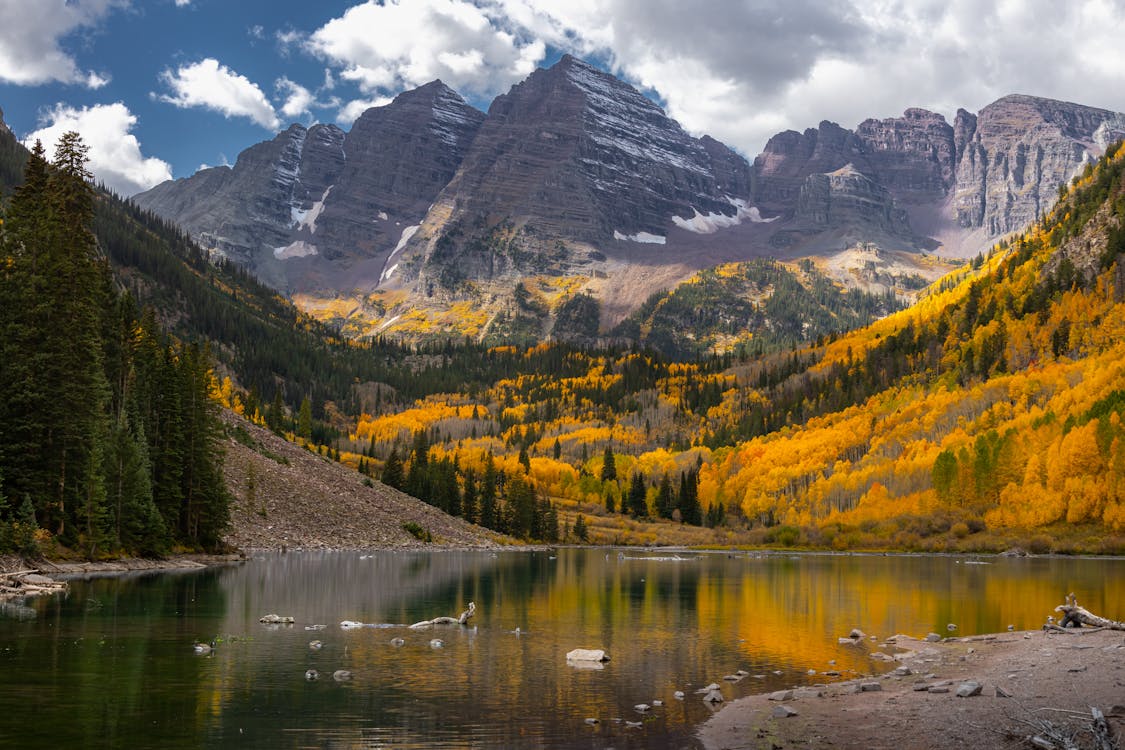
The Maroon Bells Scenic Loop near Aspen draws crowds each season, and its popularity has accelerated erosion on nearby slopes. Rain and snowmelt frequently wash out fragile alpine soils. Restoration crews install natural barriers and plant native grasses to reinforce the terrain. Rotational closures allow certain sections to recover, ensuring the area’s beauty and accessibility remain intact for years to come.