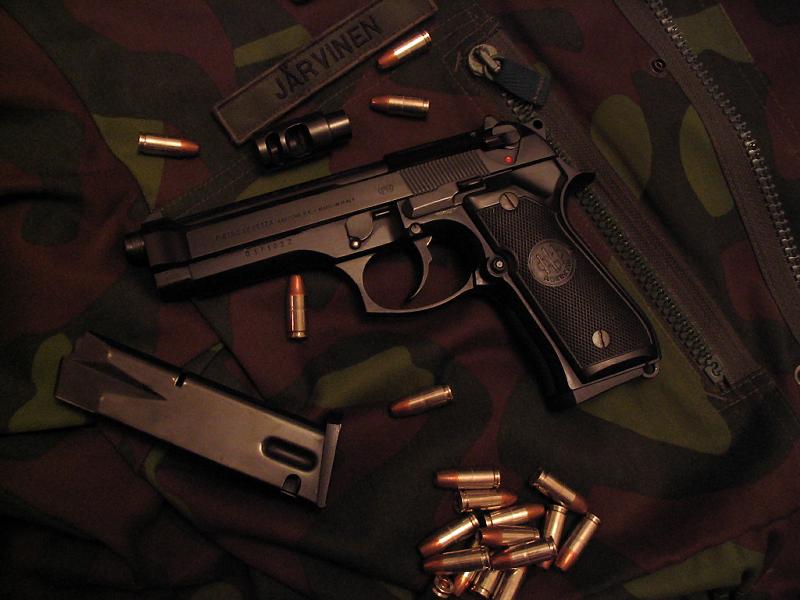
Cold weather creates challenges for firearm function, and many lubricants behave differently once temperatures drop far below freezing. Outdoor winter environments intensify these effects because metal contracts, moisture settles into crevices, and lubricants lose fluidity as their molecular structure slows down in low temperatures. These changes matter during hunting trips or cold-weather range sessions where dependable cycling becomes essential. Thickened lubricants increase friction, restrict movement, and limit the smooth transfer of energy through key components. Understanding how different formulations react in extreme cold provides a clearer sense of what happens inside a handgun during winter use and why selecting season-appropriate products helps ensure consistent mechanical function even when conditions grow harsh.
Petroleum-Based Oils
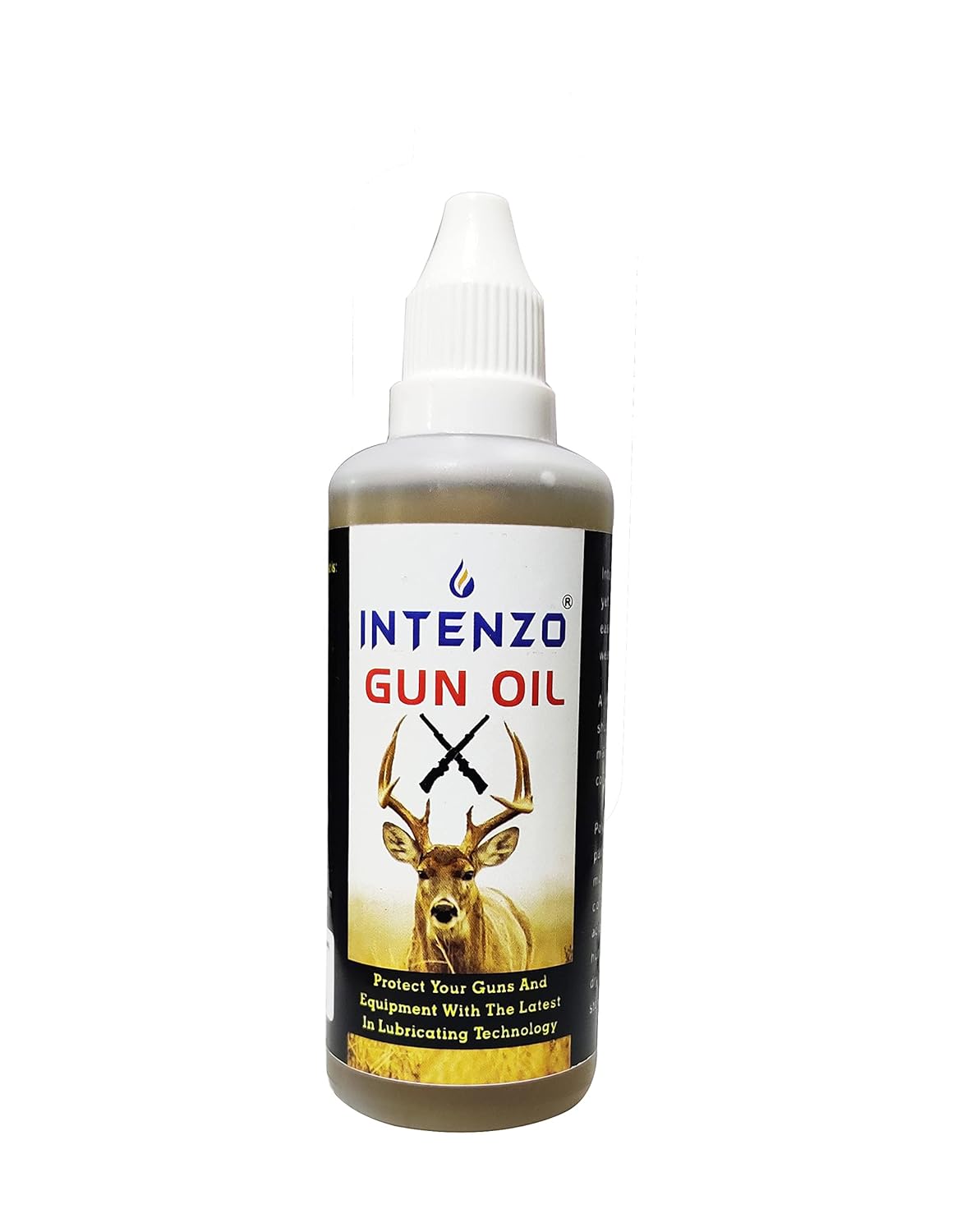
Petroleum-based oils often thicken in freezing weather because their hydrocarbon chains stiffen as temperatures fall, reducing the fluid motion needed for even distribution across metal surfaces. The base oil becomes less responsive as molecular activity slows, creating a heavier consistency that drags against internal parts. This thickening restricts slide travel and can interfere with trigger movement during winter hunts where temperatures remain low for extended periods. Additives designed to stabilize petroleum oils in moderate climates also lose effectiveness once exposed to deep cold, causing uneven lubrication layers. These changes highlight why petroleum-based oils struggle in harsh winter settings and often require replacement with more temperature-stable alternatives that maintain fluidity under extreme conditions.
Grease Formulations
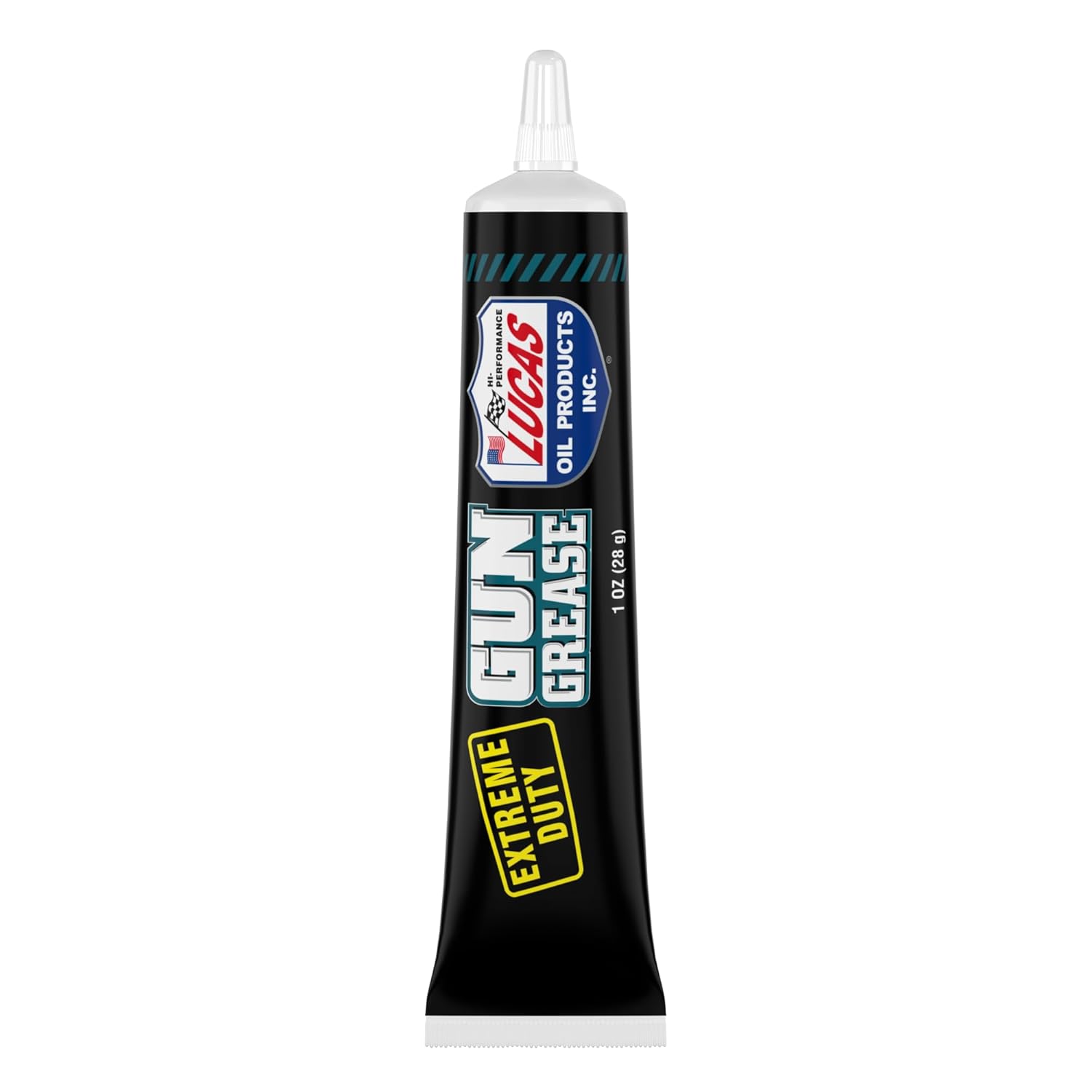
Traditional grease formulations thicken dramatically in extreme cold because the soap-based structure inside the grease stiffens when the carrier oil contracts under low temperatures. This combination forms a dense, wax-like layer that clings to internal components and restricts movement during outdoor winter use. Grease already contains higher viscosity than oils, and cold exposure magnifies this thickness until it slows or halts the cycling of semi-automatic handguns. The dense layer resists spreading once chilled, leaving sections of the firearm underlubricated and prone to friction. Frozen grease can also prevent parts from seating correctly because it no longer responds to pressure. These effects show why grease becomes unreliable in subzero hunting environments where flexibility and smooth action are essential.
Heavy Synthetic Oils
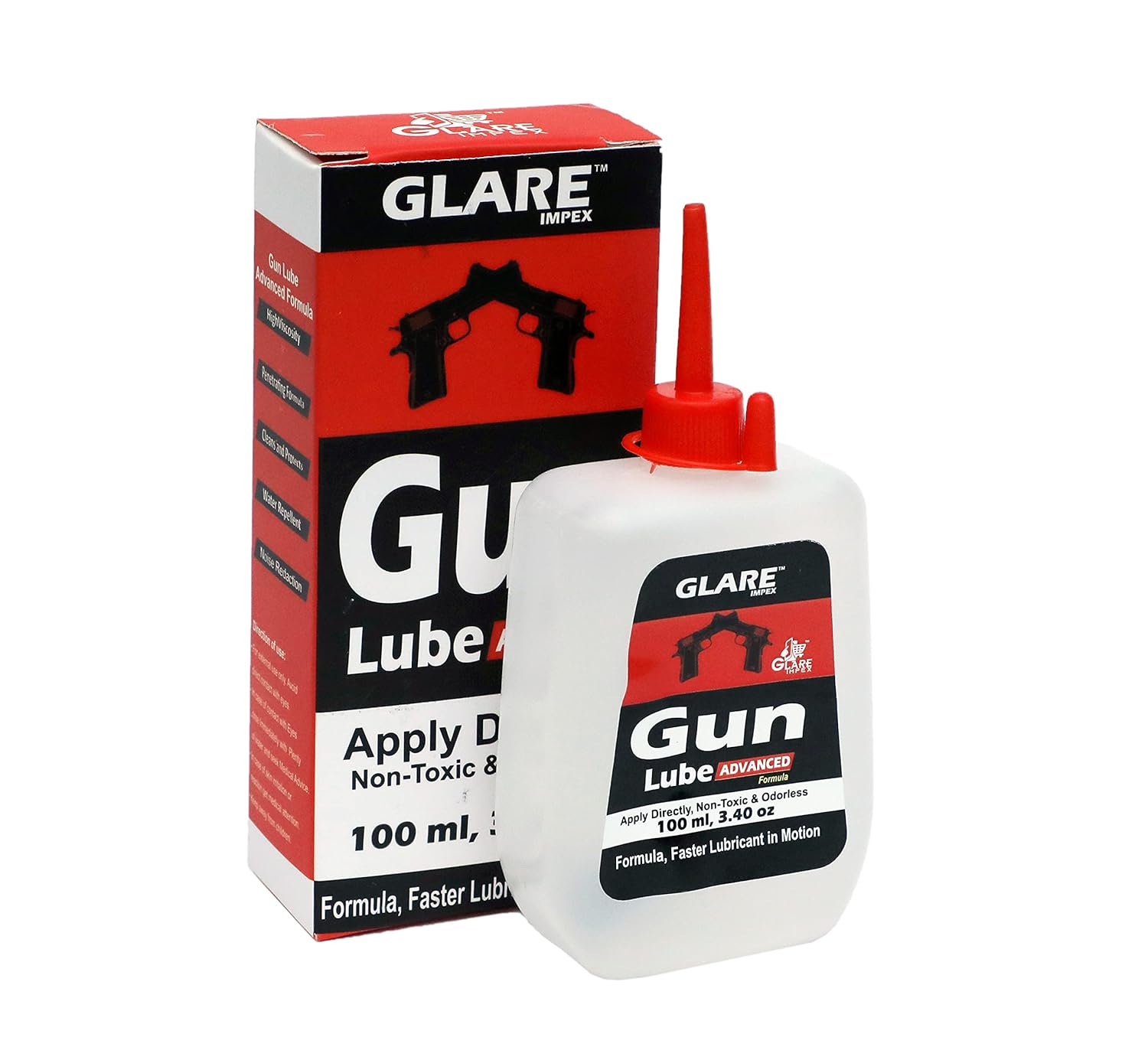
Heavy synthetic oils thicken in severe cold because the engineered polymers inside these blends contract and lose elasticity as temperatures drop. This contraction increases resistance within the fluid and slows its ability to circulate across handguns exposed to winter conditions. Many heavy synthetic formulas contain long-chain molecules that perform well under heat but stiffen when exposed to freezing air, creating sluggish movement within slides and recoil systems. Thickened oil adds drag to each interaction between metal surfaces and may delay cycling during cold-weather hunts. Although these synthetic oils offer durability in many scenarios, their behavior in freezing temperatures reveals that weight and polymer structure influence winter performance. These factors explain why heavy synthetic oils often remain unsuitable for extreme cold environments where low viscosity solutions work more effectively.
CLP Multipurpose Lubricants
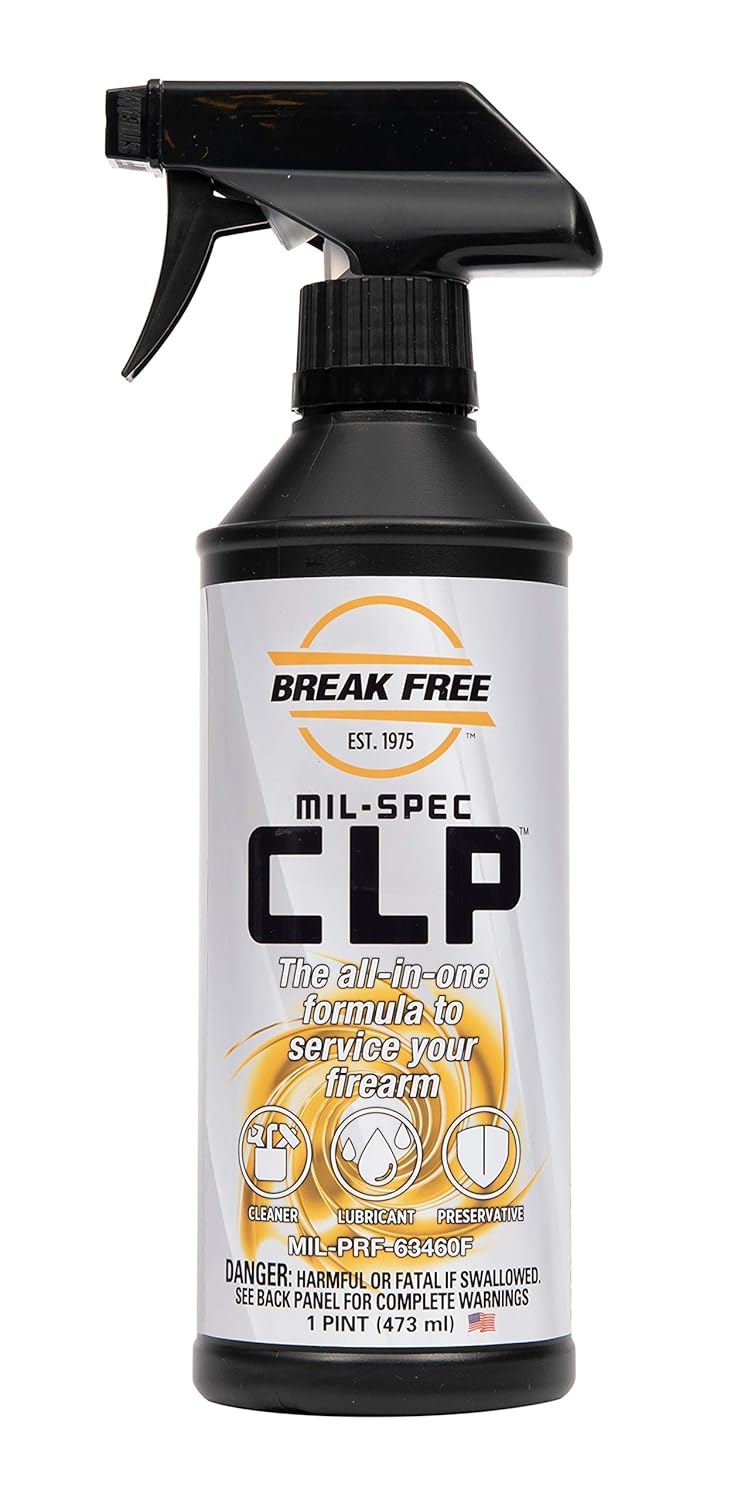
CLP multipurpose lubricants thicken in cold weather because their balanced formulations combine ingredients that react differently to temperature changes, causing uneven viscosity shifts once the blend is exposed to freezing air. The cleaning agents, protective additives, and oils inside CLP products lose harmony in deep cold, creating thicker sections that resist movement across internal parts. This inconsistency leaves small pockets where friction increases and disrupts smooth cycling during outdoor winter activities. Residues harden faster because the moisture trapped within the mix solidifies at low temperatures. These combined reactions limit the fluid film that normally supports metal interaction and slow vital components. The multipurpose nature of CLP products explains why they often fall short in harsh cold compared with lubricants engineered solely for low temperature reliability.
High Viscosity Lubricants
High viscosity lubricants thicken noticeably in extreme cold because their dense molecular structure becomes increasingly rigid as temperatures drop, limiting how easily the product flows across metal surfaces. These lubricants rely on heavy bases designed for protection under high stress conditions, yet cold exposure disrupts this performance by slowing molecular mobility. Thickened residue forms along rails and bearing points, increasing friction and reducing consistent movement during winter hunts. The higher starting viscosity also means that even slight temperature changes create a dramatic rise in thickness, leaving certain parts underlubricated or entirely coated in immobile layers. Cold weather highlights the limitations of heavy formulations and demonstrates why lubricants with lighter viscosity perform more reliably when exposed to consistently freezing environments.
Wax Infused Lubricants
Wax-infused lubricants thicken in freezing temperatures because the wax elements inside the formula solidify quickly when exposed to cold air, transforming from a flexible coating into a hardened residue. As the wax cools, it crystallizes and loses the pliability needed for smooth distribution across moving components. This stiffened layer restricts slide movement and creates drag inside handguns used during winter outings. The carrier oils in these blends also contract under cold conditions, separating slightly from the wax and producing uneven coverage. These combined behaviors disrupt lubrication flow and reduce mechanical responsiveness. Wax-infused formulas excel in corrosion protection, yet their tendency to harden under freezing temperatures makes them less reliable for active use in harsh winter climates.
Bio-Based Lubricants
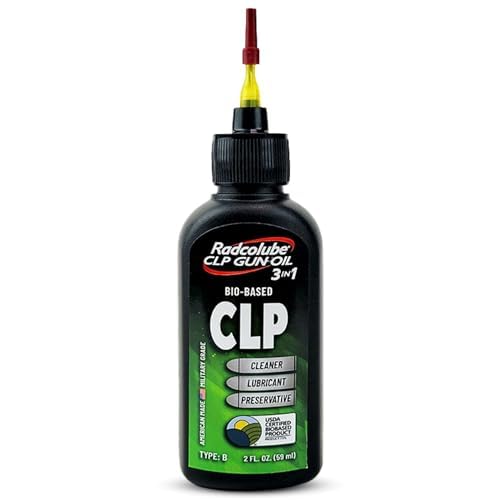
Bio-based lubricants thicken significantly in extreme cold because natural plant-derived oils contain fatty acids that solidify rapidly once temperatures approach freezing. These fatty acids crystallize into firm layers that cling to metal surfaces and reduce the fluid motion needed for smooth cycling in winter conditions. Molecular structure plays a major role, as many bio-based oils rely on triglycerides that lose flexibility at low temperatures. This stiffening interferes with even distribution and increases the risk of sticky or resistant movement during outdoor hunts. Although bio-based lubricants offer environmentally conscious benefits, their sensitivity to temperature shifts makes them less dependable in harsh cold environments. Understanding this natural tendency helps clarify why they require caution when used in freezing climates.
Combination Lubricant Pastes
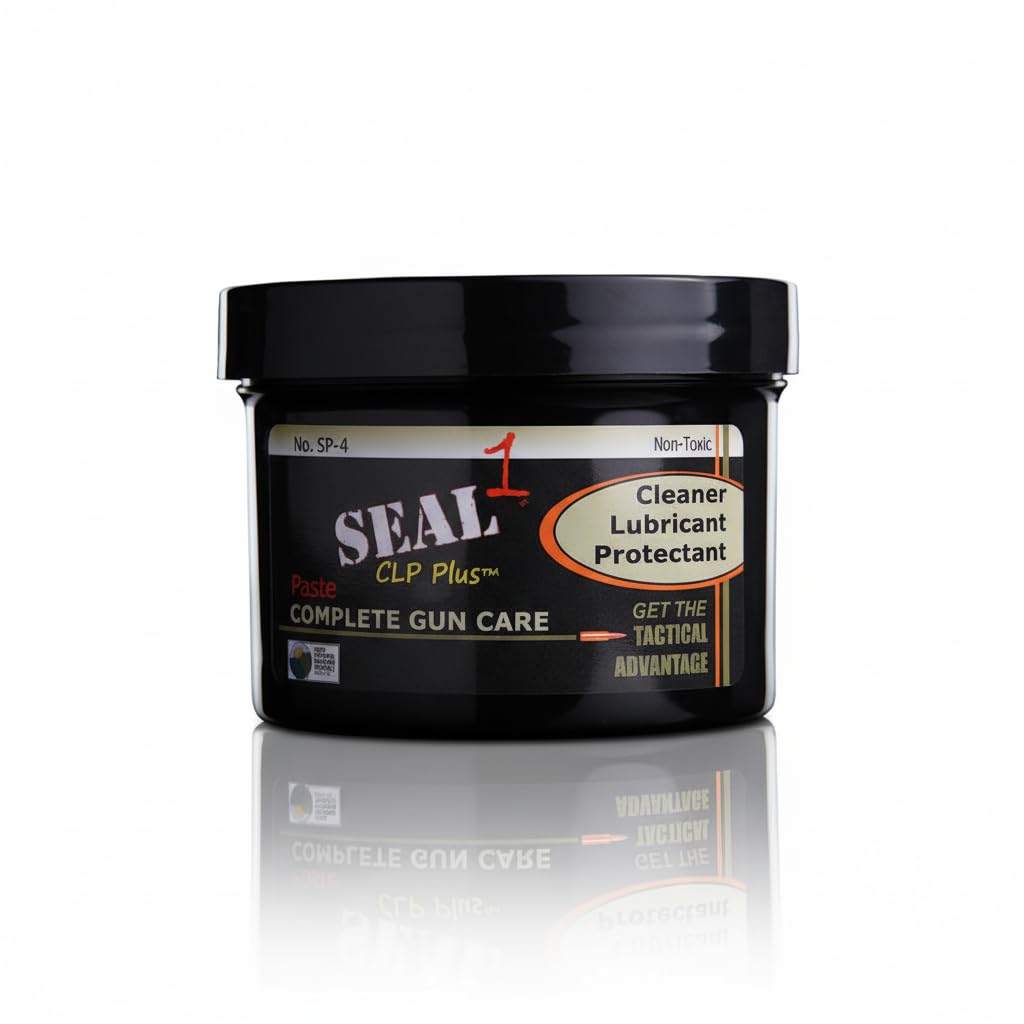
Combination lubricant pastes thicken in extreme cold because each component inside the mixture reacts differently to low temperatures, creating a dense, uneven texture that restricts mechanical function. Oils inside the paste contract while heavier elements stiffen, causing the blend to congeal quickly when exposed to freezing air. This congealing forms sticky layers that slow interaction between tightly fitted components during winter use. Additives that provide long-term protection may cluster together as the mixture cools, reducing overall coverage and increasing friction. These temperature-driven changes disrupt timing within moving parts and limit reliability during cold-weather hunts. The complexity of mixed formulas explains why combination pastes often struggle in deep winter environments where consistent fluidity is essential.