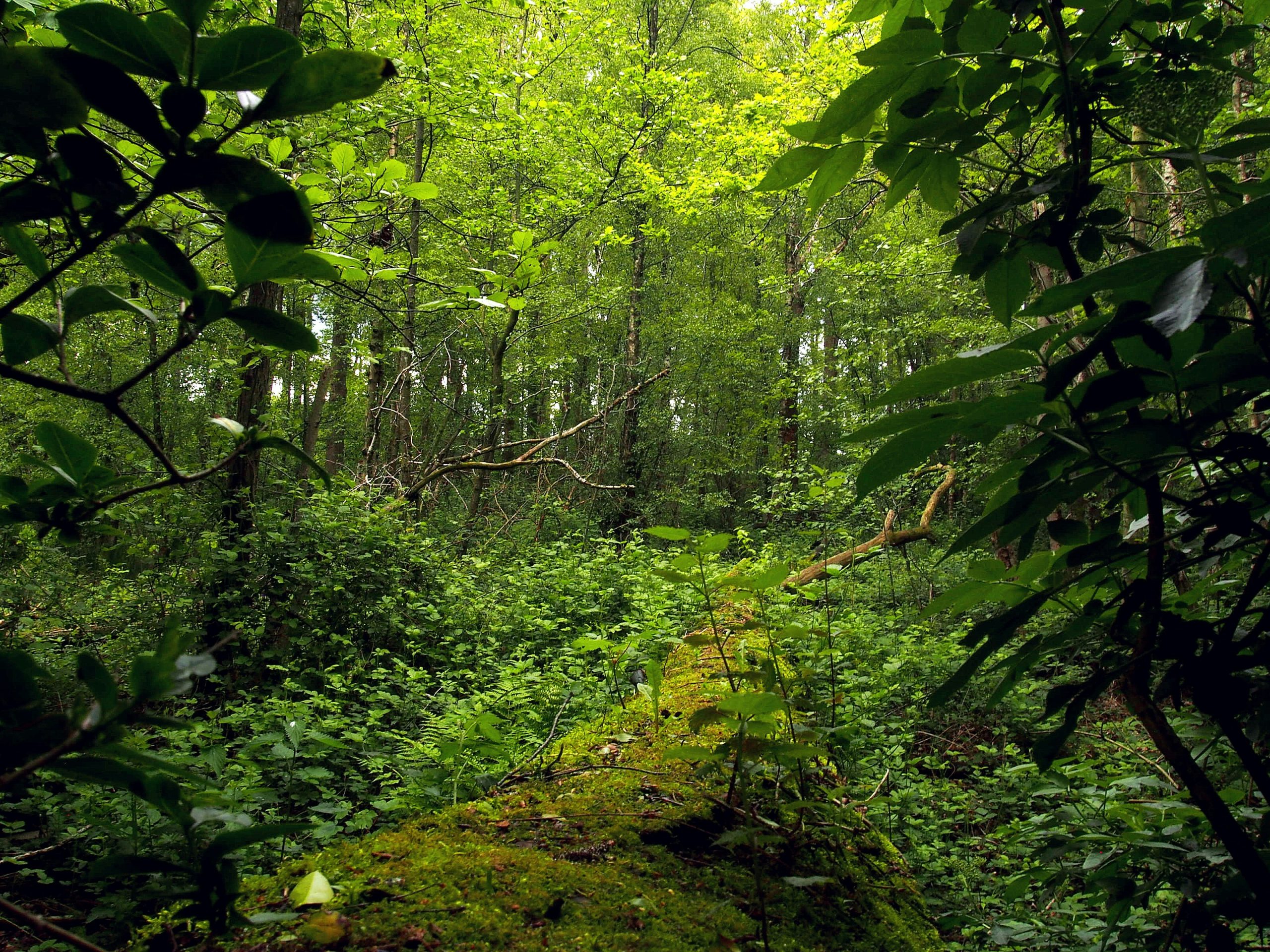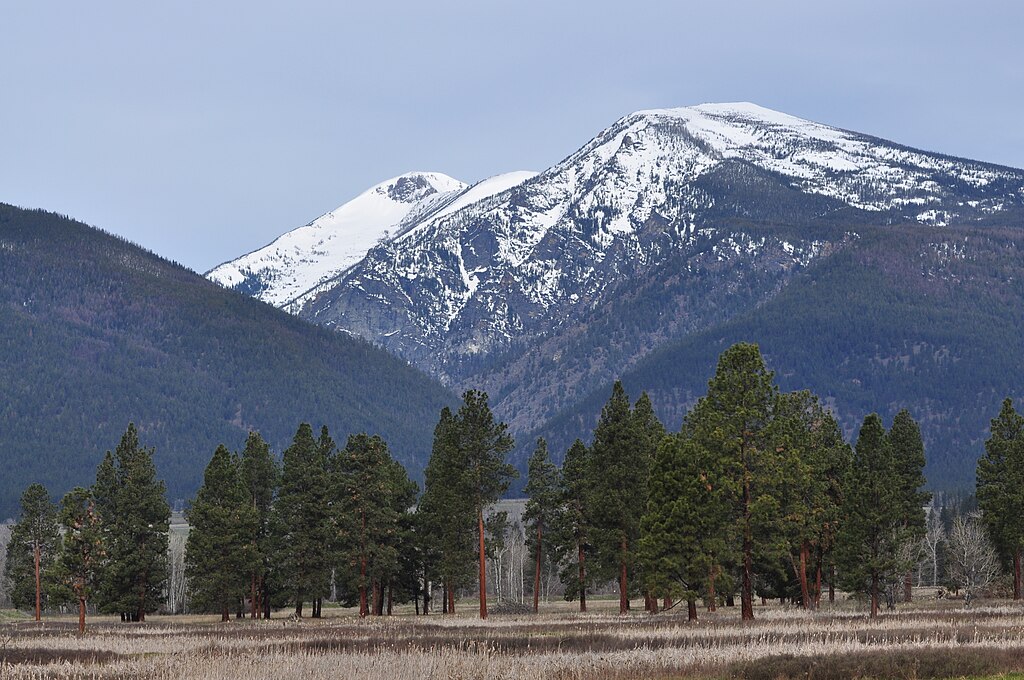
High in Idaho’s Bitterroot Range, where the ridgelines split the clouds and silence carries farther than any call, elk hunters learn survival the hard way. The terrain is punishing, the weather unpredictable, and the stakes often higher than a simple harvest. These men and women aren’t just chasing elk; they’re discovering patience, adaptability, and humility in one of the toughest backcountry environments in the United States. Here are eight lessons forged in those wild hills.
1. Preparation Is the Line Between Comfort and Crisis
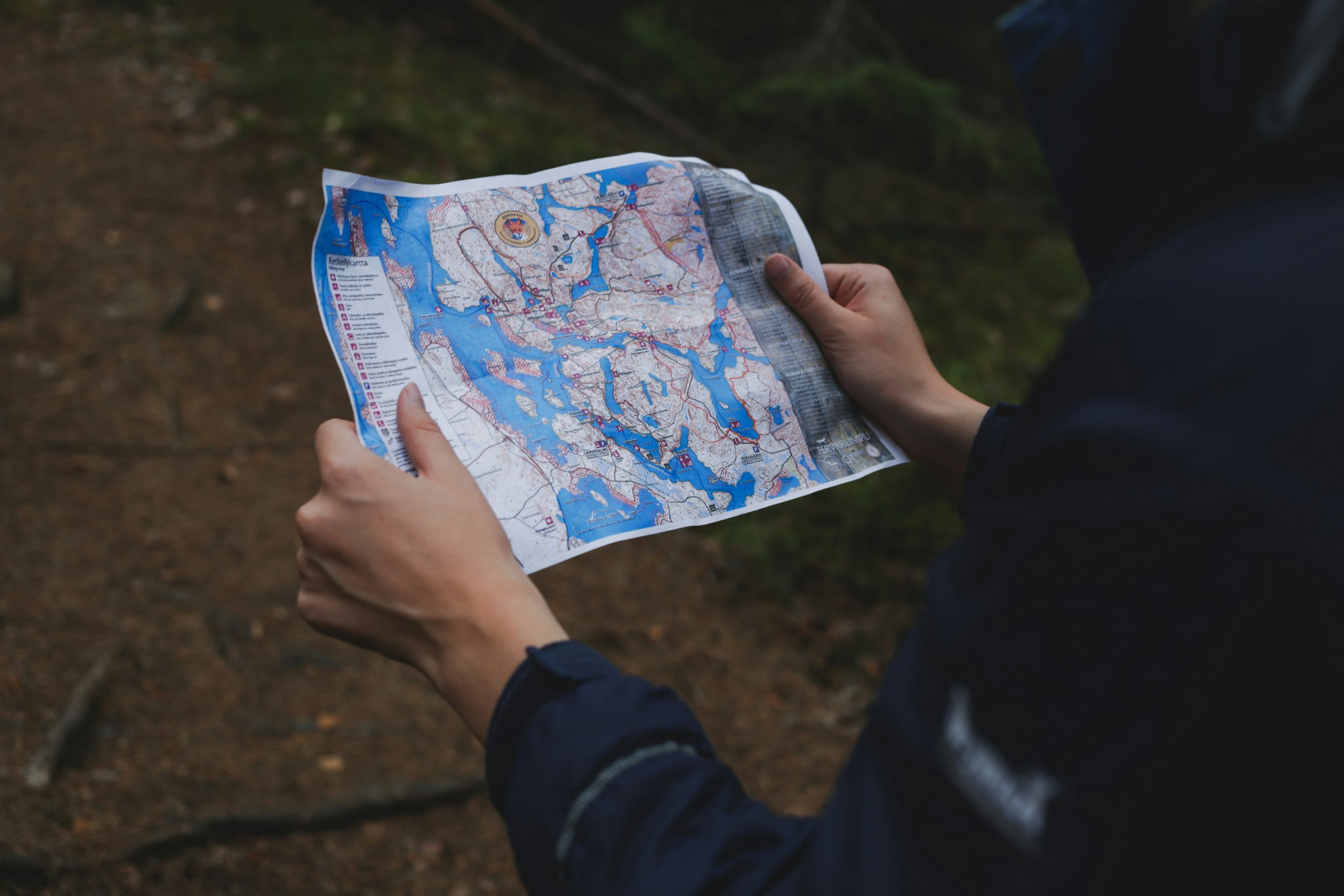
Veteran hunters spend weeks planning before setting foot in the Bitterroot. They double-check maps, study migration routes, and pack redundancies in case of gear failure. Yet once inside the range, preparation only buys you a head start, never control. A sudden temperature drop or a wrong turn can undo the best plans. The mountains teach that preparedness isn’t about perfection; it’s about minimizing chaos when the wild inevitably takes over.
2. Adaptability Is Worth More Than Equipment
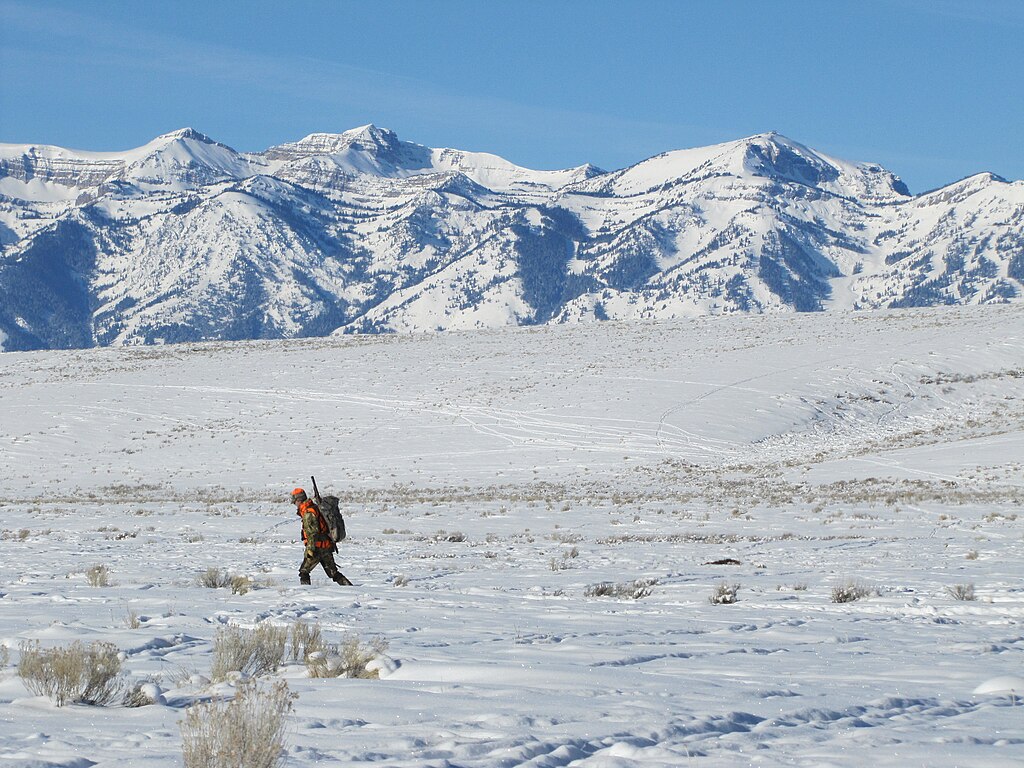
In elk country, flexibility outweighs fancy gear. The terrain changes fast, a trail turns to mud, a herd shifts valleys overnight, or fog erases landmarks. Hunters who adapt survive; those who don’t get humbled quickly. Adjusting to new signs, reading wind direction, or improvising with what’s on hand makes the difference. In the Bitterroot, adaptability isn’t a skill; it’s a mindset that keeps you moving when everything else changes.
3. Endurance Outlasts Strength Every Time
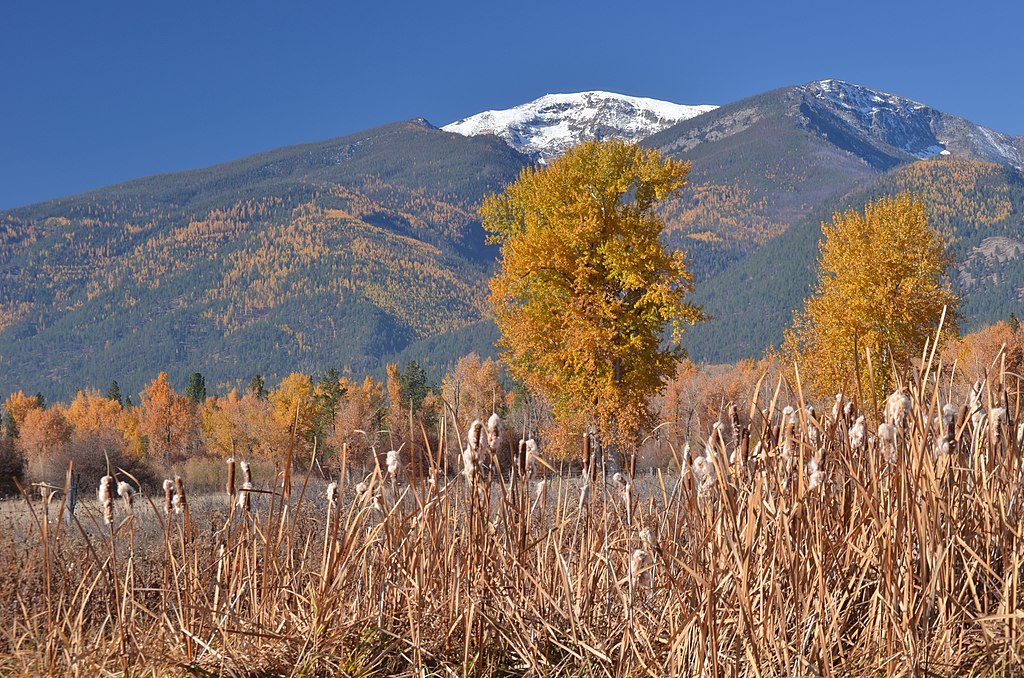
The first day feels exciting; by the third, the mountain starts testing resolve. The climbs are steep, the oxygen thin, and the weight of a pack feels doubled. Strong legs get you started, but the endurance to keep going keeps you alive. Every ridge teaches patience and pacing. In these hills, brute strength fades quickly, but endurance, discipline, and grit always carry you farther than muscle ever could.
4. Reading the Land Is Reading Survival
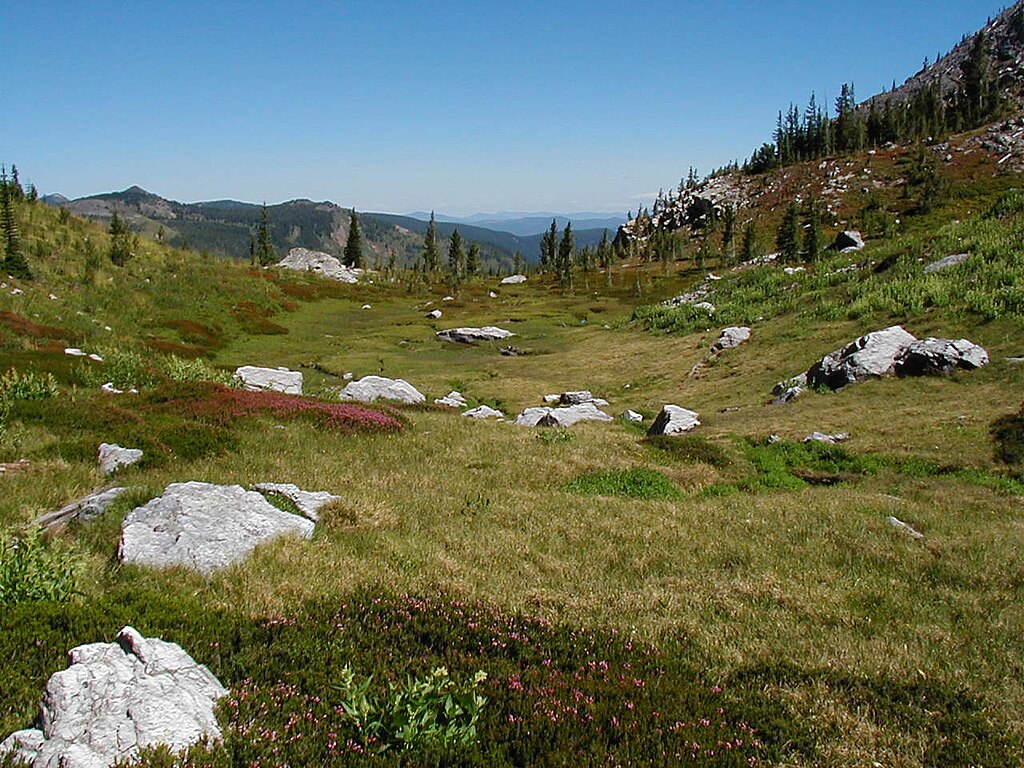
Maps can only tell you where you might be; the land tells you where you truly are. Successful hunters study slopes, shadows, and animal tracks like a second language. They notice the wind curling through the timber or the silence that means movement nearby. The Bitterroot teaches you to see patterns hidden in plain sight. Knowing how to read the land isn’t just about finding elk; it’s about finding your way home.
5. Weather Is the Only True Authority Here
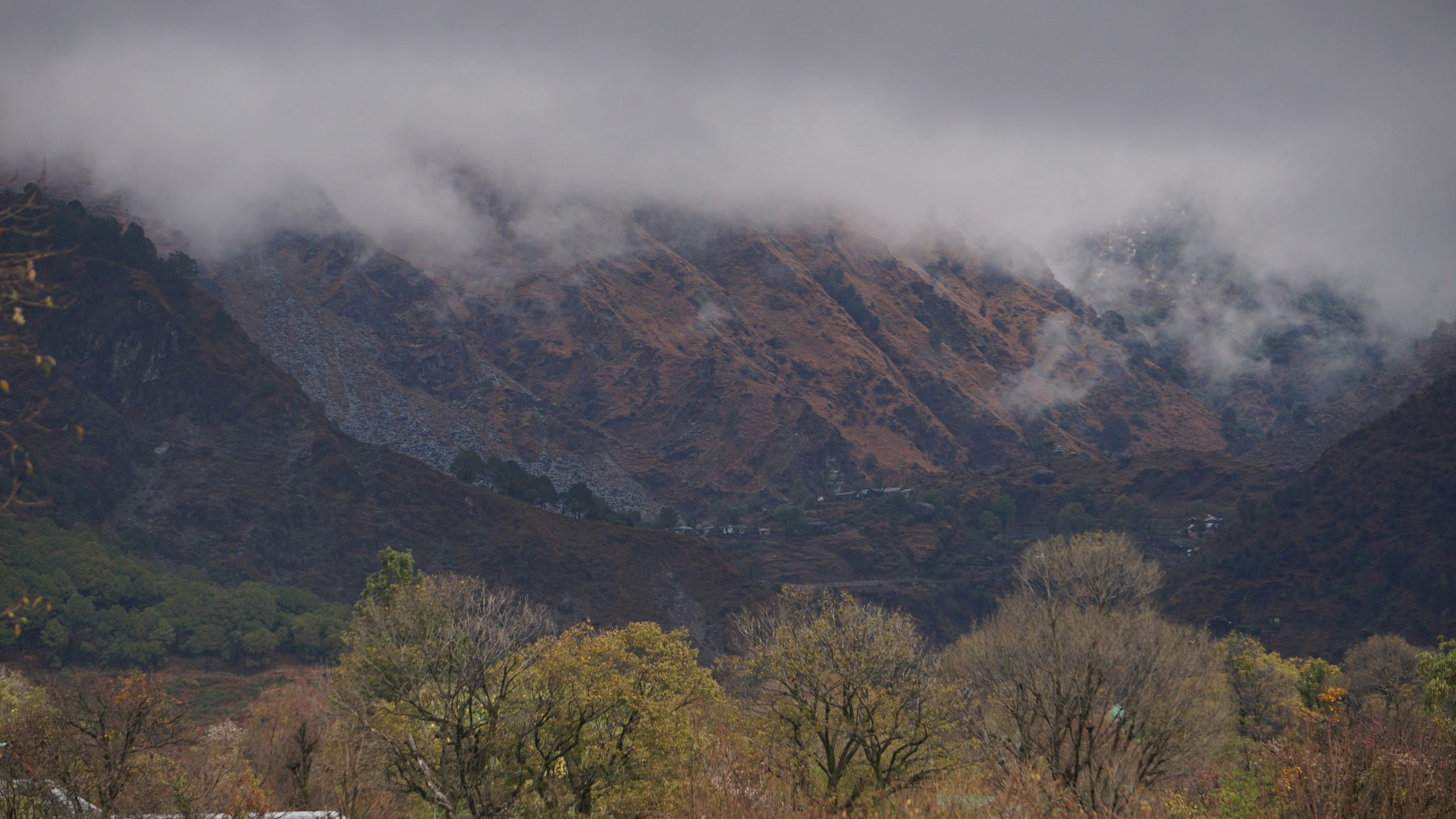
One minute it’s sunshine, the next it’s sleet. In the Bitterroot, weather isn’t the background; it’s the ruler of every choice. Hunters carry layers, tarps, and waterproof gear not out of comfort but survival instinct. Storms can trap you or save you depending on how you respond. The mountains teach humility through the sky’s moods; those who underestimate a darkening horizon often don’t get a second chance to learn.
6. Solitude Tests the Mind Before the Body
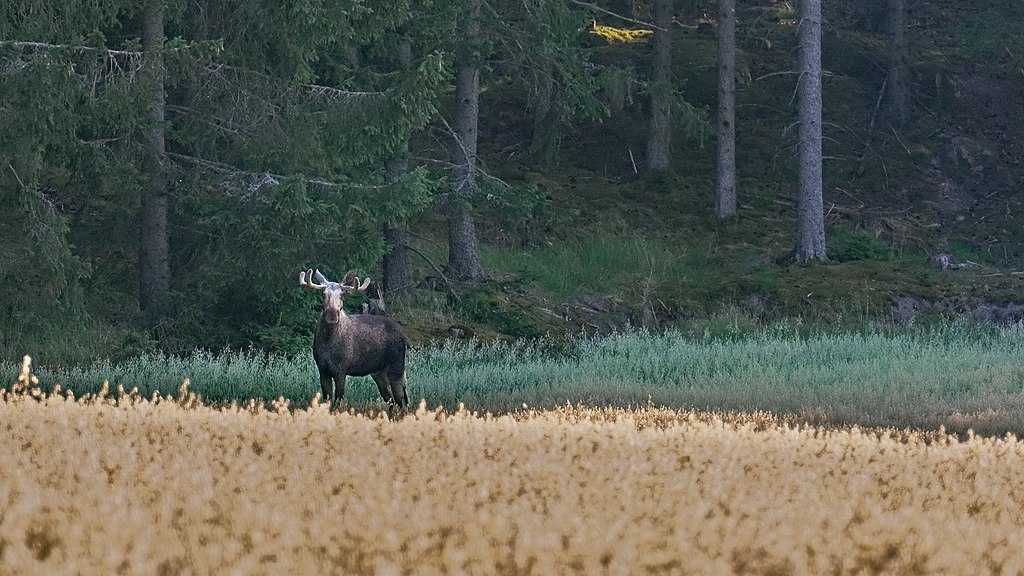
The first few hours alone in the wilderness feel peaceful. Then the silence deepens, and your thoughts grow louder. Solitude strips away noise until only your true self remains. The hunters who thrive here don’t fight it; they embrace it. In that isolation, the mind learns calm under pressure and courage without witness. In the Bitterroot, solitude isn’t loneliness; it’s a sharpening of spirit that defines real survival.
7. Teamwork Isn’t Optional. It’s Lifesaving
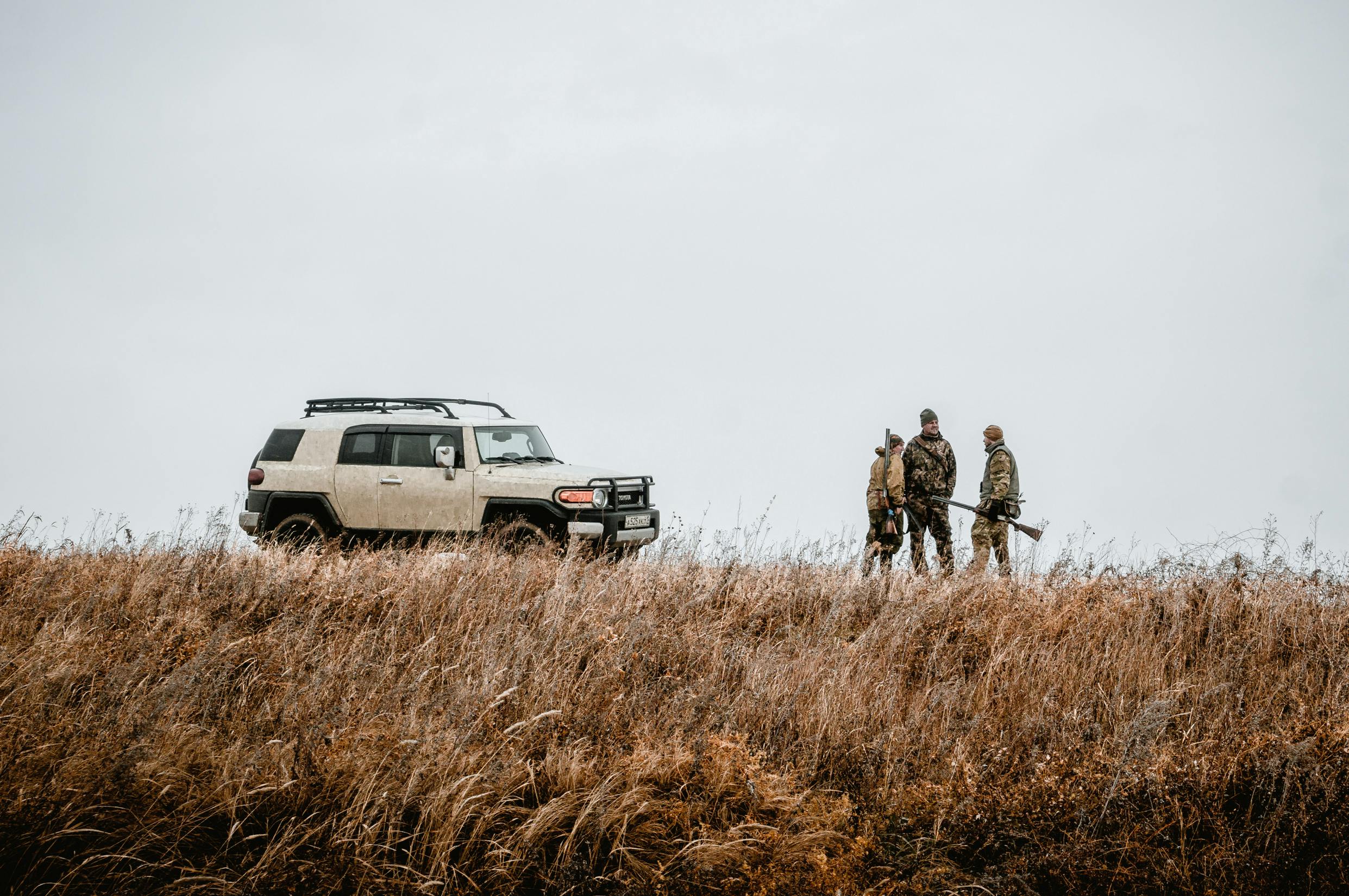
Even the most seasoned hunters know they’re never truly solo. A reliable partner means more than shared labor; it means trust when conditions turn. Teams rotate watch duty, share water, and help with navigation. Communication, even in silence, keeps them alive. When someone falls behind or the weather shifts, teamwork becomes the invisible rope that pulls everyone through. In the wilderness, survival isn’t a competition; it’s collaboration.
8. Gratitude Turns Survival Into Wisdom
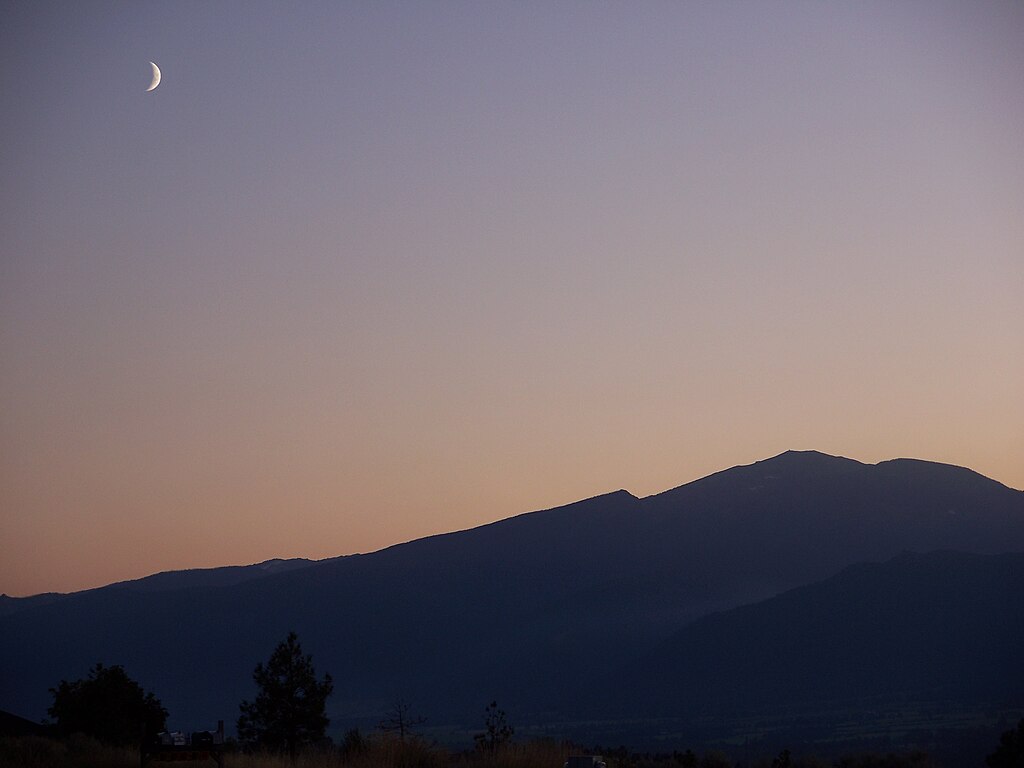
After long nights and longer climbs, gratitude becomes a habit. Every meal cooked over a small flame, every sunrise seen through cold breath, all of it feels earned. Hunters leave the Bitterroot not just with meat or memories but with perspective. They’ve faced discomfort and found peace within it. Gratitude, they realize, is the ultimate survival tool because when you appreciate what’s scarce, you never feel empty again.