8 Situations Where the Browning BAR Complicates Deer Hunts
Deer hunts reward simplicity yet some equipment choices quietly add complexity afield. Semi automatic hunting rifles promise fast follow up shots and smooth recoil management. However real world conditions expose tradeoffs that matter during whitetail seasons. The Browning BAR remains popular for accuracy and reliability yet its design introduces challenges hunters often overlook. Weight balance handling and maintenance affect decisions in stands blinds and rugged terrain. Understanding when this rifle complicates hunts helps clarify gear selection. These eight situations highlight moments when the Browning BAR can hinder efficiency awareness and adaptability during deer hunting scenarios.
Extended Still Hunting Sessions
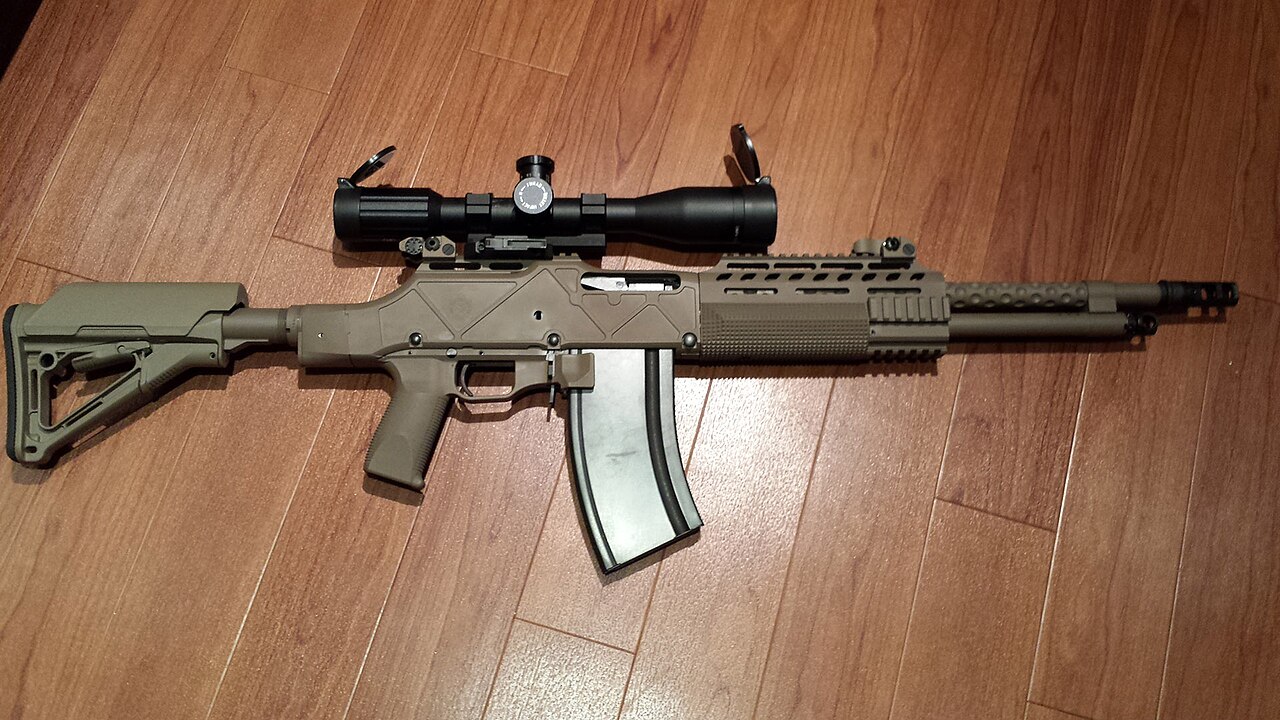
The Browning BAR complicates long still hunting sessions due to its weight and balance. Carrying the rifle for hours increases fatigue compared to lighter bolt action options. The forward weight distribution strains arms during slow movement. Fatigue reduces awareness and reaction time. Hunters pause more often, disrupting rhythm. Quiet progress becomes harder. In steep terrain the rifle feels cumbersome. Over time posture suffers. These factors combine to limit mobility. While accurate, the BAR’s mass works against patience based approaches where comfort and endurance matter most, especially during cold weather days requiring extended slow travel.
Tight Tree Stand Setups

In compact tree stand setups the Browning BAR introduces handling challenges. Its longer action and weight make repositioning awkward. Swinging the rifle risks contacting rails or branches. Limited space magnifies movement noise. Hunters adjust more frequently, increasing detection risk. The rifle feels top heavy when seated. Quick shouldering becomes less fluid. In cold conditions gloves worsen control. These factors complicate shot readiness. While manageable, the BAR demands more careful movement in confined stands where lighter rifles allow quieter smoother transitions during unexpected shot opportunities at close range.
Long Distance Hiking Access
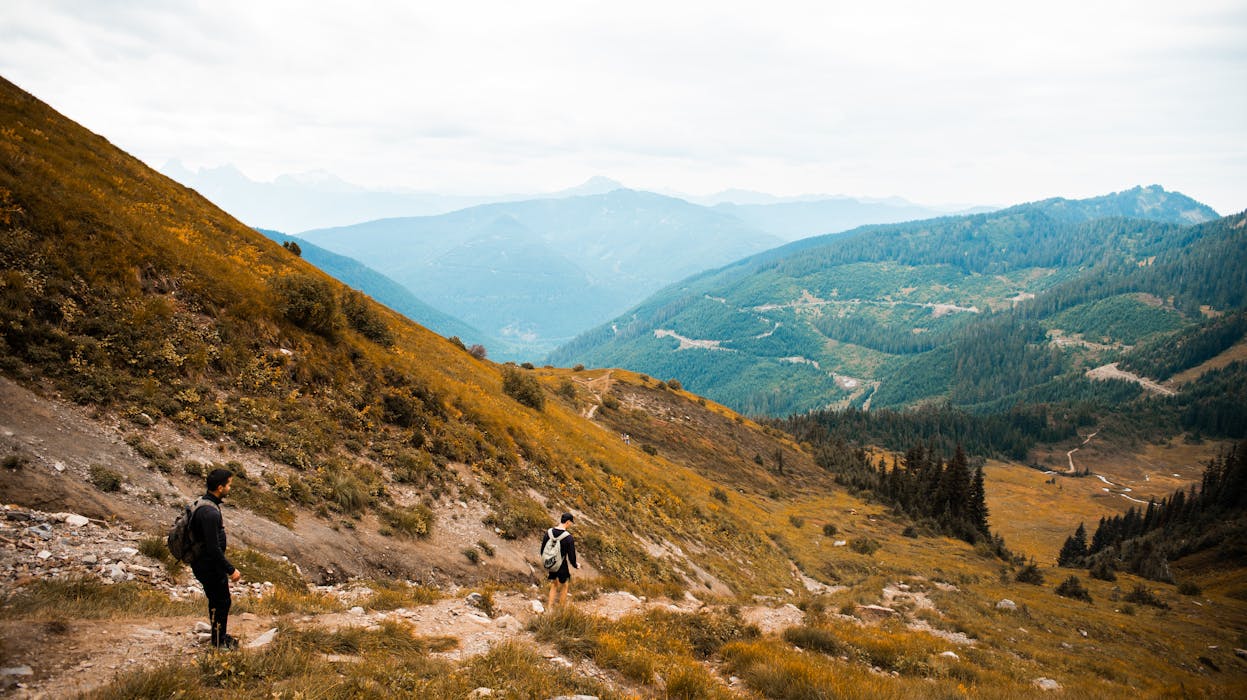
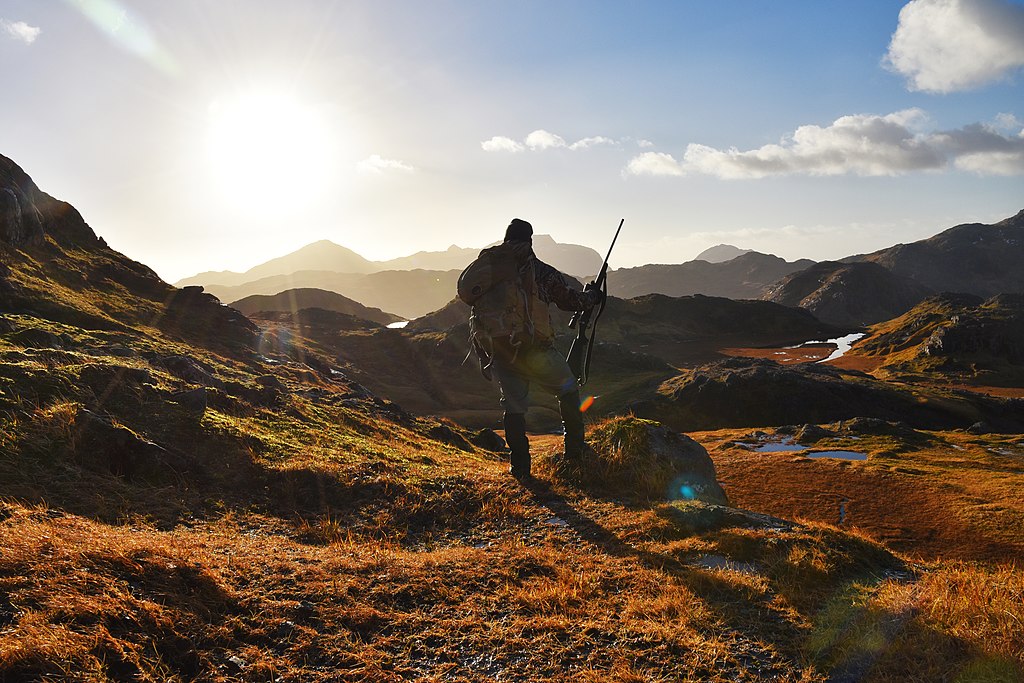
Reaching remote deer areas often requires long hikes where the Browning BAR becomes burdensome. The rifle’s weight adds strain over distance. Sling pressure increases shoulder fatigue. Uneven trails amplify imbalance. Hunters arrive tired, affecting focus. Extra weight discourages carrying additional gear. Pace slows noticeably. Breaks become frequent. In mountainous regions elevation gain magnifies discomfort. These factors reduce efficiency before hunting begins. While reliable once settled, the BAR complicates access to backcountry locations where lightweight equipment preserves energy and readiness for sudden movement or extended tracking efforts.
Cold Weather Maintenance Demands
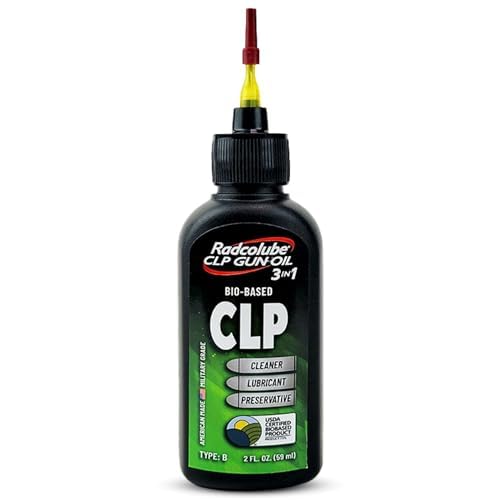
Cold weather exposes maintenance demands that complicate using the Browning BAR. Semi automatic actions rely on clean lubrication. Thickened oils slow cycling. Moisture freezes inside mechanisms. Snow infiltration increases malfunction risk. Hunters must maintain cleanliness carefully. Field stripping requires time and dexterity. Gloves complicate handling. Compared to simpler actions the BAR demands more attention. These factors matter during freezing hunts when reliability is critical. While dependable when maintained, the rifle’s complexity introduces additional preparation steps that distract from scouting conditions and adjusting strategies in harsh winter environments.
Quick Follow Up Shot Expectations
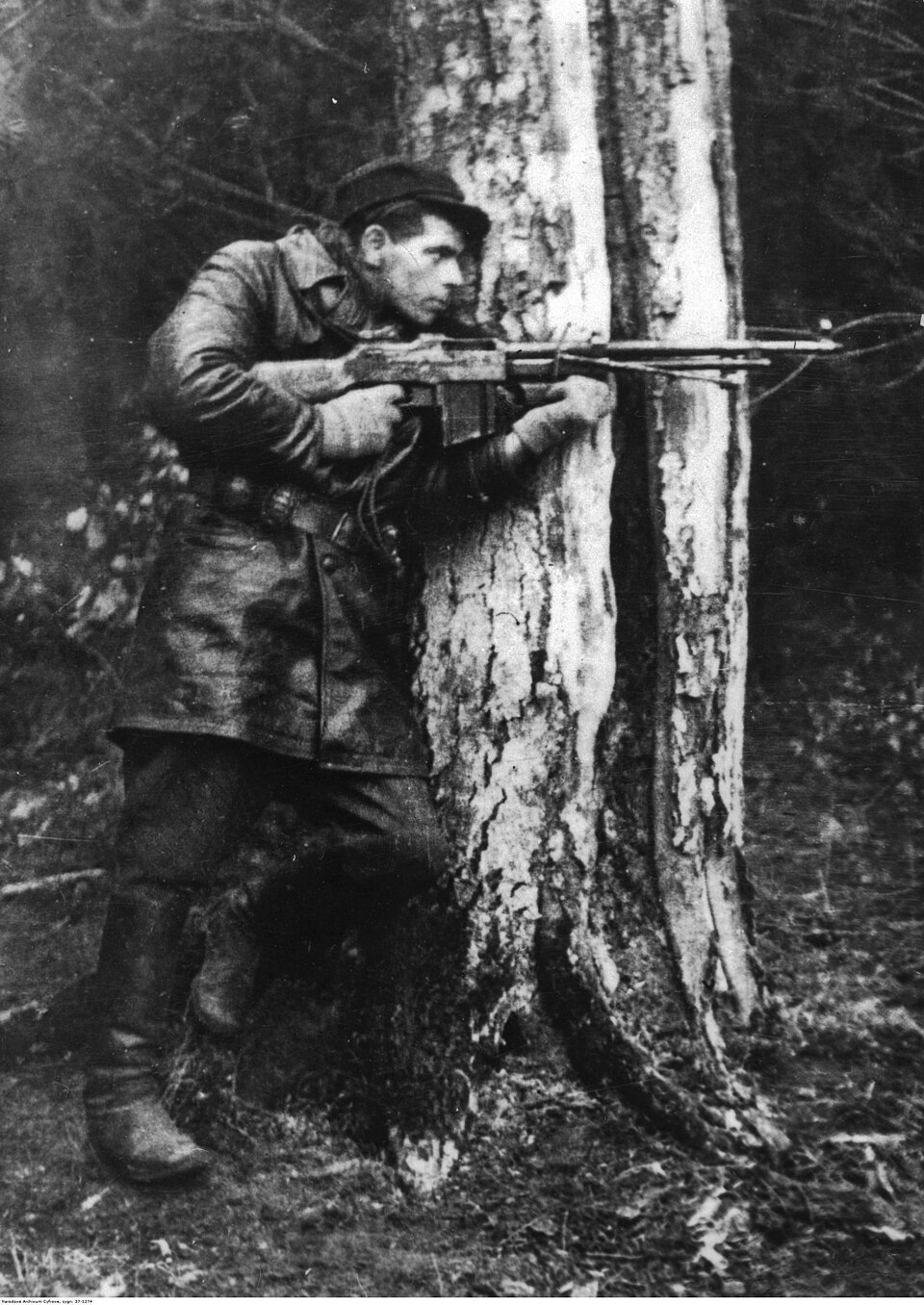
Hunters often assume the Browning BAR guarantees easy follow up shots. In practice recoil recovery and sight picture still matter. The rifle’s weight slows target reacquisition. Semi automatic cycling can disrupt focus. Rapid shots increase noise and movement. In wooded terrain visibility limits effectiveness. Expecting speed may encourage rushed decisions. Controlled follow ups require discipline. The BAR does not eliminate fundamentals. Overreliance on its action can complicate judgment, especially when patience and precise timing outperform speed during pressured deer encounters in dense cover situations.
Vehicle Based Hunting Transitions
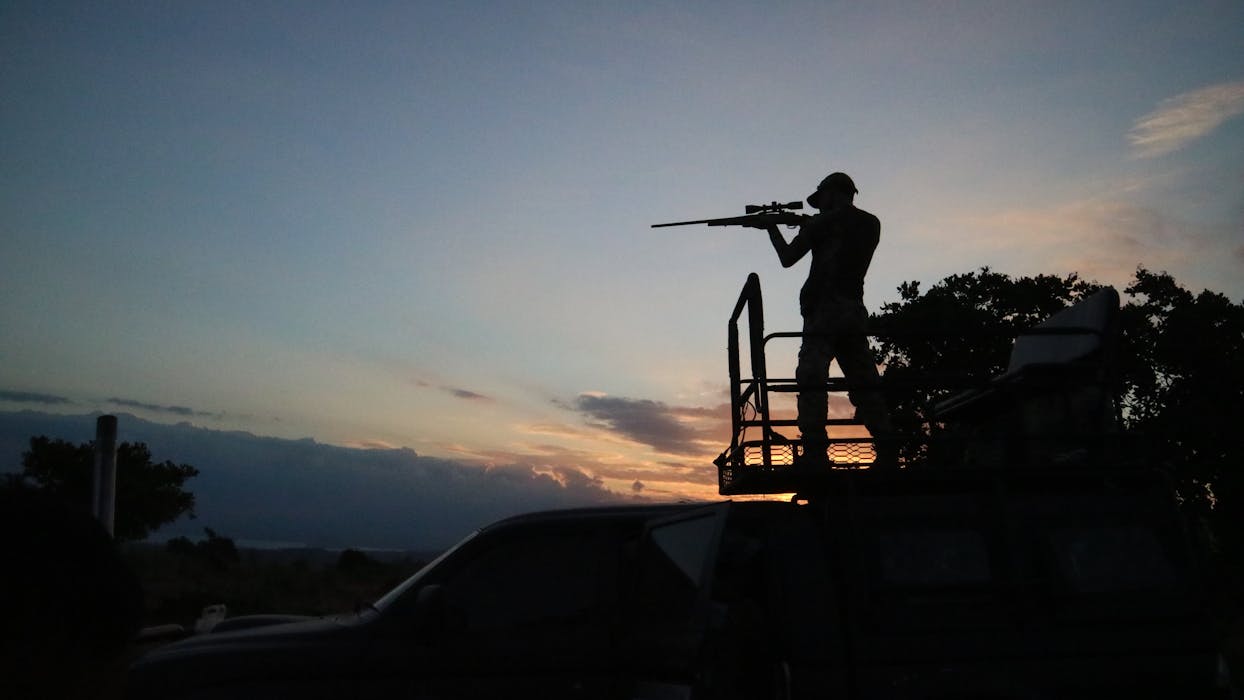
Frequent transitions between vehicle and field complicate using the Browning BAR. The rifle’s size makes storage awkward. Loading and unloading takes longer. Cold metal stiffens controls. Hunters adjust slings repeatedly. Movement attracts attention near roads. Compared to compact rifles the BAR feels cumbersome. These delays affect timing during active periods. While safe handling remains essential, the rifle’s bulk complicates quick entry and exit when covering multiple properties or responding to changing deer movement patterns across fragmented landscapes during short daylight windows. These moments amplify stress and reduce efficiency during hunting opportunities.
Thick Brush Tracking

Tracking wounded deer through thick brush challenges Browning BAR users. The rifle’s length catches vegetation. Balance suffers during crouched movement. Muzzle control becomes harder. Quick directional changes strain arms. In dense cover lighter rifles maneuver easier. Noise increases when brushing branches. Fatigue builds rapidly. These factors complicate careful tracking. While accurate, the BAR hinders agility needed for close range follow up shots. Hunters must slow significantly, increasing recovery time and reducing responsiveness when visibility is limited and terrain demands constant adaptation. This combination increases tracking time and raises risk of mistakes.
Elevated Blind Shooting Angles

Shooting from elevated blinds introduces complications with the Browning BAR’s weight and ergonomics. Raising the rifle smoothly requires effort. Holding steady angles strains shoulders. Window clearance becomes critical. The longer profile restricts movement. Adjustments create noise. In cold conditions stiffness worsens control. These factors affect shot comfort. Lighter rifles allow easier positioning. While the BAR performs accurately, its mass complicates prolonged holds and subtle adjustments needed when deer pause briefly at awkward angles below enclosed blinds. Such constraints subtly affect confidence timing and shot execution overall.