As hunters age, physical changes often arrive gradually rather than suddenly. Strength fades, joints stiffen, and recovery takes longer than it once did. Yet many older hunters remain active, effective, and deeply capable in the field. They rarely announce limitations or complain about them. Instead, they adapt quietly, using experience, planning, and smarter techniques to keep hunting safely and ethically. These adjustments are rarely obvious to others but make the difference between continuing a lifelong pursuit and giving it up. Understanding these physical limitations and how seasoned hunters work around them reveals that successful hunting is less about physical dominance and more about adaptation, wisdom, and respect for one’s own limits.
1. Reduced Stamina Over Long Distances
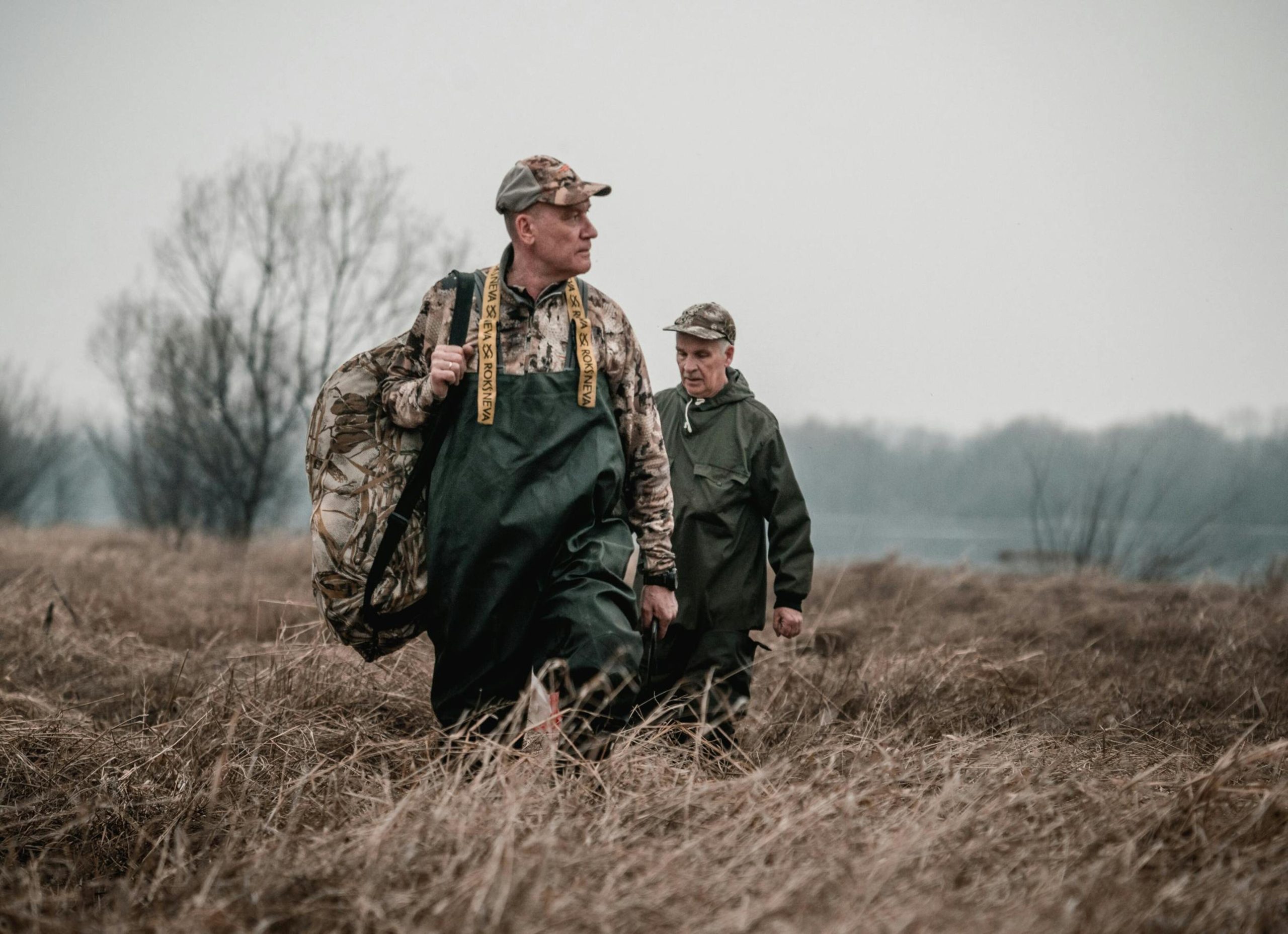
Endurance naturally declines with age, especially during long hikes over uneven terrain. Older hunters recognize this and adjust by planning shorter routes, pacing themselves carefully, and stopping before fatigue sets in. Instead of pushing hard early, they conserve energy for critical moments like shot placement or animal recovery. Many choose access points closer to known travel corridors rather than covering unnecessary ground. They also pay closer attention to hydration, nutrition, and rest timing. By managing stamina deliberately, older hunters avoid exhaustion-related mistakes and remain mentally sharp, proving that efficiency matters far more than covering maximum distance in a single push.
2. Joint Pain and Reduced Flexibility
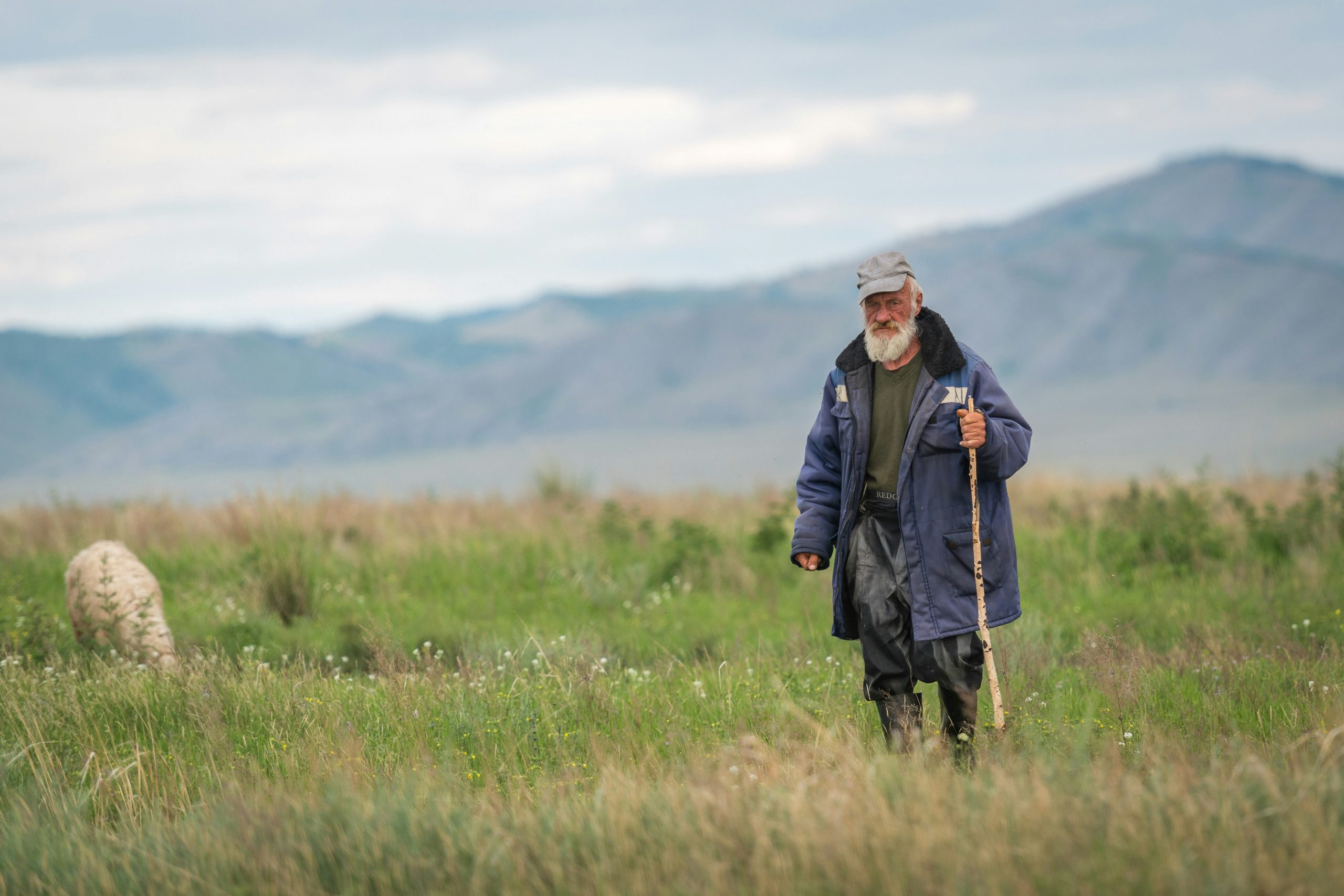
Aging joints often bring stiffness, limited range of motion, and lingering pain, particularly in knees, hips, and shoulders. Older hunters quietly compensate by modifying movement patterns and avoiding unnecessary strain. They choose smoother terrain, use trekking poles for stability, and take extra time transitioning between sitting, kneeling, and standing positions. Many adjust shooting positions to reduce joint stress rather than forcing uncomfortable stances. Stretching routines before and after hunts become essential rather than optional. These subtle adaptations allow older hunters to stay mobile and steady without aggravating joints that no longer tolerate sudden or extreme movements.
3. Slower Recovery After Physical Effort
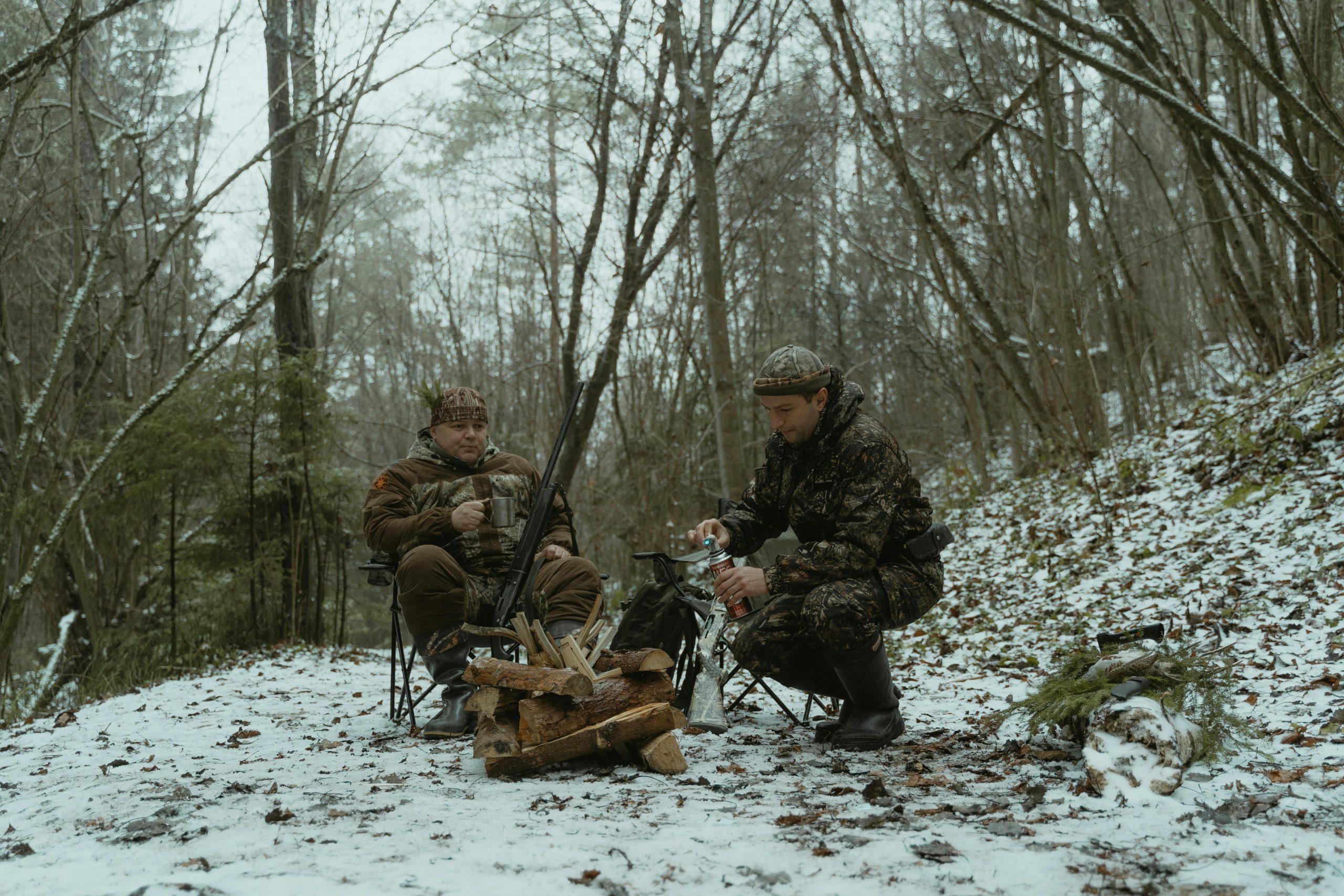
Recovery time increases with age, even for hunters who remain physically active. Older hunters account for this by spacing out demanding activities and avoiding back-to-back high-exertion days. They may plan hunts with built-in rest periods or shorten trips that once felt routine. Recognizing early signs of overexertion helps them prevent injury that could end a season prematurely. Many also focus on proper sleep, hydration, and post-hunt care to reduce soreness. By respecting recovery limits instead of ignoring them, older hunters extend their ability to hunt consistently throughout the season.
4. Declining Balance on Uneven Terrain
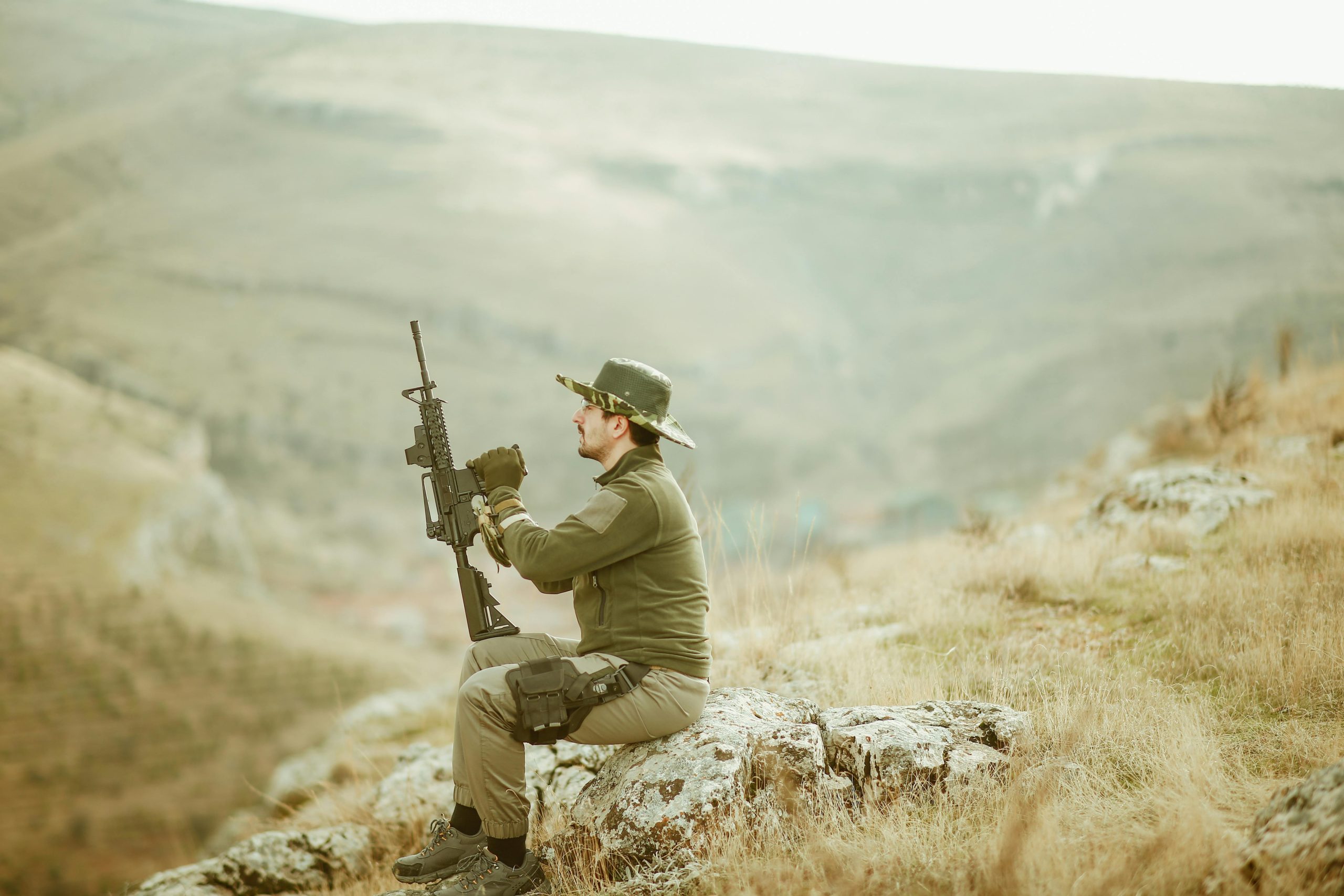
Balance tends to diminish gradually with age, increasing the risk of slips or falls in rugged environments. Older hunters adapt by moving more deliberately and avoiding rushed descents or aggressive climbs. They test footing carefully, use walking sticks or poles, and choose routes with stable ground, even if slightly longer. Many also reduce pack weight to improve stability. This cautious approach reduces injury risk without sacrificing effectiveness. Experienced hunters know that one fall can end an entire season, so preserving balance becomes a quiet but critical priority in the field.
5. Reduced Upper Body Strength
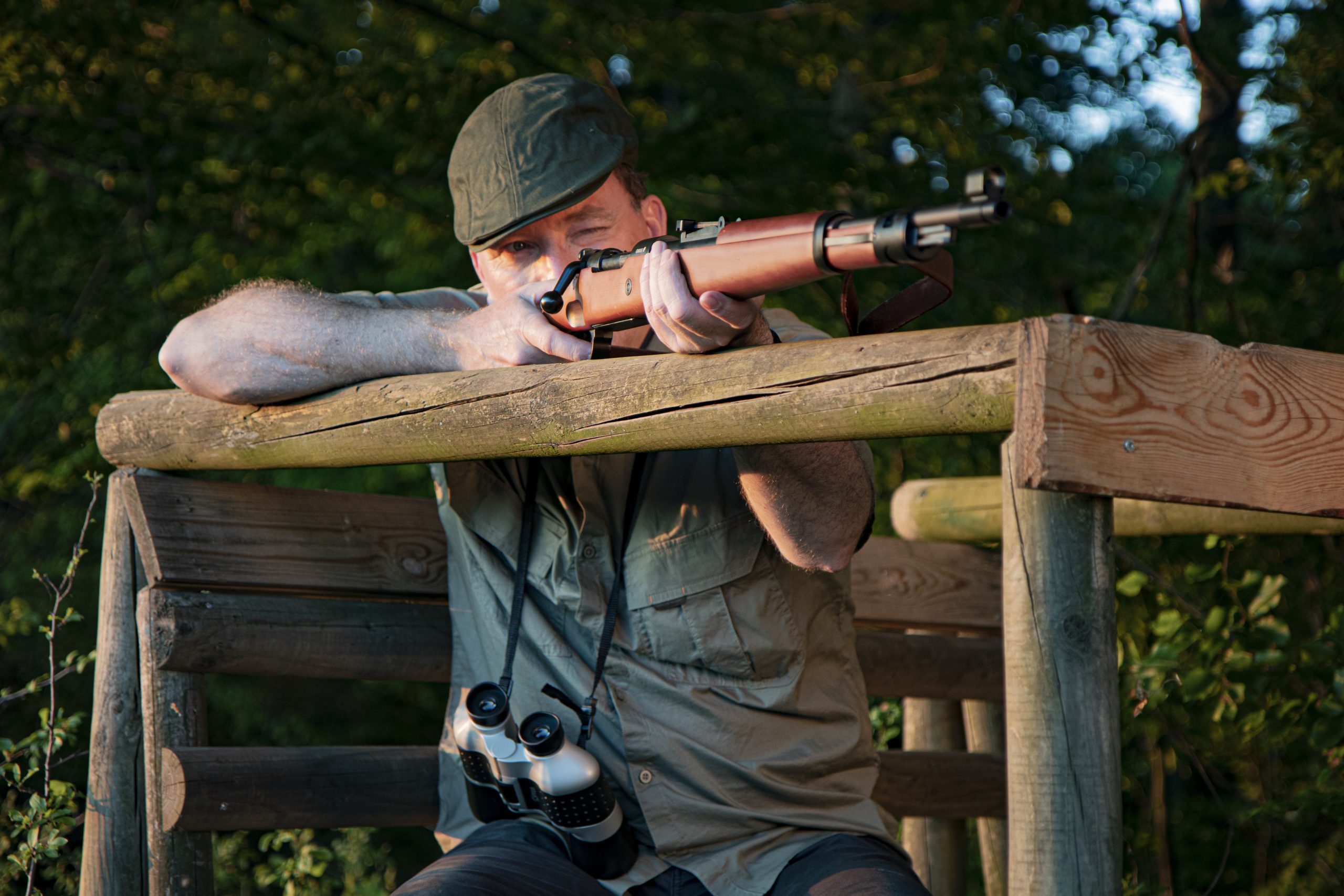
Upper body strength often declines earlier than leg strength, affecting tasks like lifting gear, steadying firearms, or handling game during recovery. Older hunters work around this by using leverage, tools, and planning rather than brute force. They break down animals into manageable loads, use sleds or carts where allowed, and avoid awkward lifting angles. Shooting rests, bipods, and natural supports replace unsupported holds. These adaptations reduce strain while maintaining control and safety. Strength becomes less important than technique, preparation, and knowing when to ask for help.
6. Decreased Visual Acuity in Low Light
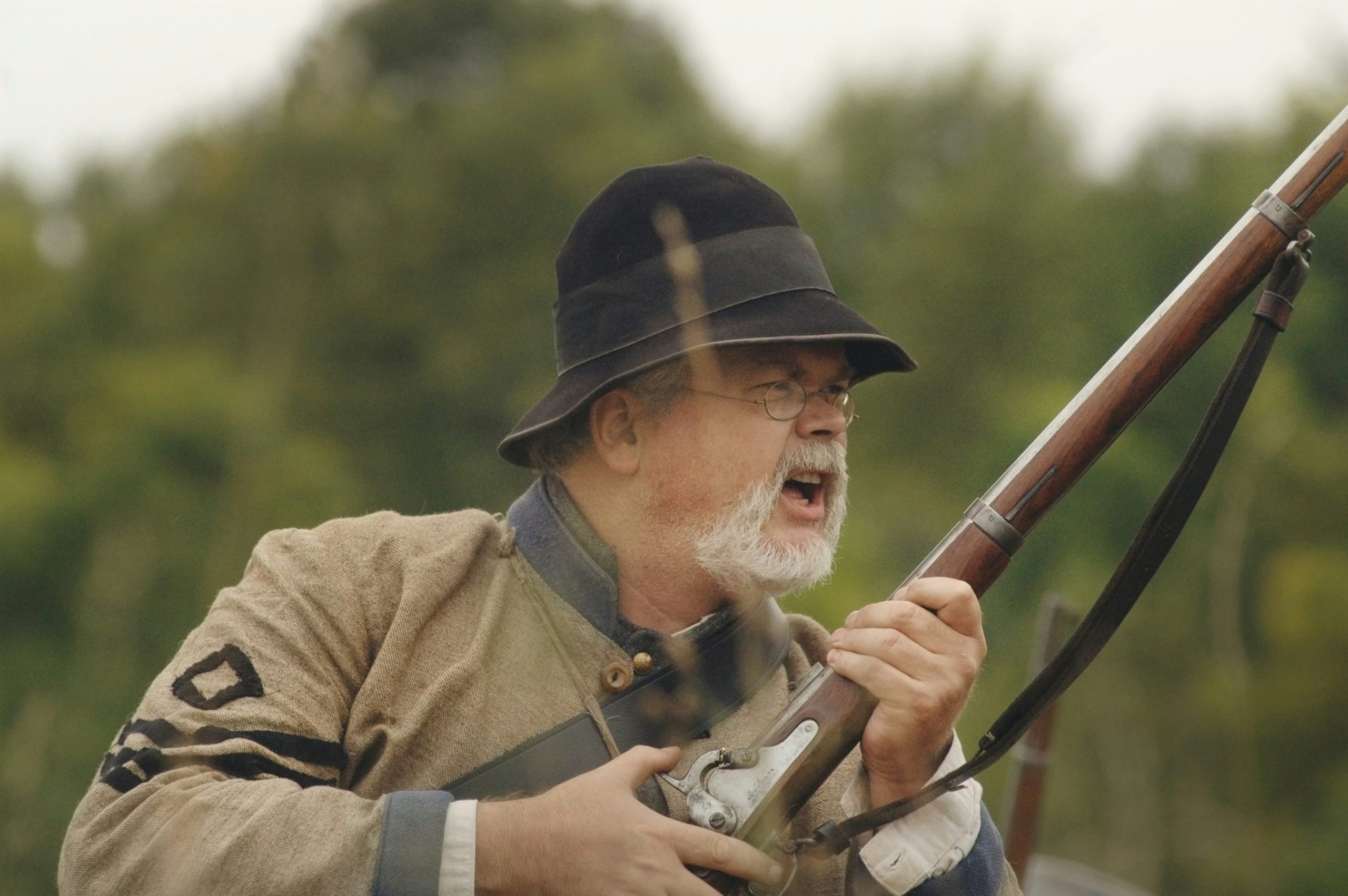
Aging eyes often struggle in low-light conditions common during dawn and dusk. Older hunters compensate by improving visibility through optics, better glass, and careful positioning. They rely more on silhouette recognition, movement patterns, and sound rather than fine visual detail. Many avoid rushed shots in marginal light and adjust hunting times slightly to favor clearer visibility. Keeping lenses clean and managing glare becomes more important. These adjustments allow ethical decision-making despite natural changes in eyesight, emphasizing patience and judgment over speed.
7. Slower Reaction Time
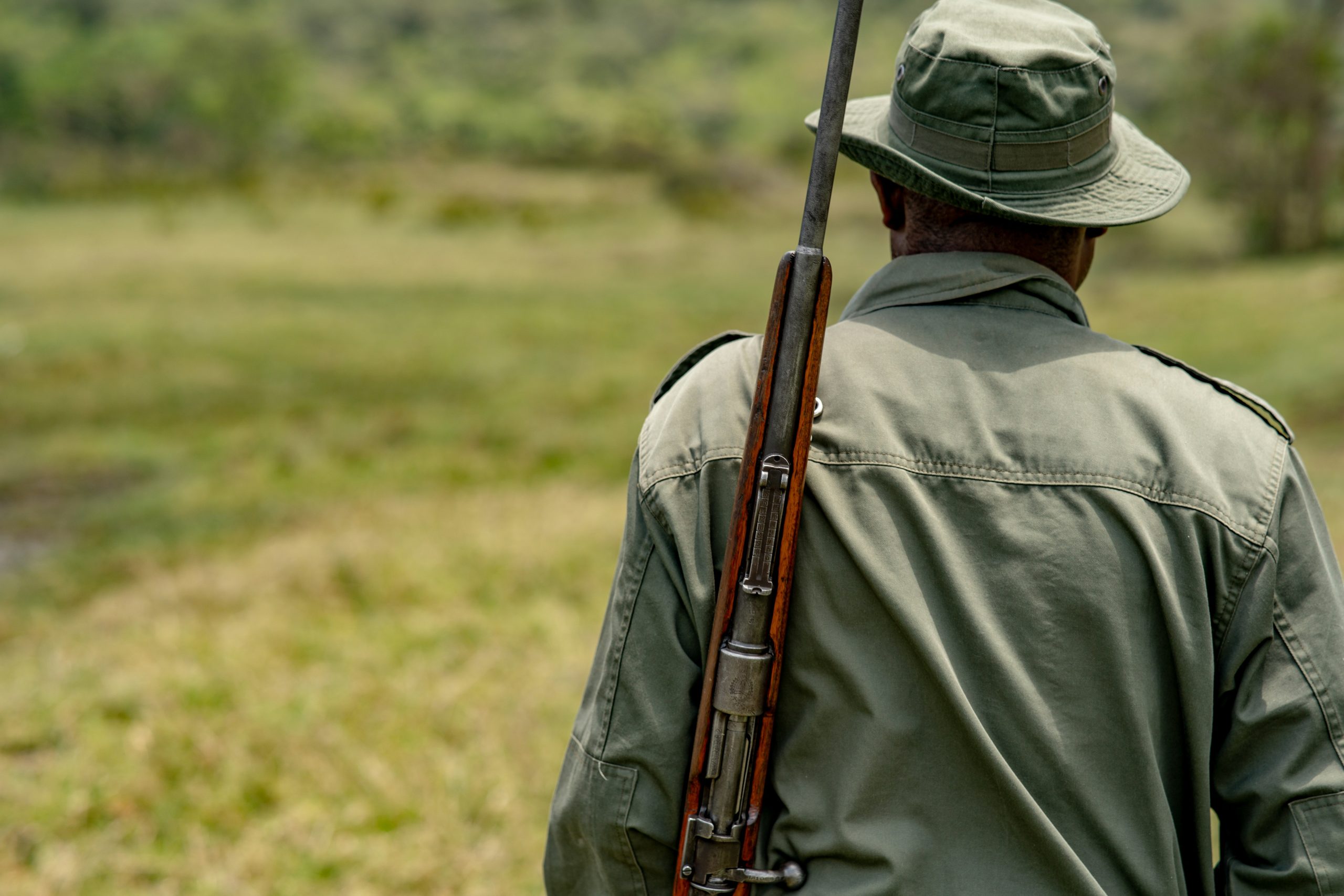
Reaction time naturally slows with age, affecting sudden movement responses or quick shot opportunities. Older hunters work around this by anticipating situations instead of reacting to them. They position themselves where animals are likely to pause, stop, or move predictably. This reduces the need for snap decisions. They also avoid rushed setups and allow more time to prepare shots. Experience fills the gap left by reflex speed, turning foresight into a powerful substitute for quick reactions.
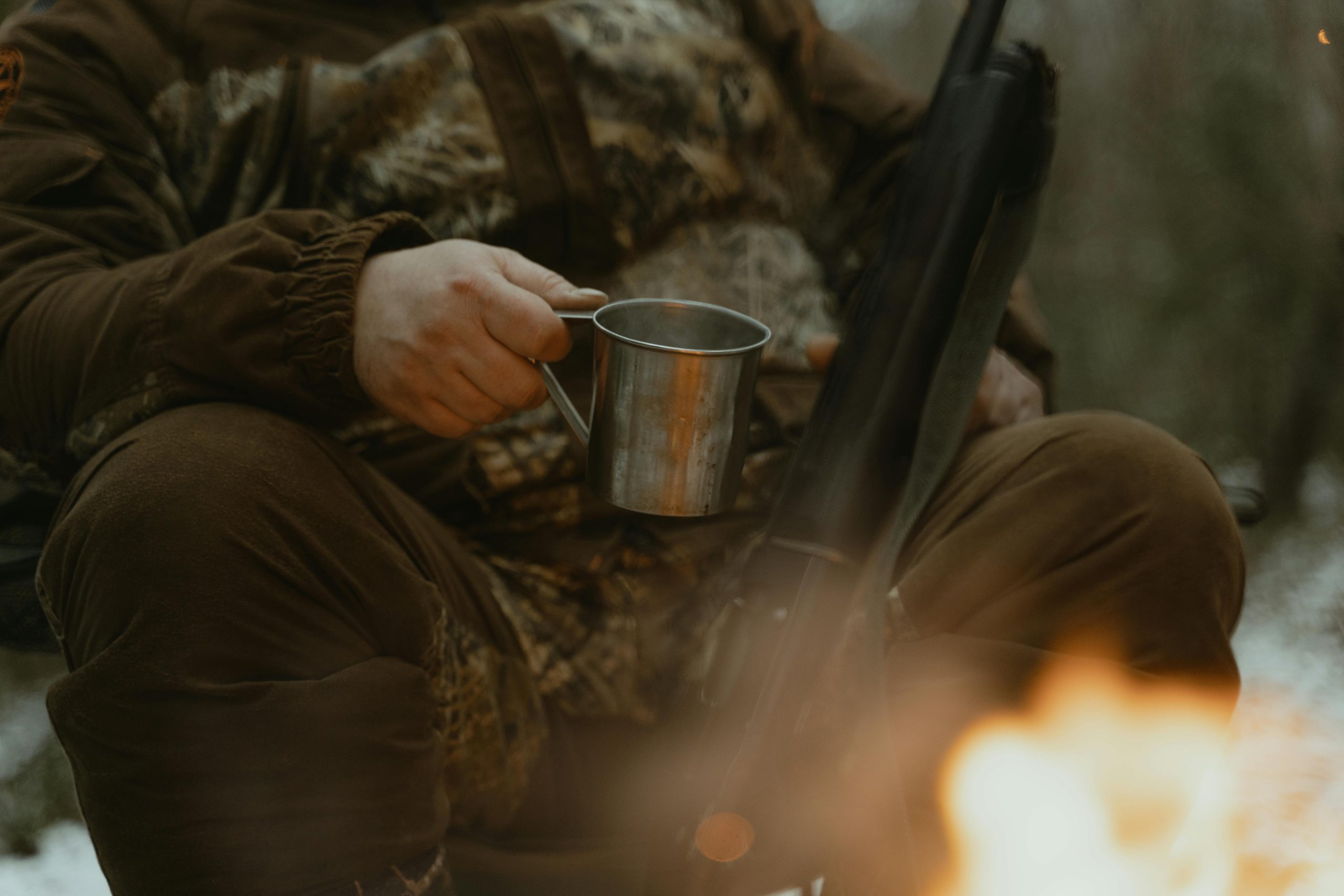
8. Increased Sensitivity to Cold and Weather Stress
Older hunters often feel cold faster and recover from exposure more slowly. They adapt by layering more effectively, planning shorter sits, and paying closer attention to weather forecasts. Many choose insulated seating, wind protection, and controlled movement to maintain body temperature. Rather than enduring discomfort, they adjust tactics to stay warm and alert. These quiet changes reduce risk while maintaining effectiveness. Comfort becomes a safety strategy, not a weakness, allowing older hunters to stay focused and present in challenging conditions.