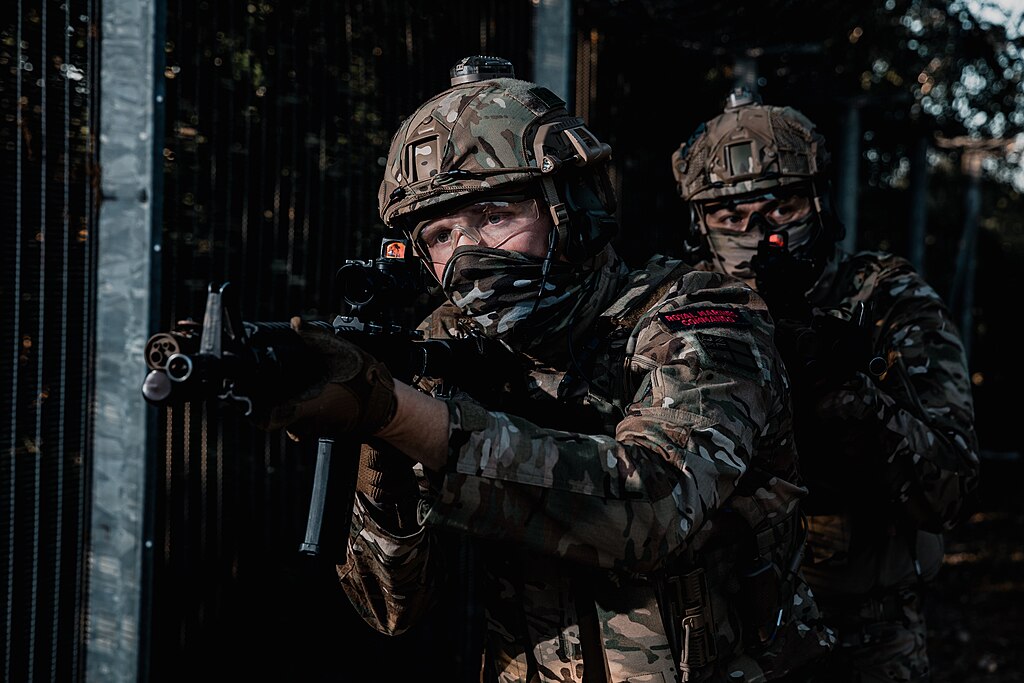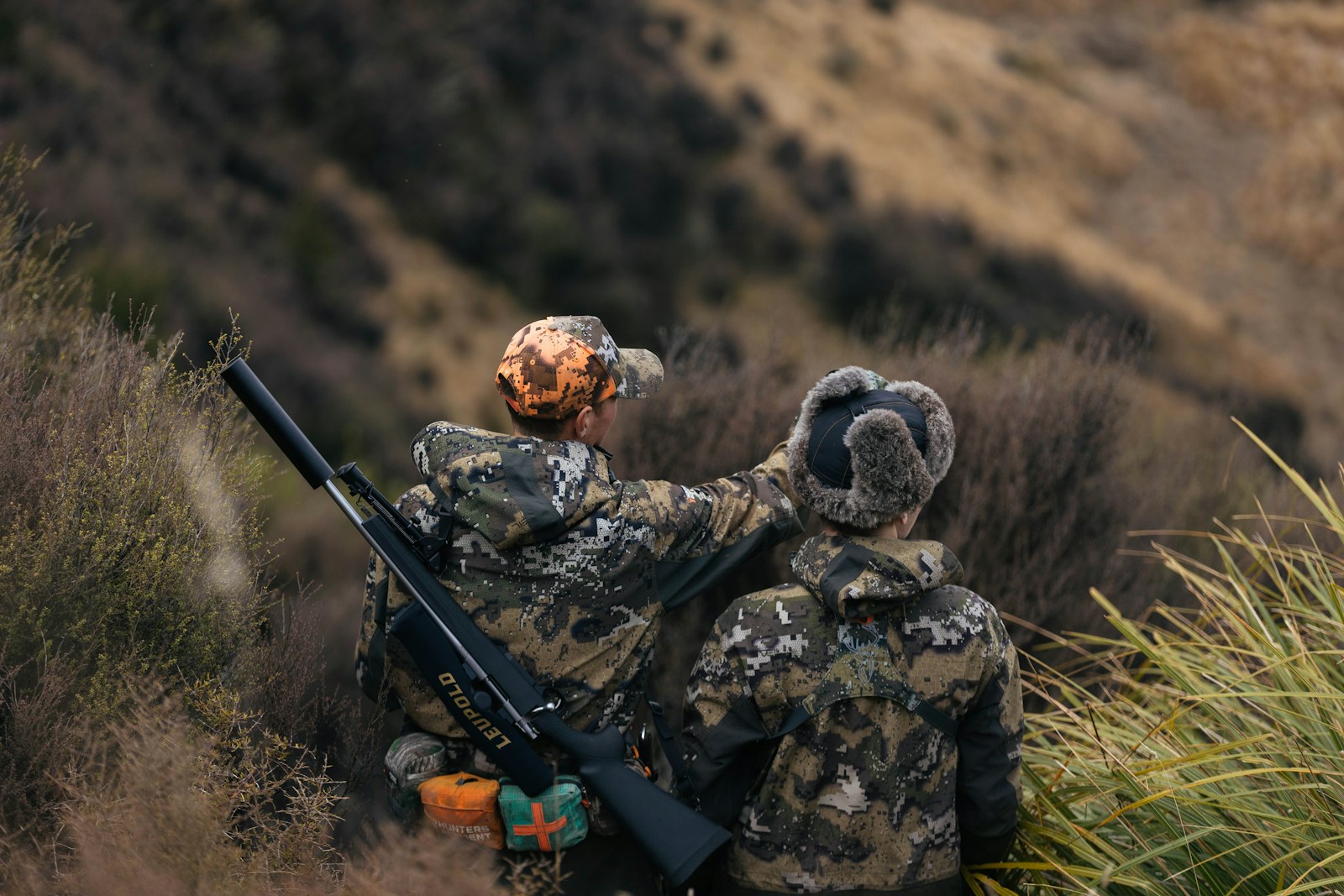
Night hunting offers a thrilling challenge that demands patience, awareness, and refined skill. While most hunters focus on gear and visibility, true mastery comes from understanding how the night itself behaves. Light, sound, and movement shift after sunset, requiring different instincts than daytime hunts. The best techniques aren’t often shared openly but learned through years of quiet observation and practice in the dark.
Understanding Nocturnal Patterns
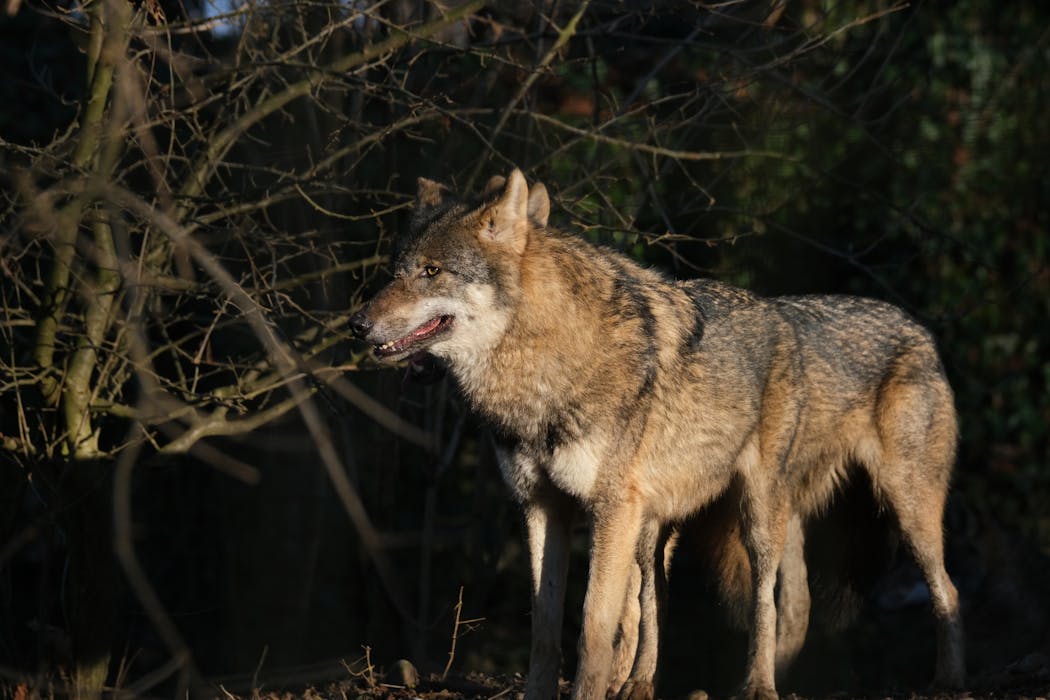
Animals behave differently at night, following feeding routes and resting habits that change with moonlight and temperature. Learning these nocturnal patterns improves tracking success far more than relying solely on equipment. Paying attention to wind direction, subtle rustling, and scent trails helps predict animal movements. The key lies in observation and patience rather than speed or noise.
Using Red Light Instead of White
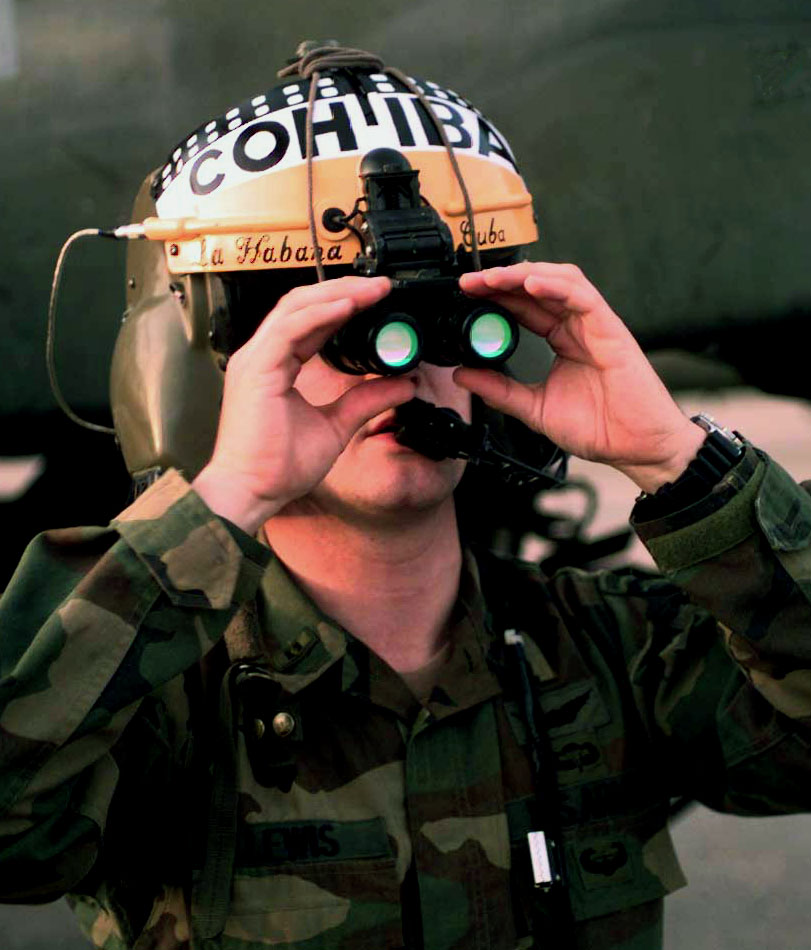
Red light helps preserve night vision while reducing the chance of alerting wildlife. Unlike harsh white beams, it allows you to move quietly and maintain awareness of your surroundings. Many skilled hunters use dim red headlamps or filters when scanning or preparing gear. This technique offers better focus without disturbing an animal’s natural behavior or flight response.
Positioning with the Wind
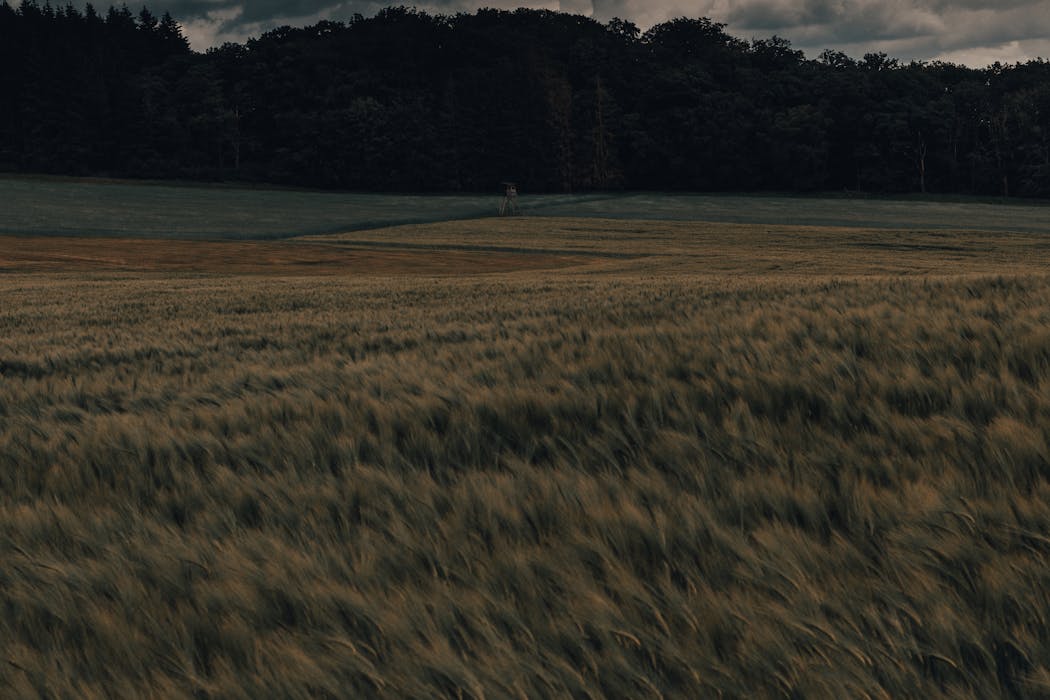
At night, scent travels farther and lingers longer, making wind direction crucial. Experienced hunters position themselves downwind to mask their scent and increase approach success. Checking the air movement regularly with powders or lightweight streamers keeps awareness sharp. Mastering this invisible factor can determine whether a hunt ends in silence or success.
Listening Before Moving
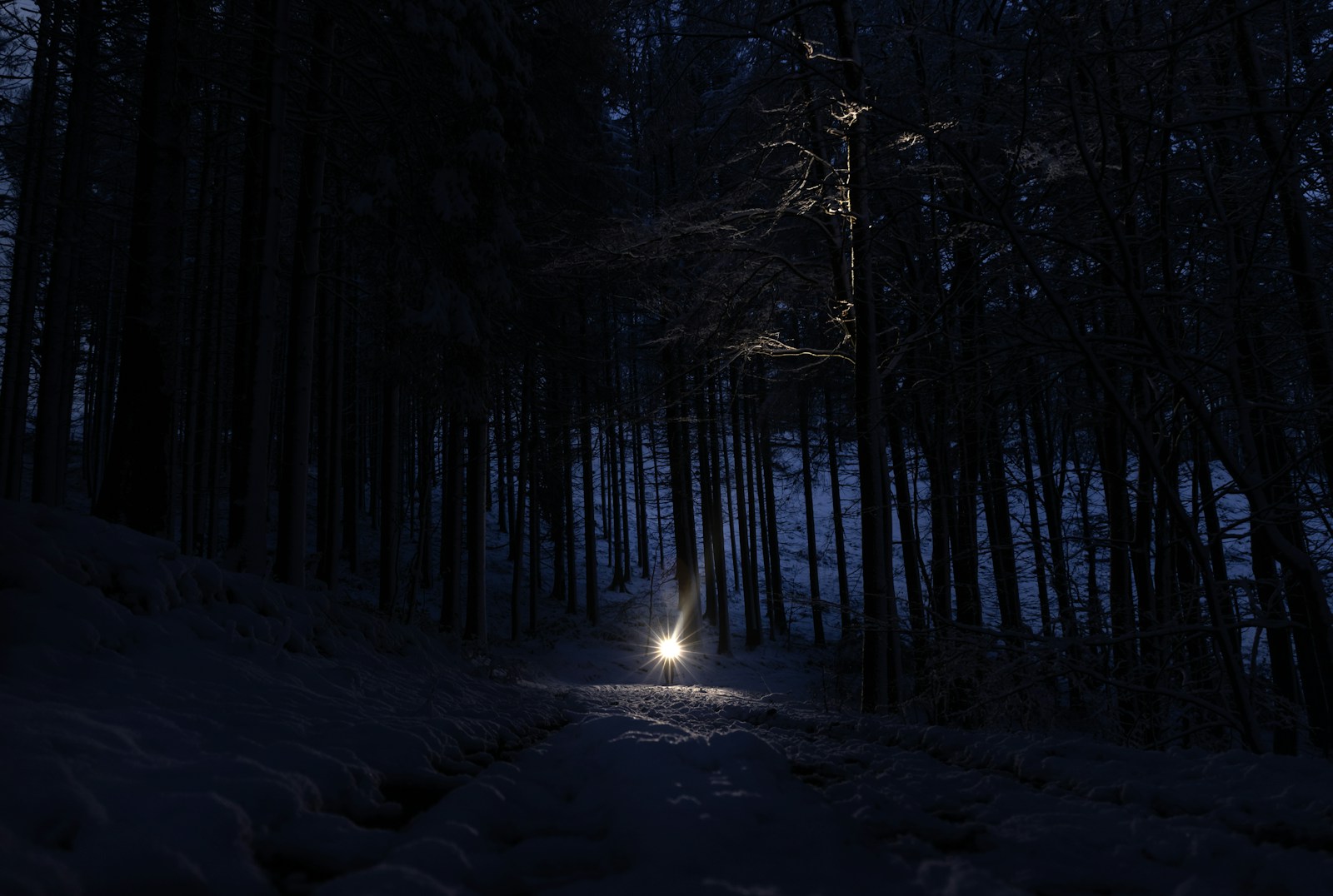
Sound carries differently in the dark, often farther and clearer than during the day. Taking time to stop, listen, and identify faint noises can reveal animal proximity or direction. Many hunters underestimate the value of stillness. Allowing your ears to adjust before each move keeps you tuned to the environment and prevents startling nearby game.
Blending Natural Light and Shadows

Instead of relying entirely on artificial light, using moonlight and starlight creates stealth and a better visibility balance. Standing in darker areas while watching illuminated clearings increases contrast and spotting potential targets. Natural light reveals outlines and motion more effectively than bright lamps. Understanding how shadows shift helps you stay hidden and observe without detection.
Tracking Heat Signatures Subtly
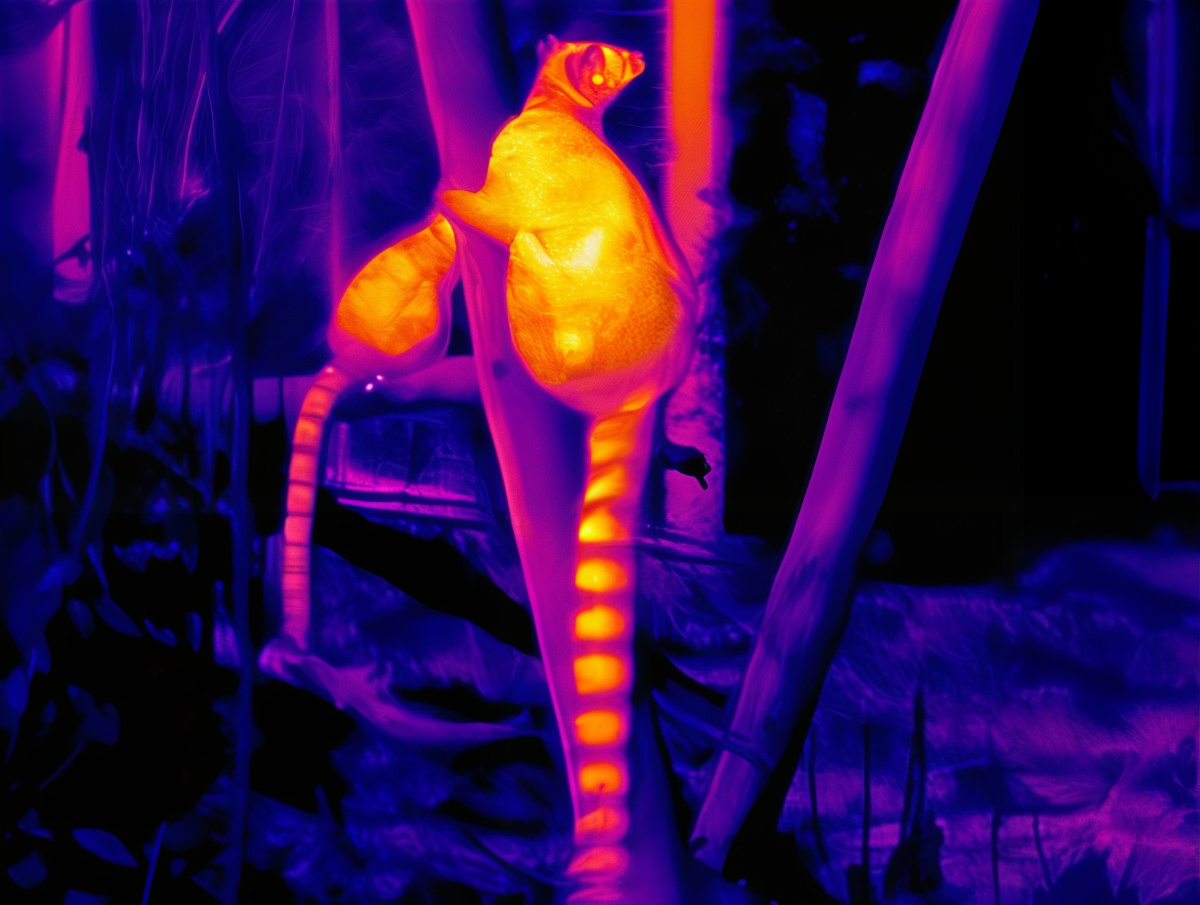
Thermal imaging has changed night hunting, but overuse can reduce awareness of natural signs. Balancing technology with instinct means using brief scans rather than constant viewing. Skilled hunters use thermals to confirm what their senses already suggest. Reading footprints, broken twigs, and scent cues remains just as important for developing intuition.
Timing Movement with Ambient Sounds
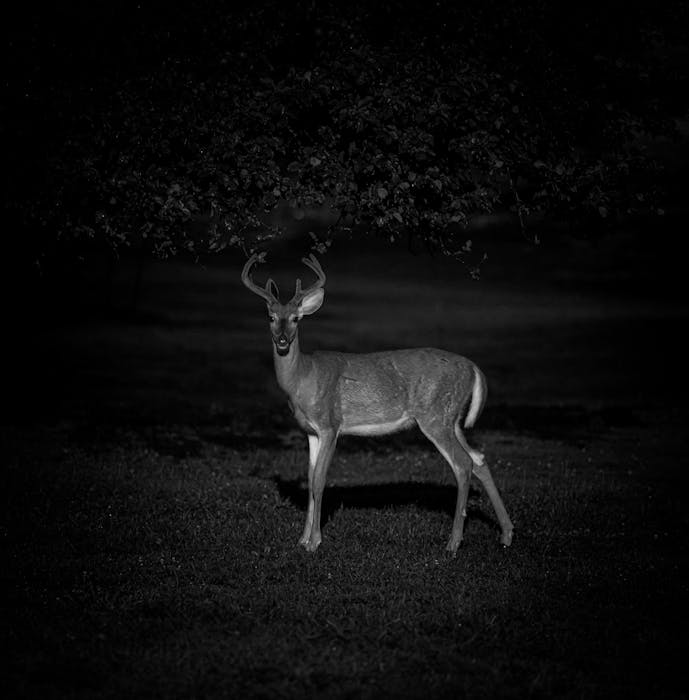
Moving when background noises rise, like during wind gusts or insect activity, helps mask footsteps. Animals are less likely to notice movement when natural sounds peak. This rhythm-based technique requires focus and timing rather than speed. Blending with the night’s soundtrack makes each step invisible to alert prey and improves overall stealth.
Preparing Gear for Silent Handling
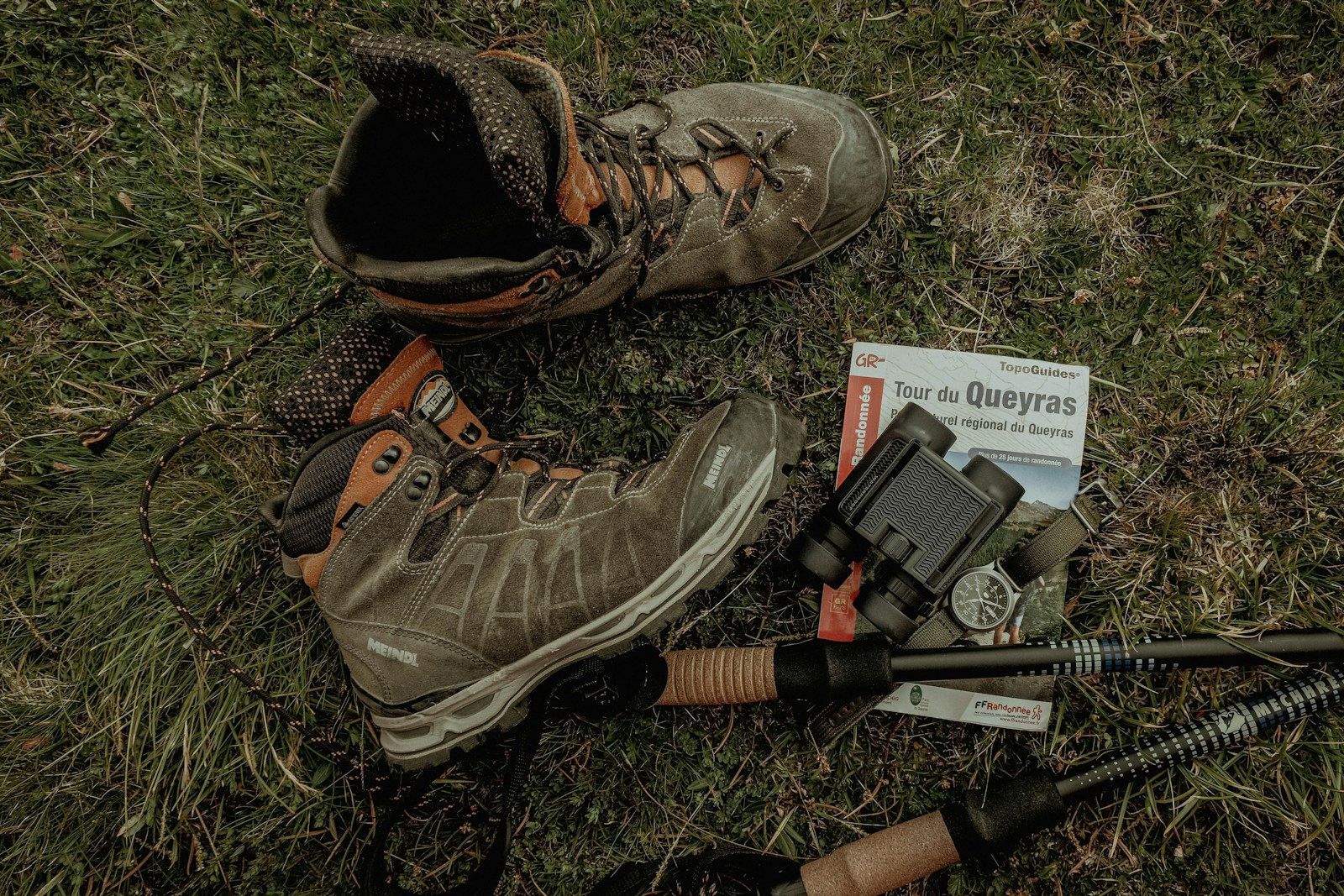
Loose clips, squeaky zippers, or rattling ammo can ruin hours of preparation. Wrapping metal parts with tape, tightening straps, and using fabric cases minimize accidental noise. Expert hunters test every piece of gear in the dark before heading out into the field. Smooth, quiet handling ensures confidence and control when the perfect moment finally arrives.