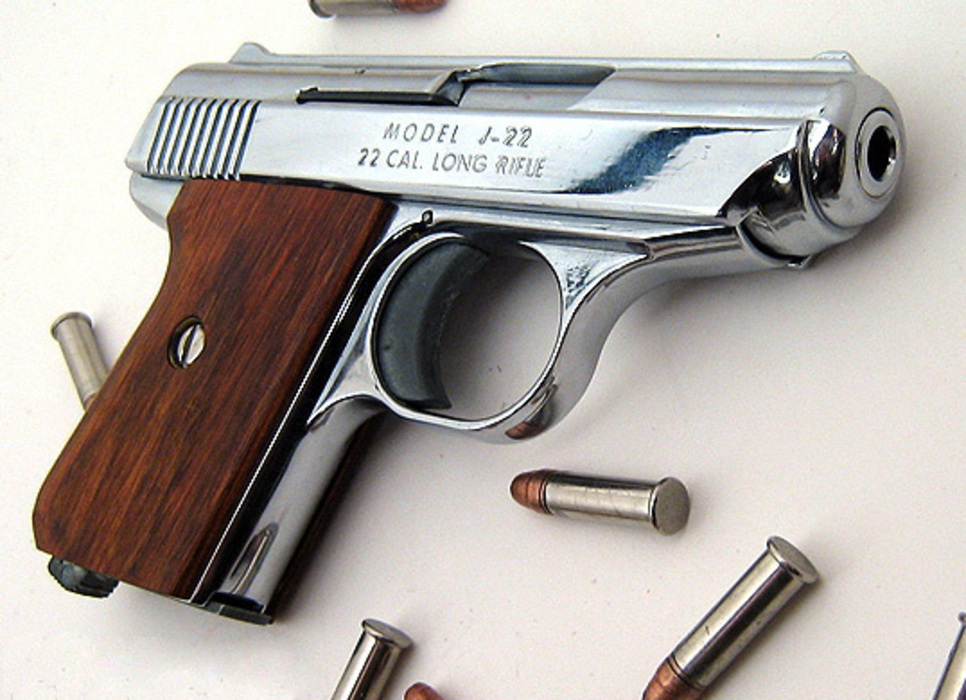
Modern firearm manufacturing frequently prioritizes cost efficiency and high production volume over the painstaking hand fitting that defined earlier eras of weaponry. This shift toward polymer frames and stamped metal parts often results in tools that feel disposable after several years of hard use. In contrast, many classic designs utilize forged steel and seasoned walnut that actually improve with age and frequent handling. These legendary platforms represent a time when master craftsmen spent hours ensuring every internal component operated with absolute mechanical perfection. Investing in these historic treasures offers a level of durability that few contemporary manufacturers can replicate.
M1 Garand
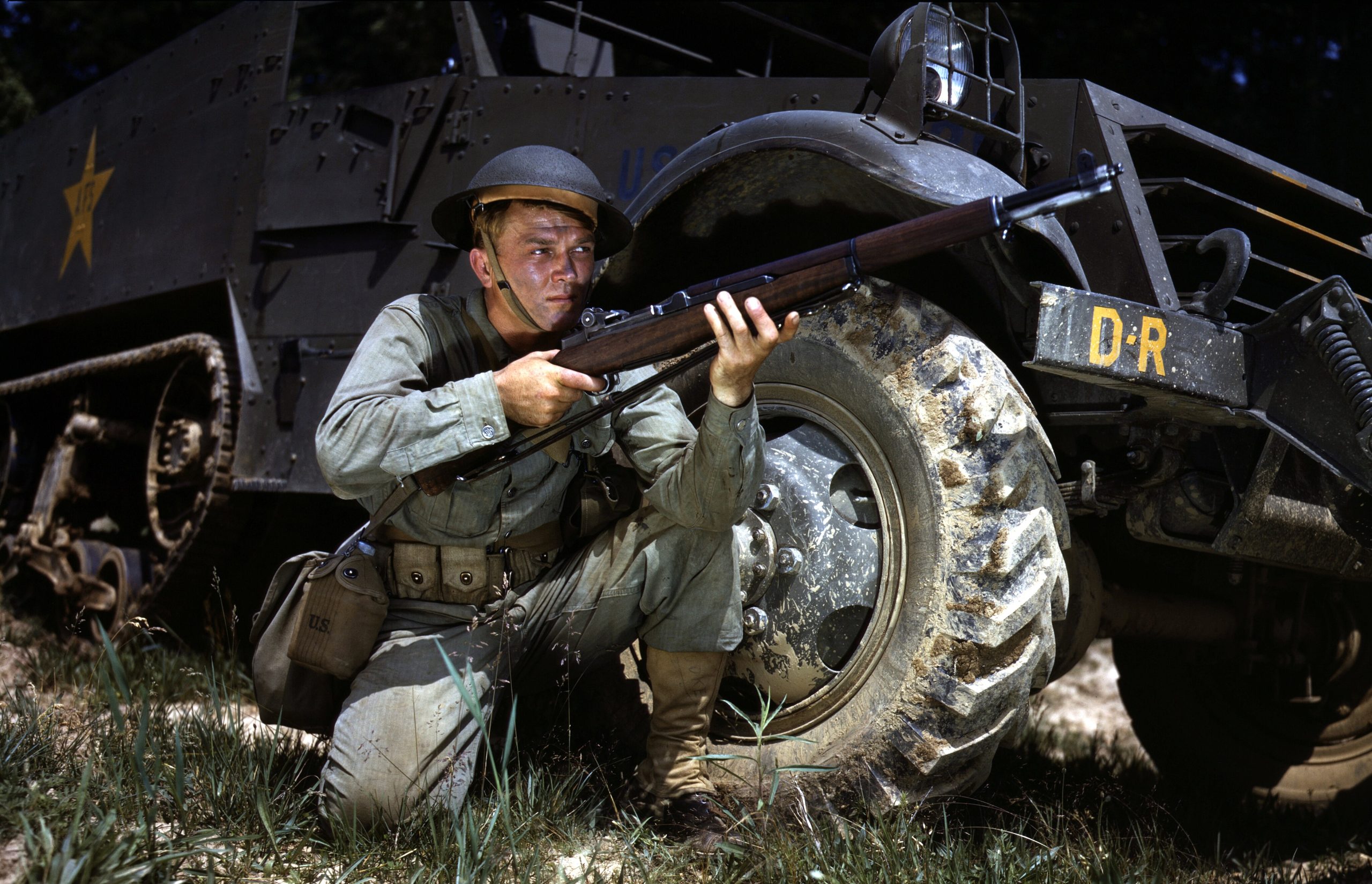
The M1 Garand served as the primary battle rifle for American forces during the Second World War. Its robust semi-automatic action and gas-operated system were designed to survive the harshest combat environments from European forests to Pacific islands. Modern rifles often rely on lightweight aluminum receivers that can wear out under extreme stress. The Garand features a heavy forged steel receiver and a sturdy walnut stock that absorbs recoil while maintaining structural integrity over decades. Many of these rifles still shoot with incredible accuracy today, despite being manufactured more than eighty years ago for grueling military service.
Colt 1911
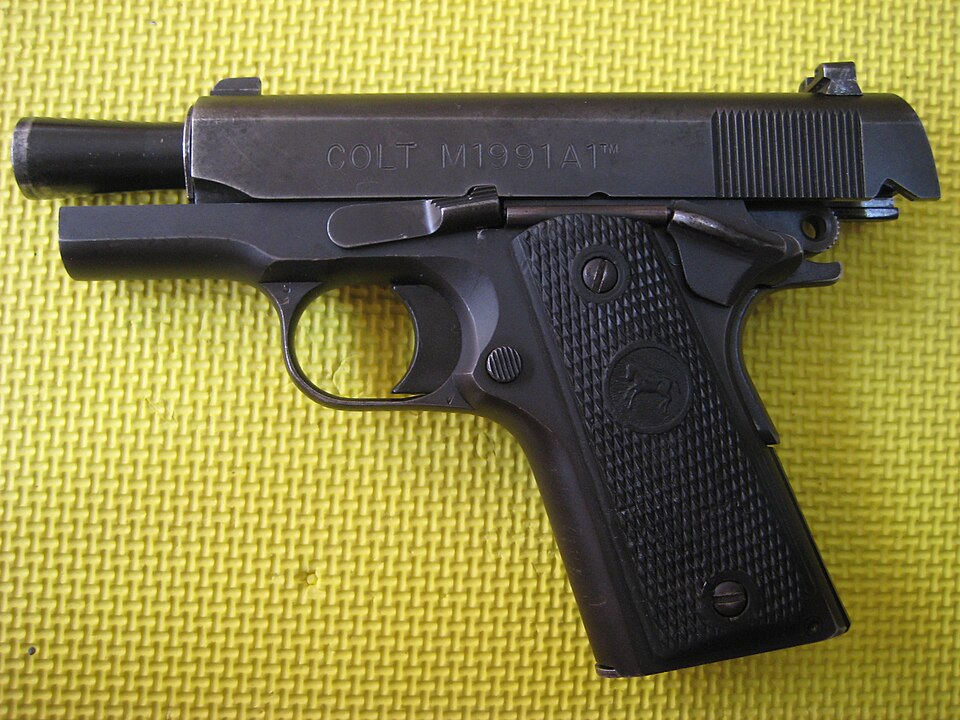
John Browning designed the Colt 1911 to provide soldiers with a reliable and powerful sidearm chambered in the legendary .45 ACP caliber. While modern handguns frequently use plastic frames that can degrade under ultraviolet light exposure, the original 1911 consists entirely of high-quality carbon steel. The tight tolerances of the slide to frame fitment often become smoother after thousands of rounds are fired. This natural breaking-in process creates a trigger pull and cycling action that modern mass-produced pistols struggle to emulate. A well-maintained vintage 1911 remains a pinnacle of ergonomic design and lasting mechanical reliability.
Winchester Model 1894
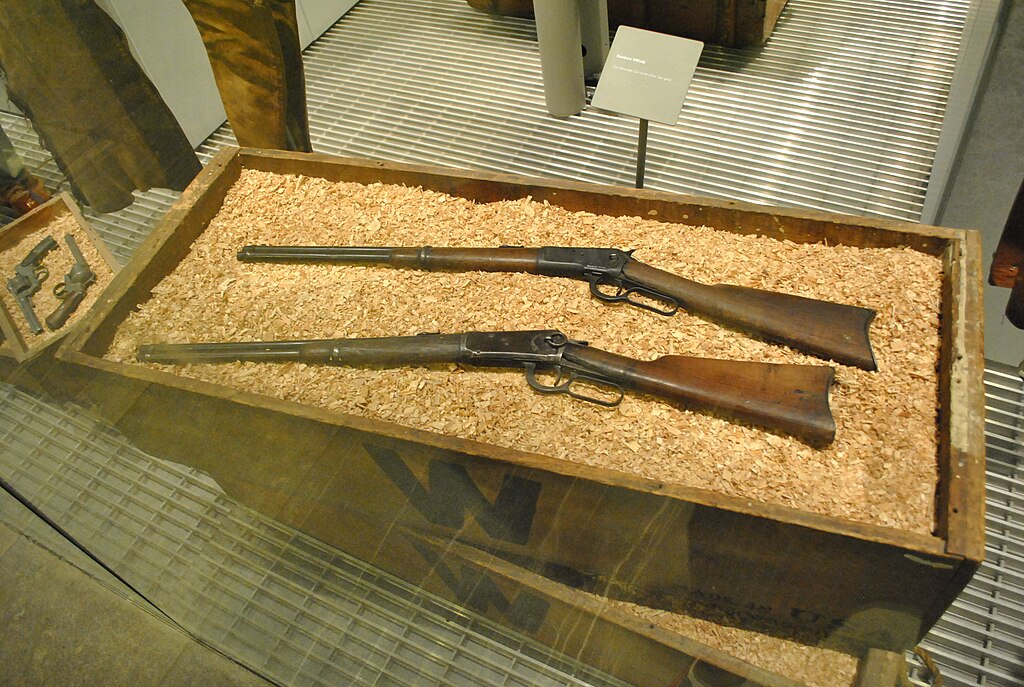
The Winchester Model 1894 stands as one of the most successful lever-action rifles ever produced for hunters and woodsmen. Its sleek profile and rapid-fire capability made it a favorite across the American frontier for over a century. Unlike modern rifles that use synthetic materials and matte finishes, the 1894 features deep bluing and genuine wood that develops a beautiful patina. The simple mechanical linkage within the lever action is remarkably durable and resistant to the debris that often jams complex modern systems. Owning an original Winchester provides a tactile experience that newer sporting rifles simply cannot match.
Smith & Wesson Model 10
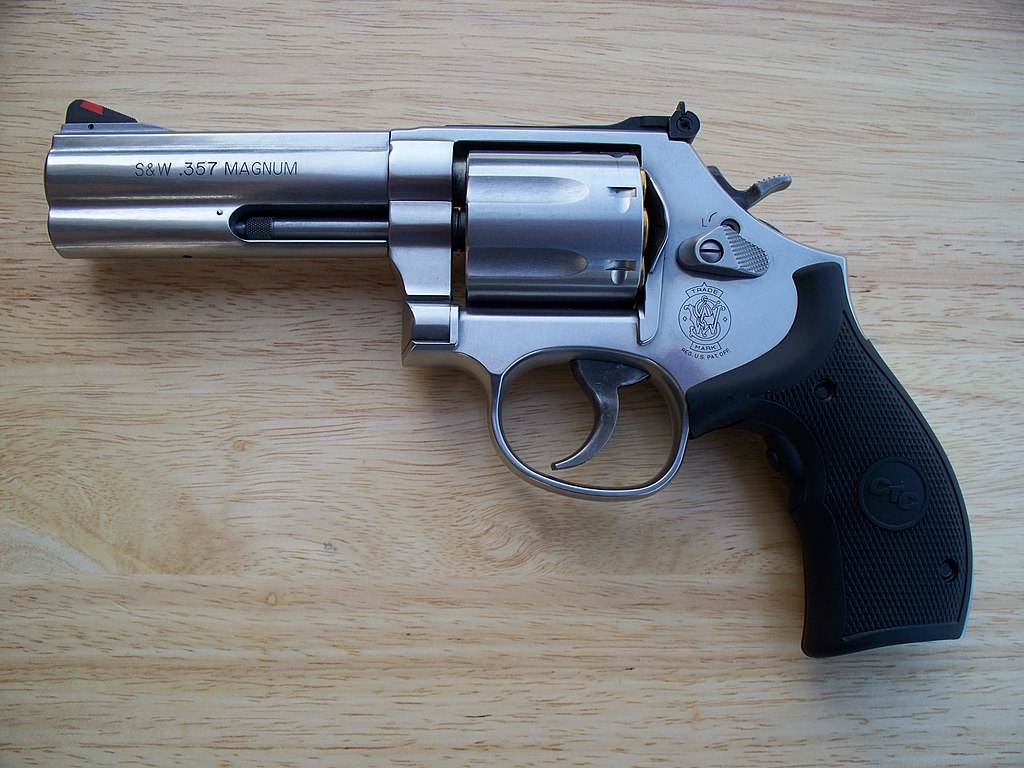
The Smith & Wesson Model 10 is widely considered the quintessential police revolver due to its legendary simplicity and unwavering dependability. Introduced in the late nineteenth century, this six-shot wheelgun features a heavy frame and a hammer forged barrel that outlives many modern equivalents. While newer revolvers sometimes incorporate internal locks or MIM parts, the older Model 10 relies on traditional machining for its smooth double action. These revolvers were built to withstand thousands of high-pressure rounds without developing timing issues. Their longevity in law enforcement service proves that overbuilt steel remains the gold standard for handgun durability.
Browning Auto-5
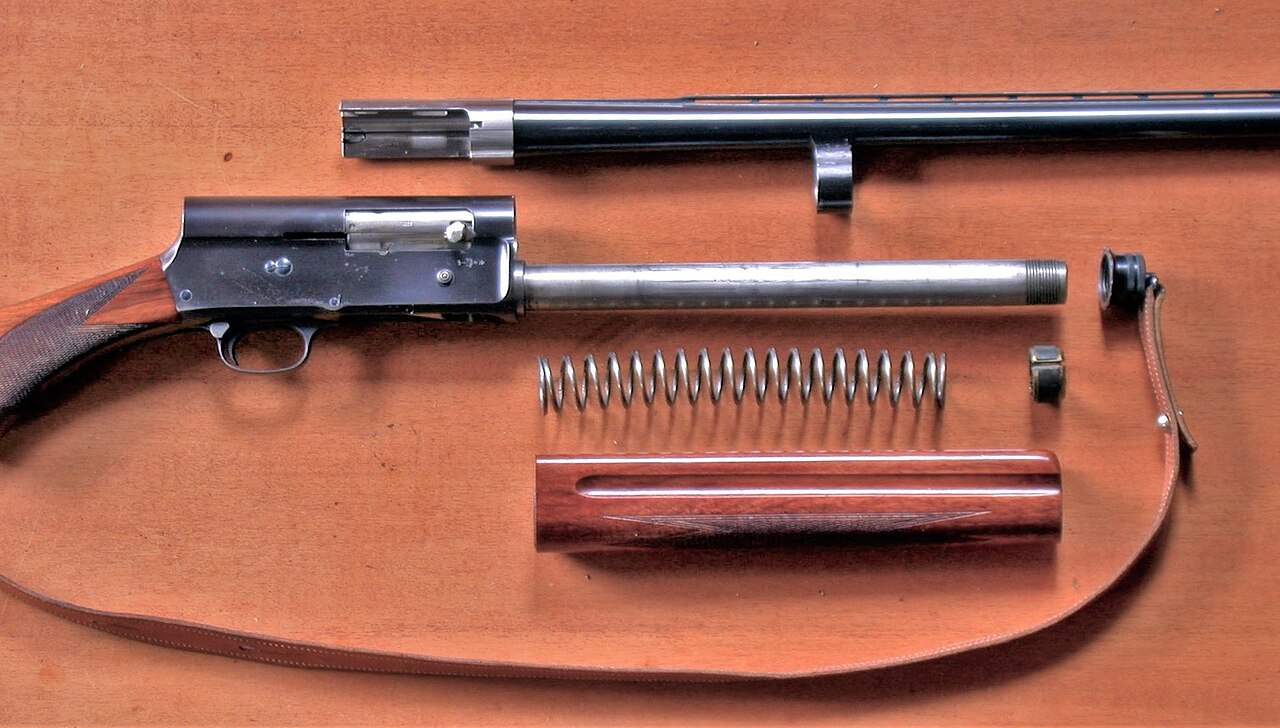
The Browning Auto-5 was the first successful semi-automatic shotgun and utilized a unique long-recoil system for cycling shells. Its distinctive humpback receiver was machined from a solid block of steel to ensure it could handle a lifetime of waterfowl hunting. Many modern shotguns use thin-walled aluminum receivers and plastic trigger groups that can fail after a few seasons of heavy use. The Auto-5 remains famous for functioning perfectly even after decades of neglect in salty marshes or dusty fields. Its mechanical complexity is balanced by a ruggedness that contemporary sporting arms often fail to achieve today.
Mauser Gewehr 98
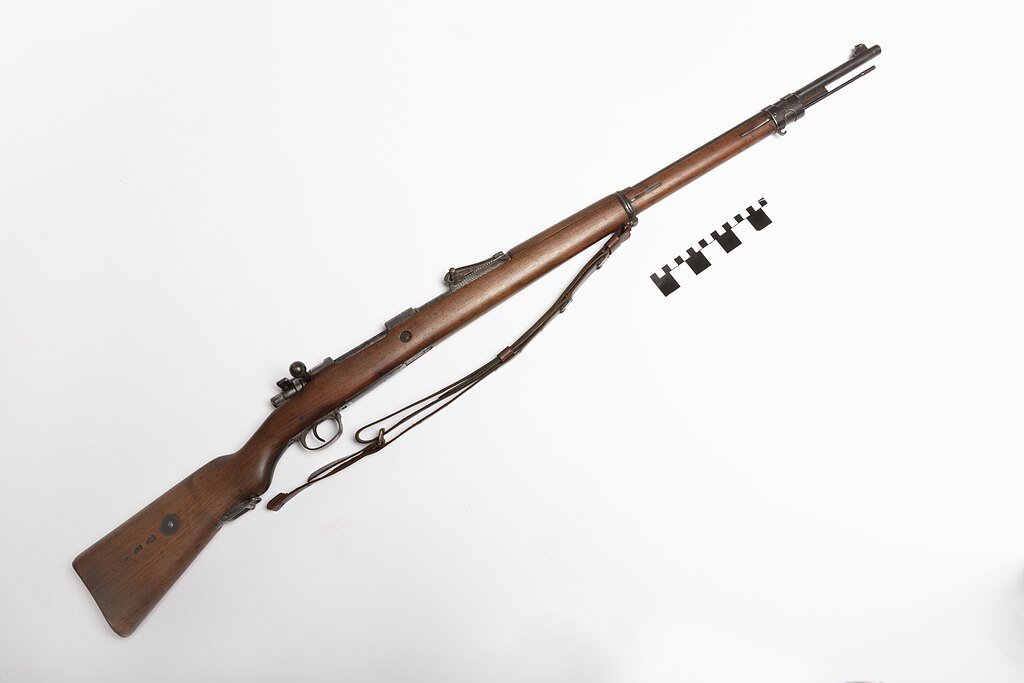
The Mauser Gewehr 98 introduced the world to the ultimate bolt-action design that still influences nearly every modern hunting rifle. Its large ring receiver and controlled round feed extractor provide a level of reliability that budget rifles lack. Contemporary manufacturers often cut corners by using push feed systems and plastic bolt shrouds to save on production costs. The Mauser was engineered for the trenches, where failure was not an option for the infantryman. This commitment to overbuilt engineering ensures that a century-old Mauser still operates with the same crisp precision as the day it was issued.
Ruger Standard
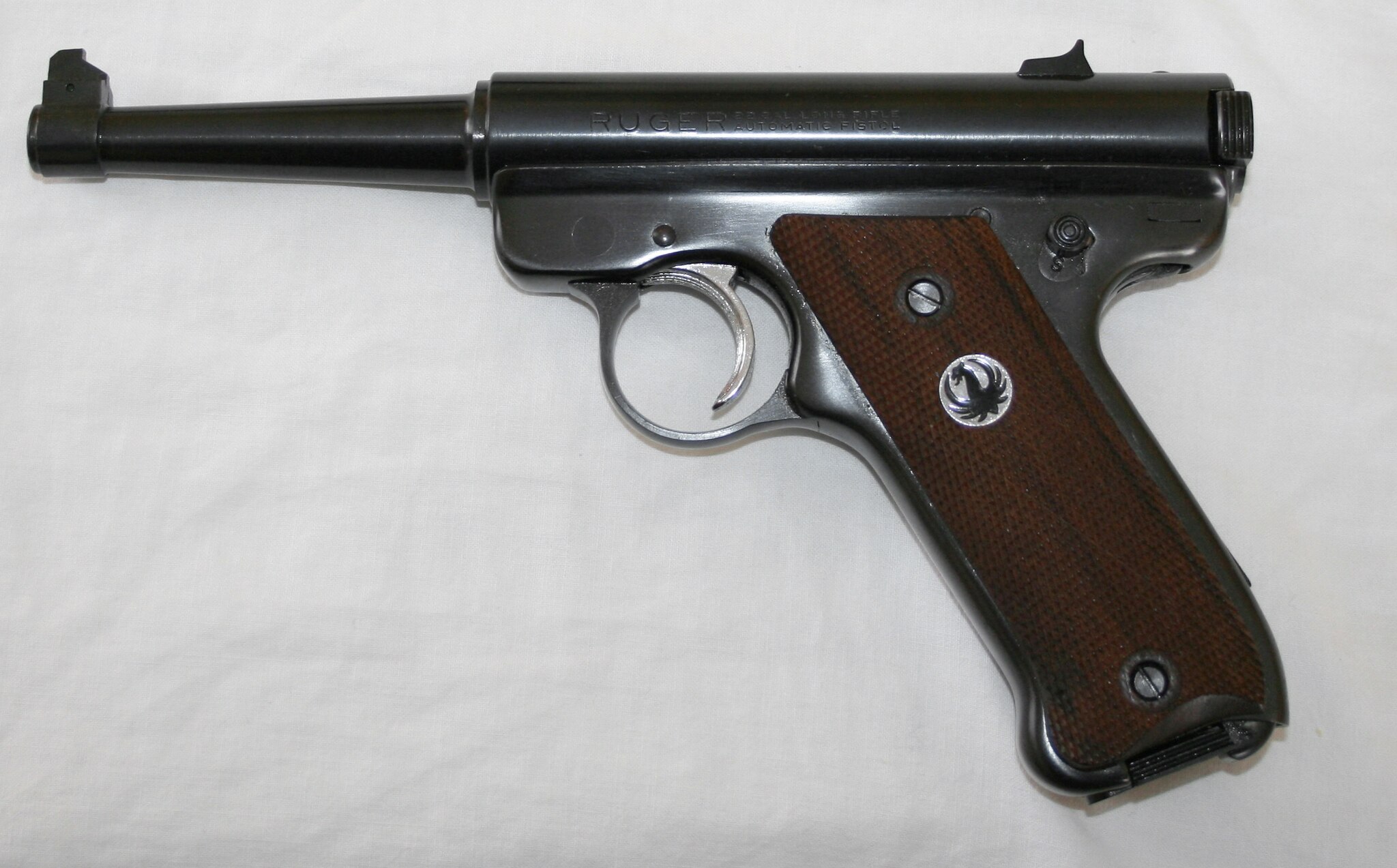
The Ruger Standard revolutionized the rimfire market by offering an affordable and incredibly durable .22 caliber pistol for target shooters. Its cylindrical bolt and steel tube receiver are much more robust than the zinc alloy slides found on many modern trainers. This simple design allows the pistol to fire thousands of rounds with minimal maintenance while remaining remarkably accurate for casual plinking. While the newer Mark series adds features like easier takedown, the original steel models possess a weight and balance that many enthusiasts prefer. These early pistols have proven that a simple and solid design can last for generations.
Remington Model 870

The Remington Model 870 has earned its reputation as one of the most reliable pump-action shotguns ever carried by hunters. Older versions of the 870 feature milled steel receivers and high-grade wood furniture that stand in stark contrast to newer budget variants. Modern express models often use rougher finishes and plastic components that do not cycle as smoothly as the classic Wingmaster series. The twin action bars and solid locking lug provide a secure feel that inspires confidence in the field. A vintage 870 is an heirloom-quality tool that will likely outlast any modern synthetic alternative.