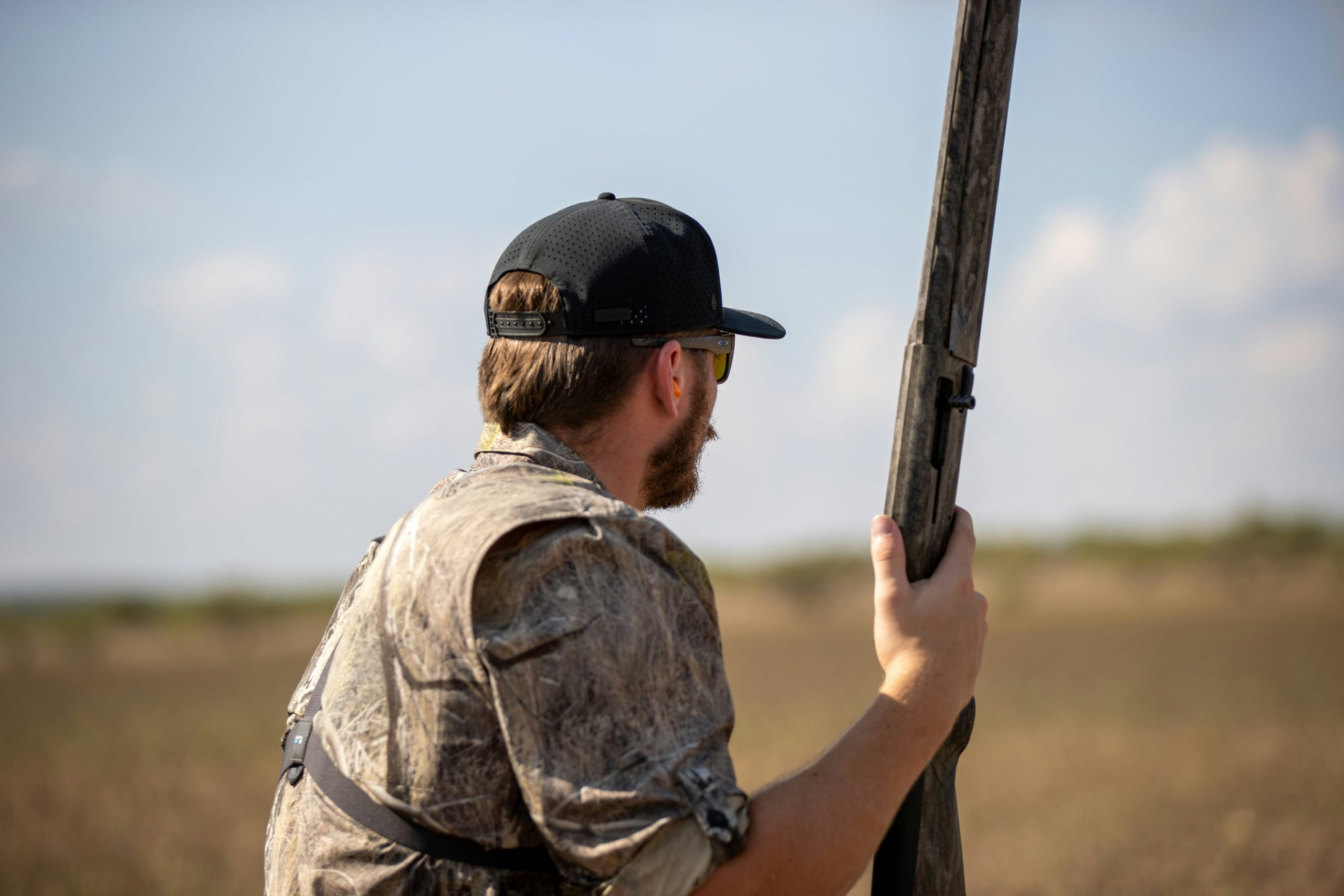
For hunters, danger doesn’t always come from steep terrain or bad weather. Some of the most serious risks in the field come from animals that react defensively, unpredictably, or aggressively when surprised. Understanding how and why these animals behave is often the difference between a safe encounter and a life-threatening one. Most wildlife do not seek conflict, but stress, proximity, or protecting young can trigger sudden attacks. This article focuses on animals hunters are most likely to encounter in North America and explains practical ways to avoid trouble before it starts. Awareness, distance, and calm decision-making matter more than weapons in these moments. Knowing what signs to watch for and how to respond can prevent injuries and save lives.
1. Grizzly Bear
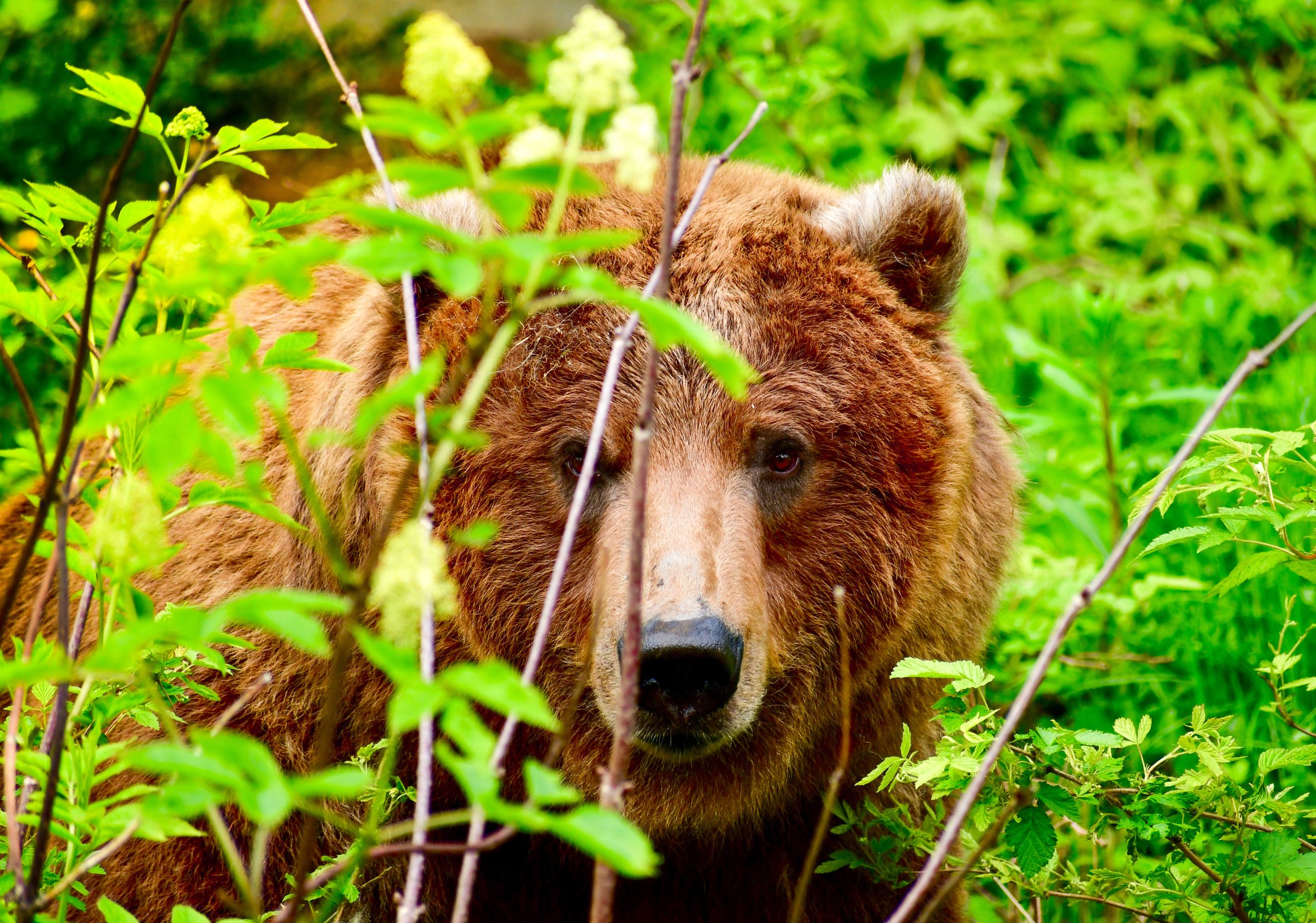
Grizzly bears are among the most dangerous animals hunters may encounter due to their size, speed, and defensive instincts. Most attacks occur when a bear is surprised at close range or feels threatened while protecting cubs or a food source. Hunters should make noise when moving through thick cover, especially near streams or berry patches where bears often feed. Carrying bear spray and knowing how to deploy it effectively is critical. Avoid approaching carcasses, as bears may claim them silently. Reading tracks, scat, and disturbed vegetation help identify active areas. Backing away slowly and avoiding eye contact can reduce escalation during encounters.
2. Mountain Lion
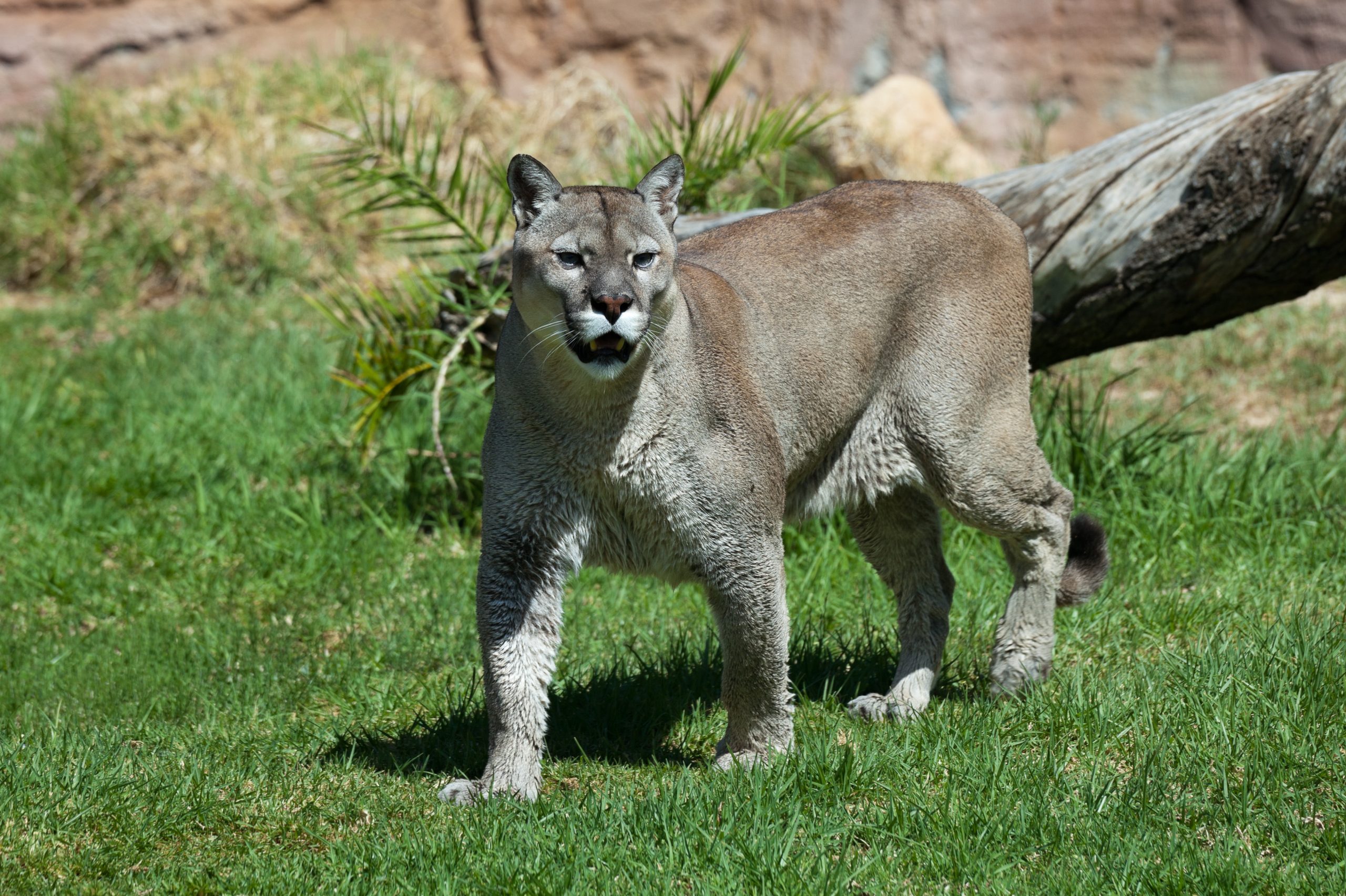
Mountain lions are elusive predators that rely on stealth, making encounters rare but potentially deadly. They often attack from behind when they perceive prey-like behavior. Hunters should remain alert in rugged terrain, avoid wearing headphones, and frequently scan their surroundings. Children or crouched individuals are especially vulnerable due to their size. If a lion is spotted, maintain eye contact, stand tall, and make yourself appear larger. Never turn your back or run, as that may trigger pursuit. Slowly backing away while speaking firmly can discourage an attack. Understanding lion habitat and movement patterns greatly reduces surprise encounters.
3. Moose
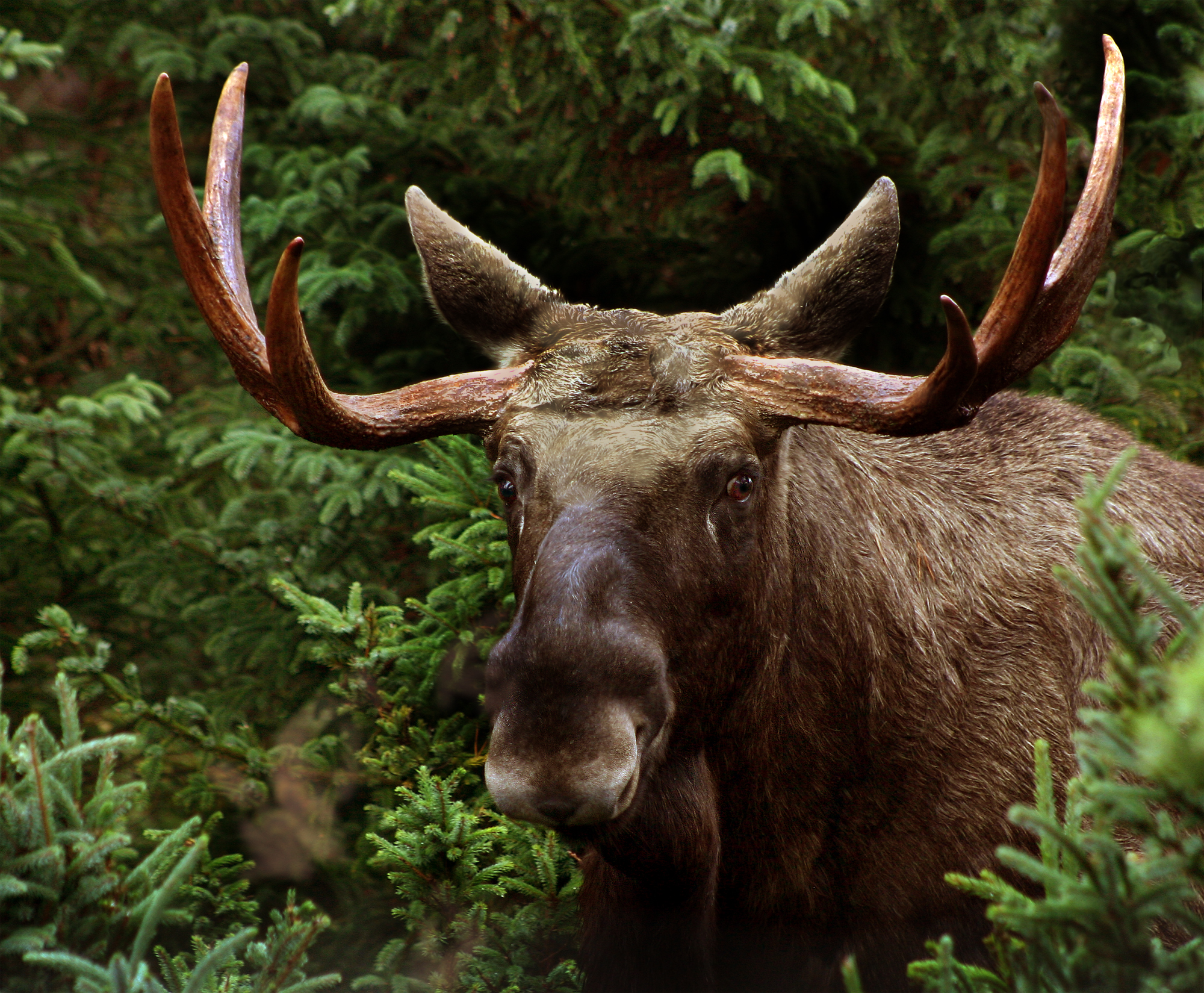
Moose may not look aggressive, but they cause more injuries than many predators due to their size and unpredictable behavior. Bulls during the rut and cows protecting calves are especially dangerous. Signs of agitation include laid-back ears, raised hackles, and repeated head tossing. Hunters should give moose a wide berth and never attempt to haze them off trails. Dense brush can limit escape routes, making encounters more dangerous. If a moose charges, putting a solid object like a tree between you and the animal is critical. Distance and patience are the safest strategies around moose.
4. Wild Hog
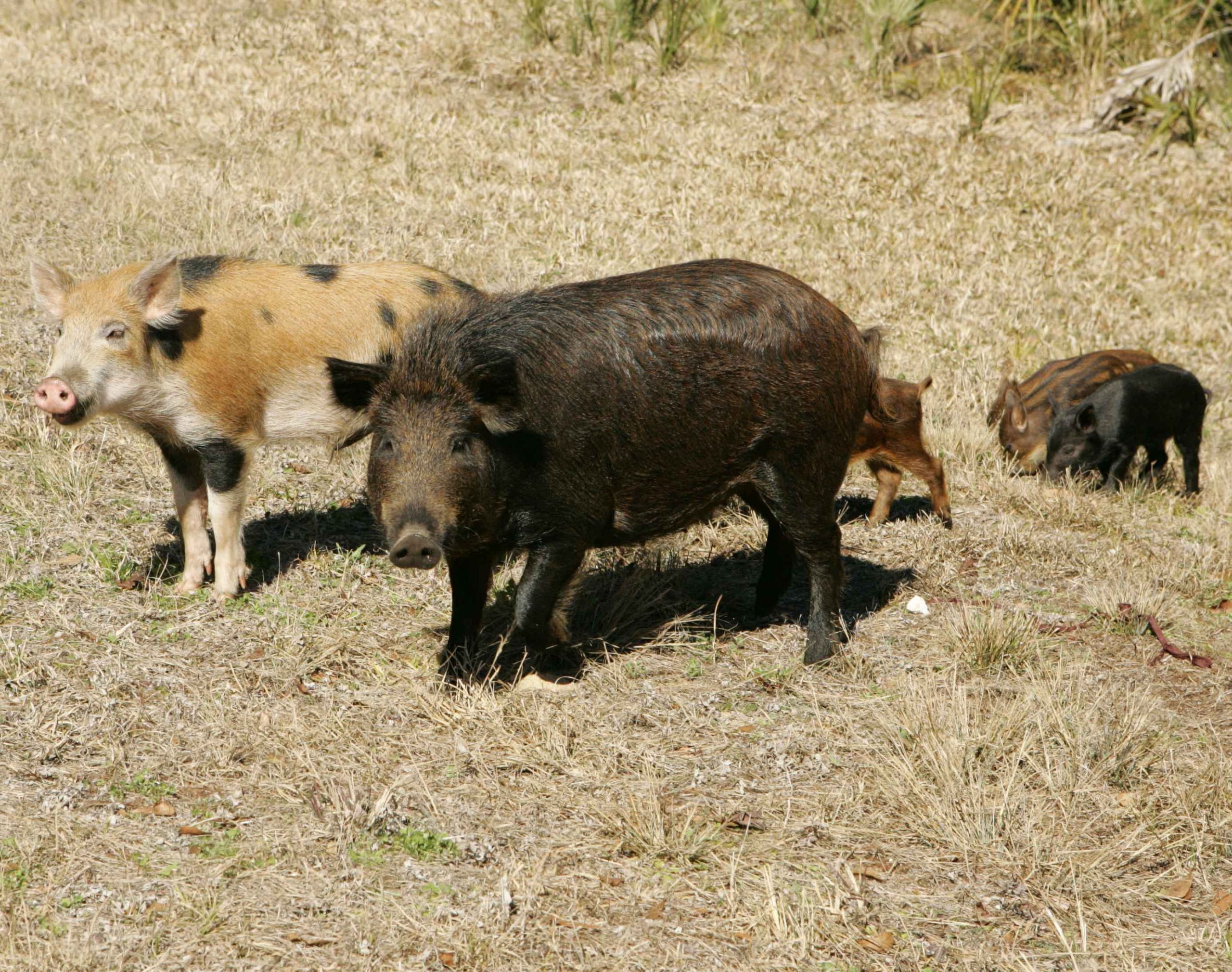
Wild hogs are aggressive, fast, and often encountered in groups, which increases risk. Injuries typically occur at close range when hogs feel cornered or wounded. Hunters should avoid dense brush where visibility is limited and always identify escape routes before approaching sign-heavy areas. Boars with tusks are especially dangerous and capable of serious injury. Listening for movement and vocalizations can prevent surprise encounters. If confronted, climbing or putting distance between yourself and the hog is safer than standing ground. Proper planning and situational awareness are essential when hunting in hog-heavy regions.
5. American Alligator
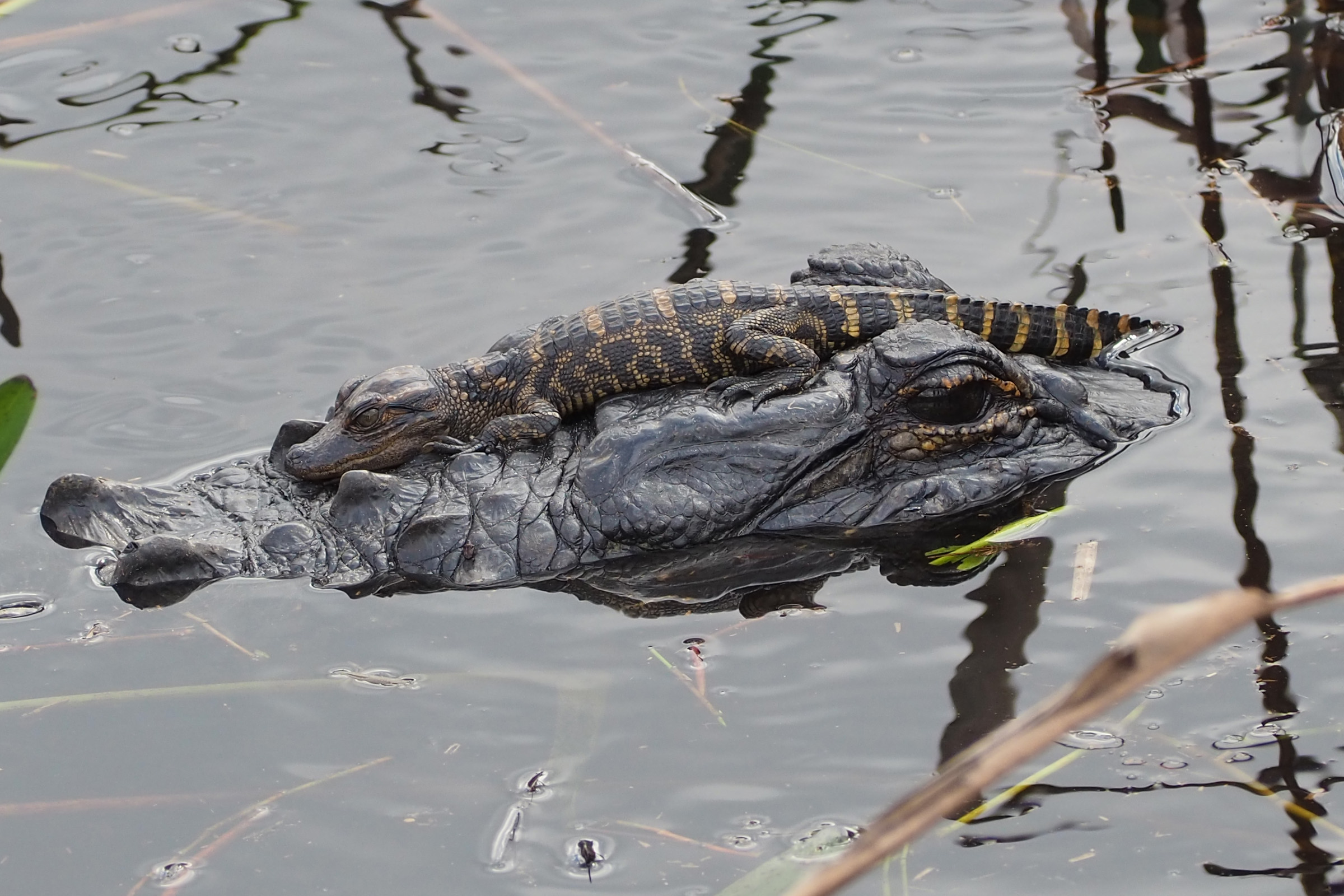
In southern hunting areas, alligators pose a serious but often underestimated risk. Most incidents occur near water sources where visibility is poor. Hunters should avoid walking close to shorelines at dawn or dusk when gators are most active. Never clean game near water, as blood and movement can attract attention. Large alligators can move faster than expected over short distances. Maintaining distance and awareness is critical. If an alligator hisses or approaches, back away immediately and seek higher ground. Understanding local gator behavior helps hunters stay safe in wetland environments.
6. Plains Bison
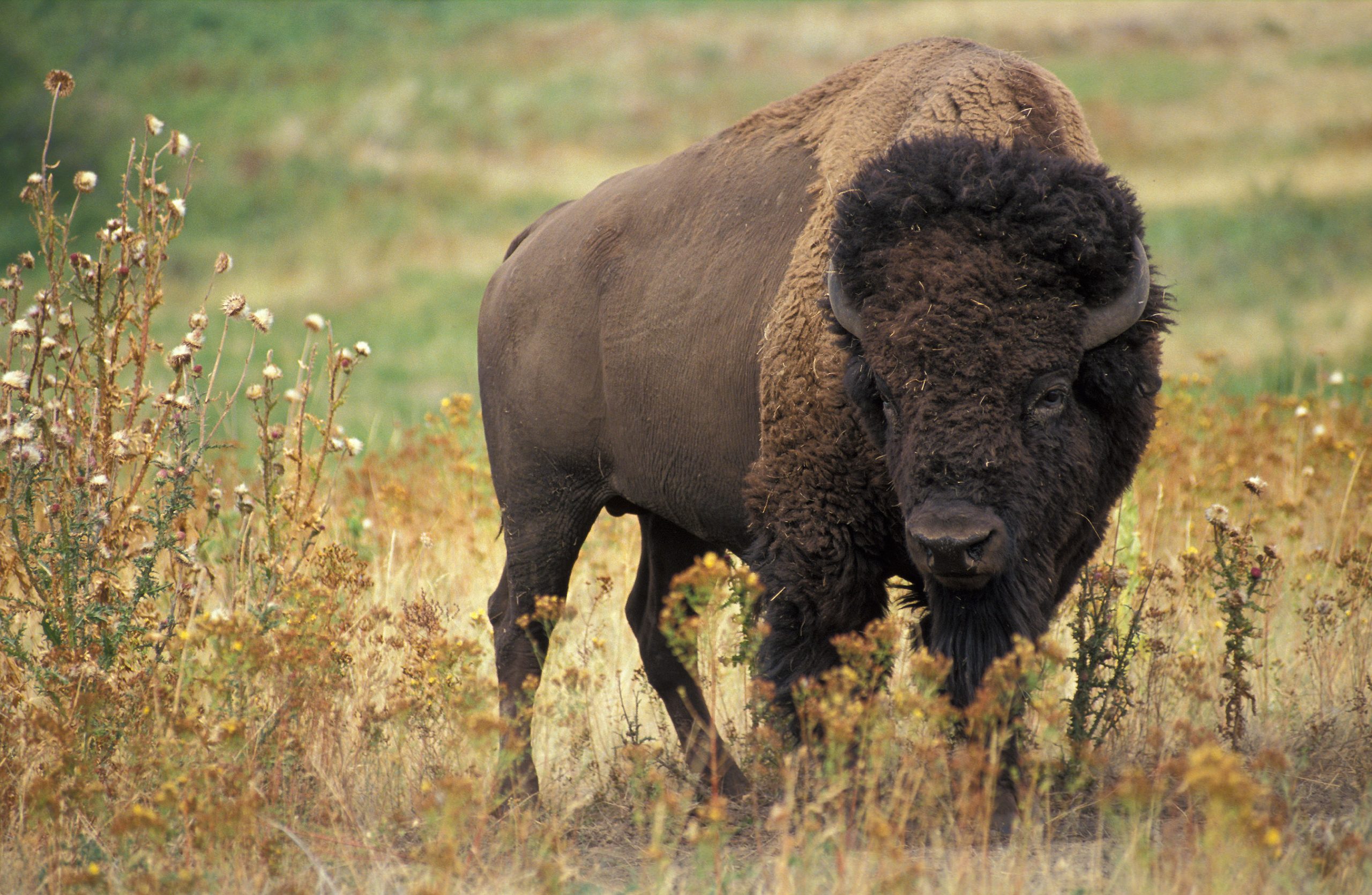
Bison are massive, deceptively fast, and highly territorial when threatened. Although rare, encounters can be extremely dangerous due to the animal’s weight and power. Hunters should never approach bison on foot or assume they will move away. Signs of agitation include pawing the ground, snorting, and head shaking. Wide-open terrain can create a false sense of safety, but bison can sprint quickly. Keeping a significant distance and using terrain features for cover is essential. Bison demand respect, and avoidance is always the correct strategy.
7. Timber Rattlesnake
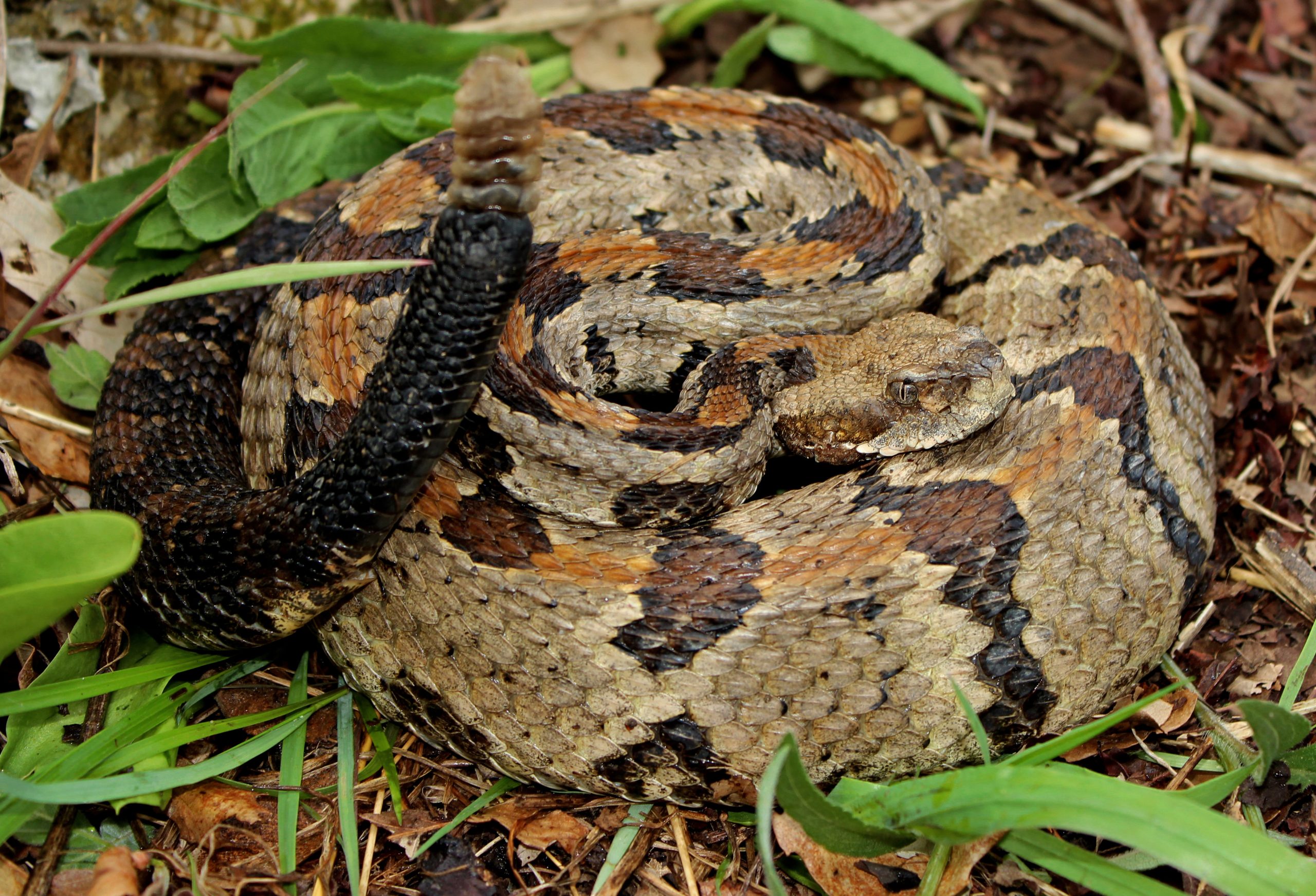
Venomous snakes like the timber rattlesnake pose a quiet but serious threat, especially in warm weather. Hunters are often bitten when stepping over logs or placing their hands where visibility is limited. Wearing high boots and using a walking stick to probe ahead reduces risk. Rattlesnakes typically give warning, but not always. If encountered, back away slowly and allow the snake to retreat. Never attempt to move or kill it, as most bites occur during such actions. Understanding seasonal activity patterns and habitat preferences helps hunters avoid dangerous encounters.
8. Gray Wolf
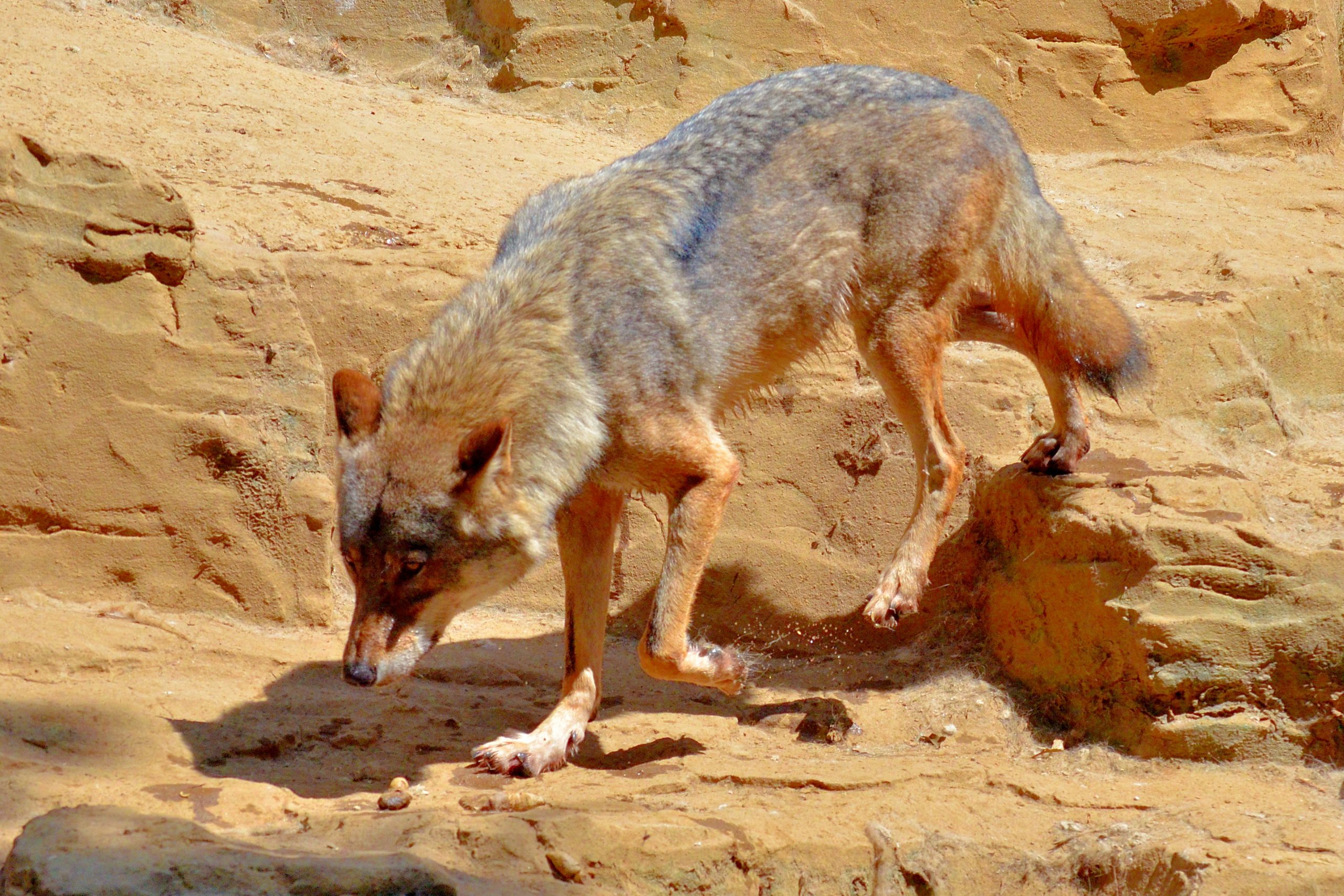
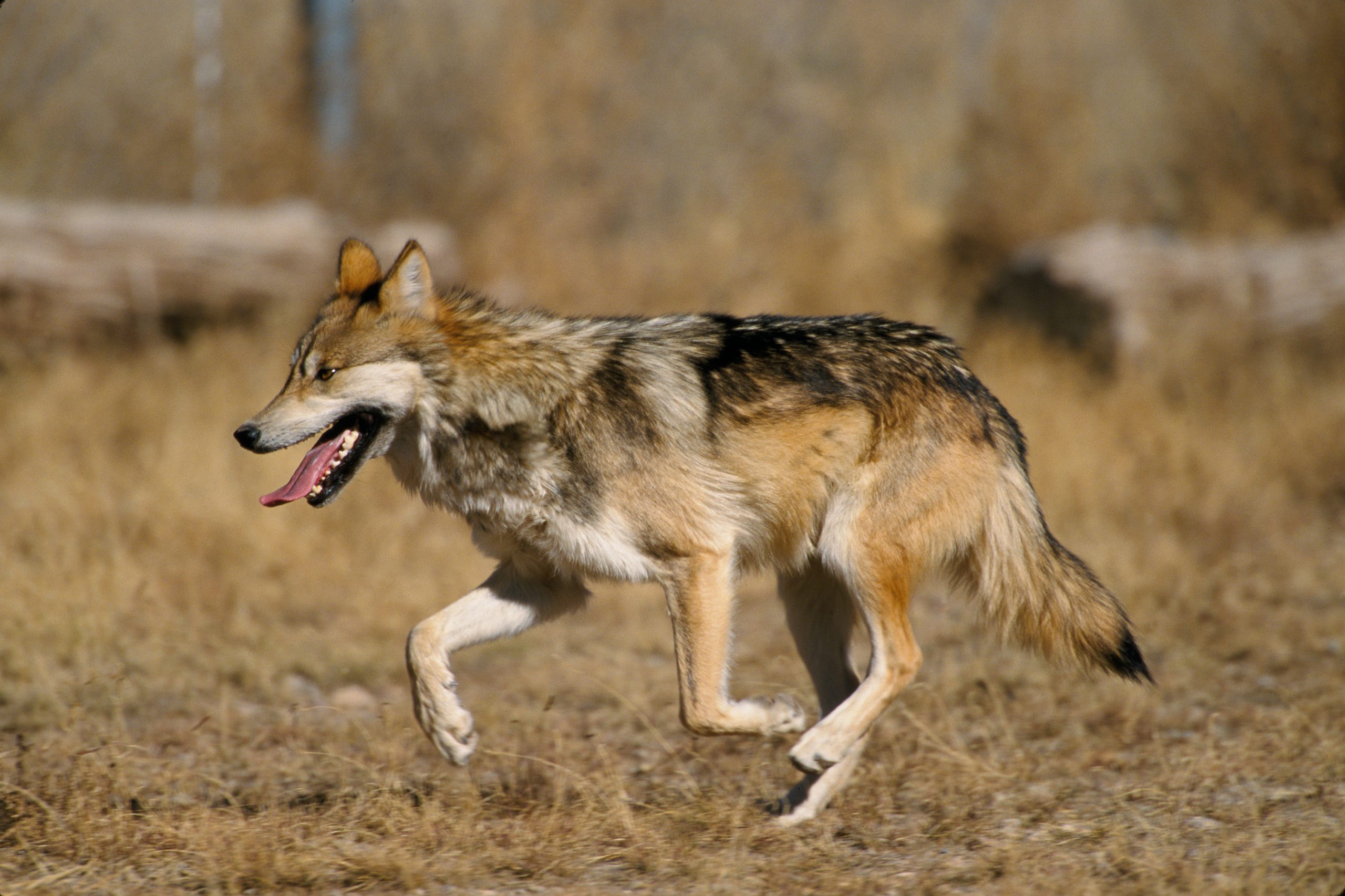
Gray wolves rarely view humans as prey, but dangerous encounters can occur when hunters unknowingly enter active territory. Problems are most likely near den sites, fresh kills, or when wolves feel cornered. Hunters should watch for signs like tracks, scat, or circling behavior and avoid lingering in those areas. Making steady noise while moving helps prevent surprise encounters. If wolves are spotted, maintain eye contact, stand tall, and back away slowly without turning your back. Never run, crouch, or approach for photos. Respecting distance and remaining calm greatly reduces risk in wolf country.