Firearms and camping exist in a complicated relationship built largely on myth, misplaced confidence, and Hollywood-fed assumptions. A surprising number of outdoor enthusiasts either carry guns into the backcountry with no real training or avoid them entirely based on fears that do not hold up to scrutiny. According to a 2022 survey by the Outdoor Industry Association, roughly 34% of campers who carry firearms admitted they had never practiced drawing from a pack or holster under physical stress. That gap between ownership and readiness is where the most dangerous misconceptions live. Whether you are a first-time camper curious about protection or a seasoned outdoorsperson reconsidering your setup, understanding what is actually true about firearm use in a camping context could genuinely matter when it counts. These eight misconceptions are worth knowing before your next trip into the wild.
1. A Firearm Is Your Best Defense Against Bear Attacks
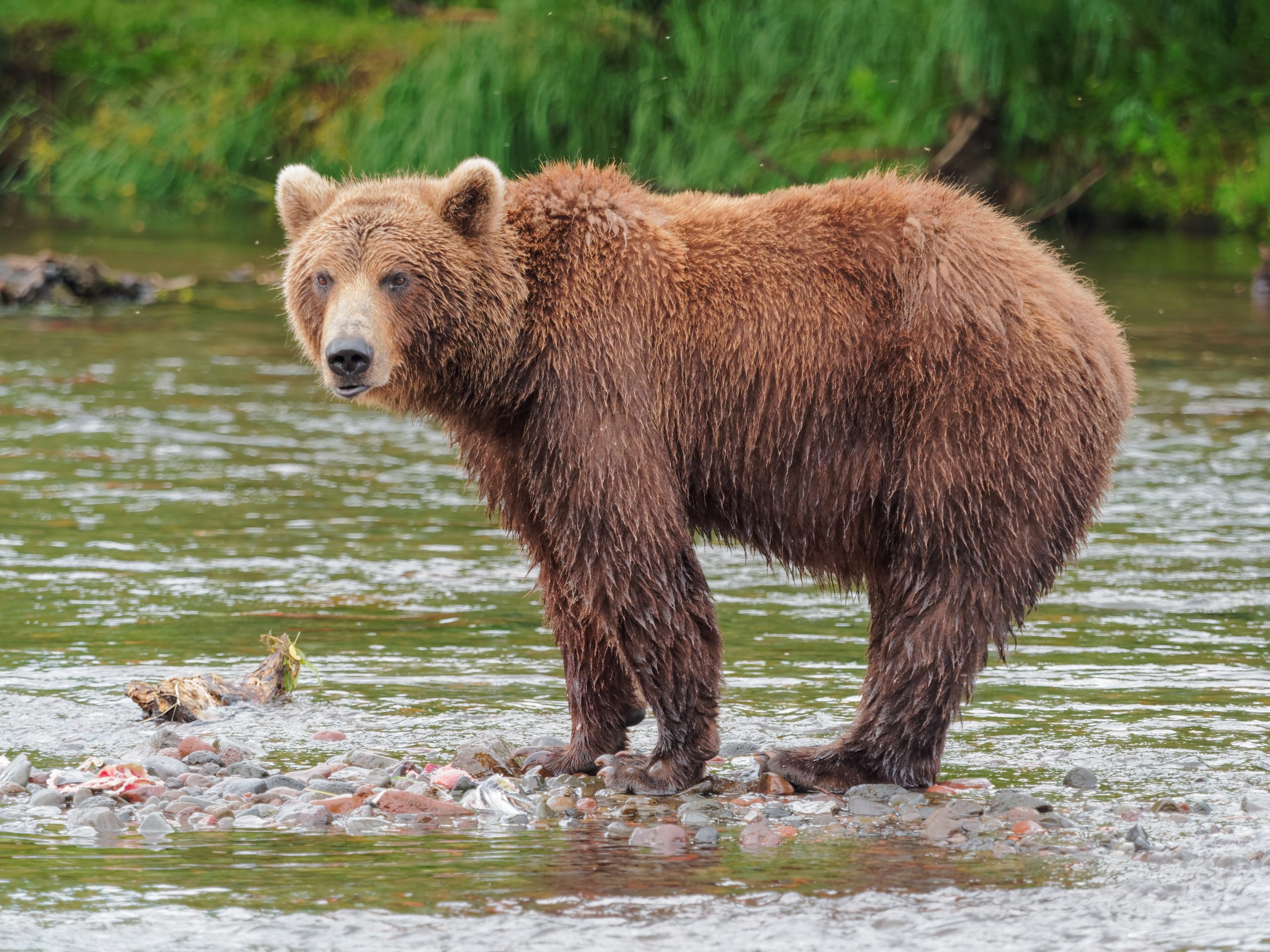
This is perhaps the most deeply embedded myth in outdoor firearm culture, and it deserves a direct, honest correction. Bear spray has been studied extensively, and research published by the University of Calgary found it was effective in stopping bear charges in approximately 92% of documented encounters. Firearms, in contrast, succeeded in roughly 67% of similar incidents, and failures often resulted in injury escalation. Bears are large, fast, and physiologically built to absorb damage before a shot placement reaches a vital area. A charging grizzly covers 100 metres in under 4 seconds, leaving almost no reaction window for an accurate shot under adrenaline. Carrying both is a reasonable strategy, but assuming a firearm is your primary or most effective line of bear defense is statistically and practically wrong. Bear spray should always be the first reach in a surprise encounter.
2. Any Caliber Will Stop a Threat in the Wilderness
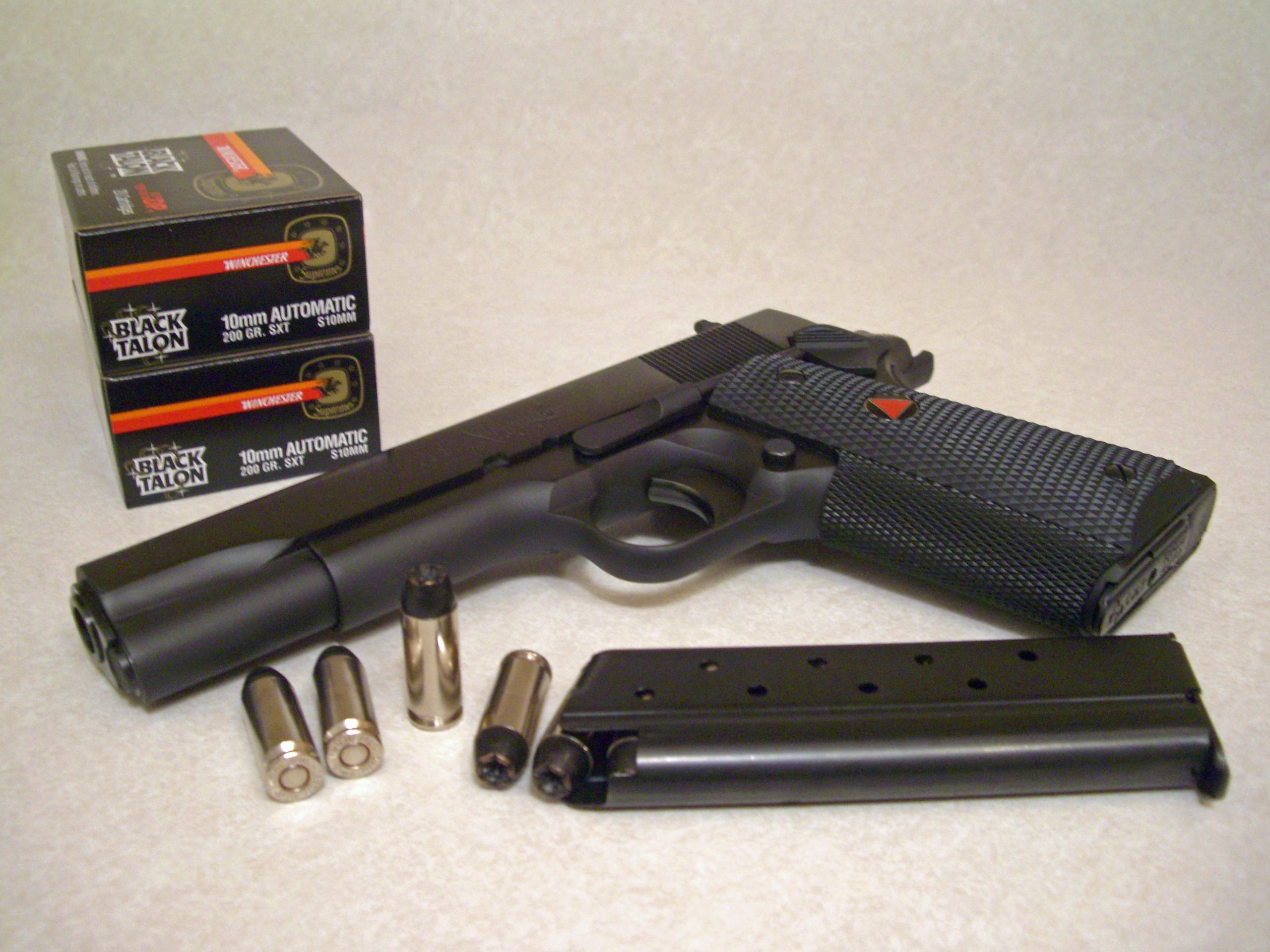
Campers often assume that simply having a loaded firearm is enough, regardless of what it fires. This thinking underestimates how dramatically caliber affects stopping capability, especially against large animals or in high-stress situations. A popular for its light weight and low recoil, carries roughly 140 foot-pounds of muzzle energy. A 10mm Auto, widely recommended for wilderness carry, delivers around 700 foot-pounds. That is a fivefold difference in terminal energy, which matters enormously against a 300-kilogram black bear or an agitated moose. For human threats, shot placement becomes more critical than caliber, but in wilderness scenarios involving wildlife, underpowered cartridges create a dangerous false sense of security. Research your specific camping region, identify the apex predators present, and match your caliber selection to the actual threat environment you are entering rather than defaulting to whatever you already own.
3. National Parks Prohibit All Firearms
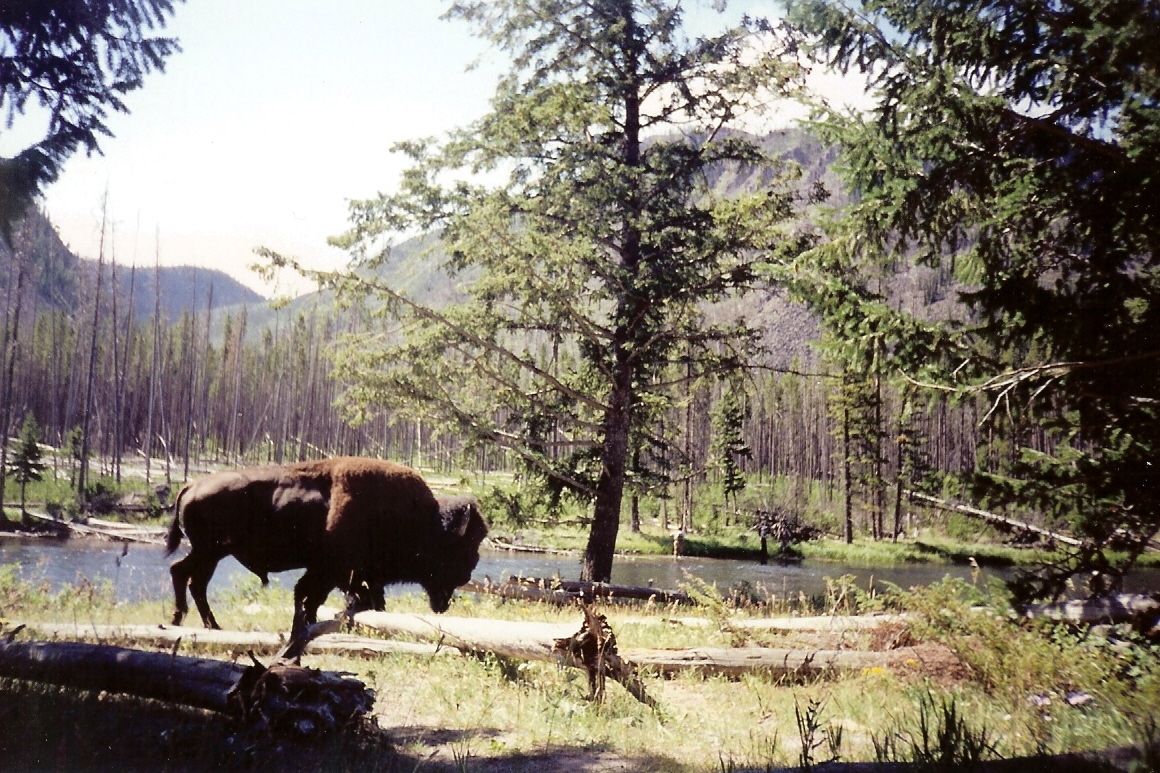
Many campers assume that heading into a national park means leaving their firearm at home, but federal law is more nuanced than that. Since the 2010 amendment to the Credit Card Accountability Responsibility and Disclosure Act, individuals can legally possess firearms in national parks provided they comply with the laws of the state in which that park is located. This means a concealed carry permit valid in Wyoming is generally honoured within Yellowstone National Park boundaries. However, discharging a firearm remains prohibited in nearly all national parks except in genuine self-defense situations. The confusion arises because park facilities such as visitor centres, ranger stations, and federal buildings still prohibit firearms entirely under a separate federal law. Before any camping trip, verify both the state-level carry laws and the specific federal facility rules for your destination. Assuming a blanket ban exists can leave you legally underprepared or improperly disarmed.
4. Carrying a Gun Means You Are Always Prepared
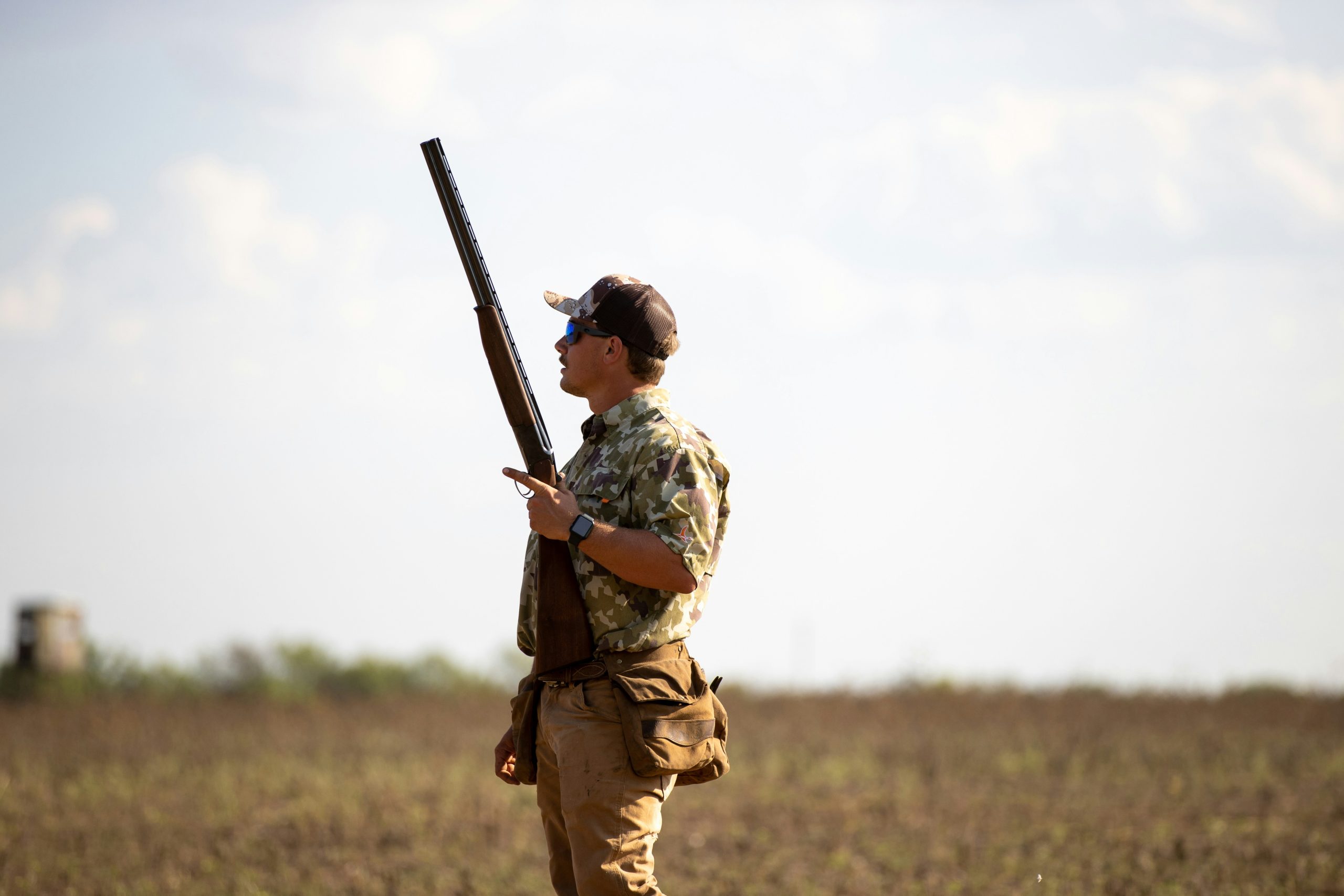
Ownership and preparedness are not the same thing, and in a backcountry emergency, that difference becomes dangerous very quickly. Studies from law enforcement training research consistently show that accuracy under stress drops by 60 to 70% compared to controlled range conditions. Camping introduces additional variables, including cold hands, wet grip surfaces, physical exhaustion, and the psychological shock of a sudden wildlife encounter. A firearm packed deep in a backpack offers almost no practical defensive value. Similarly, a gun carried in a holster that was never practiced with under movement and gear provides marginal improvement. True preparedness means regular scenario-based training, consistent dry-fire practice, and choosing carry positions that remain accessible while wearing a pack, rain gear, or layered clothing. Owning a firearm without investing in its practical application is a misconception that creates confidence without competence, which is genuinely more dangerous than carrying nothing at all.
5. Firing a Warning Shot Is a Smart and Legal Tactic
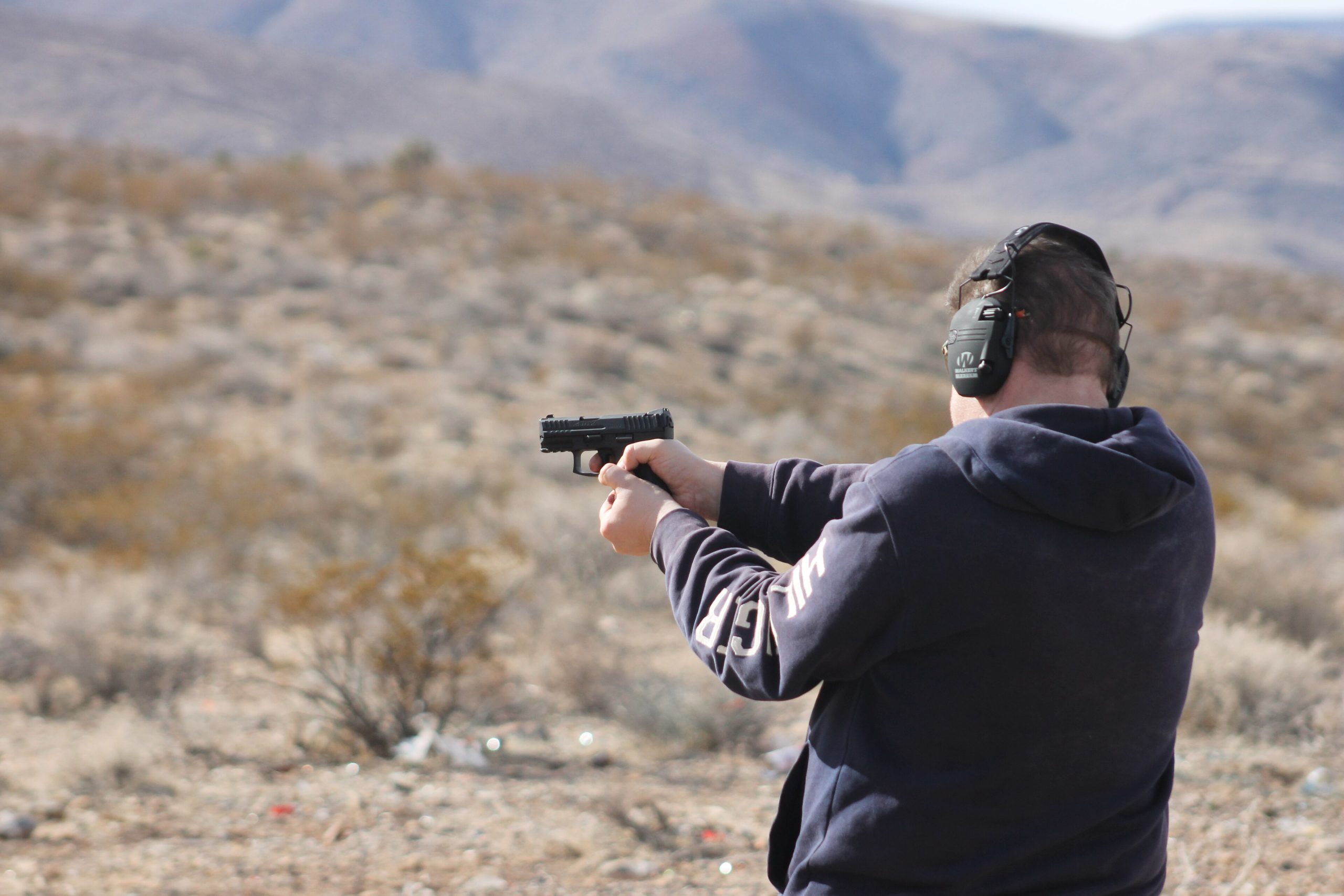
Warning shots feel intuitive. You fire into the air, the threat retreats, and no one gets hurt. In reality, this approach creates serious legal and physical risks that most campers never consider. From a legal standpoint, discharging a firearm in most national forests, state parks, and wilderness areas requires justification, and a warning shot may be treated as reckless discharge by law enforcement rather than legitimate self-defense. From a physical standpoint, a bullet fired upward returns to earth at speeds between 150 and 300 metres per second, enough to cause serious injury to anyone in the descent path. In 2019, a hiker in Colorado was cited following a warning shot incident that resulted in property damage and a misdemeanor charge. Wildlife rarely responds predictably to gunfire,e either. A startled bear may charge rather than flee. Effective firearm use in genuine defense situations means aiming at a specific threat, not performing a deterrent display with unpredictable outcomes and real legal exposure.
6. A Holstered Gun Cannot Accidentally Discharge
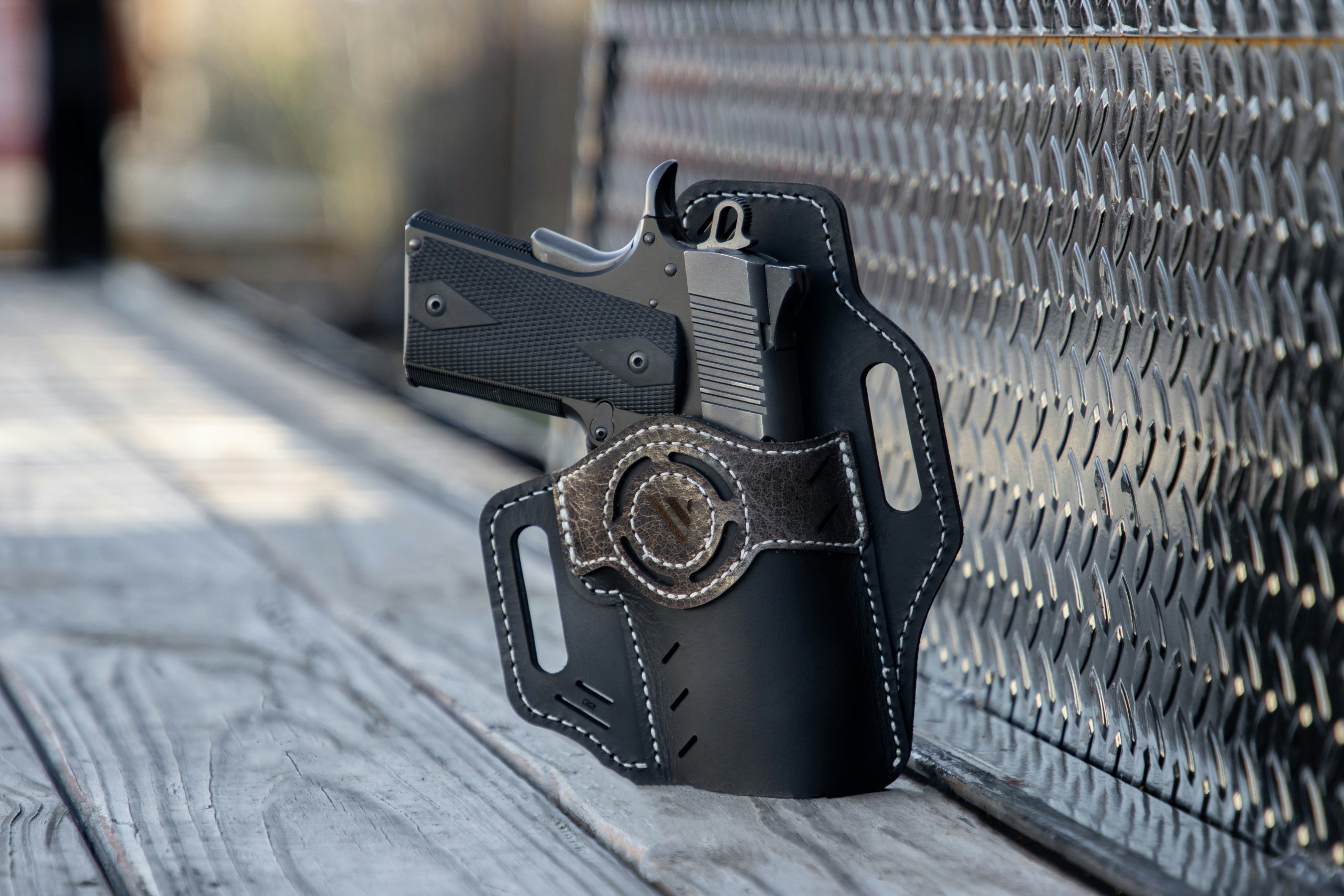
This misconception leads to complacency around storage, holster selection, and general firearm handling in the field, and it is responsible for a measurable number of preventable injuries. The National Safety Council estimates that approximately 535 people die annually in the United States from unintentional firearm discharge, with many incidents tied to improper holstering, worn equipment, or debris entering the trigger guard. Modern firearms with internal safeties are significantly more drop-safe than older designs, but no mechanical safety eliminates risk when combined with human error. In camping environments, vegetation, pebbles, and dirt can work into a holster and create trigger contact. Retention holsters with a covered trigger guard reduce this risk considerably. Choosing a quality Kydex or reinforced leather holster that fully covers the trigger, inspecting it regularly for wear, and never reholstering carelessly after use are habits that matter far more than trusting that the holster alone is keeping you safe at all times.
7. Silencers Make Firearms Nearly Silent, Like in Movies
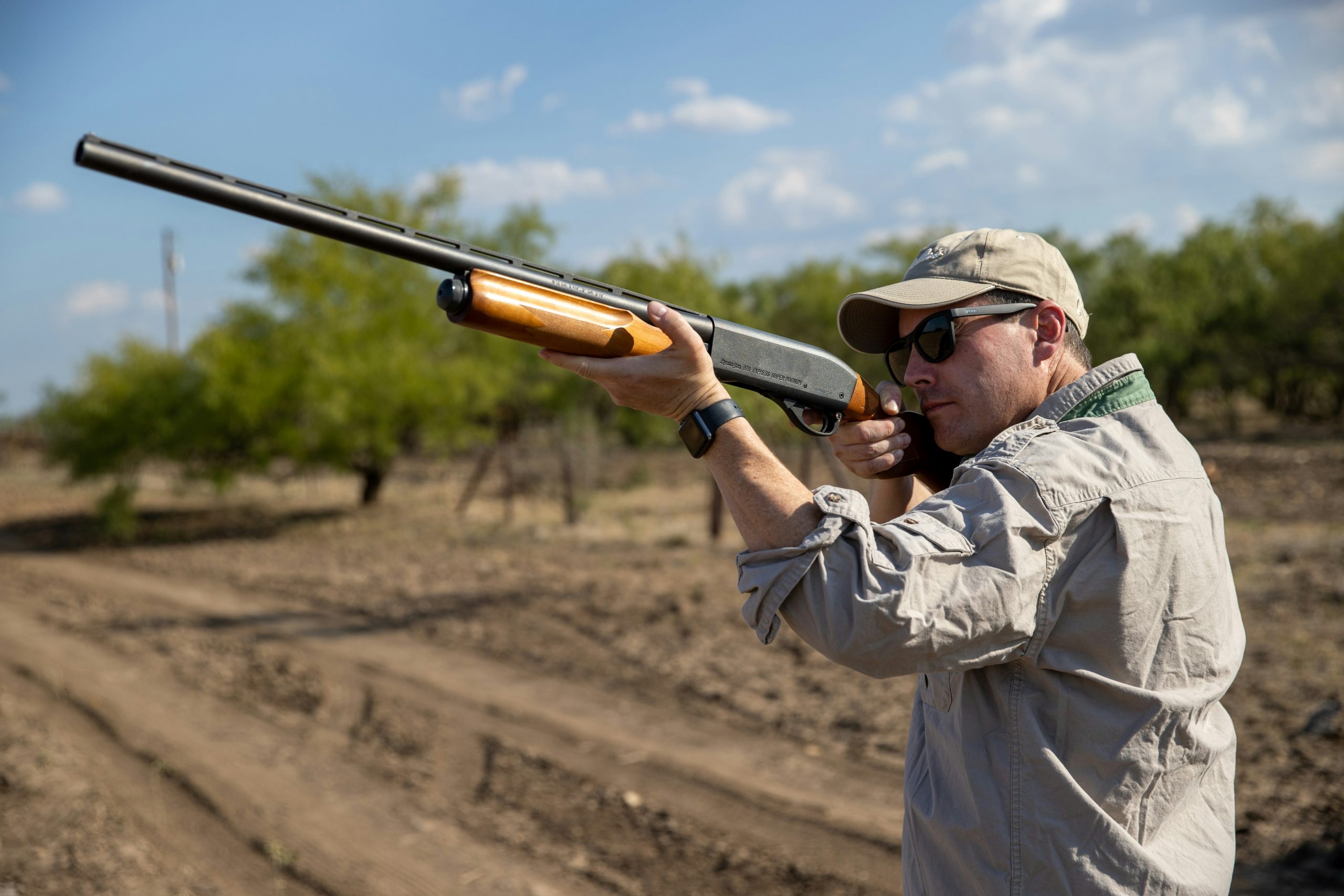
The cinematic version of a suppressed firearm, that near-silent whisper that barely registers, has done tremendous damage to public understanding of what suppressors actually do. A standard unsuppressed gunshot produces between 140 and 165 decibels,s depending on caliber. A quality suppressor reduces that by approximately 20 to 35 decibels. The result is still a sound between 125 and 140 decibels in most cases, which is comparable to a chainsaw or a jackhammer and remains well above the 85-decibel threshold for hearing damage. In camping contexts, this distinction matters for two reasons. First, campers who expect movie-level silence may skip ear protection and suffer permanent hearing damage from even a single shot. Second, in crowded campgrounds or wilderness areas, a suppressed shot is still audible from significant distances, meaning the assumption of stealth during an emergency discharge is largely unfounded. Suppressors have genuine hearing protection value, but they do not function as silence devices under real-world conditions.
8. You Do Not Need Permits When Camping on Remote Federal Land
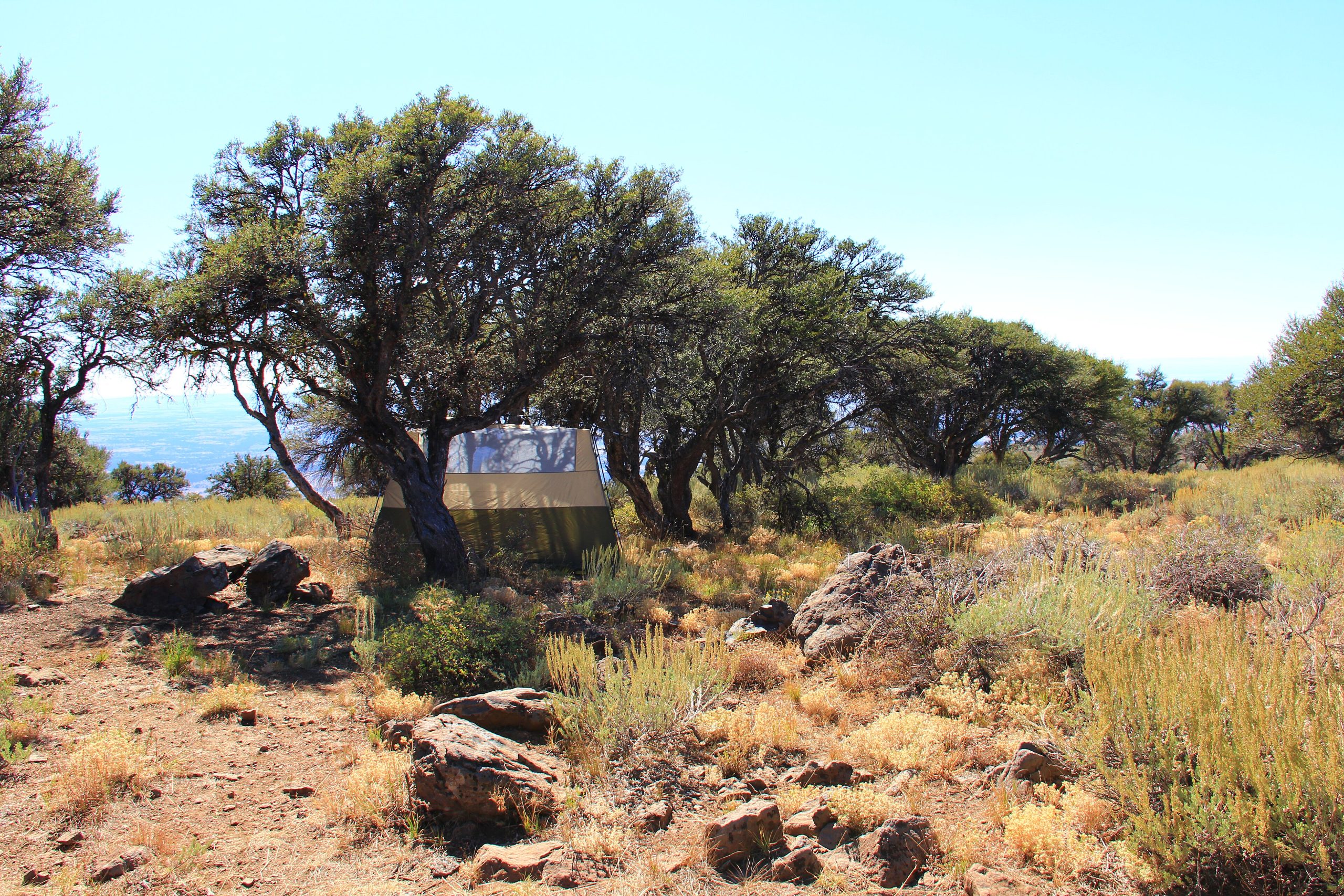
The open expanse of federal land creates a strong psychological impression of lawlessness, as if distance from a ranger station translates to distance from legal accountability. This impression is false and has led to genuine legal consequences for campers who carried or discharged firearms while believing they were operating in a regulation-free zone. Bureau of Land Management land, National Forest areas, and wilderness designations all fall under federal and state jurisdiction simultaneously. Carrying laws follow the state where the land sits, and discharge restrictions vary by specific land designation. In California, for example, discharging a firearm on BLM land within 150 metres of a campground or water source is prohibited regardless of how remote the location feels. Violations can result in fines exceeding $1,000 and potential permit revocation for future access. Always research the specific land management agency governing your campsite, confirm applicable state carry laws, and never assume that geographic isolation places you outside the reach of regulation.