Choosing the right caliber for bear defense is not about popularity but about power, penetration, and reliability under stress. Guides who work in bear country often recommend cartridges that can stop a large animal quickly, even at close range. Bears can weigh anywhere from 200 to over 1,000 pounds, and their thick bones and heavy muscles require deep penetration to reach vital organs. Because of this, experienced hunters and wilderness guides usually prefer large caliber rifles, heavy bullets, or powerful handguns that can deliver high energy over a short distance. Modern testing shows that bullet weight, velocity, and shot placement all matter more than the brand of firearm. The following calibers are often mentioned by guides today because they provide the balance of strength, control, and proven field performance needed when facing one of the most dangerous animals in North America.
1. .44 Magnum
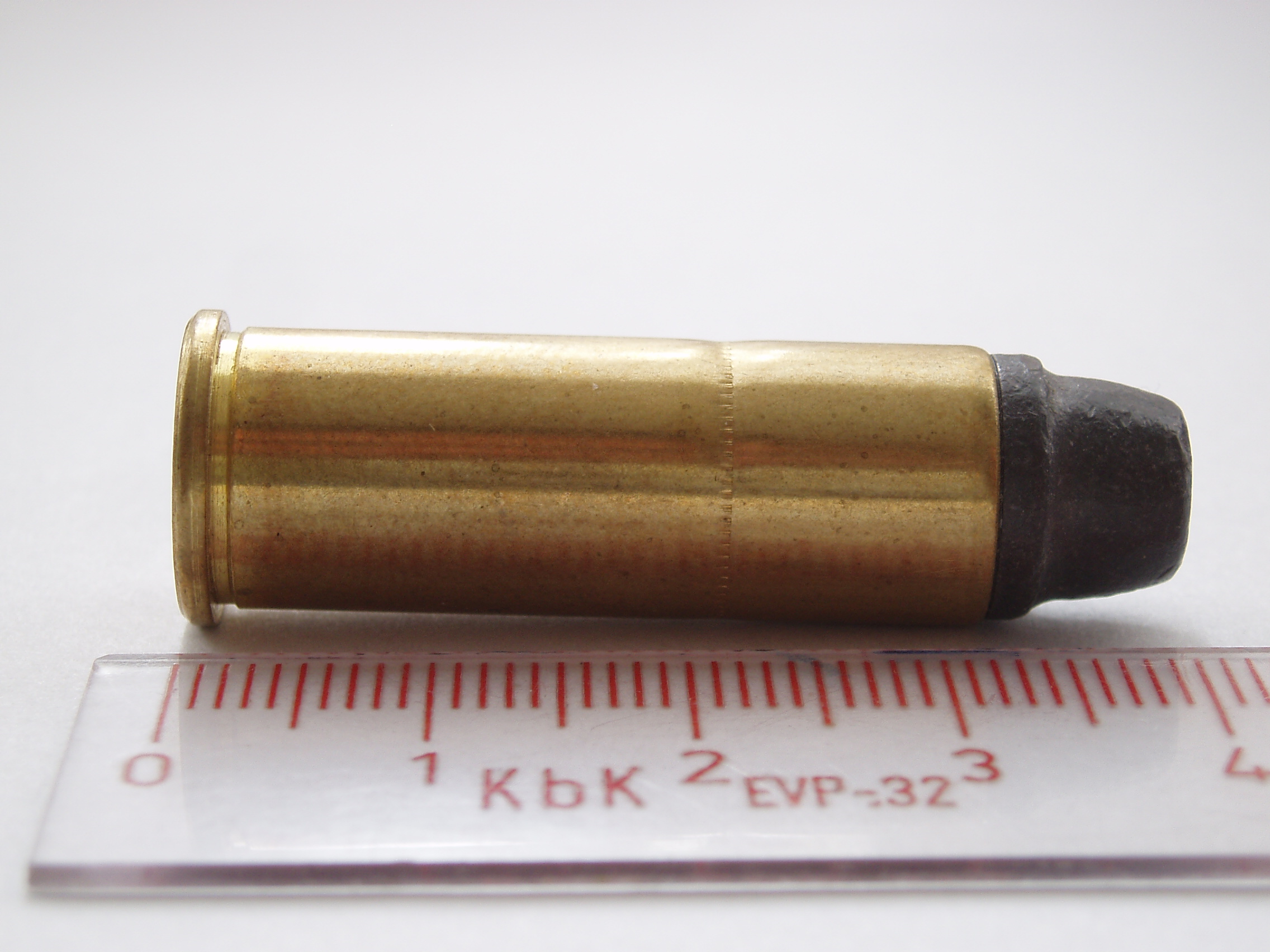
The .44 Magnum remains one of the most trusted handgun calibers for bear defense because it offers strong power in a portable firearm. A typical 240-grain bullet can travel around 1,200 feet per second from a revolver, producing more than 750 foot-pounds of energy. Heavy hunting loads with 300-grain bullets can go even higher, giving better penetration through thick muscle and bone. Recoil is strong, often over 15 foot pounds, so practice is important for accurate shooting. Most revolvers hold 6 rounds, which means every shot must count. Guides often recommend hard cast bullets because they keep their shape when hitting heavy bone. The .44 Magnum is popular because it balances power and size, making it one of the most realistic choices for emergency defense in the wilderness.
2. .45-70 Government
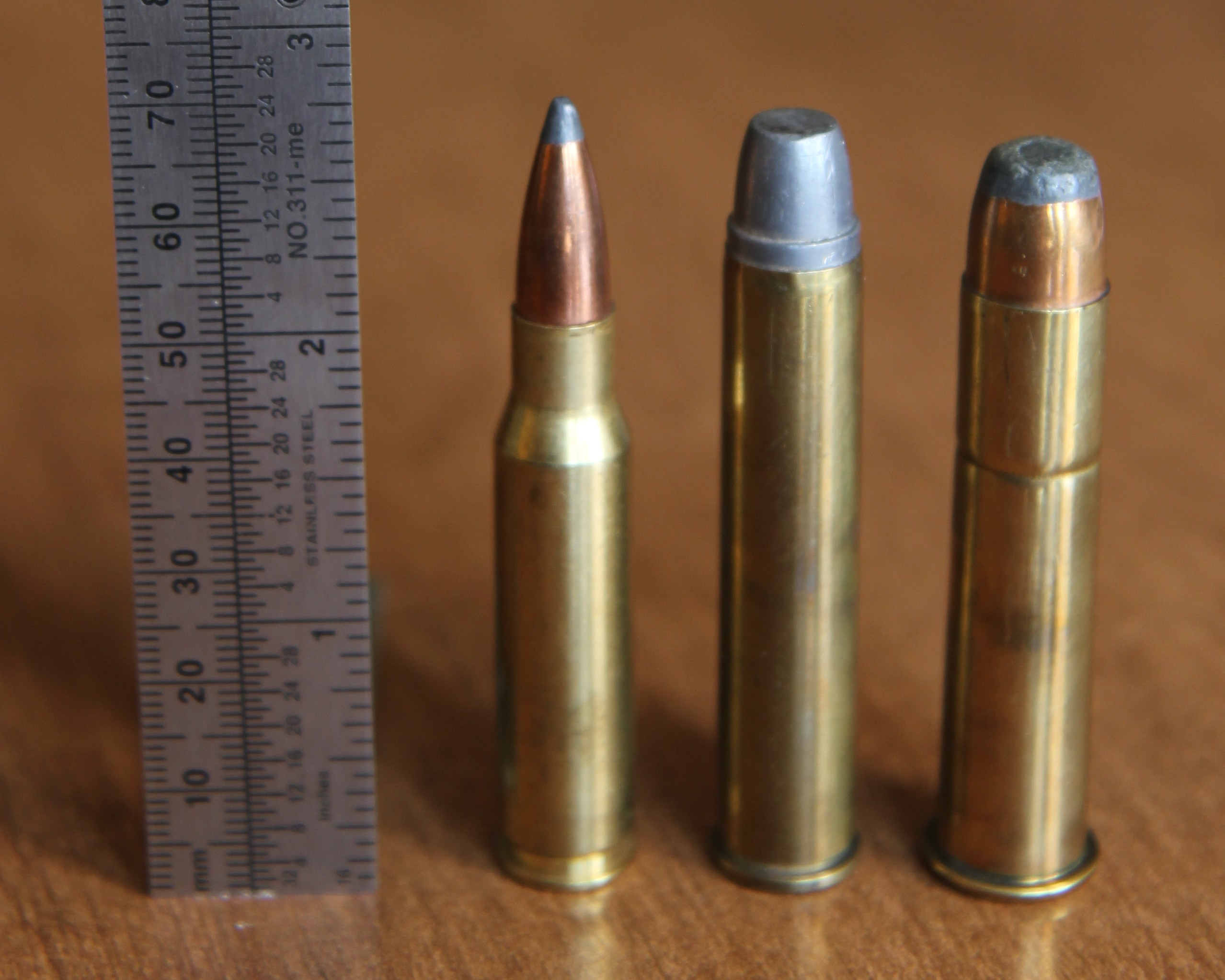
The .45-70 Government is one of the most recommended rifle calibers for bear defense, especially when used in modern lever-action rifles. A 300-grain bullet can travel close to 1,900 feet per second, producing over 2,400 foot pounds of energy. Heavier loads with 405-grain bullets move more slowly but give deeper penetration, which is important against large animals. Recoil can exceed 25 foot pounds, but the extra power makes it effective at short range. Lever-action rifles usually hold 4 to 6 rounds, allowing quick follow-up shots if needed. Many guides prefer this caliber because it has been used for more than a century on large game, and modern ammunition makes it even stronger.
3. 12 Gauge Slug
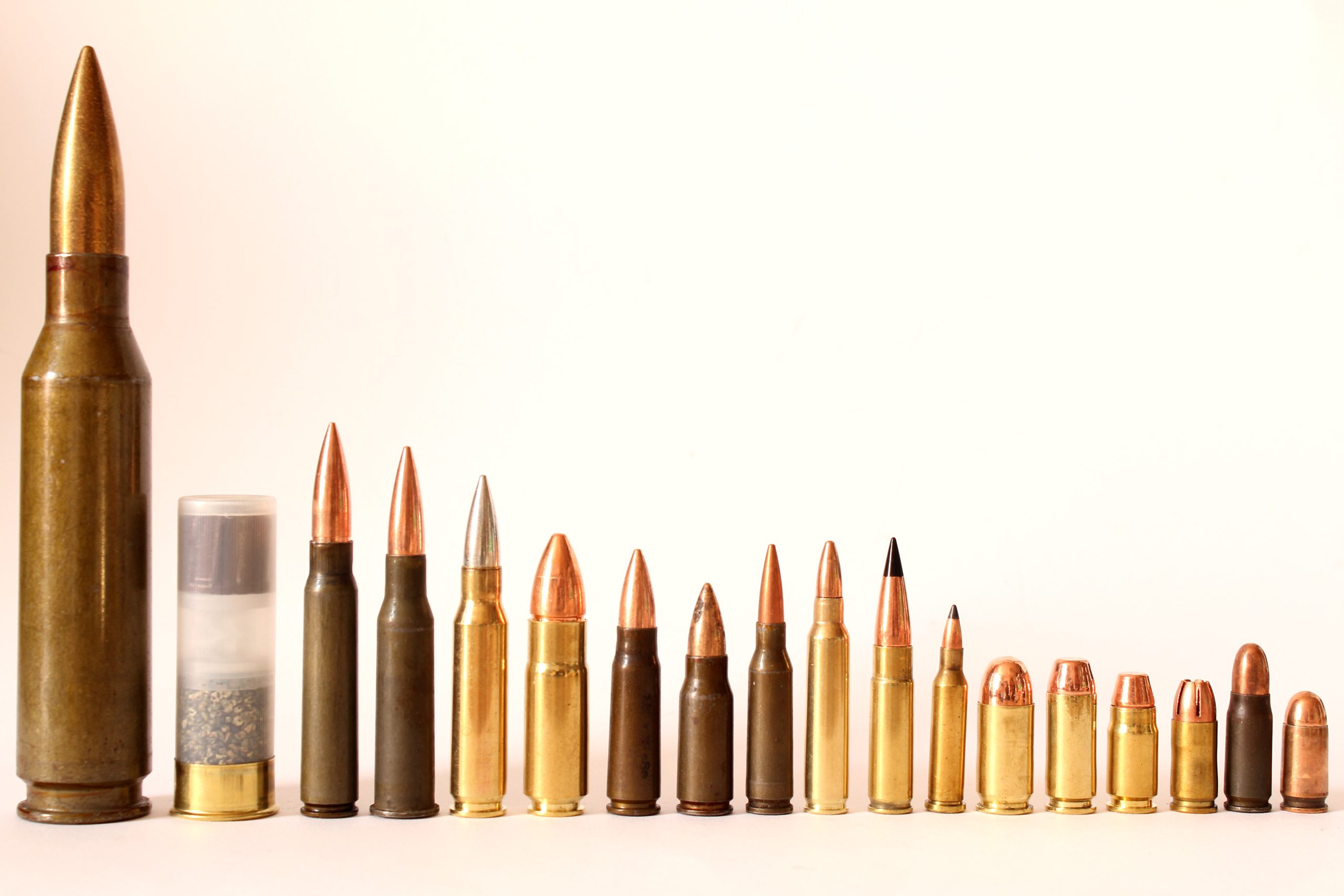
A 12-gauge shotgun loaded with slugs is often considered one of the most powerful tools for bear defense. A standard 1-ounce slug weighs about 437 grains and can travel around 1,600 feet per second, producing more than 2,500 foot-pounds of energy. This level of impact can break heavy bones and reach vital organs quickly. Recoil is very strong, often over 30 foot pounds, so control is important. Most pump shotguns hold 4 to 5 shells, which is usually enough for emergencies. Guides like the 12 gauge because it is simple, reliable, and extremely powerful at close range, where most bear encounters happen.
4. .454 Casull
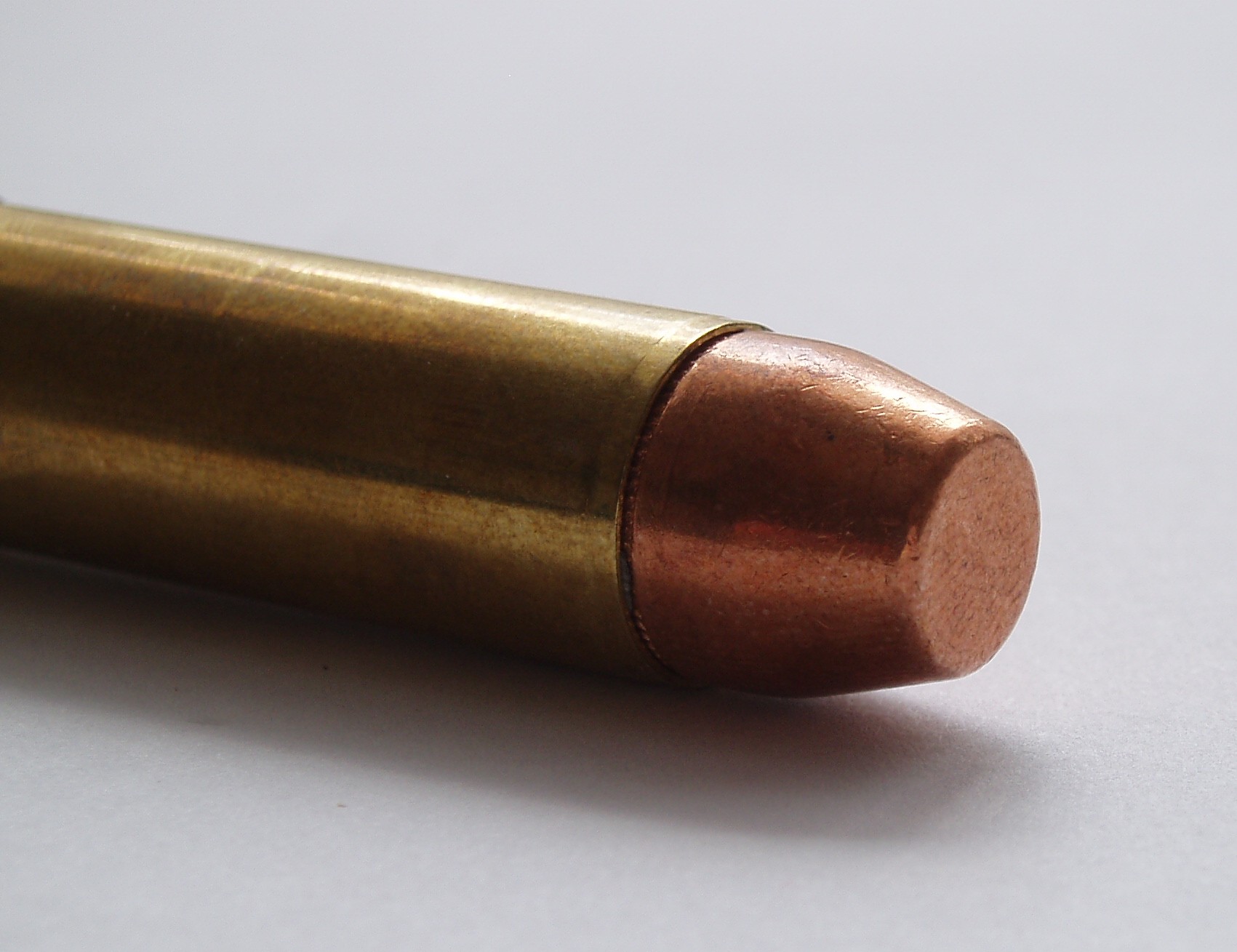
The .454 Casull is one of the most powerful handgun calibers commonly carried for bear defense. A 300-grain bullet can travel about 1,650 feet per second, producing over 1,800 foot-pounds of energy. This level of power allows deep penetration even on very large animals. Recoil is heavy, often over 30 foot pounds, which makes practice necessary before carrying it in the field. Most revolvers hold 5 rounds, but the strength of each shot makes up for the lower capacity. Guides who choose handguns often prefer the .454 Casull because it offers rifle-like power in a compact form that can be carried at all times.
5. .30-06 Springfield
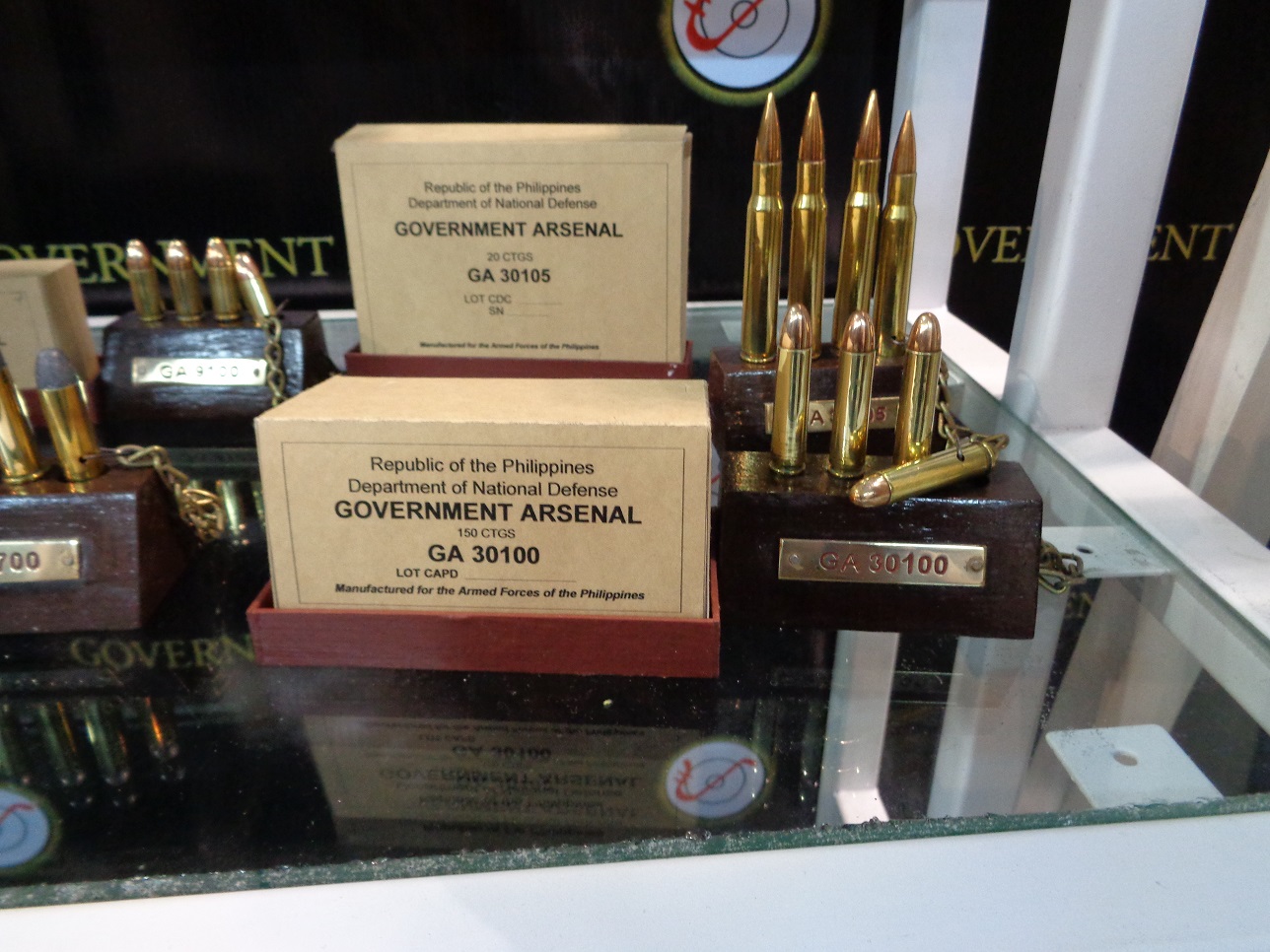
The .30-06 Springfield is a classic rifle caliber that many guides still trust for protection in bear country. A 180-grain bullet can travel around 2,700 feet per second, producing more than 2,900 foot-pounds of energy. This combination gives both speed and penetration, which helps when shooting at different distances. Recoil is moderate for a rifle, usually around 20 foot pounds, making it easier to control than larger magnum calibers. Bolt-action rifles normally hold 4 to 5 rounds. The .30-06 is popular because it works for both hunting and defense, and it has proven reliable for more than 100 years in the field.
6. .375 H&H Magnum
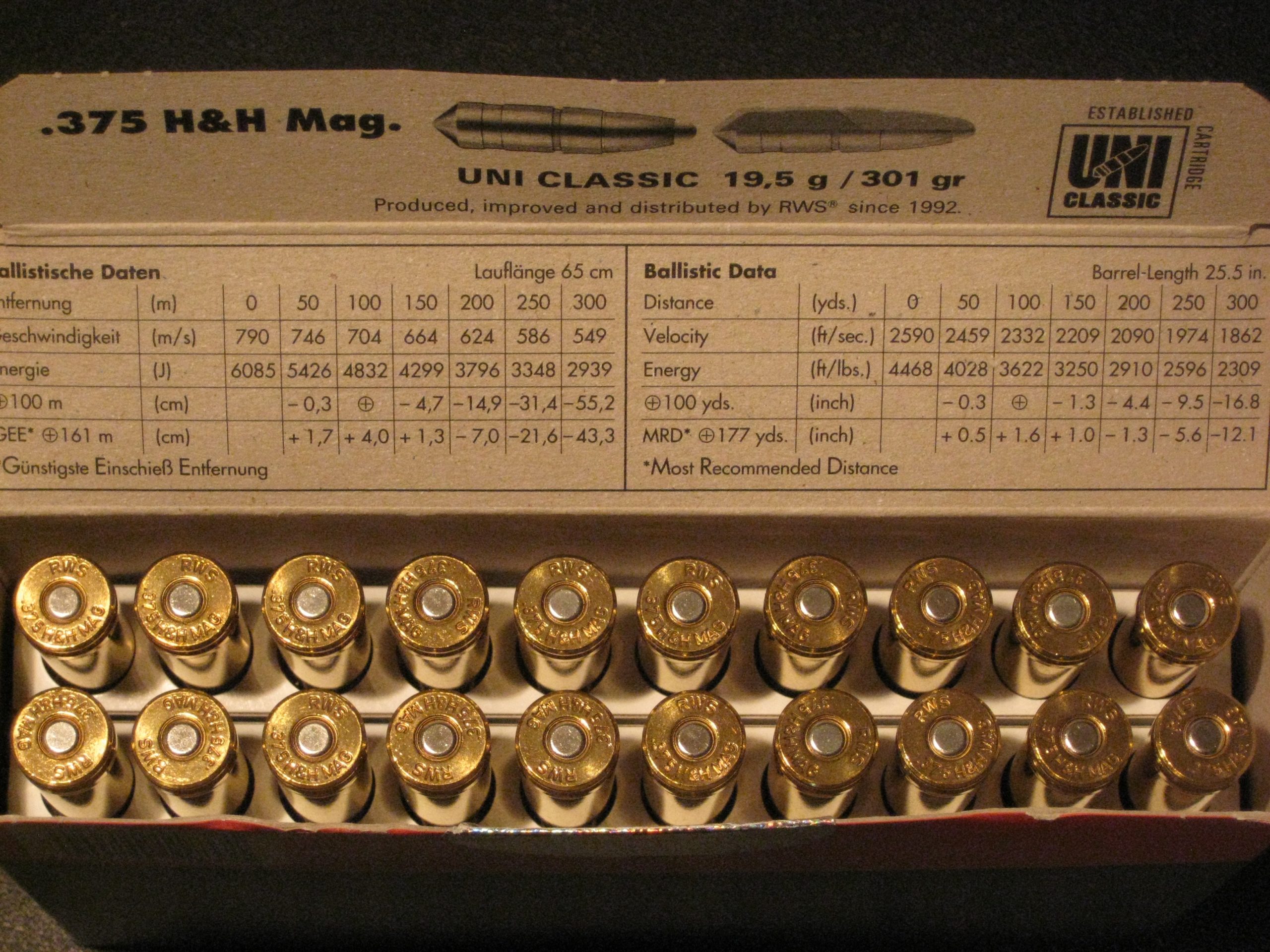
The .375 H&H Magnum is often considered the minimum for dangerous game hunting, which is why many guides trust it for bear defense. A 270-grain bullet can travel about 2,650 feet per second, producing over 4,200 foot-pounds of energy. This level of power allows the bullet to break heavy bone and still reach vital organs. Recoil is strong, usually above 35 foot pounds, so the rifle must be handled with experience. Most bolt-action rifles hold 3 to 4 rounds. Even though it is larger than needed for most situations, guides like the .375 because it provides confidence when facing very large bears.
7. 10mm Auto
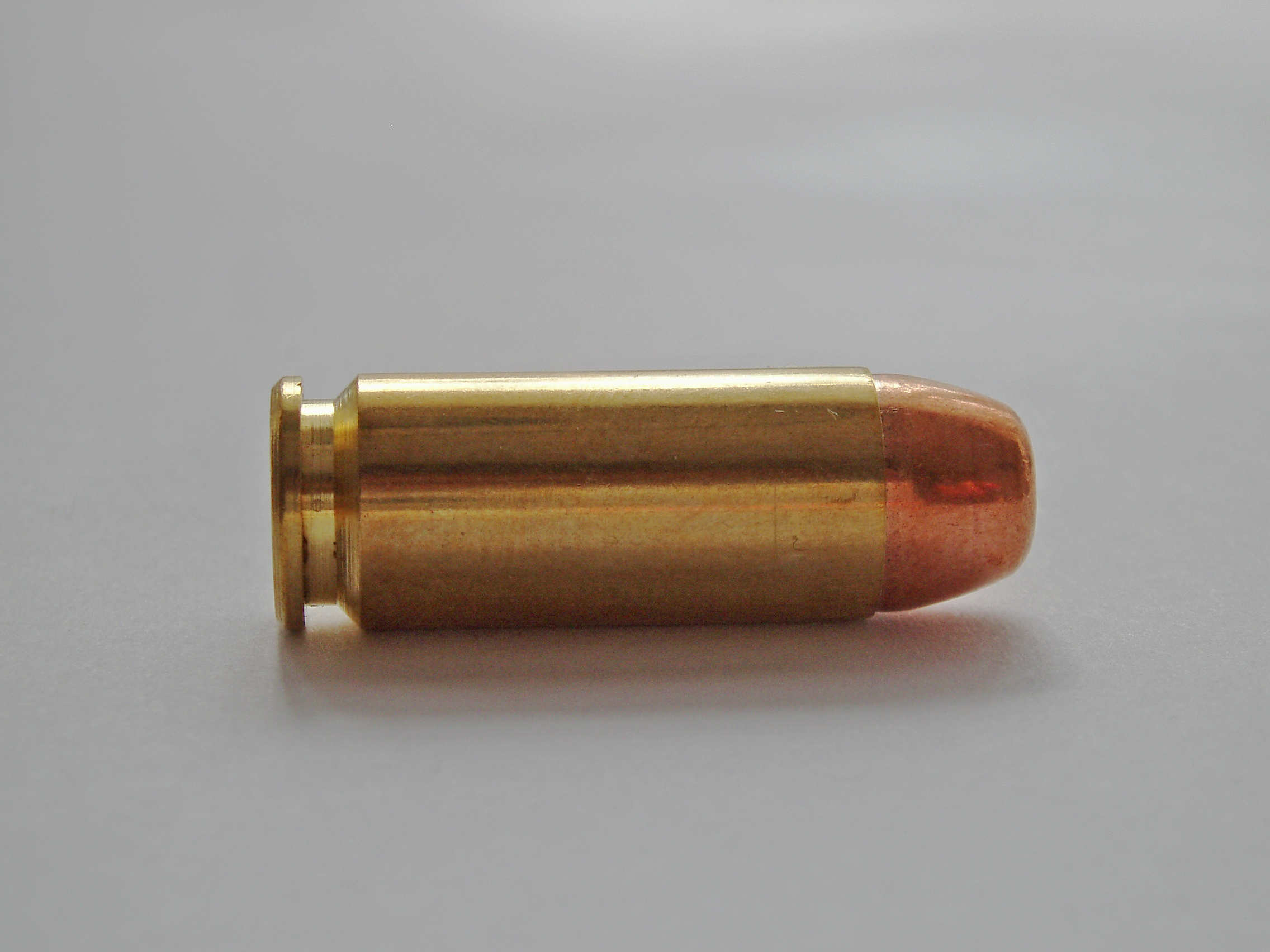
The 10mm Auto became popular again because it offers strong performance in a semi-automatic handgun. A 180-grain bullet can travel around 1,200 feet per second, producing about 700 foot-pounds of energy. Heavy loads with hard cast bullets give better penetration, which is important for defense. Recoil is noticeable but lighter than large revolver calibers, usually near 10 foot pounds. Many pistols hold 15 rounds, giving more chances to hit the target compared to revolvers. Guides sometimes choose the 10mm because it allows faster follow-up shots while still providing enough power for emergency use.
8. .338 Winchester Magnum
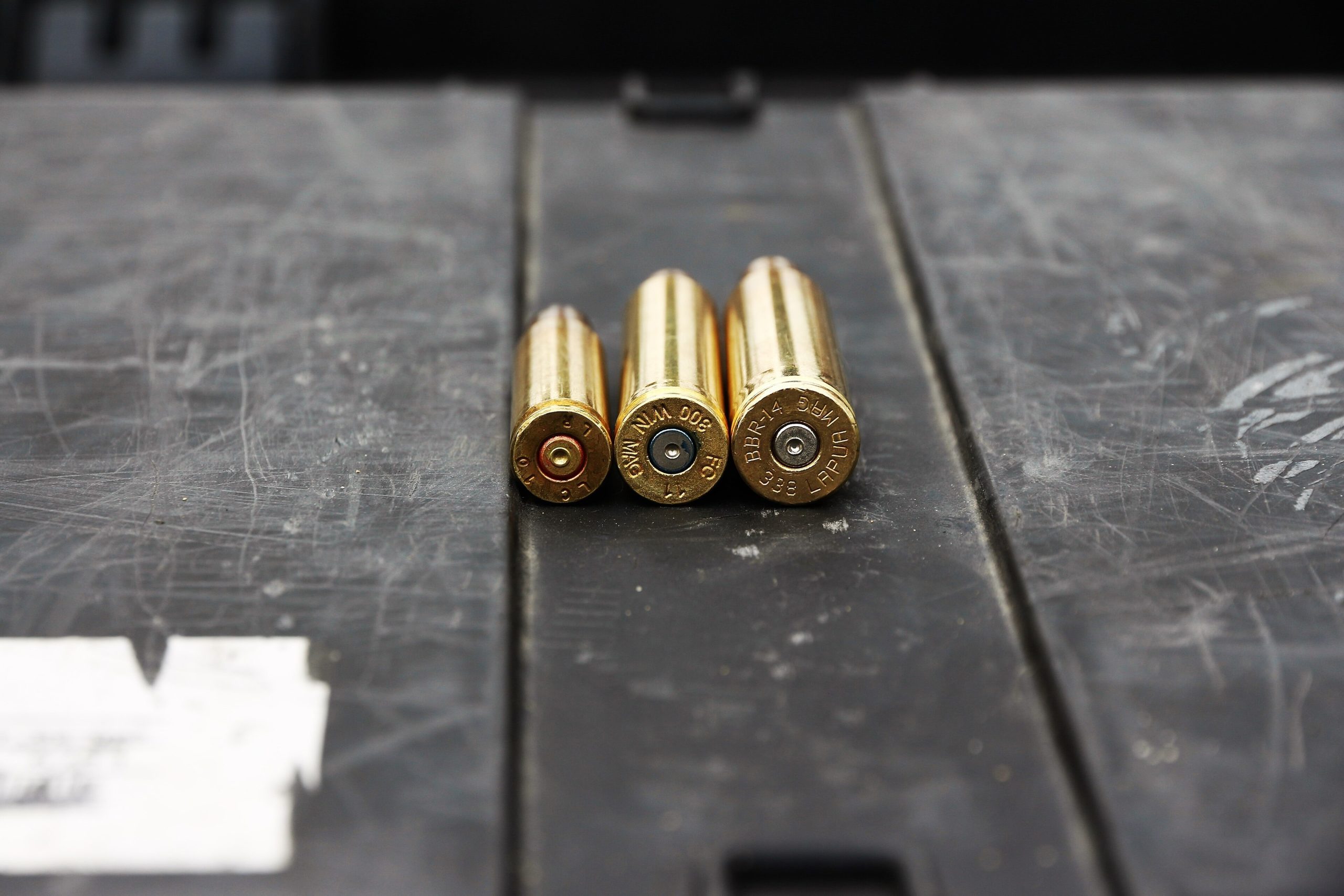
The .338 Winchester Magnum is known for strong performance on large animals, making it a serious choice for bear defense. A 225-grain bullet can travel around 2,800 feet per second, producing more than 3,900 foot-pounds of energy. This power allows deep penetration even on very large bears. Recoil is heavy, often over 30 foot pounds, but experienced shooters can control it well. Bolt-action rifles usually hold 3 to 4 rounds. Guides who work in areas with large brown bears often trust the .338 because it combines long-range accuracy with the power needed for close encounters.