Thaw cycles create unstable conditions that affect animal behavior in subtle but important ways. Melting snow, soft ground, and shifting food sources push many animals to move more, defend territory aggressively, or take risks they avoid in deep winter. Ice weakens, scents reappear, and prey becomes exposed. For hikers, campers, and rural residents, thaw periods often feel safer than deep freeze, but animal encounters actually increase. Understanding which animals become more dangerous during thaws helps people recognize warning signs and adjust behavior before problems escalate.
1. Black Bears
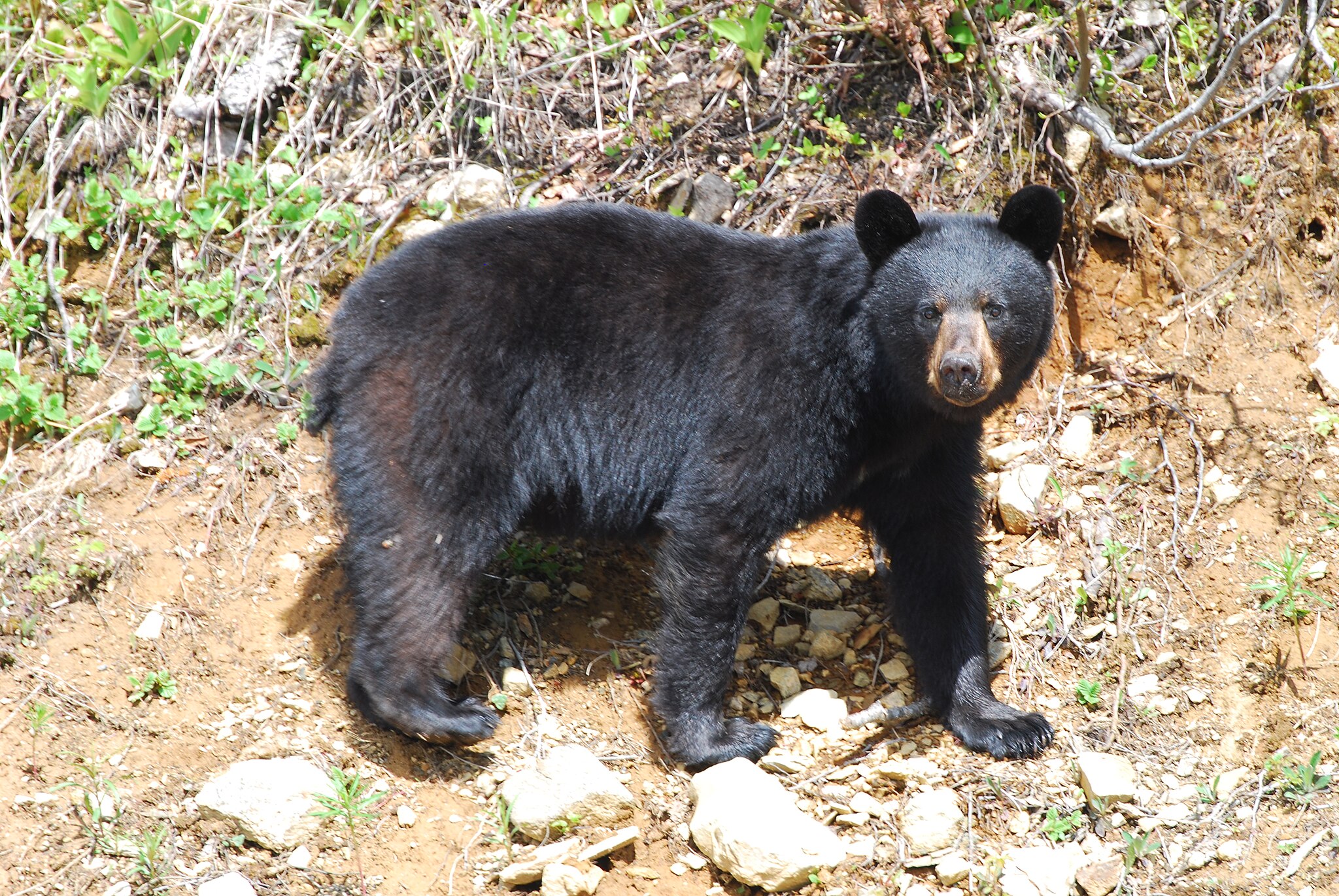
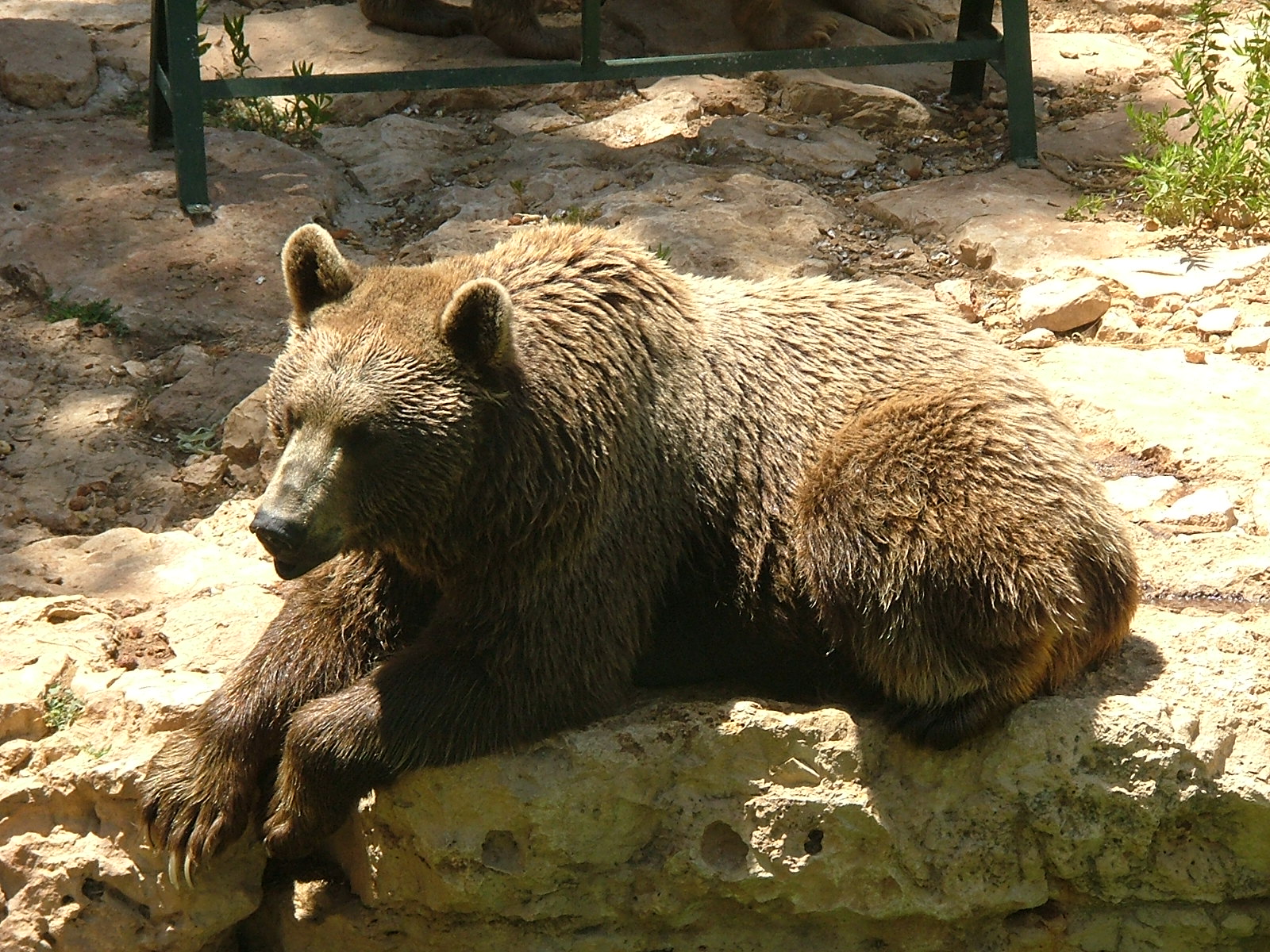
During thaw cycles, black bears transition from winter dormancy to active foraging. As snow melts, bears leave dens earlier than expected, often hungry and disoriented. Natural food is scarce during this period, pushing bears toward human areas where smells are stronger. Soft ground also allows easier travel, expanding their range. Bears in this phase are defensive and unpredictable, especially females with cubs. Encounters rise because bears move to lower elevations where people feel comfortable hiking. Thaws blur the boundary between winter inactivity and spring aggression, increasing risk for surprise encounters.
2. Moose
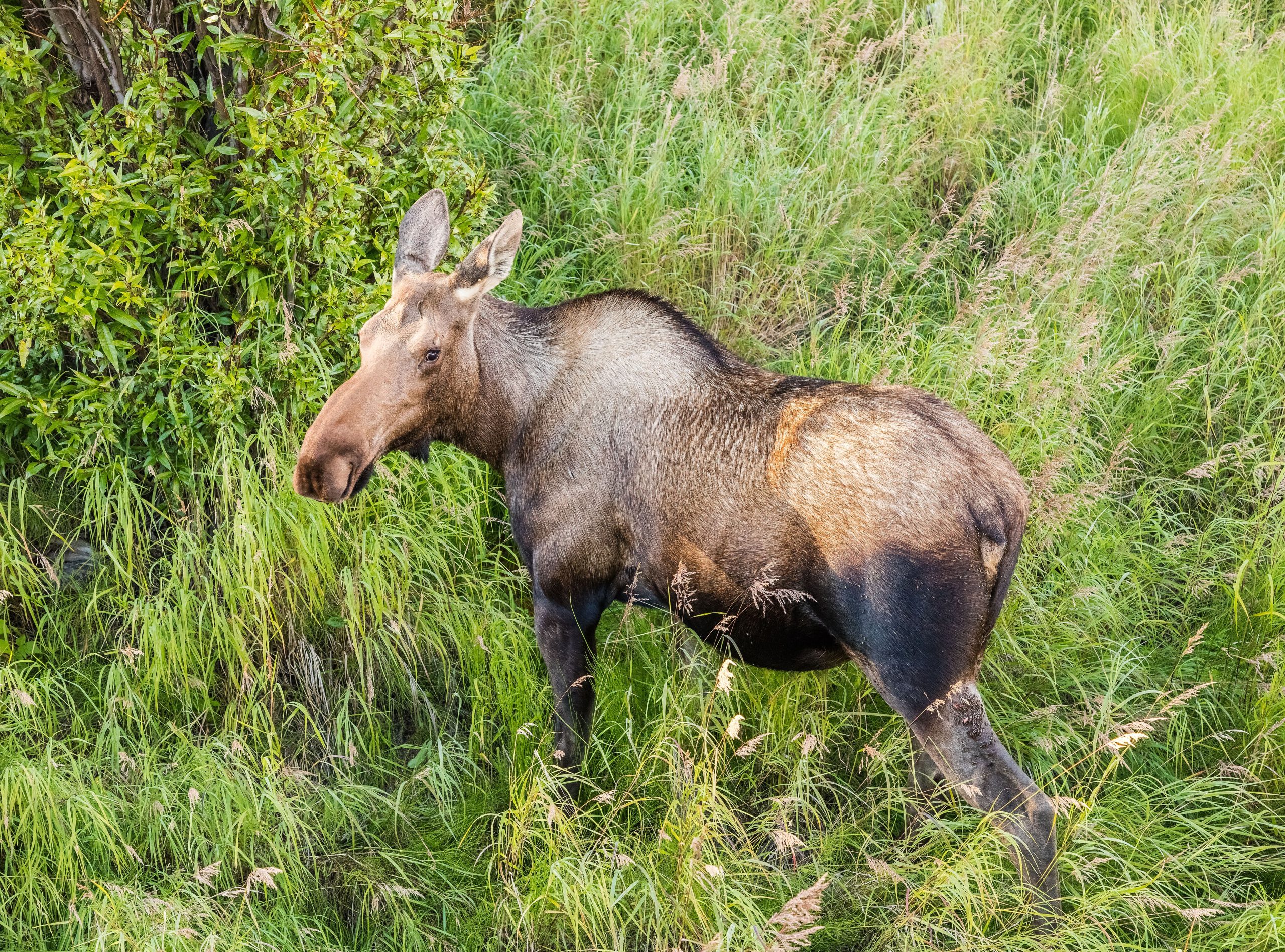
Moose become especially dangerous during thaw cycles because melting snow improves mobility while stress remains high. Deep winter drains energy reserves, and thaw periods push moose to move more in search of browse. This increased movement brings them closer to roads, trails, and neighborhoods. Soft snow and ice create footing challenges, making moose easily startled. When stressed, they react aggressively rather than fleeing. Cows protecting calves and bulls recovering from winter weight loss are particularly reactive. Thaw cycles increase moose encounters and raise the chance of sudden charges.
3. Mountain Lions
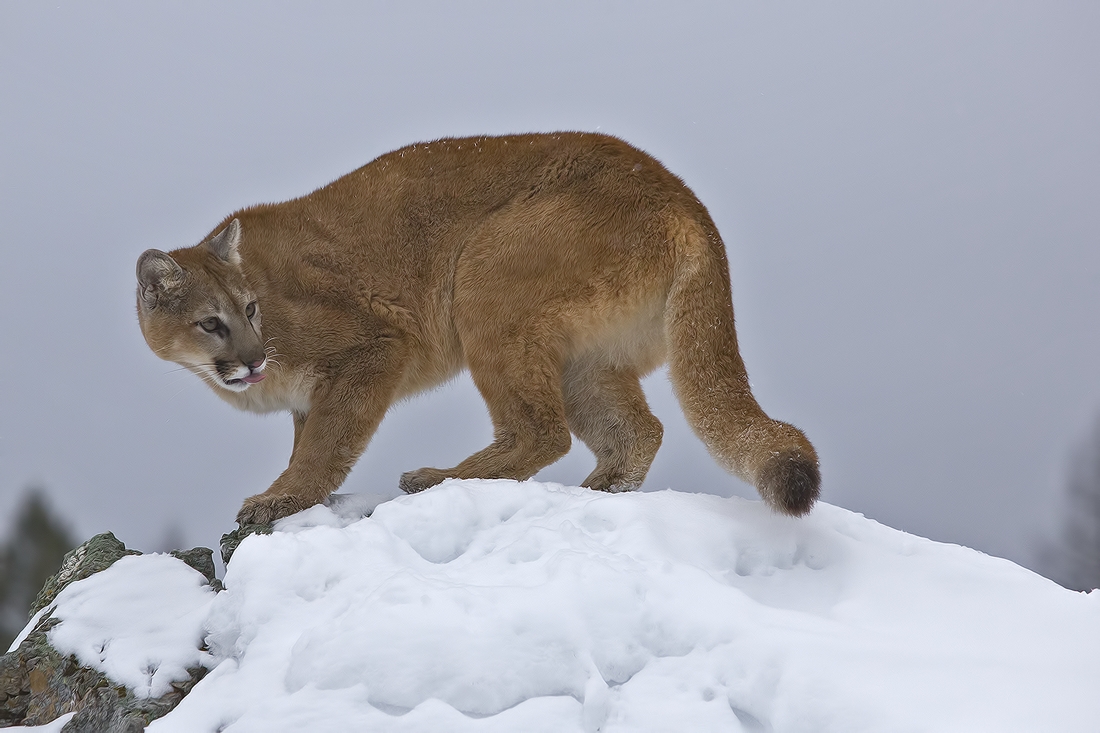
Thaw cycles alter hunting patterns for mountain lions. Melting snow exposes prey trails and makes stalking easier. At the same time, deer and elk move unpredictably, forcing lions to adapt quickly. This can push predators closer to human corridors where prey seek easier travel. Lions during thaw periods hunt more actively and during daylight hours. Reduced snow cover also lowers detection distance for people on trails. The combination of increased predator movement and human presence raises encounter risk during thaws more than in stable winter conditions.
4. Wild Boar
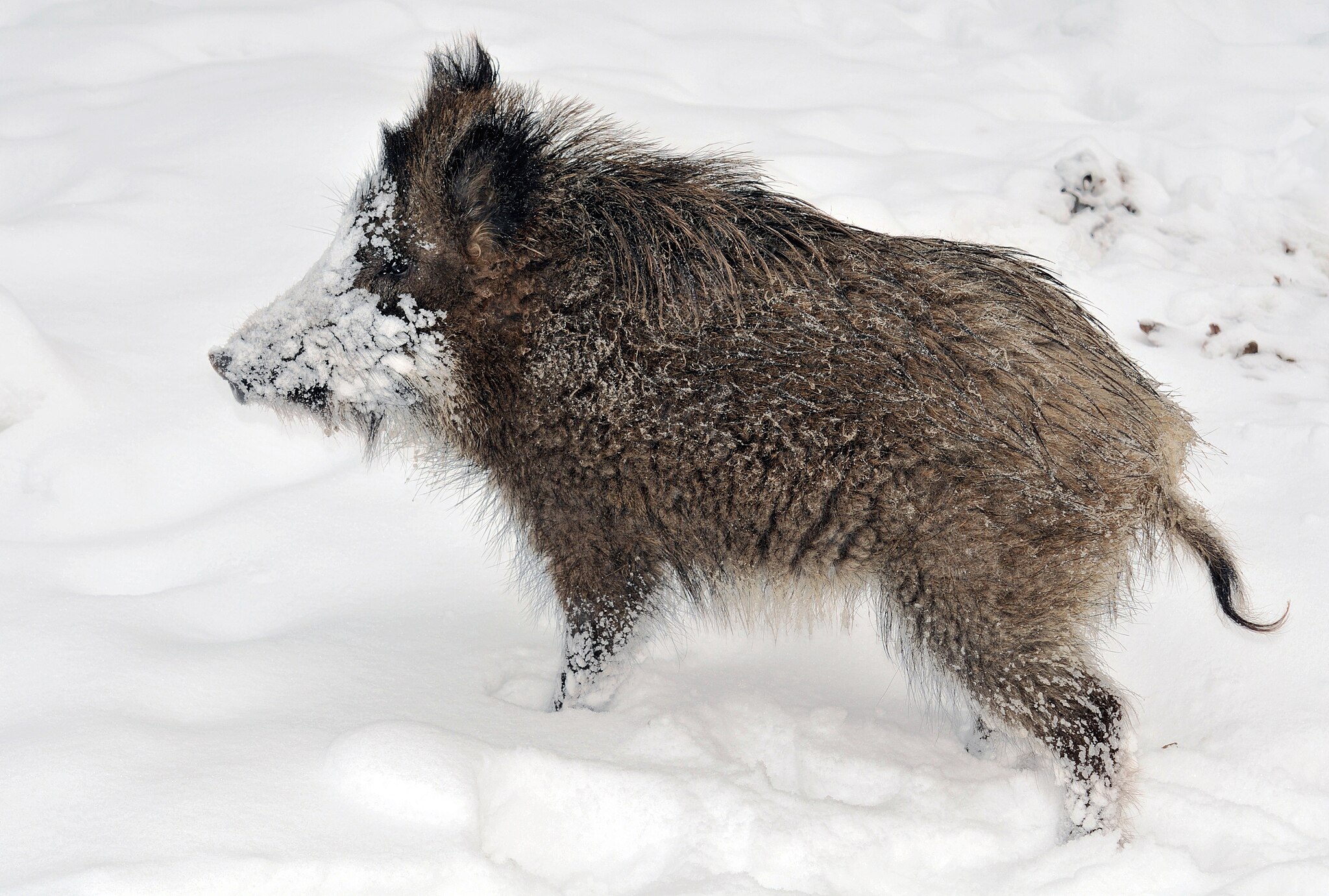
Wild boar become more dangerous during thaw cycles as soft ground allows easier rooting. Thaws expose buried food sources, triggering aggressive feeding behavior. Boars travel in groups, increasing the chance of confrontations. Reduced snow improves speed and maneuverability, making defensive charges more effective. During thaws, boars expand into farmland edges, trails, and campsites. Protective sows react quickly to perceived threats. The mix of hunger, mobility, and group behavior makes wild boar encounters during thaw cycles particularly hazardous for people on foot.
5. Wolves
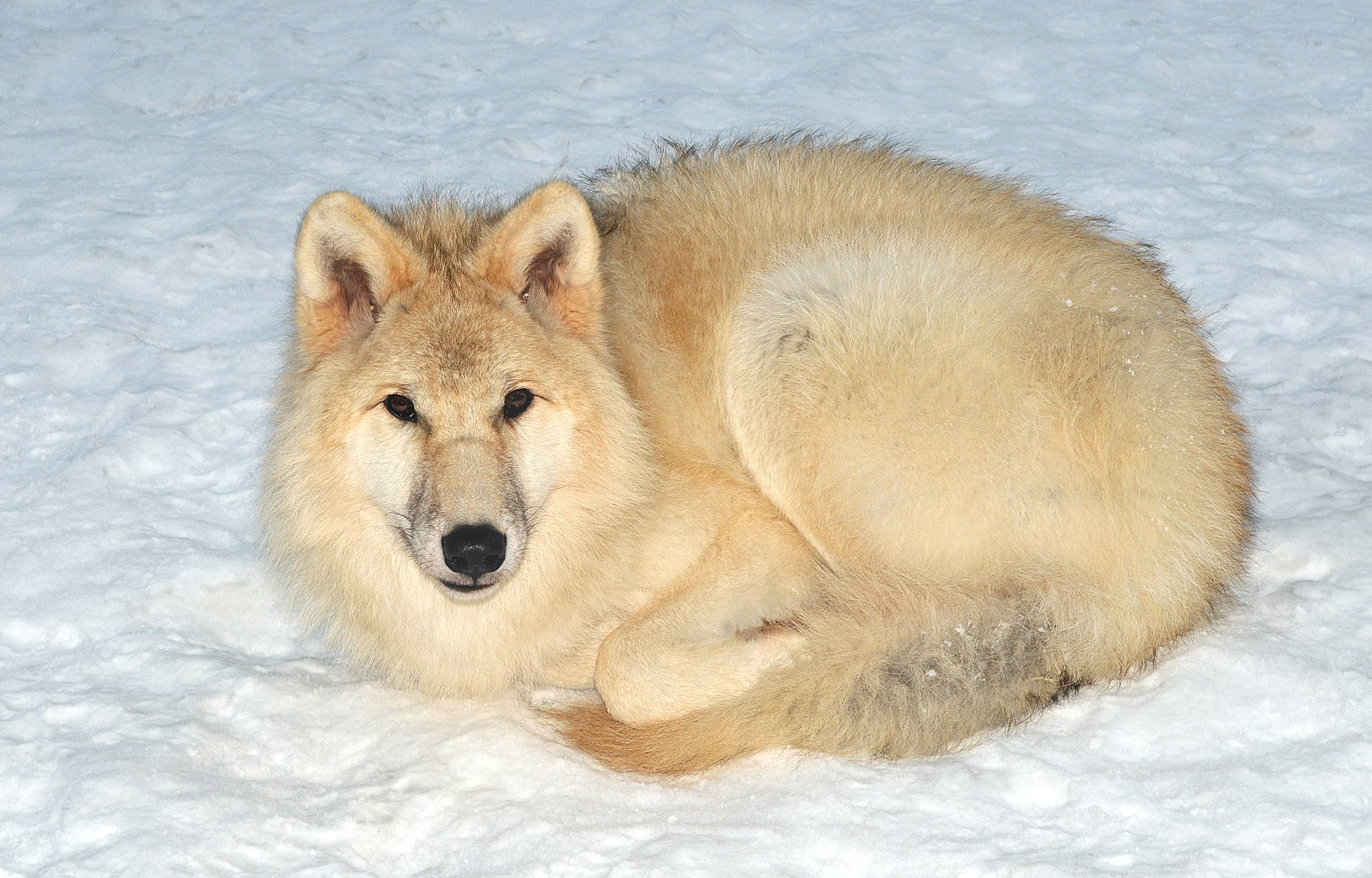
Wolves experience increased territorial pressure during thaw cycles. Melting snow changes prey movement, forcing packs to adjust hunting strategies. This leads to expanded patrol ranges and heightened defensiveness. Thaws also coincide with late winter breeding behaviors, increasing aggression toward perceived intruders. Wolves are not typically dangerous to humans, but thaw periods raise encounter frequency as both humans and wolves travel more. Defensive posturing, circling, and bold behavior become more visible. Thaw cycles amplify wolf presence near trails and access roads.
6. Elk
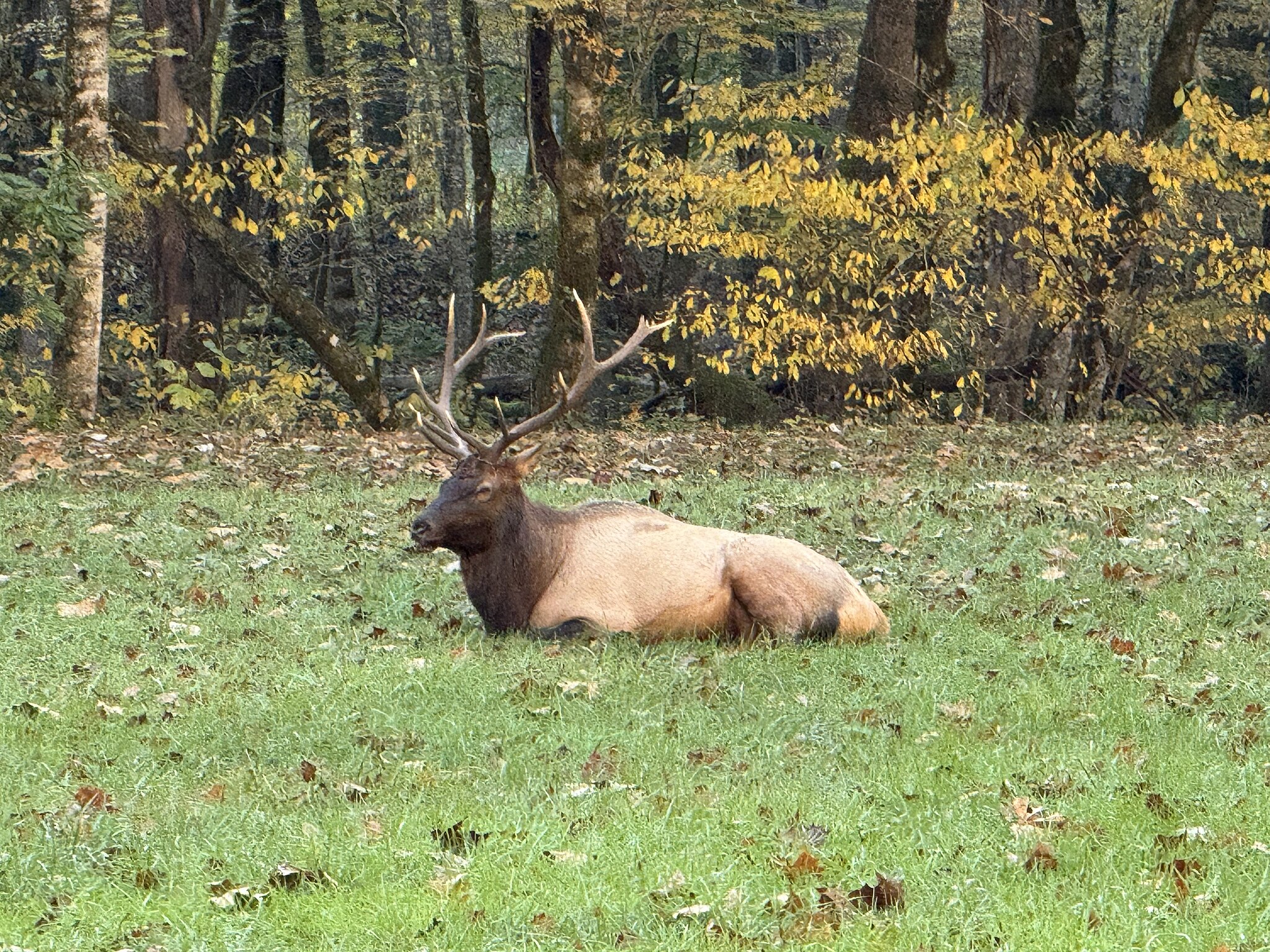
Elk become unpredictable during thaw cycles as snow melt encourages migration toward lower elevations. Herds concentrate along travel corridors, roads, and valley trails. Bulls recovering from rut fatigue remain irritable, while cows focus on conserving energy before calving. Soft ground reduces escape speed, increasing defensive reactions. Thaw cycles also expose humans to elk at closer distances than expected. Startled elk may charge or kick when surprised. Increased movement and stress combine to elevate risk during thaw periods.
7. Coyotes
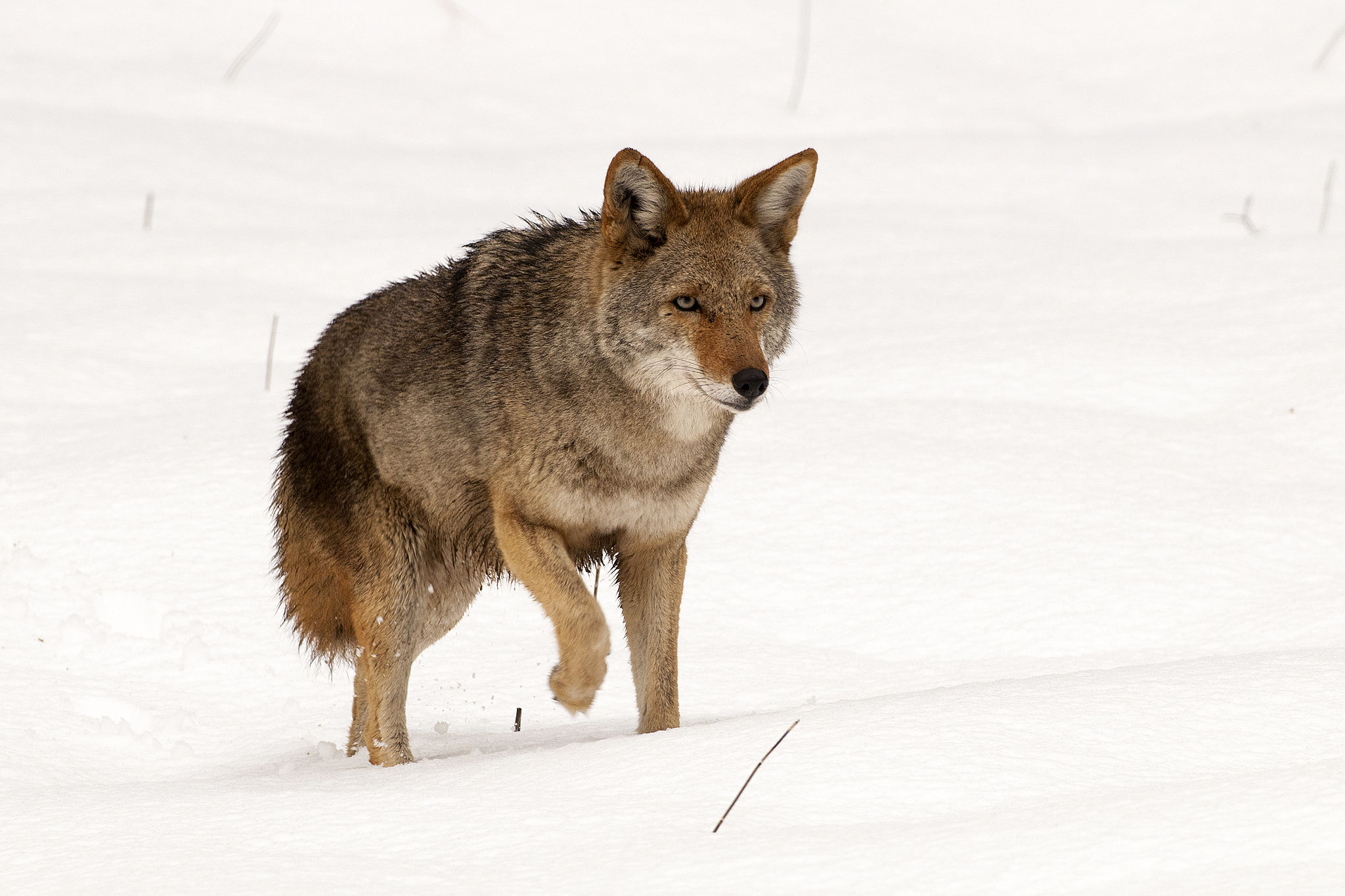
Coyotes grow bolder during thaw cycles due to shifting food availability. Melting snow exposes rodents and carrion, increasing daytime activity. Breeding season overlaps with late winter thaws, intensifying territorial defense. Coyotes travel more frequently through suburban and trail areas as snow retreats. Increased vocalization and pack movement raise encounter rates. While attacks are rare, defensive behavior toward pets and perceived threats increases. Thaw cycles reduce the buffer that winter snow normally creates between coyotes and people.
8. Bison
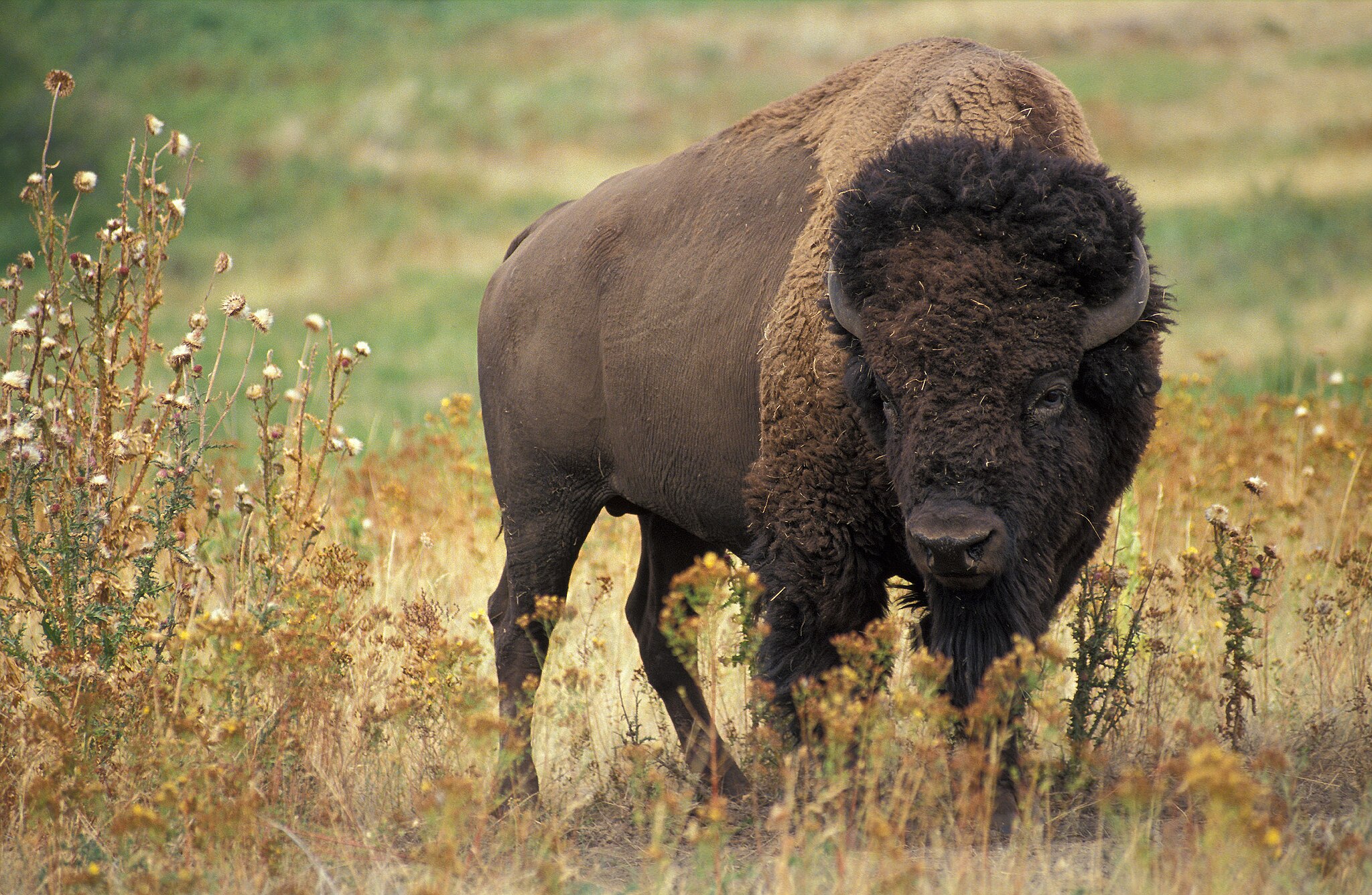
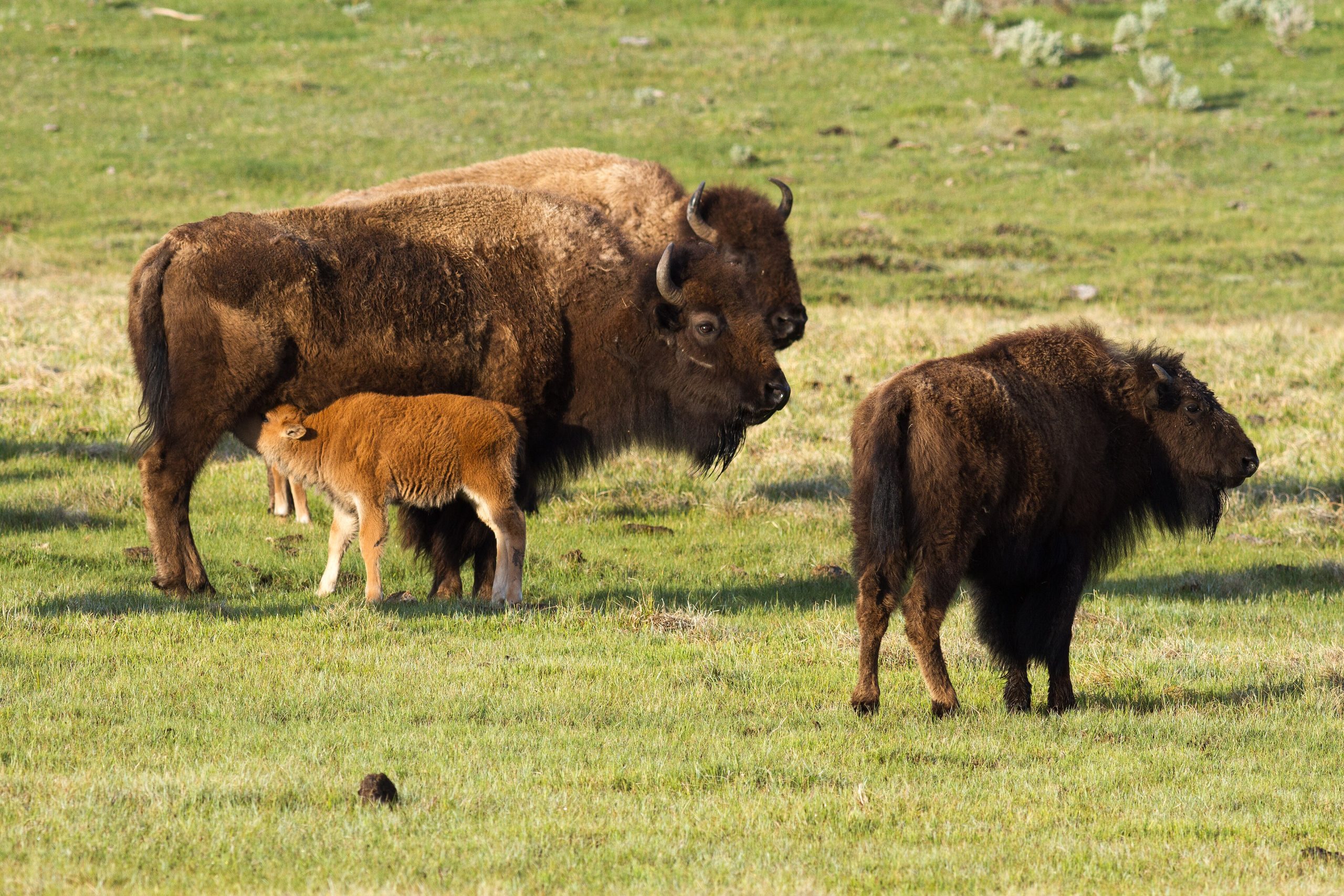
Bison become more dangerous during thaw cycles as ice weakens and footing becomes unpredictable. Melting snow encourages movement across valleys and river crossings where people travel. Bison maintain dominance through space control and react aggressively when approached. During thaws, they spread out from winter groups, increasing surprise encounters. Soft ground hides their speed advantage, leading people to underestimate risk. Thaw cycles increase bison movement and unpredictability, making distance and awareness especially important.