Age often reshapes how outdoor abilities develop, replacing speed with awareness and patience. Experience accumulates quietly, sharpening judgment and emotional control in wilderness settings. Many skills benefit from lived perspective rather than physical peak, improving through repetition and reflection. After forty, people often approach nature with greater respect, preparation, and restraint. These changes can strengthen performance in meaningful ways. The following wilderness skills commonly improve with age, not despite it, showing how maturity enhances safety, efficiency, and enjoyment outdoors while supporting adaptability across changing conditions, landscapes, and seasons over time for individuals navigating later life.
Navigation
Navigation skills often improve after forty through accumulated experience. Familiarity with terrain reading, maps, and environmental cues deepens over years. Older hikers tend to rely less on haste and more on careful observation. Patience supports better route choices and fewer mistakes. Comfort with uncertainty also grows, reducing panic when plans change. Rather than depending solely on devices, seasoned outdoors people blend tools with intuition. This balanced approach strengthens confidence and accuracy. Navigation becomes calmer, more deliberate, and ultimately more reliable as judgment matures through repeated exposure to varied landscapes and conditions over long outdoor lifetimes.
Fire Building
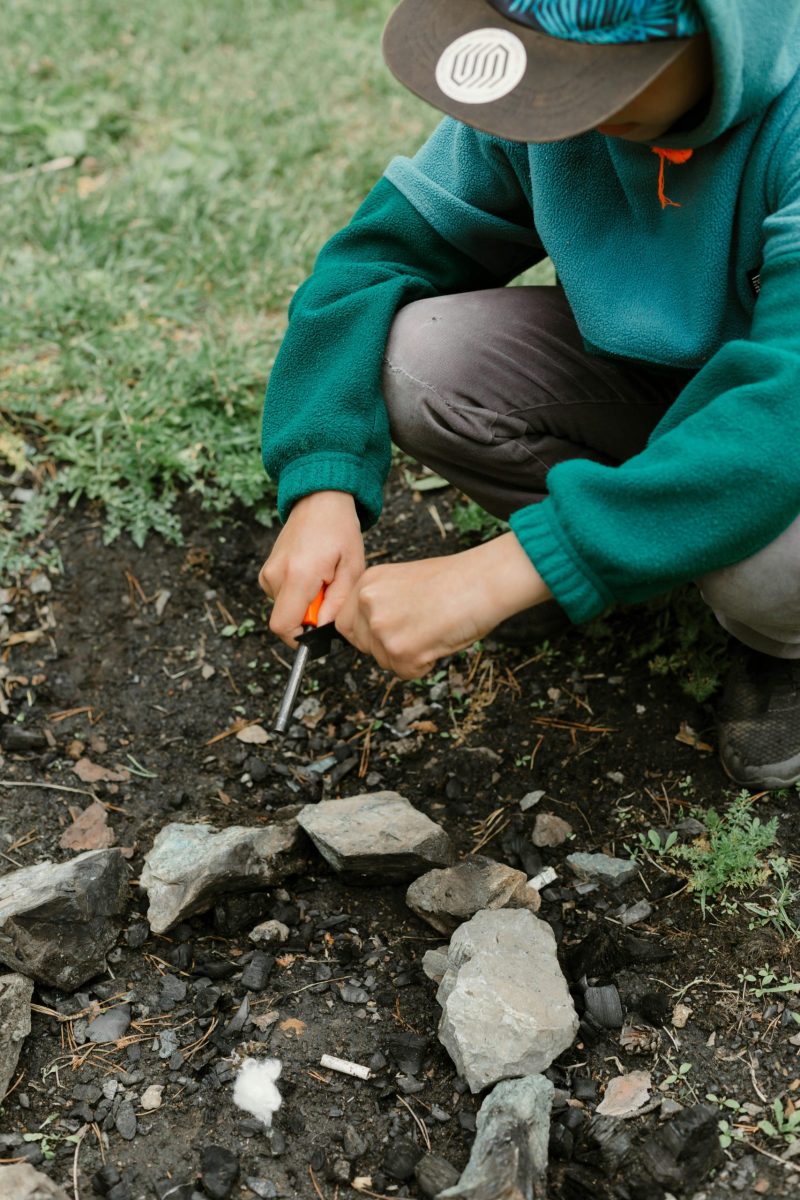
Fire building often improves with age as understanding deepens. Experience teaches how weather, fuel, and airflow interact in real conditions. Older campers show patience gathering proper materials instead of rushing ignition. They recognize when fires are unnecessary, prioritizing safety. Confidence grows from past successes and failures alike. Simplicity replaces flashy tools, favoring proven methods. This restraint reduces accidents and wasted effort. Fire skills become quieter and more efficient over time, reflecting respect for environment and controlled decision making shaped by years of practice outdoors across diverse climates, regions, seasons, and terrains worldwide today overall consistently.
Risk Assessment
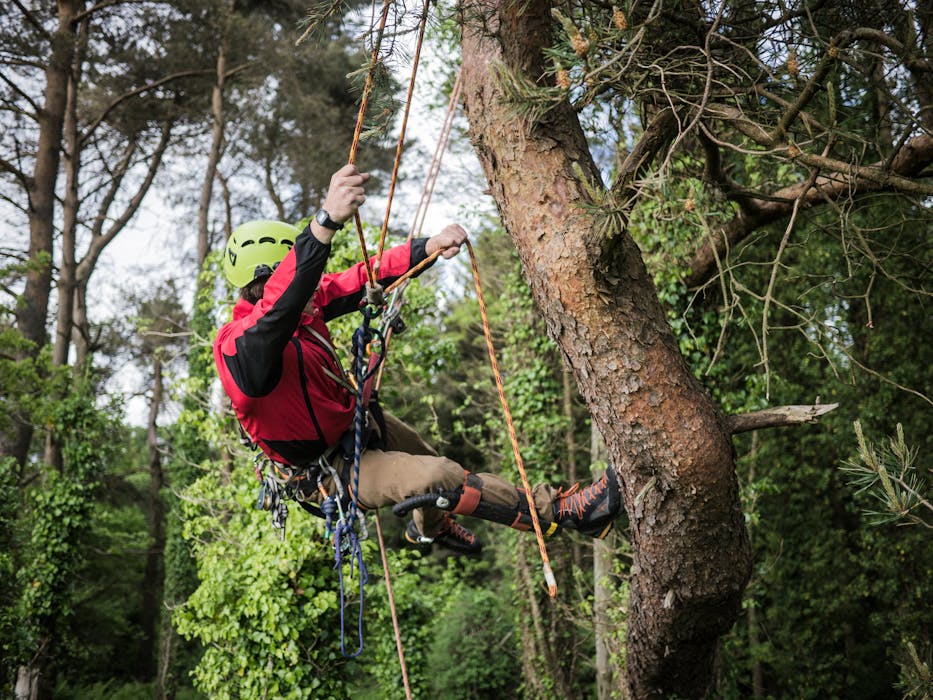
Risk assessment strengthens after forty as emotional regulation improves. Experience tempers bravado, encouraging realistic evaluation of conditions. Older outdoors people notice subtle warning signs and respect limits. They balance caution with capability, avoiding unnecessary exposure. Past close calls inform better choices without paralyzing fear. This measured approach improves group safety and decision timing. Rather than chasing extremes, priorities shift toward sustainability. Risk becomes something to manage thoughtfully, drawing on memory, context, and patience developed through decades of varied outdoor experiences across mountains, forests, deserts, waterways, climates, cultures, regions, and generations over long active lifespans worldwide.
Weather Reading
Weather reading improves steadily with age and exposure. Years outside teach how clouds, wind, and temperature shifts signal change. Older outdoors people trust observation alongside forecasts. They plan conservatively, allowing margins for surprise. Patience encourages waiting rather than forcing progress. Familiarity with seasonal patterns strengthens timing. This awareness reduces risk and discomfort. Reading weather becomes intuitive rather than analytical, shaped by memory and repeated encounters, supporting safer travel and camp decisions across unpredictable environments encountered throughout long outdoor lives during varied expeditions, climates, regions, decades, seasons, and landscapes worldwide consistently over time with confidence maturity.
Problem Solving
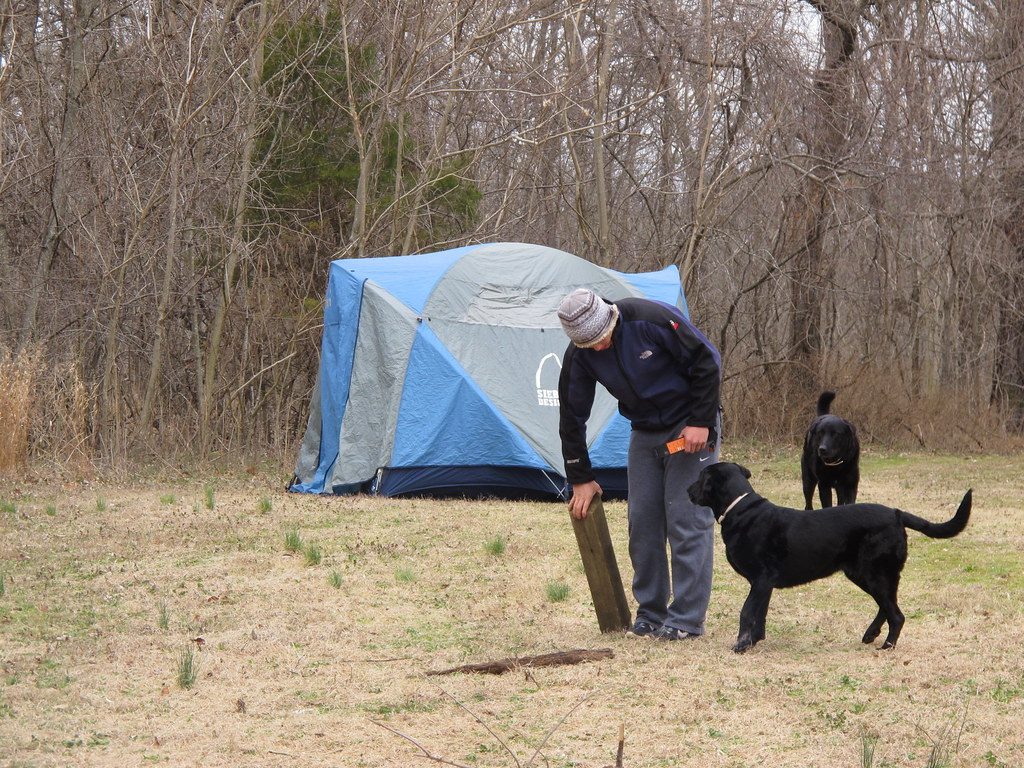
Problem solving in wilderness settings benefits from age. Experience builds mental flexibility and calm responses. Older individuals break challenges into manageable steps. They improvise effectively using limited resources. Emotional steadiness prevents rash decisions under stress. Solutions draw from past scenarios rather than theory alone. This adaptability improves outcomes during equipment failures or route changes. Problem solving becomes efficient and grounded, relying on perspective, creativity, and patience developed through years of outdoor learning, mistakes, and reflection in demanding natural environments across trips, regions, seasons, climates, generations, decades, and landscapes worldwide steadily over time with confidence, resilience.
Camp Organization
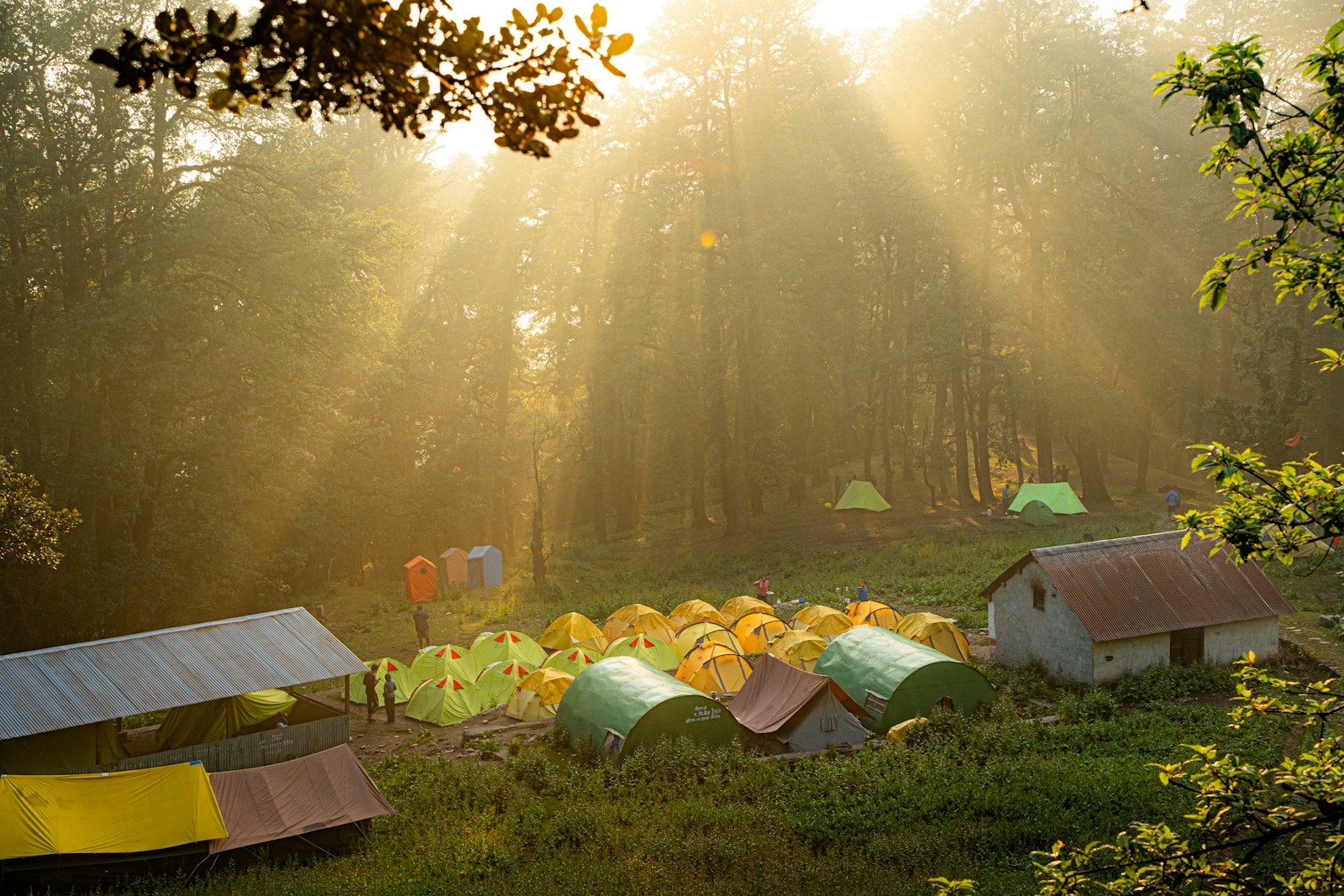
Camp organization improves with maturity and repetition. Older campers favor simple systems that reduce effort. Experience reveals what items matter and what stays unused. Packing becomes intentional, saving time and energy. Campsites are arranged for safety and comfort rather than display. Familiar routines replace experimentation. This efficiency supports smoother transitions during weather or schedule changes. Organization becomes intuitive, grounded in practicality and memory, allowing more attention for surroundings, rest, and group needs developed through years of refining outdoor habits across varied trips, regions, seasons, climates, decades, lifestyles, and environments worldwide over time consistently with confidence.
Leadership And Communication
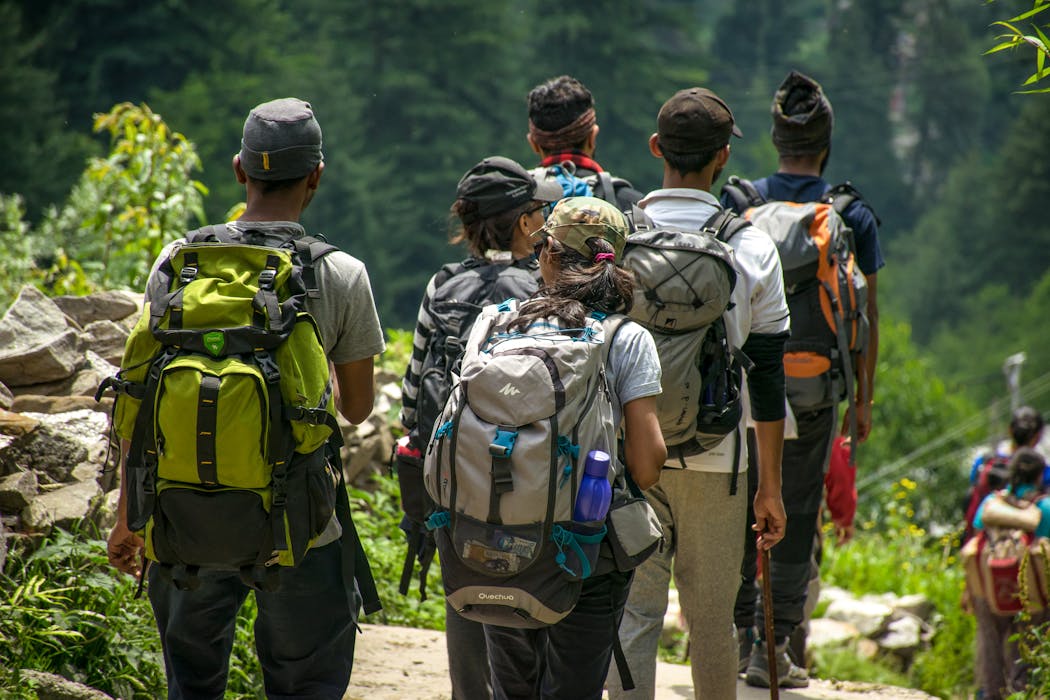
Leadership and communication often strengthen after forty outdoors. Experience teaches clear instruction and active listening. Older leaders anticipate group needs and manage pacing. They deescalate tension calmly and encourage cooperation. Authority comes from competence rather than force. Mistakes become teaching moments instead of conflict. This steadiness improves morale and safety. Leadership becomes collaborative and situational, shaped by empathy, patience, and accountability developed through years of shared trips, challenges, and trust building within diverse outdoor groups across ages, regions, cultures, terrains, climates, seasons, decades, and experiences worldwide over time, consistently enhancing outcomes, safety, cohesion, resilience, confidence.