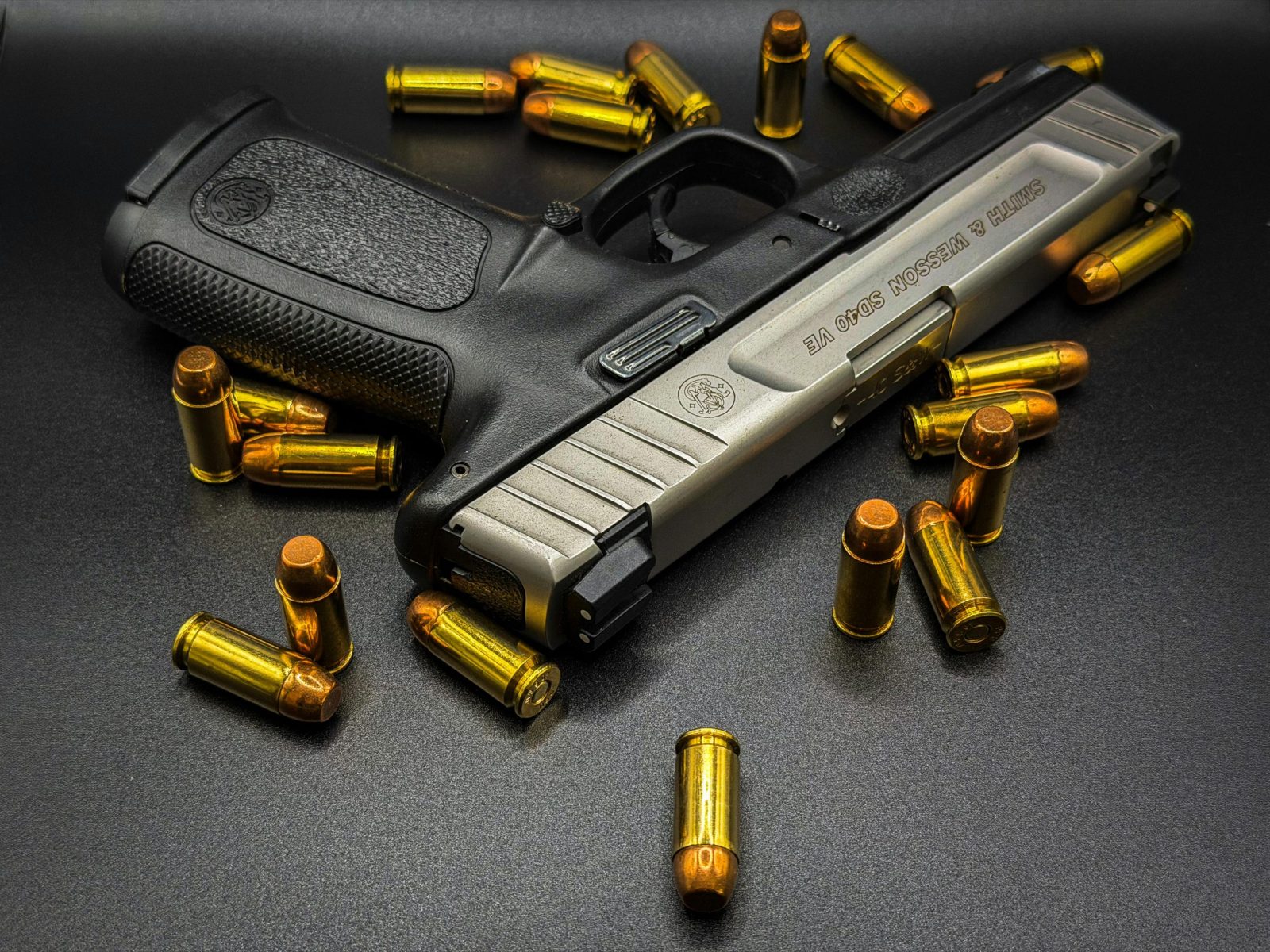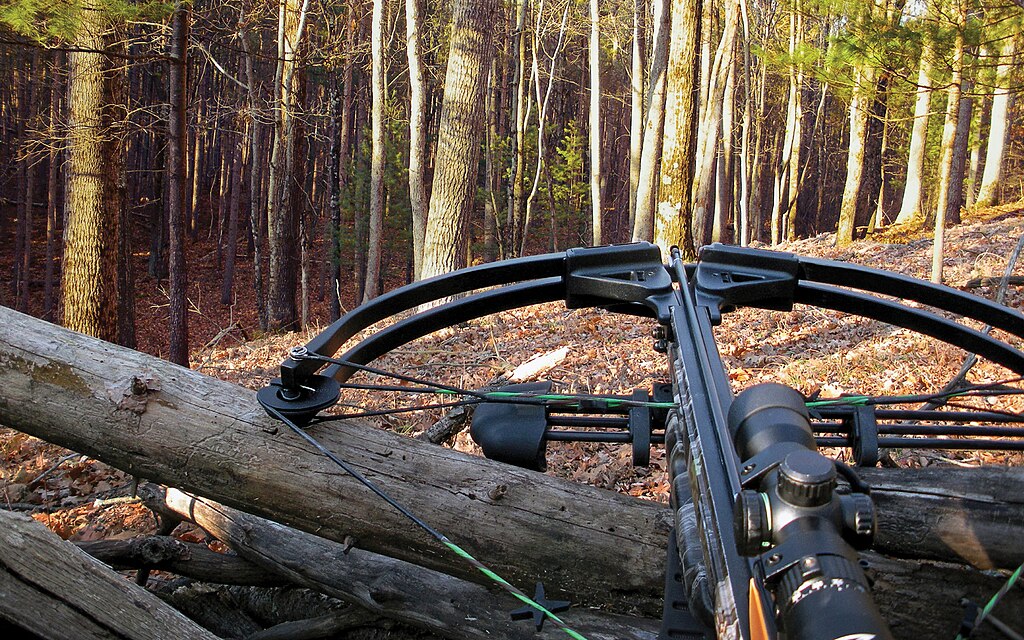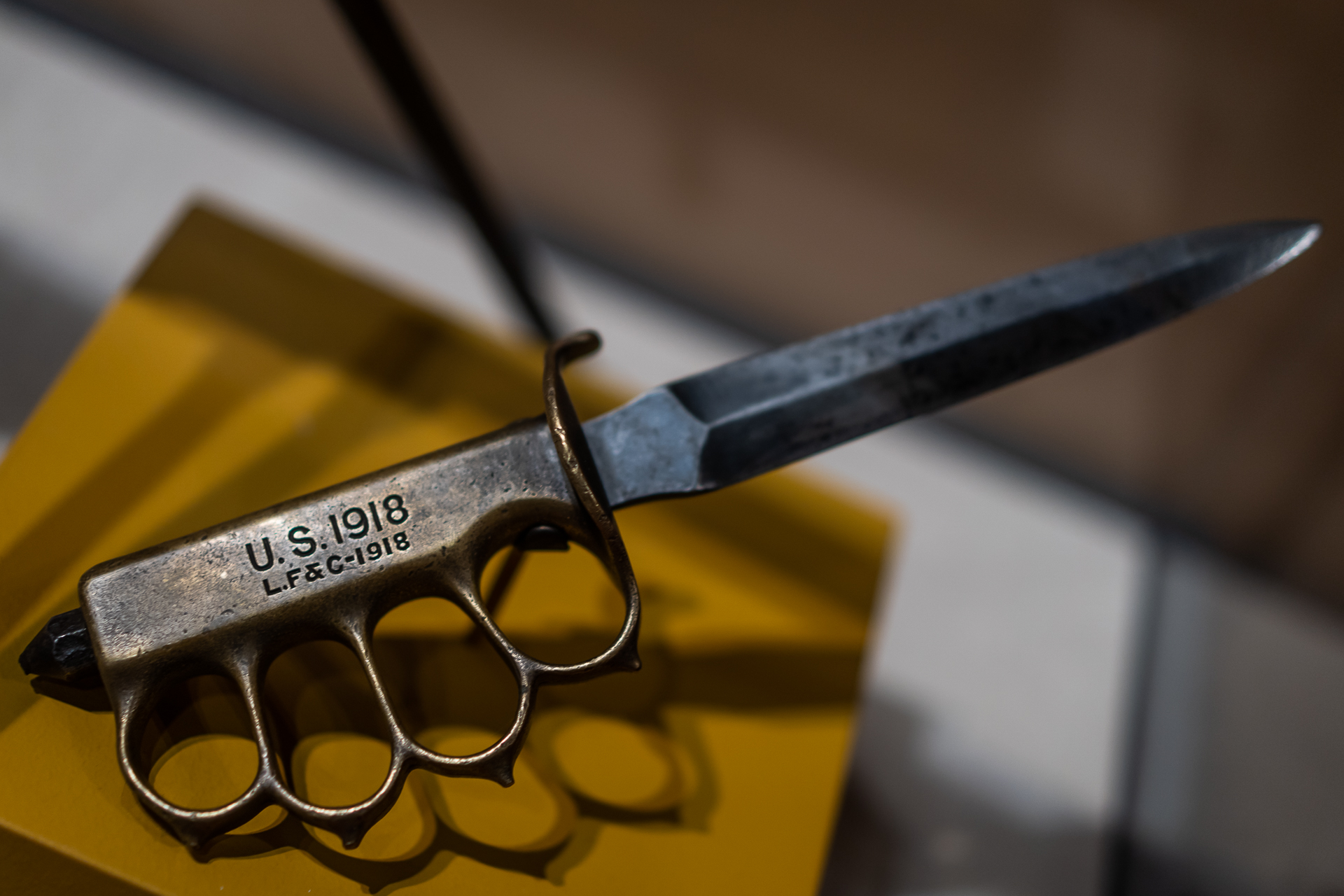
American weapons laws did not appear overnight. Many items now restricted or banned were once legally sold, widely carried, and socially accepted. As technology advanced and public safety concerns grew, lawmakers redefined what civilians could own or use. Yet legality does not erase historical significance. These weapons still hold value as cultural artifacts, engineering milestones, and reflections of the eras that produced them. Collectors, historians, and museums preserve them not for use, but for understanding how past societies approached defense, crime, and authority. Examining these weapons reveals how law, fear, innovation, and tradition intersected over time in the United States.
1. Fully Automatic Machine Guns
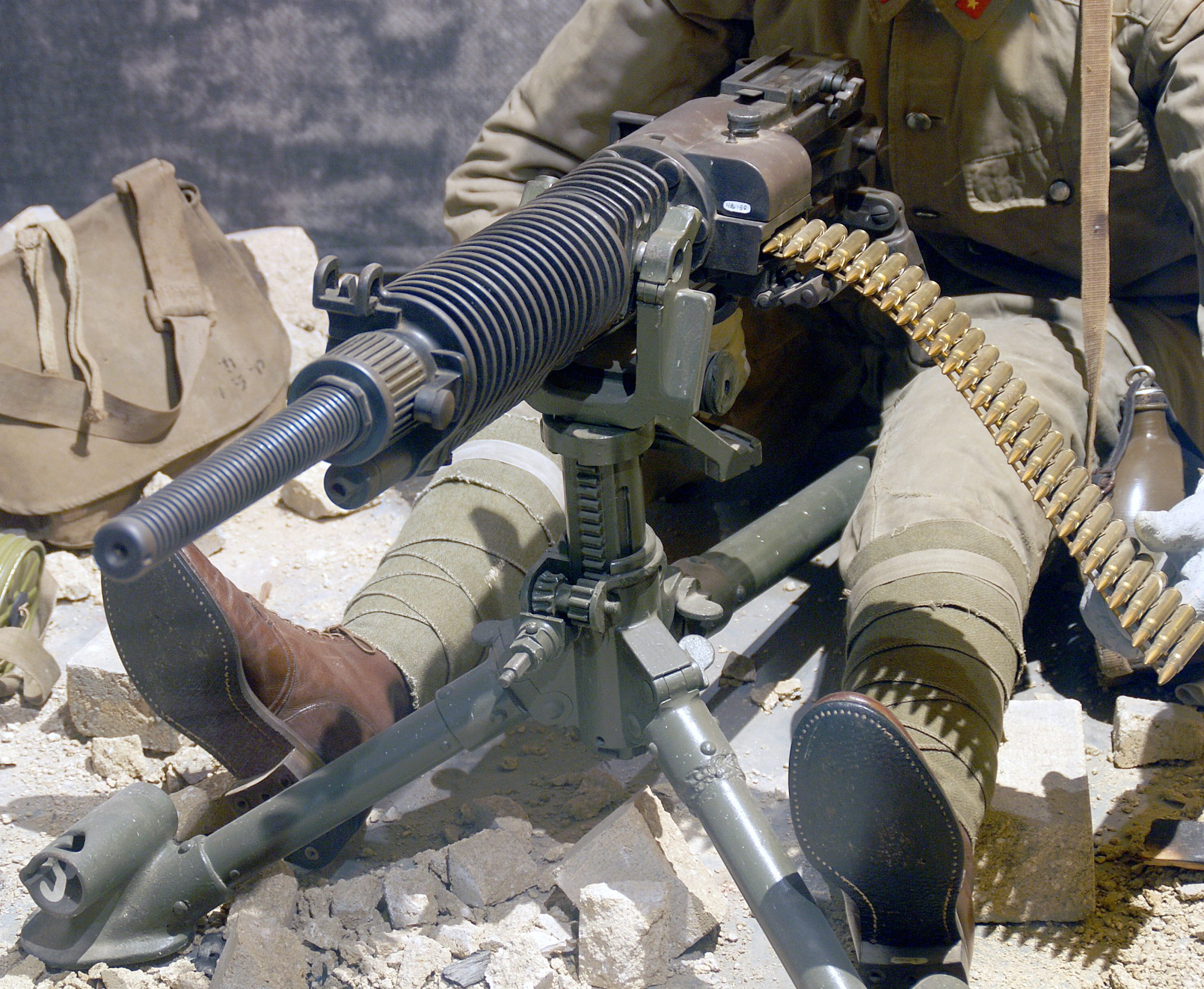
Before strict federal controls, fully automatic machine guns were legally owned by civilians and businesses, particularly during the early twentieth century. Their ability to fire continuously with a single trigger pull revolutionized warfare and law enforcement, but also raised serious public safety concerns. The National Firearms Act and later regulations drastically limited civilian access. Today, transferable examples are rare, heavily regulated, and exceptionally valuable. Collectors prize them for their mechanical complexity, military heritage, and historical documentation. Legally owned examples often command six-figure prices, serving as preserved symbols of an era when firepower outpaced regulation.
2. Short-Barreled Shotguns
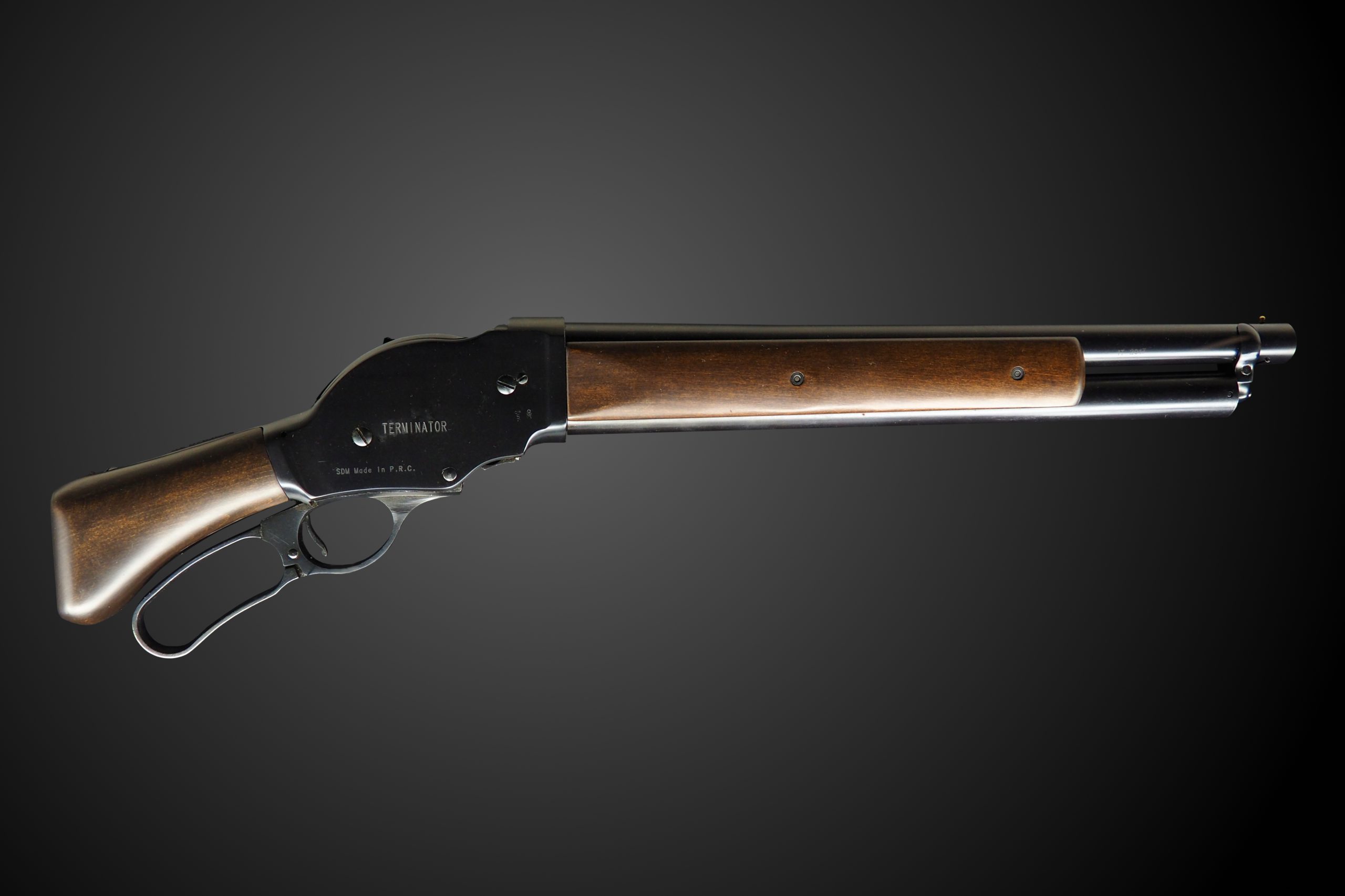
Short-barreled shotguns were once favored for close-quarters defense due to their compact size and devastating effectiveness. Their concealability, however, quickly drew attention from lawmakers. Federal restrictions and state bans followed, classifying them as especially dangerous. Despite modern illegality in many jurisdictions, historically documented examples retain value. These firearms are closely tied to early policing, rural defense, and Prohibition-era crime. Collectors seek them for their role in shaping modern firearms legislation, viewing them as transitional weapons that forced lawmakers to confront the balance between utility and public risk.
3. Cane Guns
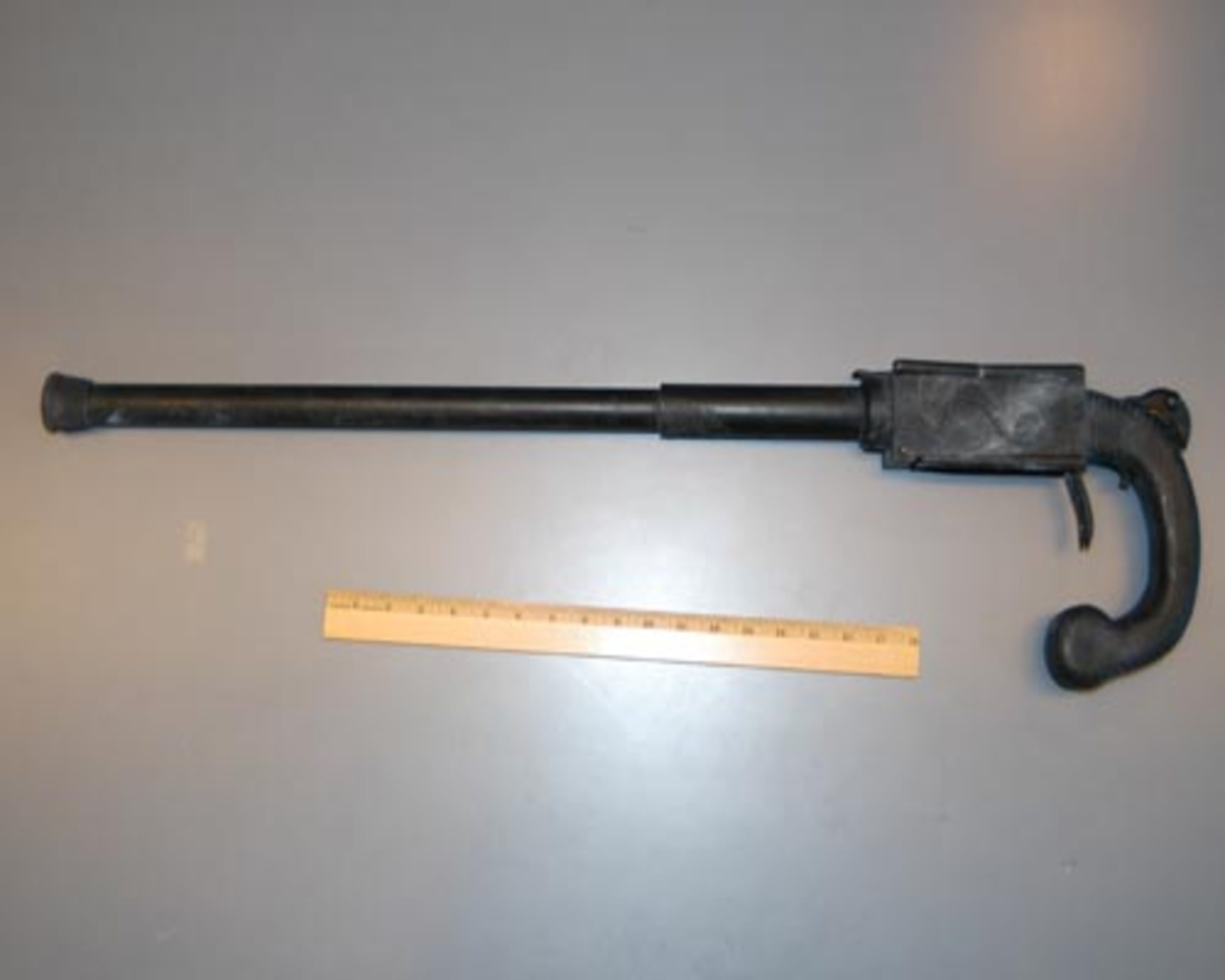
Cane guns reflect a period when discreet self-defense was socially acceptable among certain classes. Designed to look like ordinary walking canes, they concealed single-shot firearms within elegant frames. As concealed weapon laws tightened, disguised firearms became illegal. Today, cane guns are prized not for lethality, but for craftsmanship and ingenuity. Many feature hand-carved wood, fine metalwork, and custom mechanisms. Collectors value authenticated examples as rare expressions of nineteenth-century design philosophy, illustrating how personal security concerns shaped covert weapon development before modern policing became widespread.
4. Brass Knuckles
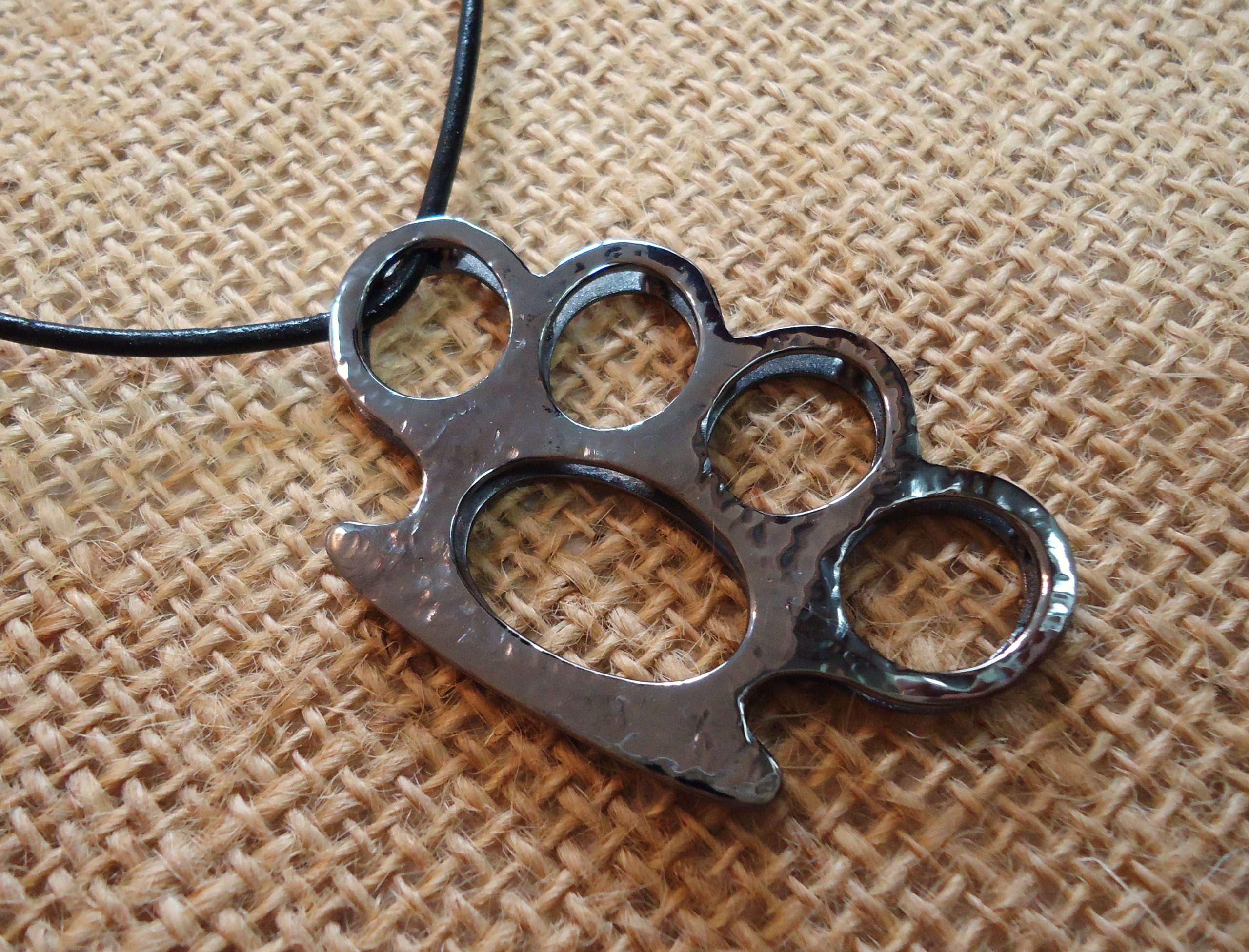
Brass knuckles once occupied a gray area between tool and weapon, commonly sold for self-defense in crowded cities. Their ability to amplify striking force led to widespread misuse and eventual prohibition in many states. Antique examples remain collectible, especially those featuring engraved designs, military markings, or unusual materials. These items offer insight into urban life during periods of social tension when personal defense was often immediate and physical. Their value lies in cultural context, revealing how ordinary citizens adapted to environments where threats felt constant, and law enforcement presence was limited.
5. Blackjacks and Saps
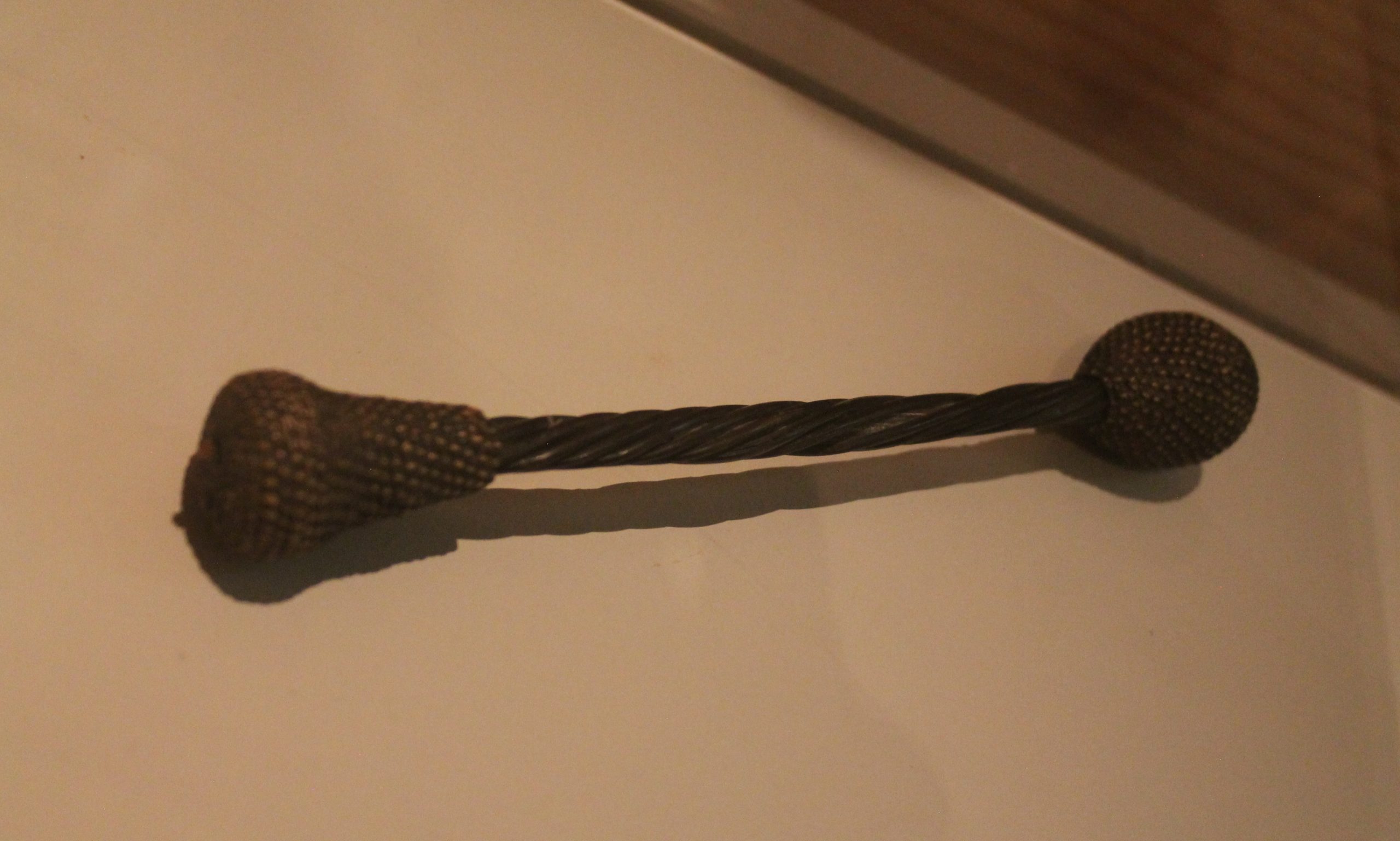
Blackjacks and saps were widely carried by early law enforcement officers and civilians seeking non-lethal means of protection. Their compact design allowed for quick incapacitation but also enabled abuse. As standards for the use of force evolved, these weapons fell out of favor and became restricted. Vintage examples now hold value as law enforcement artifacts. Collectors appreciate their craftsmanship, often featuring hand-stitched leather and weighted cores. They represent a transitional moment in policing history, before modern accountability standards reshaped acceptable tools for maintaining public order.
6. Military Flamethrower
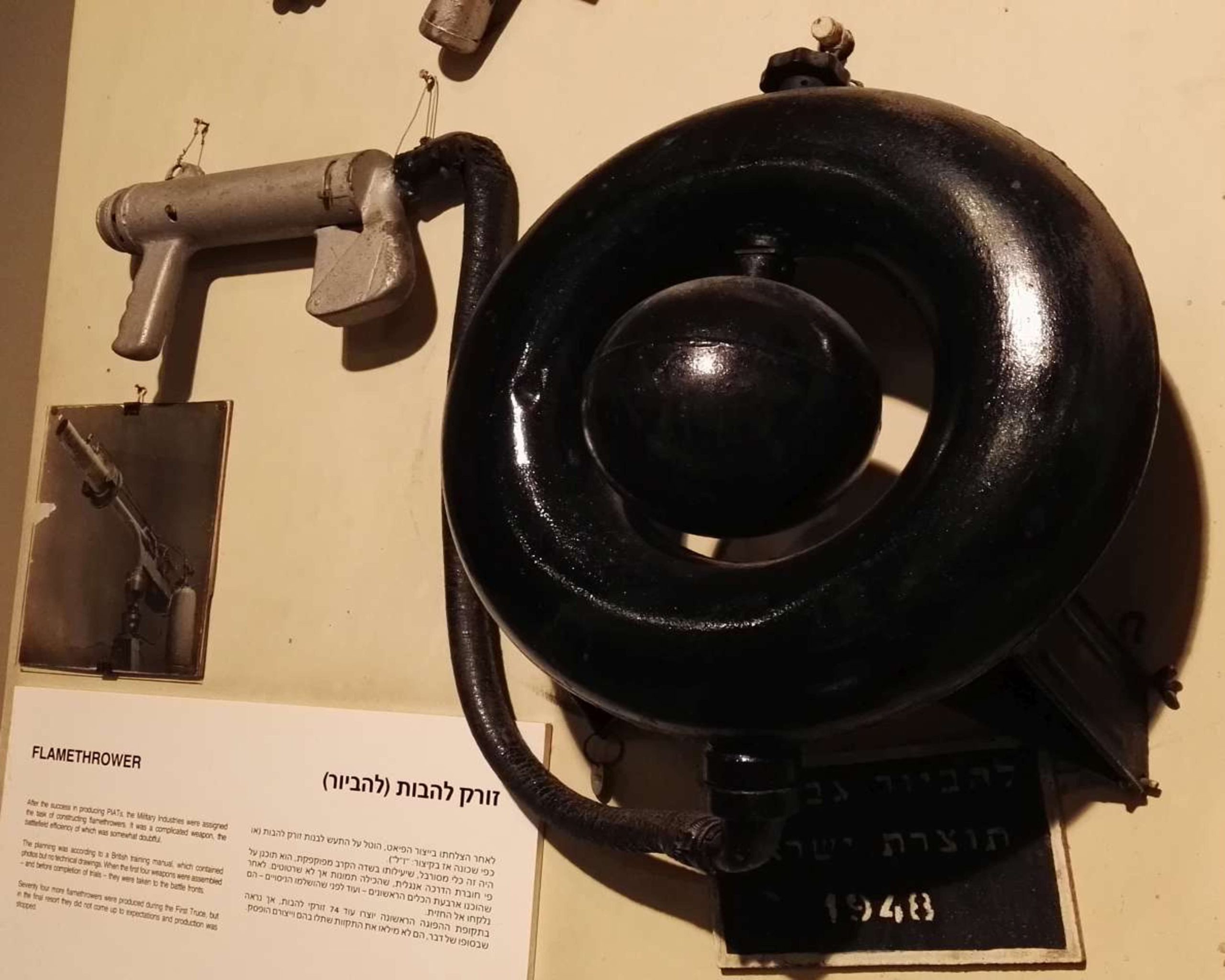
Military flamethrowers were once standard-issue battlefield weapons designed to clear bunkers, trenches, and fortified positions where conventional firearms proved ineffective. Used extensively during World War I, World War II, and the Korean War, they combined pressurized fuel tanks with an ignition system capable of projecting fire over long distances. While effective in combat, flamethrowers posed extreme danger to both operators and anyone nearby, even outside active use. As a result, civilian ownership was eventually restricted or banned due to their destructive potential and fire hazard. Today, deactivated military flamethrowers remain highly valuable as museum pieces and collector artifacts.
7. Trench Knife
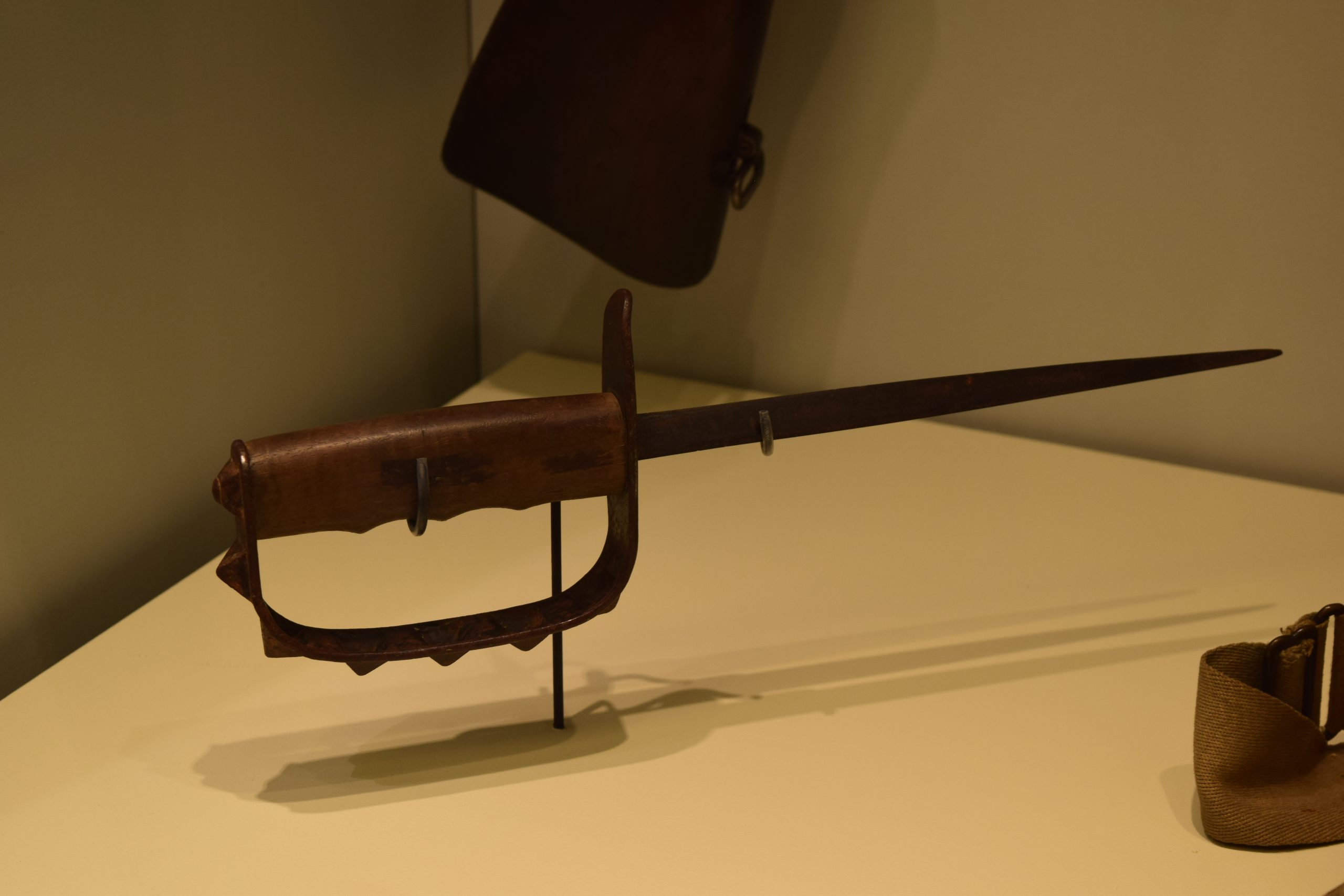
Trench knives emerged during World War I as brutal close-combat tools designed for confined spaces like trenches and bunkers. Featuring a fixed blade combined with a knuckle guard and often a pointed metal pommel, these knives were intended for silent, decisive encounters. After the war, surplus trench knives entered civilian circulation, but their aggressive design and association with violence led many states to restrict or ban them. Today, original trench knives are highly valued by collectors and historians for their unmistakable silhouette and wartime provenance.