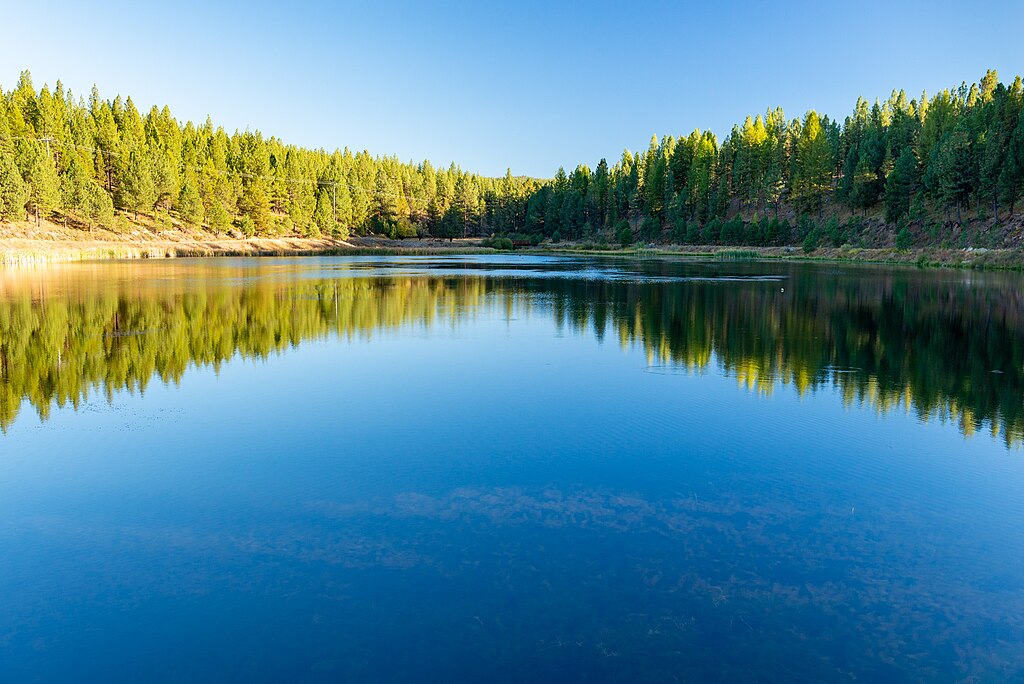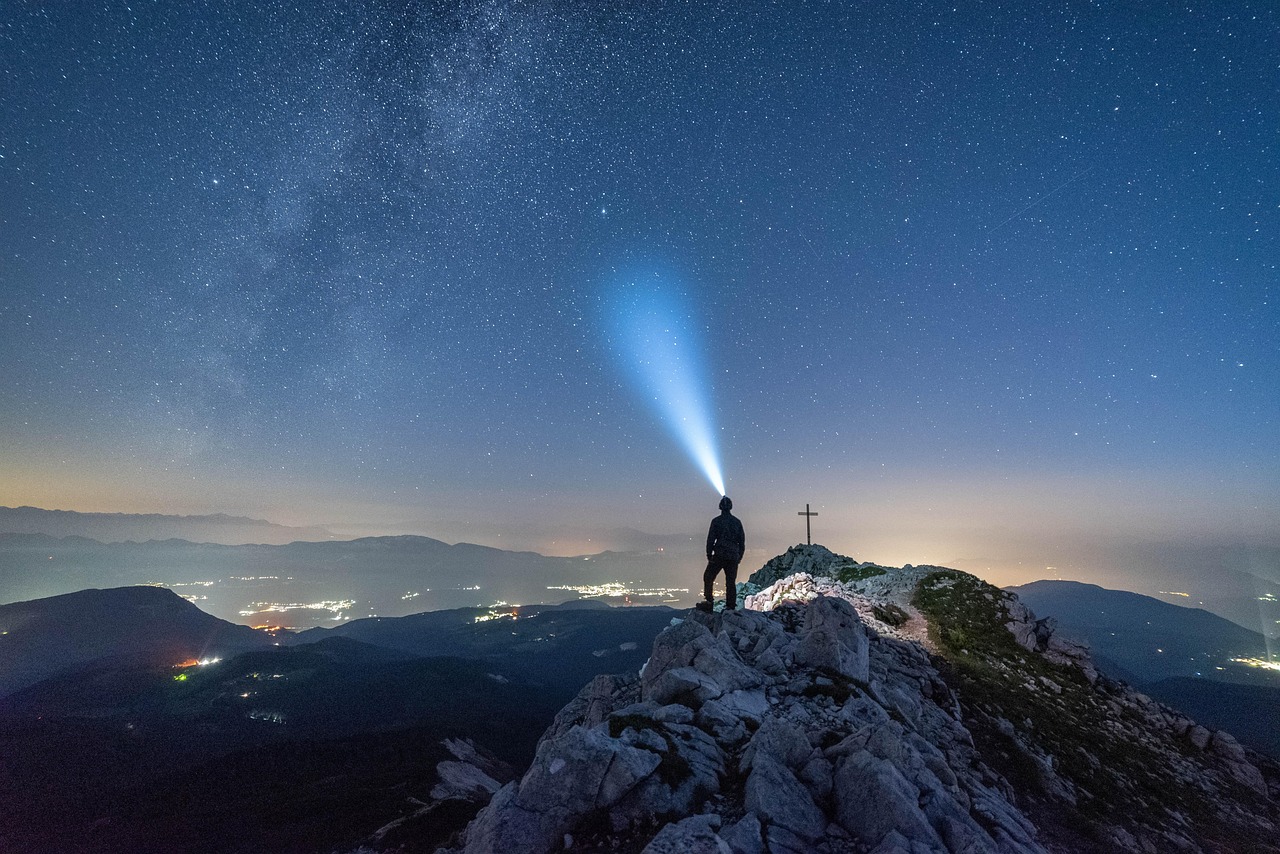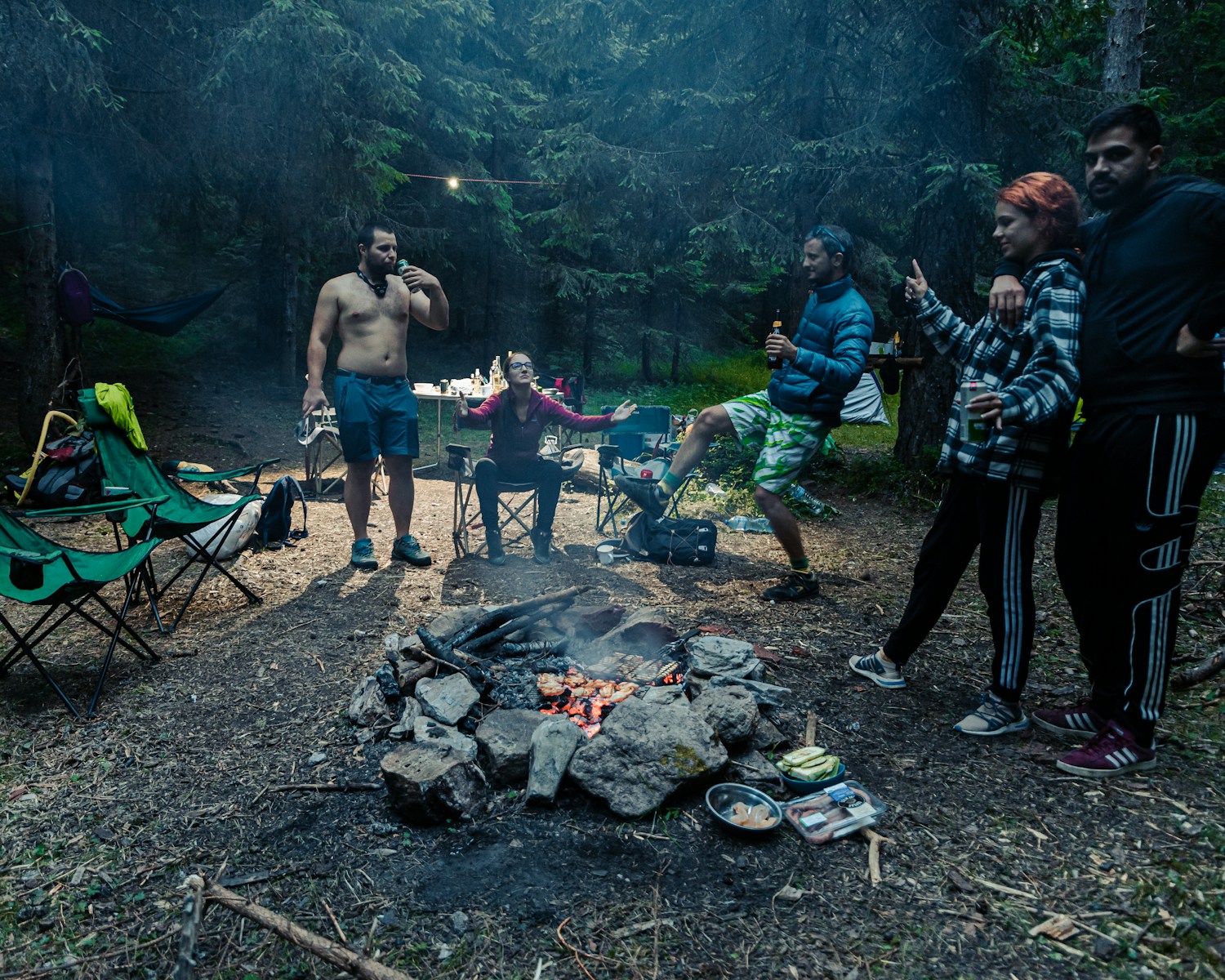
Many families find that grandparents continue to play an important role in passing along outdoor knowledge shaped by decades spent exploring forests, lakes, and open landscapes. Their patient teaching style and steady presence create an atmosphere that encourages curiosity and confidence in nature. These shared moments often blend practical instruction with stories that offer insight into earlier ways of outdoor living. With each outing, grandparents help preserve traditions that highlight self-reliance, respect for the environment, and the quiet joys found in the wilderness.
Teaching Basic Navigation Skills
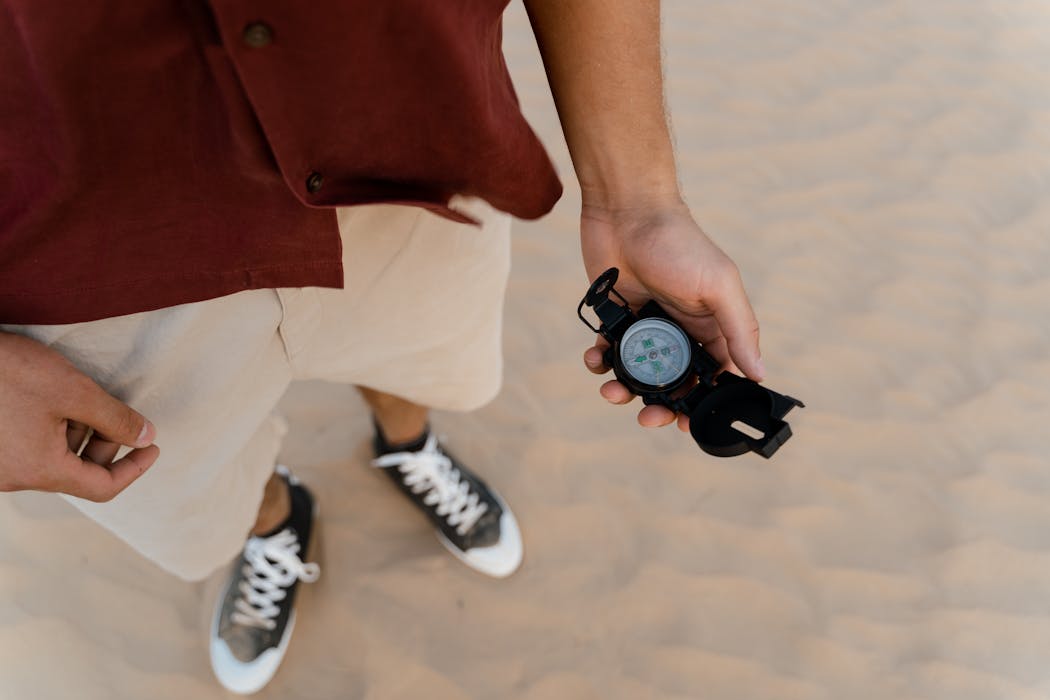
Basic navigation becomes easier to understand when grandparents explain how to read natural features, track the sun’s position, and follow subtle changes in terrain. Their lessons often begin with simple observations, gradually building toward the use of maps and compasses. Walking familiar paths together reinforces the relationship between landmarks and direction. This approach helps learners develop comfort with the land while gaining confidence in their ability to move safely and thoughtfully through natural settings.
Sharing Fishing Techniques
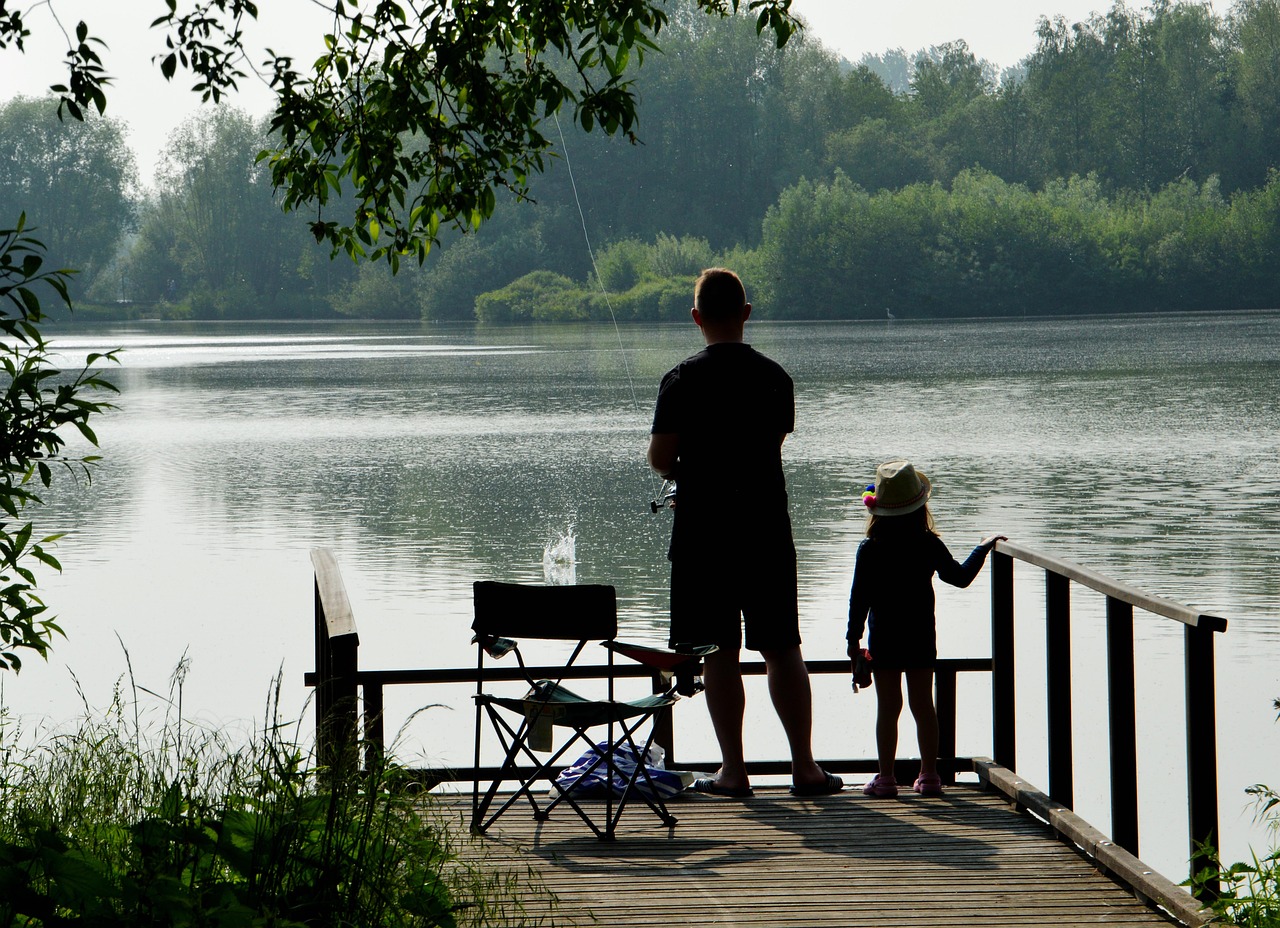
Fishing trips offer relaxed environments where grandparents teach the fundamentals of casting, choosing bait, and observing water conditions. Their steady guidance helps newcomers understand the rhythm required for successful fishing, from setting hooks to recognizing subtle movements along the line. Stories of past excursions often accompany these lessons, adding depth and connection to the experience. Time spent at the water’s edge becomes an opportunity to learn about patience, ecosystems, and the quiet rewards of outdoor recreation.
Demonstrating Fire-Building Basics
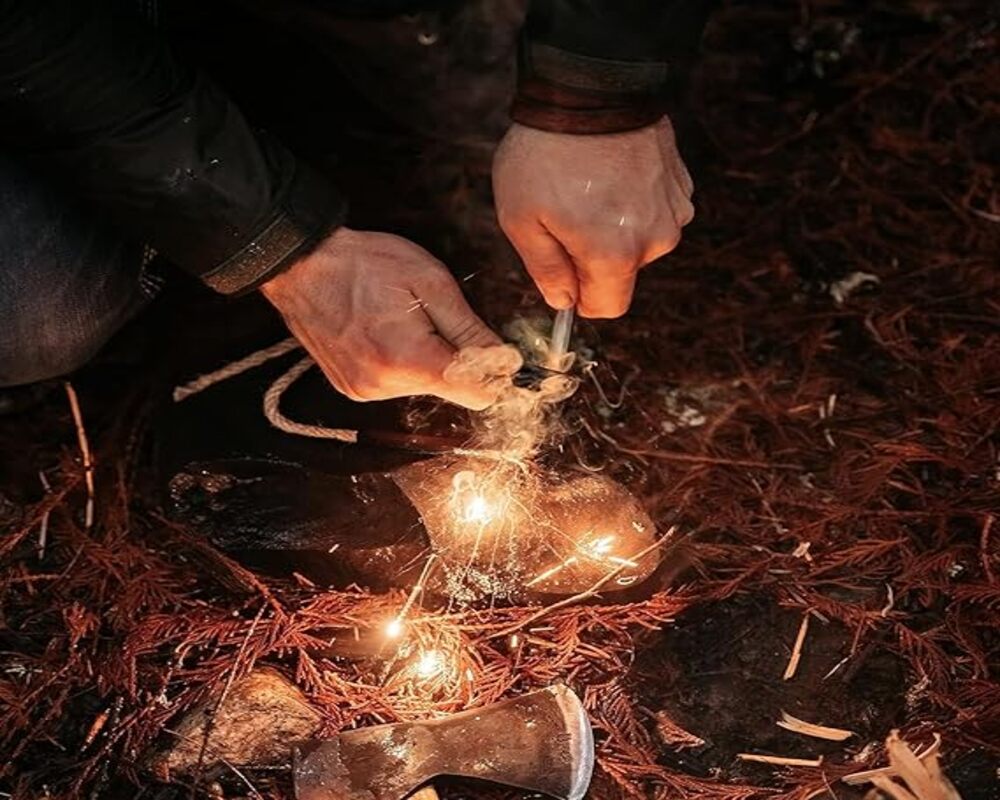
Fire-building instruction often begins with the careful selection of kindling, twigs, and dry leaves that form the foundation of a controlled flame. Grandparents demonstrate how to arrange materials to promote airflow while maintaining a safe distance from surrounding vegetation. Their emphasis on responsibility helps reinforce the importance of fire safety in wilderness settings. Watching a small fire take shape becomes a memorable lesson in preparation, focus, and the value of respecting natural elements.
Guiding Safe Tool Use
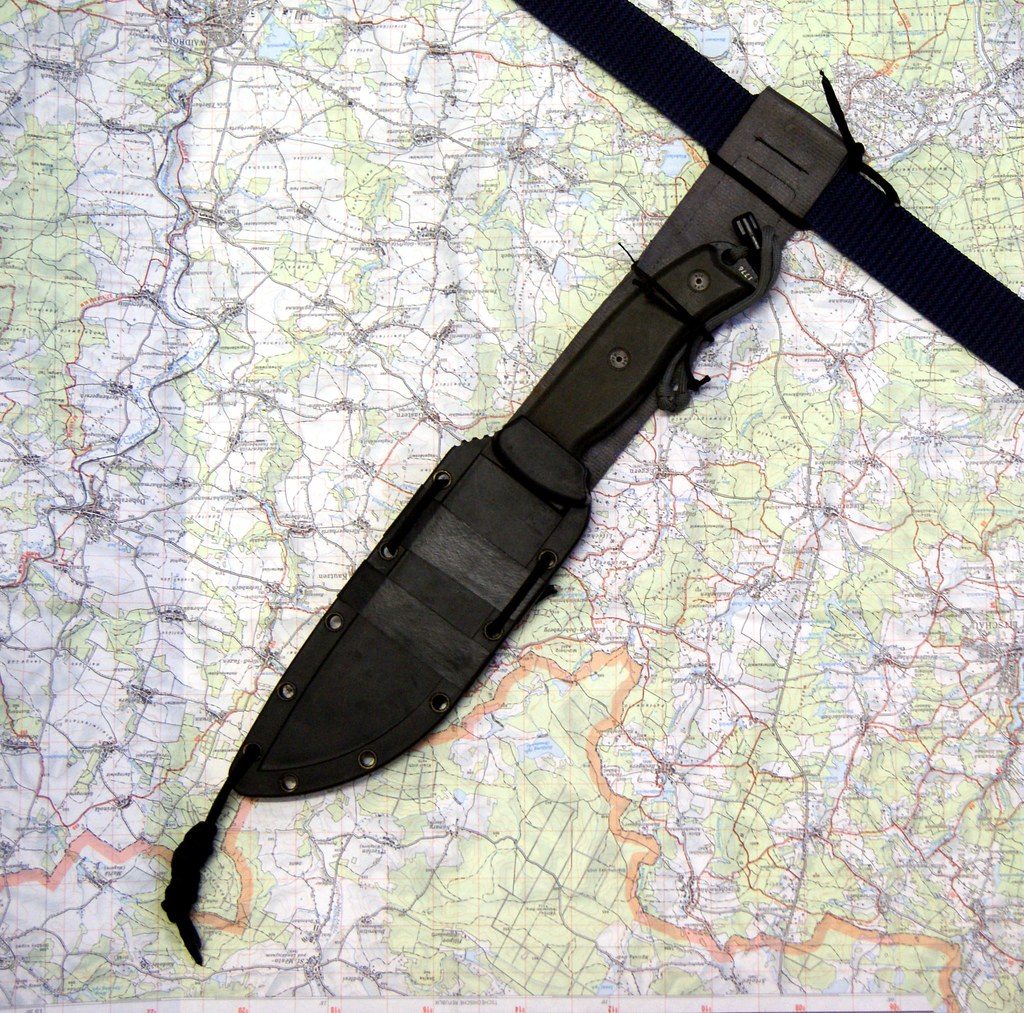
Learning to handle tools such as pocketknives, hatchets, or small saws often starts with grandparents who prioritize slow, deliberate practice. They demonstrate safe grip techniques, controlled movements, and the importance of maintaining sharp edges. Their calm instruction allows learners to build trust in their abilities while understanding the potential risks. These sessions highlight the usefulness of basic tools in outdoor tasks and reinforce habits that promote confidence and safety.
Passing Down Foraging Knowledge
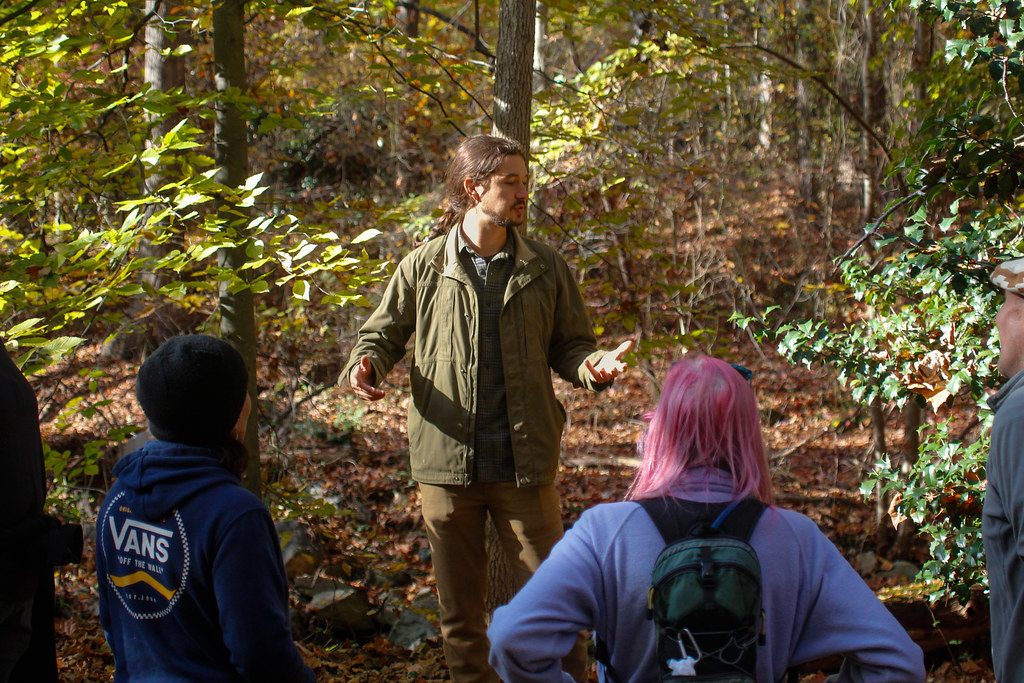
Foraging walks introduce edible plants, seasonal growth patterns, and the importance of identifying species with accuracy. Grandparents often point out subtle differences between safe and harmful plants, drawing from years of close observation. These walks encourage attentiveness to textures, colors, and surroundings. The practice helps connect learners with natural food sources while fostering a deeper appreciation for ecosystems and the traditions that guide sustainable gathering.
Encouraging Wildlife Awareness
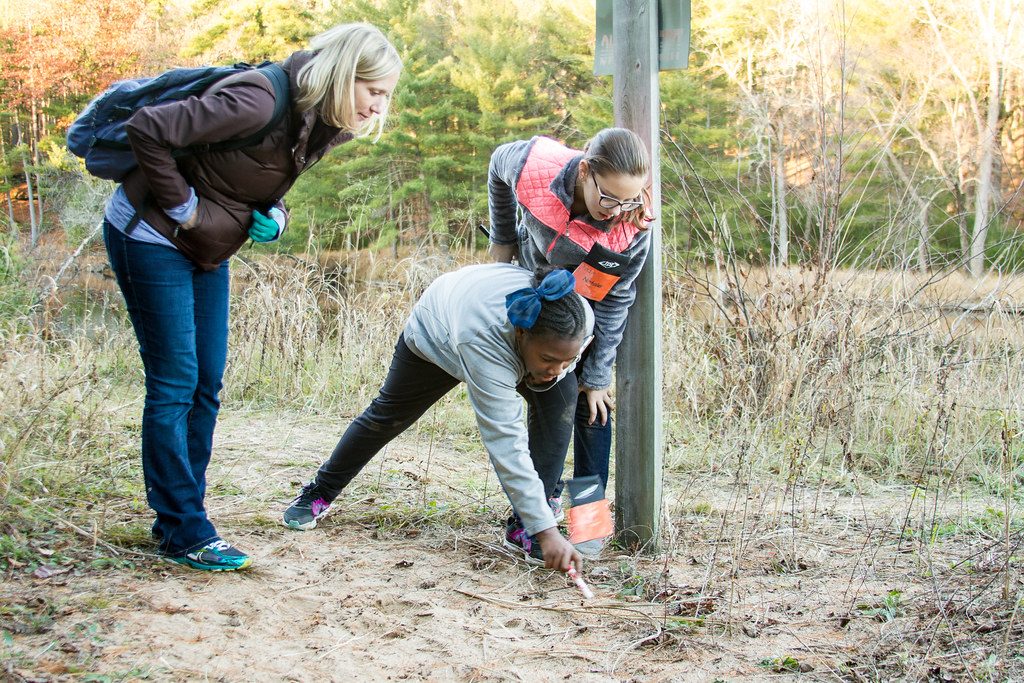
Wildlife awareness develops naturally as grandparents point out animal tracks, distinct bird calls, and signs of movement along forest floors or riverbanks. Their experience helps learners recognize the presence of animals that remain hidden from sight. Lessons often include respectful distance, quiet observation, and awareness of habitat boundaries. These skills encourage mindfulness and highlight the importance of understanding how wildlife interacts with the natural world.
Showing Camp Setup Techniques
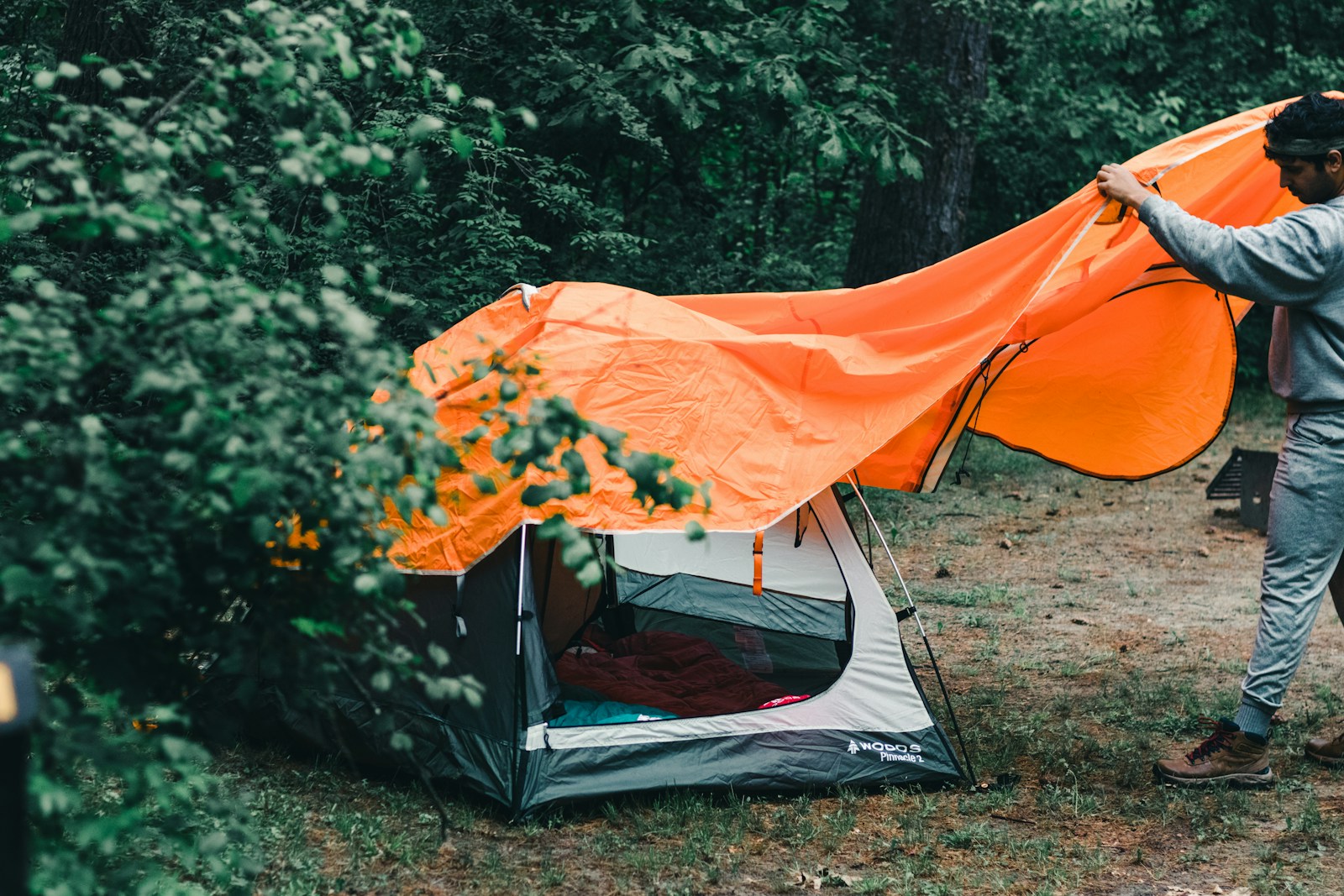
Camp setup becomes a shared activity where grandparents demonstrate how to choose level ground, organize gear, and position shelters to handle changing weather. Their methodical approach shows how thoughtful planning leads to comfort and safety. Tasks such as anchoring tents, arranging sleeping areas, and protecting supplies from moisture become opportunities for practical instruction. These lessons reinforce the foundational skills needed to enjoy overnight stays in the wilderness with confidence and ease.