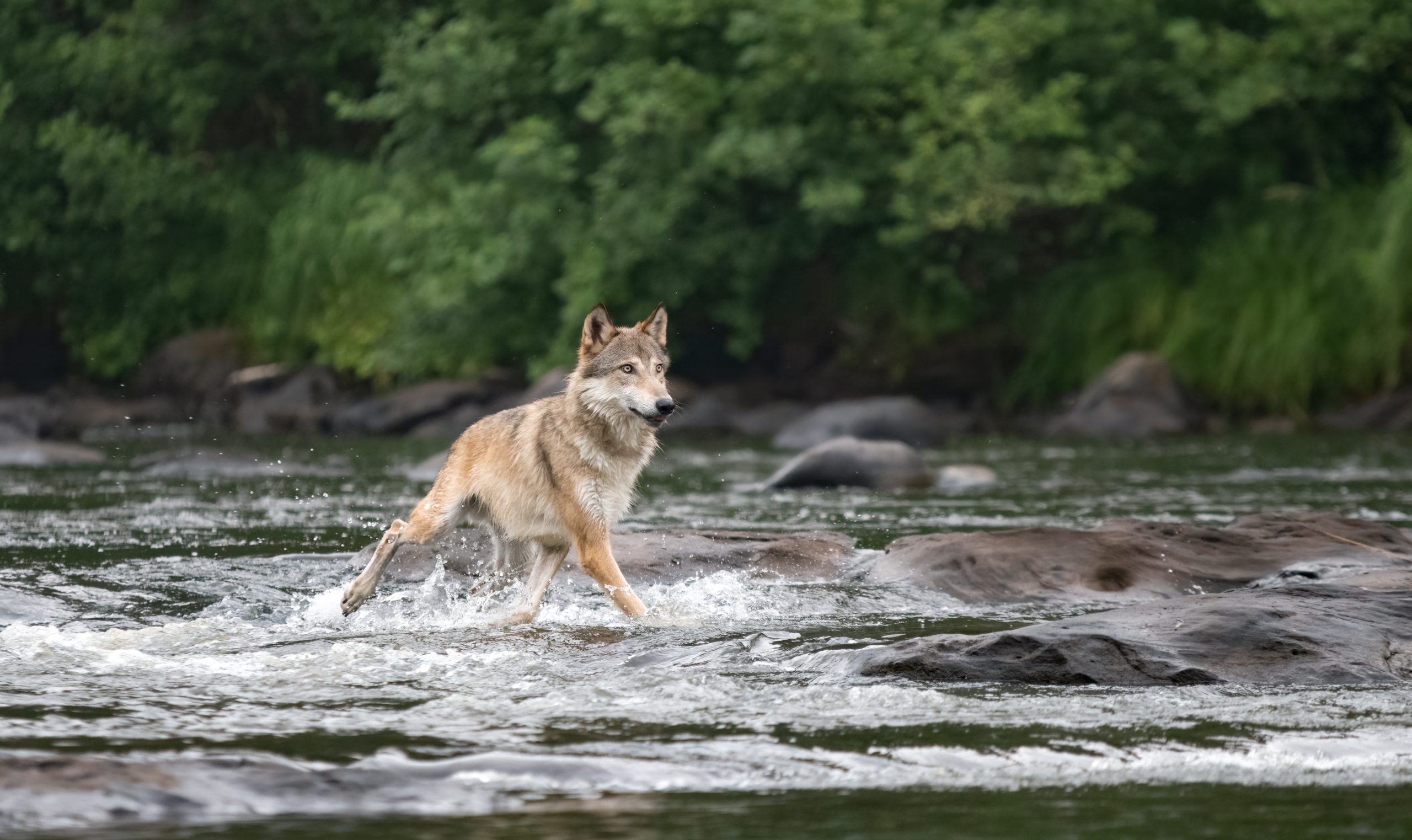
Wolf populations in the United States are rebounding in several regions after decades of decline from habitat loss and predator control programs. Federal protection under the Endangered Species Act, state reintroduction projects, and natural dispersal from established populations have all contributed to recent growth. These expanding populations are important for ecosystem balance, often helping regulate ungulate numbers and stimulate biodiversity. However, increased wolf presence can also lead to complex interactions with livestock producers and rural communities. Understanding where wolves are growing most quickly helps inform wildlife management and public awareness.
1. Minnesota
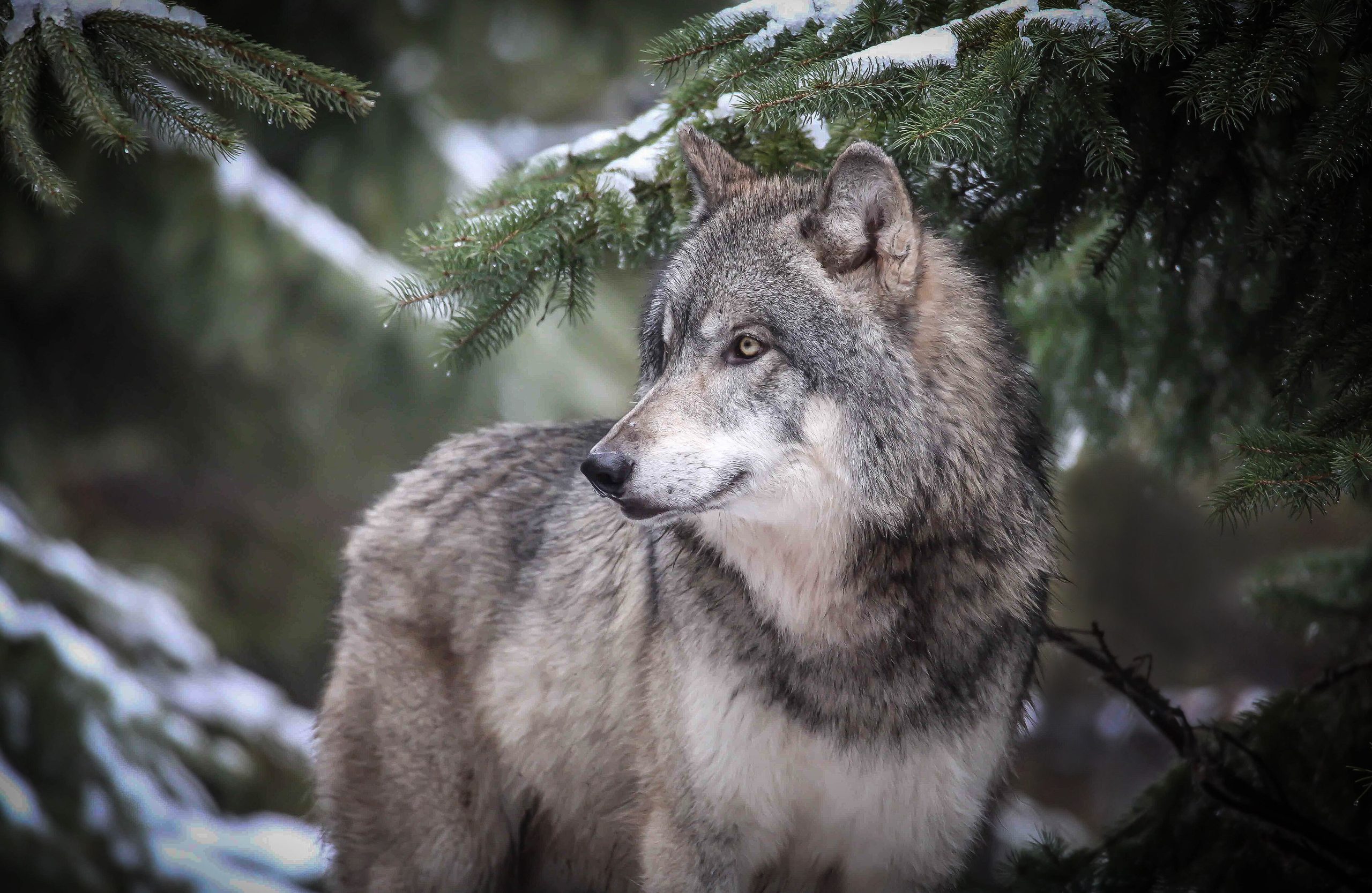
Minnesota hosts one of the largest and most stable wolf populations in the contiguous United States, and its numbers continue to grow in many parts of the state. Protected habitat in northern forests, low human density, and strong regulatory frameworks have allowed wolves to thrive and expand their range. Biologists estimate several thousand wolves in Minnesota, with packs occupying areas from dense woodlands to wetlands. Growth in this population has become a point of research interest and public discussion. Wolves in the state help control deer populations, potentially benefiting forest regeneration and overall ecological balance.
2. Wisconsin
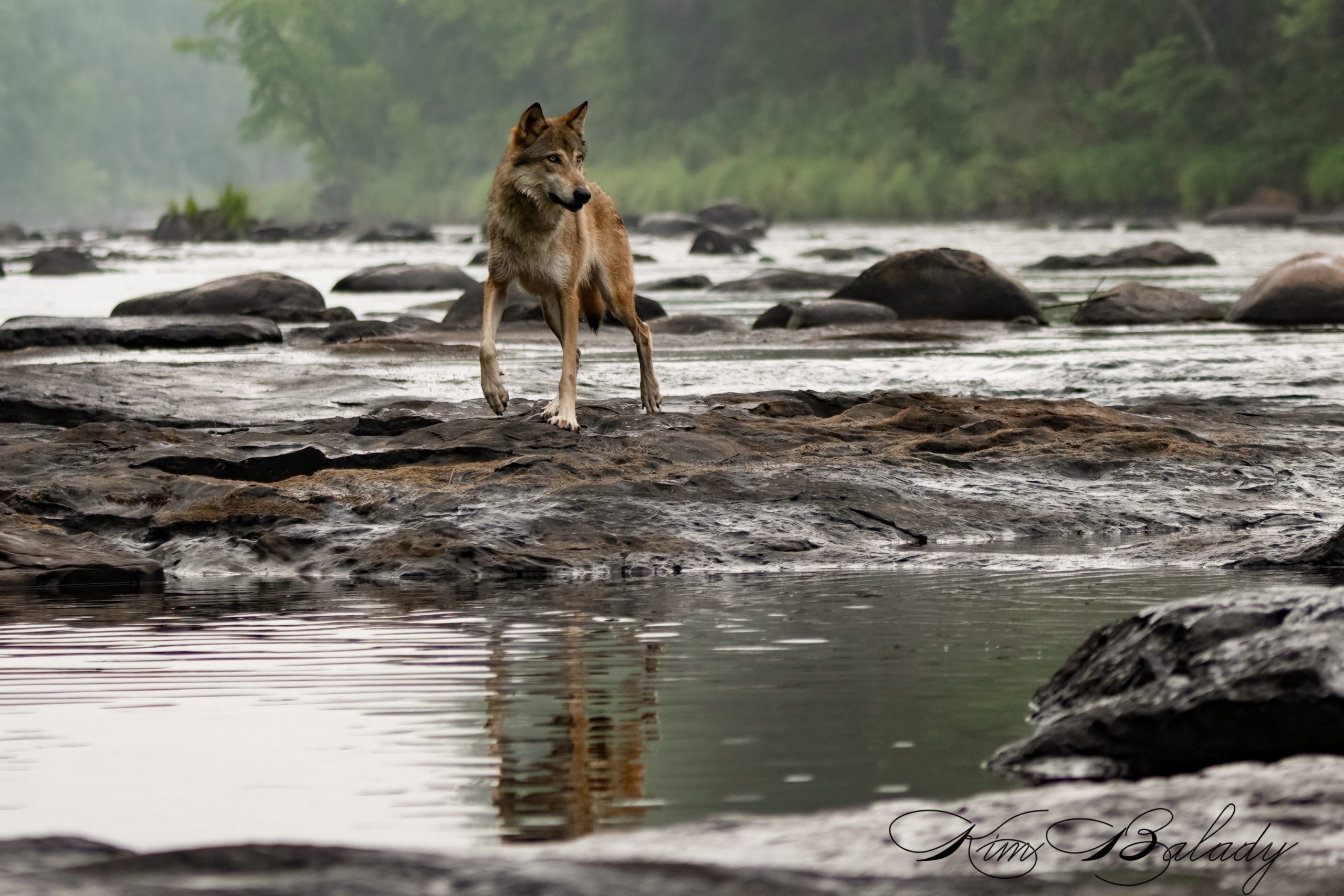
In Wisconsin, gray wolf numbers have made a significant rebound from near extirpation in the mid-20th century. Wolves were federally protected, and state management plans helped stabilize populations in the northern forests. In recent years, Wisconsin has reported continued growth, with more packs and broader territory use. Wolves are increasingly sighted in areas that their ancestors once occupied before persecution and habitat loss pushed them to the margins. The increase brings ecological benefits such as more balanced prey populations, but also management challenges around livestock depredation and hunter perceptions.
3. Michigan
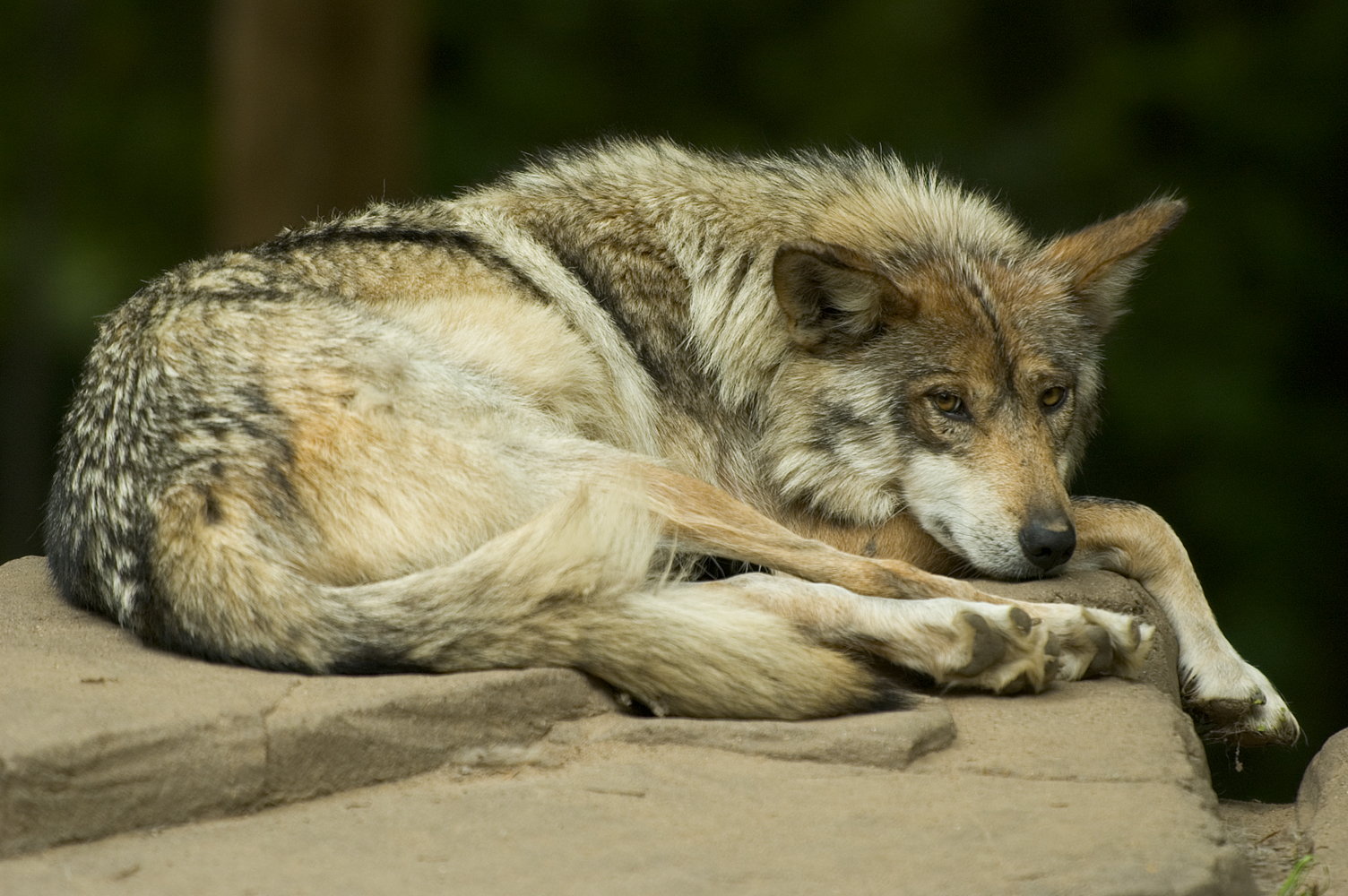
Michigan’s Upper Peninsula hosts a rapidly growing wolf population that has expanded both numerically and geographically. After decades of protection and careful monitoring, wolves in Michigan have increased in pack numbers and have started dispersing into new forested areas. The presence of abundant deer populations provides a steady food source, supporting higher survival rates and successful reproduction. Michigan wildlife managers track this growth with radio collars and field surveys, noting that wolf activity appears more widespread than in previous decades. The species’ revival contributes to a more dynamic predator–prey balance, affecting elk and deer behavior and distribution.
4. Idaho
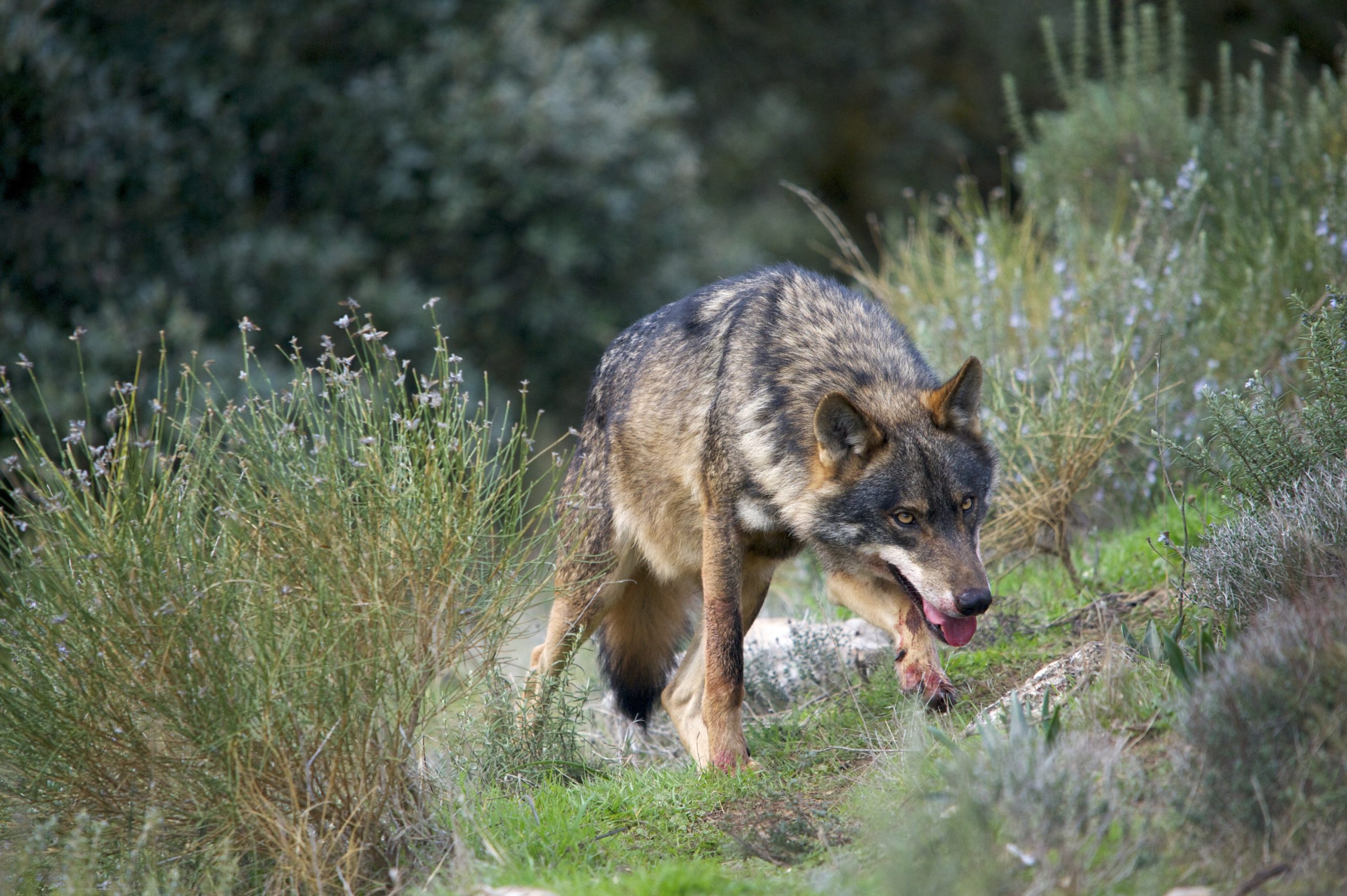
Idaho remains one of the core strongholds for gray wolves in the Rocky Mountain region, with populations that have expanded steadily since federal protections were implemented. Government surveys and independent research indicate that wolves in Idaho are not only maintaining high numbers but also colonizing new landscapes within the state. The rugged terrain, abundant elk and deer herds, and vast public lands create favorable conditions for packs to establish territory and raise pups. Wolf management in Idaho is a complex mix of federal, state, and tribal policies that aim to balance conservation goals with ranching and hunting interests
5. Montana
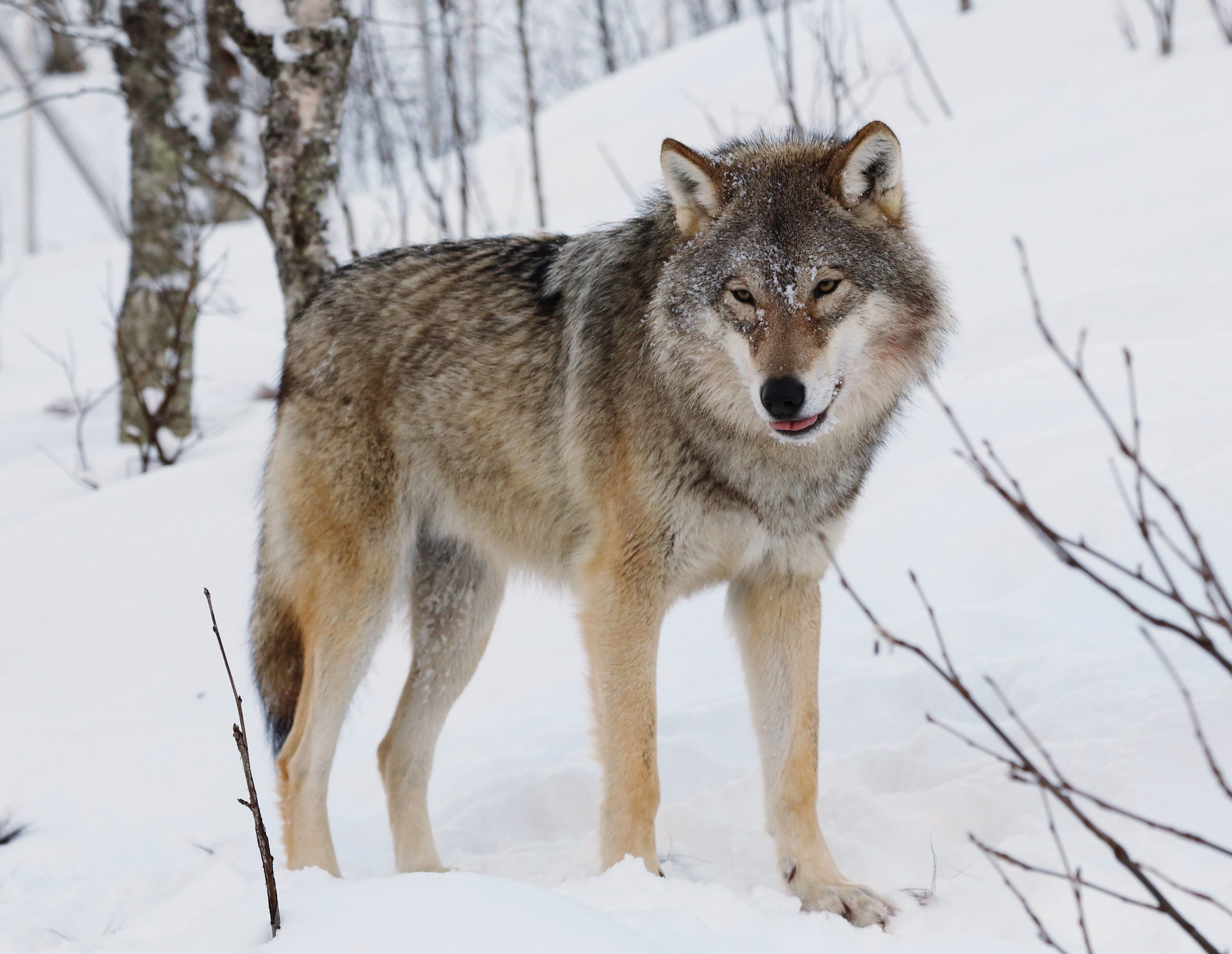
Montana’s wolf population continues to increase across both national forestlands and adjacent private ranges. After reintroduction efforts in neighboring states, wolves naturally dispersed into Montana’s suitable habitat, where they have now established numerous packs. Their range extends from high mountain valleys down to foothills and river corridors. Wildlife biologists note that wolf densities are increasing, and occasional sightings occur near rural communities more frequently than in the past. Abundant prey resources, especially elk and deer, support reproductive success and pack stability. Montana’s wolf growth has encouraged scientific studies on predator–prey dynamics and ecosystem impacts
6. Oregon
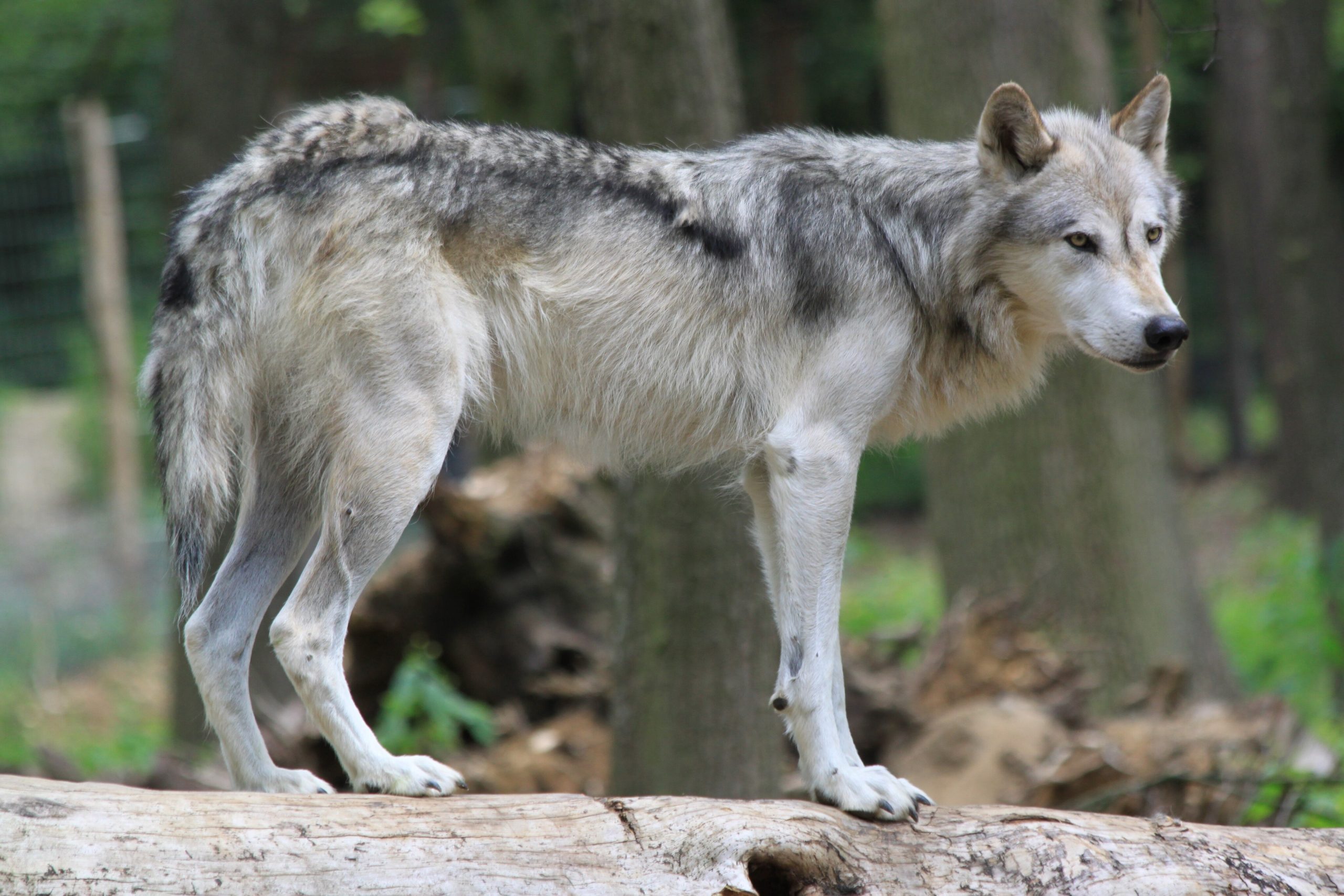
In Oregon, wolf populations have been expanding from core northern ranges into central and eastern portions of the state. Once pushed to the margins, gray wolves are now colonizing new territory as young adults disperse in search of unoccupied habitat. Oregon’s mosaic of forests, rangelands, and protected areas provides a patchwork of opportunities for wolf packs to settle. State wildlife agencies monitor these trends through field surveys and genetic sampling, documenting increased numbers year after year. The Oregon expansion reflects both natural movement and the success of broader regional wolf recovery in the Pacific Northwest.
7. Washington
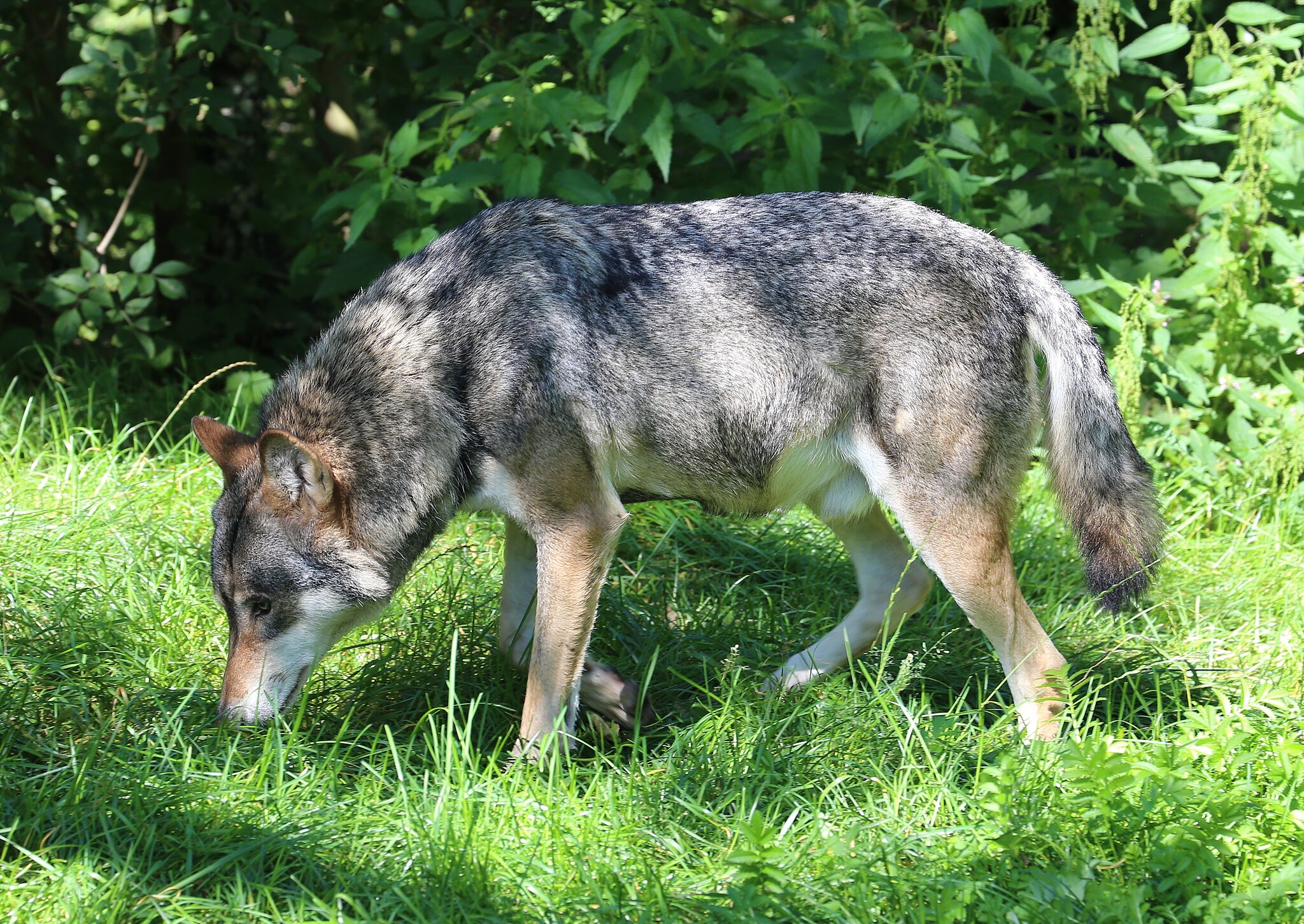
Washington has seen a noteworthy rise in its wolf population as animals migrate from core areas in eastern Oregon and Idaho. Over the past decade, wolves have formed packs in the eastern Cascades and surrounding foothills, adapting to terrain that ranges from open forest to rugged ridges. This growth is significant because it represents movement into areas that lacked established populations for decades. Wildlife agencies track pack formations, den sites, and territory boundaries as part of ongoing monitoring and management plans. Wolf recovery in Washington also includes collaboration with tribal nations and federal partners. As numbers climb, so do discussions about livestock coexistence practices, public safety awareness, and ecosystem benefits.