
Gun shows attract collectors, hobbyists, and first time attendees seeking deals, history, or specialized knowledge. While many vendors operate legitimately, consumer protection agencies and law enforcement have documented recurring scams that exploit inexperience and excitement. These schemes often rely on misinformation, pressure tactics, or altered merchandise rather than overt theft. Understanding how these scams work helps explain why complaints frequently surface after large events. This article outlines seven documented scam patterns reported across multiple states, highlighting how deceptive practices unfold in gun show environments and why awareness remains essential for protecting financial interests and maintaining trust within lawful firearm marketplaces nationwide.
Fake Military Surplus Firearms
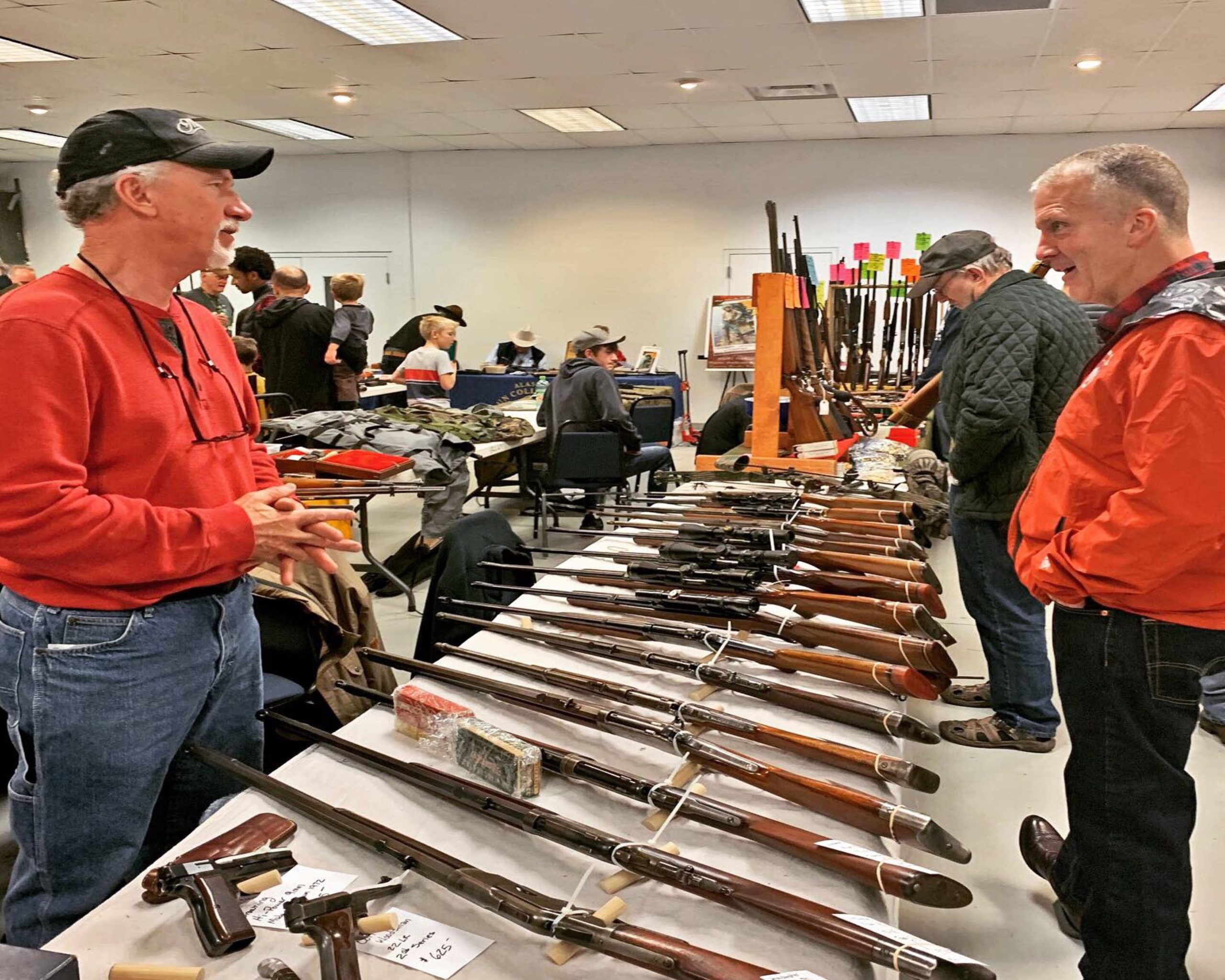
Fake military surplus firearms represent one of the most common gun show scams targeting new buyers. Unscrupulous sellers often present modified civilian firearms as rare battlefield relics. Altered serial numbers, added wear, and fabricated provenance documents create an illusion of authenticity. Experts note that genuine surplus weapons require verifiable markings and documented histories. Buyers frequently discover inconsistencies only after consulting specialists. These scams exploit respect for military history and limited familiarity with authentication standards. Law enforcement reports show complaints rising after large regional shows where fast paced sales reduce opportunities for careful inspection and independent verification before purchase decisions occur.
Counterfeit Antique Guns
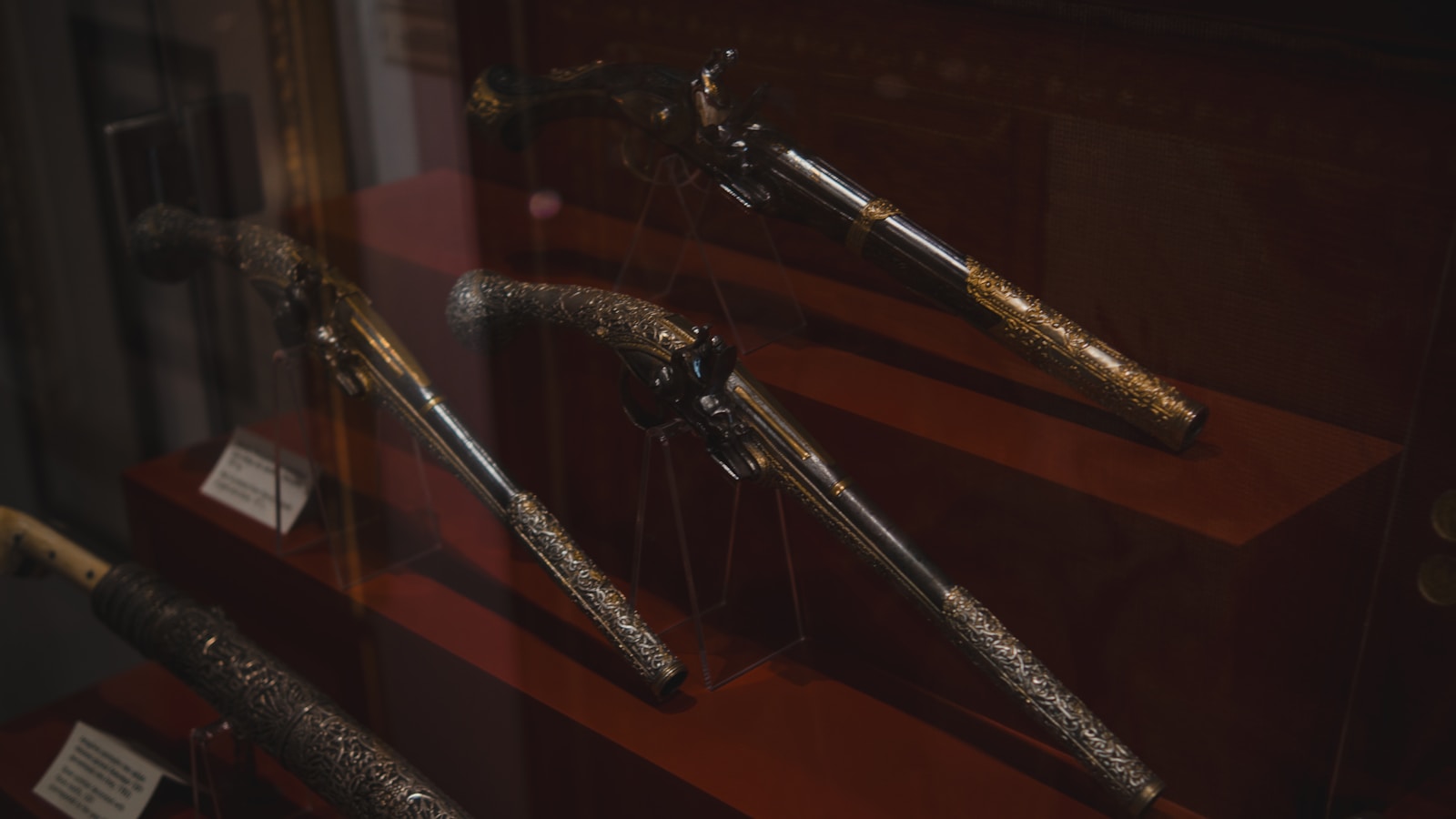
Counterfeit antique guns frequently appear at gun shows, marketed as pre modern firearms exempt from certain regulations. Scammers artificially age reproductions using chemicals, wear techniques, and falsified paperwork. These items often lack correct manufacturing methods or internal components consistent with genuine antiques. Collectors emphasize that authentic antiques display specific metallurgy and machining patterns tied to historical periods. New buyers may rely on seller assurances rather than expert appraisal. When discovered, resale value collapses. Consumer protection agencies warn that counterfeit antiques remain difficult to prosecute due to jurisdictional complexity and limited on site verification resources.
Reloaded Ammunition Sold As Factory New

Reloaded ammunition sold as factory new poses both financial and safety risks. Unscrupulous vendors repackage hand loaded rounds into boxes resembling major manufacturers. These rounds may use inconsistent powder charges or reused casings. Firearms instructors warn that poor quality reloads increase malfunction and damage risk. Buyers often notice issues only after range use. Packaging inspection alone may not reveal tampering. Several states have documented complaints involving mislabeled ammunition purchased at shows. The scam relies on brand trust and limited buyer knowledge of packaging details, lot numbers, and quality control indicators common to genuine factory ammunition.
Inflated Collector Value Claims
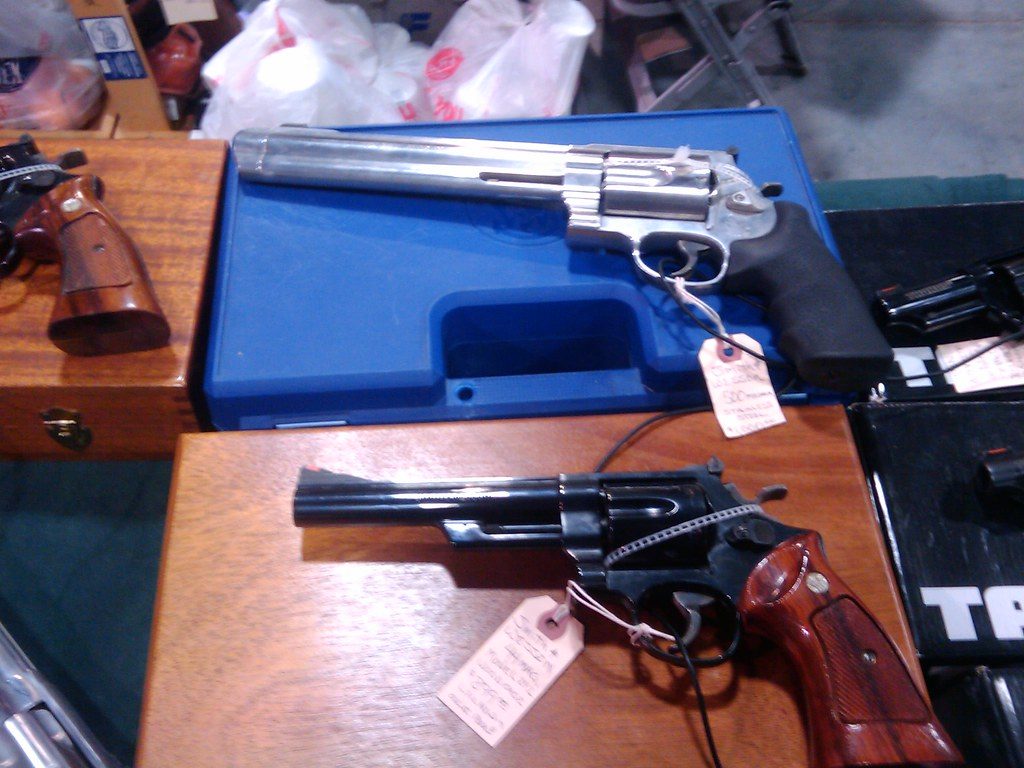
Inflated collector value claims frequently mislead buyers unfamiliar with firearm markets. Sellers may describe common models as rare investment pieces based on exaggerated production stories. Price tags reflect supposed scarcity rather than documented sales history. Appraisers stress that true collector value depends on condition, originality, and verified demand. New buyers may accept verbal assurances without checking reference guides. Once purchased, resale often reveals significant overpayment. Trade organizations note that misinformation spreads easily in crowded show settings where rapid negotiation discourages careful research. This scam thrives on aspirational collecting rather than immediate functional use of the firearm itself.
Fake Gun Show Only Discounts

Fake gun show only discounts rely on artificial urgency rather than real savings. Vendors advertise temporary price reductions supposedly exclusive to the event. In reality, identical items often sell online or locally for the same or lower prices year round. Price comparison later reveals no actual discount occurred. Consumer advocates report that signage and verbal pressure reinforce the illusion of limited opportunity. New buyers may feel compelled to act quickly to avoid missing perceived deals. This tactic exploits unfamiliarity with market pricing and the energetic atmosphere of gun shows where competitive buying emotions override careful evaluation.
Stolen Firearms With Altered Records

Stolen firearms with altered records occasionally surface at gun shows through illicit resale. Criminal sellers may tamper with serial numbers or provide falsified transfer paperwork. Buyers risk confiscation and legal complications when law enforcement traces ownership. Federal agencies advise verifying seller credentials and transaction documentation carefully. New buyers may assume show vendors operate under strict oversight, which is not always the case. These scams rely on trust and confusion surrounding private sale laws. Discovery often occurs during later background checks or resale attempts, leaving purchasers without recourse and significant financial loss.
Fake Accessories And Optics
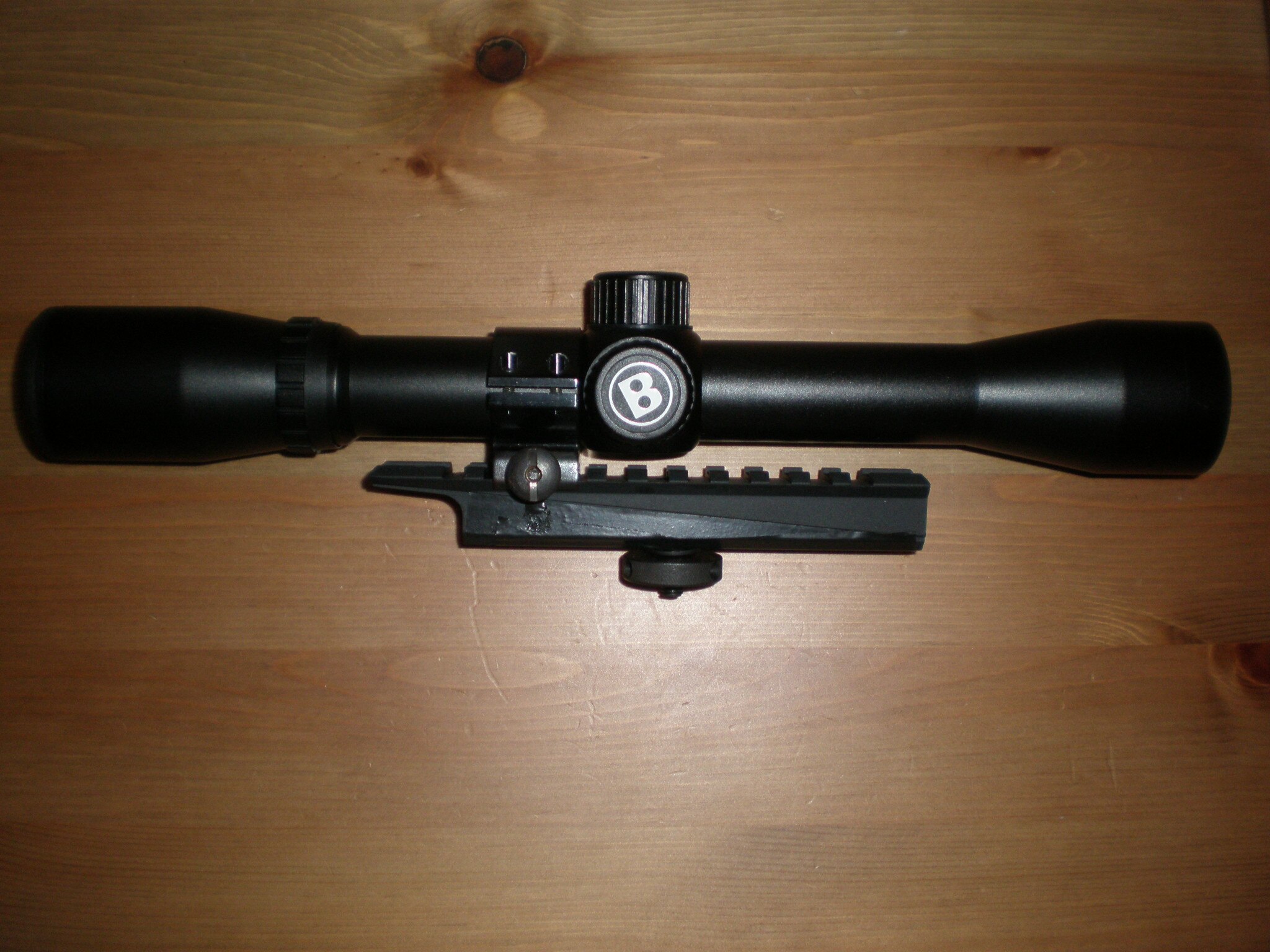
Fake accessories and optics represent a growing scam category at gun shows. Counterfeit scopes, magazines, and suppressor accessories imitate reputable brands but use inferior materials. Performance failures frequently occur under normal use. Manufacturers report increasing trademark violations linked to event sales. Packaging often appears convincing, but serial verification fails. Buyers may not realize authenticity issues until warranty claims are denied. These scams target those prioritizing affordability over dealer relationships. Industry groups recommend purchasing accessories from authorized retailers to ensure quality and safety. Gun show environments make rapid transactions easier for counterfeit items to circulate unnoticed.