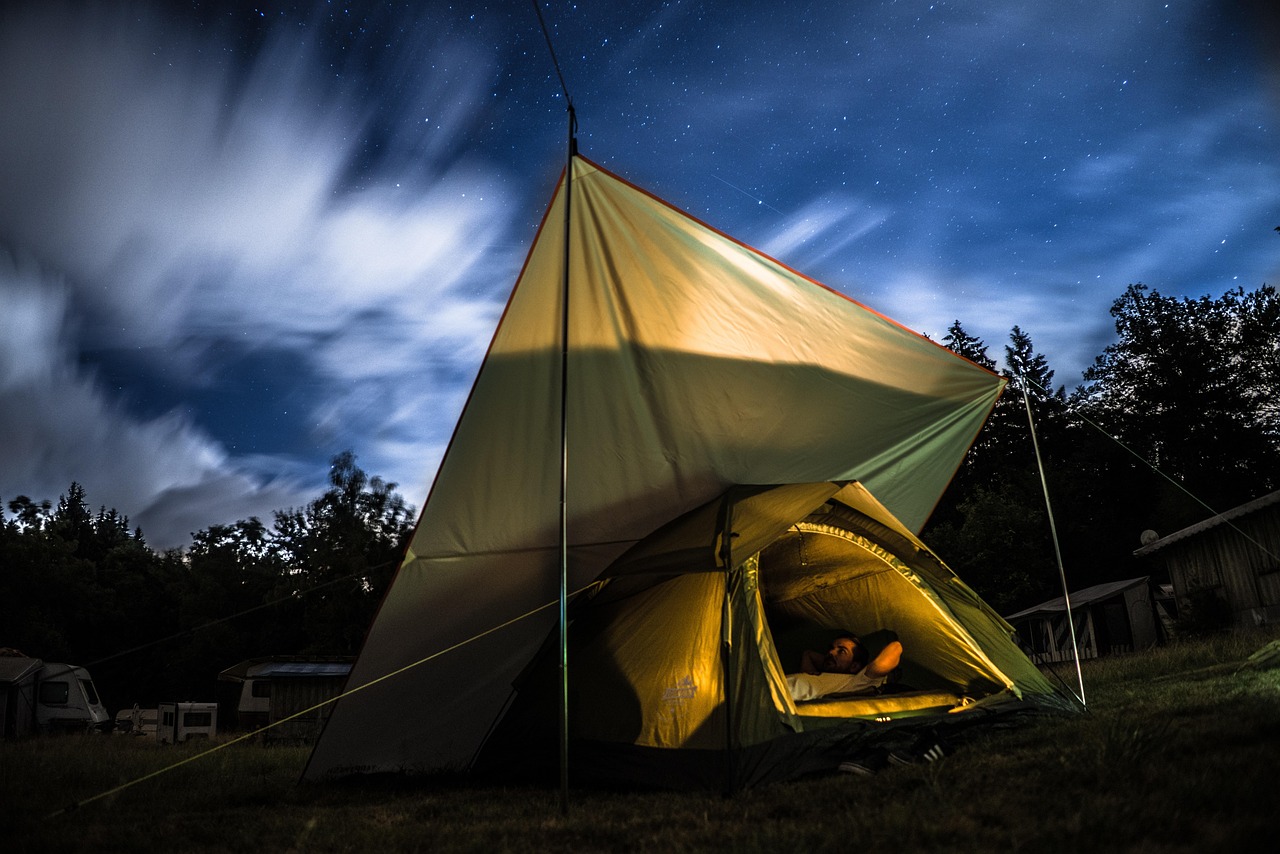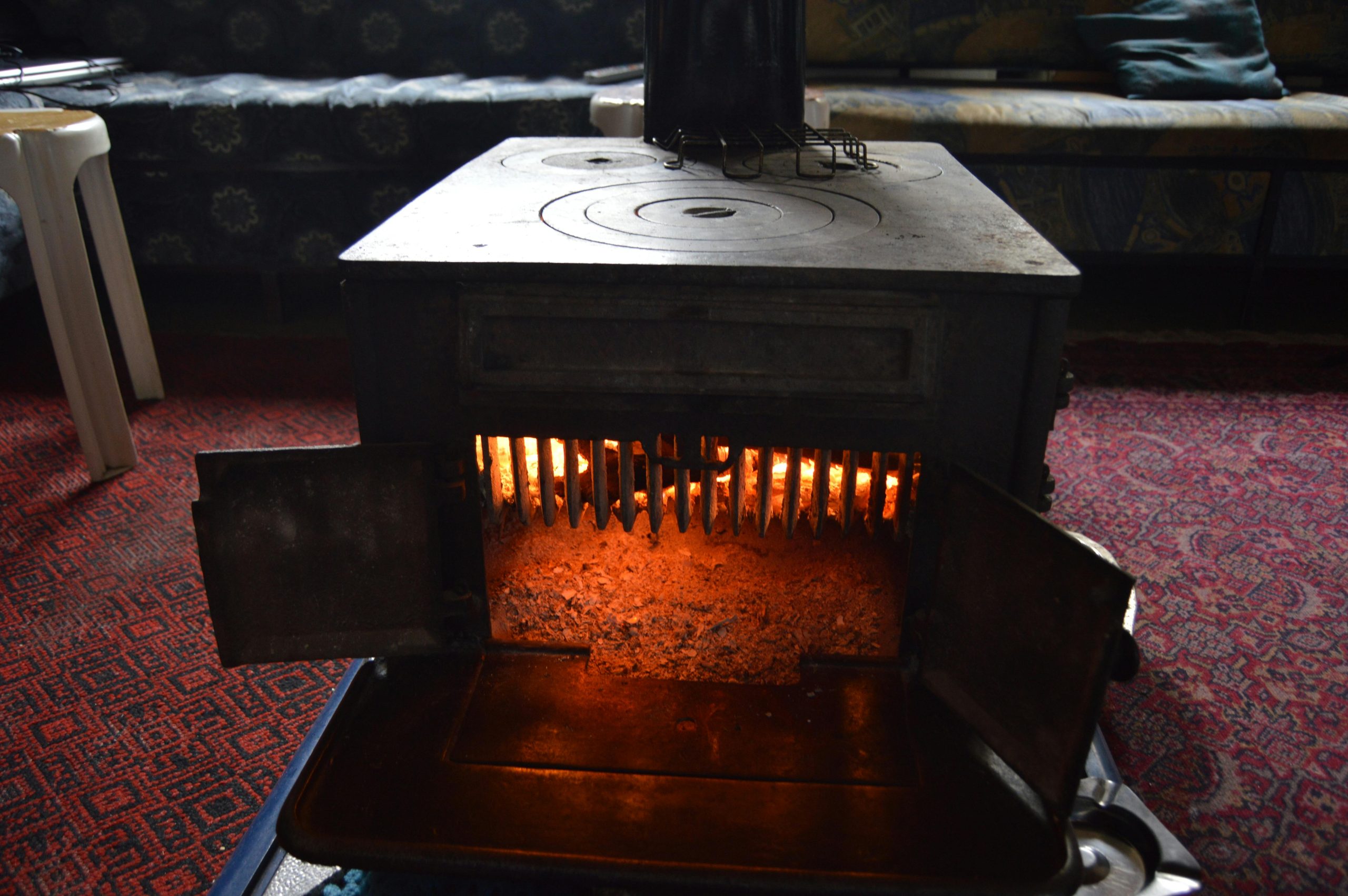
A tent heater can make the difference between a cozy night and a miserable one when temperatures drop. Yet, using heat inside a confined space requires caution and awareness. Many campers underestimate the dangers of carbon monoxide, poor ventilation, or fire hazards. Knowing how to choose, place, and manage a heater safely allows you to enjoy warmth without risk. Here are seven key things to understand before bringing a heater into your tent this camping season.
1. Choose the Right Heater for Your Setup
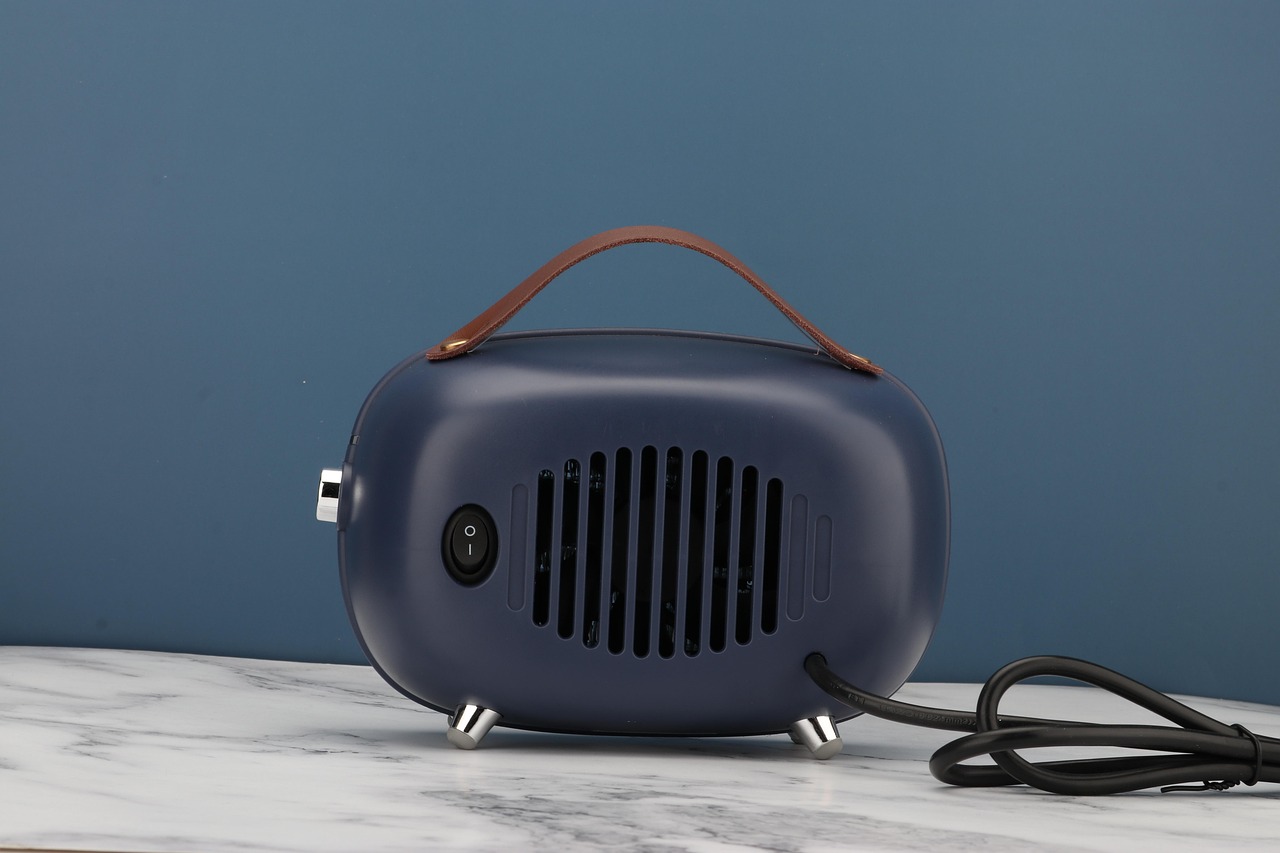
Selecting the right heater starts with understanding your camping conditions. Electric heaters are ideal for powered campgrounds, offering consistent warmth without fumes. For remote camps, propane heaters provide flexibility but require ventilation. Always check labels for “indoor-safe” certification and avoid using household models. The right heater balances safety, power, and practicality, ensuring you stay warm while preventing toxic buildup or overheating inside your tent.
2. Maintain Proper Ventilation at All Times
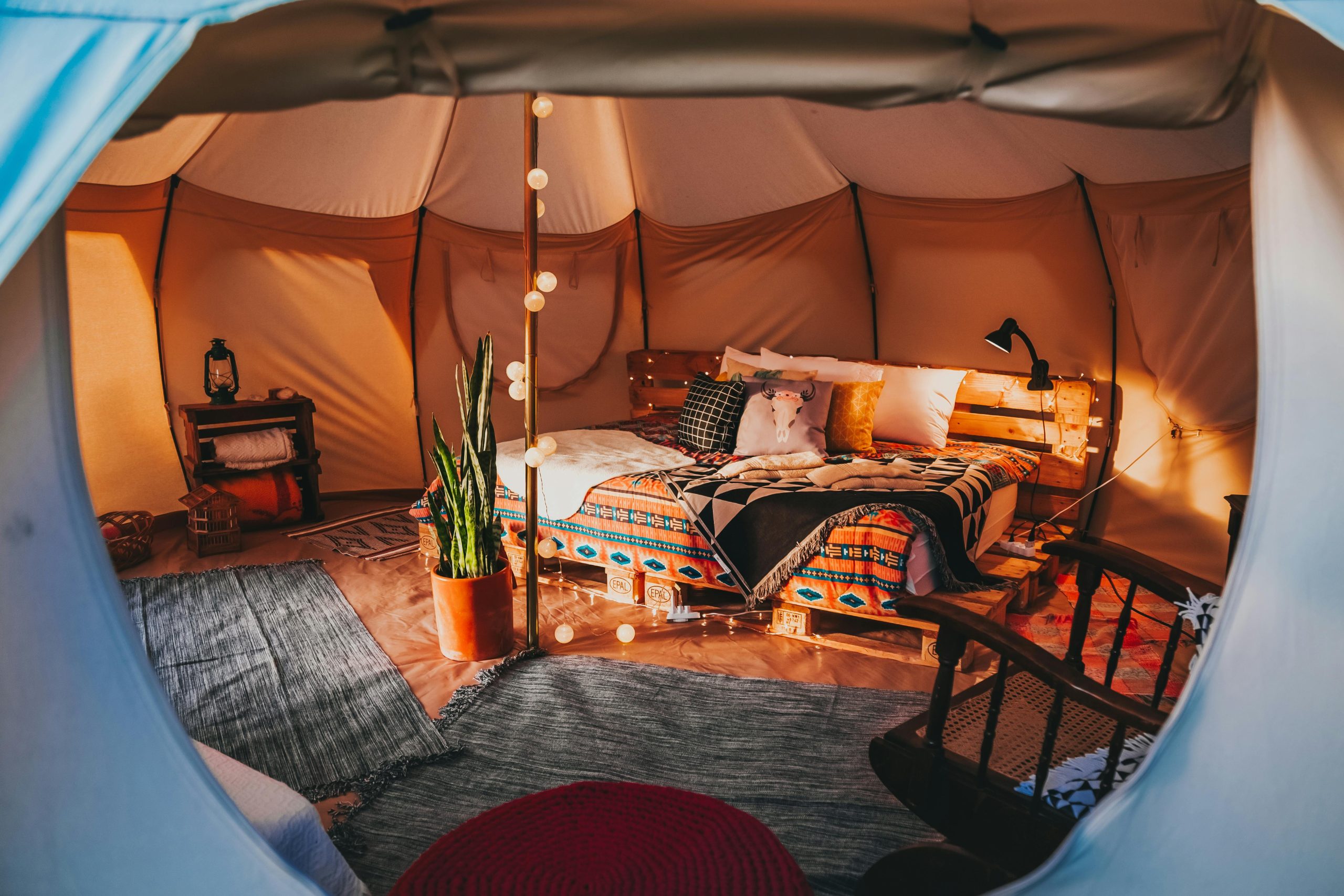
Even the safest heater can turn dangerous without ventilation. Propane models, in particular, release carbon monoxide, a colorless, odorless gas that can be deadly in confined spaces. Always keep at least one vent or window partially open, no matter the outside temperature. This steady airflow not only prevents suffocation but also reduces condensation inside the tent. Fresh air circulation keeps your environment safe and breathable throughout the night.
3. Keep Flammable Gear Away from the Heater
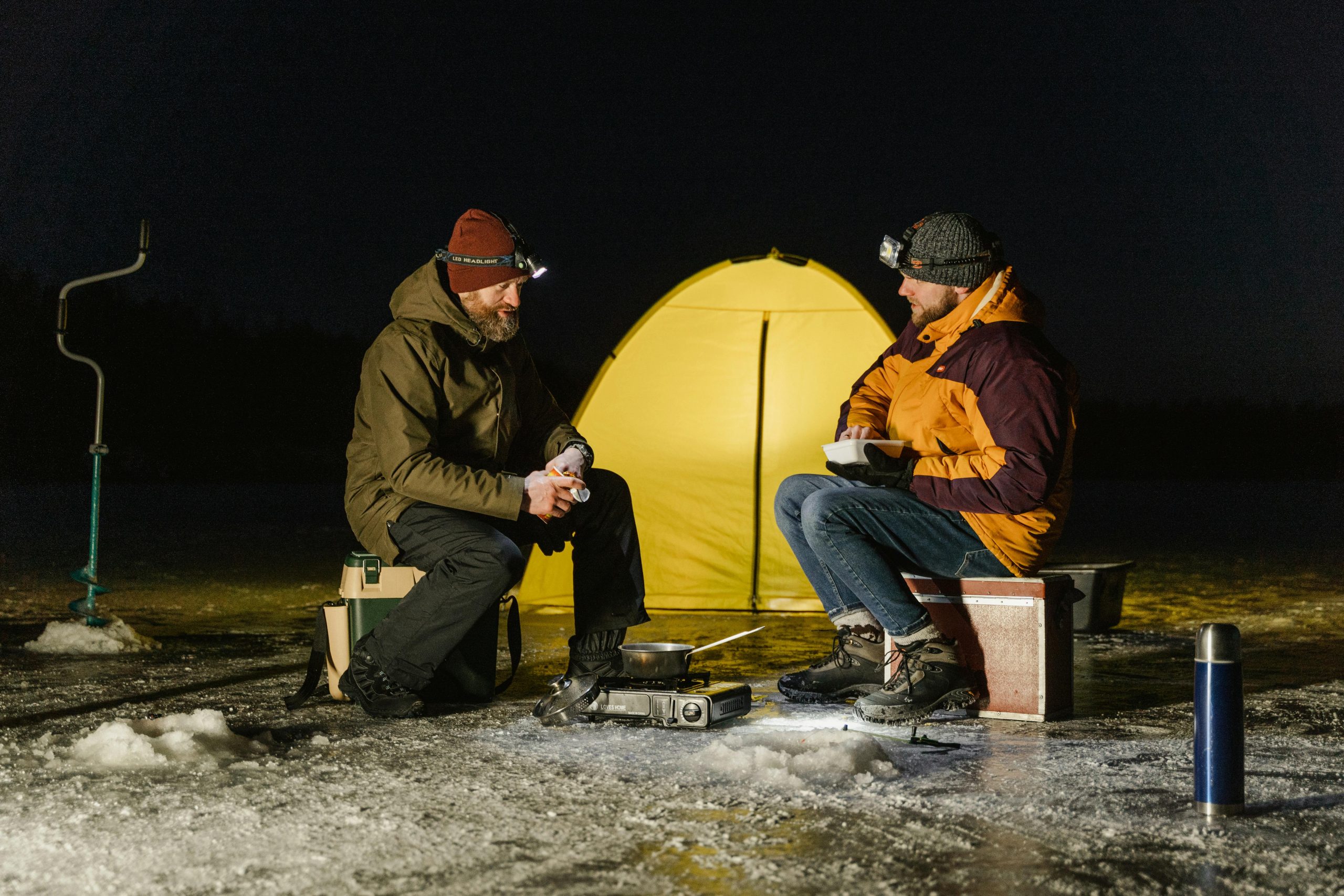
Tent interiors are often cluttered with sleeping bags, clothes, and cooking gear, all potential fire hazards. Always place your heater on a flat, non-flammable surface and maintain at least three feet of clearance around it. Never drape fabric nearby, even temporarily. Fires inside tents ignite faster than most campers expect, so thoughtful setup is key. A few extra minutes of organization can make the difference between safety and disaster.
4. Monitor Air Quality and Carbon Monoxide Levels
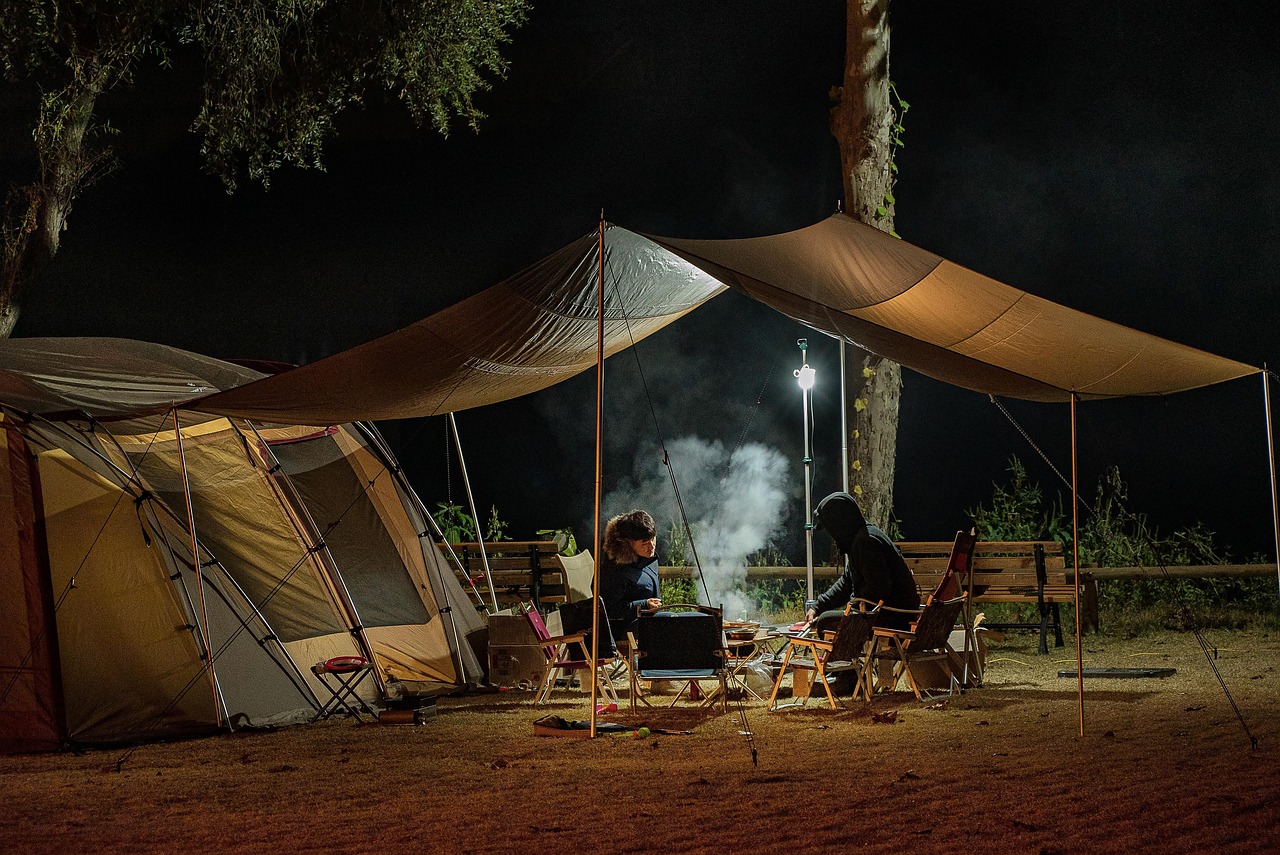
Even with good airflow, invisible gases can still accumulate. Packing a portable carbon monoxide detector gives you early warning if levels become unsafe. These small, battery-powered devices are inexpensive and lifesaving. Symptoms like dizziness, nausea, or headaches are signs to shut off your heater immediately. Treat a CO detector as essential gear right up there with your flashlight or first-aid kit so you can rest easy knowing your air is safe.
5. Only Use Heaters Designed for Camping
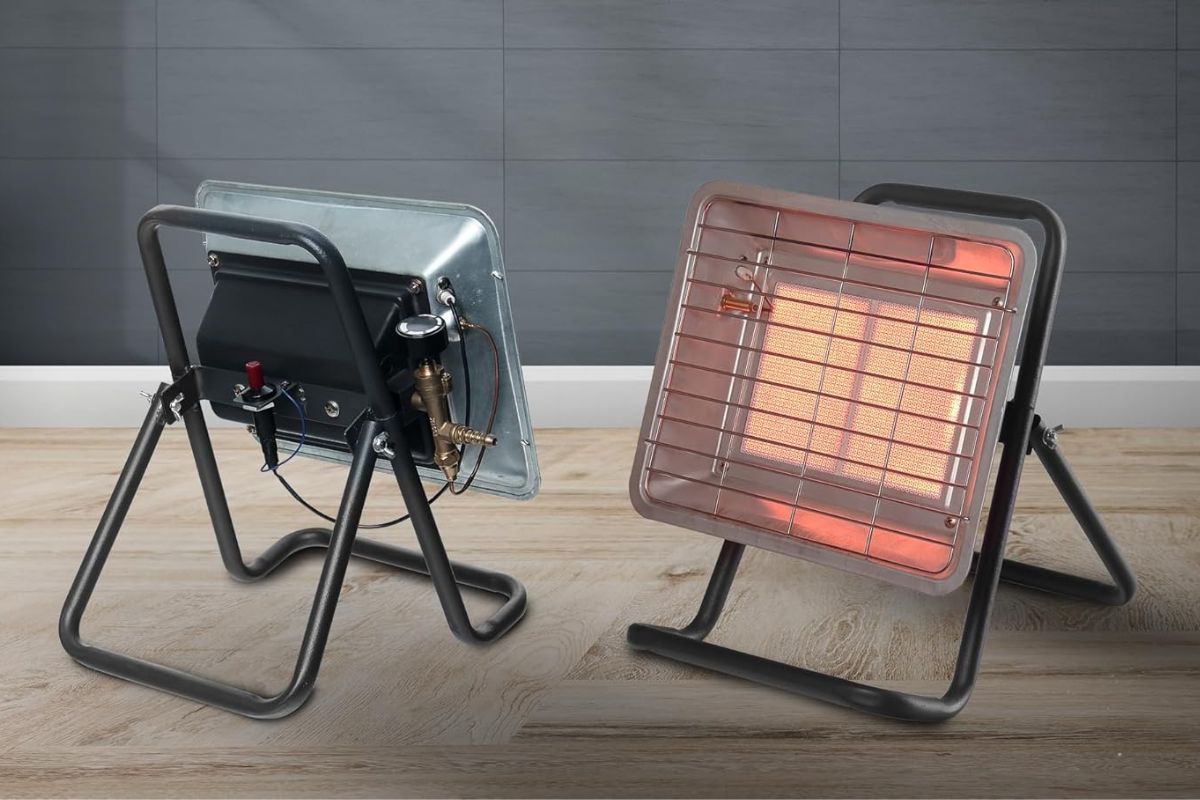
Heaters built specifically for camping come with safety features like tip-over protection, low-oxygen shutoff, and stable bases. Household heaters, however, aren’t made for small enclosures and can overheat quickly. Always read your heater’s manual and verify outdoor safety ratings. Camping-specific models are tested under realistic field conditions, meaning they perform reliably even in cold, damp, or windy environments, helping you focus on comfort, not risk.
6. Never Sleep with the Heater Running
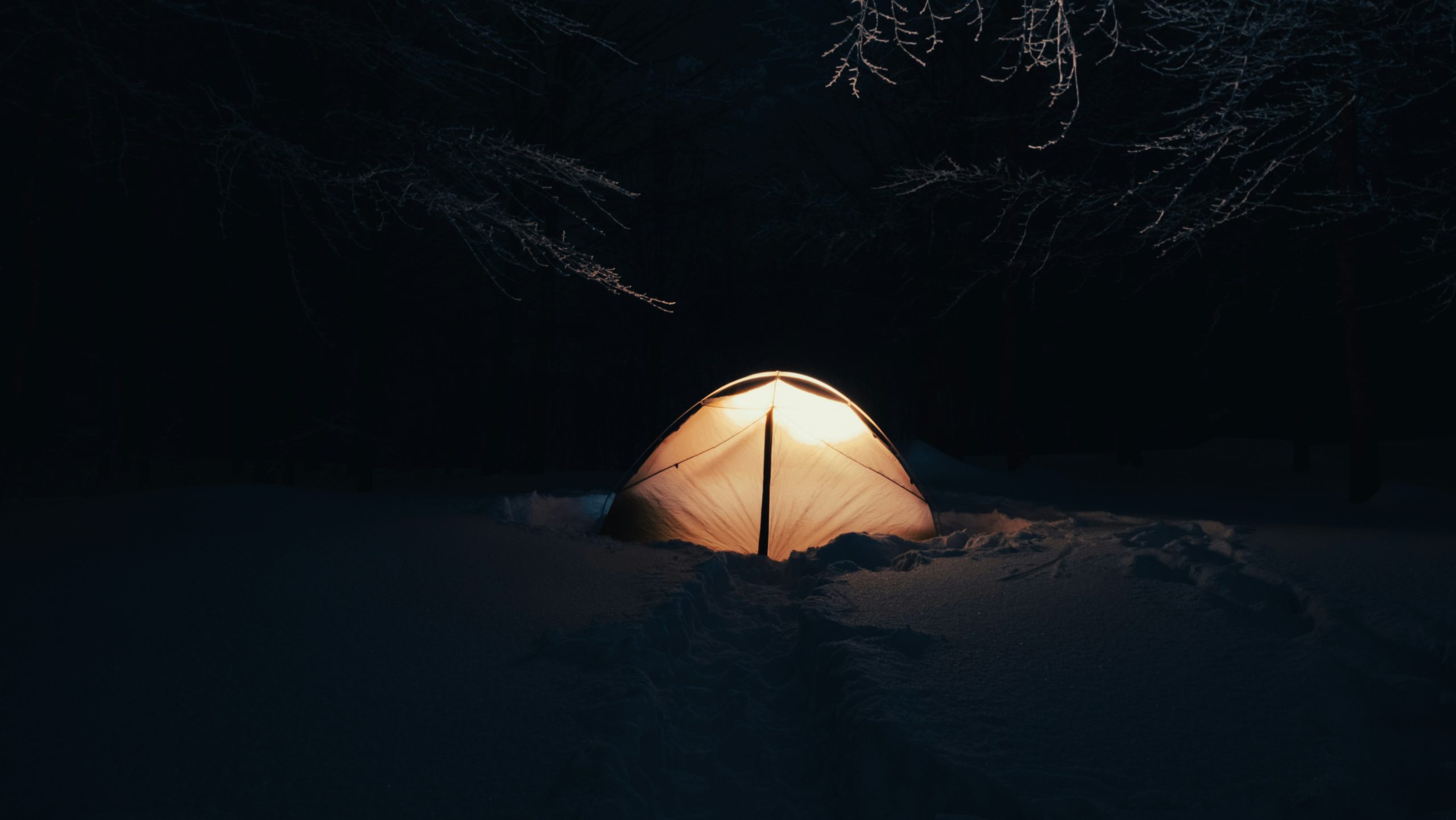
It’s tempting to leave your heater on all night, but doing so can be risky. Conditions inside a tent shift as you move or as the weather changes, potentially blocking vents or tipping the heater. A safer method is to warm your tent before bed, then switch the heater off and rely on an insulated sleeping bag. This balance ensures steady warmth through the night without the danger of fumes, burns, or oxygen depletion.
7. Plan for Fuel and Weather Conditions
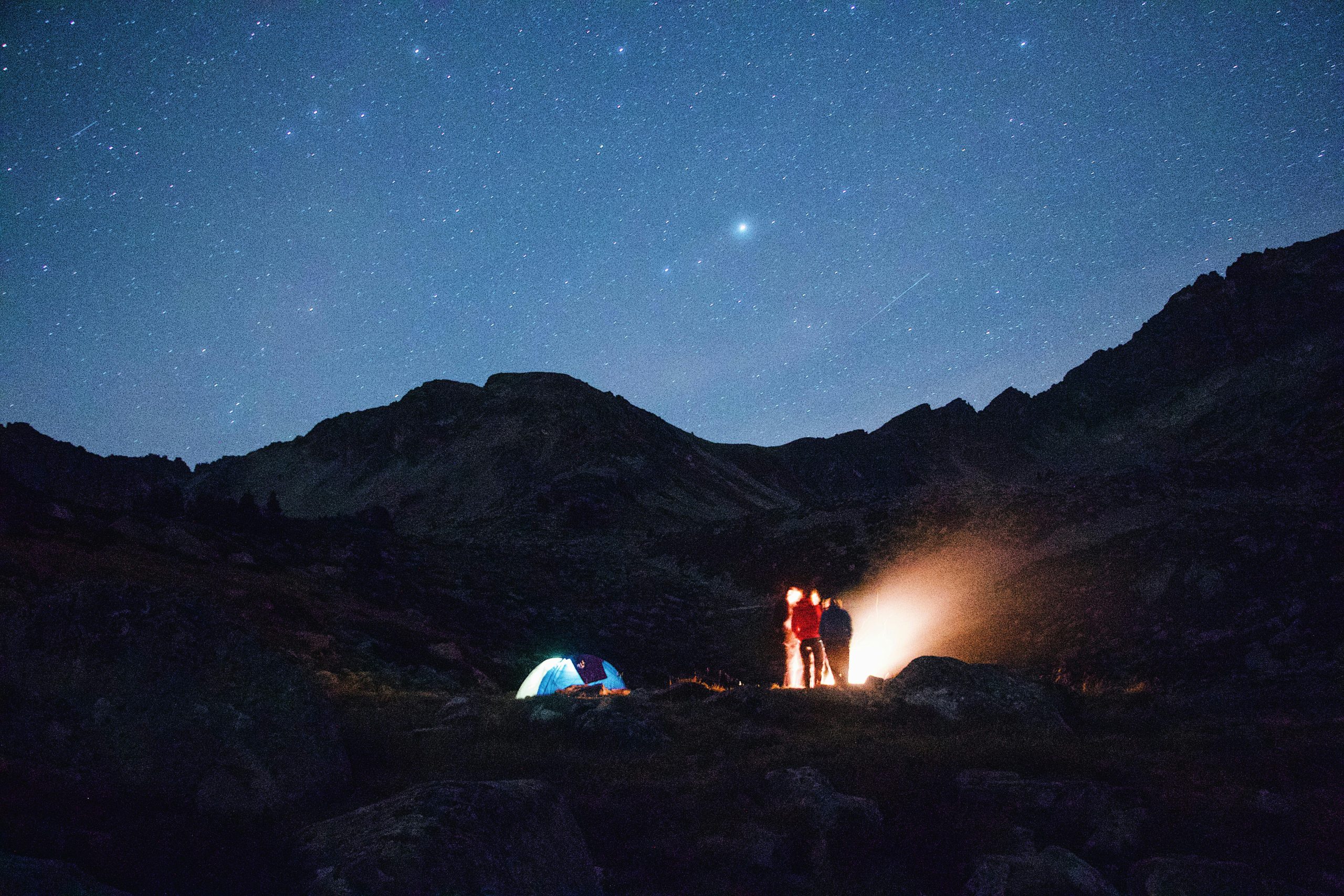
Before you even set up camp, check your forecast and understand how conditions affect heater performance. Cold air can thicken propane, and high winds can disrupt airflow or pilot lights. Bring extra fuel canisters and always test your equipment during daylight. Preparation ensures that when night falls and temperatures drop, you’re not scrambling to stay warm. Smart planning keeps your camp safe, efficient, and worry-free.