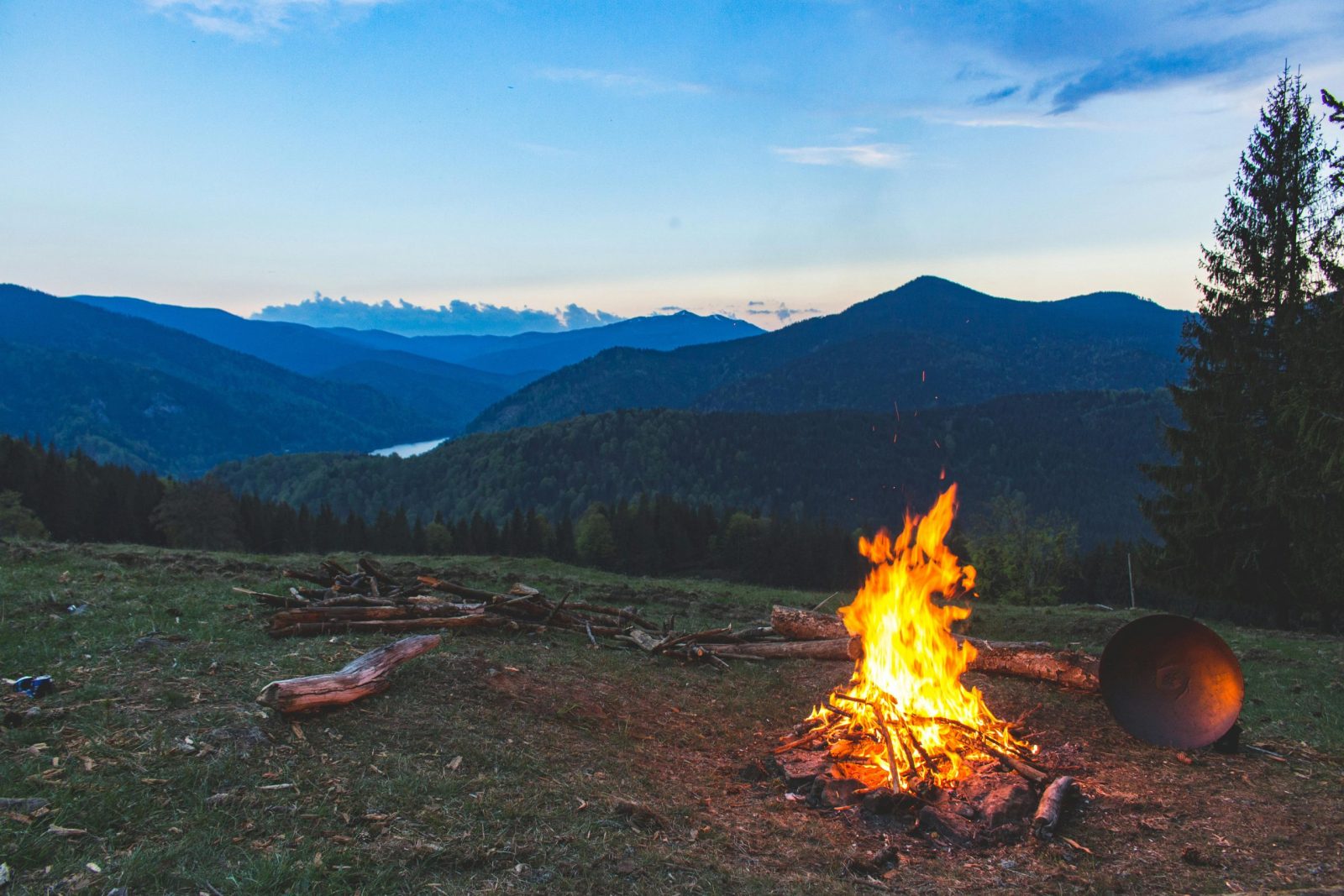
Survival fire mistakes that almost everyone makes are essential for any wilderness adventure. Many outdoor enthusiasts underestimate the immense difficulty of starting a fire under challenging weather conditions. Building a sustainable blaze requires careful preparation and deep knowledge of natural materials. Beginners frequently rush the process and end up shivering in the dark after their tiny flames burn out completely. A reliable heat source provides crucial warmth and psychological comfort during unexpected emergencies. Recognising common errors helps hikers avoid dangerous situations when temperatures drop rapidly. Proper technique guarantees a safe and comfortable night under the stars.
Ignoring Wind Direction
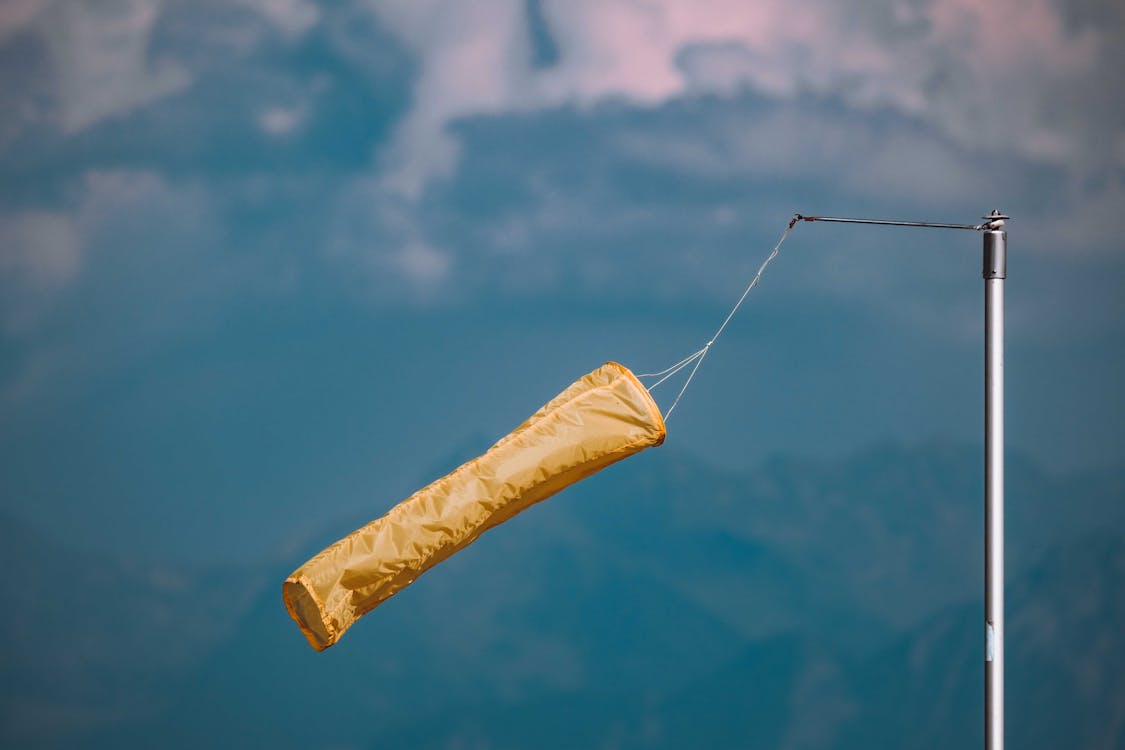
Failing to assess the wind direction remains a critical error that ruins countless wilderness fires. Strong gusts quickly extinguish fragile sparks before they can ignite larger pieces of wood. Campers often build their fire pits completely exposed to harsh elements instead of seeking natural windbreaks. High winds also create significant safety hazards by blowing hot embers into dry surrounding vegetation. Finding a large rock formation or dense tree line provides excellent protection from unpredictable breezes. Careful positioning ensures that the flames grow steadily without constantly fighting against violent gusts. Smart explorers always let nature assist their survival efforts.
Rushing The Tinder Preparation
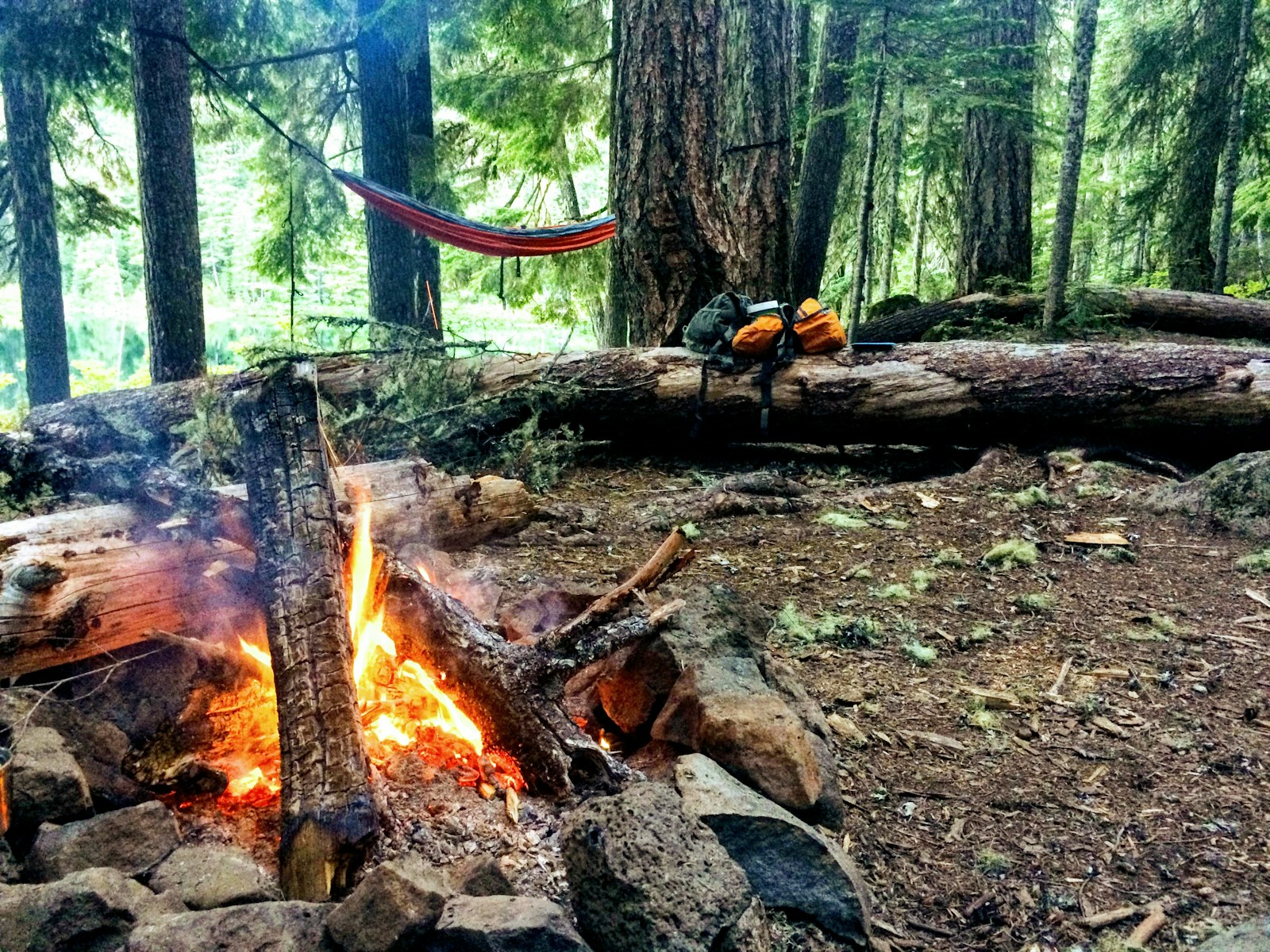
Impatient hikers constantly try starting fires without gathering enough highly combustible tinder first. A massive pile of dry grass and thin bark shavings is necessary to create a sustainable initial flame. People usually underestimate how quickly this foundational layer burns away in cold environments. Striking a spark onto damp leaves completely wastes precious energy and ruins delicate starting tools. Survival experts recommend collecting three times more tinder than seems practically necessary before ever attempting ignition. This careful preparation guarantees that the crucial first sparks instantly catch and spread rapidly into the larger kindling pieces waiting nearby.
Using Damp Wood
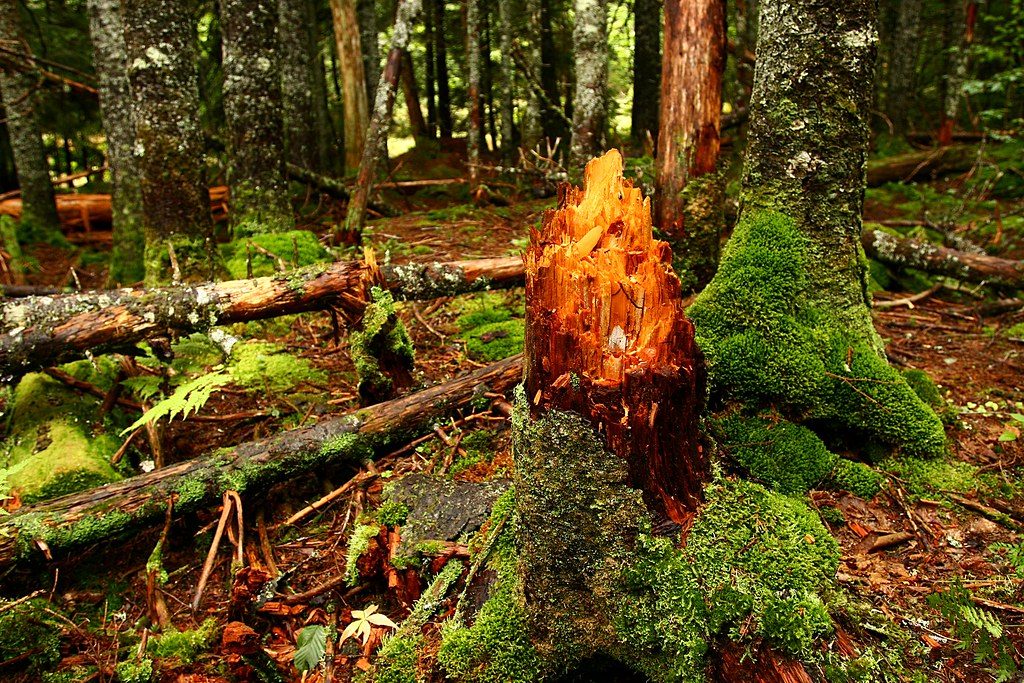
Collecting branches directly off the damp forest floor represents a massive mistake for amateur campers. Soil moisture aggressively seeps into fallen logs and prevents them from catching fire properly. Wet wood produces tremendous amounts of thick, blinding smoke instead of generating vital radiant heat. Successful fire builders always search for dead branches suspended in the lower canopy or leaning against large rocks. Snapping a small twig should produce a sharp cracking sound that confirms the interior remains perfectly dry. Taking extra time to find proper fuel prevents endless frustration while battling the harsh cold wilderness elements.
Smothering The Flames
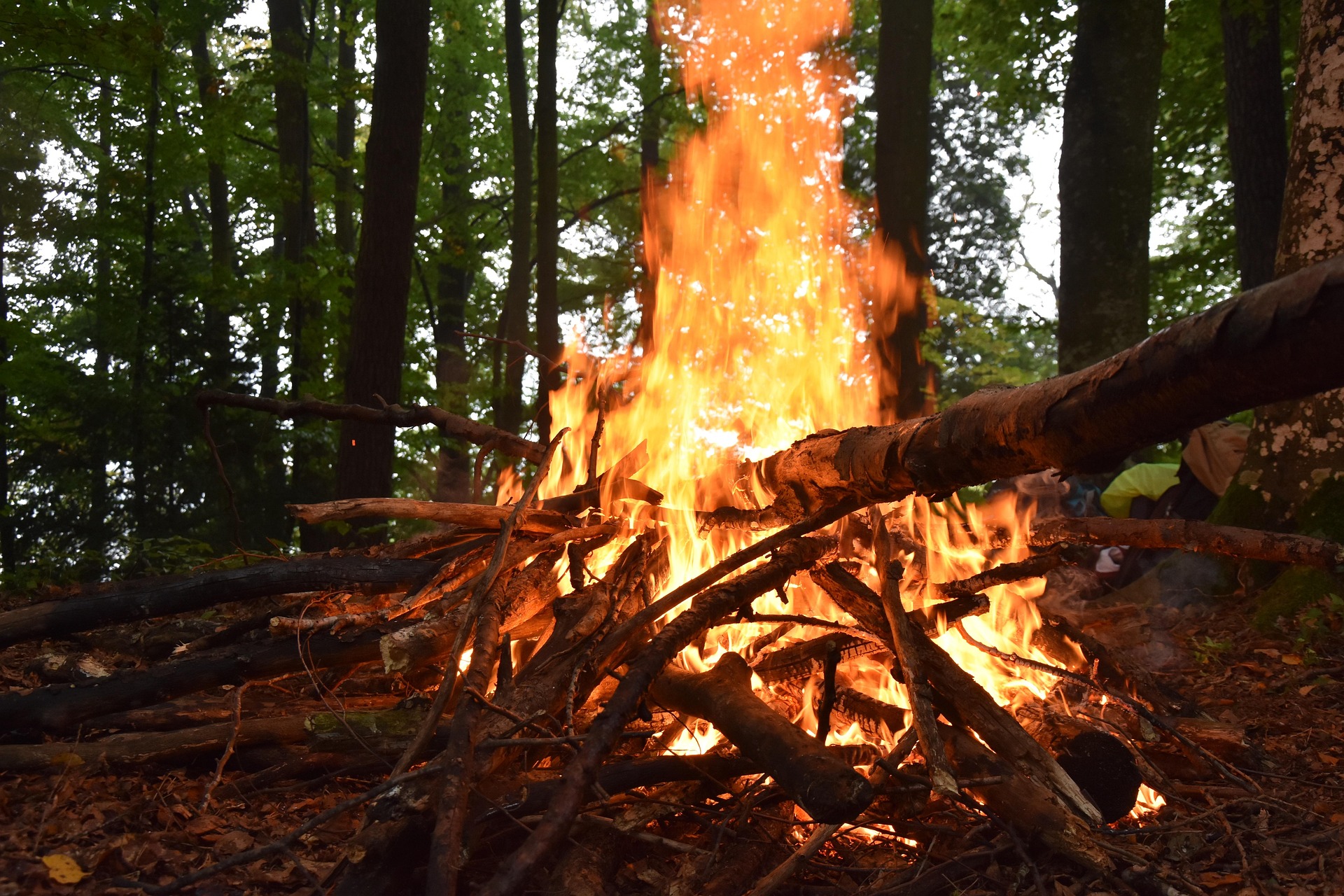
Adding too much heavy wood simultaneously will immediately crush a fragile new fire. Early flames require constant oxygen circulation to survive their vulnerable initial stages. Novice adventurers frequently panic and dump massive logs directly onto tiny burning twigs. This aggressive action suffocates the heat source and completely blocks vital air currents from reaching the glowing coals. Building a gradual teepee structure allows oxygen to flow freely while supporting the growing blaze. Patience remains the most important tool when feeding fresh fuel to a developing campfire. The flames need adequate breathing room to mature into a roaring heat source.
Ignoring Ground Preparation
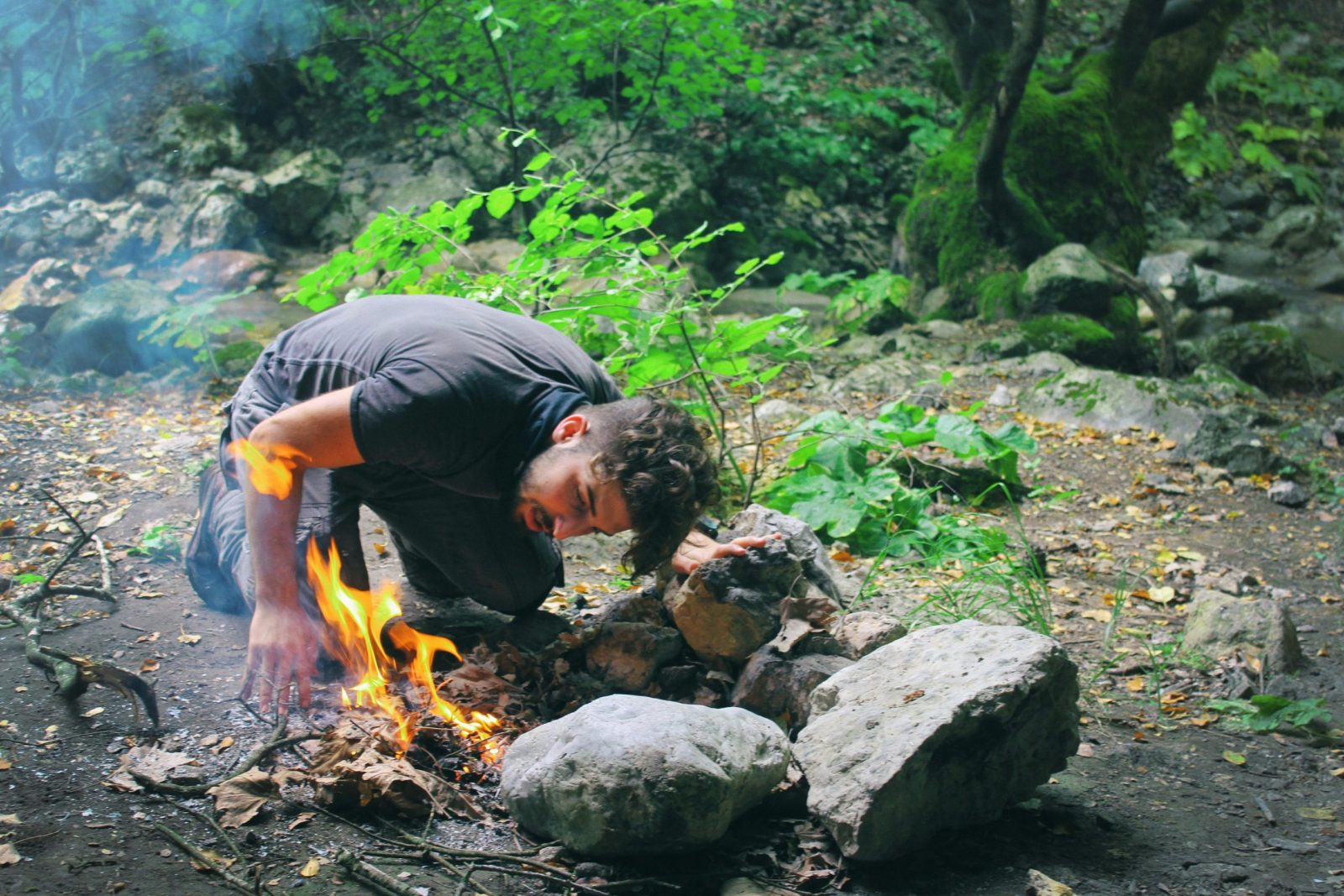
Building a fire directly on wet snow or damp soil guarantees a frustrating wilderness experience. The freezing ground rapidly absorbs all the generated heat and extinguishes the tiny embers almost instantly. Creating an elevated platform using thick pieces of dry tree bark solves this incredibly common problem completely. Establishing a solid foundation keeps the delicate tinder safe from the frozen earth beneath it. Clearing away dead leaves and exposed pine needles also prevents accidental brush fires from spreading into the surrounding forest. Proper site management ensures a safe environment for the flames to grow strong and provide lasting warmth.
Relying On A Single Lighter

Trusting one cheap plastic lighter to secure personal survival remains an extremely dangerous gamble outdoors. Mechanical devices frequently fail when exposed to freezing temperatures or unexpected heavy rainfall. Dropping a solitary lighter against hard river rocks instantly destroys the fragile internal fuel tank. Smart hikers always pack multiple reliable ignition sources in different waterproof compartments across their gear bags. Carrying waterproof matches alongside a durable magnesium striker guarantees a dependable backup plan during severe weather conditions. Redundancy saves lives when primary tools break during an intense wilderness emergency. Preparing for equipment failure prevents disastrous nights in the cold woods.
Neglecting The Ember Core
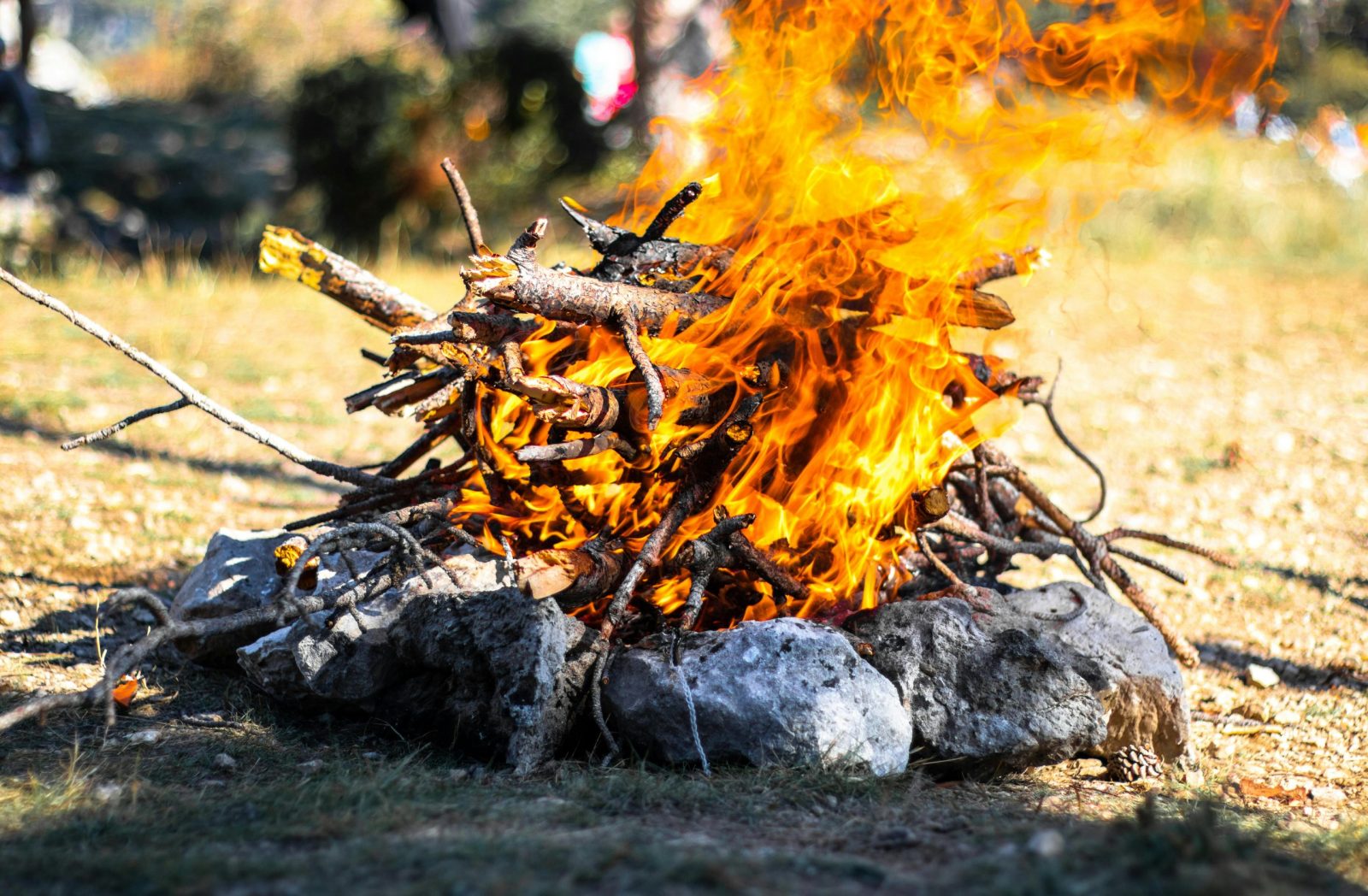
Failing to build a thick bed of glowing coals guarantees that any campfire will struggle throughout the night. Bright yellow flames look impressive but rarely radiate enough consistent heat to warm a freezing shelter. The deep red embers actually generate the intense thermal energy required for survival during harsh winter storms. People often let their fires burn down entirely instead of constantly feeding medium branches to establish a solid core. Raking these hot coals together concentrates their immense power and keeps the camp incredibly warm. Proper maintenance transforms a temporary blaze into a permanent nighttime heating solution.