
Many beginners underestimate the physical demands of serious outdoor hiking. Identifying the seven signs someone is not ready for the trail prevents dangerous emergencies in remote wilderness areas. Nature requires immense respect and careful preparation before anyone steps onto a rugged path. Inexperienced hikers often ignore crucial warning signals regarding their physical fitness and equipment choices. Venturing into deep forests without proper knowledge invites severe injuries and frustrating rescue operations. Recognizing personal limits ensures a safe and highly enjoyable outdoor experience for everyone involved. Honest self-assessment remains the absolute best survival tool any adventurer can carry outside.
Ignoring Essential Survival Gear
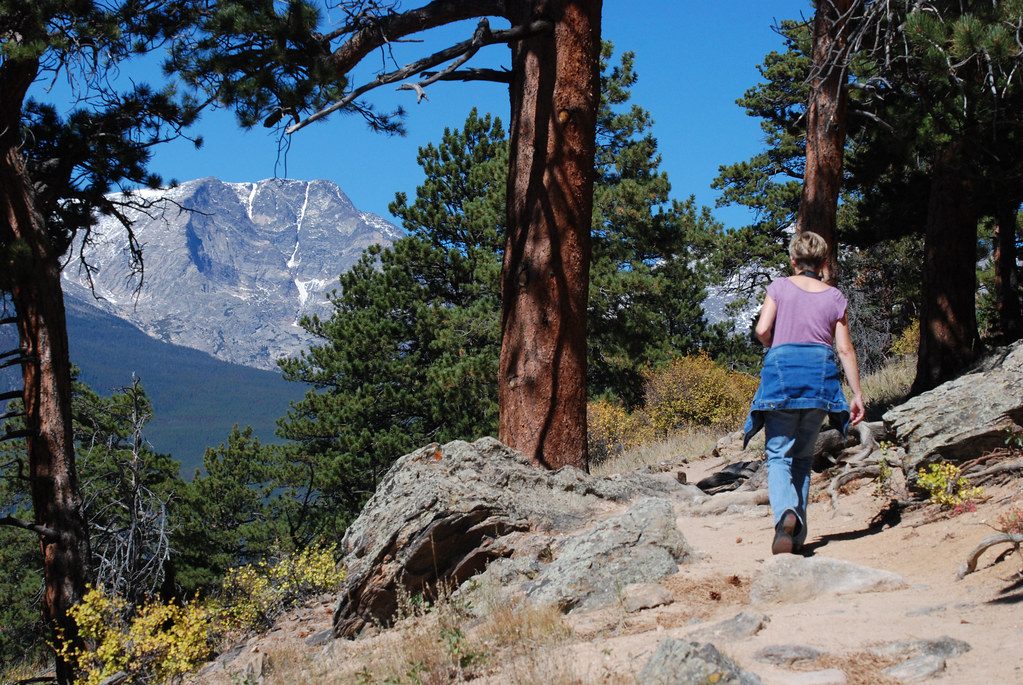
Packing only snacks and water reveals a dangerous lack of foresight. True wilderness excursions require specialized survival tools designed for emergencies. Every backpack should contain a reliable fire starter and a quality folding knife. Leaving a medical first aid kit at home practically guarantees a minor scrape will become a major infection. Novices frequently assume beautiful weather will last forever and completely ignore carrying waterproof layers. Trusting a cell phone flashlight instead of packing a high-lumen headlamp always ends in absolute darkness. Refusing to carry dependable gear clearly demonstrates a critical misunderstanding of unpredictable natural environments.
Wearing Inappropriate Footwear

Attempting a rugged mountain climb in basic athletic sneakers guarantees miserable foot pain. Street shoes lack the stiff shanks and deep lugs necessary to grip loose dirt safely. Hikers slipping on steep, muddy inclines usually wear cheap trainers instead of sturdy hiking boots. Blisters form rapidly when damp cotton socks rub against soft mesh fabrics all day long. Proper ankle support prevents devastating sprains when stepping over slick roots and hidden stones. Investing in specialized outdoor footwear remains a mandatory step before tackling any serious elevation gain. Bad shoes ruin beautiful long wilderness adventures faster than anything else imaginable.
Relying Only on Digital Maps
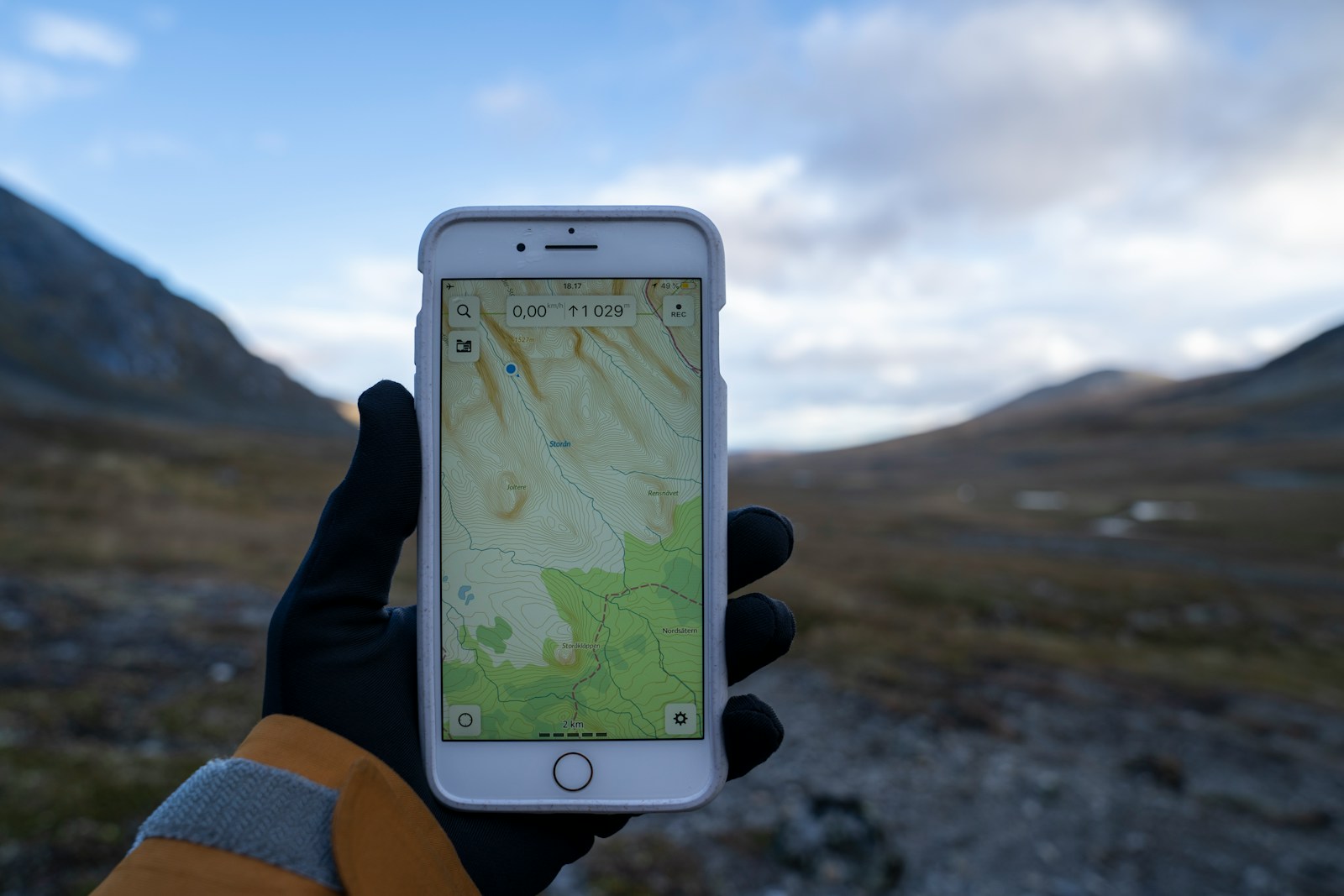
Cellular service disappears incredibly fast once an individual wanders away from major highways. Depending entirely on a smartphone application for navigation constitutes a massive safety risk outdoors. Batteries drain extremely quickly when phones constantly search for weak satellite signals under dense tree canopies. Freezing temperatures also cause lithium batteries to shut down without any prior warning. A competent outdoor enthusiast always carries a physical topographic map and a reliable magnetic compass. Learning basic orienteering skills ensures safe passage back to civilization when modern digital electronics inevitably fail inside a remote valley. Technology complements traditional navigation perfectly, but never replaces it.
Underestimating Required Hydration Levels
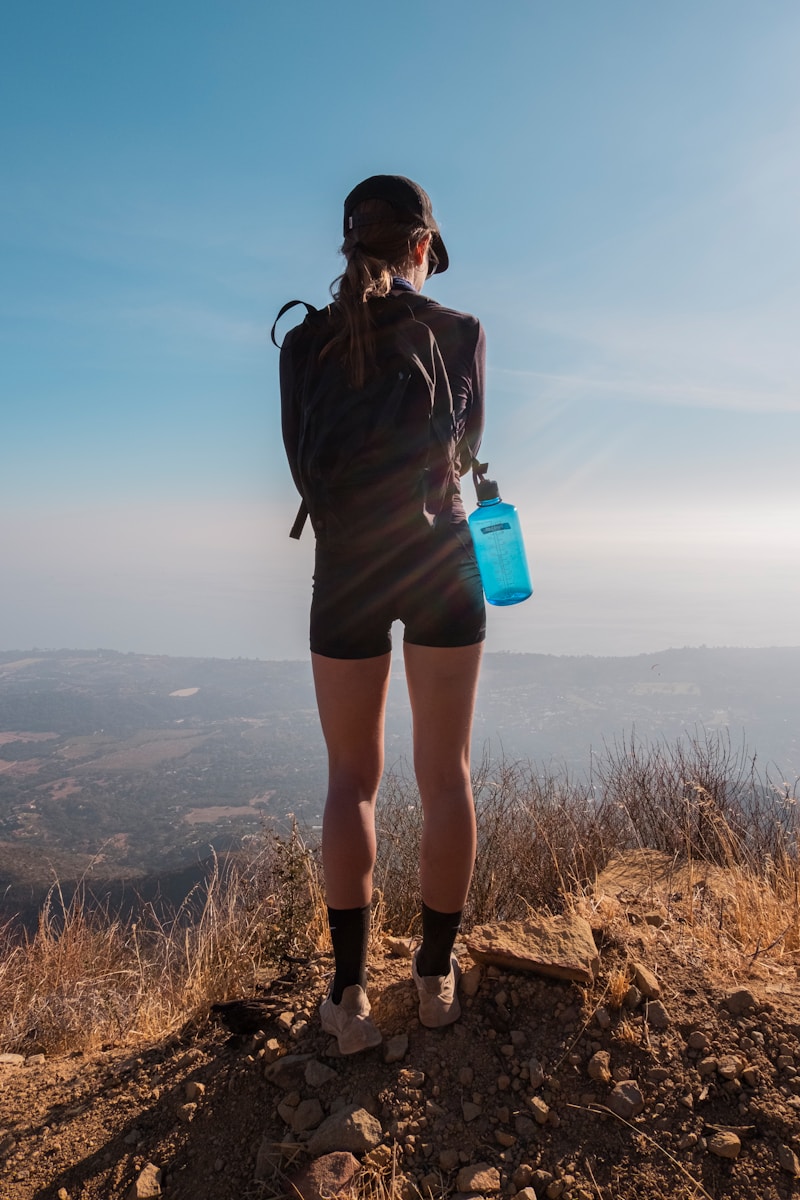
Bringing a single plastic bottle of water on a ten-mile hike borders on complete negligence. The human body expends massive amounts of moisture through heavy sweating and rapid breathing during intense physical exertion. Most beginners fail to realize how quickly dehydration destroys muscle performance and mental clarity. Drinking untreated river water out of sheer desperation introduces dangerous parasites that cause severe stomach illnesses. Carrying a dedicated hydration bladder and lightweight mechanical water filters guarantees a continuous supply of safe fluids. Thirst alone provides a very poor indicator of actual bodily hydration needs during a strenuous climb up steep terrain.
Failing to Research the Route

Heading into a dense forest without reading current trail reports creates a highly dangerous scenario immediately. Paths frequently wash out during heavy spring storms and leave enormous, dangerous, impassable gaps. Ignorant hikers often stumble upon aggressive wildlife because they skipped reading local park warnings entirely. Estimating travel time based purely on total mileage ignores crucial elevation changes that drastically slow walking speed. An unprepared individual easily gets trapped on a dark mountain when a supposedly easy loop takes twice as long. Studying recent topographic updates and consulting local rangers prevents terrifying overnight stays in completely unfamiliar mountain territory.
Ignoring Personal Physical Limitations
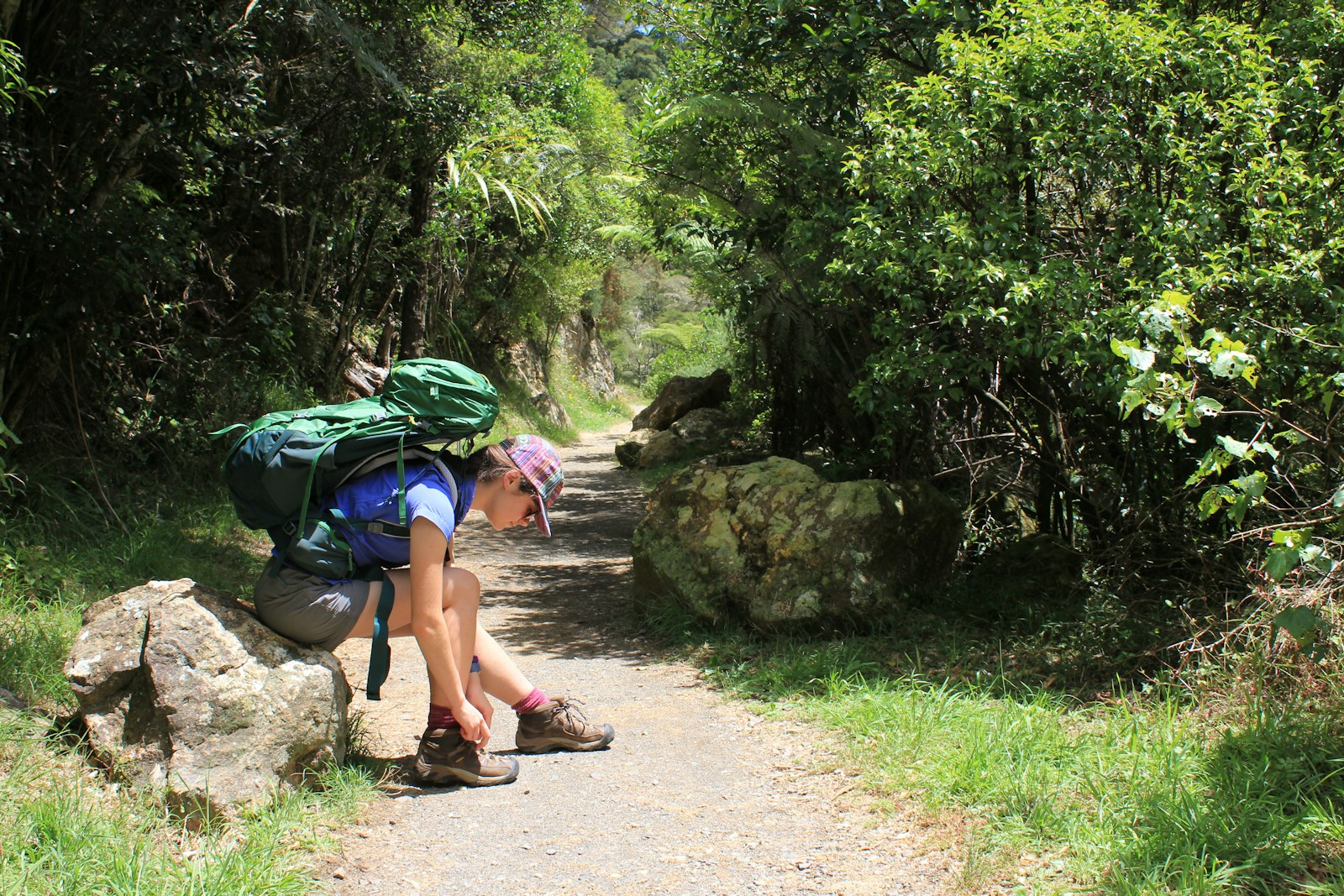
Pushing past extreme physical exhaustion guarantees an ugly medical emergency very far away from professional help. Office workers cannot instantly transition into elite mountain climbers during a single weekend getaway. Muscles cramp violently when forced to endure unaccustomed strain for several consecutive hours. Ignoring sharp joint pain destroys knees and ankles before the return trip even begins. A sensible explorer knows exactly when to abandon a distant summit and safely turn around. Practicing rigorous honesty about personal fitness levels remains the absolute most important aspect of planning any challenging wilderness adventure in rugged outdoor terrain.
Overlooking Basic Weather Forecasts

Mountain weather changes from bright sunshine to a freezing blizzard within mere minutes. Stepping onto a trail without thoroughly checking local meteorological updates invites absolute disaster. Thunderstorms arrive incredibly fast during summer afternoons and expose hikers to deadly lightning strikes on open ridges. High winds easily push an unbalanced individual right off a narrow rocky ledge. Preparing for the absolute worst weather conditions guarantees a warm and secure return journey. Checking radar applications frequently at the trailhead provides a final layer of safety before disappearing into the wild. Respecting the sky always keeps outdoor enthusiasts alive and well.