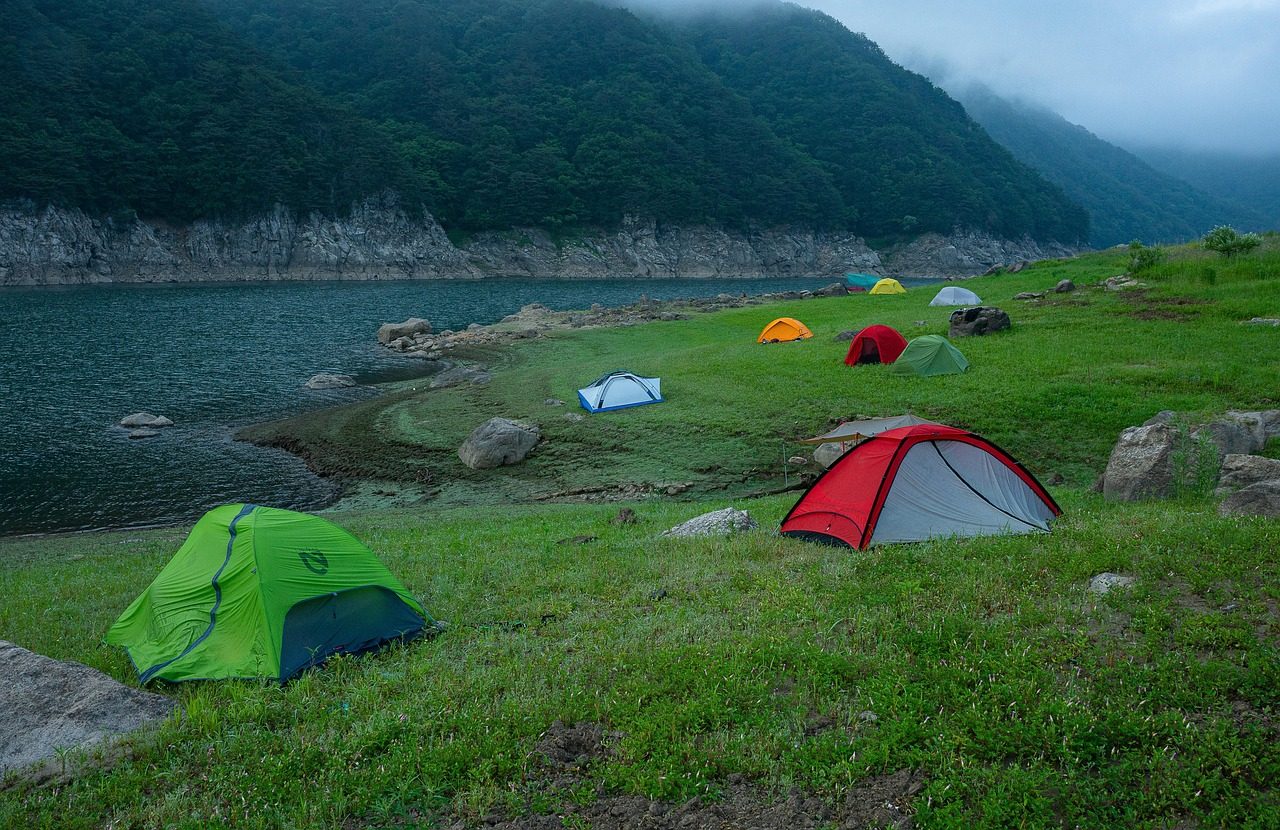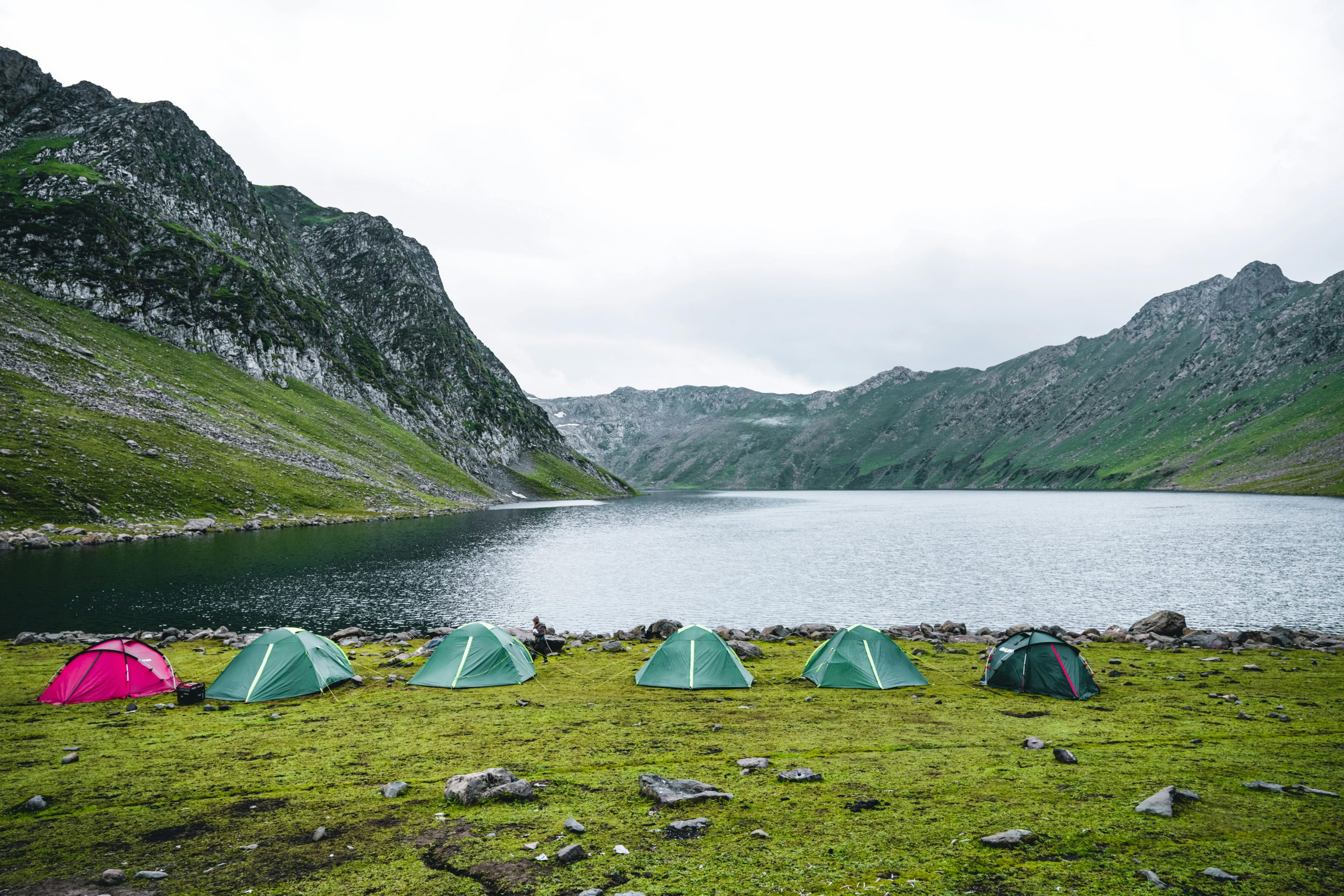
Camping beside water feels peaceful and convenient, which is why many people choose rivers, lakes, and streams without hesitation. The sound of flowing water and easy access for cooking and cleaning make these locations appealing. However, water sources create hidden risks that often outweigh the benefits. Many serious camping accidents occur near shorelines due to environmental changes, wildlife activity, and health hazards that are not immediately obvious. Water environments shift constantly and amplify small mistakes. Understanding why camping near water can be dangerous helps campers choose safer sites while still enjoying nature without unnecessary exposure to preventable risks.
1. Flash Flooding Happens Without Warning
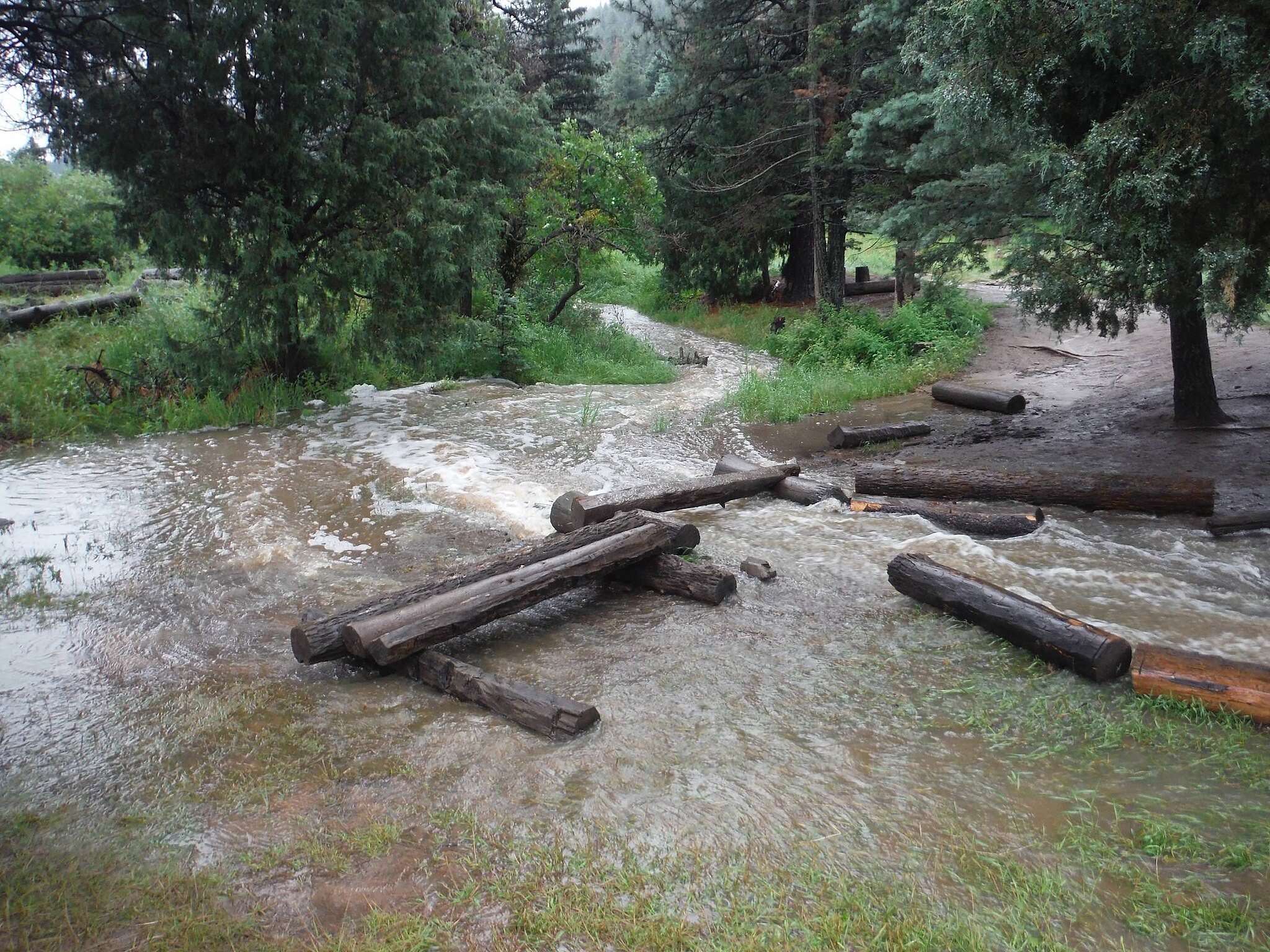
Flash floods are one of the most dangerous and unpredictable threats near water. Rainfall miles upstream can cause water levels to rise rapidly, even if the sky above your campsite is clear. Rivers and dry streambeds can turn violent within minutes, sweeping away tents, gear, and people. Campers often underestimate how fast water moves once it begins to surge. Sleeping near water reduces reaction time and escape options. Elevated ground offers far more safety. Flash floods account for many outdoor fatalities each year and frequently catch experienced campers off guard due to their sudden nature.
2. Increased Wildlife Activity Near Water Sources
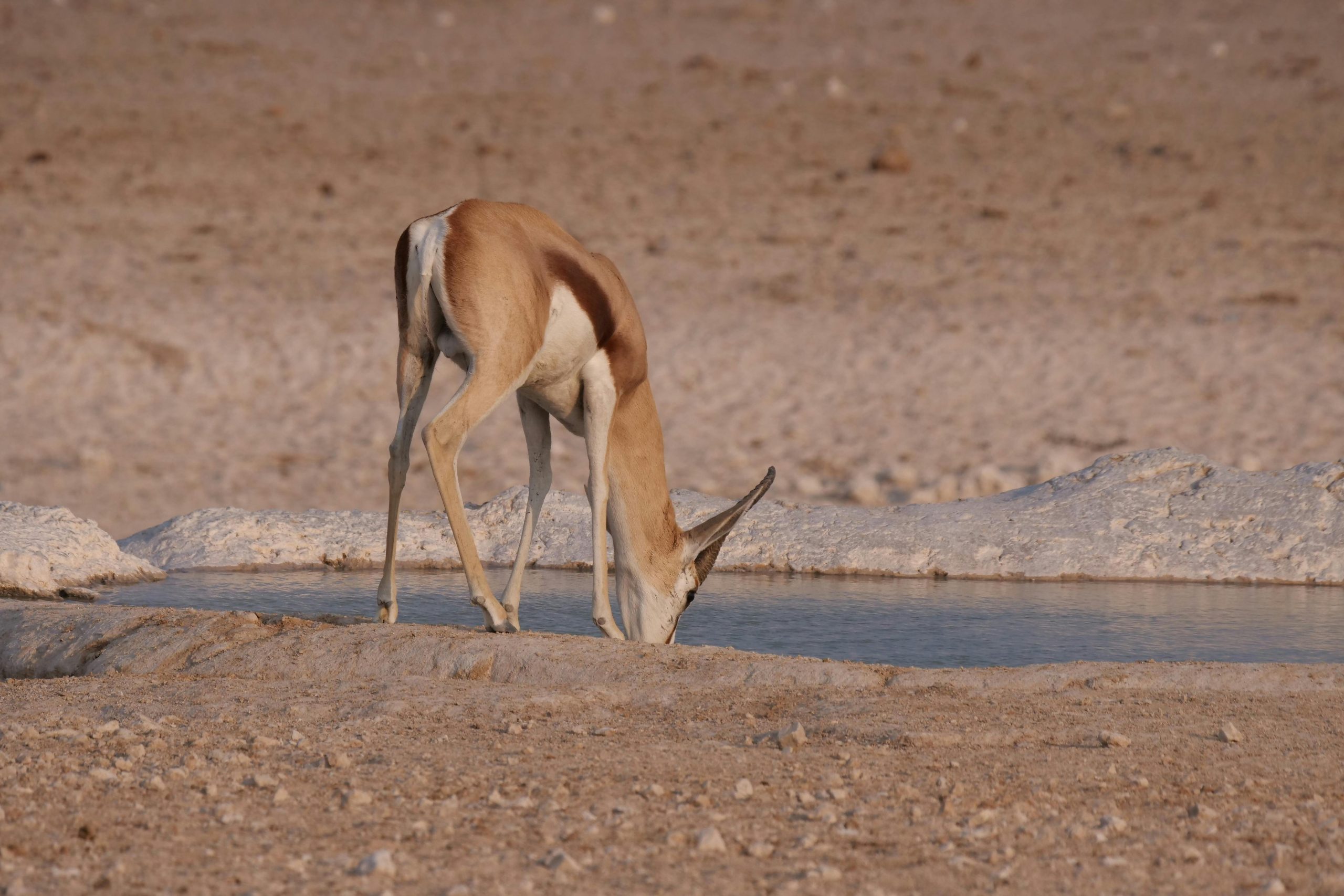
Animals depend on water for survival, which makes shorelines natural gathering points. Camping near water increases encounters with wildlife, especially at night. Large animals approach quietly, while smaller animals raid food and supplies. Predators often follow prey trails along rivers and lakes. These encounters become more dangerous when animals feel surprised or threatened. Food smells linger longer in humid environments, attracting attention from greater distances. Even normally shy wildlife can behave aggressively near water. Choosing campsites away from animal traffic corridors greatly reduces unexpected encounters and protects both campers and wildlife.
3. Mosquitoes and Insects Multiply Rapidly
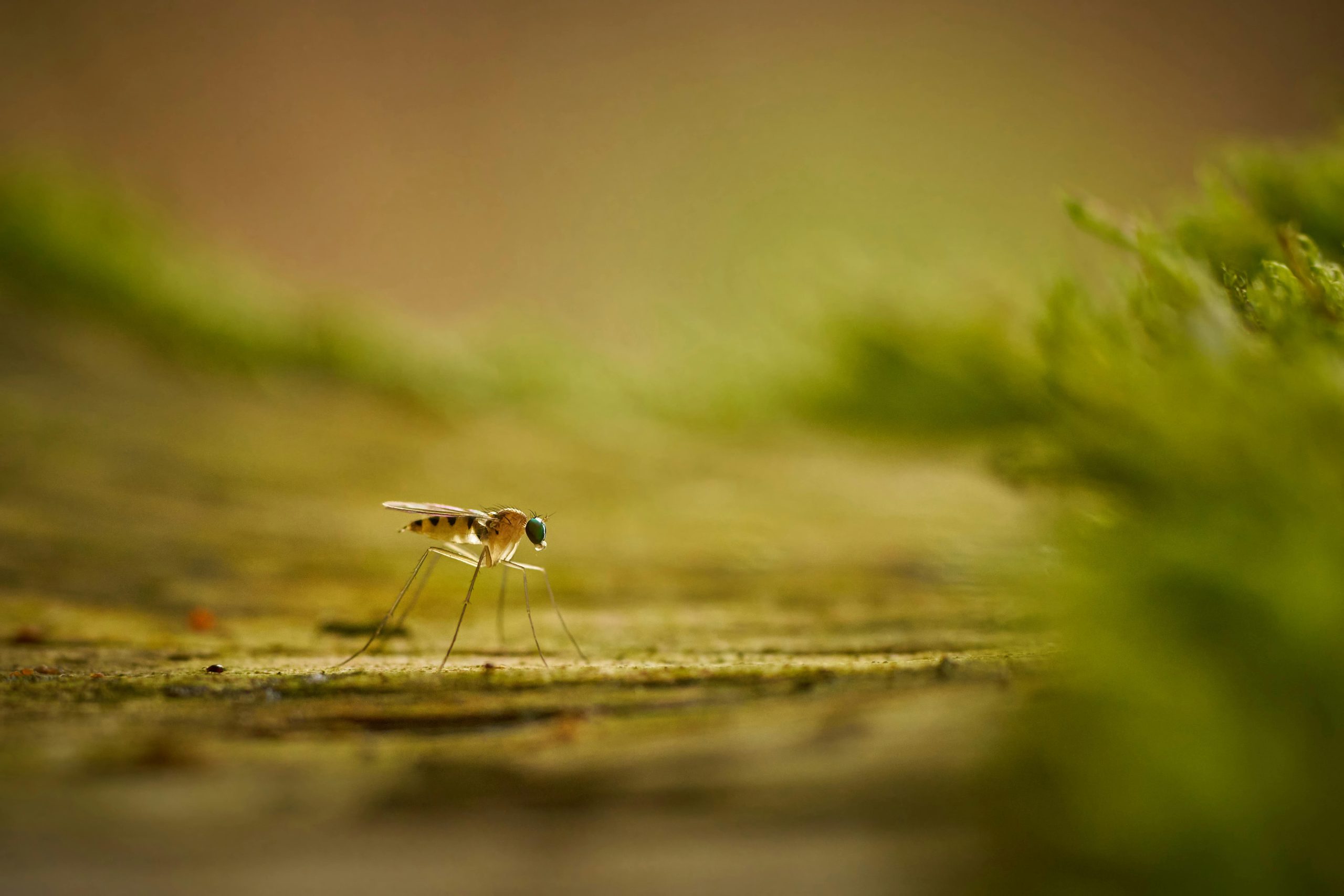
Standing and slow-moving water create ideal breeding conditions for mosquitoes and biting insects. Camps near water expose campers to constant irritation, poor sleep, and higher disease risk. Insects are most active at dawn and dusk, precisely when campers relax or prepare meals. Bug repellents offer limited relief in heavy infestations. Insects also attract predators like spiders and amphibians into camp areas. Continuous swatting leads to distraction and discomfort. Over multiple nights, insect exposure increases fatigue and stress. Camping farther from water significantly improves comfort and reduces health risks associated with bites.
4. Cold Air Settles Near Water at Night
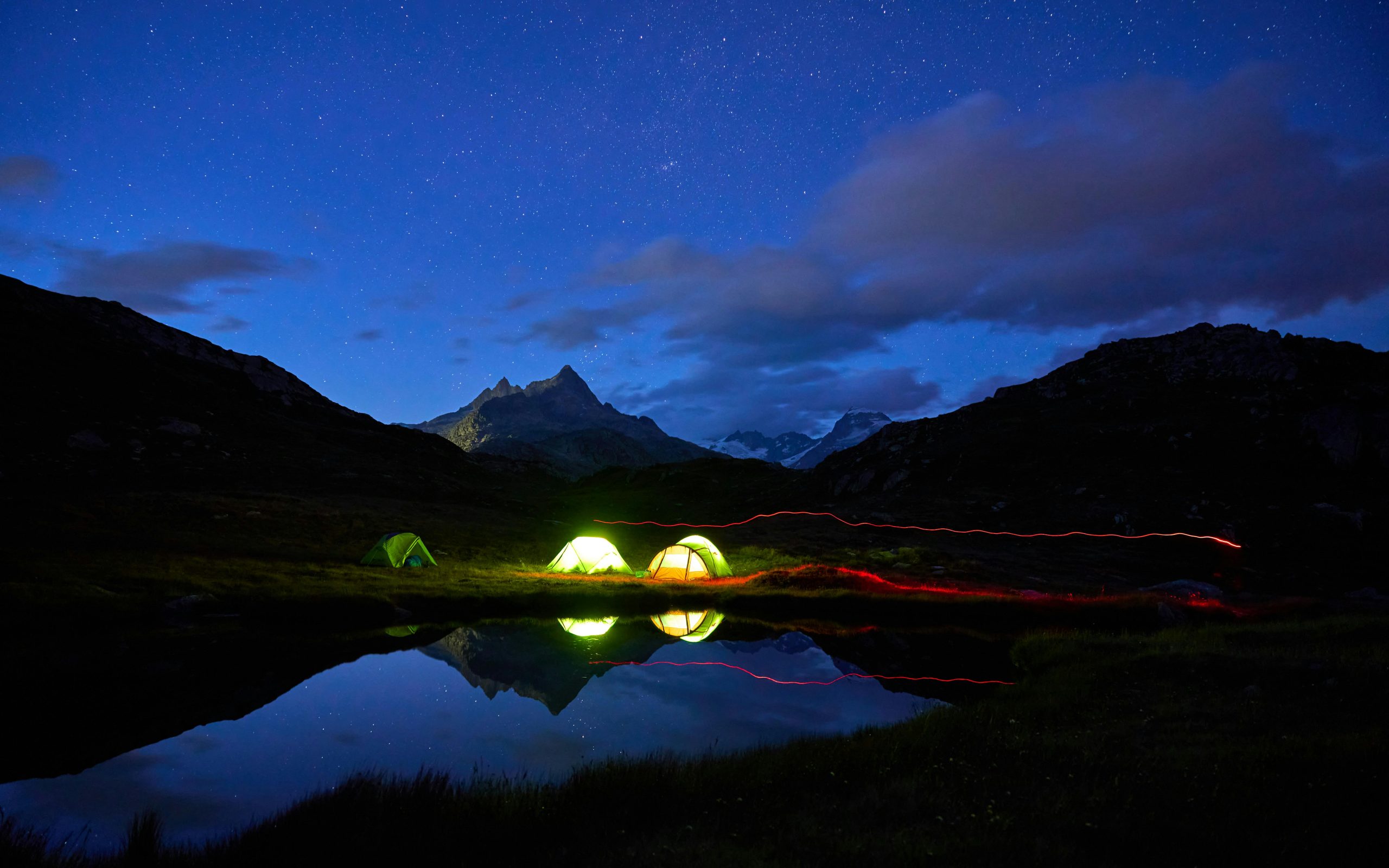
Water retains cold temperatures longer than land, causing air near water to cool rapidly after sunset. Cold air sinks and pools along shorelines, increasing overnight chill. Campers may experience damp clothing, condensation inside tents, and greater heat loss. This environment increases the risk of hypothermia, even in mild weather. Morning fog and moisture delay drying gear and clothing. Cold, wet conditions reduce sleep quality and energy levels. Setting camp on higher ground allows better airflow, warmer temperatures, and drier conditions throughout the night and early morning.
5. Soil Near Water Is Often Unstable
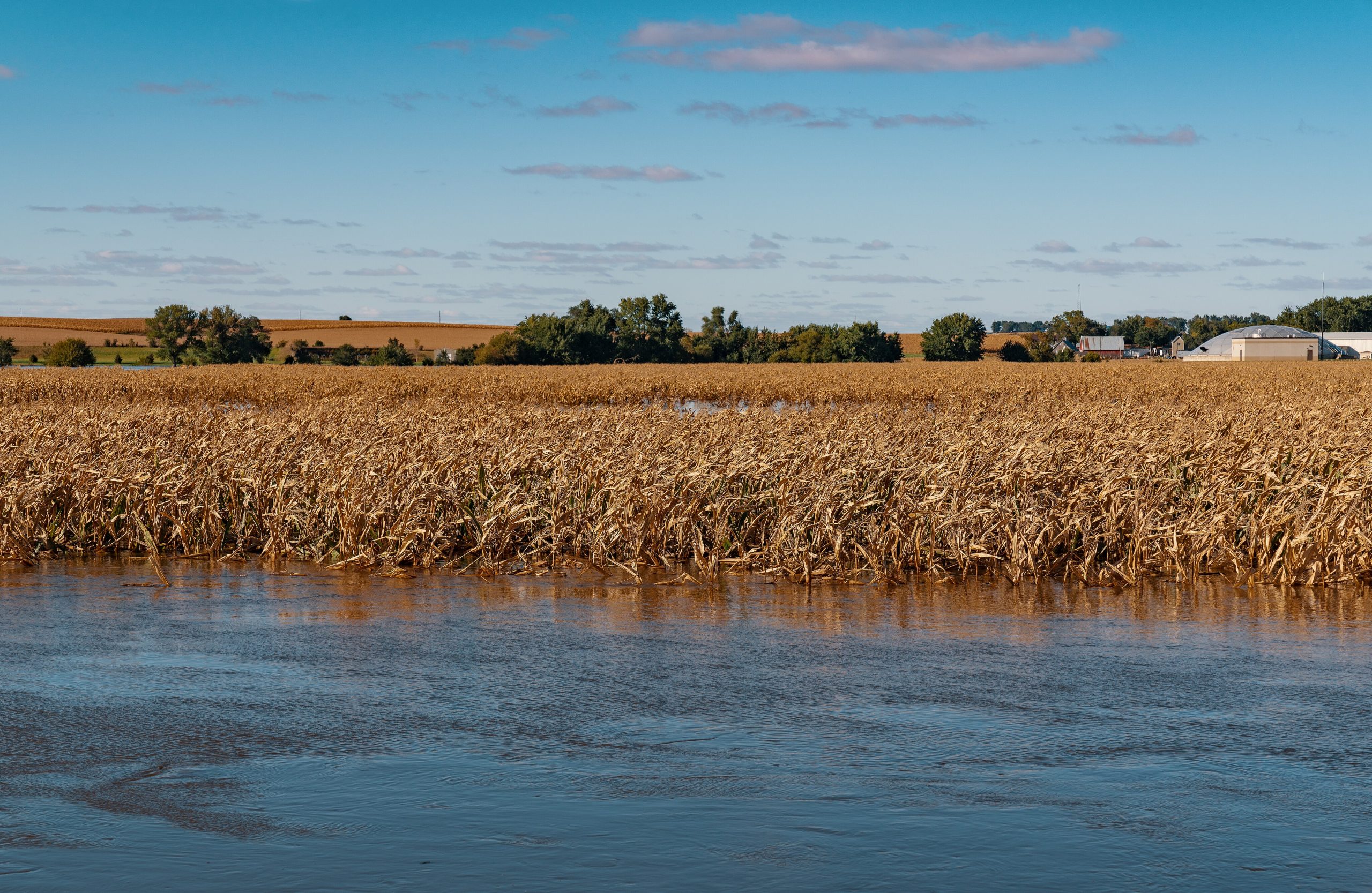
Ground near rivers and lakes is frequently soft, eroded, or uneven. Saturated soil shifts under weight and offers poor anchoring for tents and stakes. Campsites may collapse or sink overnight, damaging gear or causing injuries. Riverbanks can crumble without warning, especially after rain. Walking near unstable edges increases fall risk. Campfires built on damp soil burn unpredictably and may spread underground. Stable ground ensures safer footing, a reliable shelter setup, and better drainage. Dry, compact soil away from water provides a far more secure foundation for camp activities.
6. Water Amplifies Sound and Reduces Awareness
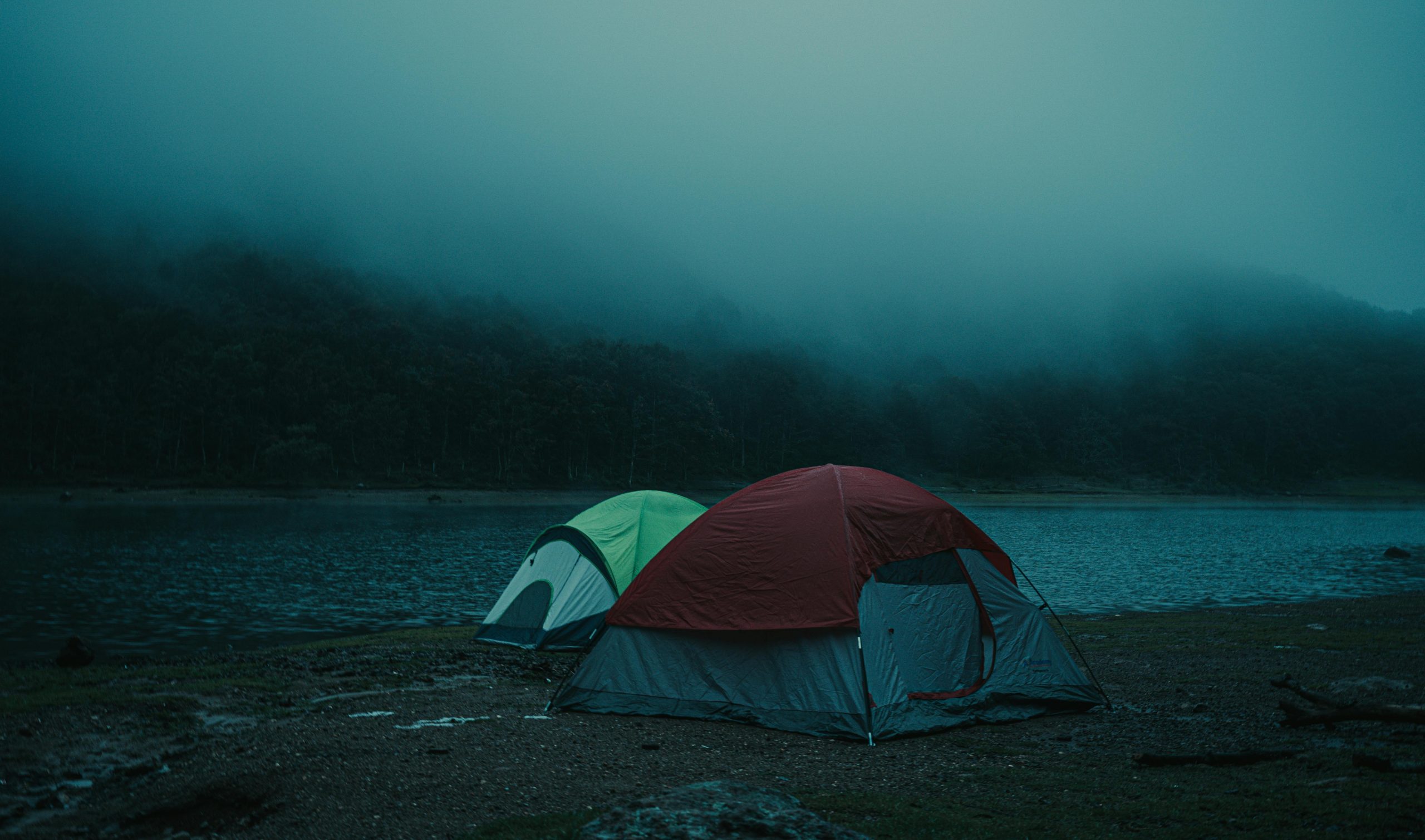
Flowing water masks important sounds, such as the approach of animals, changes in weather, or nearby people. Campers near water often miss auditory cues that signal danger. The constant noise can interfere with communication between group members, especially at night. Reduced awareness increases vulnerability during emergencies. Water reflections also distort light, making it harder to judge distance and movement. Campers may fail to notice rising water levels until it is too late. Quieter environments away from water improve situational awareness and allow campers to respond more quickly to developing threats.
7. Contamination Risks Are Higher Than Expected
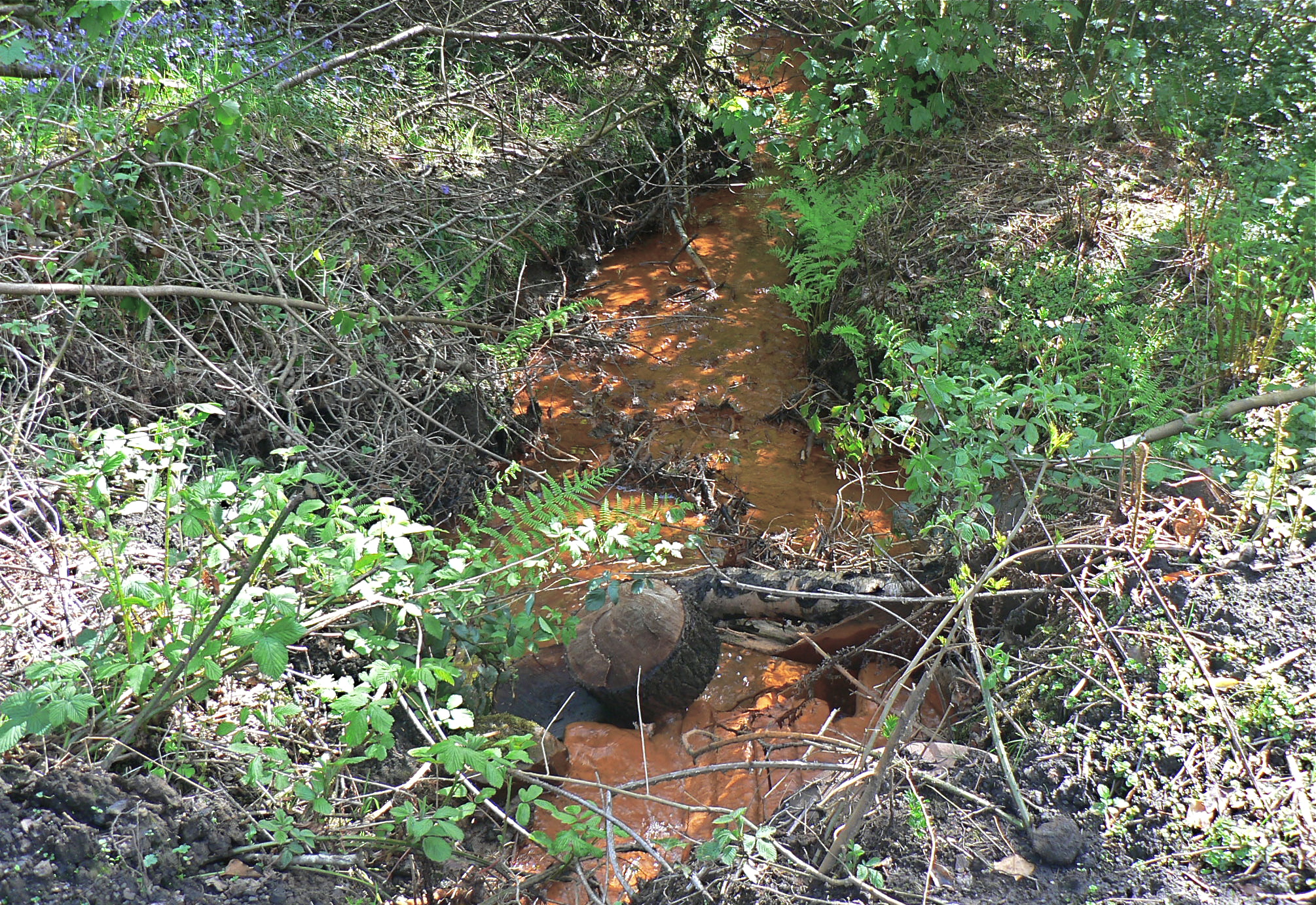
Many campers assume nearby water is safe or easily purified, but contamination is common. Upstream animal waste, decaying matter, and human activity introduce harmful bacteria and parasites. Even clear water may carry invisible pathogens. Accidental contact with contaminated water increases the risk of illness. Cooking and cleaning near water increases exposure through splashing and runoff. Flooding can spread pollutants into campsites. Relying too heavily on nearby water leads to false confidence. Carrying clean water and camping away from natural sources reduces health risks and improves overall camp hygiene.