
Glock has built its reputation on reliability, simplicity, and long-term consistency, which is why news of certain models being retired has created so much discussion among shooters. While it is not uncommon for firearm companies to phase out older designs, the reasons behind Glock’s decisions are tied to new manufacturing goals, shifting consumer expectations, and the company’s growing focus on future-ready technology. The following list explores the most significant factors driving these changes and what they mean for owners and future buyers.
1. Shifting Law Enforcement Procurement Trends

Many older Glock models were originally designed to meet law enforcement standards of the early 1990s and 2000s. Over time, agencies began requesting equipment that supports modern optics, improved ergonomics, and more adaptable accessory systems. As departments phase out legacy sidearms in favor of newer generations with enhanced performance, Glock has less incentive to maintain production of older frames. This gradual shift in contracts reduces demand and makes continuing production costly, especially for models that no longer match updated agency criteria.
2. Manufacturing Streamlining and Cost Efficiency

Glock operates on a production philosophy that favors efficiency, repeatability, and reduced complexity. Maintaining a long list of older frames, slides, and internal parts raises manufacturing costs and slows workflow. By eliminating models that sell in lower numbers, Glock consolidates machinery, simplifies parts sourcing, and improves assembly line speed. This strategy helps keep overall pricing stable for consumers while enabling the company to invest more heavily in new generation pistols with better features and stronger long-term sales potential.
3. Rise of Optic Ready Handgun Platforms

The rapid growth of pistol-mounted red dots has reshaped the defensive and competitive shooting market. Older Glock pistols were not designed with modular optics cuts, and retrofitting them is expensive and inefficient. Modern shooters expect slides that accept multiple optic footprints out of the box. Instead of redesigning outdated models, Glock is directing its attention toward newer platforms that integrate optic compatibility from the start. This ensures better performance, easier aftermarket support, and improved accuracy for everyday users.
4. Declining Civilian Market Demand for Legacy Frames

Consumer preferences move quickly in the firearms industry. Many civilian buyers now prefer pistols with enhanced grip textures, customizable backstraps, forward slide serrations, and improved internals. Legacy Glock models lack these refinements, making them less attractive compared to the latest generations or competing brands. When demand slows, production becomes less practical because it ties up factory space needed for high-demand products. This decline in civilian purchases is a major factor encouraging Glock to discontinue certain older pistols.
5. Focus on Expanding Modular and Hybrid Designs

Glock’s newer releases show a clear interest in modularity and adaptability, which reflects broader industry trends. Hybrid length designs, improved recoil systems, and cross-compatible parts have become central to Glock’s long-term development plans. Continuing to produce outdated models limits the company’s ability to shift resources toward these modern concepts. By retiring older pistols, Glock frees up capacity to develop and refine flexible platforms that appeal to both professional and recreational shooters seeking future-oriented features.
6. Pressure from Competitive Innovation in the Market
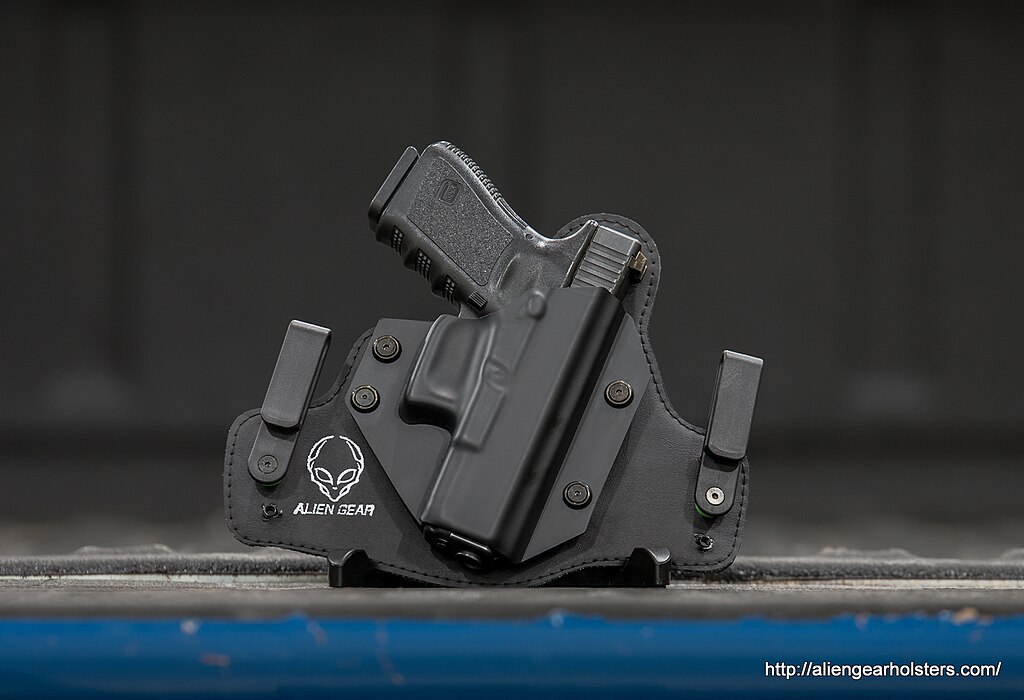
The handgun market has become far more competitive, with companies offering pistols that include improved triggers, enhanced ergonomics, and optics-ready slides as standard features. To remain a leading choice for new buyers, Glock must match or exceed these trends. Maintaining focus on older models that cannot compete with modern offerings puts the brand at a disadvantage. Ending production of outdated pistols allows Glock to redirect research and engineering efforts into models that better stand up to rapidly evolving industry standards.
7. Regulatory Changes Affecting International Distribution
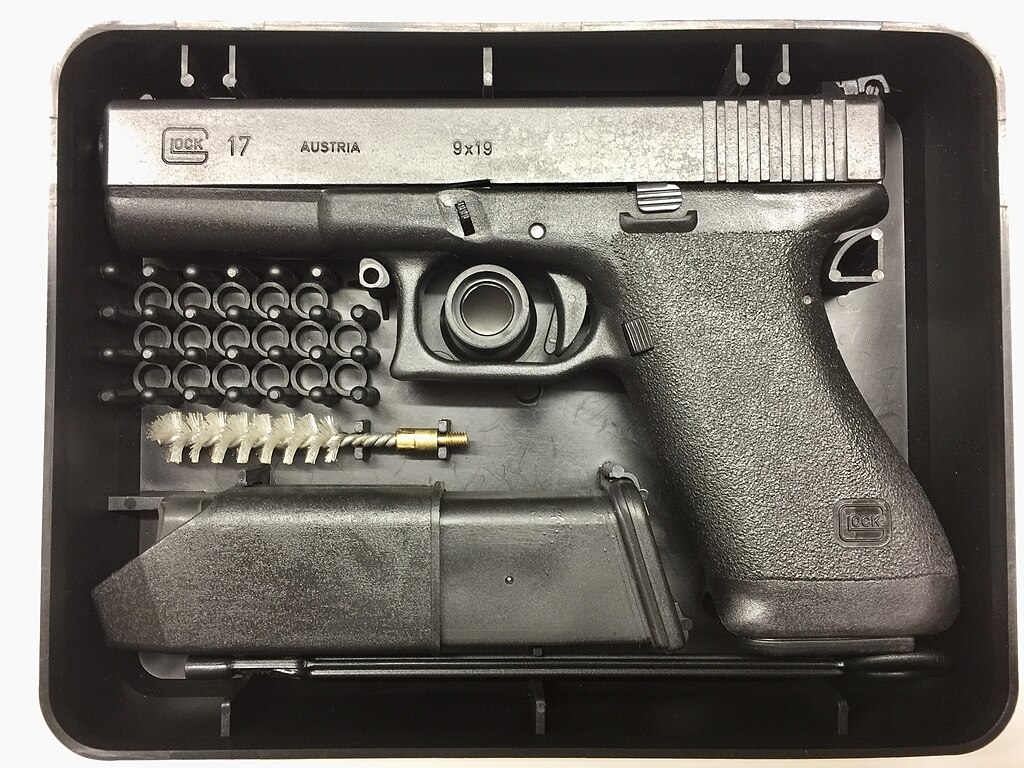
International laws surrounding firearm import, export, and civilian ownership have grown increasingly complex. Some older Glock models require additional certifications or modifications to meet regulations in specific regions. Updating these designs is expensive and often not worthwhile when sales volume is limited. Rather than navigating different regulatory hurdles for outdated pistols, Glock is choosing to focus on newer models that already comply with global requirements. This approach reduces legal complications and strengthens the company’s worldwide distribution strategy.