
Introducing bushcraft skills to children can create memorable outdoor experiences that build confidence, curiosity, and practical knowledge. Many families find that simple activities such as shelter building, navigation, and fire safety spark a sense of independence while remaining fully supervised and controlled. When taught in safe, low-risk environments, these skills help children understand nature’s patterns and develop problem-solving abilities without venturing into activities that require advanced expertise. Each technique works best when paired with clear guidance that emphasizes safety, awareness, and respect for the environment. These beginner-friendly bushcraft concepts allow kids to explore the outdoors in meaningful ways while learning foundational survival skills that can grow more advanced as they become older and more capable.
Basic Knot Tying
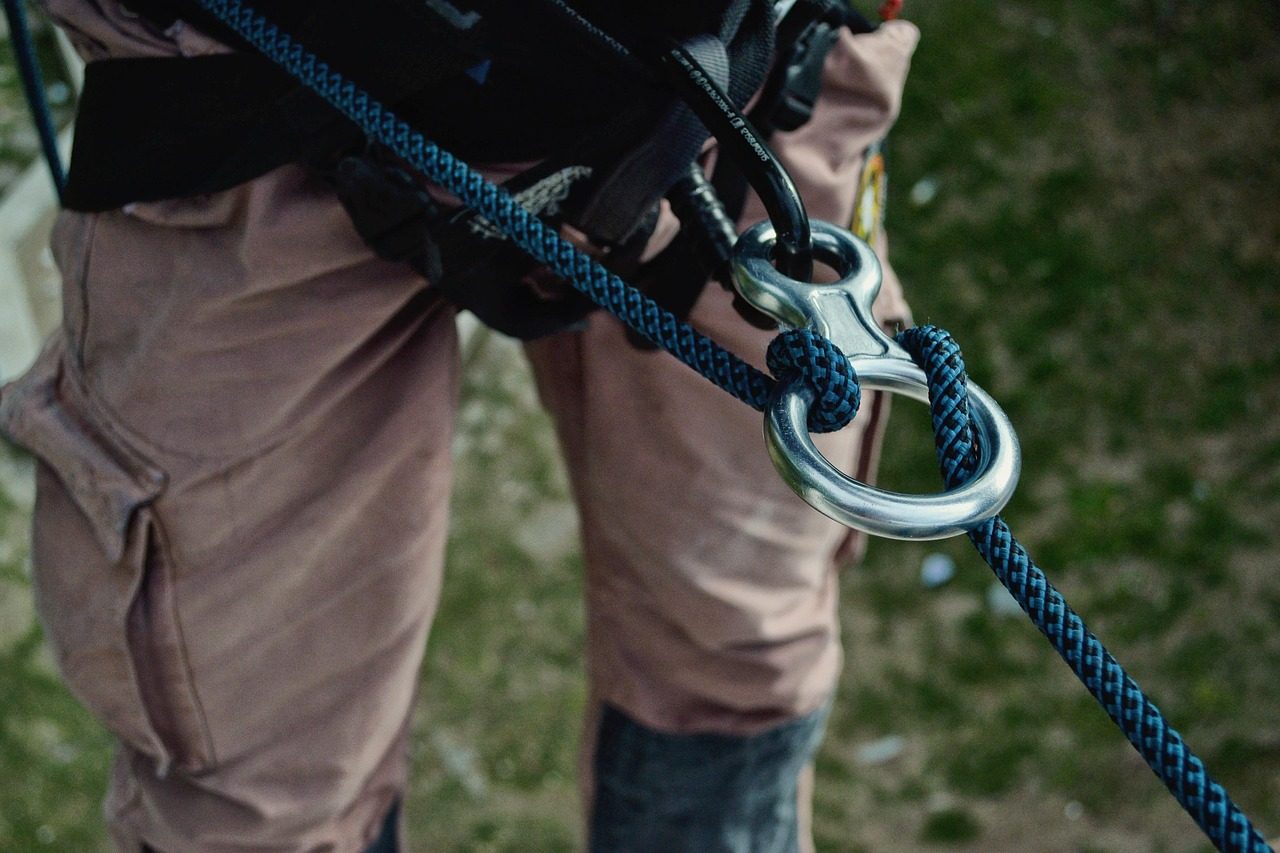
Basic knot tying introduces children to practical problem solving while helping them understand how simple rope techniques can support outdoor tasks. Families often start with easy knots such as the square knot, figure eight, or bowline, which teach structure and control without being overly complex. Practicing these knots encourages patience and coordination while providing a safe introduction to essential outdoor skills. When kids learn how knots hold weight or connect objects securely, they begin recognizing how gear works in real situations. This early exposure builds confidence and prepares them for more advanced skills later on, all within a supervised environment where safety and understanding come first.
Safe Shelter Building
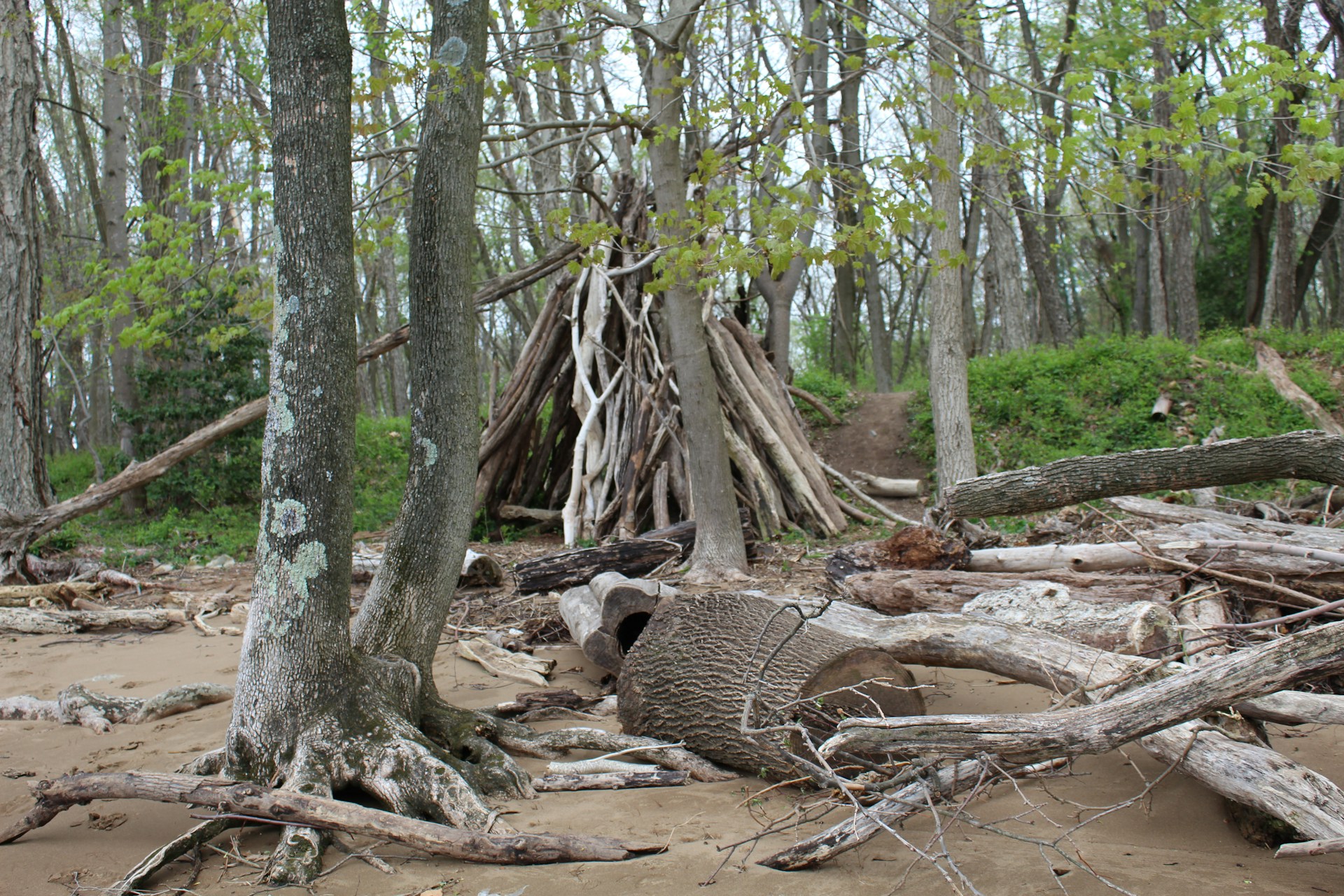
Safe shelter building offers a hands-on opportunity for children to combine imagination with practical learning. Using fallen branches, leaves, or simple tarps encourages them to think about weather, stability, and comfort while constructing small structures. Supervisors can guide them on selecting safe locations away from fragile plants or unstable trees and demonstrate how shelters should remain low to the ground to avoid collapse. This process teaches awareness of surroundings and introduces basic principles of outdoor preparedness. Kids often enjoy seeing their efforts transform into a functional space, reinforcing the value of teamwork and planning. These simple shelters remain safe because they rely on lightweight materials and teach foundational ideas rather than advanced construction methods.
Fire Safety Fundamentals
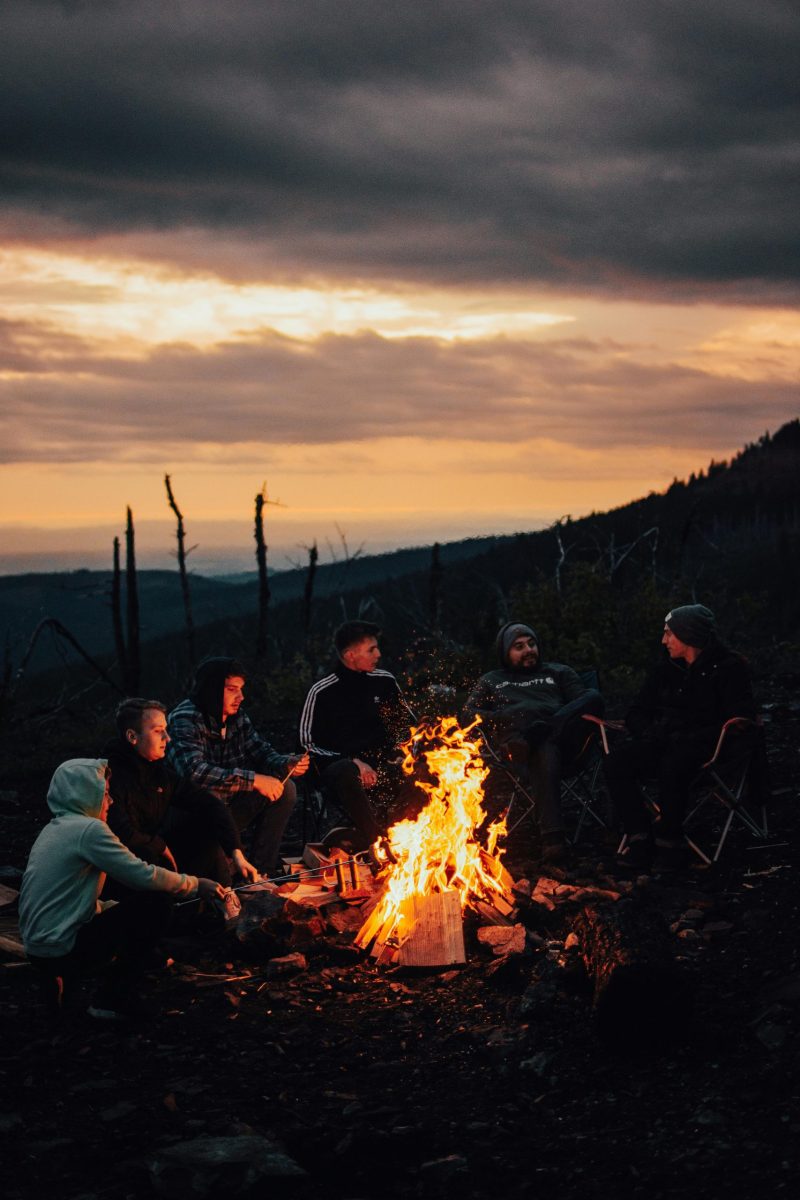
Fire safety fundamentals help children understand the importance of caution around flames without involving them directly in fire building. Lessons often start with demonstrating how heat, oxygen, and fuel interact while emphasizing safe distances and proper extinguisher techniques. Supervisors can show how a contained fire pit works and explain why clear surroundings prevent accidental spread. Kids may practice arranging non-flammable stones or identifying safe ground areas, giving them insight into responsible fire management. This controlled introduction reinforces respect for fire as a tool rather than a toy and provides essential safety habits that can support outdoor activities as they grow older.
Simple Navigation Skills

Simple navigation skills teach children how to read their surroundings and use basic tools such as compasses or simple landmark identification. These activities help them understand direction, spatial awareness, and how trails connect through forests or open landscapes. Supervisors can guide them in following marked paths or identifying features such as rivers or mountain outlines, encouraging observation and patience. Working with maps also introduces problem-solving by showing how symbols represent real terrain. These lessons build confidence and reduce anxiety about outdoor exploration, providing kids with early knowledge that becomes useful in more advanced navigation as they mature.
Basic Foraging Awareness
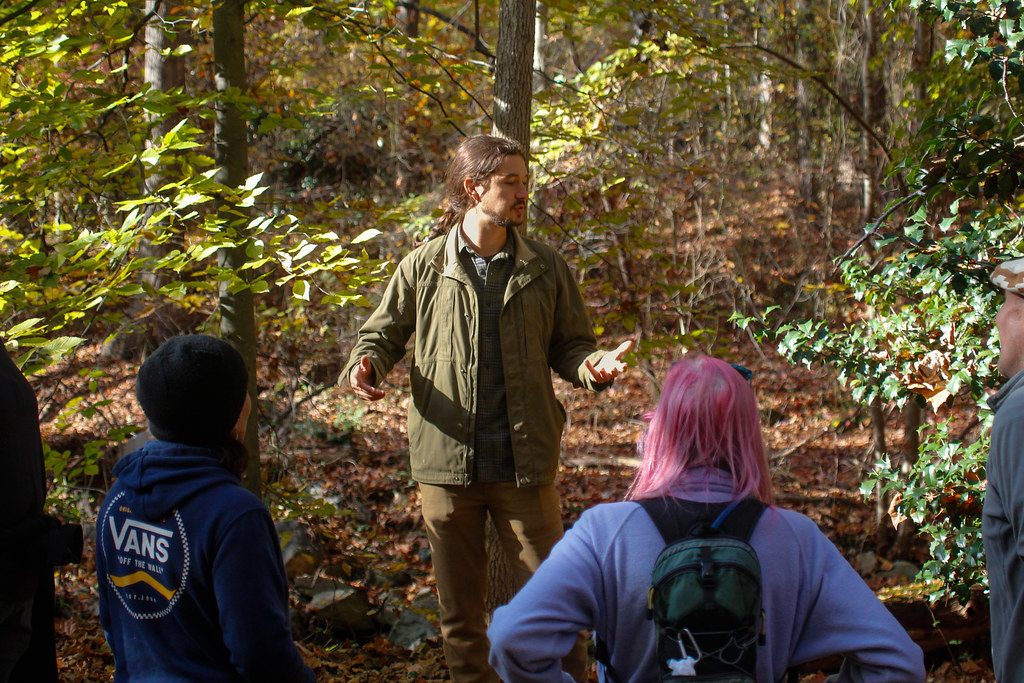
Basic foraging awareness teaches children to identify safe, common non-edible plants and understand which species should never be touched or eaten. This introductory level focuses on safety rather than consumption, helping kids recognize the importance of cautious behavior in natural environments. Supervisors can show examples of plants like poison ivy or nettles, explaining why these species require distance. Kids learn how ecosystems rely on every plant and why gathering without knowledge can be harmful. This activity strengthens respect for nature and provides valuable environmental education without exposing children to unnecessary risks associated with picking or tasting wild foods.
Whittling With Safety Controls
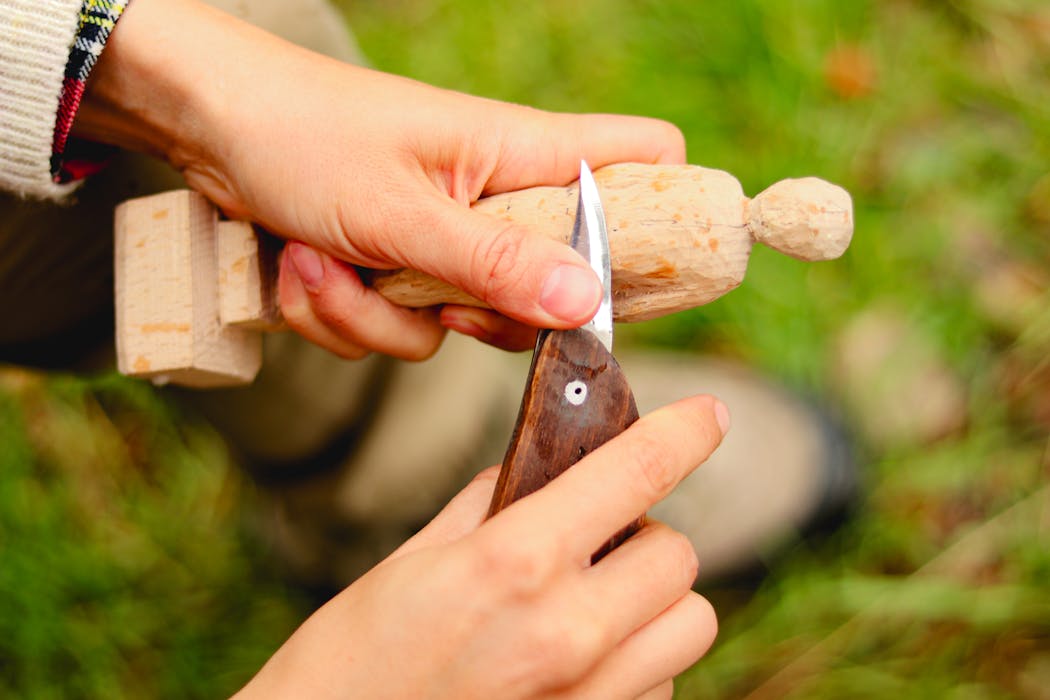
Whittling with safety controls introduces children to a classic outdoor craft while ensuring they use simple tools designed for beginners. Supervisors usually start with basic carving knives or blunt-edge tools and teach kids how to cut away from their body, maintain a stable footing, and use slow, deliberate motions. Soft woods make carving easier and reduce frustration, helping kids stay focused and relaxed. Once they understand tool handling, they can create small shapes or simple sticks that reinforce patience and fine motor skills. This controlled environment prevents accidents and transforms whittling into a rewarding activity that blends creativity with practical learning.
Building a Small Nature Observation Kit
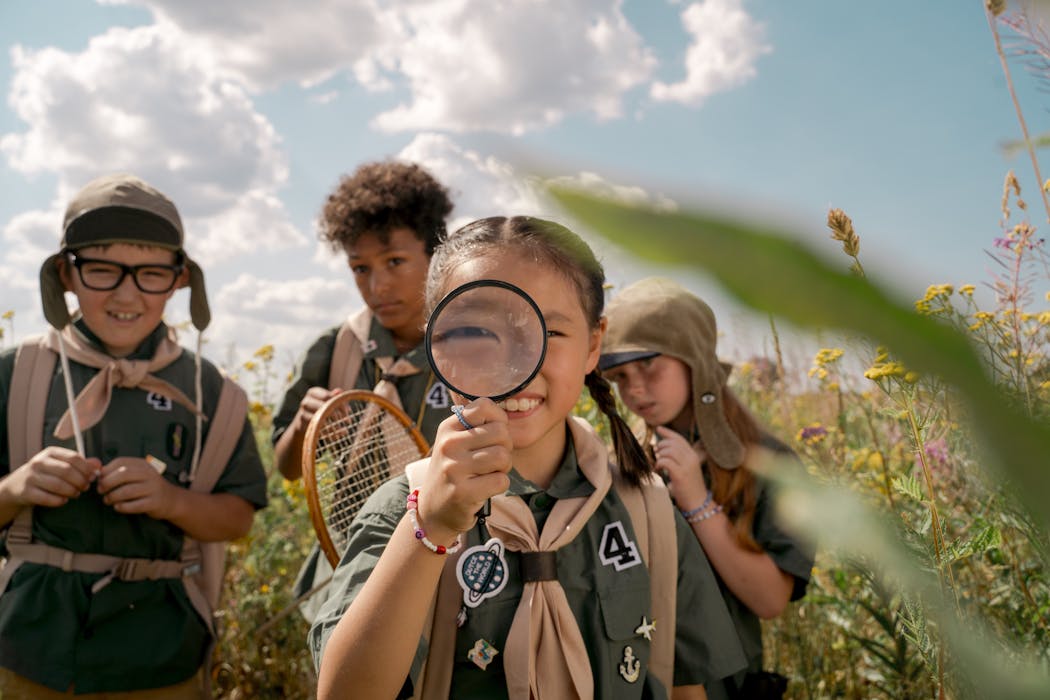
Building a small nature observation kit encourages children to explore wildlife safely while developing curiosity about the natural world. Items such as magnifying glasses, small notebooks, and collection jars for non-living materials support gentle discovery without disturbing ecosystems. Supervisors can guide kids in recording leaf shapes, insect behavior, or animal tracks, teaching them how scientists observe patterns outdoors. These simple tools help kids slow down and appreciate details while learning the value of careful stewardship. Observation kits foster curiosity, patience, and respect for the environment, creating a strong foundation for future outdoor learning and deeper engagement with nature.