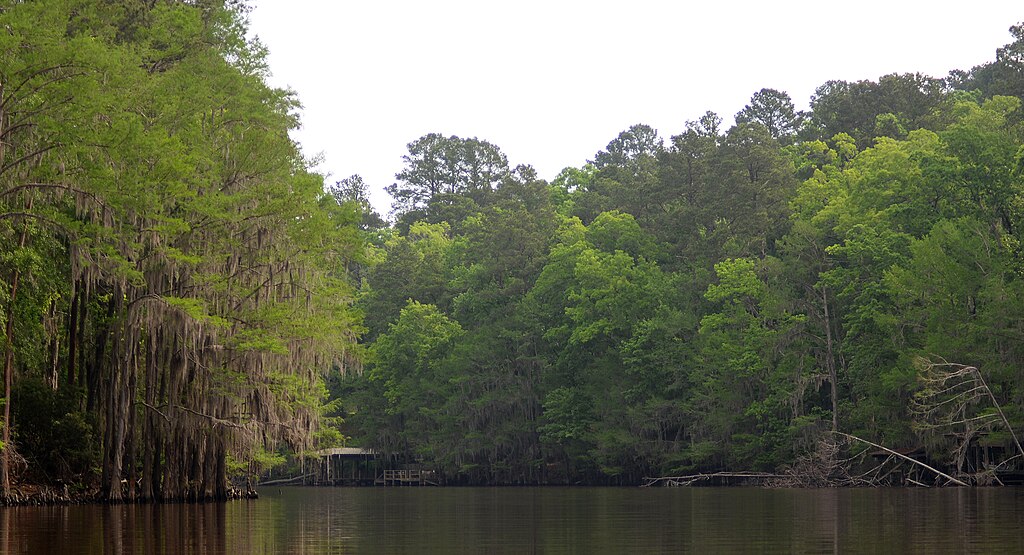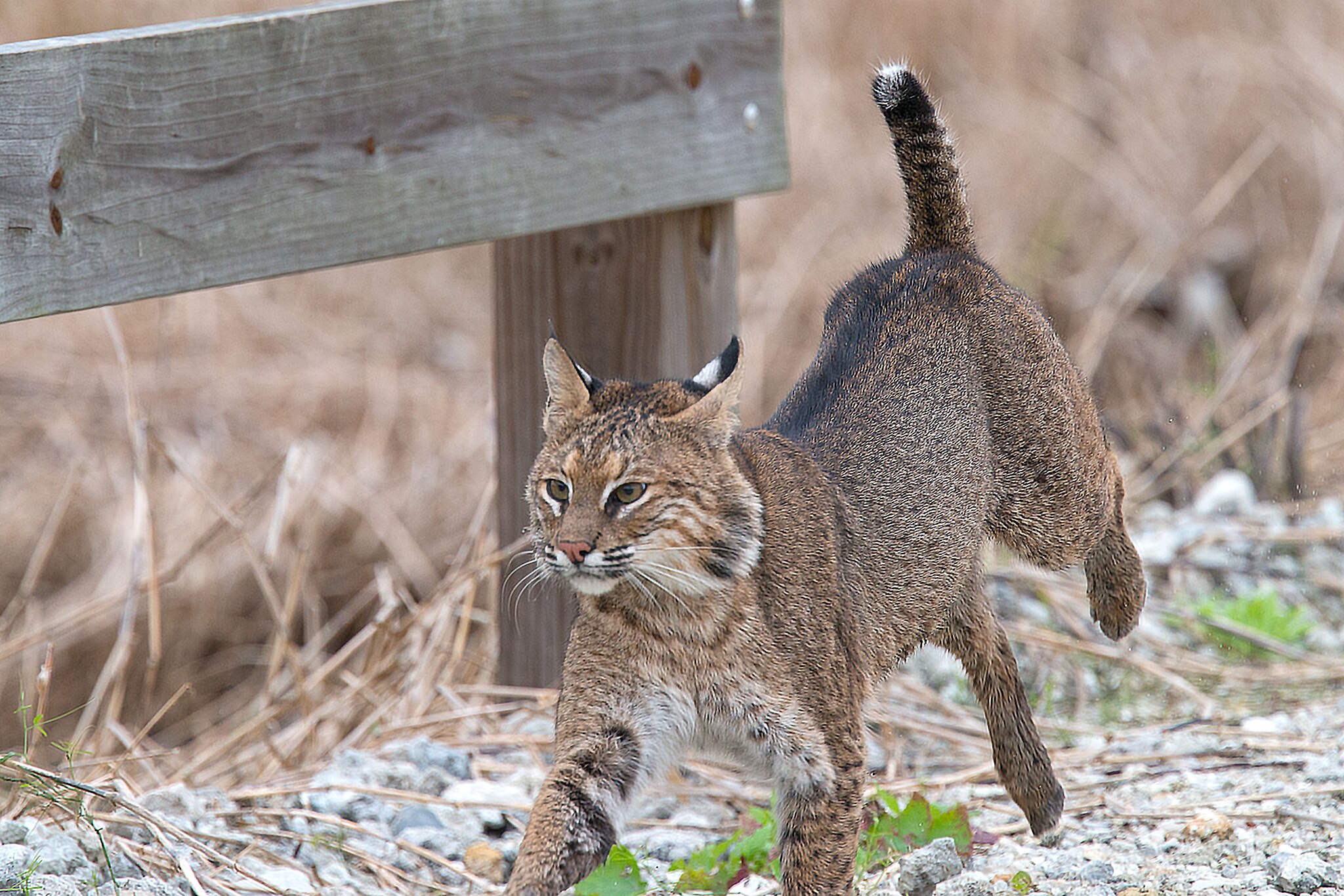
Bobcats remain one of North America’s most widespread and adaptable felines. These solitary, secretive predators thrive in a remarkable variety of habitats, from dense forests and brushy woodlands to swamps, mountains, and even urban interfaces. Their ability to adjust to changing landscapes, diverse prey bases, and human-altered environments has allowed populations to flourish across much of the continental United States. While sightings remain relatively rare compared to more social species, certain regions sustain especially high bobcat densities. This list examines seven areas where the presence of bobcats is especially notable, highlighting habitat features, prey availability, and ecological factors that support robust populations. Understanding where bobcats thrive deepens appreciation for their role as skilled hunters and important components of healthy ecosystems.
1. Southern Texas Brush Country
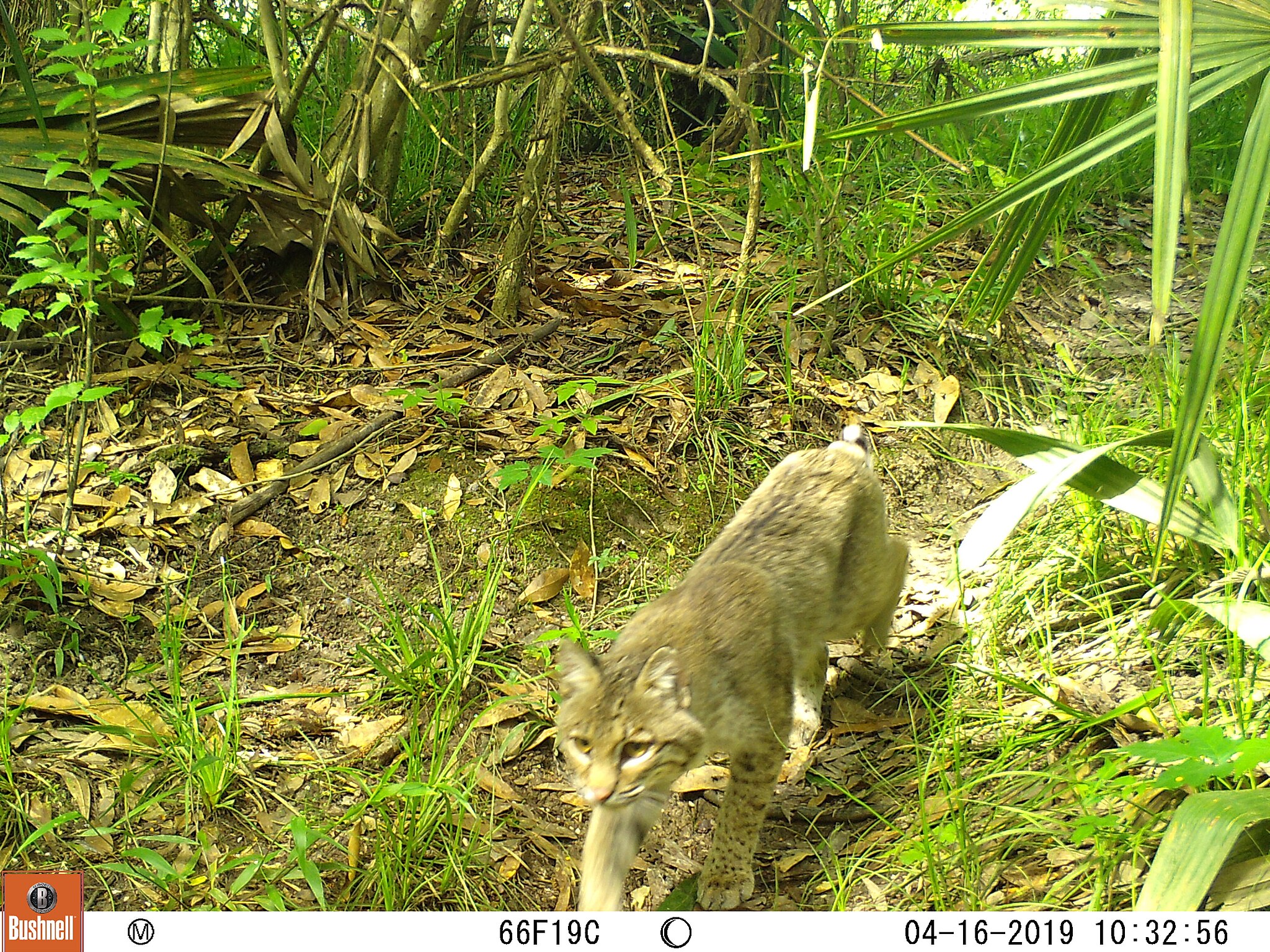
In the sprawling brushlands of southern Texas, bobcats find ideal habitat and abundant prey, making this region a renowned stronghold. Dotted with mesquite, thornscrub, and mixed grasses, this landscape supports high densities of rabbits, rodents, and other small mammals that form the cornerstone of bobcat diets. Water sources like seasonal streams and roadside ponds also attract prey species year-round, intensifying local food webs. The Texas brush country’s patchwork of cover and open ground allows bobcats to stalk efficiently while maintaining access to hiding places for rest and denning. Human development remains relatively low in many stretches of this region, reducing conflict and allowing these felines to maintain wide hunting territories. Seasonal fluctuations in prey populations influence bobcat movements, yet overall numbers remain consistently high compared to more northern or heavily forested regions.
2. Appalachian Mountain Forests
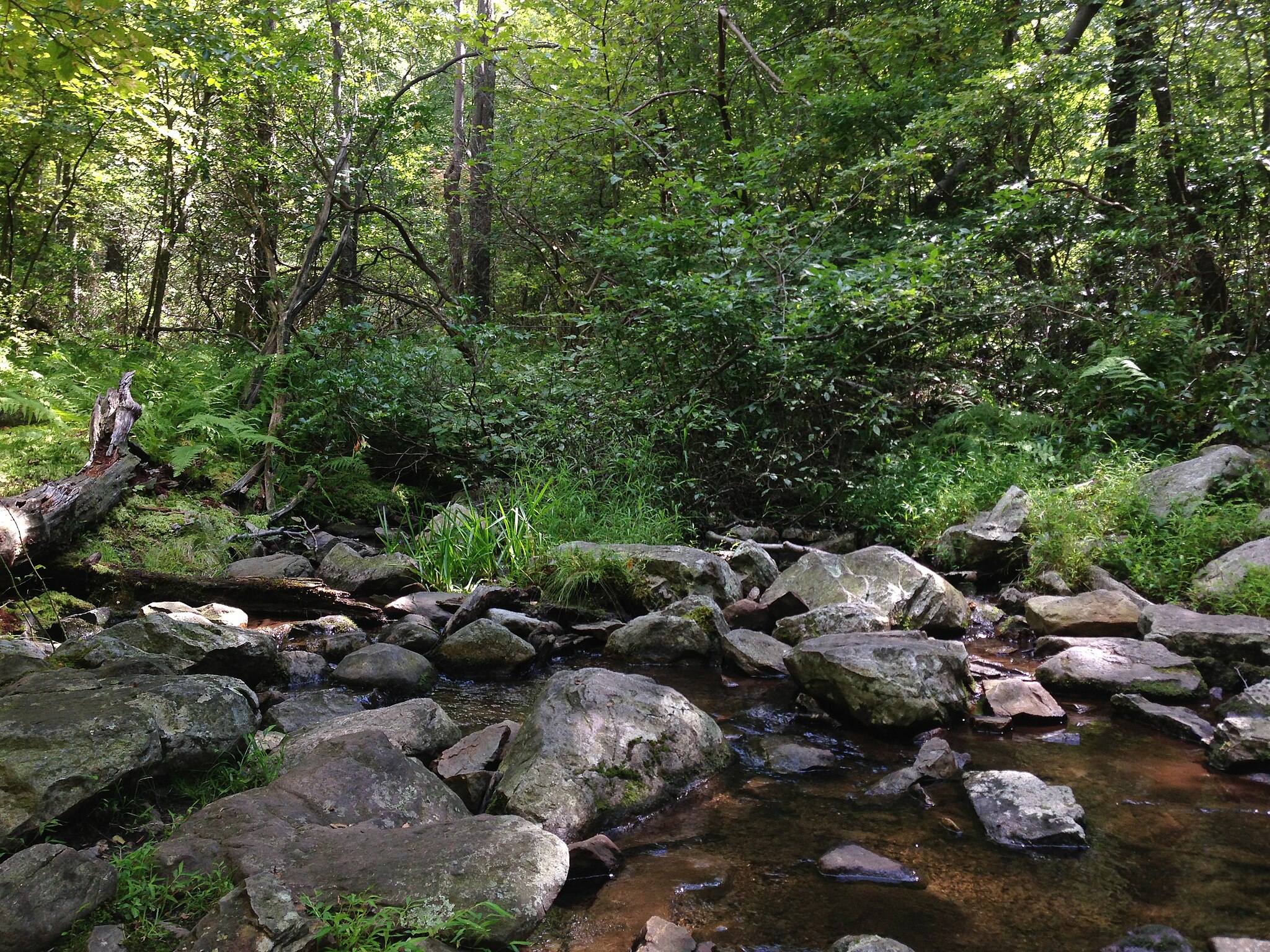
The Appalachian Mountains offer extensive forested corridors that sustain healthy bobcat populations from the Carolinas through Tennessee and into Pennsylvania. Deciduous hardwood forests, ridges, and valleys provide a mixture of cover and ambush terrain ideal for bobcat stalking behavior. Abundant prey, including squirrels, rabbits, and white-tailed deer fawns, attracts these stealthy predators throughout the year. Elevation gradients and seasonally changing foliage also influence bobcat movements, pushing individuals down slopes in winter and higher into cool forests in summer. Timber management practices and conservation lands have helped preserve contiguous habitat, supporting stable populations. Human interaction remains relatively infrequent in remote hollows and ridgelines, allowing bobcats to pursue their solitary lifestyles largely undisturbed. Sightings are still uncommon, yet ecological assessments routinely indicate high bobcat densities along these forested landscapes.
3. Florida’s Pine Flatwoods and Hammocks
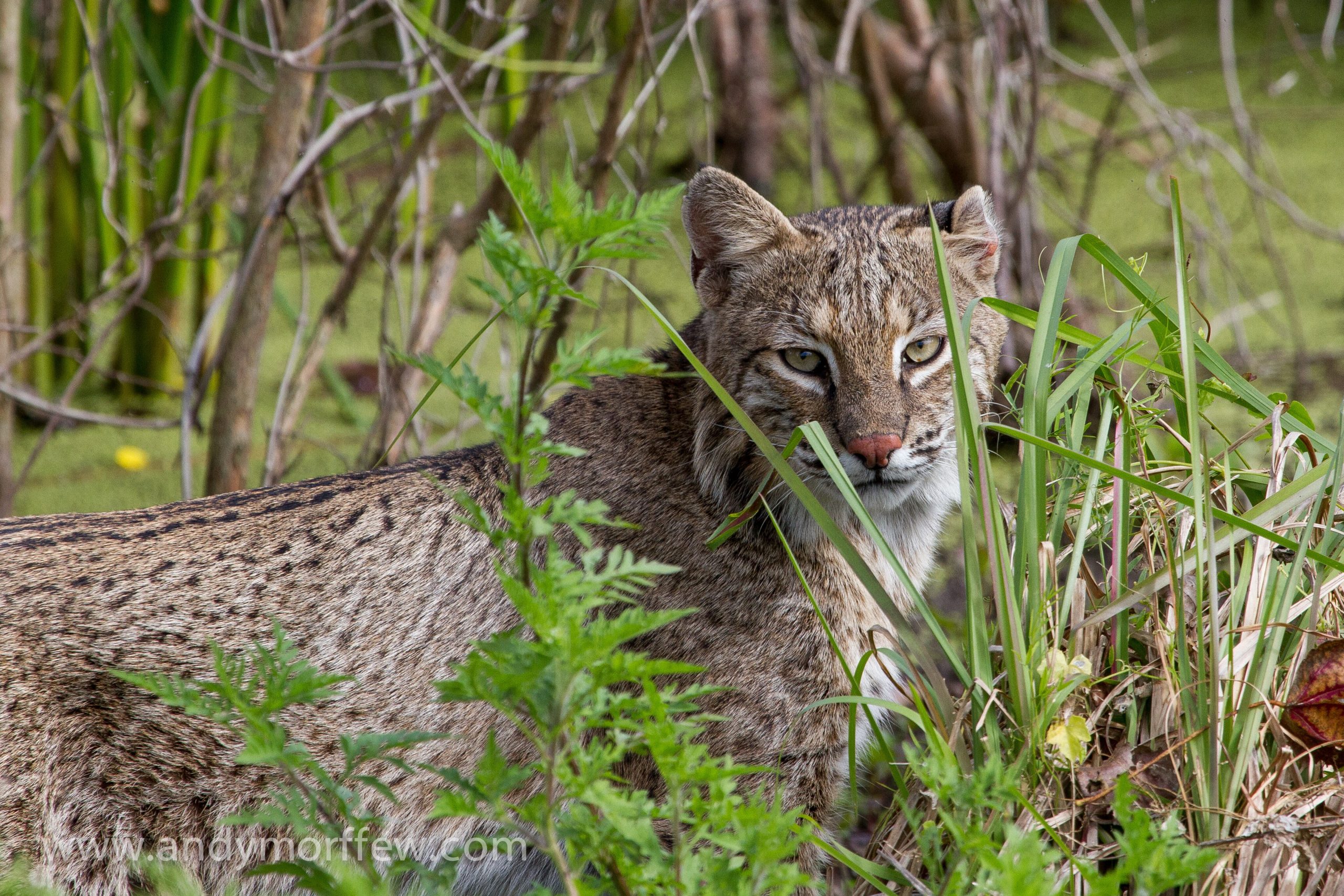
Florida’s unique combination of pine flatwoods, hardwood hammocks, and wetland edges fosters one of the Southeast’s most consistent bobcat presences. These environments support a wide range of prey species, including rabbits, birds, and marsh rodents, which bobcats exploit with remarkable efficiency. The mosaic of vegetation types also offers excellent cover for stalking and concealment. Seasonal water levels in nearby swamps and marshes concentrate prey activity, indirectly benefiting bobcats by making hunting more predictable. Human activity tends to be concentrated in coastal and metropolitan areas, leaving inland flatwoods and hammock forests relatively quiet. Bobcats here adapt well to mosaic landscapes that blend natural communities with agricultural transition zones. Their ability to traverse varied terrain helps maintain robust local populations despite periodic environmental variation.
4. Northern Great Plains Grasslands
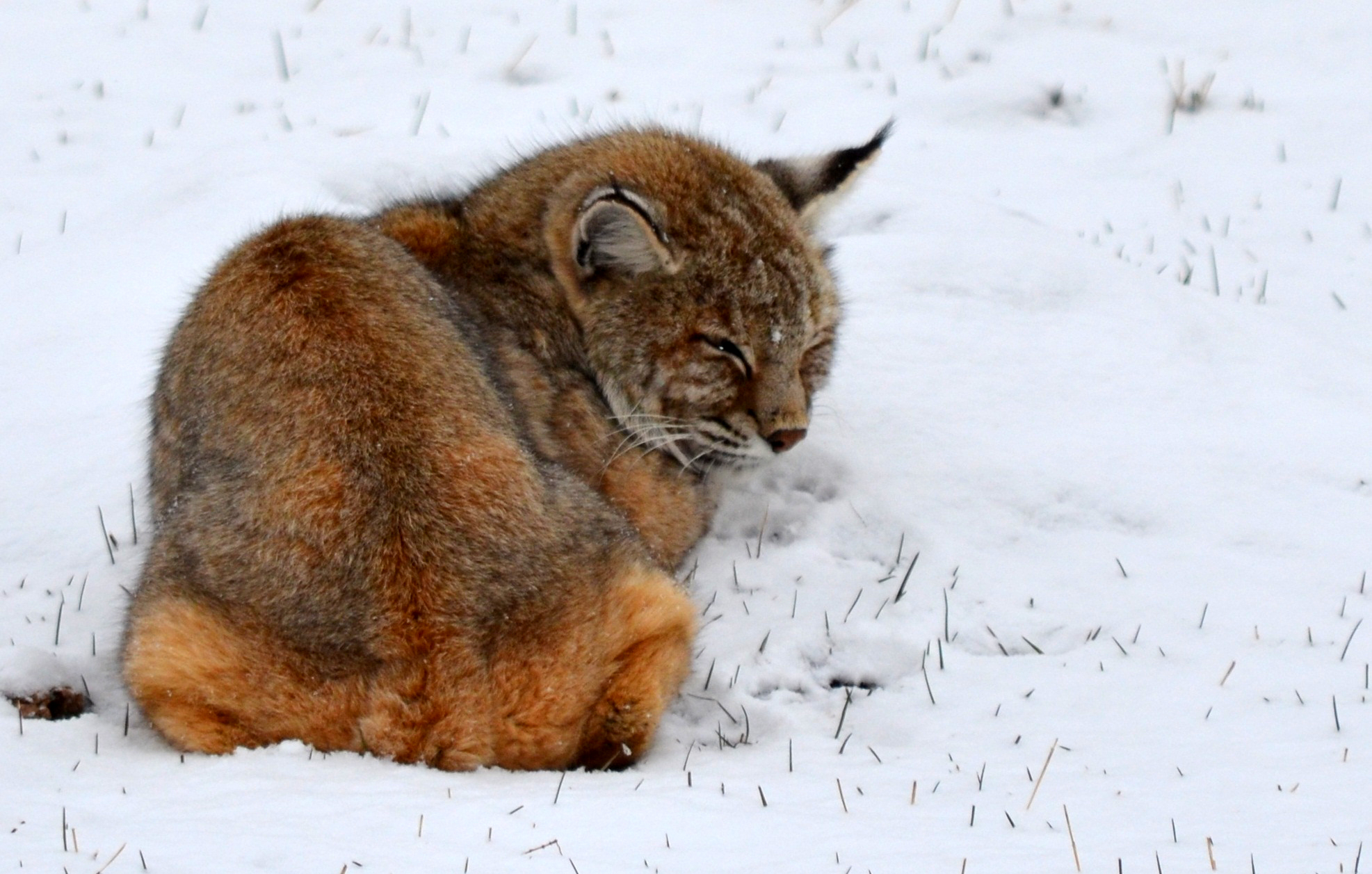
Vast expanses of grasslands in states like Nebraska, South Dakota, and eastern Colorado support significant bobcat populations, drawing on open terrain and abundant small mammals. Prey species like prairie rabbits, ground squirrels, and rodents flourish in these grassland ecosystems, presenting plentiful hunting opportunities. Bobcats in this region tend to use grass clumps, brush edges, and intermittent shelterbelts to conceal themselves while hunting. Seasonal changes influence prey availability, yet bobcats exhibit remarkable flexibility, adapting hunting patterns to shifting conditions. Human influence generally manifests through agricultural land use rather than dense development, preserving broad open spaces that support sustained predator presence. Winter snow cover sometimes affects movement and hunting strategy, but grassland bobcats demonstrate resilience across fluctuating climatic cycles, maintaining healthy numbers where habitat conditions remain favorable.
5. Pacific Northwest Forests
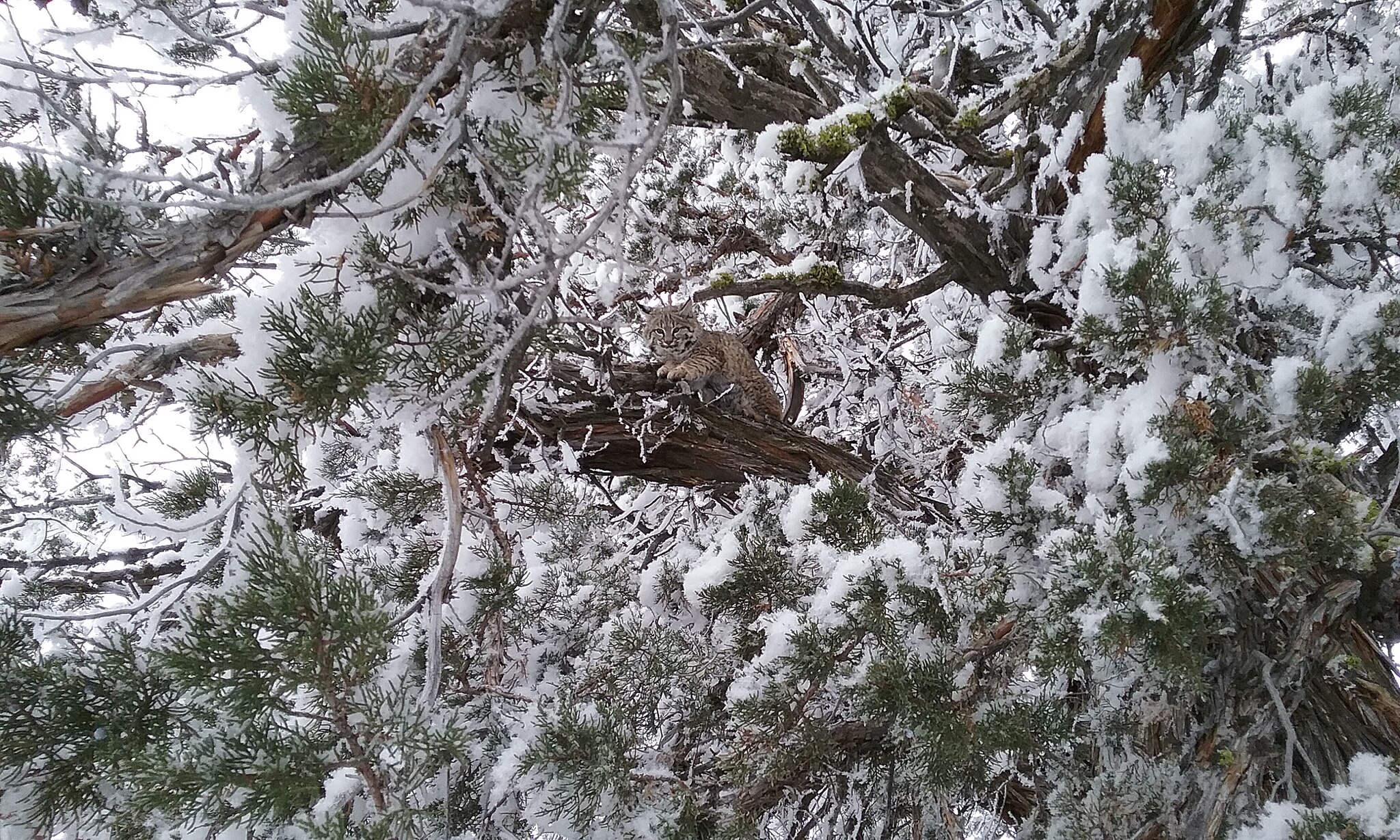
The dense forests of Oregon and Washington provide ideal habitat for bobcats, with mixed conifers, understory shrubs, and deep cover offering both shelter and hunting corridors. Prey availability in these regions tends to be high, including rabbits, rodents, and birds that conceal themselves within thick vegetation. Bobcats here exploit a landscape shaped by old growth, secondary forests, and riparian zones along streams and rivers. Mild climatic conditions support year-round activity, though seasonal patterns still influence behavior. Forest management strategies that preserve continuous woodland corridors have enhanced habitat connectivity, allowing bobcats to maintain larger home ranges with reduced human fragmentation. Sightings remain uncommon due to secretive behavior, yet population studies emphasize stable or increasing numbers where expansive forest habitat persists. Rugged terrain and quiet forest trails also reduce direct human interaction, benefiting these stealthy predators.
6. Central California Chaparral
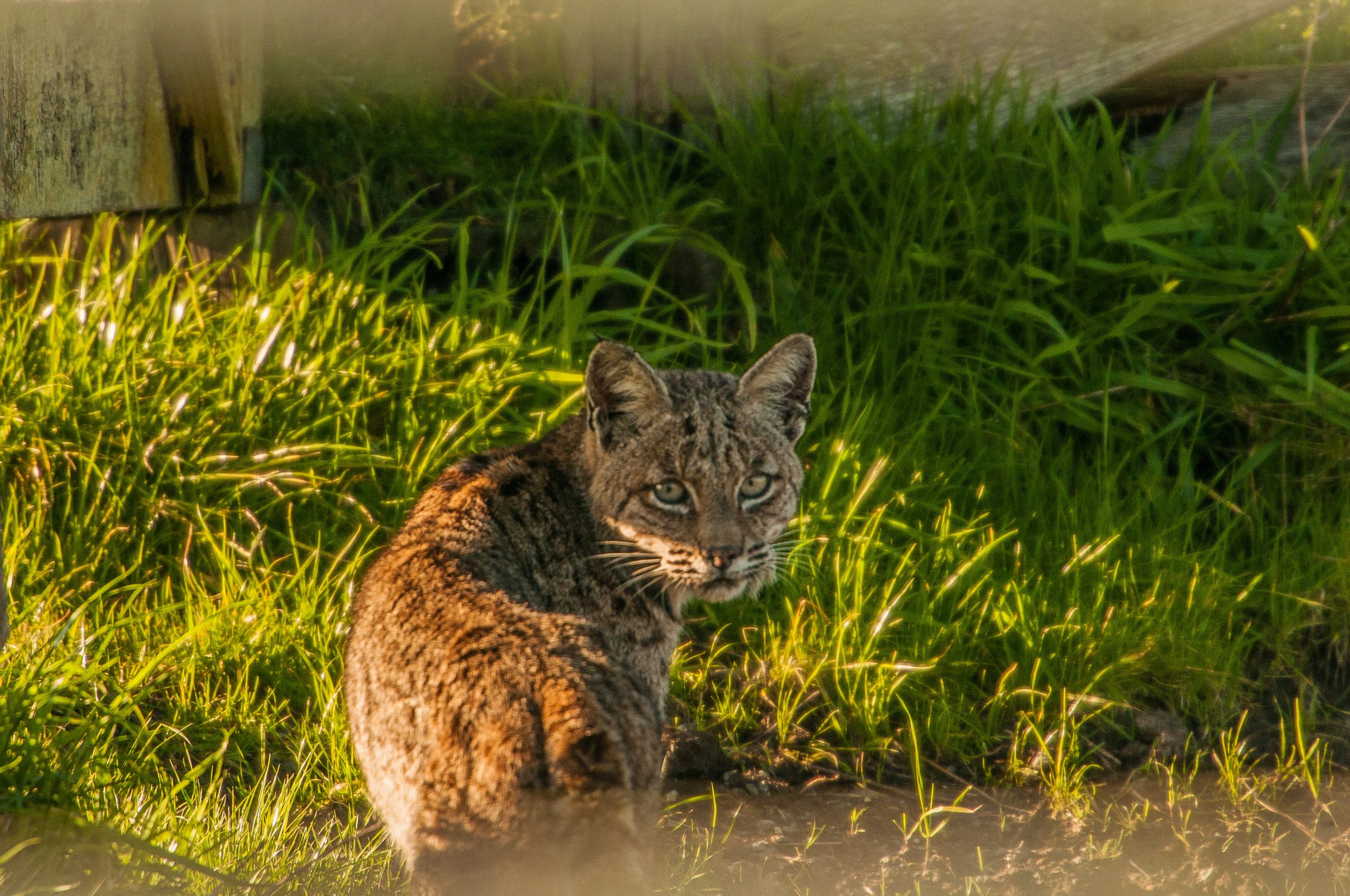
California’s central chaparral and oak woodland country, stretching from coastal ranges into interior valleys, offers abundant habitat for bobcats. This region’s dense brush, steep ravines, and patchy woodland provide excellent stalking cover alongside high prey diversity, including rabbits, ground squirrels, and birds. Seasonal weather patterns, including winter rains and summer droughts, shape vegetation structure and prey movements, yet bobcats remain adaptable across these cycles. Fire ecology also influences habitat mosaic patterns, with post-fire regrowth creating lush forage that attracts herbivores and, in turn, bobcats. Human development tends to concentrate in major cities and agricultural valleys, leaving extensive natural corridors where bobcats move freely. The chaparral’s sprawling complexity creates a dynamic hunting ground supporting robust populations resilient to periodic environmental shifts.
7. Ozark Mountain Region
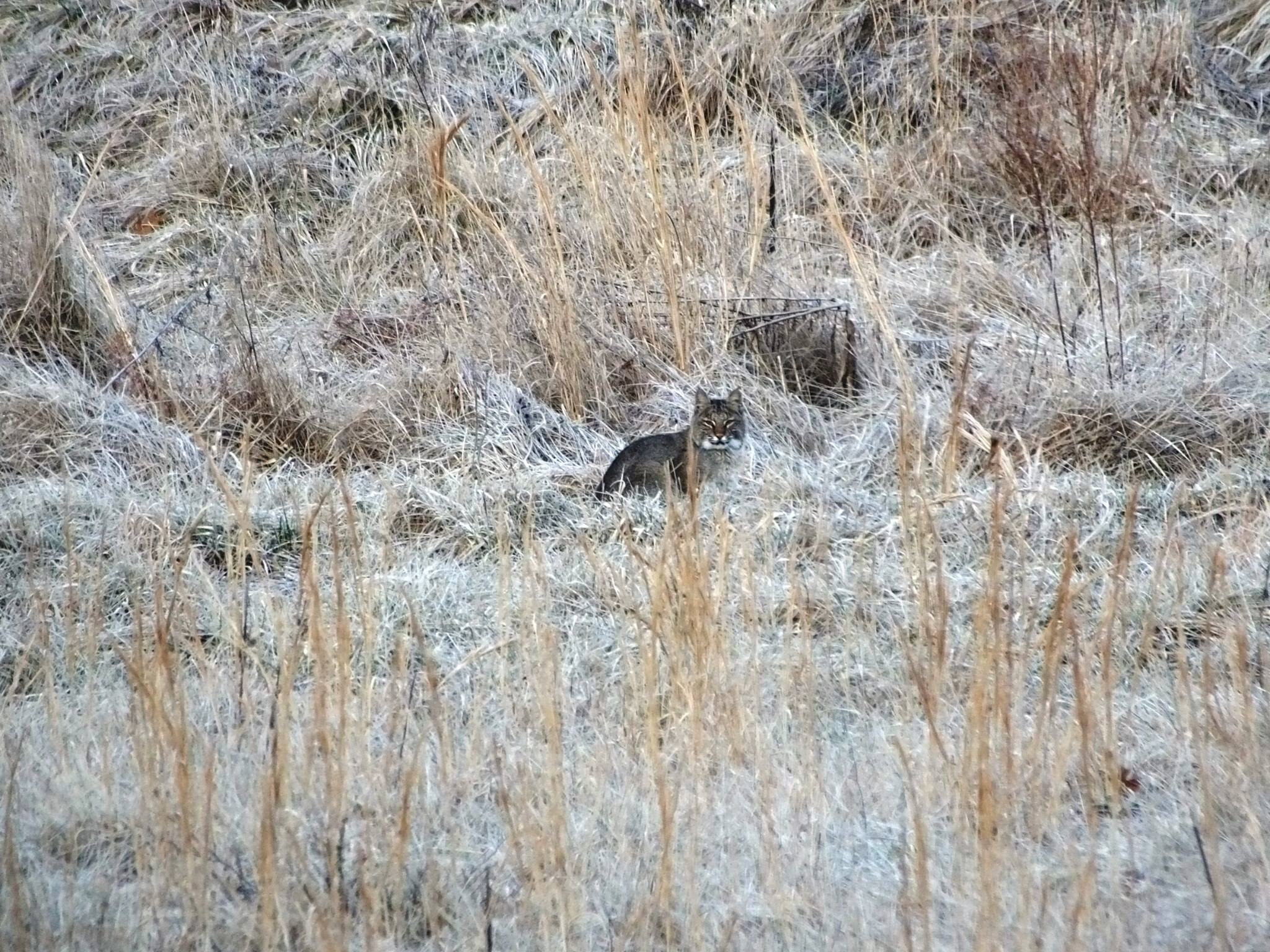
The Ozark Mountains, spanning portions of Arkansas, Missouri, and Oklahoma, support consistent bobcat numbers thanks to a combination of rugged terrain, mixed hardwood forests, and plentiful prey. Valleys and ridges create diverse microhabitats, while rock outcrops and dense brush offer concealment and denning sites. Rabbits, squirrels, and small rodents thrive in the understory, offering reliable food sources throughout the seasons. Water courses and seasonal creeks further concentrate wildlife, making hunting more predictable. Human presence remains relatively low in many parts of the Ozarks, particularly in steep, remote hollows that favor traditional wildlife patterns. Local wildlife surveys often rank bobcats as common carnivores in the region, demonstrating how mixed forest and rugged topography encourage stable predator residency. Their presence here underscores the importance of contiguous natural habitat in supporting healthy bobcat populations.