The Great Smoky Mountains offer an overnight camping experience that feels different from anywhere else in the United States. The terrain, the dense forests, the unpredictable weather patterns, and the remote ridgelines give every backpacker a chance to test both skill and patience. These mountains demand awareness and reward grit, and the challenges you face here often become the stories you’ll share for years. Below are seven uniquely Smokies-style challenges that seasoned campers love to take on.
1. Navigating Ridge Fog That Rolls In Without Warning

Thick fog is one of the Smokies’ most famous traits, especially around the high ridges and exposed gaps. When it rolls in after sunset, visibility can shrink to only a few feet, turning even familiar trails into slow, careful crawls. Navigating this safely demands dependable headlamps, reflective markers, and a strong sense of terrain memory. The fog often moves in layers, drifting through tree trunks and pooling in low pockets, making depth perception tricky. Campers must stay patient, avoid rushing, and use deliberate, measured steps until the mist clears again.
2. Handling Nighttime Wildlife Traffic Around Remote Campsites

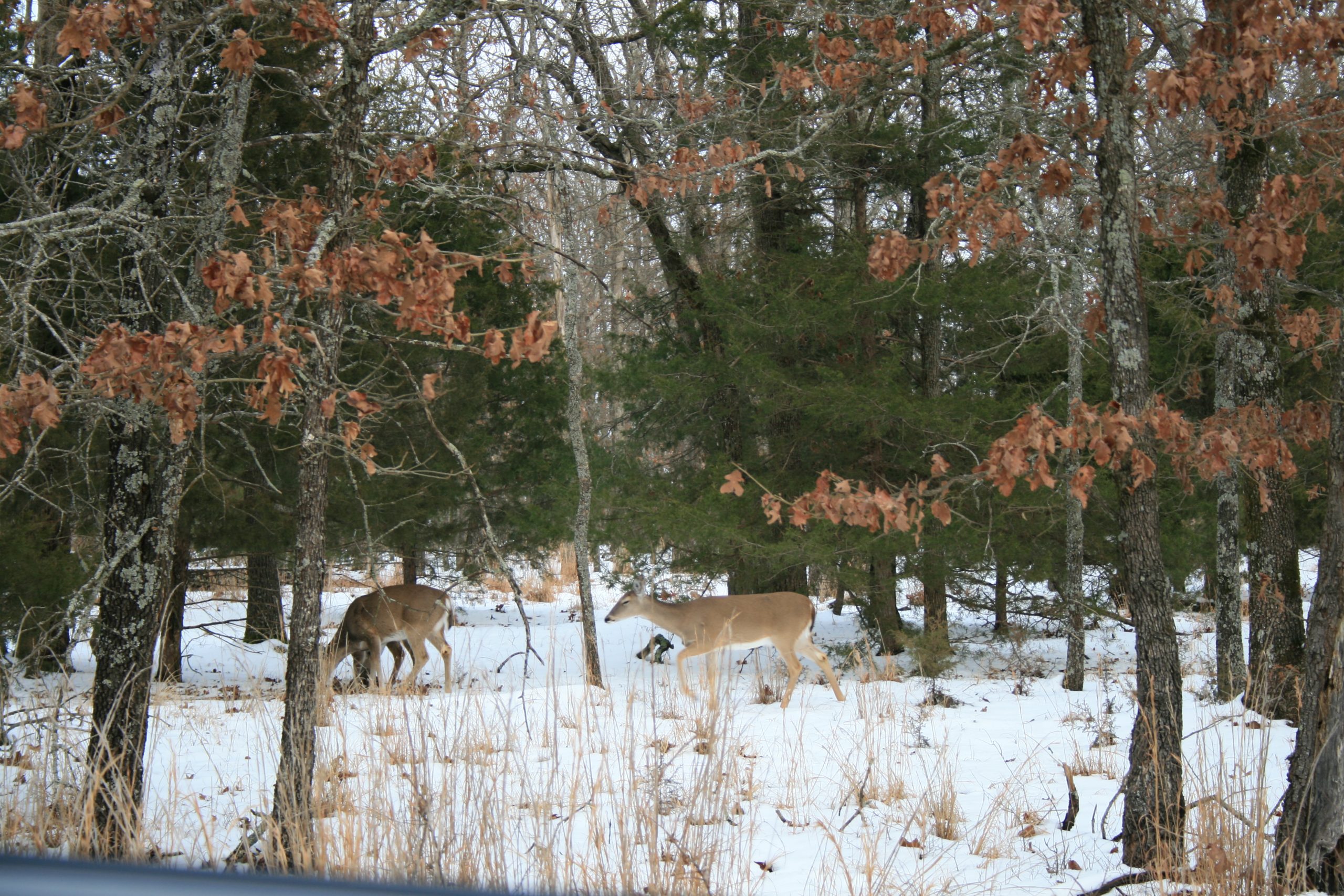
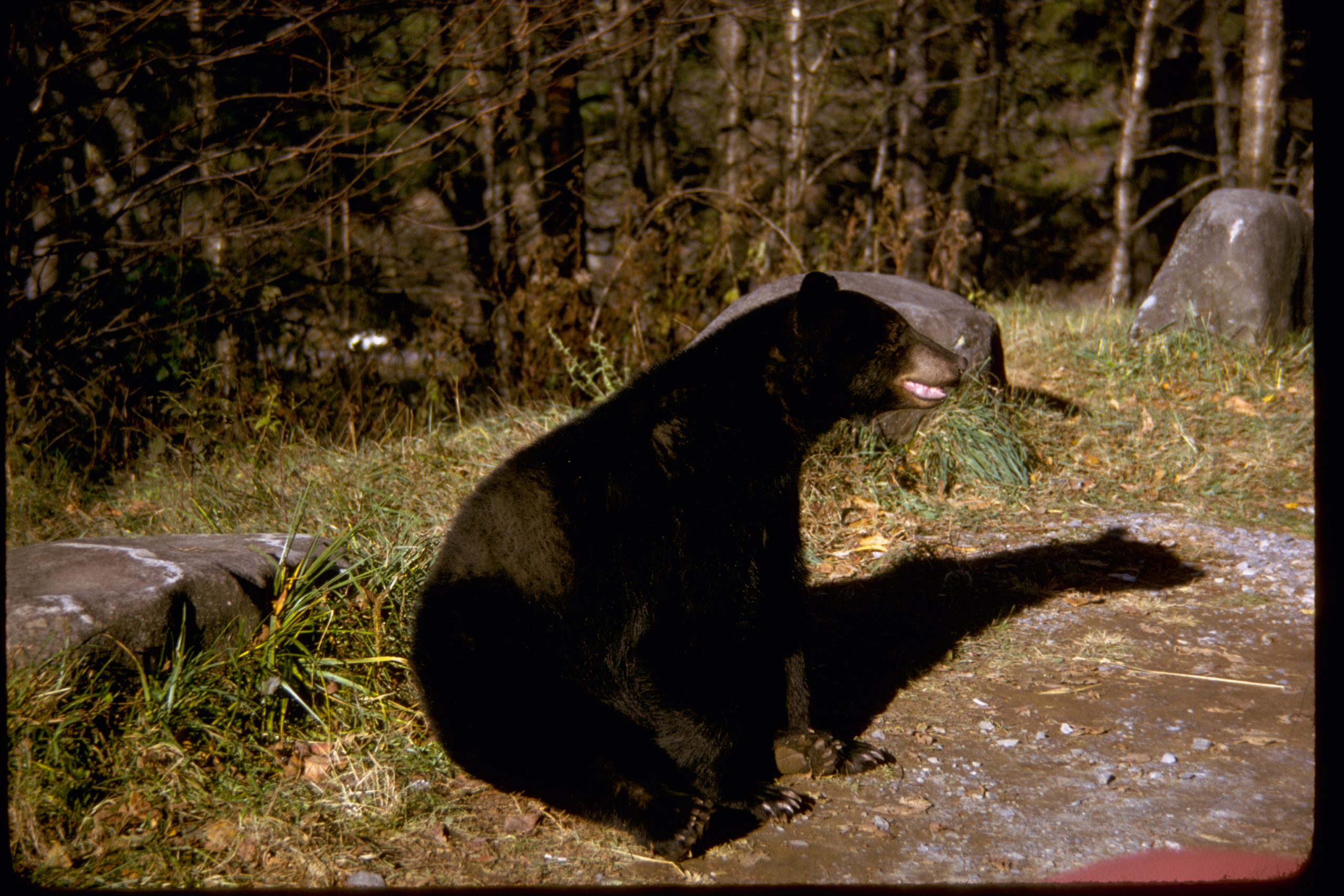
Black bears, wild hogs, and bold raccoons all roam after dark, especially near backcountry shelters and ridge camps. While most wildlife avoids direct contact, their nighttime movements can surprise those unprepared for the sounds of snapping twigs and shifting brush. Proper food storage is critical, and campers must hang their bags well away from sleeping areas or use approved bear canisters. Listening closely and avoiding sudden movements helps keep encounters calm. Staying alert without letting fear take over is a challenge that tests both composure and wilderness awareness.
3. Setting Up Shelter on Uneven Forest Floors After Sundown
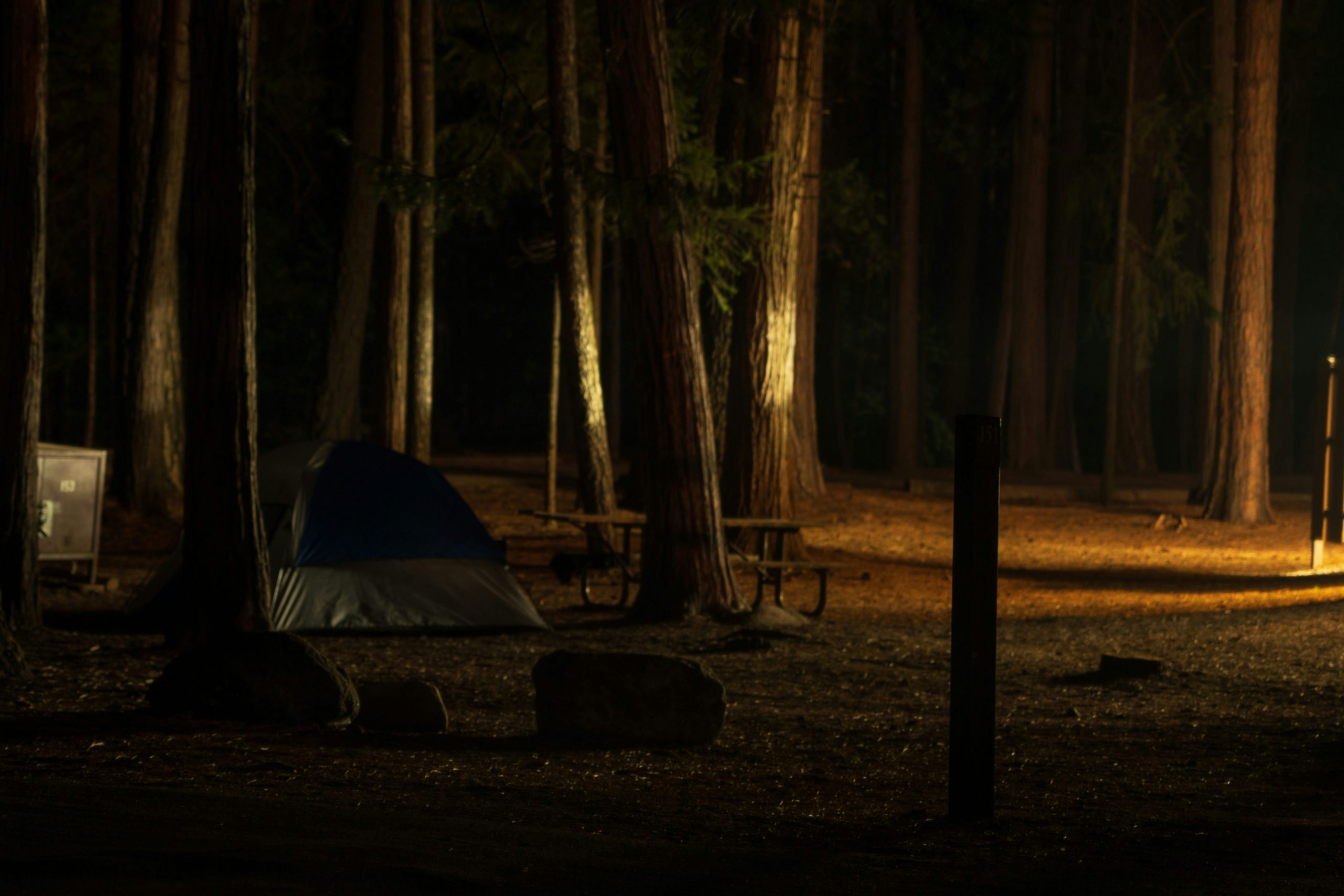
Many Smokies campsites sit on slopes, root-tangled patches of hardwood forest, or narrow ridge platforms. Arriving late means setting up in the dark, often while dealing with damp leaf litter, hidden rocks, and tight tree spacing. Getting a tent or tarp pitched correctly requires careful foot placement and repeated adjustments to avoid uncomfortable angles that lead to restless sleep. Campers must rely on steady lighting, patience, and an eye for contour lines. The real challenge lies in balancing efficiency with accuracy, ensuring a stable shelter before fatigue takes over.
4. Managing Sudden Temperature Swings at High Elevations
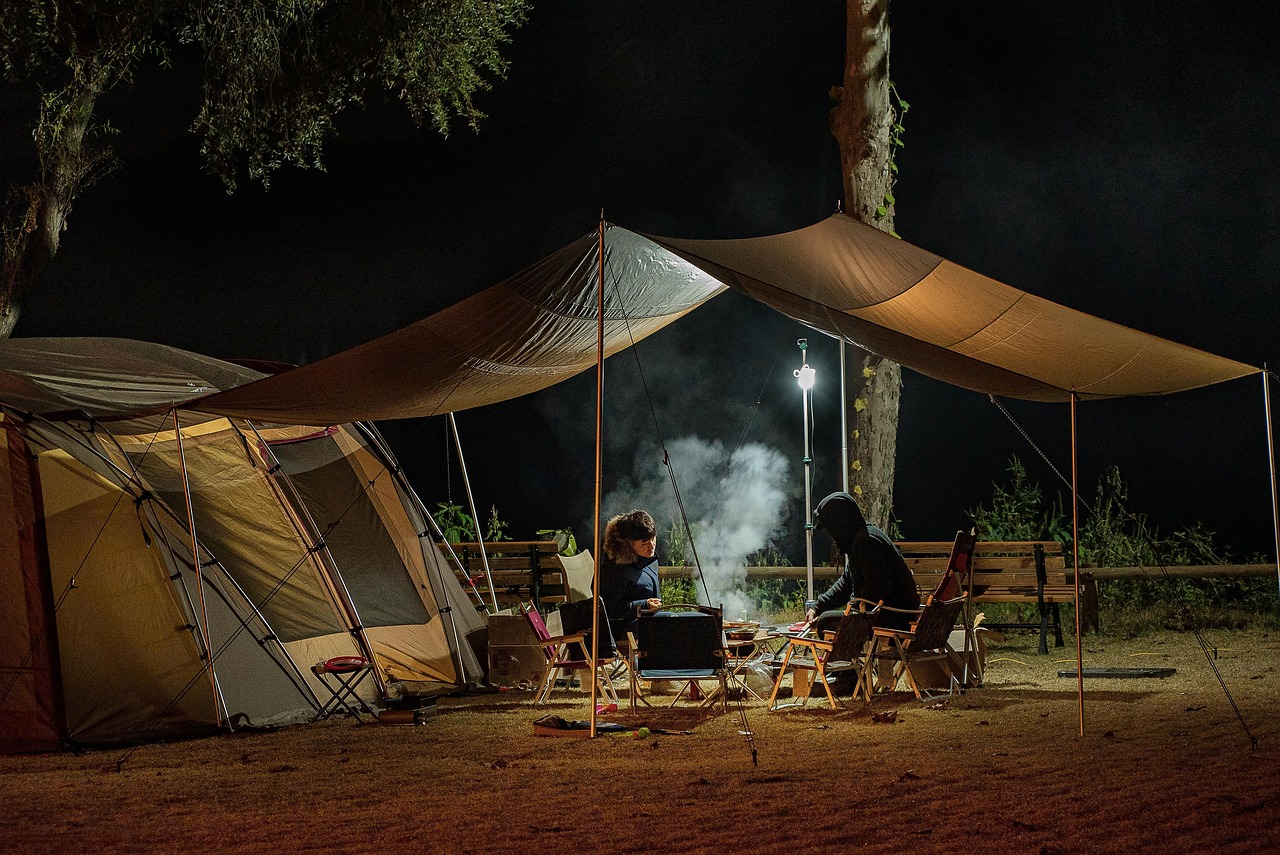
At elevations above 5,000 feet, temperatures can swing dramatically within minutes, even during mild seasons. A warm evening can quickly drop into the low forties once the wind rises or cloud cover shifts. Campers must layer strategically, keeping dry base layers ready and avoiding moisture buildup from sweat. Fire-starting becomes harder when the air turns damp and cold, especially if fuel sources are limited. Staying ahead of the weather requires anticipating these shifts and adjusting gear, clothing, and camp routines before the chill fully sets in.
5. Cooking Warm Meals in Persistent Smoky Mountain Dampness
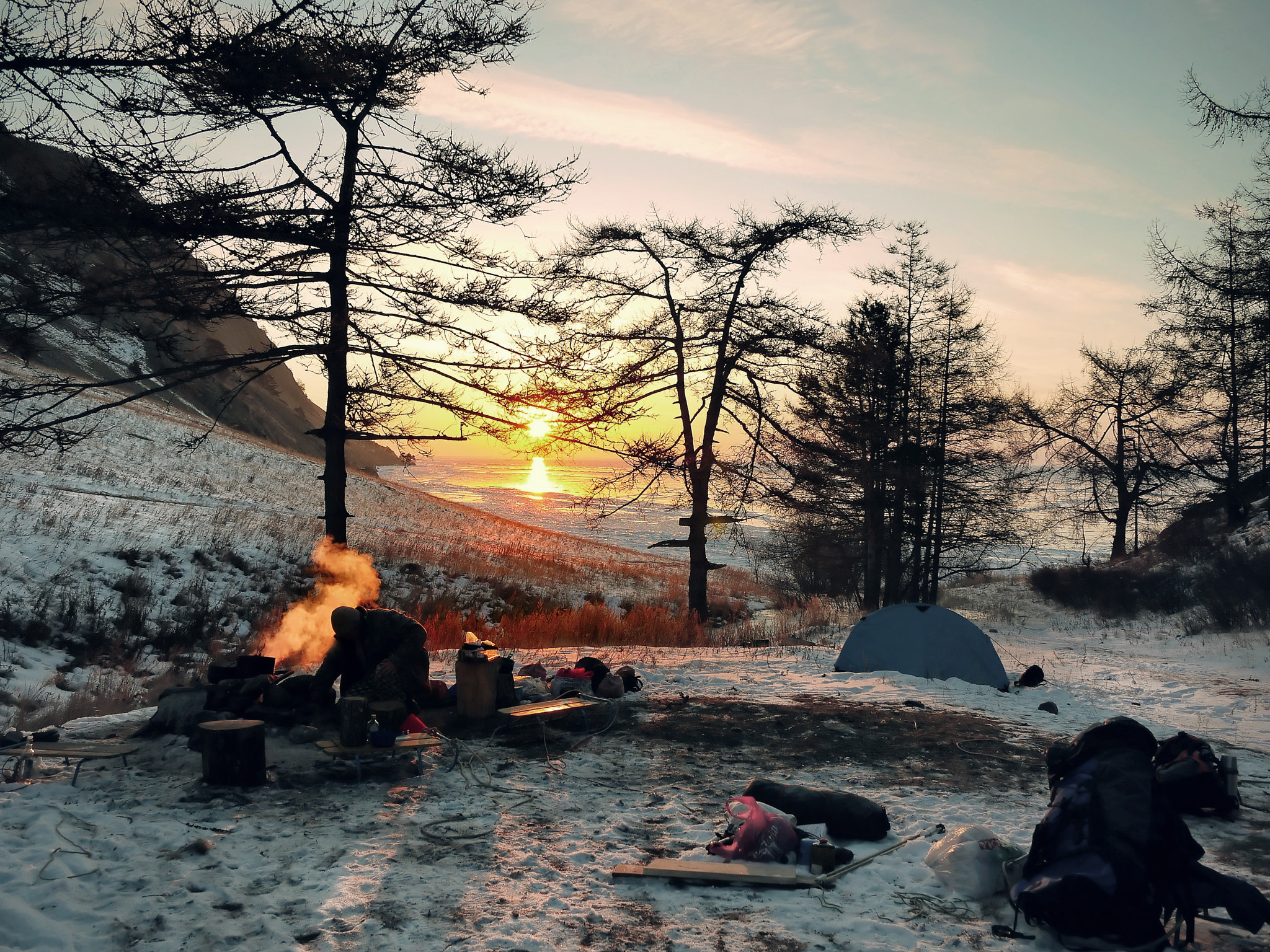
The Smokies are notorious for lingering humidity, morning dew, and soil that never seems to fully dry. Cooking becomes a real chore when wood refuses to ignite or stoves struggle in thick, wet air. Campers must gather dry tinder from sheltered spots beneath logs or carry reliable fire starters to compensate. Even simple tasks like boiling water can take longer, especially when condensation builds on the gear. The challenge lies in staying patient, maintaining safe cooking conditions, and ensuring every flame is controlled despite the stubborn dampness.
6. Traversing Stream Crossings That Swell Overnight
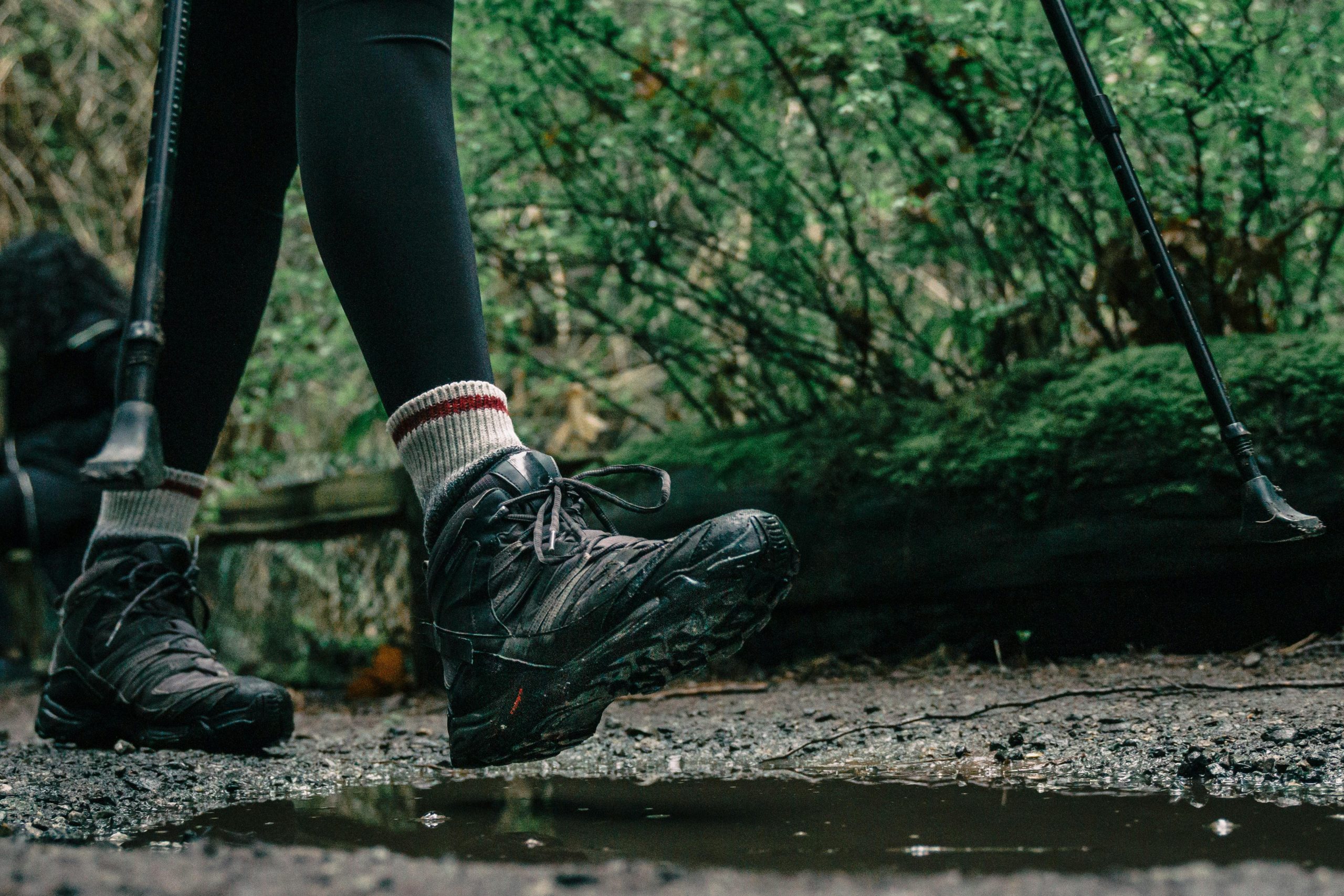
Rainfall in the Smokies often travels downhill long after the storm passes, causing streams to rise unexpectedly by early morning. Campers waking near low terrain may find crossings deeper, faster, or muddier than they were the previous day. Navigating these safely requires testing footing, using trekking poles, and avoiding rushed steps. Shoes may get soaked, and cold water can sap energy quickly, particularly in spring and fall. This challenge teaches caution, respect for moving water, and the importance of scouting alternative routes when currents intensify.
7. Staying Oriented on Trails That Blend Into Dense Night Forest
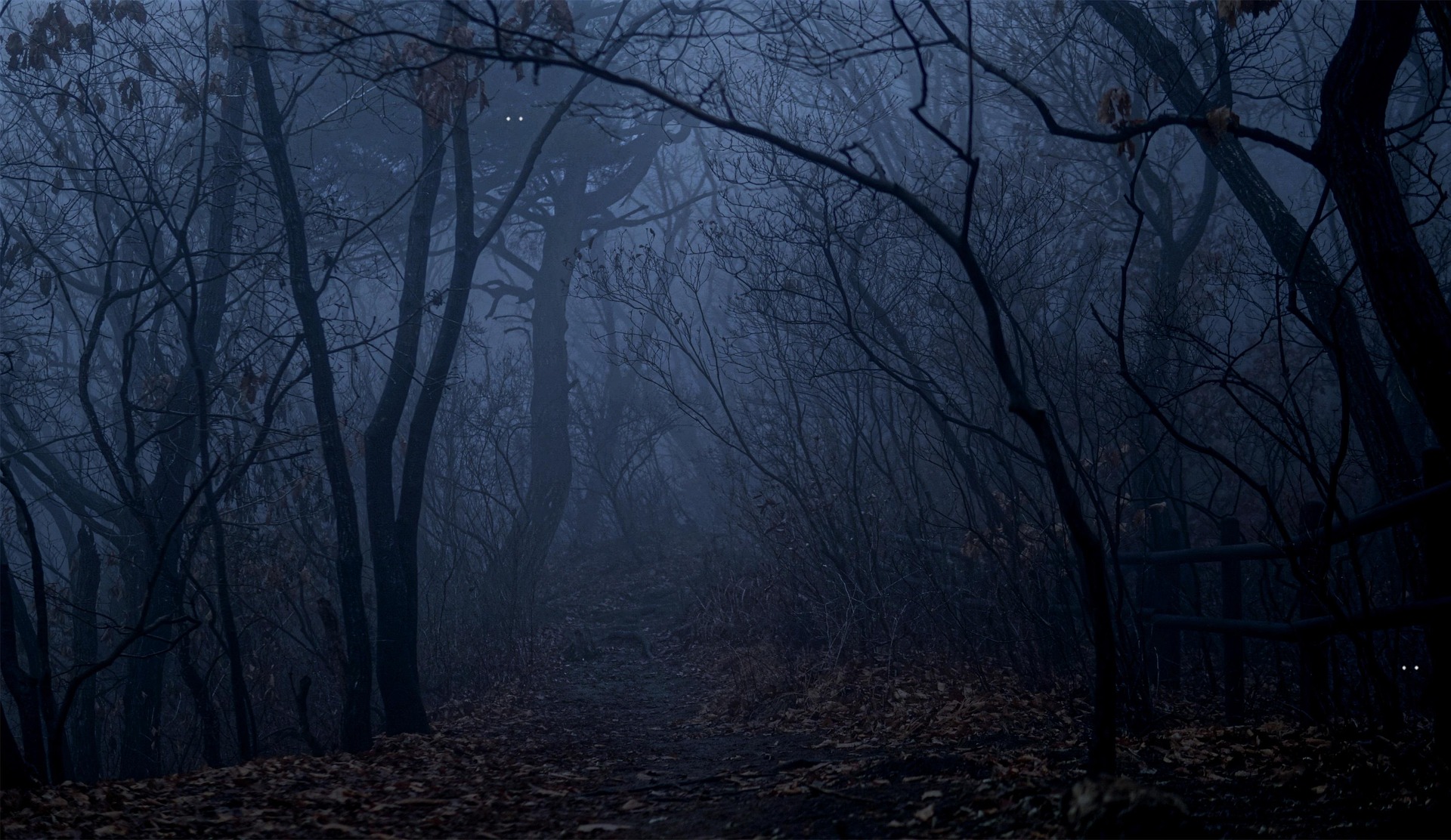
Once night settles over the Smokies, trails can blend into the forest floor almost seamlessly, especially in areas coated with fallen leaves or surrounded by thick understory. Many paths lack clear markers, relying instead on subtle terrain cues like root patterns, drainage dips, or slight rises. Campers must depend on steady navigation habits, using maps, GPS, and headlamps with broad beams to identify the narrow corridor. The challenge lies in resisting the urge to drift off-route and maintaining calm, deliberate progress through the pitch-dark woods.