A rifle scope can be the difference between a confident shot and a frustrating miss. Yet, many hunters and marksmen treat their optics like simple add-ons rather than precision tools. Misuse, poor maintenance, or even small setup errors can throw off your accuracy more than you realize. Whether you’re dialing in for long-range shots or zeroing your rifle for the season, understanding common scope mistakes can save you time, ammunition, and opportunities in the field. Here are seven errors that might be holding back your true shooting potential.
1. Ignoring Proper Eye Relief
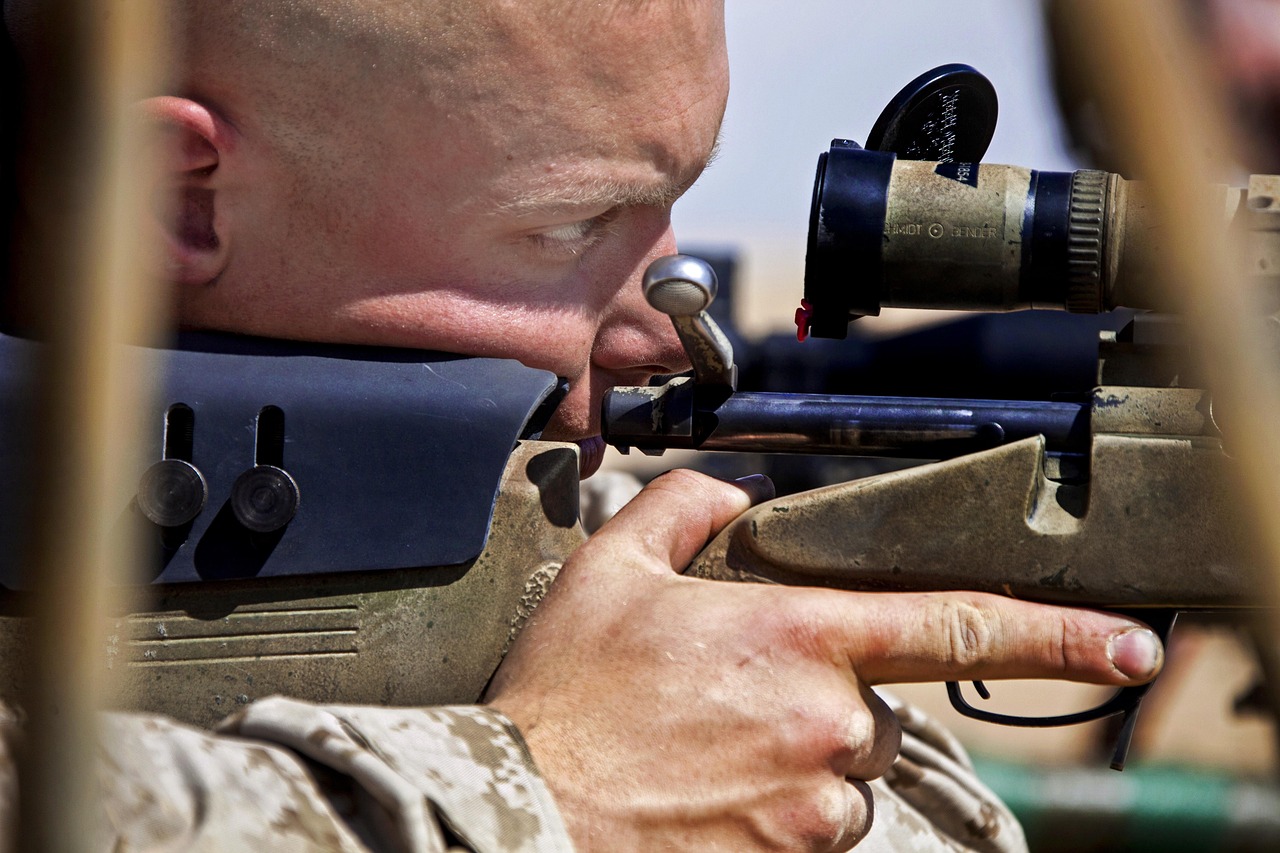
Many shooters overlook the importance of setting correct eye relief to the distance between their eye and the scope lens. Too close, and recoil can cause a painful “scope bite.” Too far, and you’ll see a shadowed, narrow view that kills accuracy. Proper eye relief gives you a full, clear image without strain or danger. Adjust your scope until you can shoulder the rifle naturally and see the full sight picture instantly. Once set, lock it down firmly so it doesn’t shift during recoil or transport.
2. Failing to Level the Scope Correctly
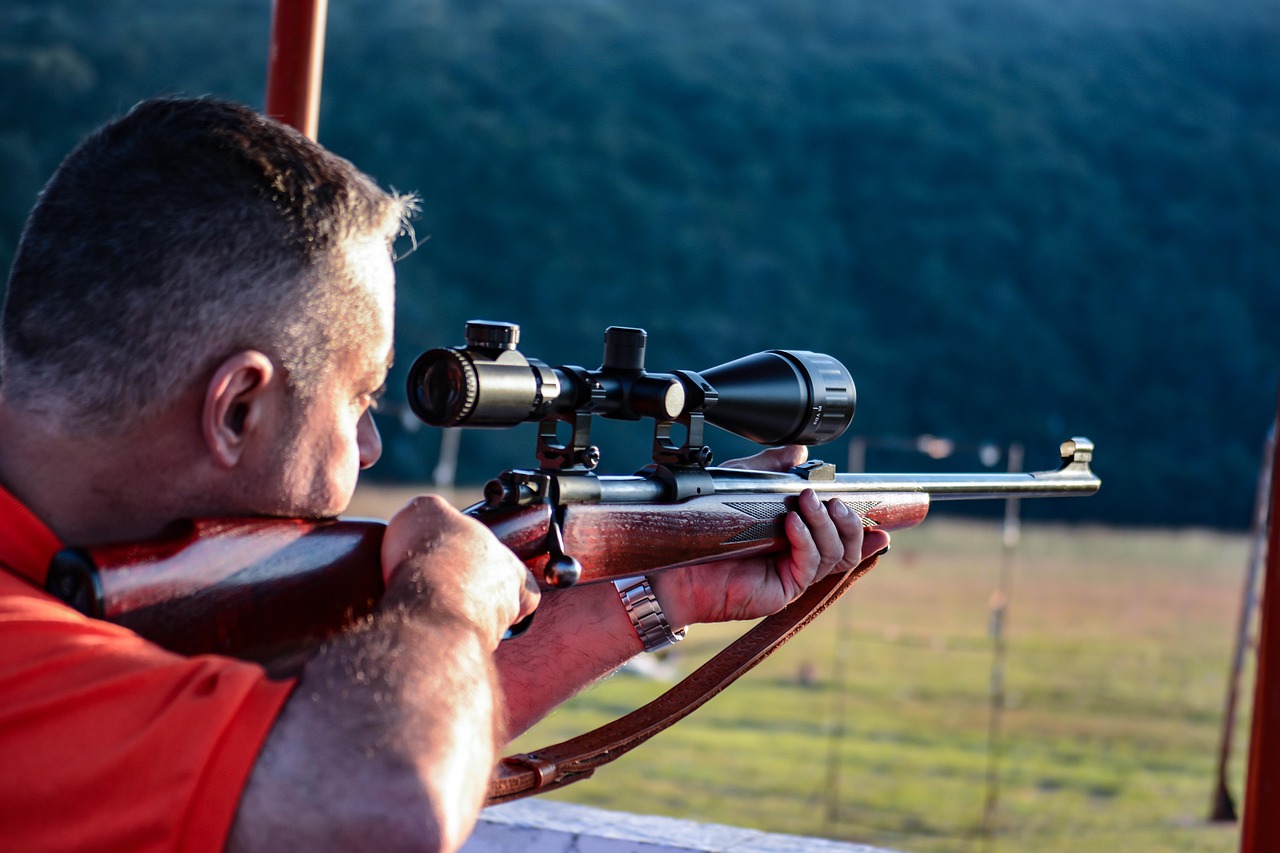
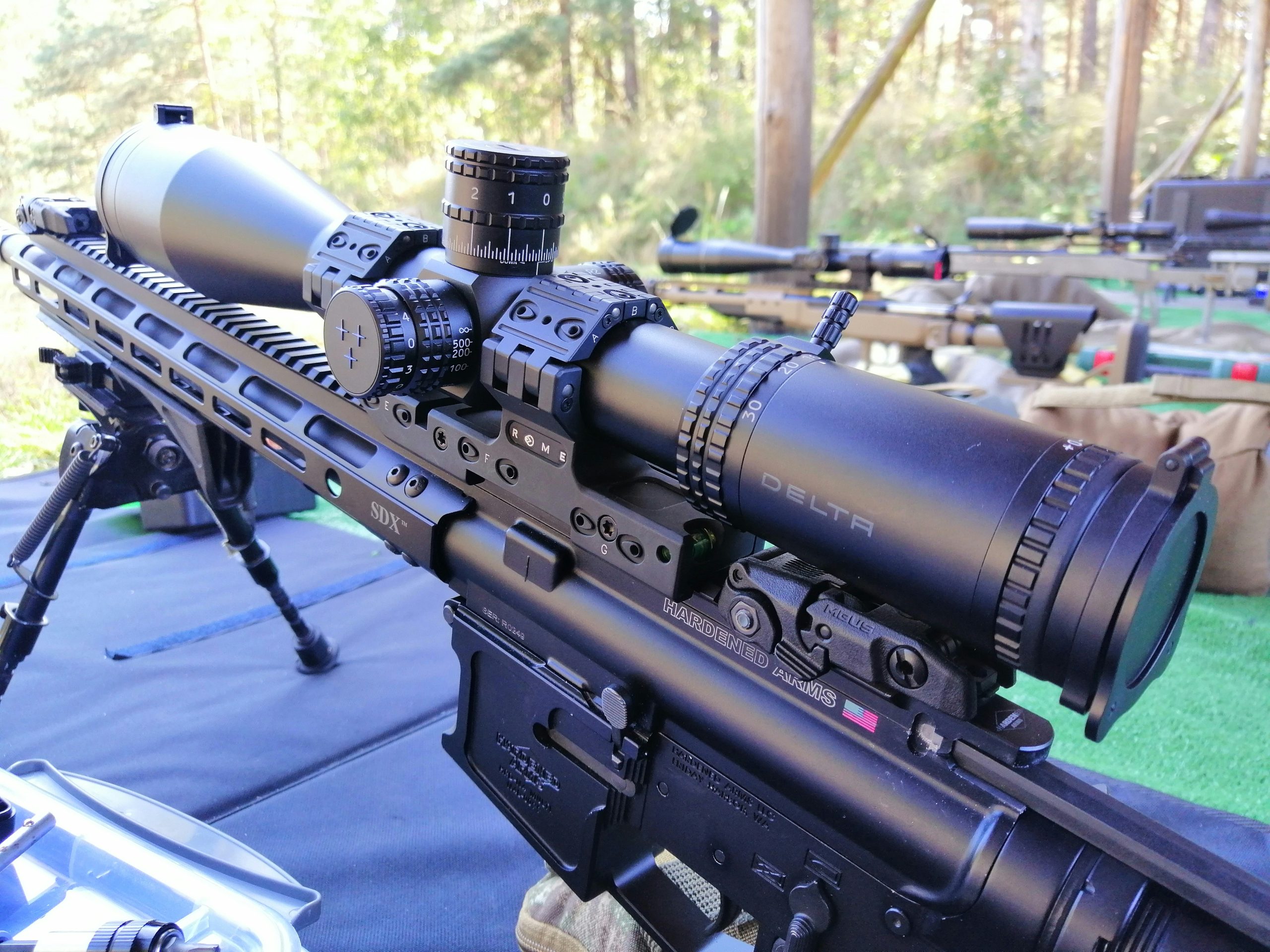
A canted scope is one of the most frustrating and overlooked setup errors. If your reticle isn’t perfectly level, your shots will drift sideways as you increase distance, no matter how well you’ve zeroed. Always use a small bubble level or digital leveling tool when mounting optics. The rifle itself must be leveled first, followed by the scope. Take your time on this step; it affects every shot you take afterward. Even a few degrees of misalignment can cause a consistent point of impact shift.
3. Over-Tightening or Under-Tightening Mount Screws
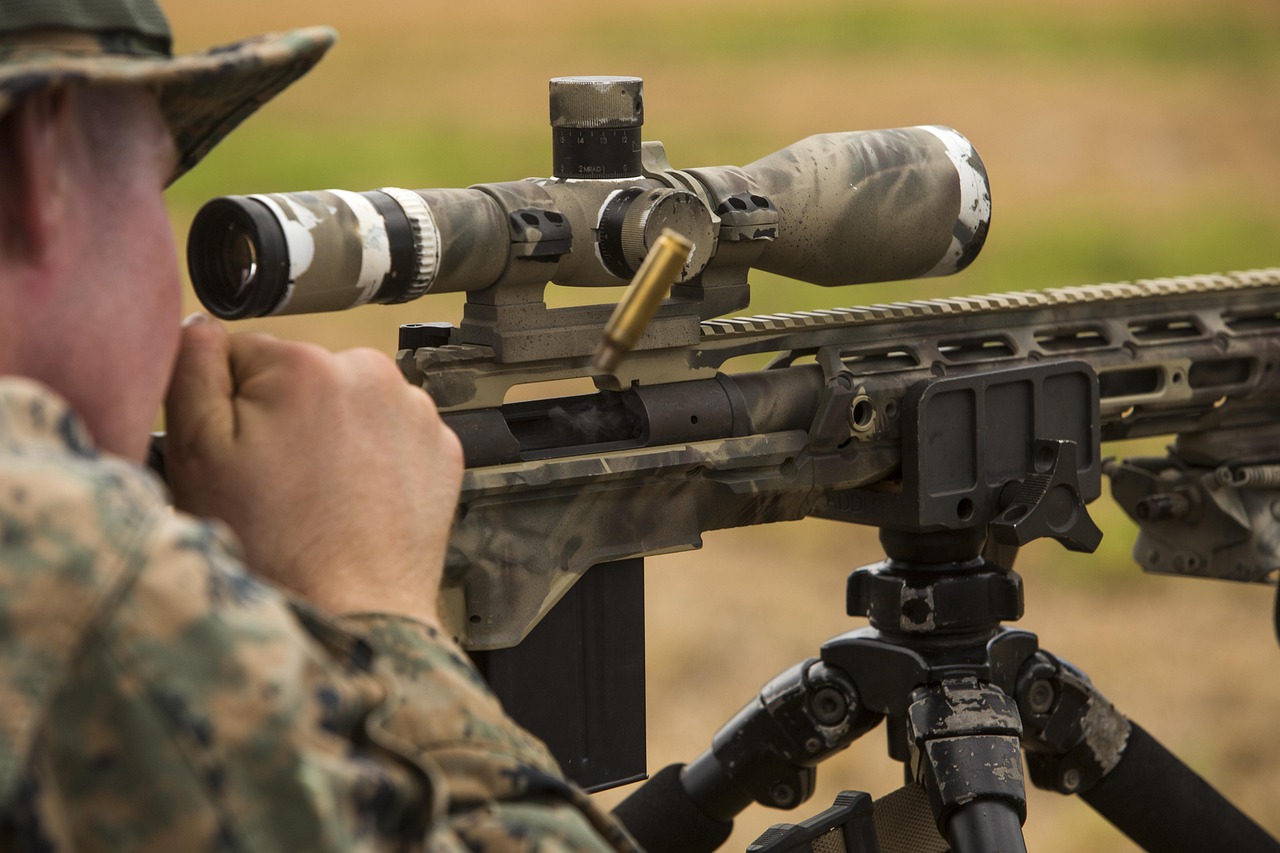
Mounting rings hold your optic steady, but if they’re too tight, you can damage the tube. Too loose, and your scope can slide or lose zero after a few shots. Use a torque wrench and follow the manufacturer’s specifications for proper tension. Clean the threads and apply a small dab of non-permanent thread locker if needed. The goal is to balance secure enough to withstand recoil, but not so tight that it distorts the scope body or internal adjustments.
4. Neglecting to Reconfirm Zero Regularly
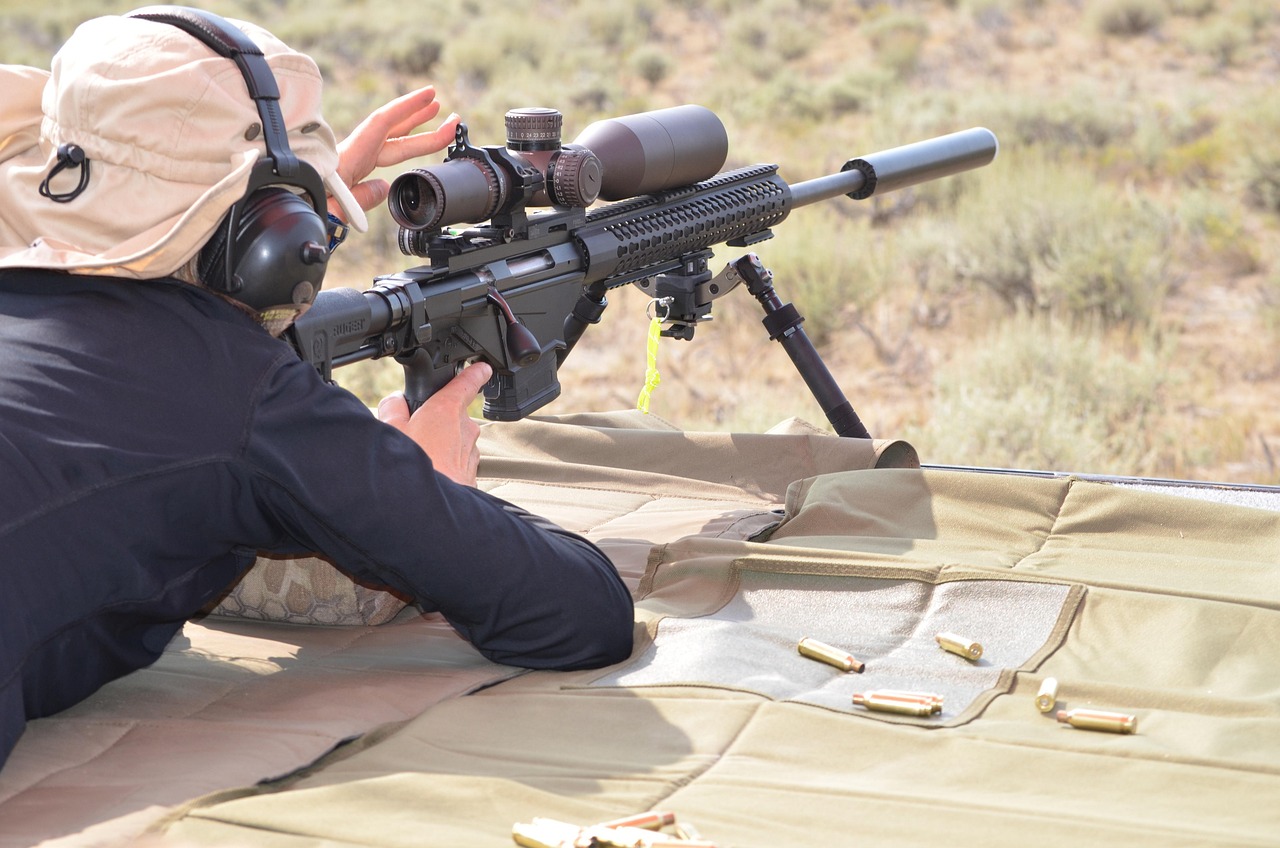
Even the best setups can drift off zero after rough travel, weather shifts, or repeated firing. Many shooters make the mistake of assuming that once zeroed means forever accurate. Regularly confirm your zero before hunting trips or range sessions, especially if the rifle’s been bumped or exposed to temperature changes. A quick check saves frustration in the field and ensures ethical, clean shots. Make it a habit to keep detailed notes on ammo type, distance, and adjustments for consistency.
5. Using the Wrong Magnification for the Situation
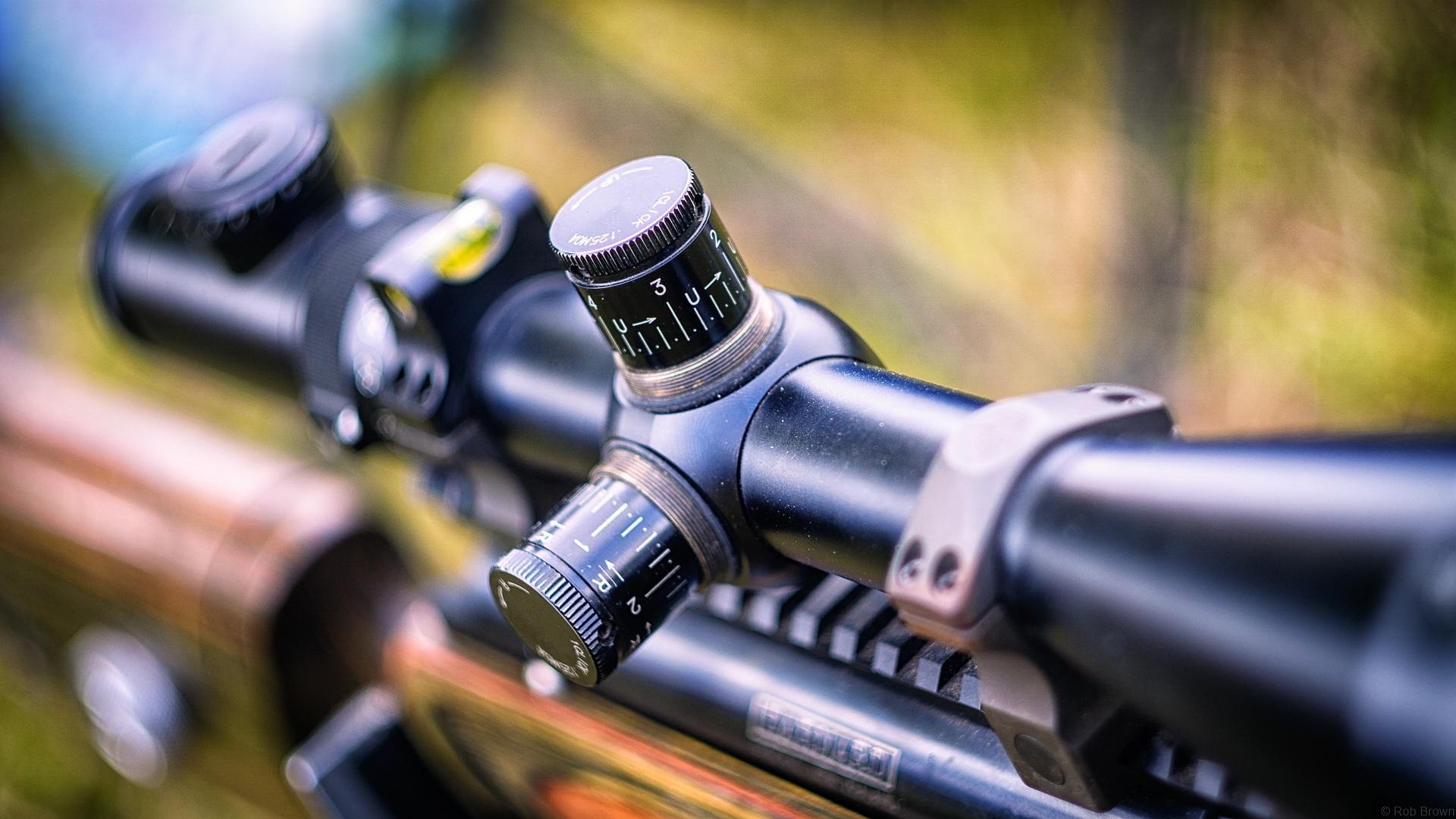
Many shooters crank their scopes to maximum power, thinking it guarantees precision. In reality, too much magnification narrows your field of view and amplifies small wobbles. Lower power is often better for quick target acquisition and steadier holds, especially in dense woods or unpredictable weather. Know when to zoom in and when to dial back. The right magnification should feel natural, offering a clear view of your target without sacrificing awareness or control.
6. Overlooking Parallax Adjustment
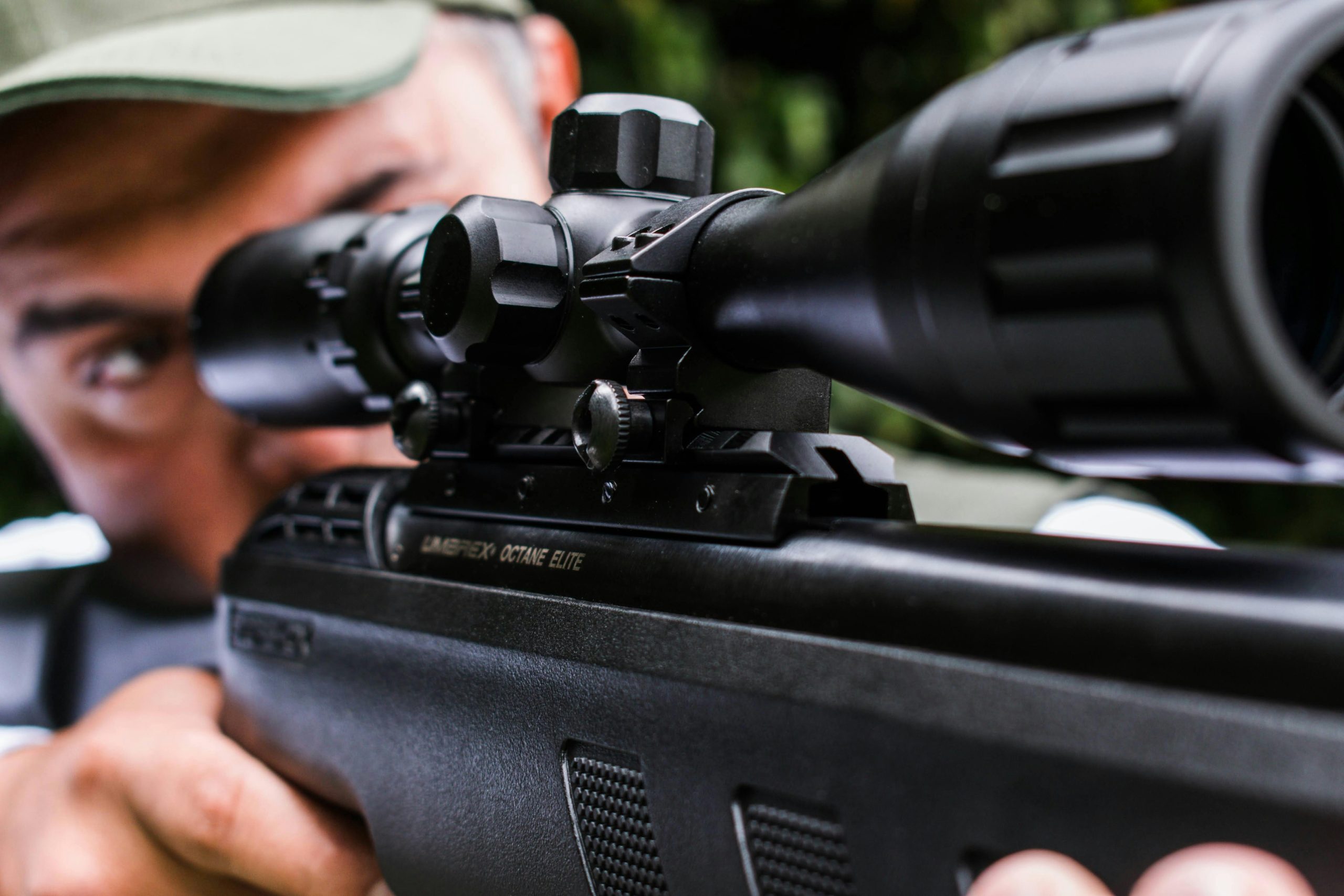
Parallax errors can sneak up on even experienced shooters. If your target seems to shift when you move your head slightly, your parallax isn’t set correctly. This can throw shots off, especially at longer ranges. Use your scope’s side or objective adjustment to align the reticle and target plane at your intended distance. Always check this before taking precision shots. Correct parallax makes your aiming point remain steady, even when your eye position changes slightly, improving consistency.
7. Neglecting Lens Care and Environmental Protection
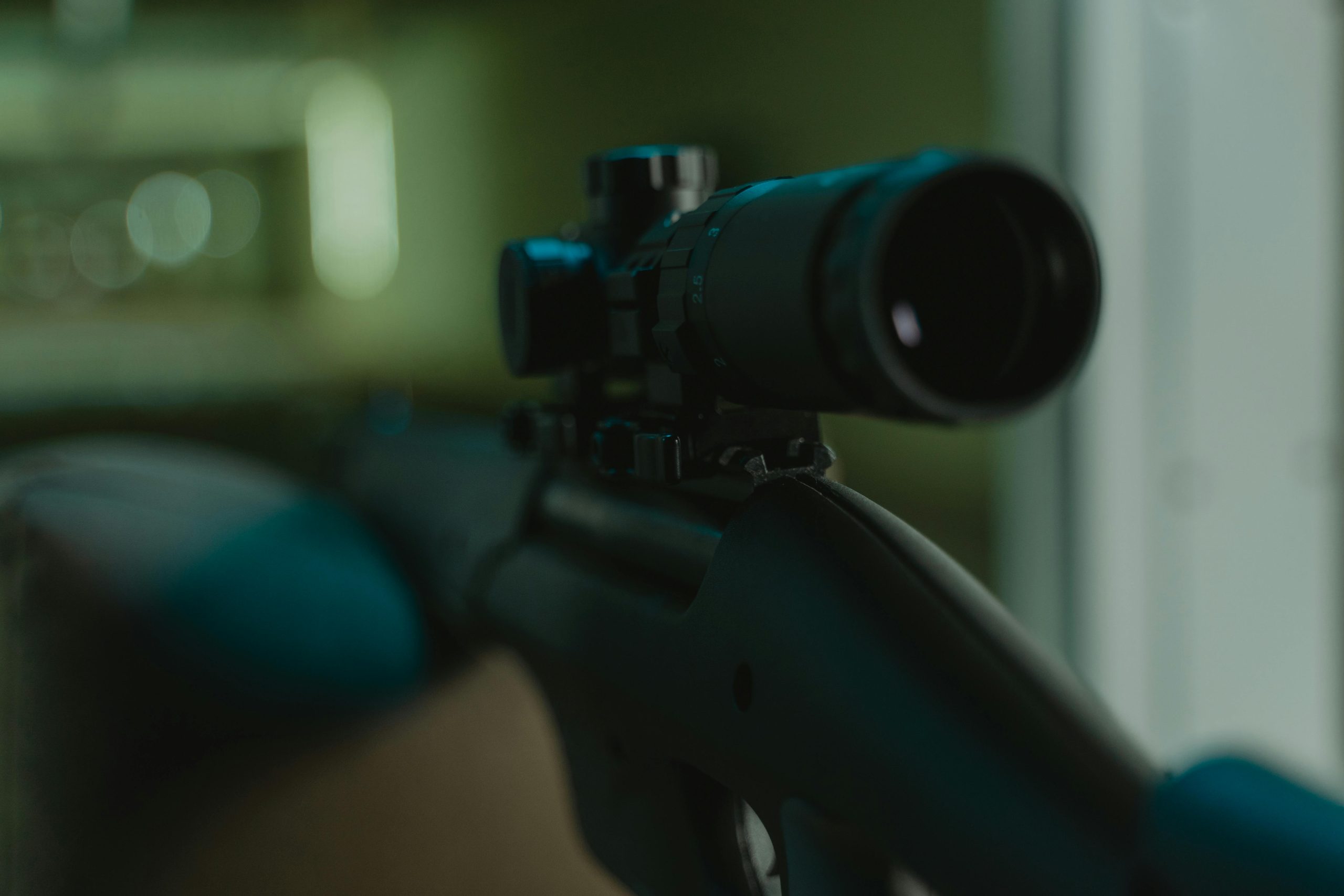
Dirty or fogged lenses are accuracy killers. Dust, oil, and condensation distort clarity and can even scratch coatings over time. Always use a microfiber cloth and lens safe cleaner, never your shirt or tissue. In cold or humid conditions, use anti-fog solutions and lens caps. Store your rifle in a dry, padded case, and avoid leaving it in vehicles where temperature swings cause condensation. Clear optics are essential for accurate aiming, and caring for them protects both your investment and your shot confidence.