Long before “bushcraft” became a modern buzzword, ancient civilizations had already perfected the art of surviving and thriving in the wild. These early societies didn’t rely on fancy gear or modern tools; they built shelters, hunted, farmed, and navigated vast landscapes using instinct, observation, and resourcefulness. Their survival skills weren’t hobbies; they were ways of life, passed down through generations. Here are seven lost civilizations that embodied true wilderness mastery long before the term “bushcraft” ever existed.
1. The Ancestral Puebloans
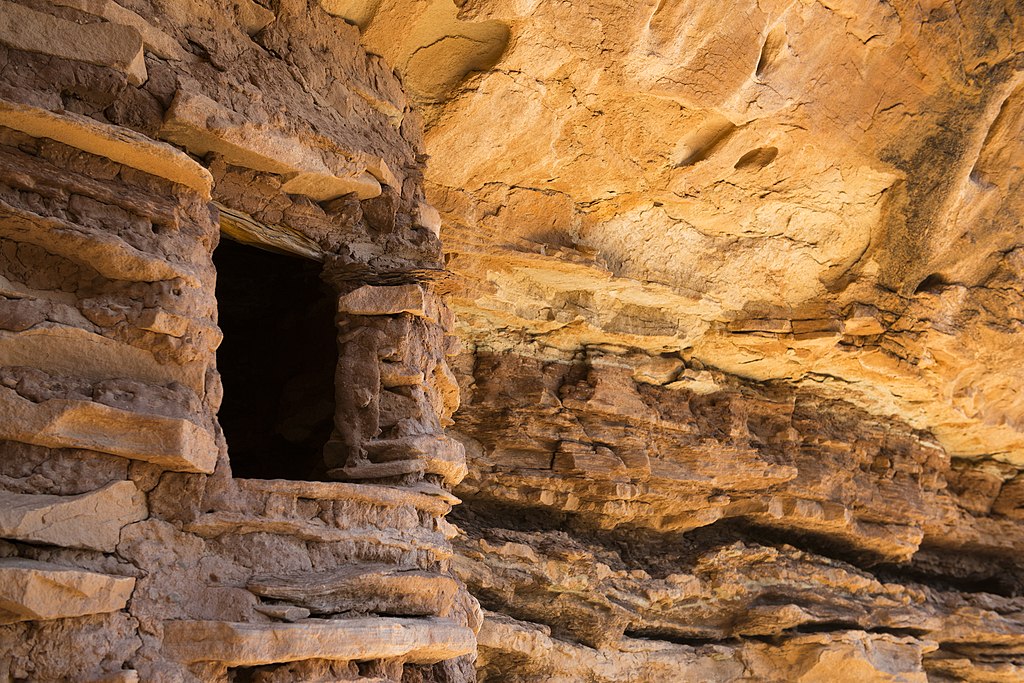
The Ancestral Puebloans of the American Southwest thrived in harsh desert environments centuries before modern survival methods were written down. They carved homes into cliffs for natural insulation, mastered dry farming in arid lands, and built irrigation systems that sustained entire communities. They also crafted pottery to store food and designed kivas for spiritual gatherings. Their ability to adapt to unpredictable weather and limited water makes them pioneers of desert survival and sustainability.
2. The Mayans
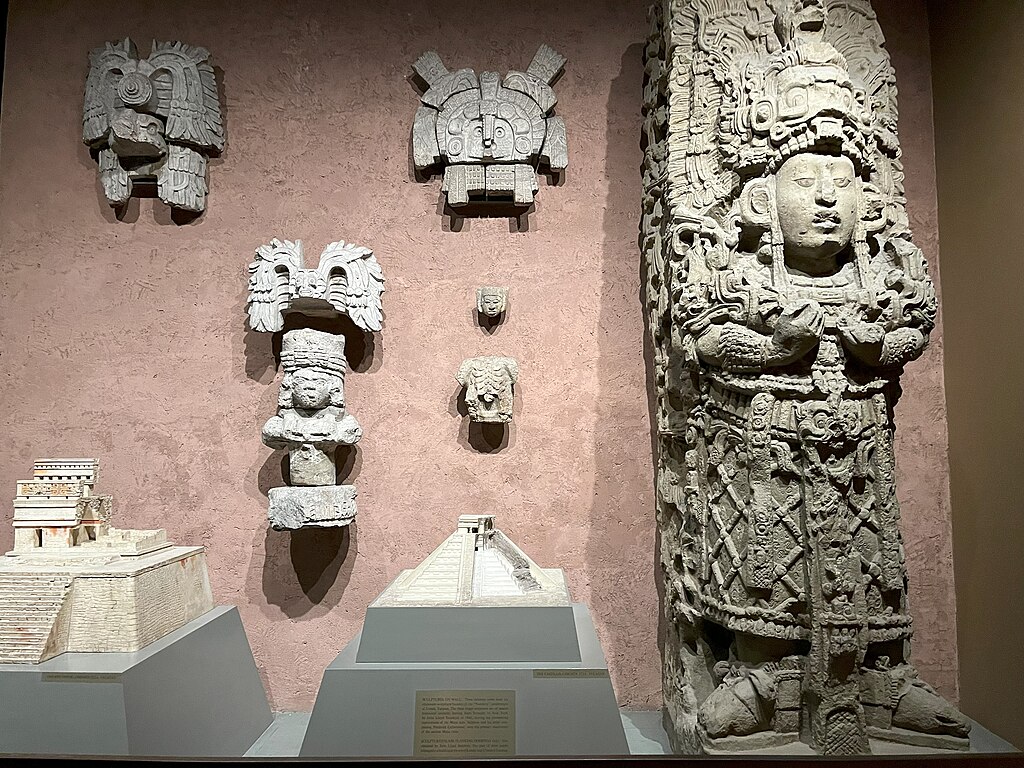
The Mayans turned the dense jungles of Central America into thriving cities powered by advanced ecological knowledge. They created raised fields, water reservoirs, and sophisticated irrigation systems to withstand droughts. Using limestone and local vegetation, they built strong, climate-adapted homes and temples. Their deep understanding of astronomy and the seasons helped them plan harvests and migrations. The Mayans balanced nature with architecture, showing how deep observation and patience can turn wilderness into civilization.
3. The Vikings
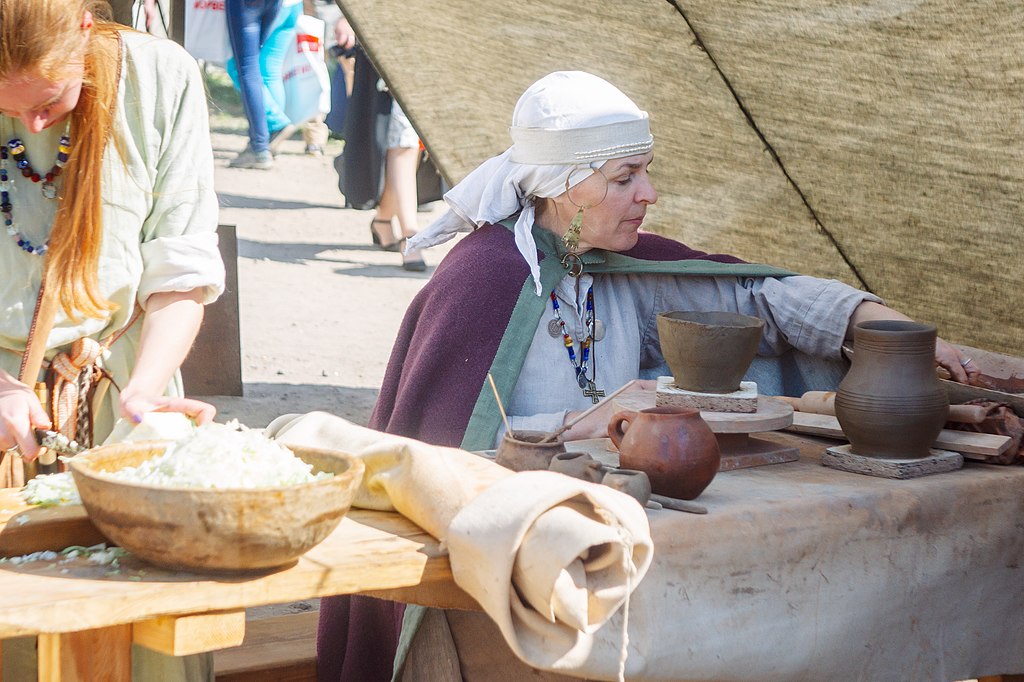
The Norse Vikings were more than fierce warriors; they were masters of survival in some of the world’s harshest northern environments. Using woodcraft, blacksmithing, and navigation by the stars, they conquered icy seas and rugged terrain. They built strong, wind-resistant longhouses and preserved food through drying, salting, and fermenting. Their clothing, made from wool and animal hides, kept them warm in brutal winters. Every tool, ship, and shelter they built reflected precision, adaptation, and grit.
4. The Aboriginal Australians
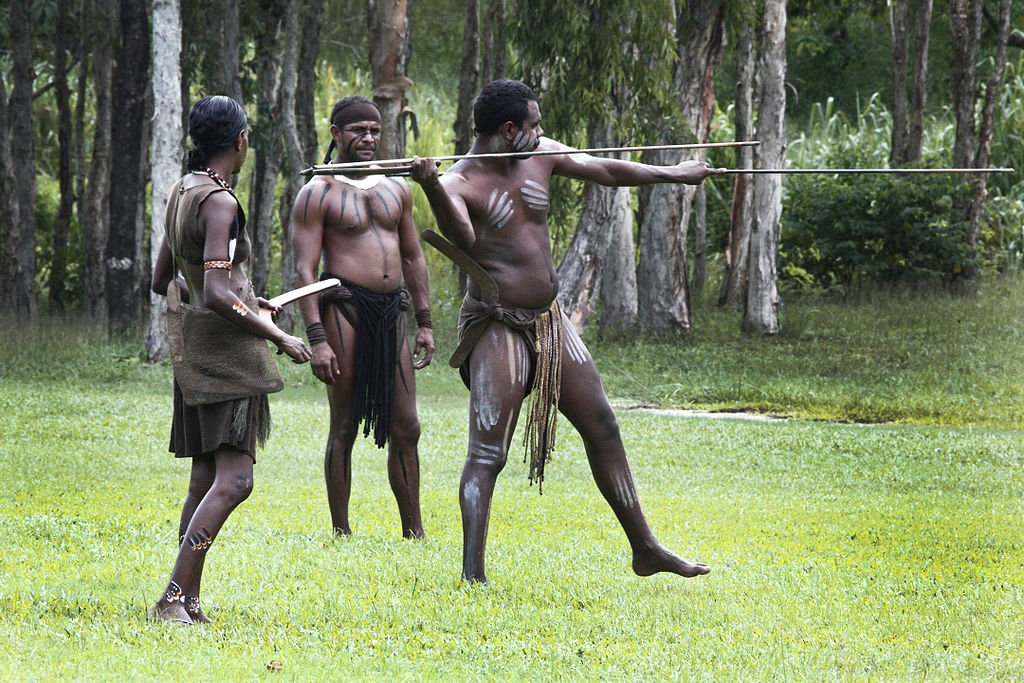
Aboriginal Australians represent one of the oldest continuous cultures on Earth, thriving for over 50,000 years through a deep connection to the land. They mastered fire management using controlled burns to renew ecosystems and developed tools like boomerangs and digging sticks from native materials. Their detailed “Dreamtime” stories doubled as maps and survival guides, teaching navigation, hunting, and resource use. This spiritual and practical relationship with the land defines the essence of true bushcraft.
5. The San People of Southern Africa
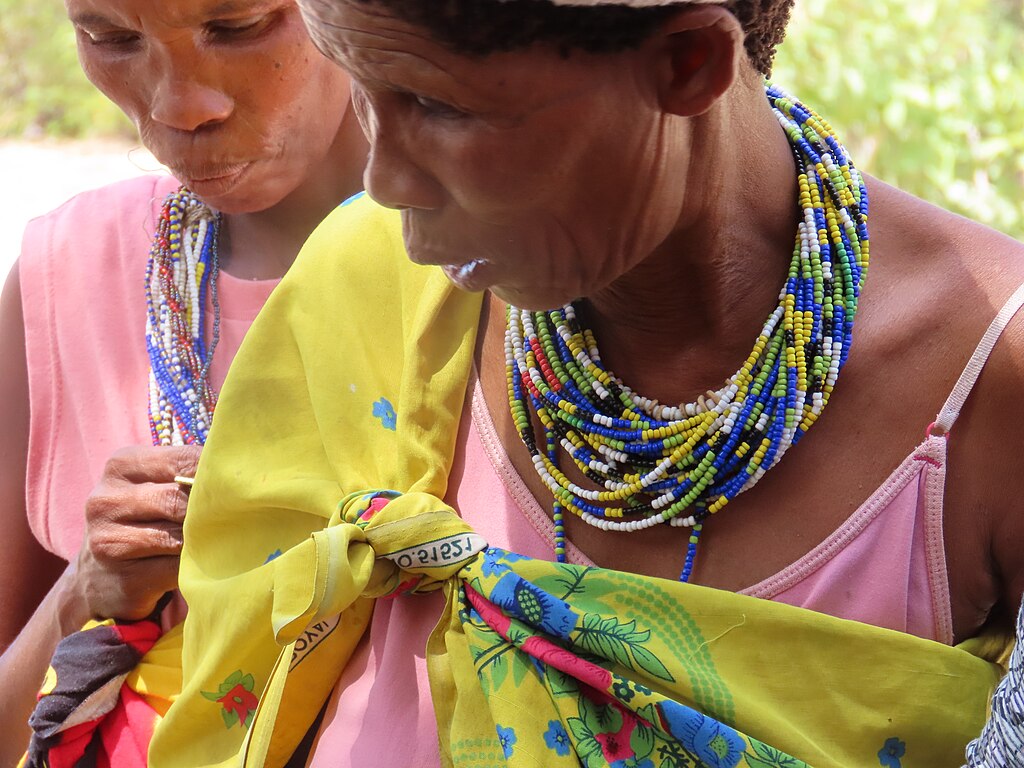
The San, or Bushmen, lived in the Kalahari Desert using ancient skills still admired today. Expert trackers could read animal prints and shifting sands to locate water and prey. They crafted bows from local woods and arrows tipped with natural poisons, ensuring efficient hunting. Their deep understanding of edible and medicinal plants allowed them to survive where others couldn’t. Living lightly on the land, they practiced harmony with nature rather than dominance over it.
6. The Polynesians

The Polynesians were master navigators who explored the Pacific Ocean long before modern compasses existed. Using stars, wind, ocean swells, and bird patterns, they voyaged thousands of miles in handmade canoes. They carried knowledge of fishing, food preservation, and island agriculture to sustain them across generations. Their social systems emphasized sharing resources, which ensured group survival. Their combination of craftsmanship, observation, and courage made them true bushcraft innovators of the open sea.
7. The Inca Empire
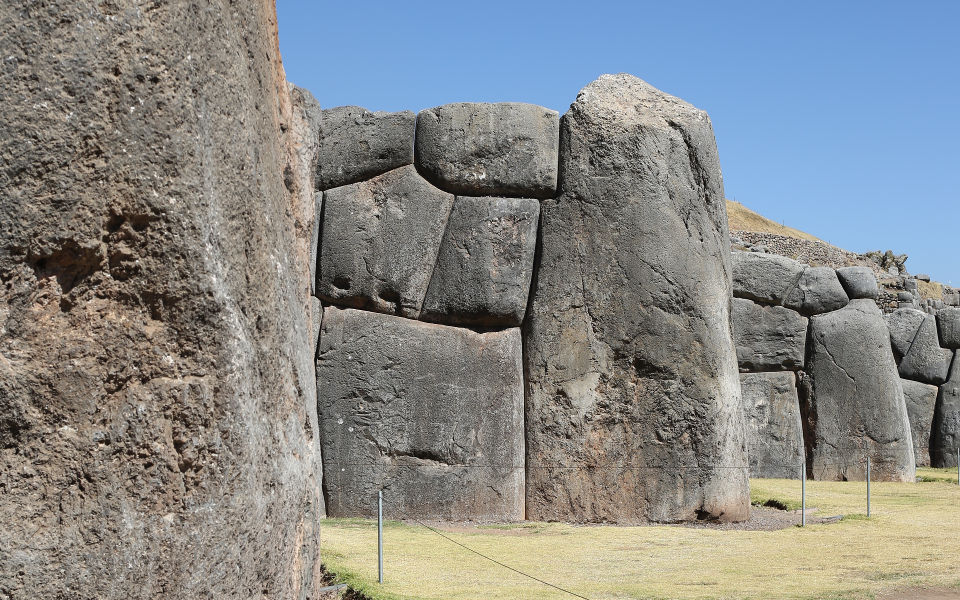
High in the Andes, the Inca built an empire on mountain peaks and steep valleys where survival required ingenuity. They constructed terraced farms that resisted erosion, cultivated potatoes and quinoa at high altitudes, and used llamas for transport. Their stone architecture, like Machu Picchu, was earthquake-resistant and sustainable. The Inca also developed vast road systems and communication methods across impossible terrain. Their seamless harmony between engineering and ecology remains one of humanity’s greatest survival achievements, proving that innovation and respect for nature can sustain an entire civilization in even the harshest environments.