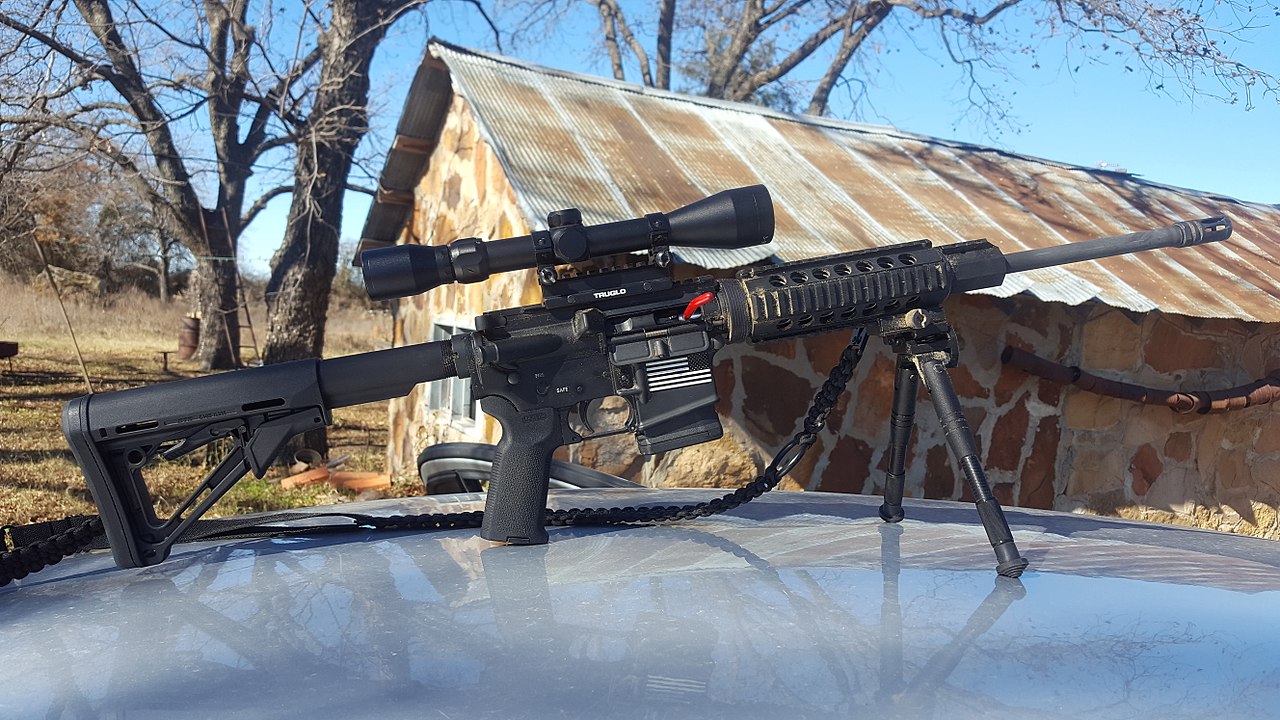
Firearm design is often viewed as a mature field, yet certain weapons continue to challenge modern engineers decades after their introduction. These firearms are not frightening in a literal sense but rather in the technical demands they impose. Extreme pressures, unusual operating mechanisms, punishing recoil forces, and relentless reliability expectations push the boundaries of materials science and mechanical design. Some designs succeeded brilliantly despite daunting constraints, while others became cautionary tales studied in engineering circles. What makes these guns remarkable is how they exposed hidden complexities within seemingly straightforward systems. Even with advanced modeling tools and improved metallurgy, the lessons from these weapons remain deeply relevant.
1. Desert Eagle
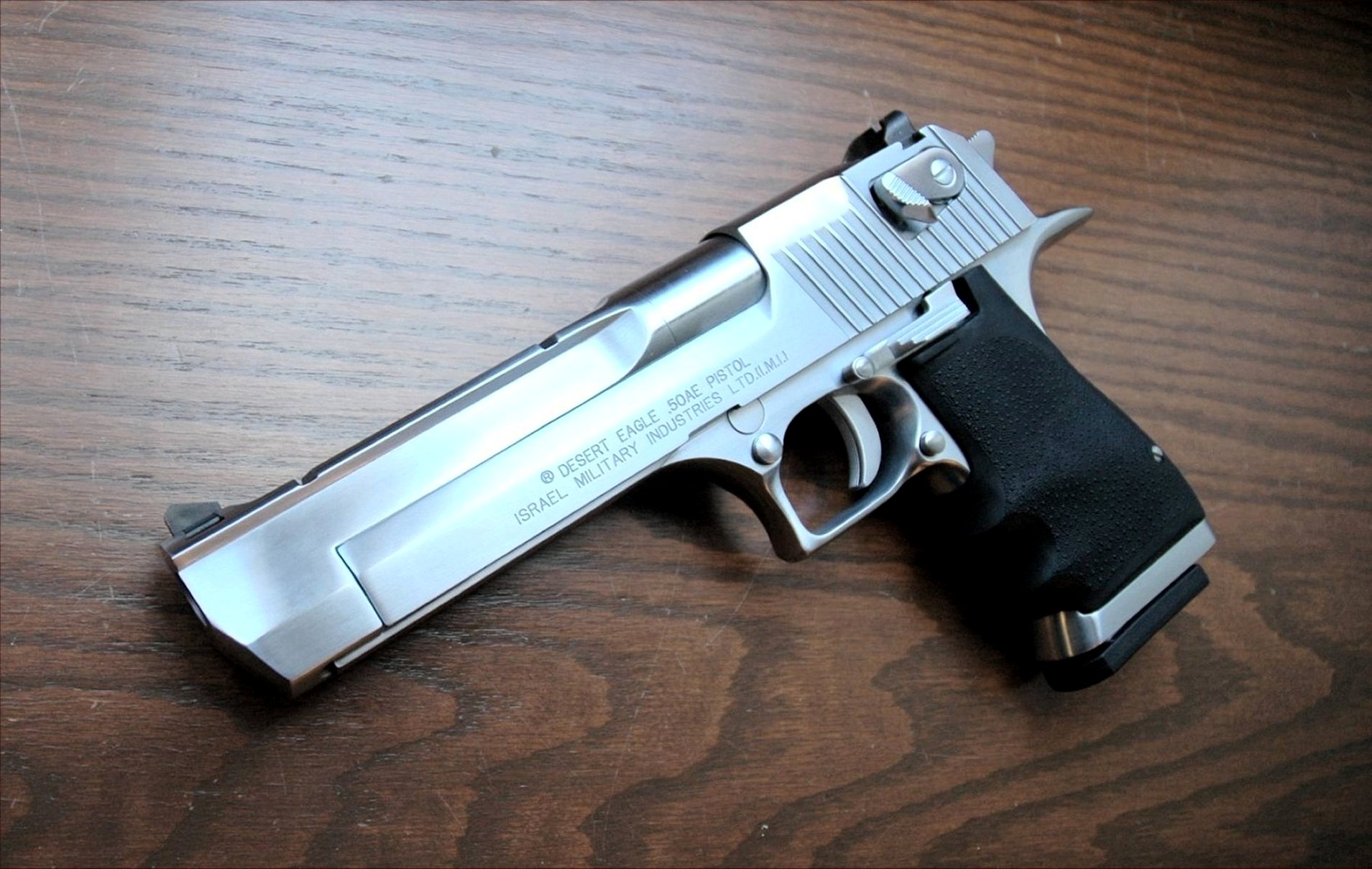
The Desert Eagle stands as a striking example of engineering ambition confronting physical reality. Unlike most semi-automatic pistols, it employs a gas-operated mechanism more commonly associated with rifles. This choice introduced significant challenges, including managing high-pressure cartridges within a handgun-sized platform. The system required precise timing, durable components, and careful heat management. Recoil forces and slide mass demanded unusual design solutions to maintain reliability. Engineers often cite the Desert Eagle as a reminder that scaling rifle concepts into compact formats is far from trivial. Its dramatic appearance may capture attention, but its internal mechanics reveal why such designs remain rare and technically demanding.
2. MG42 Machine Gun
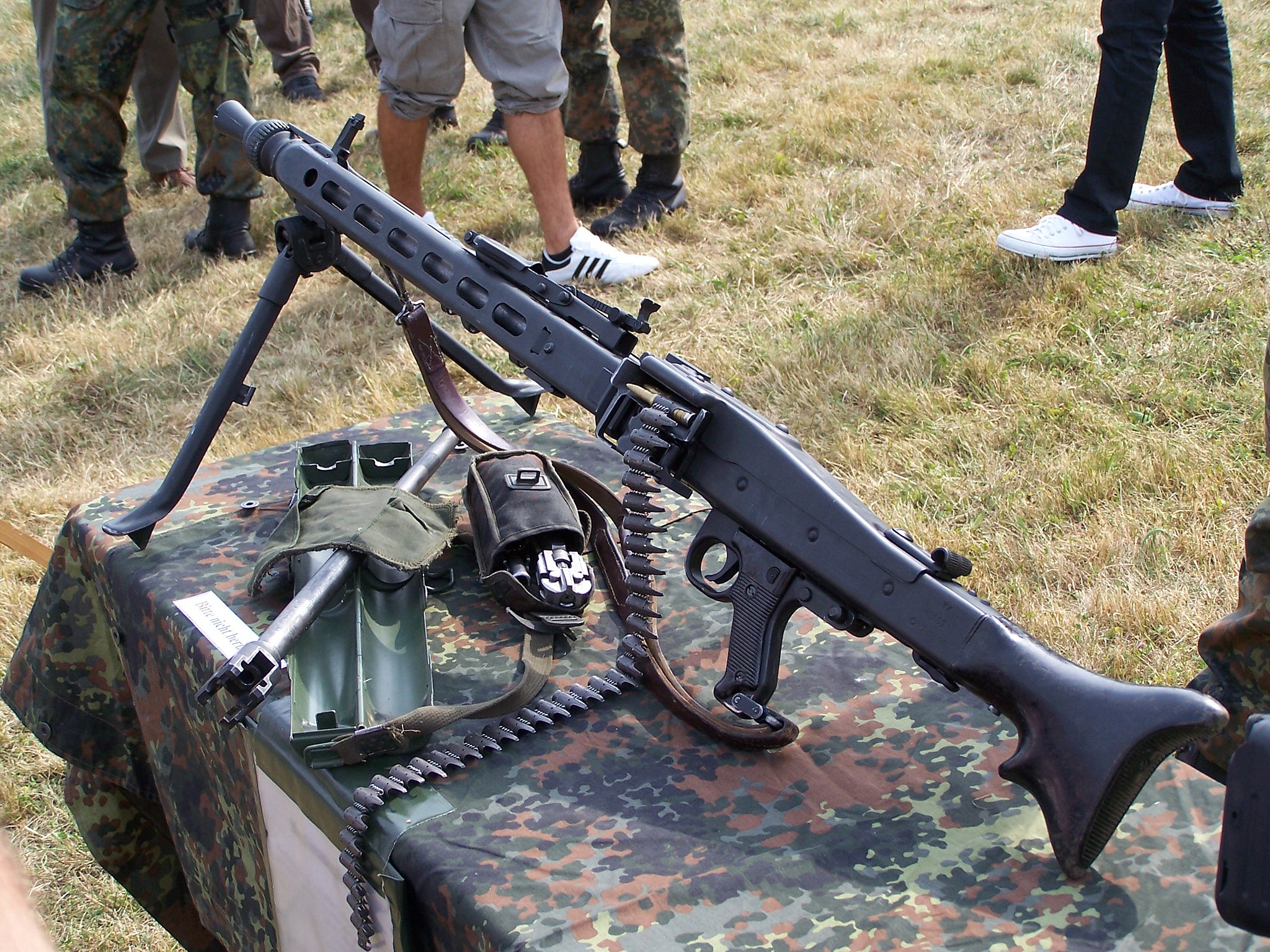
The MG42 continues to impress and intimidate engineers because of its extraordinary rate of fire and mechanical resilience. Achieving such performance required innovative approaches to mass production, material selection, and operating dynamics. The weapon’s roller locked system and aggressive cyclic speed generated stresses that few designs could tolerate consistently. Balancing durability with manufacturability under wartime conditions added further complexity. Engineers studying the MG42 frequently marvel at how designers maintained reliability despite extreme operating demands. The firearm illustrates how high-speed mechanical systems magnify even minor tolerances or material weaknesses. Its legacy endures not only in history but in ongoing discussions about mechanical efficiency and stress management.
3. Glock 17

At first glance, the Glock 17 appears deceptively simple, yet its design unsettled traditional engineering assumptions. Extensive use of polymer materials in critical structural roles represented a major departure from established conventions. Engineers faced the challenge of ensuring long term durability, dimensional stability, and resistance to repeated stress cycles. The pistol’s internal safety systems and minimal component count required careful integration to avoid unintended interactions. Its success forced the industry to reconsider material science possibilities within firearms. The Glock’s influence extends far beyond popularity. It demonstrated that unconventional engineering choices, when executed with precision, can redefine expectations while introducing entirely new categories of design considerations.
4. AN94 Abakan

The AN94 Abakan remains one of the most mechanically complex service rifles ever fielded, presenting engineers with a puzzle of timing and motion. Its unique delayed recoil system allowed two rounds to be fired at extremely high speed before the shooter experienced full recoil. Achieving this effect required intricate internal mechanisms operating with remarkable synchronization. The design introduced numerous moving parts, each subject to wear and alignment constraints. Engineers often reference the AN94 as a case study in the tradeoff between innovation and practical maintainability. While conceptually brilliant, its complexity underscores how advanced mechanical solutions can strain manufacturing, maintenance, and long-term reliability considerations.
5. Barrett M82

The Barrett M82 exemplifies the challenges of managing enormous forces within a shoulder-fired platform. Chambered for powerful cartridges, the rifle must absorb and redirect substantial recoil energy without compromising structural integrity. Engineers confront issues of material fatigue, component mass, and shooter controllability. The semi-automatic action further complicates matters by introducing moving assemblies subjected to intense stresses. Precision requirements coexist with durability demands, creating a difficult design balance. The rifle’s scale alone magnifies every mechanical decision. For engineers, it represents the reality that extreme ballistic performance inevitably produces extreme mechanical consequences. Its continued relevance highlights the enduring difficulty of designing reliable high-energy systems.
6. P90 Personal Defense Weapon

The P90 challenged engineers through its unconventional layout and feeding system, departing radically from traditional firearm architecture. Its top-mounted magazine and compact bullpup configuration required innovative solutions to ensure consistent ammunition flow and mechanical reliability. Rotational feeding geometry introduced unique friction and alignment considerations. Engineers also addressed ergonomic constraints imposed by the weapon’s compact dimensions. Integrating these elements without sacrificing performance demanded careful coordination between mechanical design and human factors. The P90 illustrates how nontraditional concepts often generate unforeseen technical hurdles. While visually distinctive, its true significance lies in the engineering creativity necessary to transform an unusual idea into a functional, reliable firearm.
7. Chiappa Rhino Revolver
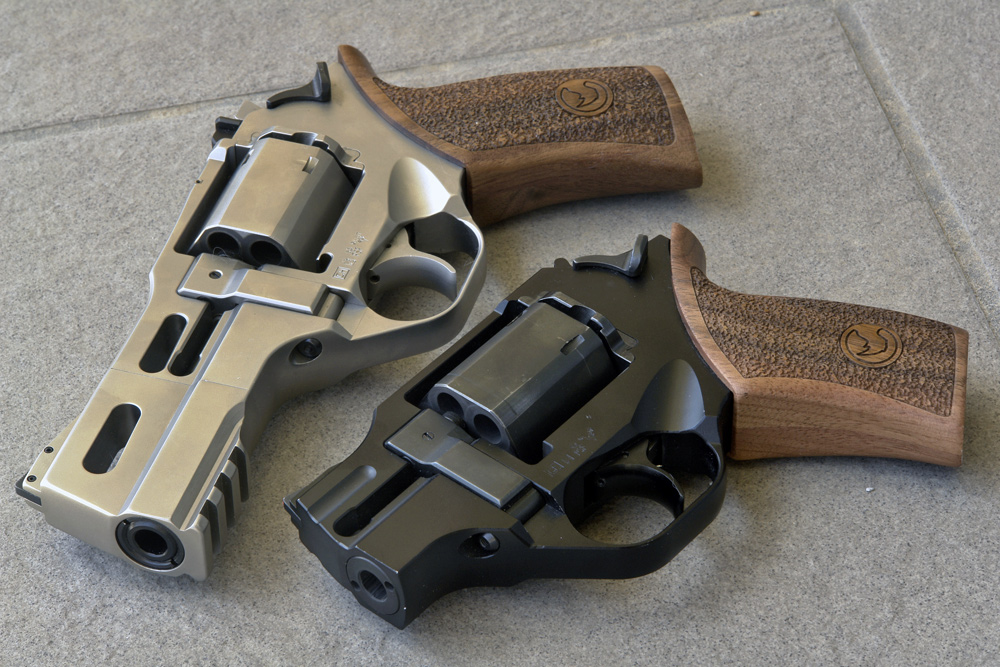
The Chiappa Rhino revolver unsettles conventional thinking by relocating the barrel to align with the lower chamber rather than the uppermost position. This seemingly simple change profoundly affects recoil dynamics, internal geometry, and structural stress distribution. Engineers had to redesign core aspects of revolver mechanics, including trigger linkage and cylinder interaction. Altering force vectors introduced both advantages and fresh technical challenges. The Rhino demonstrates how even mature firearm categories still contain opportunities for radical innovation. For engineers, it serves as a reminder that deviations from long-established configurations can demand extensive reengineering. Its distinctive profile reflects deeper mechanical experimentation beneath the surface.