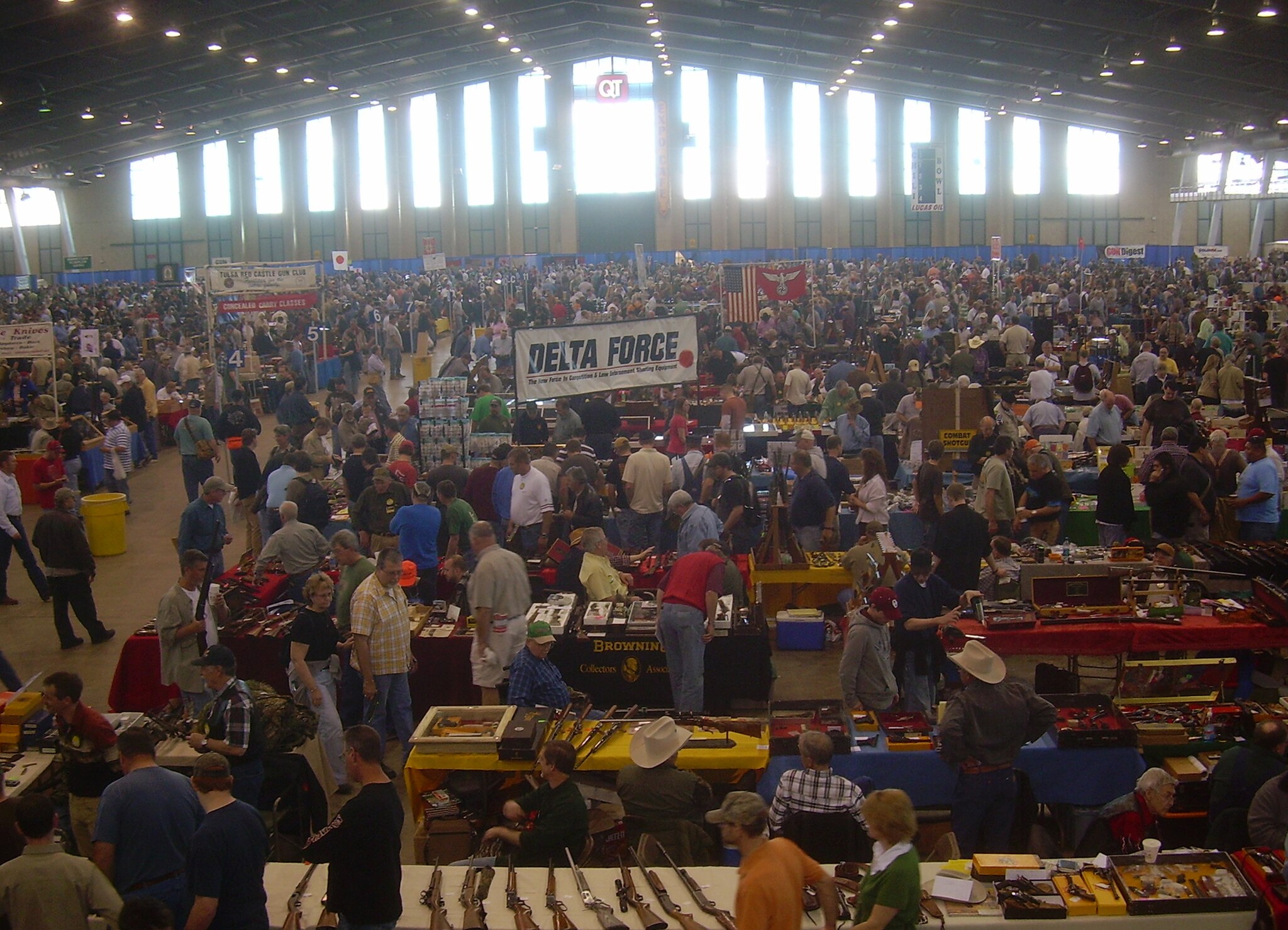
Gun shows can feel fast-paced and information-heavy, with crowded aisles, brief conversations, and plenty of items competing for attention. That atmosphere can make certain purchases look simpler than they really are, especially when packaging is incomplete, or the buyer assumes follow-up will be easy later. This article stays neutral and focuses on non-firearm pitfalls that can create regret after leaving the venue. Seven common categories tend to cause problems involving compatibility, condition, documentation, or return limits. Each section names one type of purchase and explains why it can become inconvenient, costly, or legally confusing once home.
Loose Ammunition With Unclear Origin Or Packaging
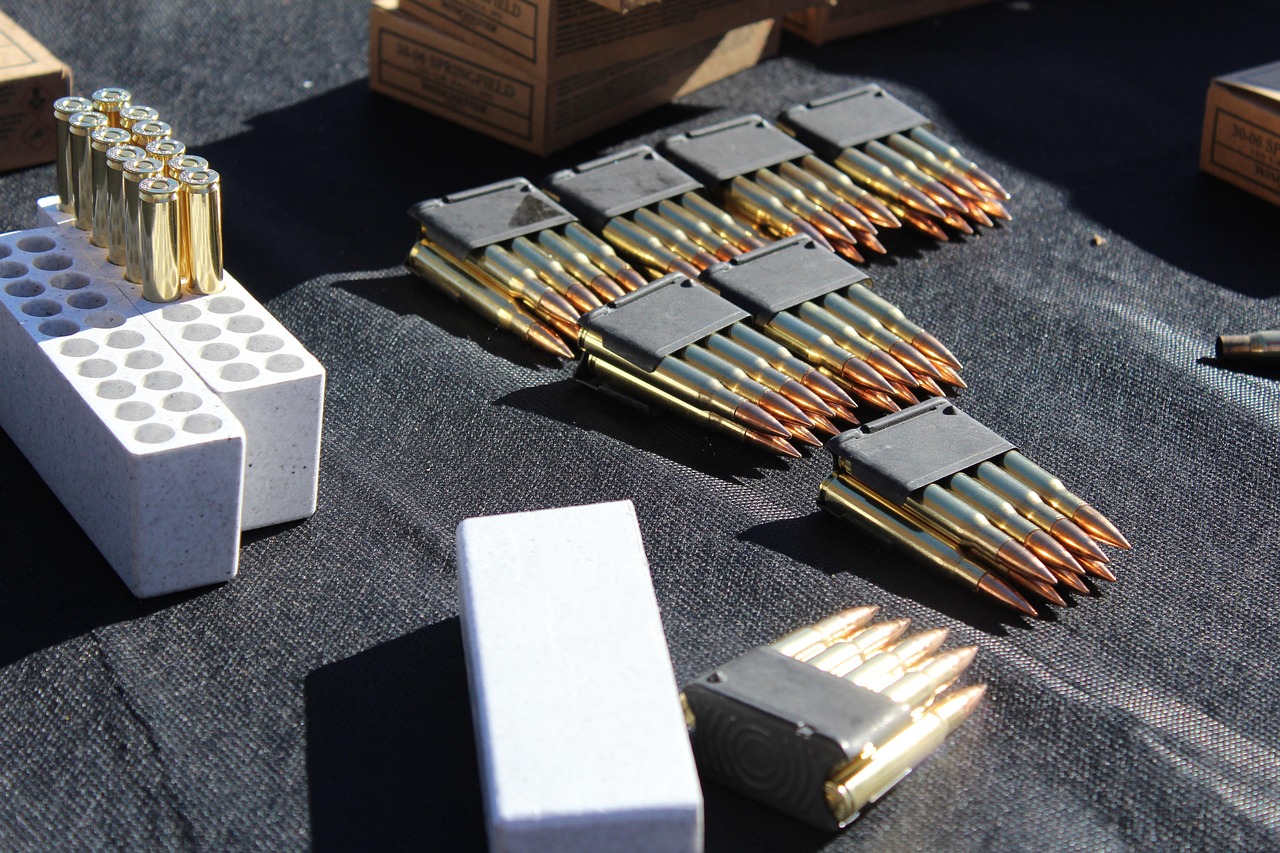
Ammunition sold in mixed lots or unmarked containers can look like a bargain, yet questions arise later about caliber, load details, and storage history. Without original packaging, it becomes harder to confirm specifications, track lot information, or separate similar-looking rounds safely. Condition issues may also go unnoticed under show lighting, especially if corrosion, dents, or contamination affect individual cartridges. Returns can be difficult if the seller operates temporarily or sets strict policies. At home, the practical value drops when uncertainty prevents confident identification. Clear labeling and traceable packaging matter for recordkeeping, safe handling, and straightforward sorting.
Aftermarket Magazines Without Verified Compatibility
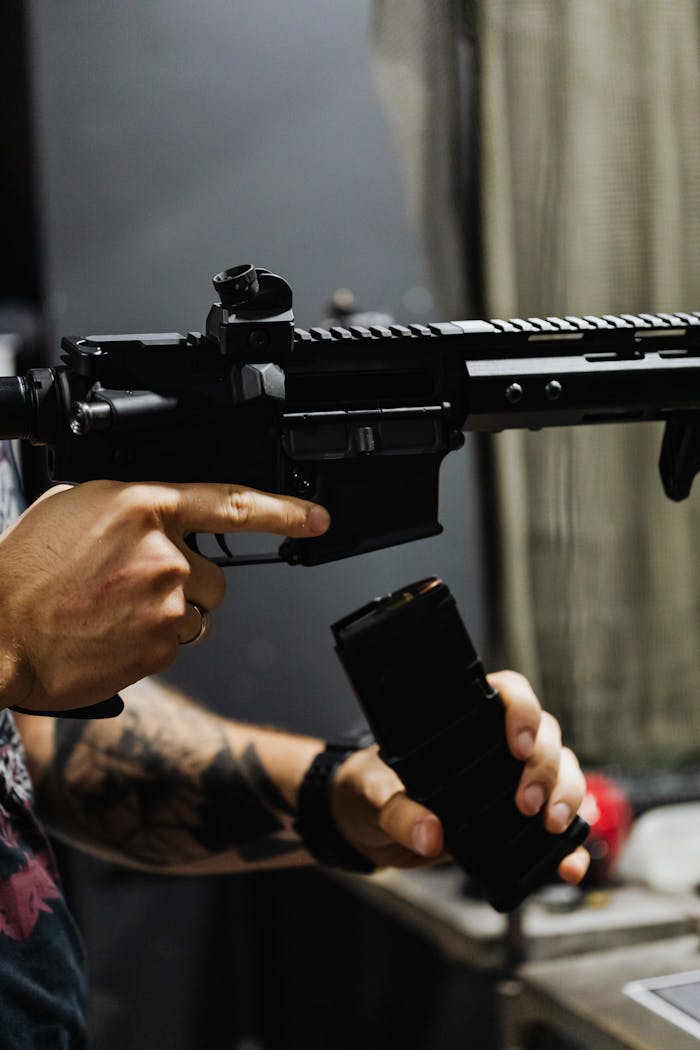
Aftermarket magazines often appear interchangeable, yet small differences in platform generations and tolerances can create fit and function problems. Packaging may not list exact models, and sellers sometimes group similar items, which increases confusion. At home, a magazine may fail to seat properly, sit too loosely, or show wear that was easy to miss. Springs and feed lips can also degrade over time, and those issues are not always obvious during a quick inspection. When returns are limited, the purchase becomes clutter rather than value. Compatibility checks and clear markings help reduce needless trial and error later.
Holsters That Do Not Match Carry Style Or Fit

Holsters can look appealing on a table, but comfort and fit often depend on belt width, body shape, clothing, and specific firearm dimensions. A model that seems right may pinch, shift, or print under typical outfits once worn at home. Materials can also matter, since soft holsters may collapse while rigid holsters may create pressure points. Some designs require specialized mounting hardware that is not included. Return policies may be strict for worn items, even after a brief try-on. A holster becomes a bad buy when daily use feels impractical or uncomfortable.
Optics And Mounts With Missing Parts Or Unknown History
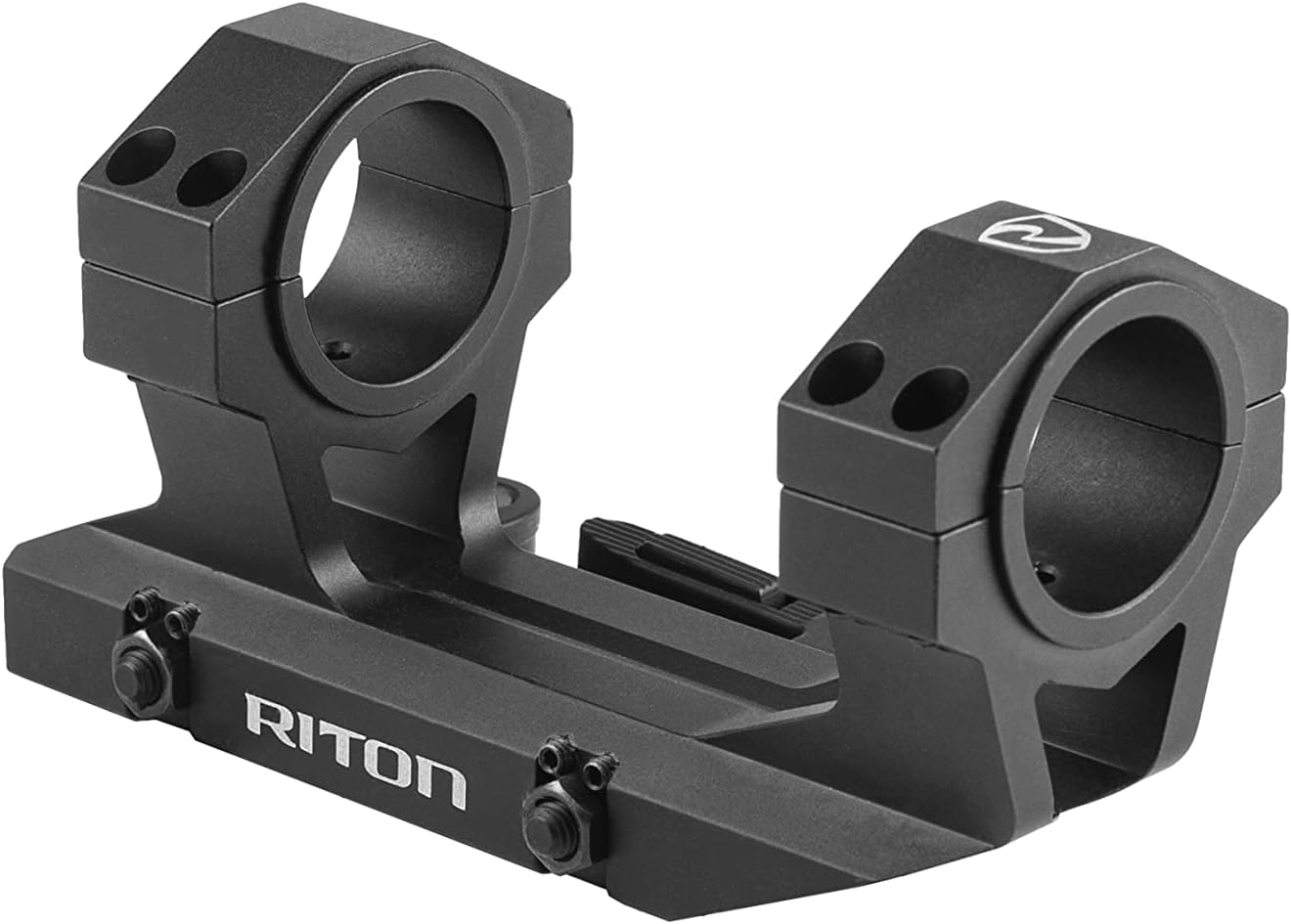
Scopes, red dots, and mounts can be tempting purchases, yet missing screws, stripped threads, and mismatched footprints can surface later. Some items require specific plates, rings, or proprietary tools, and those components may not come with a secondhand setup. Battery contacts, turrets, and lenses can also show subtle damage that is hard to spot quickly. At home, the problem becomes time and money spent chasing parts or discovering that a mount does not align with the intended platform. Documentation and complete packaging help, but many show purchases lack both, which complicates troubleshooting and returns.
Cleaning Kits And Chemicals Without Clear Labeling
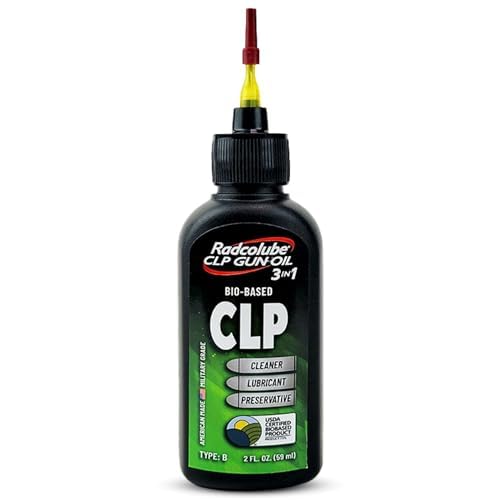
Cleaning supplies can seem harmless, but unlabeled bottles and repackaged solvents create safety and storage concerns. Missing ingredient information makes it difficult to assess ventilation needs, skin irritation risks, or safe disposal practices. Some products can damage finishes or materials when used incorrectly, and a seller’s verbal description may not match what is inside. At home, uncertainty forces a cautious approach that limits usefulness, and improper storage can create leaks or strong odors. Clear labeling, original containers, and reliable instructions reduce confusion. When those basics are missing, the purchase often becomes a regret rather than a convenience.
Reloading Components With Unverified Storage Conditions
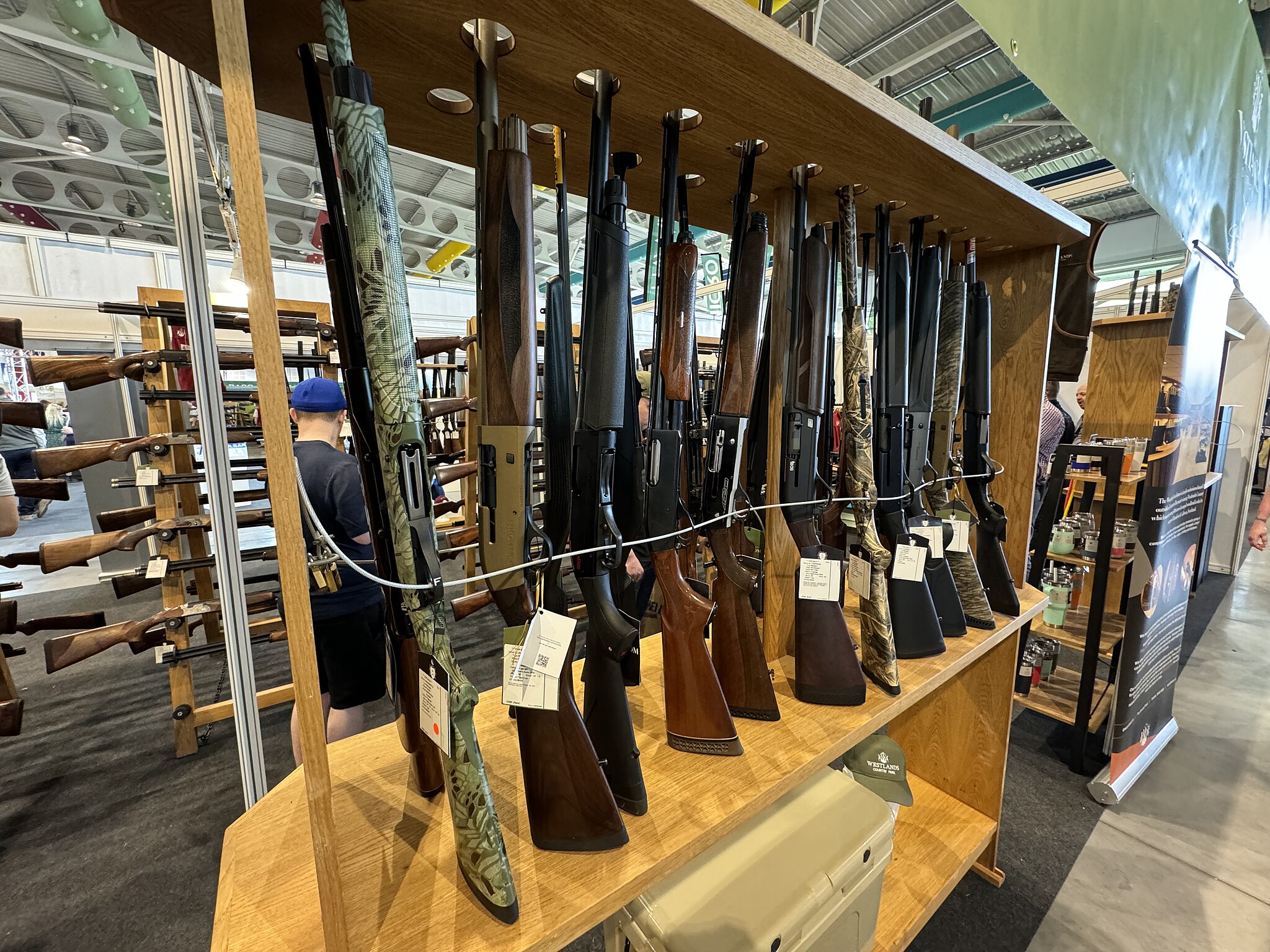
Reloading supplies can be sensitive to storage history, so purchases without clear provenance may raise concerns later. Powders and primers, in particular, depend on proper handling, stable conditions, and intact packaging for straightforward identification and safer recordkeeping. At home, missing labels or incomplete containers create uncertainty that can halt plans and waste money. Even for less sensitive components, mixed lots can hide inconsistent specifications, damaged packaging, or moisture exposure. Sellers may not offer returns on these items, especially once opened. Choosing components with clear labeling, original packaging, and documented details helps prevent confusion and avoidable loss.
Collectible Memorabilia That Lacks Authenticity Or Documentation

Vintage patches, posters, knives, and military-style collectibles can feel like easy impulse buys, yet authenticity questions often appear after a closer look. Reproductions and mismatched parts circulate widely, and provenance is hard to confirm without receipts, markings, or credible documentation. At home, online comparisons may reveal inconsistencies in logos, materials, or dates that were not obvious at the table. Condition issues can also emerge, such as hidden cracks, repairs, or fading. If the seller cannot be found later, the item becomes a questionable keepsake. Documentation and careful verification protect collectors from expensive disappointments.