Camping in Florida often surprises visitors who expect heat but underestimate humidity. Moist air behaves differently from dry heat, quietly affecting comfort, gear, sleep, and safety. High humidity slows evaporation, traps body heat, and keeps surfaces damp long after rain stops. It also accelerates wear on equipment and encourages insects and mold. These problems rarely appear on the first evening, when excitement masks discomfort. Over time, however, moisture buildup becomes impossible to ignore. Understanding how Florida’s humidity impacts specific camping locations helps campers prepare realistically and avoid problems that grow worse with each passing day outdoors.
1. Everglades National Park
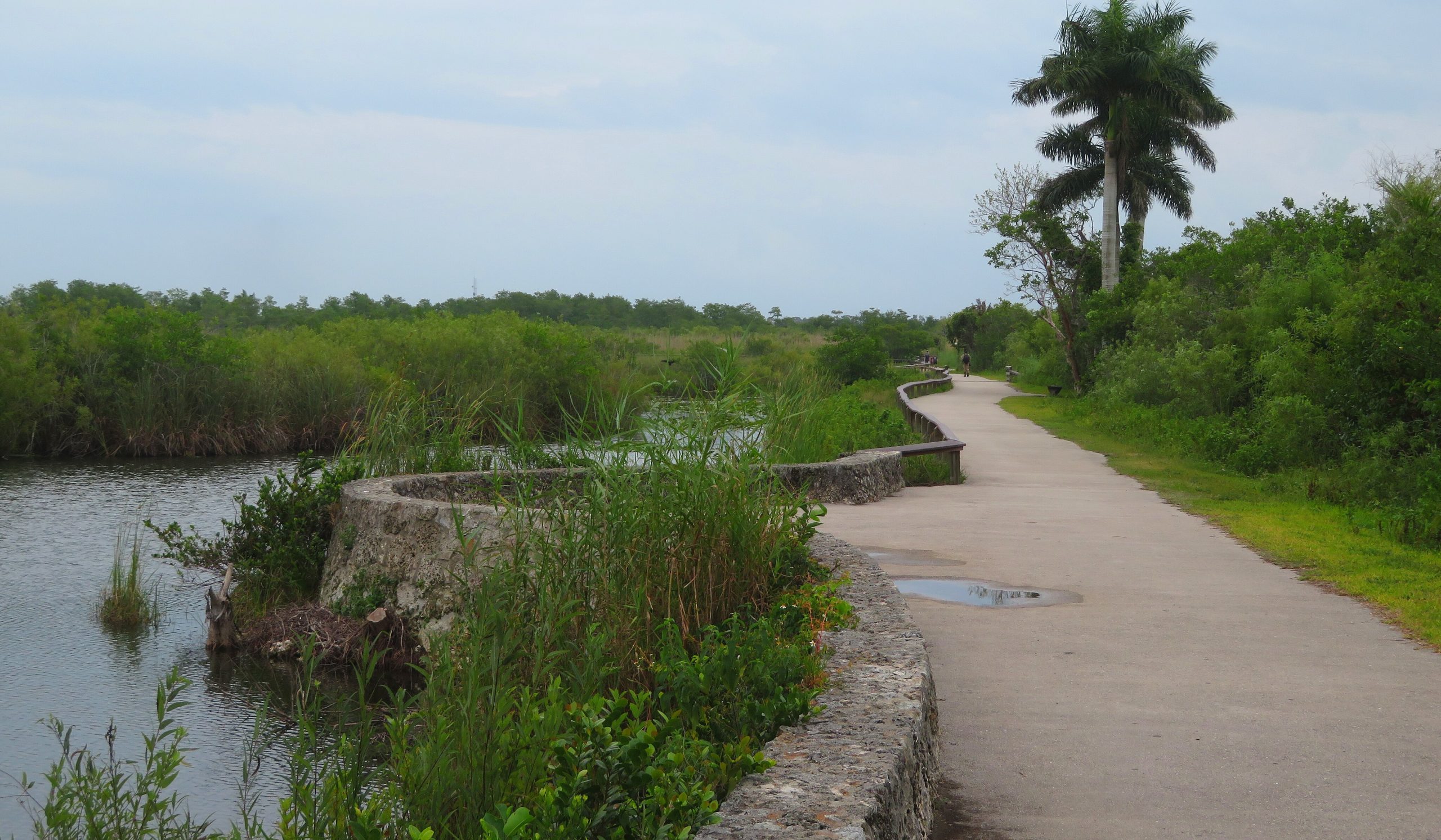
Humidity in the Everglades remains intense throughout the day and night because shallow water and slow air movement prevent drying. Clothing stays damp even after extended sunlight exposure, causing persistent discomfort. Sweat does not evaporate easily, increasing fatigue and dehydration risk. Sleeping bags absorb moisture from the air, reducing warmth and insulation overnight. Food odors spread farther in humid conditions, attracting insects and wildlife into camp areas. Morning condensation collects on tents inside and out, forcing campers to handle wet gear daily. Over several days, constant moisture makes basic routines more tiring and uncomfortable.
2. Ocala National Forest
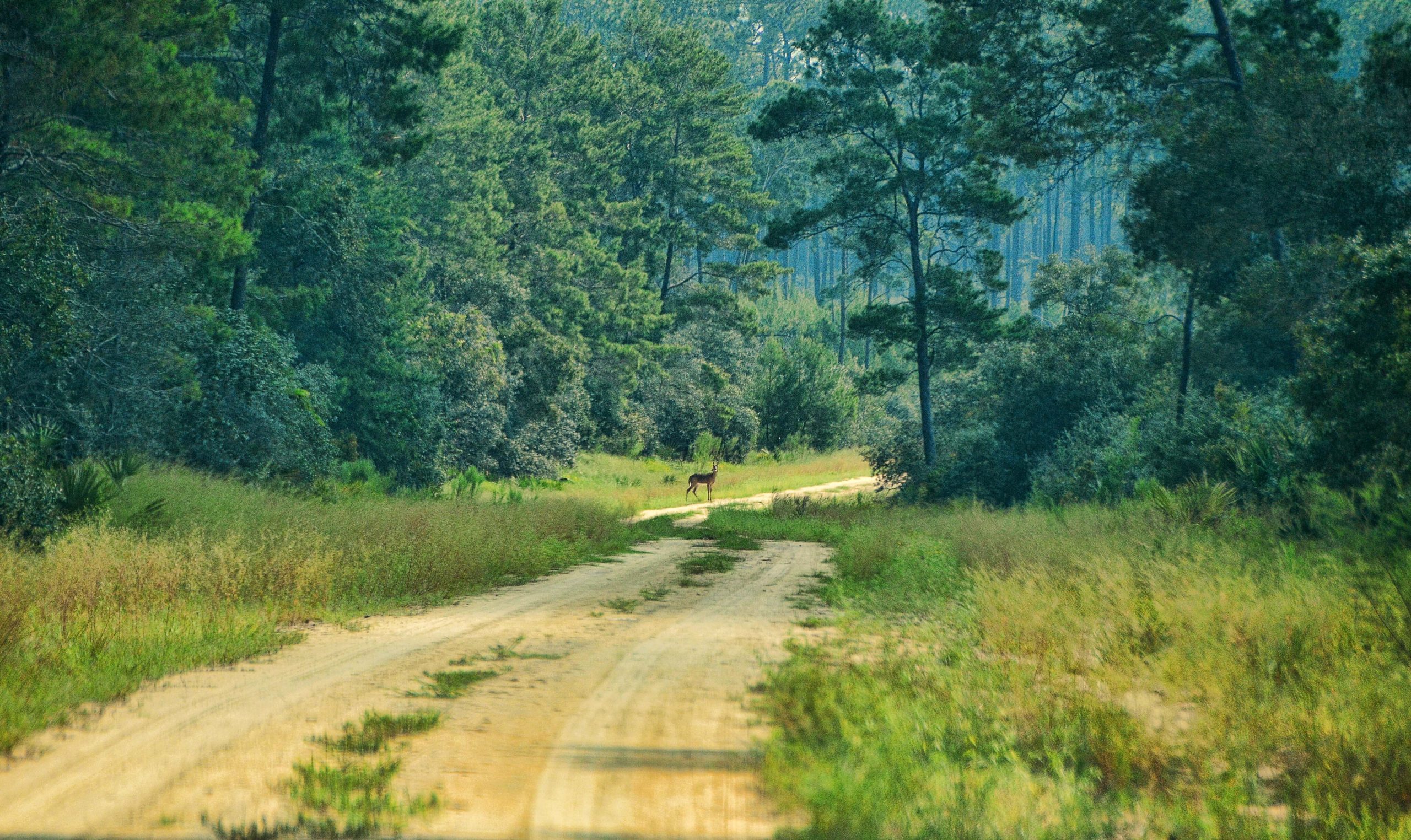
Dense tree cover in Ocala National Forest traps humidity close to the ground, limiting airflow that normally dries equipment. Tents develop interior condensation overnight, soaking sleeping pads and clothing by morning. Leather boots and canvas gear soften and weaken after repeated exposure to damp air. Firewood absorbs moisture quickly, making campfires difficult to maintain even when rain has not fallen. Cooking becomes slower and less efficient as moisture affects fuel performance. Over time, persistent dampness impacts comfort, efficiency, and morale, turning small inconveniences into ongoing challenges.
3. Big Cypress National Preserve
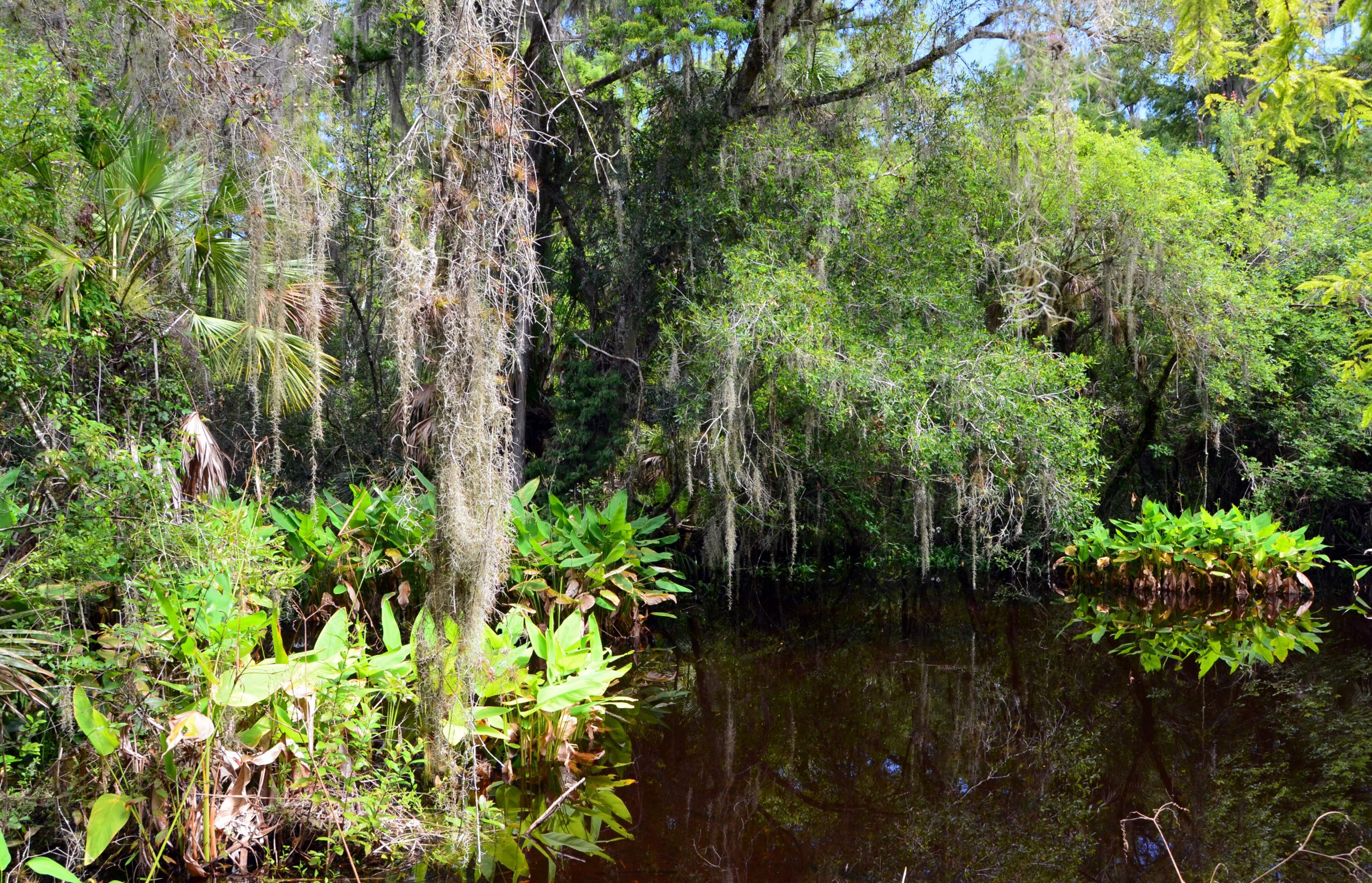
Big Cypress retains moisture because of flat terrain and extensive wetlands that limit natural drainage. Humidity clings to skin throughout the day, making breathable clothing feel heavy and uncomfortable. Electronics may fog internally, affecting screens and battery life. Paper maps wrinkle and degrade quickly. Metal tools and fasteners begin showing early signs of rust. Nighttime cooling is limited since moist air holds heat. After several days, sleep quality declines and equipment reliability suffers, creating difficulties that feel far more demanding than expected for campers unfamiliar with constant humidity.
4. Anastasia State Park
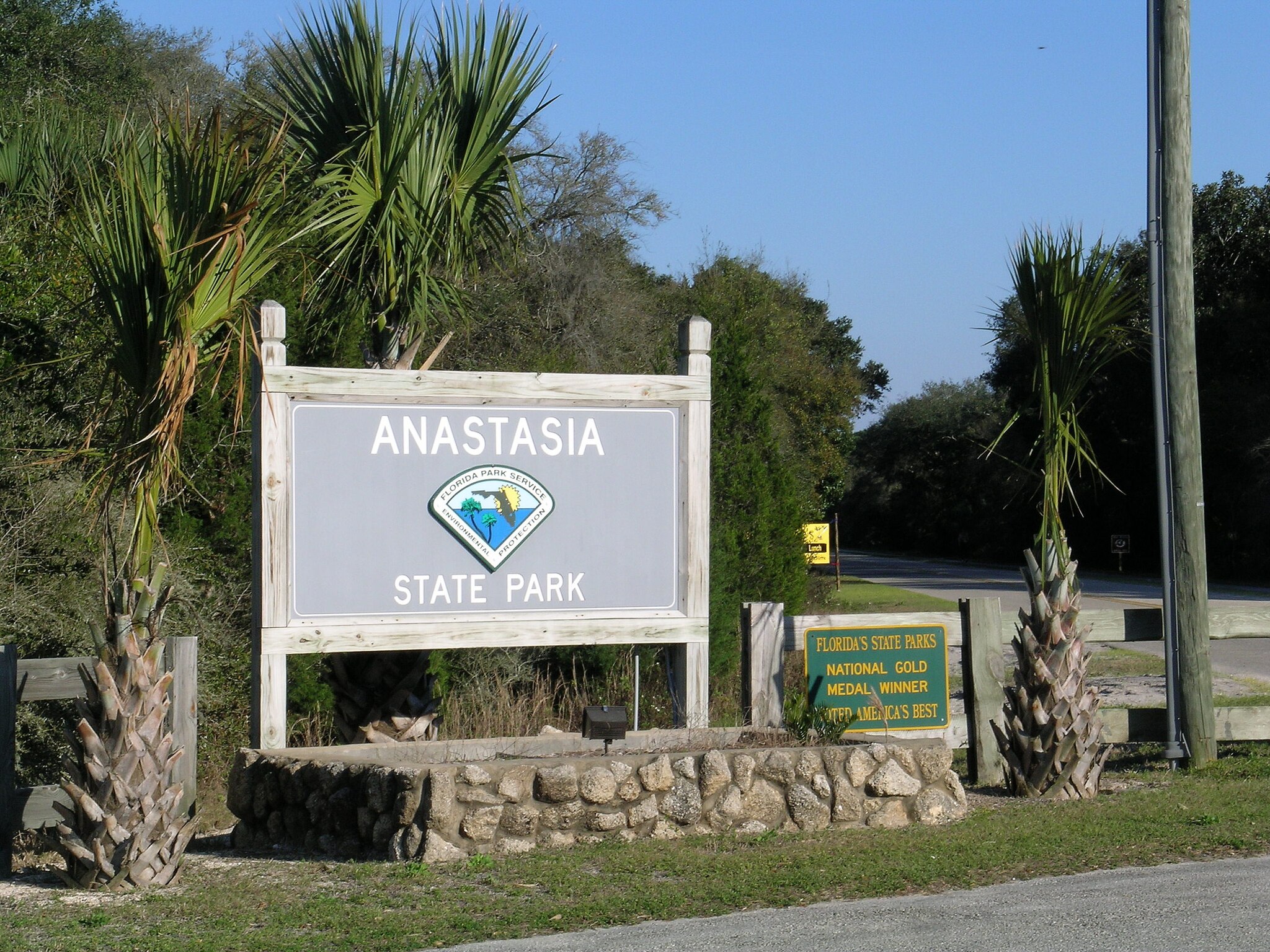
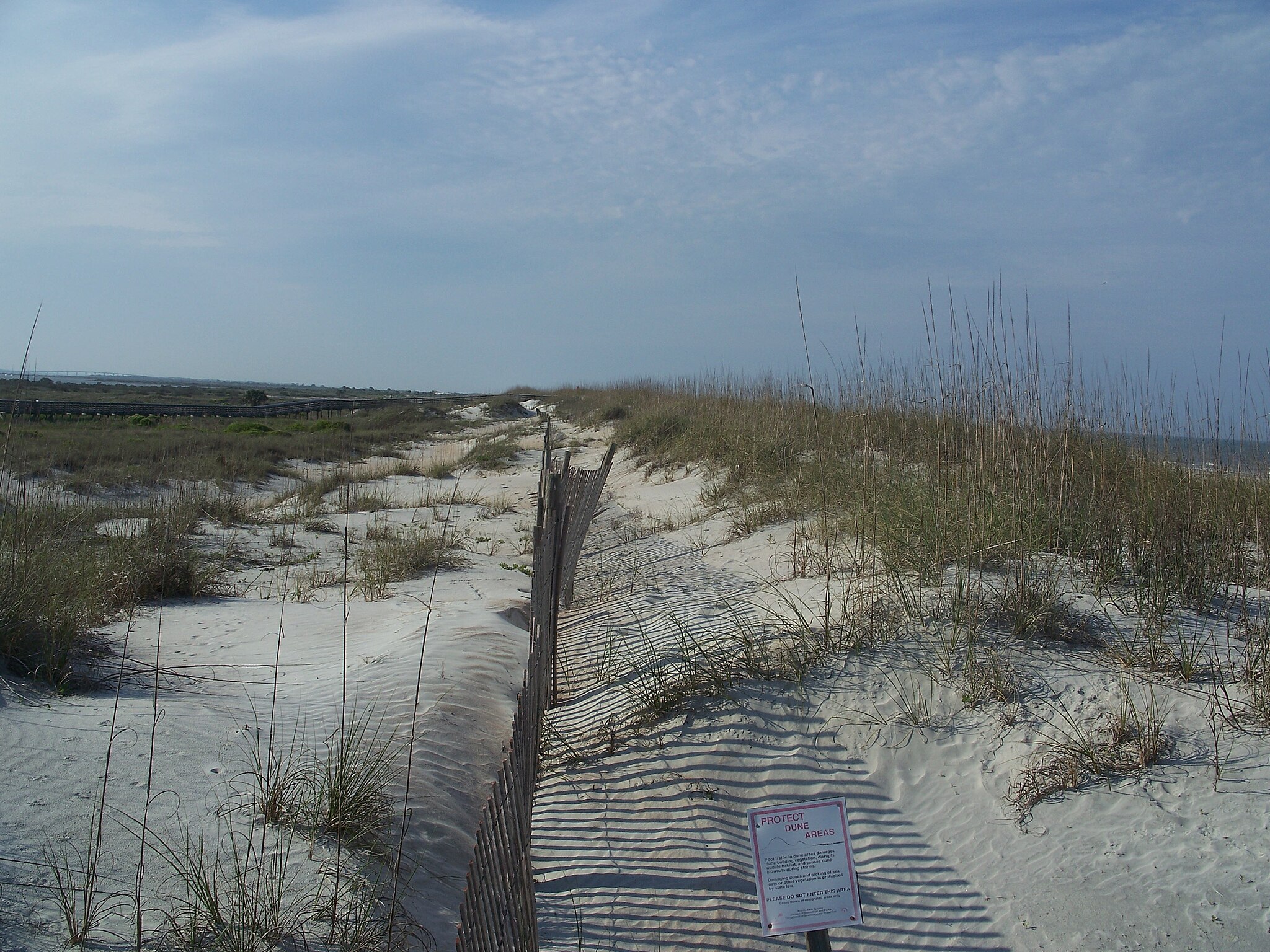
At Anastasia State Park, humidity combines with salty ocean air, accelerating wear on camping equipment. Metal zippers stick, tent poles corrode, and cookware shows surface damage sooner than expected. Sand adheres easily to damp skin and fabrics, causing ongoing irritation. Morning dew settles heavily and evaporates slowly, leaving bedding and clothing cool and wet. Food packaging softens, and paper items degrade quickly. Over multiple nights, the combined effects of moisture and salt require extra maintenance and attention to prevent equipment failure and discomfort.
5. Myakka River State Park
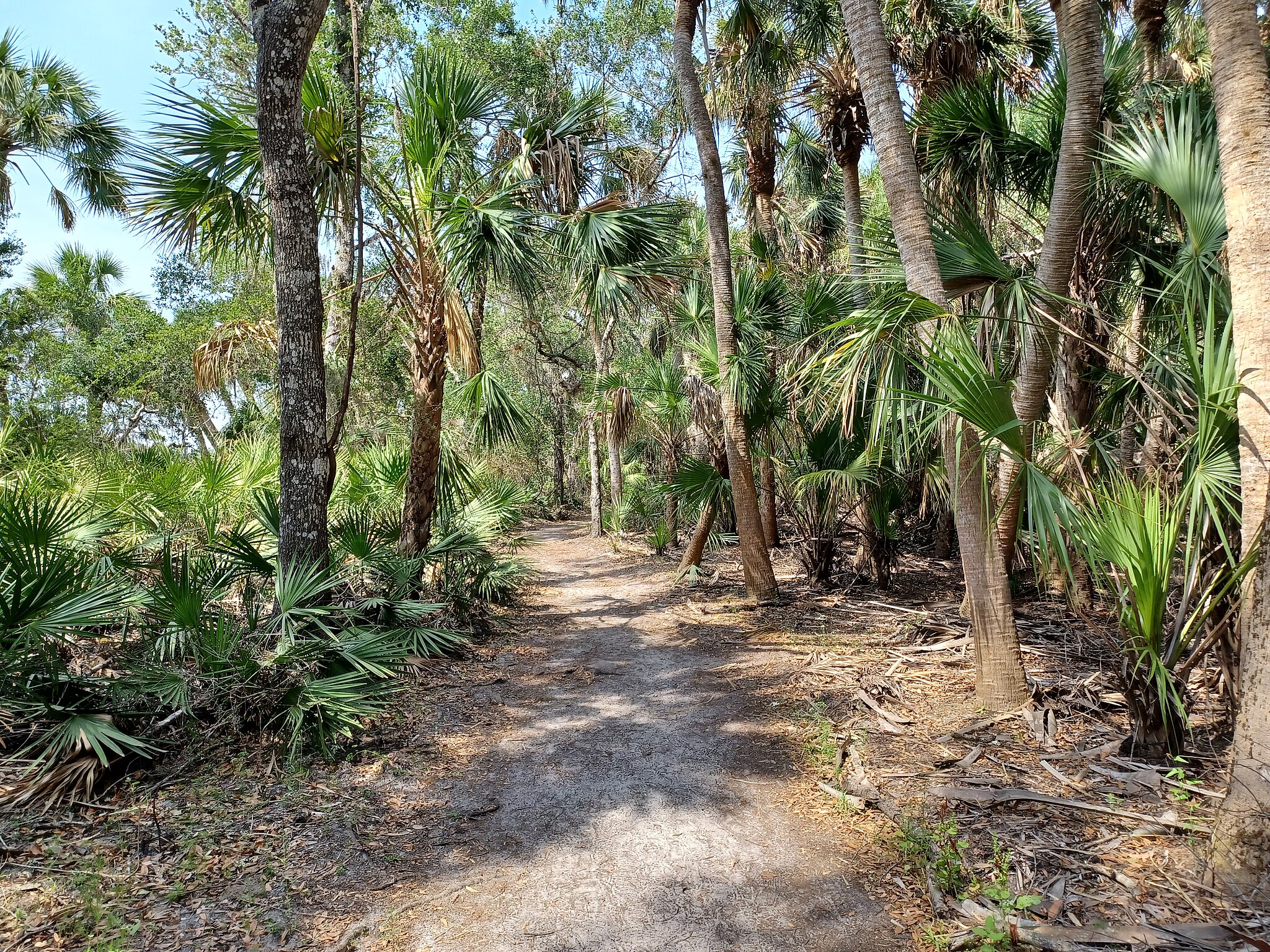
Open prairie areas at Myakka River State Park trap heat and humidity near the body. Sweat evaporation slows, causing campers to tire more quickly during routine tasks. Dehydration risk increases even when temperatures seem manageable. Sleeping pads collect surface moisture overnight, making bedding uncomfortable. Food spoils faster without careful storage, as warm, damp air speeds bacterial growth. Insects remain active longer into the evening. Over time, constant moisture and exposure reduce comfort and make daily camp responsibilities feel increasingly demanding.
6. Bahia Honda State Park
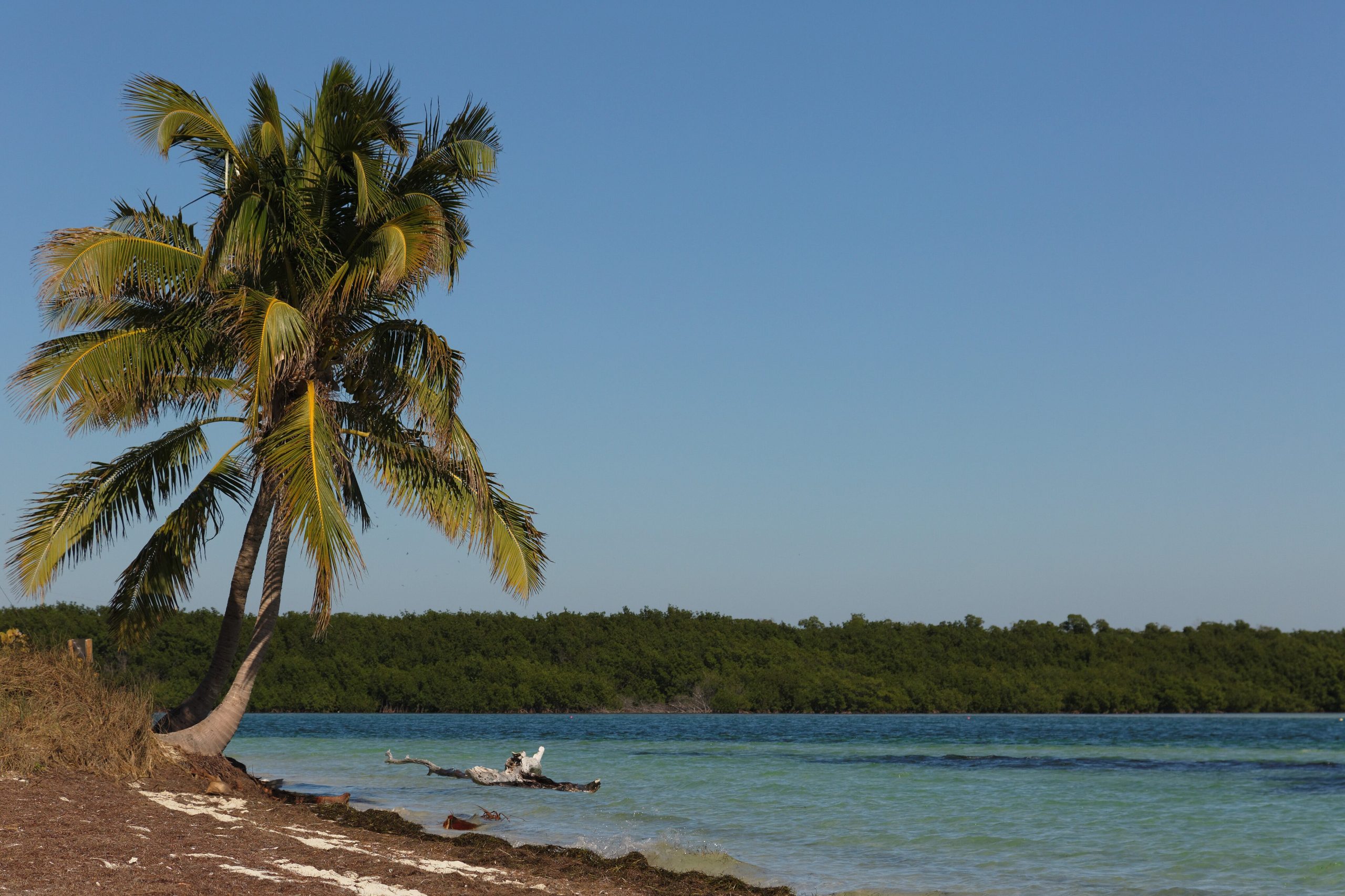
Bahia Honda State Park experiences persistent humidity from the surrounding ocean waters. Clothing rarely dries completely, even in bright sunlight and steady breezes. Bedding absorbs moisture overnight, leading to restless sleep and lingering discomfort. Synthetic fabrics weaken faster when repeatedly damp, shortening gear lifespan. Cooking becomes more difficult as heat and moisture build up around stoves. Salt residue mixed with humidity increases corrosion on equipment. After several days, campers realize that beach locations do not guarantee dry conditions and require careful moisture management.
7. Fakahatchee Strand Preserve
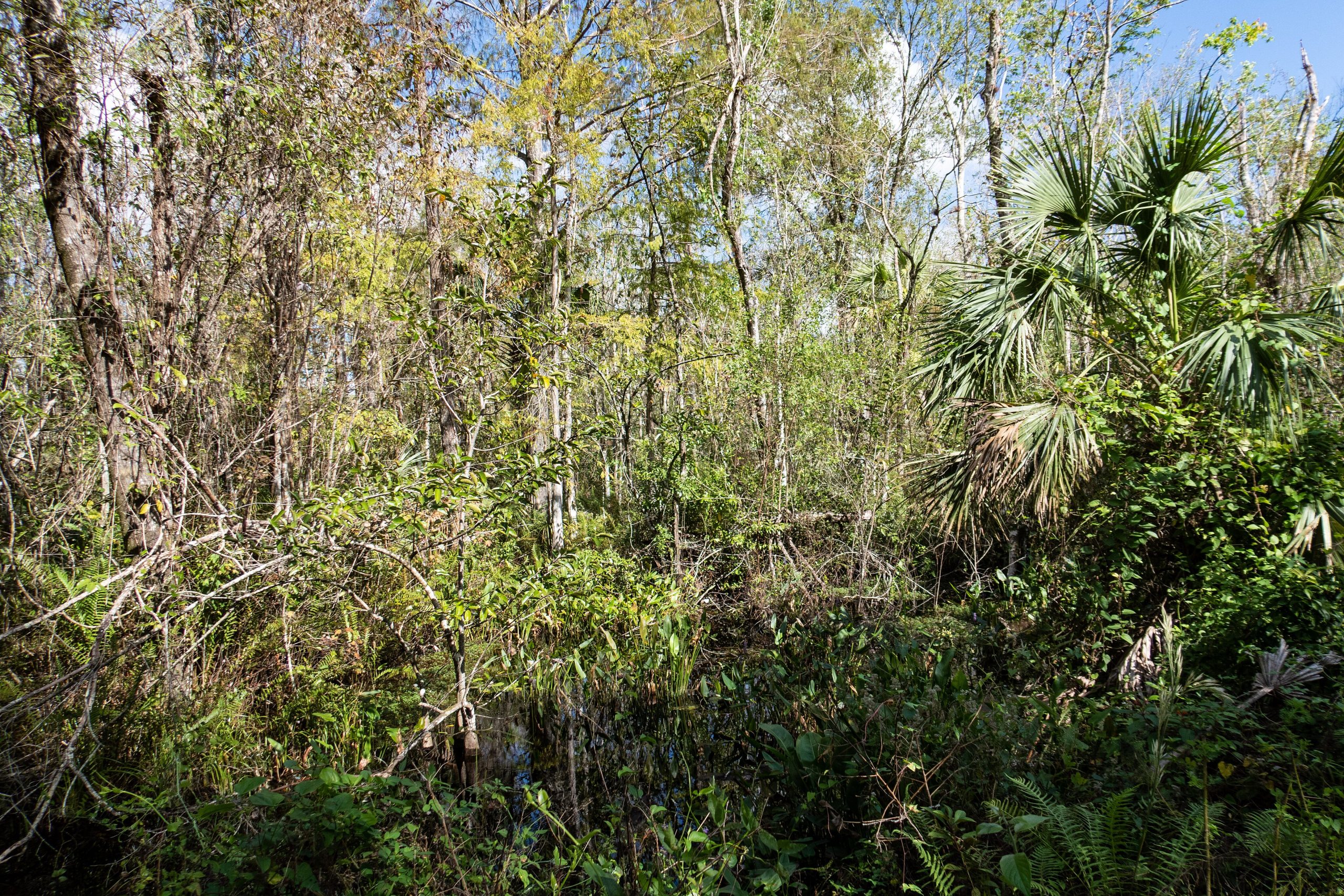
Fakahatchee Strand Preserve traps humidity beneath dense forest canopy, creating nearly constant dampness. Gear stays wet for days, encouraging mildew growth and strong odors. Insects thrive in these conditions, making protective clothing necessary throughout the day. Footwear remains damp, increasing the risk of blisters and skin irritation during hikes. Even sealed containers develop condensation inside. Sleeping areas feel heavy and uncomfortable at night. As days pass, moisture affects hygiene, comfort, and equipment care, making this location especially challenging for unprepared campers.